
Reviewed · VIP
7 Days Northern Luxury Safari
Seven days, four great wildlife areas. This private safari packs northern Tanzania’s biggest sights into one overland route, from Lake Manyara and Tarangire to the Serengeti and Ngorongoro Crater. I especially like the pop-up-roof 4X4, which gives you open views for photography, and the strong mix of wildlife habitats, including baobab country, endless grasslands, and a volcanic crater. I also like that a professional guide handles the long drives and game viewing, so you can focus on animals rather than directions.
The main drawback is the pace. Most sightseeing days run about nine hours, and you spend several nights moving between areas. At $6,900 per person, this is a major investment, and the value depends heavily on the quality of the guide, vehicle, and selected lodges. The route is impressive, but it is not a restful holiday.
In This Review
- Key points to know before booking
- Why this seven-day route works
- Day 1: Lake Manyara and Mto Wa Mbu
- Day 2: Tarangire’s elephants and baobabs
- Days 3 to 5: Three days in the Serengeti
- Day 6: Into Ngorongoro Crater
- Day 7: The airport transfer needs careful checking
- The 4X4, guide, and daily comfort
- Is $6,900 per person good value?
- Who should book this safari?
- FAQ
- Where does the safari start?
- Is this a private safari?
- Which national parks are included?
- How long are the daily activities?
- Can I see the wildebeest migration?
- What is the cancellation policy?
- Should you book it?
Key points to know before booking
- Lake Manyara begins the safari gently, with a short drive from Arusha and a stop in the market town of Mto Wa Mbu.
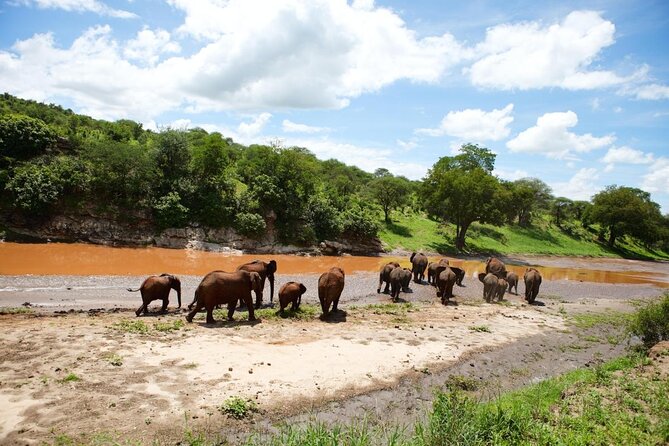
- Tarangire is elephant and baobab country, with a picnic overlooking the Tarangire River.
- Three Serengeti days give wildlife room to unfold, especially in the north between July and October.
- Ngorongoro Crater offers dense wildlife in a compact area, including a chance to see black rhino.
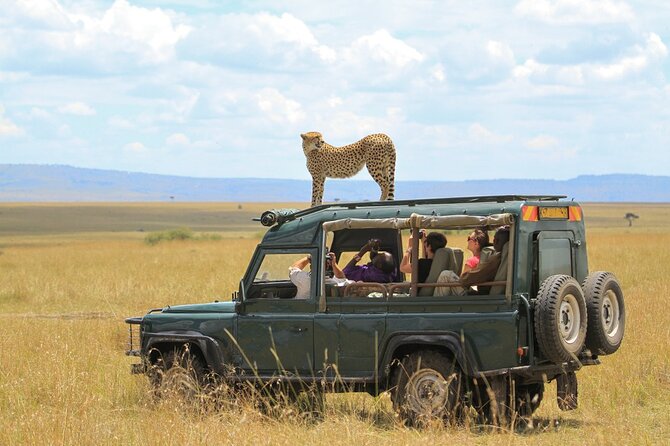
- The private 4X4 suits photographers, with large windows and a pop-up roof.
- Mr. Sam receives specific praise for trip planning and guiding, especially his nature and environmental knowledge.
Why this seven-day route works
Northern Tanzania rewards time, but many people do not have two weeks to spare. This itinerary gives you a concentrated version of the classic circuit, with one day at Lake Manyara, one at Tarangire, three in the Serengeti, one in Ngorongoro Crater, and a final transfer toward the airport.
I like the order. Lake Manyara provides an accessible first taste of safari. Tarangire then changes the scenery with giant baobabs and a river-based animal population. The Serengeti receives the largest share of the trip, which is sensible because wildlife sightings are never guaranteed on a schedule. Ngorongoro finishes with a high-density game drive before you head out.
Still, you should understand the rhythm. The itinerary lists most days at around nine hours. That includes driving, game viewing, meals, and stops. You may spend long periods seated in the vehicle, often on rough park roads. The reward is access to large, remote areas without having to arrange several separate tours.
This is a private activity, so only your group participates. That matters. You are not tied to the preferences of a large busload of people, and the guide can shape the day around sightings and your interests. The supplied details do not state the size of your private group, the exact vehicle model, or the lodge names, so ask for those before paying.
A few more options to weigh up in Arusha
- Balloon Safari & Bush Breakfast in Serengeti – Miracle Experience
★ 5.0 · 1,646 reviews - Tanzania Classic – 7 Days
★ 5.0 · 1,151 reviews - 4 Days Group Camping Safari
★ 5.0 · 1,101 reviews
Day 1: Lake Manyara and Mto Wa Mbu
The safari begins after breakfast with a drive from Arusha to Lake Manyara National Park. The stated journey takes about two hours, making this a manageable first day rather than an exhausting opening transfer.
The stop at Mto Wa Mbu gives the route some local character. This market town is known for agricultural produce and a mix of local cultures. You can look for fresh food, small souvenirs, and a quick sense of everyday commerce before entering the park. I like this pause because it breaks up the drive and adds a human setting to a trip otherwise focused on wildlife.
Lake Manyara is presented as a photographer’s park, and the description points to a broad range of familiar African animals. The signature sight is the tree-climbing lion. Seeing a lion resting in an acacia tree is never something you can schedule, but the possibility gives this park a clear identity.
The day lasts about nine hours, including the market stop and game drive. A lodge overlooking Lake Manyara is part of the experience described, so you should expect the first night to include broad views over the lake area. The exact accommodation is not named, which is important at this price. Ask whether the room has a direct lake view and what meals are included.
Day 2: Tarangire’s elephants and baobabs
After breakfast, you head into Tarangire National Park for a morning game drive. The park follows the Tarangire River, with low hills, acacia woodland, giant baobab trees, and broad swamp areas in the south.
The river and swamps become especially important during Tanzania’s dry season. Animals gather around dependable water and feeding areas, giving you a better chance of seeing large groups in one place. Elephants are the park’s headline residents, but the route also offers the pleasure of watching how different species use the same water source.
Tarangire feels different from Lake Manyara. The baobabs create a more dramatic setting, while the river gives the day a natural line to follow. I would keep your camera ready between major sightings. Sometimes the most memorable image is not a rare predator, but an elephant moving past an ancient tree.
Lunch is served at a picnic site overlooking the Tarangire River. That is a useful detail, since a scenic outdoor meal can make the middle of a long game-drive day feel less rushed. After lunch, you continue to Karatu for dinner and an overnight stay.
This transfer also shows the practical compromise of the route. You enjoy Tarangire, but you do not remain in the park overnight. You move on to position yourself for the next stage, which means another vehicle transfer after the game drive.
Days 3 to 5: Three days in the Serengeti
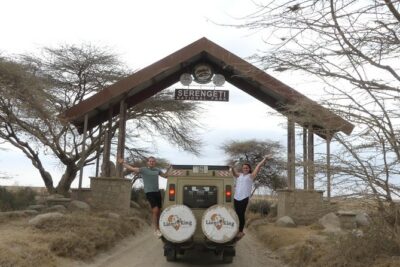
The Serengeti receives the largest block of time, and that is the right choice. It is one of Africa’s most famous wildlife areas because its open grasslands support a major predator and prey cycle. Depending on the season and exact location, you may look for wildebeest, zebra, gazelle, elephants, buffalo, big cats, and other plains animals.
Day 3 takes you from the Karatu area toward the Serengeti. The plan calls for game viewing across the park, a packed lunch, and an afternoon game drive before dinner and an overnight stay. The wording suggests a long day on the road and in the park, so expect this to be one of the more demanding sections.
The benefit of three Serengeti days is flexibility. A single game drive can produce a wonderful sight, but it can also be quiet. With more time, your guide can search different parts of the park and respond to changing animal activity. You are not relying on one brief morning to deliver every highlight.
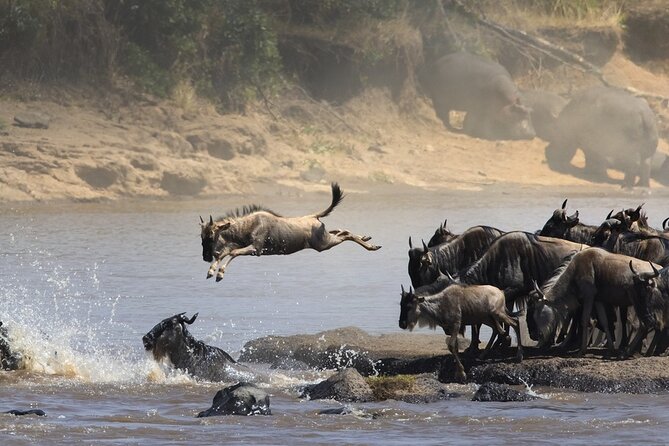
Day 4 focuses on Northern Serengeti. The northern area can be especially productive from July through October, when the migration may be in or near the region. The seasonal movement of wildebeest is not guaranteed on any exact date, but this period offers one of the better chances of encountering major herds in the north.
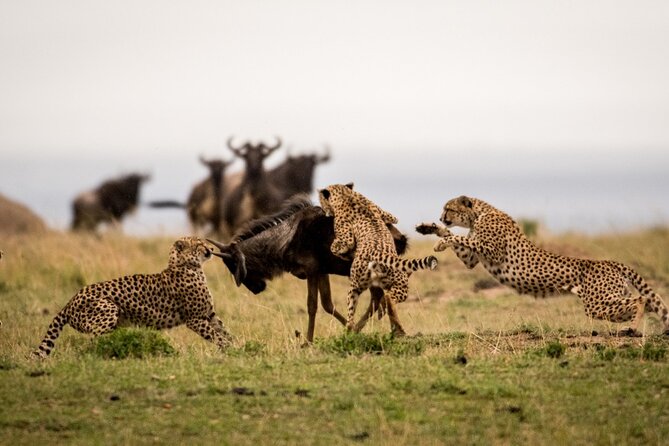
The day’s animal list includes elephant, buffalo, eland, gazelle, and possibly cheetah. You should treat the word possibly seriously. Safari is not a wildlife show with fixed times. Your guide’s skill in reading tracks, animal behavior, and recent sightings can make a real difference, and the trip specifically credits Mr. Sam for professional guiding and strong understanding of nature and the environment.
The second Serengeti day also includes morning and afternoon game drives. That split is useful. Early hours often give you a fresh start before the heat of the day, while an afternoon drive offers another chance to search after lunch. The schedule does not state whether lunch is packed or served at camp on Day 4, so confirm this if meal arrangements matter to you.
Day 5 repeats a full-day Serengeti game-drive pattern, with packed lunch and an afternoon drive. Some people may find this repetition ideal, while others may prefer more cultural stops or a slower lodge day. I would choose this tour if wildlife is your main reason for visiting Tanzania. The Serengeti is where the itinerary spends its time, and that focus improves your odds of seeing a broad range of animals.
The accommodation is described only as the chosen accommodation. That phrase leaves out a key part of a luxury safari decision. Ask for the lodge or tented camp names, their location inside or outside the park, and whether the price includes all meals, park fees, and game-drive costs.
A different kind of day out entirely:
- 5 Days Group Camping Safari
★ 5.0 · 730 reviews - Materuni Waterfalls, coffee tour & Kikuletwa Hot Springs
★ 5.0 · 643 reviews - 3 Days Serengeti & Ngorongoro Group Camping Safari
★ 5.0 · 574 reviews - 7-Day Premium Luxury Tanzania Safari All-Inclusive
★ 5.0 · 426 reviews
Day 6: Into Ngorongoro Crater
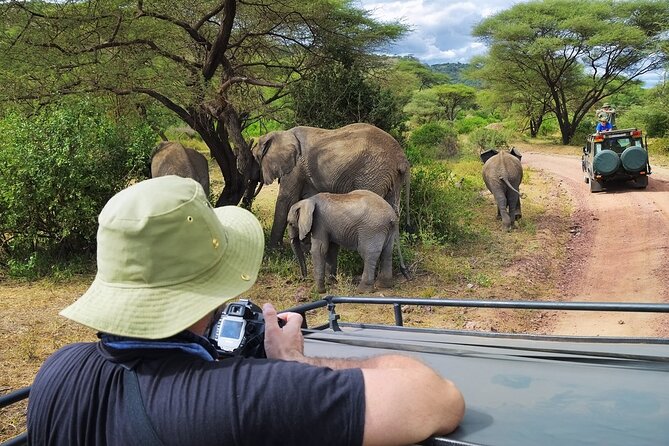
You leave early after breakfast and descend about 600 meters into Ngorongoro Crater for a half-day game drive. The crater is one of the most concentrated wildlife areas in Africa, supported by water and food supplies available throughout the year.
The listed animal possibilities include wildebeest, zebra, buffalo, eland, warthog, hippo, and giant African elephants. Black rhino is another important possibility. The crater is one of the few places on this northern route where you have a stated chance of seeing Tanzania’s remaining black rhino population.
The crater’s compact setting creates a different kind of safari from the Serengeti. Instead of wide open plains stretching toward the horizon, you spend time within a natural bowl containing grassland, water, and wildlife. That concentration can make the morning feel productive, but it can also mean more vehicles gathering around popular sightings. The supplied details do not explain vehicle limits or crowd levels, so your guide’s timing matters.
You eat a picnic lunch in the crater before climbing out and continuing to your overnight accommodation. This is another long day, listed at about nine hours. The early start is worthwhile, but you should be ready for a full schedule after several days on the road.
Day 7: The airport transfer needs careful checking
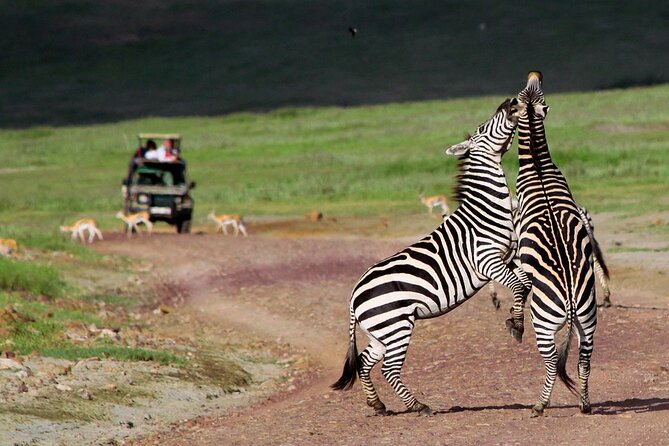
After breakfast, the final drive is described as going from Ngorongoro to Kilimanjaro International Airport, connecting with your flight home. The day is listed at about two hours.
There is a small planning issue here. The tour location is Arusha, and the final day is labeled Arusha, but the stated destination is Kilimanjaro International Airport. Those are not interchangeable points on a booking form. Before confirming flights, ask the operator to verify the exact drop-off point, estimated driving time, and the latest departure time they recommend.
The meeting information gives Kilimanjaro International Airport, Kilimanjaro Airport Road, with a 7:00 a.m. start time. Pickup is offered, but you should confirm whether pickup applies to your hotel, the airport, or another agreed point. Clear transfer details are especially important after a crater stay.
The 4X4, guide, and daily comfort
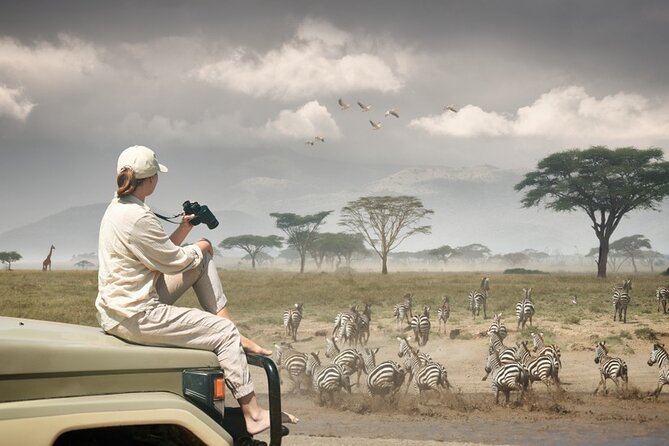
The safari uses a rugged 4X4 vehicle built for game viewing, with large windows and a pop-up roof. That roof is one of the most useful features in the whole package. It lets you stand or sit with a better view when animals are nearby, while the open sides help with photography.
A private vehicle also gives you more control than a shared departure. You can ask questions, spend longer at a sighting, and discuss the day’s priorities with your guide. The provided feedback specifically praises Mr. Sam for arranging a memorable trip and guiding with care for nature and the environment. If he is your assigned guide, that is a strong reason to feel encouraged. If not, ask who will lead your safari.
The details do not state whether Wi-Fi, charging points, bottled water, binoculars, or camera support are supplied. Do not assume these are included simply because the tour is described as luxury. Ask for a written list of inclusions.
Is $6,900 per person good value?
At $6,900 per person, this is not a budget safari. The price may be reasonable for a private seven-day trip across four major northern Tanzania destinations, especially if it includes high-quality lodges, park fees, meals, airport transfers, and a dedicated 4X4 with a strong guide.
But the word luxury needs detail behind it. The accommodation names are not supplied, and neither are the exact inclusions. The price could represent good value, or it could feel high if several costs are added later. I would request a day-by-day cost breakdown before booking.
The private format is a real advantage. You are paying for personal space and a more flexible schedule, not just a seat on a vehicle. The route also covers the main northern highlights in a short period, which may save you the cost and planning effort of arranging separate safari sections.
I would compare the quote against three things: the standard of the lodges, the experience of the guide, and how much of the trip is spent actually game viewing rather than transferring. If those three areas are strong, the price can make sense for a short, high-end safari.
Who should book this safari?
I would recommend it to you if you have one week, want the classic northern Tanzania circuit, and care more about wildlife than beach time or extended cultural touring. It also suits photographers, thanks to the large windows and pop-up roof.
The private format works well for couples, families, or a small group with shared interests. Most people can participate, according to the tour information, but the long driving days still require patience and comfort with sitting in a safari vehicle.
I would hesitate if you want slow mornings, named luxury lodges, or a detailed cultural program. Mto Wa Mbu is the main local market stop described, while the rest of the schedule centers on game drives. You also need to be comfortable with the uncertainty of wildlife sightings.
Cancellation is flexible up to 24 hours before the start time for a full refund. Later cancellations and changes are not accepted, and poor weather may lead to a different date or a refund.
FAQ
Where does the safari start?
The listed meeting point is Kilimanjaro International Airport on Kilimanjaro Airport Road, with a 7:00 a.m. start time. Pickup is offered, so confirm the exact pickup location when booking.
Is this a private safari?
Yes. Only your group participates in the activity. The supplied information does not state the maximum number of people in your group.
Which national parks are included?
The route includes Lake Manyara National Park, Tarangire National Park, Serengeti National Park, and Ngorongoro Crater.
How long are the daily activities?
Most itinerary days are listed as approximately nine hours. The final transfer day is listed as about two hours.
Can I see the wildebeest migration?
The Serengeti may offer views of migrating wildebeest in season. Northern Serengeti is described as particularly productive between July and October, but wildlife locations and migration timing can vary.
What is the cancellation policy?
You can cancel at least 24 hours before the start time for a full refund. Cancellations or changes made less than 24 hours before the start time are not accepted. If poor weather cancels the experience, you are offered another date or a full refund.
Should you book it?
Book this safari if you want Tanzania’s major northern parks in a tightly planned seven-day trip, with a private 4X4 and three full days centered on the Serengeti. The strongest reasons are the range of habitats, the dedicated vehicle, the scenic Tarangire picnic, and the chance of black rhino in Ngorongoro Crater.
Before you pay $6,900, get the lodge names, inclusions, group size, guide assignment, and final airport transfer confirmed in writing. If those details match the luxury price, this is a powerful short safari. If they remain vague, keep comparing.
Just added in Arusha
- Safari “Kifaru” – 5 days in the most famous Parks in the world★ 5.0 · 4 reviews
- Saadani Day Trip★ 5.0 · 13 reviews
- 3 Days Tanzania Short and Spicy★ 5.0 · 6 reviews
- 5 Day Tanzania Safari Camping Adventure Private Tour★ 5.0 · 2 reviews
- Day Trip to Ngorongoro Crater from Arusha★ 5.0 · 1 review
- SERENGETI NATIONAL PARK Tour★ 4.5 · 5 reviews
- 3 Days Serengeti Park & Ngorongoro Crater Adventure Safari★ 5.0 · 8 reviews
- 6 Days Tanzania Bush Experience Safari★ 5.0 · 6 reviews
VIP, compared.
7-Day Premium Luxury Tanzania Safari All-Inclusive
Read our review →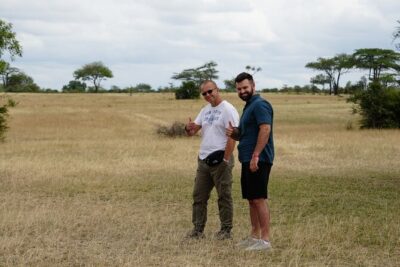
5 Days Best of Tanzania Luxury Safari Northern Circuit
Read our review →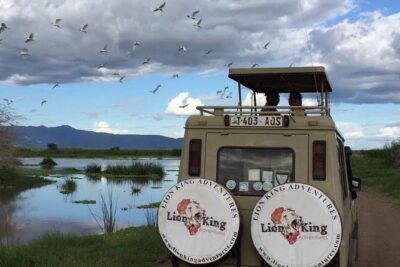
12 days Luxury Tanzania Honeymoon Safari and Zanzibar
Read our review →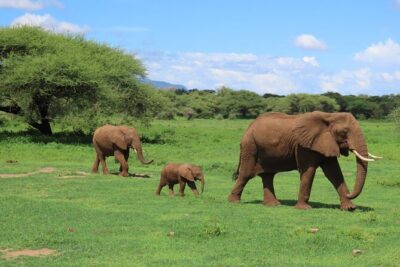
Top Best 5 Days Tanzania Luxury Safari to Serengeti
Read our review →
Browse the lists this tour appears in