
Reviewed · SERENGETI & NGORONGORO SAFARIS
8 Days Safari (Lake Manyara /Tarangire/Serengeti/Ngorongoro)
Eight days, five major parks, one huge wildlife circuit. This safari packs Tanzania’s northern highlights into a lively camping trip, with Arusha National Park, Tarangire, Serengeti, Ngorongoro Crater, and Lake Manyara all included. I especially like the chance to see elephants among Tarangire’s baobabs and to spend several full days tracking the wildebeest migration in the Serengeti.
I also like the mix of wildlife and local life. The Mto wa Mbu village walk, banana plantations, local food, and Maasai boma visit add human context to a trip that could otherwise become a long string of game drives. The main consideration is the pace: several days begin before sunrise, and long drives, basic camping, and changing campsites require stamina.
In This Review
- Key Things to Know Before You Book
- Why This Eight-Day Route Works
- Arusha National Park Begins the Safari in Forest
- Tarangire Brings Elephants and Baobabs
- The Road to Serengeti Adds Rift Valley Views
- Three Serengeti Days Give You Time to Search
- An Early Start Leads Toward Ngorongoro
- Ngorongoro Crater Is the Wildlife Concentration Day
- Lake Manyara Finishes With Forest, Flamingos and Hot Springs
- Camping, Meals and the Safari Vehicle
- Value, Group Size and Practical Details
- Who Should Choose This Safari?
- Should You Book the 8-Day Safari?
- FAQ
- How long does the safari last?
- Where does the safari begin?
- Which national parks are included?
- Is airport transportation included?
- Is accommodation in Arusha included?
- What type of vehicle is used?
- Are meals included?
- When is the best time to see the wildebeest migration?
- What is not included?
Key Things to Know Before You Book
- Three full Serengeti days: More time in the park gives you a better chance of finding predators, herds, and migration activity than a quick overnight visit.
- Mara River timing matters: July through October is the stated window for the best chance of seeing crossings in northern Serengeti, but nature never follows a tour schedule.
- A wide range of habitats: You move from montane forest and crater wetlands to baobab country, open plains, river valleys, and the Ngorongoro floor.
- Camping keeps the price lower: You sleep at campsites, including Seronera and Simba, rather than spending every night in a lodge.
- Private participation is advertised: The activity is described as private, although the wording also refers to a joining group camping safari, so confirm the arrangement before paying.
- Strong guide and cook praise: Names connected with especially positive safari experiences include Jacob, Nuru, Samwel, Douglas, Benson, Mohamed, Iddy, Dula, and Eric.
Why This Eight-Day Route Works
This route is designed for someone who wants the classic northern Tanzania circuit without choosing just one park. Each stop has a different feel, and that variety is a major strength.
You begin with Arusha National Park, then move to Tarangire before reaching the Serengeti. After several days among the plains, you continue to Ngorongoro Crater and finish at Lake Manyara before returning to Arusha. The order gives you a gradual build toward the Serengeti, followed by two very different final stops.
I like that the route does not treat the Serengeti as a quick photo stop. Days 3 through 6 give you time to search for wildlife across central and northern areas. That extra time matters because the migration is constantly moving, and a good sighting depends on where the animals are when you arrive.
The tradeoff is road time. Day 3 includes the journey from the Ngorongoro area toward the Serengeti, with views of the Rift Valley and Ngorongoro Crater along the way. Day 6 combines an early game drive, lunch, packing, more wildlife viewing, and the transfer toward Ngorongoro. This is an active safari, not a restful hotel holiday.
More Serengeti and Ngorongoro safaris:
- Balloon Safari & Bush Breakfast in Serengeti – Miracle Experience
★ 5.0 · 1,646 reviews - 3 Days Serengeti & Ngorongoro Group Camping Safari
★ 5.0 · 574 reviews - 5-Day Highlights mid-Range Crater, Serengeti, Tarangire
★ 5.0 · 296 reviews
Arusha National Park Begins the Safari in Forest
Your first morning starts around 8:00 a.m. with a roughly 40-minute drive from Arusha to Arusha National Park. The opening setting is very different from the open plains you may picture when you think of safari.
The entrance road passes through montane forest where blue monkeys move through the trees. Colorful turacos and trogons add interest for anyone who enjoys birdlife, while black-and-white colobus monkeys are a major draw here. This is one of the best places on the northern circuit to look for them.
The park also includes Ngurdoto Crater, a dramatic volcanic hollow with steep rocky sides and a marshy floor. Buffalo and warthogs gather in this area, creating a good early introduction to larger mammals without the crowds and long drives of the Serengeti.
The day is listed at about eight hours. That gives your guide time to work through different parts of the park, though the exact wildlife sightings will depend on conditions. I see this first day as a useful warm-up: close to town, varied, and less demanding than the long transfers ahead.
Tarangire Brings Elephants and Baobabs
Day 2 begins with pickup around 8:00 a.m. and a drive of about three hours to Tarangire National Park. The park covers roughly 2,800 square kilometers and takes its name from the Tarangire River, an important water source for wildlife.
Tarangire is best known for elephants, baobab trees, and the unusual sight of pythons climbing trees. Lions, leopards, and other animals are also possible. The river helps explain why wildlife can be concentrated here, especially when water is harder to find elsewhere.
I like Tarangire because it has a strong visual identity. The giant baobabs give the park a sense of place, and elephants make the game drives feel substantial even before you reach the Serengeti. If your main goal is wildlife variety, this is an important stop rather than a filler day.
You have a full day of game viewing before continuing to Jambo Lodge for dinner and overnight accommodation. The itinerary calls this an eight-minute stop in one place, which is clearly a timing error. Plan on a full game-drive day, not eight minutes.
The Road to Serengeti Adds Rift Valley Views
On Day 3, you pack after breakfast and begin the drive to Serengeti with lunch inside the safari vehicle. The route includes views of the Rift Valley and Ngorongoro Crater, so the transfer is also a sightseeing day.
You are expected to reach the Serengeti around 3:00 p.m., followed by an evening game drive in central Serengeti. Sunset viewing can be especially appealing here, when the open plains take on softer light and animals become more active.
You spend the night at Seronera campsite inside Serengeti National Park. Camping in the park keeps you close to the wildlife areas and helps avoid another long transfer after the evening drive. At the same time, you should be comfortable with basic camping and a schedule that runs from breakfast through sunset.
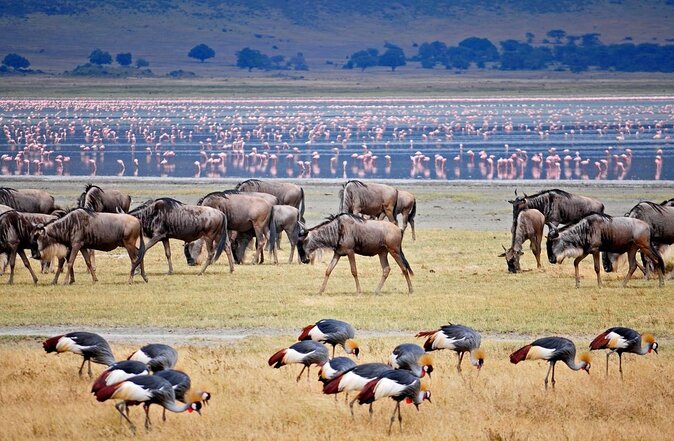
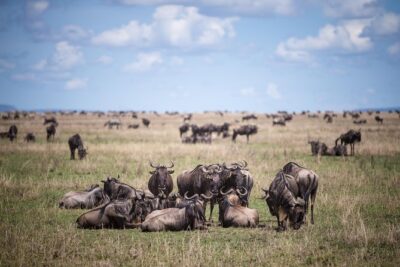
The Serengeti is famous for its seemingly endless plains and the annual movement of roughly 1.5 million wildebeest, along with other herbivores and predators. The key point is that the migration is not a single event in one fixed place. It shifts through the year, and your guide must adjust the route to match current conditions.
More Tarangire safaris:
- Private 6-Day Tarangire Manyara Crater and Serengeti with Mid-Range Lodges
★ 5.0 · 238 reviews - 5 Days Camping Tarangire, Serengeti & Ngorongoro crater & Visiting Maasai
★ 5.0 · 229 reviews - 4 Days Join Group tour Tarangire Serengeti and Ngorongoro crater
★ 5.0 · 219 reviews - 4-Day Safari from Arusha: Tarangire, Serengeti and Ngorongoro
★ 5.0 · 173 reviews
Three Serengeti Days Give You Time to Search
Days 4 and 5 are the heart of the trip. You begin after breakfast with game drives through important Serengeti areas, including a push toward northern Serengeti.
This portion is built around the wildebeest migration. The Mara River is the main focus from July to October, with Kogatende identified as a key crossing area. The best chance of seeing river crossings is generally between July and October, but no responsible guide can promise a crossing on a particular morning.
The herds may cross back and forth, and the movement can be slow, sudden, crowded, or spread out. You could spend hours watching the river and see nothing dramatic, then find the action begins quickly. Patience is part of the experience, so I would not book this section if you expect a guaranteed spectacle on demand.
The itinerary also refers to the Ndutu Plains, which are more closely associated with the calving season from January through March. That timing offers a different kind of wildlife experience, with young animals and increased predator activity. If you are visiting from June through September, northern Serengeti is the stronger focus for migration viewing.
The long Serengeti stay is one of this safari’s best features. You have more than one chance to find lions, cheetahs, leopards, elephants, giraffes, buffalo, and other plains animals. Several past safari parties gave high praise to guides including Jacob, Nuru, Samwel, Douglas, Benson, Mohamed, and Iddy, with particular appreciation for their wildlife knowledge, driving, patience, and ability to locate animals.
An Early Start Leads Toward Ngorongoro
Day 6 begins around 5:45 a.m. with breakfast and a sunrise game drive. The drive continues until about 11:30 a.m., after which you return to camp for a hot lunch and pack your luggage into the vehicle.
You then continue through Serengeti while heading toward Simba campsite near Ngorongoro. Dinner and overnight accommodation follow there.
This is a ten-hour day, and it is one of the more demanding parts of the trip. The early start is worthwhile because morning light and animal activity can be excellent, but you will spend much of the day either watching for wildlife or riding between camps. Bring a small day bag with sunscreen, a hat, a fleece, and anything you need during the drive. Your main luggage may be packed away in the jeep.
The included unlimited drinking water is practical here. So are the meals, since the schedule does not leave much time for finding food along the route.
Ngorongoro Crater Is the Wildlife Concentration Day
Day 7 starts around 5:30 a.m. with breakfast before you descend into Ngorongoro Crater. The crater floor is known for high concentrations of wildlife, and the itinerary specifically includes the Big Five, birds, black rhino, and flamingos.
You spend six to seven hours on the crater floor, with lunch inside the crater while watching the natural surroundings. The enclosed setting can make wildlife viewing feel concentrated and efficient. Rather than covering huge distances across open plains, you are searching within a contained area where grassland, wetland, and other habitats support many animals.
Black rhino sightings are never something to treat as automatic, but the opportunity is one of the reasons Ngorongoro deserves a full morning and afternoon. Flamingos add a different note, particularly around the crater’s water areas.
After ascending, you pass through camp to pack the jeep and continue to Jambo Lodge for dinner and overnight accommodation. The day also includes a walking tour in Mto wa Mbu village. You can see banana plantations, learn about local life, and taste local food.
I consider this village visit an important balance to the game drives. It gives you a chance to walk rather than sit in the vehicle and connects the parks to the communities around them.
Lake Manyara Finishes With Forest, Flamingos and Hot Springs
The final day takes you to Lake Manyara National Park after breakfast. You have a full-day game drive, with tree-climbing lions listed as a key attraction.
Manyara is also associated with flamingos drawn to algae in the lake, as well as a hot spring. The park gives you another change of scenery after the wide Serengeti plains and Ngorongoro grasslands.
The tree-climbing lions are a famous reason to visit, but sightings depend on the animals and the season. I would treat them as a welcome possibility rather than a promise. The same applies to large numbers of flamingos, since bird numbers can vary.
Day 8 also includes a visit to a Maasai boma, where you can learn about local traditions and daily life. This cultural stop, like Mto wa Mbu, makes the itinerary feel broader than a wildlife checklist.
After the park and cultural visit, you drive back to Arusha. The schedule says dinner and overnight accommodation in Arusha, while the included services also mention two Arusha hotel nights, one before and one after the safari. Confirm exactly where the final night falls and whether the return transfer matches your onward flight.
Camping, Meals and the Safari Vehicle
The safari uses an extended 4×4 vehicle with a pop-up roof. That roof is valuable because it gives you a raised view while keeping you protected from the elements during game drives. It also lets you scan farther across open ground than you could from a normal car.
A professional English-speaking guide and cook are included. Food receives especially strong praise, with Dula and Eric among the cooks associated with positive safari experiences. One February safari was particularly appreciated for homemade meals served three times a day, with breakfast, lunch, and dinner included throughout the trip.
The stated inclusions list eight breakfasts, eight lunches, and nine dinners. That does not perfectly match an eight-day schedule, so ask for a final meal count in writing. The same applies to the accommodation wording, since the route combines campsites, Jambo Lodge, and Arusha lodging.
Personal expenses are not included. You will need to budget for a Tanzanian visa, laundry, telephone use, beverages, and tips for the guide and cook. Tips are not included, but they are an important part of acknowledging good service.
Value, Group Size and Practical Details
The displayed price is $0.00 per person, which should not be treated as the actual safari cost. A zero price almost certainly means a live quote is required or that the amount is not populated. Before booking, request the full price for your dates, group size, accommodation level, park fees, airport transfers, and any private vehicle supplement.
The package includes airport transfers in both directions between the international airport and Arusha, plus two nights in Arusha. Those inclusions can add real value because arranging the first and last nights separately takes time and creates more room for mistakes.
The experience is described as private, with only your group participating. Elsewhere, it is described as a joining group camping safari. Those are different arrangements. If privacy matters to you, confirm whether you receive your own vehicle and guide, or whether you share with other people.
Pickup is offered, the listed start time is 7:30 a.m., and confirmation is sent at booking. Most people can participate, but the schedule includes early mornings, long drives, rough park roads, and camping. I would choose it if you want a full wildlife program and can handle a busy routine.
Free cancellation is available up to 24 hours before the local start time for a full refund. Bad weather may lead to a new date or a full refund, but changes made within 24 hours are not accepted.
Who Should Choose This Safari?
I would recommend this trip to you if you want a broad first look at northern Tanzania, especially if the Serengeti migration is a priority. The three central and northern Serengeti days give you more search time than a short circuit, while Tarangire and Ngorongoro bring strong wildlife variety.
It also suits people who value local contact. The Mto wa Mbu walk and Maasai boma visit are not long cultural programs, but they add useful context and break up the driving.
I would think twice if you want luxury lodges, slow mornings, or a carefully relaxed schedule. This is a camping safari with several early starts and long transfers. The route is ambitious, and you should be ready for dust, changing temperatures, and long periods in the vehicle.
Should You Book the 8-Day Safari?
Book it if your priority is seeing as much of Tanzania’s northern circuit as possible in eight days, with special attention to the Serengeti migration. I like the route’s variety, the generous Serengeti time, the included airport transfers, and the strong praise for individual guides and cooks.
Before you commit, confirm four things: the real price, private versus shared participation, the exact lodging, and the number of included dinners. Also match your dates to your goal. Choose July through October for the best stated chance of Mara River crossings, or January through March if calving season interests you more.
If you accept a busy camping schedule and keep your wildlife expectations realistic, this can be a strong-value safari with plenty of time in the parks that matter most.
FAQ
How long does the safari last?
The safari lasts approximately eight days.
Where does the safari begin?
It begins in Arusha, Tanzania, with pickup offered from an Arusha hotel. The listed start time is 7:30 a.m., while several itinerary days describe pickup around 8:00 a.m., so confirm the exact time for your booking.
Which national parks are included?
The route includes Arusha National Park, Tarangire National Park, Serengeti National Park, Ngorongoro Crater, and Lake Manyara National Park.
Is airport transportation included?
Yes. Transfers in both directions between the international airport and Arusha are included.
Is accommodation in Arusha included?
Yes. Two nights of accommodation in Arusha are included, one before the safari and one after it.
What type of vehicle is used?
The safari uses an extended 4×4 vehicle with a pop-up roof for wildlife viewing.
Are meals included?
Yes. Breakfast, lunch, and dinner are included. The service details list eight breakfasts, eight lunches, and nine dinners, so confirm the final meal schedule before departure.
When is the best time to see the wildebeest migration?
The best stated chance for seeing the migration in northern Serengeti and Mara River crossings is from July through October. Wildebeest calving is listed from January through March.
What is not included?
Tanzania visa costs, personal expenses such as laundry, telephone use, and beverages, plus tips and gratuities for the guide and cook, are not included.
More Lake Manyara Safaris
- 3 Days Tarangire, Ngorongoro & Lake Manyara Group Camping Safari
★ 5.0 · 102 reviews - 3 Days Private Safari – manyara, Ngorongoro & Tarangire
★ 5.0 · 94 reviews - 05 Days Tarangire, Serengeti, Ngorongoro and Lake Manyara
★ 5.0 · 54 reviews - 5 Days 4 Nights Tarangire, Serengeti , Ngorongoro & Manyara Wildlife Safari
★ 5.0 · 40 reviews
Just added in Arusha
- Safari “Kifaru” – 5 days in the most famous Parks in the world★ 5.0 · 4 reviews
- 5 Day Tanzania Safari Camping Adventure Private Tour★ 5.0 · 2 reviews
- Saadani Day Trip★ 5.0 · 13 reviews
- 3 Days Tanzania Short and Spicy★ 5.0 · 6 reviews
- Day Trip to Ngorongoro Crater from Arusha★ 5.0 · 1 review
- SERENGETI NATIONAL PARK Tour★ 4.5 · 5 reviews
- 3 Days Serengeti Park & Ngorongoro Crater Adventure Safari★ 5.0 · 8 reviews
- 6 Days Tanzania Bush Experience Safari★ 5.0 · 6 reviews
Serengeti & Ngorongoro Safaris, compared.
Serengeti Balloon Safari and authentic bush breakfast
Read our review →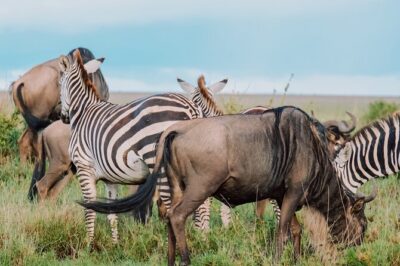
Balloon Safari & Bush Breakfast in Serengeti – Miracle Experience
Read our review →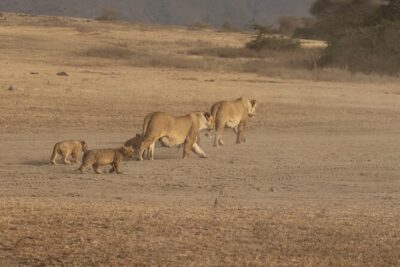
3 Days Serengeti & Ngorongoro Group Camping Safari
Read our review →
5-Day Highlights mid-Range Crater, Serengeti, Tarangire
Read our review →
Private 6-Day Tarangire Manyara Crater and Serengeti with Mid-Range Lodges
Read our review →
5 Days Camping Tarangire, Serengeti & Ngorongoro crater & Visiting Maasai
Read our review →Browse the lists this tour appears in