
Reviewed · SERENGETI & NGORONGORO SAFARIS
Arusha: 3-Day Serengeti & Ngorongoro Crater Big Five Safari
The wild can get very close. This three-day safari links the open plains of Serengeti National Park with the wildlife-packed Ngorongoro Crater, starting and ending in Arusha. I like the chance to see the Big Five in two very different settings, and I like that park fees, meals, water, a 4×4 Land Cruiser, and accommodation are included. The early starts and long, rough drives are the trade-off.
You should also take the safety details seriously. One customer reported a vehicle rollover and injuries in August 2025, followed by agency support and a refund. That appears to be an isolated but serious warning, so I would confirm the vehicle’s condition, ask about the driver’s safety record, and speak up if driving feels too fast.
In This Review
- Five things to know before you book
- What $900 buys you in northern Tanzania
- Day one: the long road from Arusha to Serengeti
- Day two: a sunrise Serengeti start and crater rim night
- Day three: the 600-meter descent into Ngorongoro Crater
- The vehicle and the reality of safari roads
- Lodges, tents, and the food on the road
- What to pack for a three-day safari
- Who will enjoy this safari most?
- Should you book the Serengeti and Ngorongoro safari?
- FAQ
- Where does the safari start and finish?
- Is accommodation included?
- Are park and crater fees included?
- Is food included?
- What is the luggage limit?
- Can I cancel or pay later?
Five things to know before you book
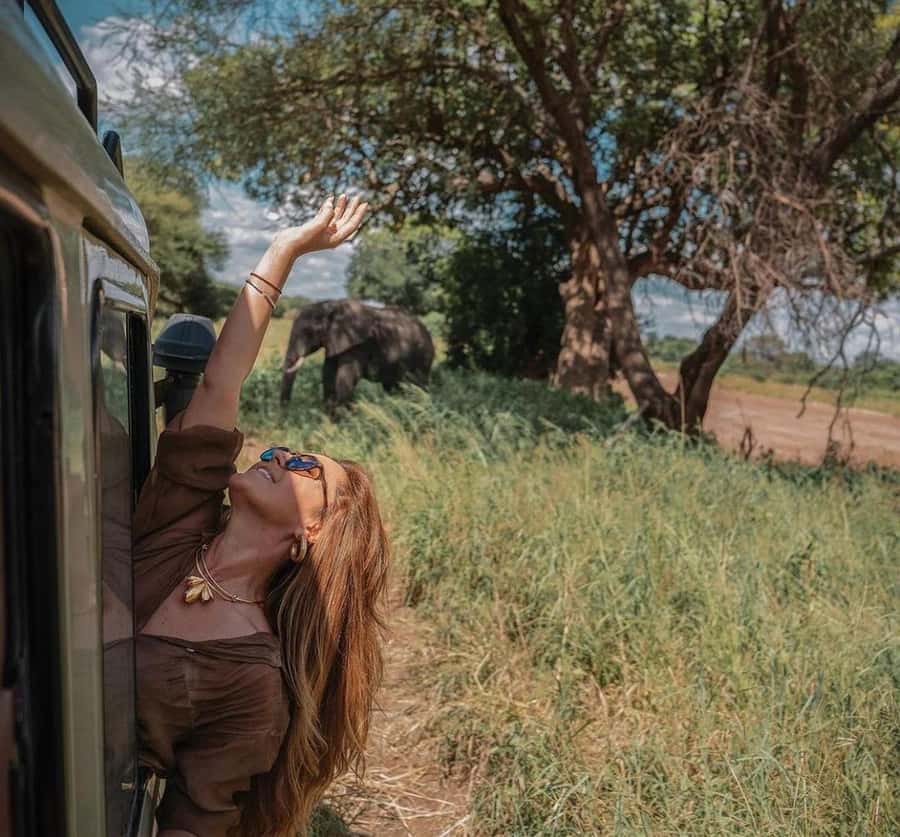
- The Big Five are a real possibility: Lions, elephants, buffalo, leopards, and rhinos can all be seen, but no safari can promise every animal.
- The road time is substantial: Day one includes about five hours by Jeep or SUV, with more driving on the second and third days.
- Camping can feel wonderfully close to nature: You may hear wildlife around the camp, while rangers help maintain safety.
- Meals receive strong praise: Camping guests get food prepared by a safari chef, and some meals are served picnic-style from large containers.
- Pack light and warm: The limit is 10 kilograms per person, and nighttime temperatures can fall to around 5°C.
- The price covers major costs: At $900 per person, park fees, crater fees, transport, meals, water, guides, and two nights of lodging are included.
What $900 buys you in northern Tanzania
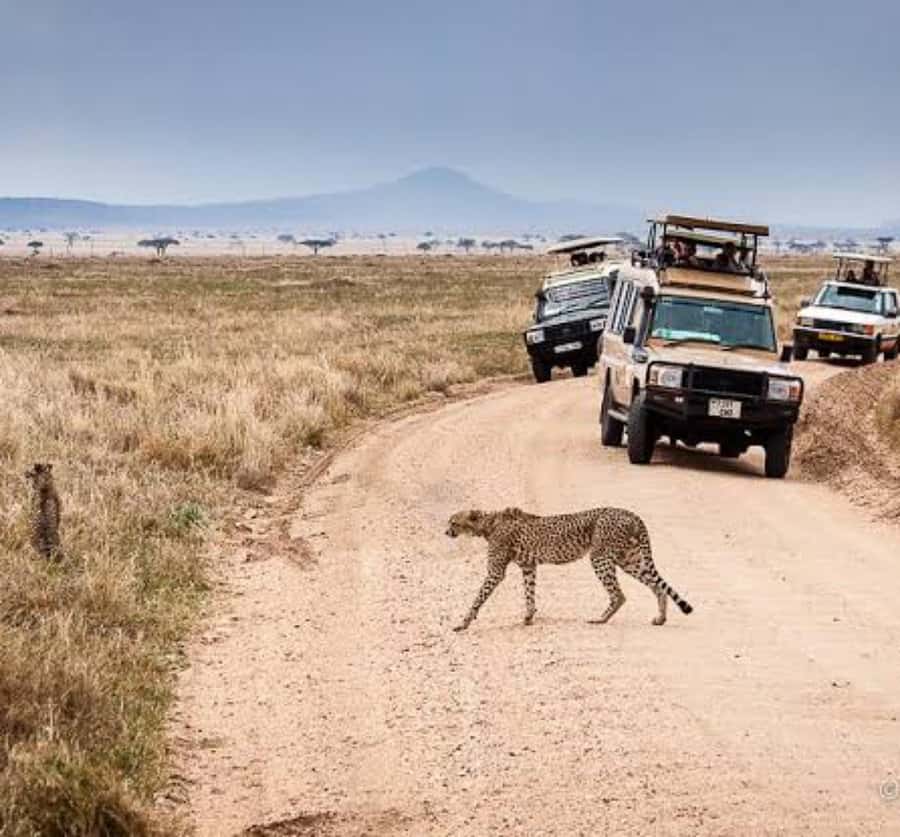
At $900 per person, this is not a cheap add-on excursion. It is a serious three-day safari with expensive park access, crater fees, a dedicated 4×4 vehicle, a professional English-speaking guide, full-board meals, bottled water, and two nights of accommodation.
That package gives you a useful way to judge the price. You are paying not only for animal viewing but also for transport between Arusha, Serengeti, and Ngorongoro. Park and conservation fees make up a meaningful part of any northern Tanzania safari, and the crater service fee adds another cost that is easy to overlook when comparing tours.
I think the value is strongest if you want the classic northern circuit but have only three days. You get a proper Serengeti game drive rather than a quick park visit, plus a morning inside the Ngorongoro Crater. The weak point is time. You spend long stretches on the road, and three days gives you less room for weather, road delays, or unlucky animal sightings.
The package offers mid-range lodge or tented lodge accommodation, as well as public camping. Camping can lower the comfort level but adds a more direct connection with the setting. If you choose it, tents, mattresses, tables, chairs, cooking equipment, and a safari chef are included.
More Serengeti and Ngorongoro safaris:
- Balloon Safari & Bush Breakfast in Serengeti – Miracle Experience
★ 5.0 · 1,646 reviews - 3 Days Serengeti & Ngorongoro Group Camping Safari
★ 5.0 · 574 reviews - 5-Day Highlights mid-Range Crater, Serengeti, Tarangire
★ 5.0 · 296 reviews
Day one: the long road from Arusha to Serengeti
Pickup is arranged from Arusha town, with listed pickup points also covering Karatu, Makuyuni, Mto wa Mbu, Arusha Urban, and the wider Arusha Region. For the easiest start, stay near the city center. Hotels such as Parrot Hotel, Charity Hotel International, Sanna Boutique Hotel, Grass Land Hotel, or Gran Melia Hotel are specifically suggested for convenient pickup.
The first day is the hardest on your body. You leave early and travel through the Great Rift Valley and the Ngorongoro Highlands before continuing toward Serengeti. The drive takes about five hours according to the activity schedule, though road conditions and stops can affect the actual time.
A stop at Mto wa Mbu adds a small cultural touch before the main wildlife portion begins. You get a brief look at village life and a chance to taste local produce. This is not a full cultural tour, but it breaks up the long drive and gives you a reminder that northern Tanzania is more than a chain of national parks.
Lunch is taken as a picnic while you travel. As you approach Naabi Hill Gate, the scenery changes and the safari pace begins. After entry formalities, you start your first game drive through the Serengeti.
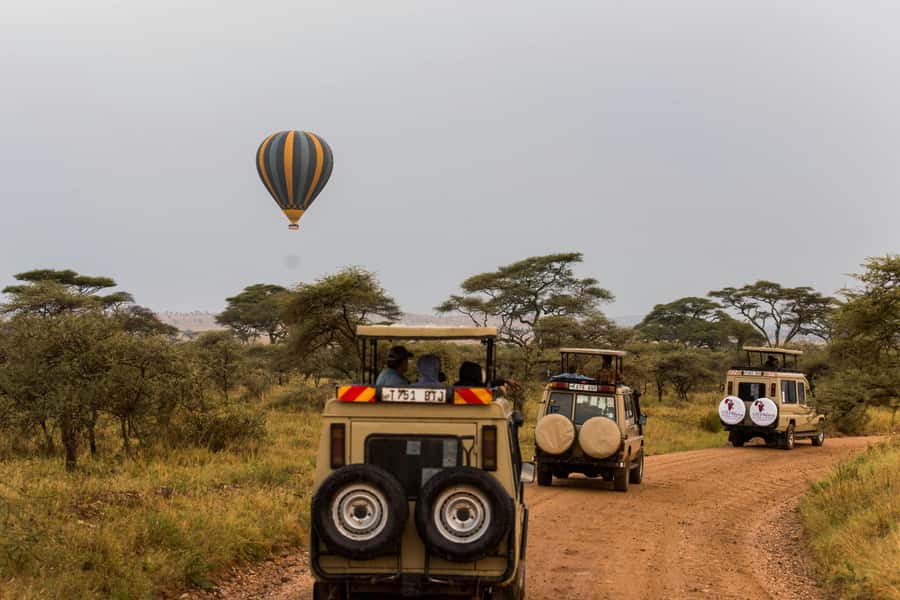
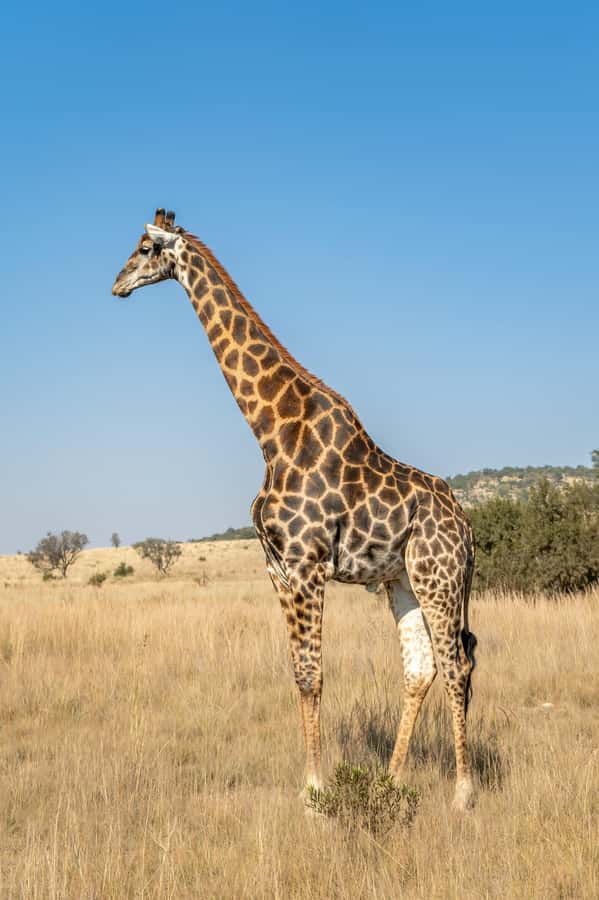
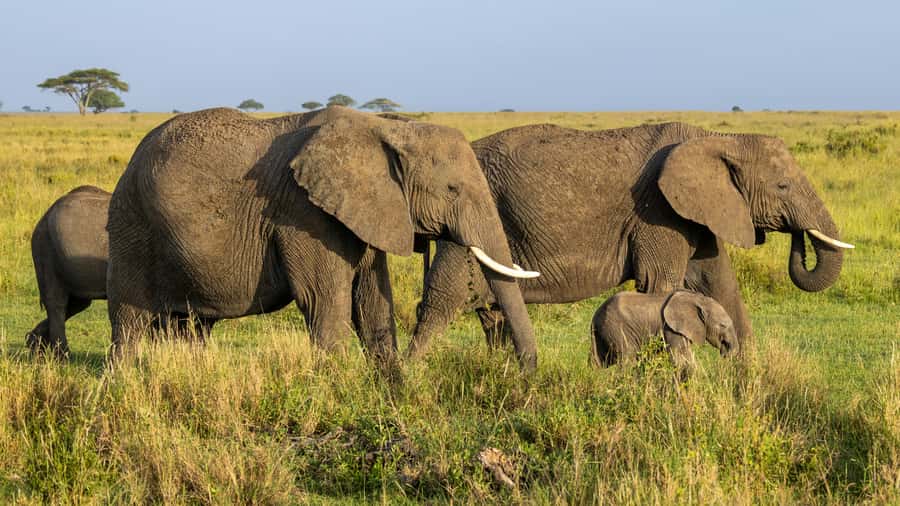
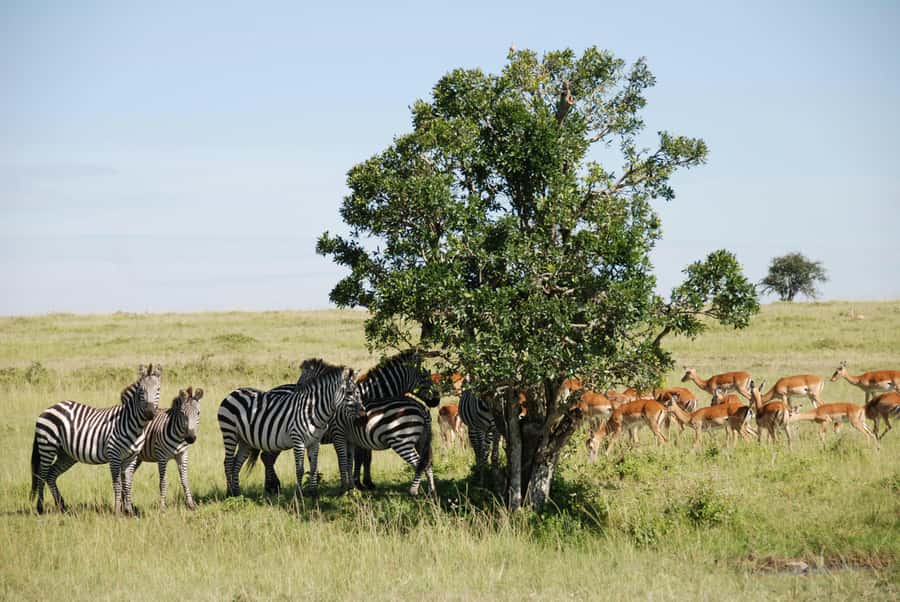
The Serengeti is famous for its broad grass plains, and the openness helps you scan for animals. You might see elephants, giraffes, lions, zebras, and antelopes during the first afternoon. The real advantage of a pop-up-roof Toyota Land Cruiser is the elevated viewing position. You can stand or sit beneath the raised roof and look across the grass without the visual barrier of a closed vehicle roof.
The guide matters greatly here. Guides such as Mike, Eric, Savio, and Nico have been praised for calm driving, animal spotting, route choices, and explanations of wildlife and Maasai life. Savio was especially praised for safe handling on rough roads, while Nico was noted for positioning the vehicle so animals could be seen clearly.
After the drive, you return to a lodge, tented lodge, or campsite. Mid-range options include Shuhudia Tented Lodge or Kumbukumbu Tented Lodge, or a similar property. The camping option named for this night is Tumbili Public Campsite.
Dinner and the night sky are part of the appeal. Camping may place you close enough to hear wildlife after dark, which is thrilling but not restful in the same way as a lodge. The camping arrangements include safety support from rangers, according to the experience details, but you still need to follow camp instructions carefully.
Day two: a sunrise Serengeti start and crater rim night
Day two begins early, which is exactly right for wildlife viewing. A sunrise game drive lets you see the park when predators are active and the light is good for photography. You then have breakfast in the park before another morning drive.
This schedule gives you more than a quick pass through the Serengeti. You have a chance to see different animals and behavior at two useful times of day. One customer visiting during calving season described seeing a huge herd and around three dozen animal and bird species across the three days. That sort of variety is possible, but it depends on season, animal movement, and luck.
The drive toward Ngorongoro begins in the late morning. You travel through rolling hills and savannah scenery, stopping for a picnic lunch. The trip is listed as about one and a half hours for one section and two hours for another, but the full day involves game driving and road transfers, so expect a tiring schedule rather than a neat point-to-point journey.
You spend the night in the Ngorongoro Conservation Area, with options such as Ngorongoro Wild Tented Lodge or Ngorongoro Safari Lodge, or a similar property. Camping guests use Simba Public Campsite.
There is a small wording issue in the accommodation information: the second night is described in one place as an overnight in Serengeti National Park, while the detailed day plan places you at the Ngorongoro crater rim. I would confirm the exact property before paying, especially if the location or room type matters to you.
The crater rim setting is a highlight in its own right. You can relax after the road journey and look toward the dramatic crater. Temperatures may drop sharply at night, so bring a jacket, warm sweater, and socks. A safari is not always hot, dusty, and tropical. At this elevation, the evening can feel quite cold.
Day three: the 600-meter descent into Ngorongoro Crater
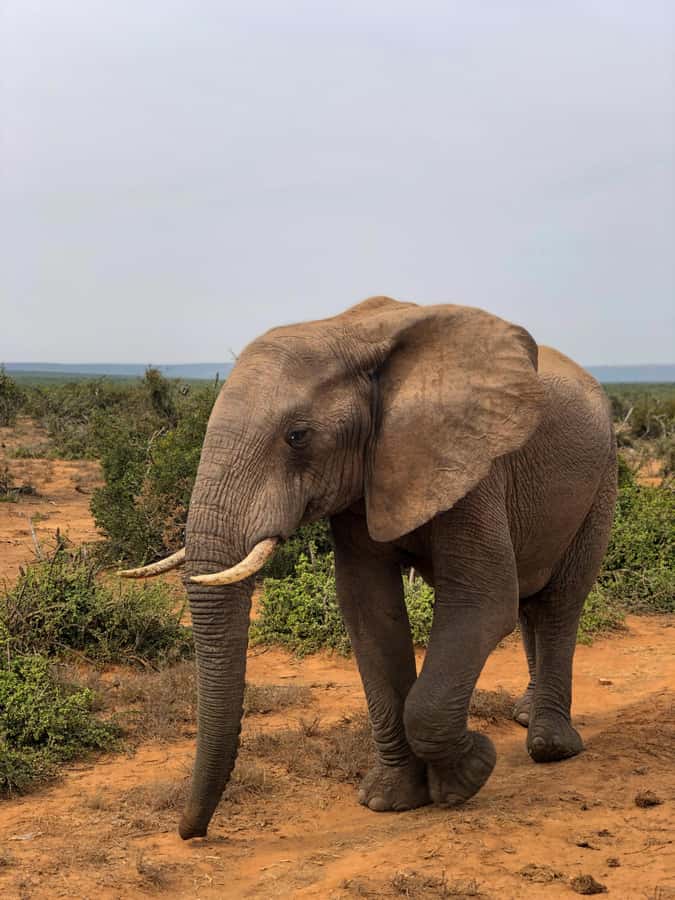
After breakfast, you descend about 600 meters into Ngorongoro Crater. The crater is often called Africa’s Eden because wildlife gathers in a contained natural bowl with grassland, water, and varied habitat.
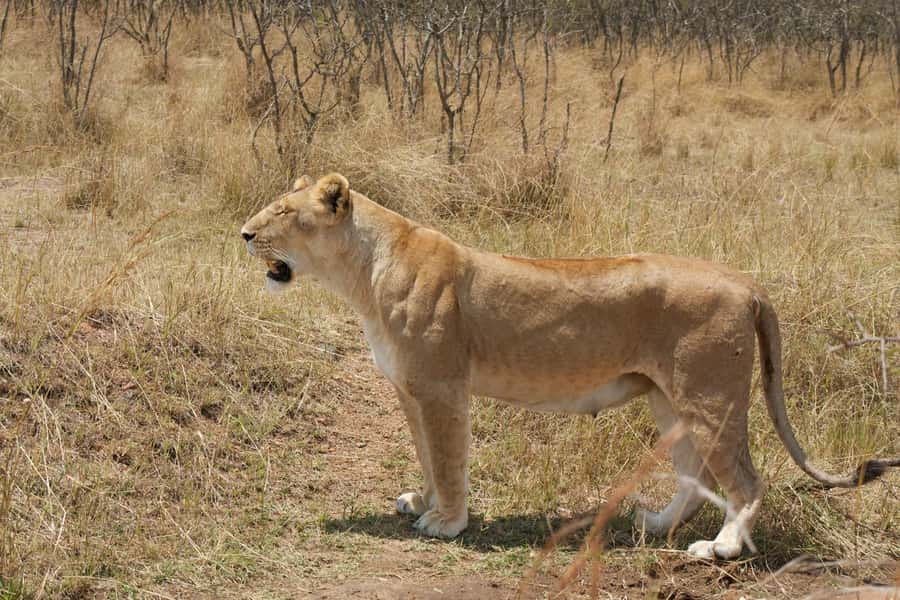
The morning game drive is the main event. You might see rhinos, lions, elephants, zebras, hippos, and wildebeests. The crater is one of the best places in Africa to look for the Big Five, and it can help complete a sighting list that began in the Serengeti.
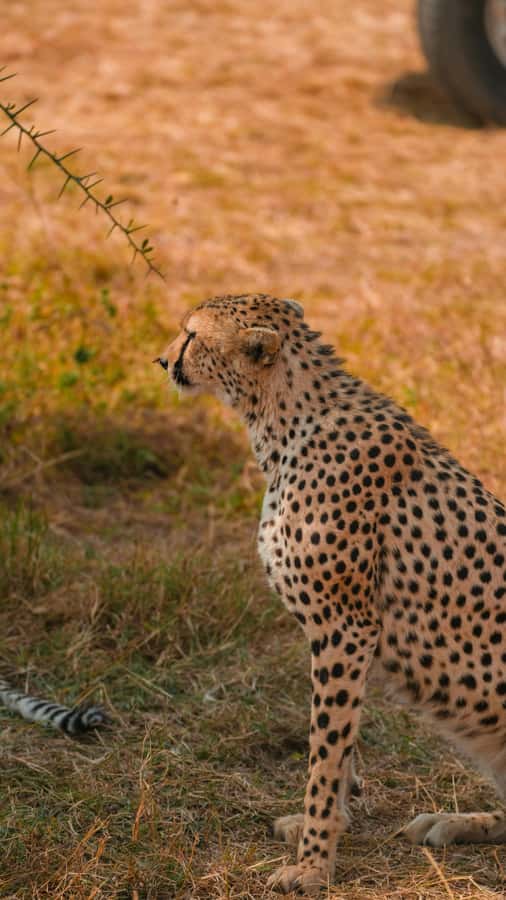
Still, I would keep expectations sensible. A Big Five guarantee is not honest wildlife advice. Leopards are elusive, and rhinos may be distant. Your guide’s ability to communicate with other drivers and read animal behavior can improve your chances, but animals do not follow a timetable.
A scenic picnic lunch comes before the ascent. Then you leave the crater and return to Arusha, arriving in the late afternoon for hotel or airport drop-off. The final drive is listed at about three hours, so avoid booking a tight onward flight unless you have confirmed the timing directly.
The return route closes the loop neatly, but it also explains why this safari feels compressed. You are covering large distances between three bases: Arusha, Serengeti, and Ngorongoro. If you want more relaxed game drives, a longer safari would be better. If three days is all you have, this plan makes good use of the time.
A few more options to weigh up in Arusha
- Tanzania Classic – 7 Days
★ 5.0 · 1,151 reviews - 4 Days Group Camping Safari
★ 5.0 · 1,101 reviews - 5 Days Group Camping Safari
★ 5.0 · 730 reviews - Materuni Waterfalls, coffee tour & Kikuletwa Hot Springs
★ 5.0 · 643 reviews
The vehicle and the reality of safari roads
Transport is in a 4×4 Toyota Land Cruiser with a pop-up roof. That is the right type of vehicle for wildlife viewing, because you get a raised sightline and room to look in several directions. The vehicle also handles the unpaved roads better than a standard car, though better does not mean smooth.
One detailed account described the roads as more uneven than expected, with frequent jolting. Long hours on rough tracks can be tiring, especially on day one and during transfers. Wear practical clothes, secure cameras and phones, and do not assume the ride will feel like a normal road trip.
The safety complaint about the rollover deserves space, not dismissal. The company provided assistance and refunded the amount, but an accident with injuries is a major concern. Before departure, ask how the vehicle is inspected, who will drive, and what happens if a mechanical problem occurs. The positive feedback about calm drivers such as Savio is encouraging, but it does not remove the need for basic safety questions.
Private or small-group arrangements are available. A private vehicle gives you more control over stops and can make photography easier, but the provided price does not clearly state the private supplement. Ask for that cost before booking.
Lodges, tents, and the food on the road
The mid-range lodge option is the easier choice. You get a bed, a more settled evening, and a break from the elements after long game drives. The listed properties are tented lodges or safari lodges rather than standard city hotels, so you can expect the setting to remain part of the experience.
Camping is more demanding, but it can be memorable for the right reasons. One account described sleeping in the wild with elephants, giraffes, and Cape buffalo around the camp. Another described hearing wild sounds at night while feeling safe with rangers nearby.
That is a genuine safari atmosphere, not just a cheaper room. It is also not for anyone who needs silence, predictable comfort, or a late start. Bring a towel and toilet paper, both specifically recommended, and pack a strong mosquito repellent.
Food is one of the better-supported strengths of the trip. Breakfast, lunch, and dinner are included on the first two days, with breakfast and lunch on the final day. Camping guests have a professional chef, and meals may be prepared fresh rather than arriving as a basic boxed lunch.
Brightness, the chef praised by one customer, and the picnic-style meals received especially warm comments. Large containers allow the group to eat together outdoors. That communal setup can be simple, but after a dusty morning it is exactly the sort of meal you remember.
What to pack for a three-day safari
The luggage limit is 10 kilograms per person. Use a soft duffel bag rather than a hard suitcase, and leave excess luggage in your Arusha hotel storage room if that service is available through your accommodation.
Pack neutral colors such as beige, green, or white. Bright colors are not allowed, and you should not feed or touch animals. Drones are also prohibited.
Your useful short list includes:
- Sunscreen and high-strength insect repellent
- A warm sweater, jacket, and socks
- Comfortable neutral-colored clothing
- A towel and toilet paper
- Binoculars, if you have them
- Camera protection for dust and jolting roads
- A soft bag that stays within the 10-kilogram limit
The guide has a binocular available to share, but having your own means you will not have to wait when something interesting appears. Night temperatures can reach around 5°C, so do not pack only lightweight safari clothing.
Who will enjoy this safari most?
I would recommend this trip to a first-time safari visitor who wants the classic Serengeti and Ngorongoro combination without committing to a week. It suits people who value animal sightings, are willing to accept long drives, and can handle early mornings.
Camping is best for someone who sees nighttime sounds and basic facilities as part of the fun. The lodge option suits you if you want the wildlife days but prefer a more comfortable evening.
Families and mixed-age groups should think carefully about the road time. The activity is wheelchair accessible, but the rough-road conditions and vehicle arrangements still deserve direct confirmation for your specific mobility needs. Pregnant women should not book this experience.
The tour is offered in English, with private or small-group options. That makes it useful for solo visitors, couples, or friends who want more personal time with the guide. Ask about group size, exact accommodation, and pickup charges if your hotel is outside central Arusha.
Should you book the Serengeti and Ngorongoro safari?
Book it if you want a concentrated, high-impact safari with the Big Five as your main goal. The combination of a full Serengeti afternoon, an early Serengeti morning, and a Ngorongoro crater drive gives you strong wildlife potential for only three days.
I especially like the included park fees, full-board meals, bottled water, and 4×4 transport. The guides named in the feedback, including Mike, Eric, Savio, and Nico, were praised for animal knowledge, calm driving, and thoughtful positioning. The food also appears to be a real strength, particularly on the camping version.
I would hesitate if you dislike long road journeys, need a guaranteed schedule, or want luxury. I would also ask firm safety questions before departure because of the reported rollover. With those points checked, $900 can be fair value for a short northern Tanzania safari that covers two major wildlife areas.
FAQ
Where does the safari start and finish?
The safari starts with pickup in Arusha and ends with drop-off at your Arusha hotel or the airport. Pickup and drop-off points also include Karatu, Makuyuni, Mto wa Mbu, Arusha Urban, and the wider Arusha Region.
Is accommodation included?
Yes. Two nights are included. You can choose mid-range safari lodges or tented lodges, or camping with tents, mattresses, cooking equipment, tables, chairs, and a safari chef.
Are park and crater fees included?
Yes. The package includes park entry fees, transit fees, concession or camping fees, and the Ngorongoro Crater service fee.
Is food included?
Breakfast, lunch, dinner, and bottled drinking water are included on the first two days. Breakfast, lunch, and bottled water are included on the final day.
What is the luggage limit?
The limit is 10 kilograms per person. Duffel bags are recommended, and extra luggage can be stored at your hotel.
Can I cancel or pay later?
You can cancel up to 24 hours in advance for a full refund. The reserve-now, pay-later option lets you hold your place without paying immediately.
Just added in Arusha
- Safari “Kifaru” – 5 days in the most famous Parks in the world★ 5.0 · 4 reviews
- Saadani Day Trip★ 5.0 · 13 reviews
- 3 Days Tanzania Short and Spicy★ 5.0 · 6 reviews
- 5 Day Tanzania Safari Camping Adventure Private Tour★ 5.0 · 2 reviews
- Day Trip to Ngorongoro Crater from Arusha★ 5.0 · 1 review
- SERENGETI NATIONAL PARK Tour★ 4.5 · 5 reviews
- 3 Days Serengeti Park & Ngorongoro Crater Adventure Safari★ 5.0 · 8 reviews
- 6 Days Tanzania Bush Experience Safari★ 5.0 · 6 reviews
Serengeti & Ngorongoro Safaris, compared.
Serengeti Balloon Safari and authentic bush breakfast
Read our review →
Balloon Safari & Bush Breakfast in Serengeti – Miracle Experience
Read our review →
3 Days Serengeti & Ngorongoro Group Camping Safari
Read our review →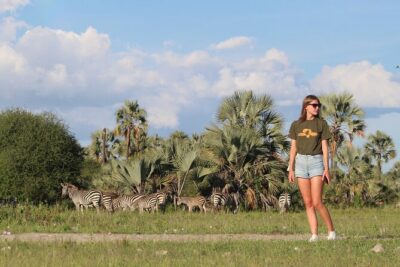
5-Day Highlights mid-Range Crater, Serengeti, Tarangire
Read our review →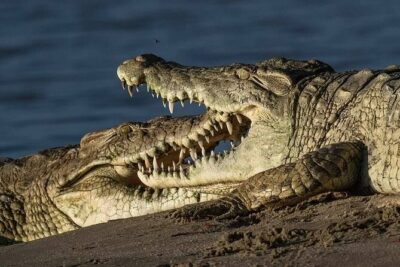
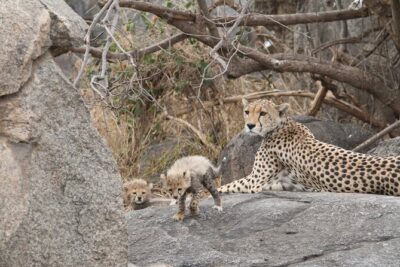
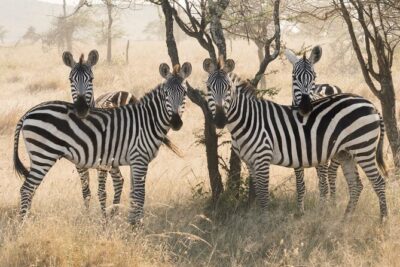
Private 6-Day Tarangire Manyara Crater and Serengeti with Mid-Range Lodges
Read our review →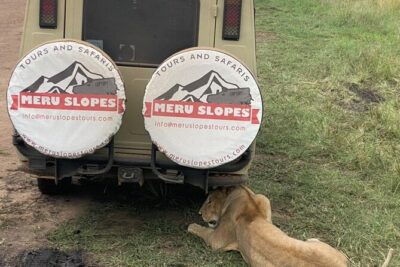
5 Days Camping Tarangire, Serengeti & Ngorongoro crater & Visiting Maasai
Read our review →Browse the lists this tour appears in