
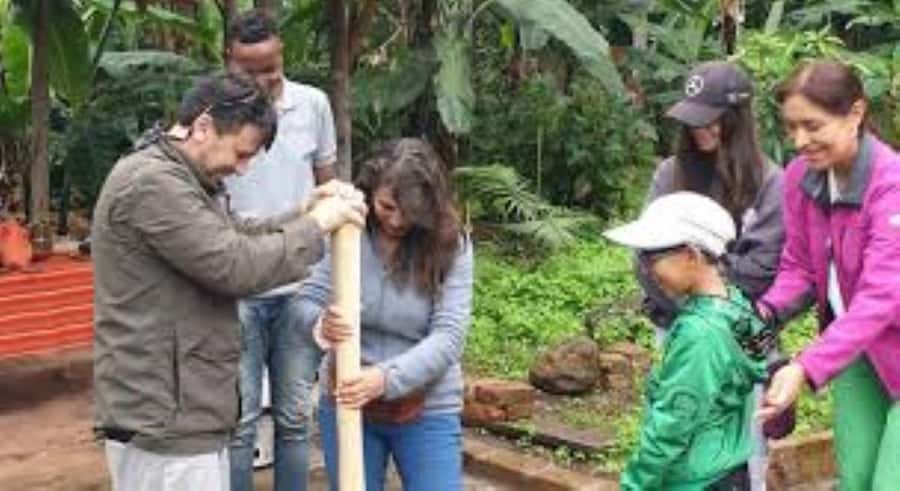
Reviewed · FOOD & DRINK
Arusha: Coffee Plantation Tour with Tasting and Hands-On …
Coffee tastes better after you see its journey. This 3.5-hour Arusha experience takes you from a local plantation to a tasting table, with farmers explaining and demonstrating each stage along the way. I like the hands-on processing, and I like the chance to hear directly from people who grow and prepare Tanzanian coffee. The guides, including Maximilian and Oliver, have earned strong praise for their warmth and clear explanations.
The main point to consider is transport. The $60 price includes the guided visit, practical coffee work, tasting, snacks, and refreshments, but transport to and from the farm is not included in the standard arrangement. You meet at Arusha’s Clock Tower, then the guide helps arrange the onward ride. The optional hills and waterfall walk may also add physical effort beyond the basic plantation visit.
In This Review
- Key points before you book
- Meeting at Arusha’s Clock Tower
- Walking among Arusha’s coffee trees
- Taking part in the coffee-making process
- Learning from Maximilian, Oliver, and the local farmers
- Tasting different roast profiles
- Adding the hills and waterfalls walk
- What $60 includes, and where the value lies
- Who will enjoy this coffee experience most?
- Timing, flexibility, and practical planning
- Should you book the Arusha coffee tour?
- FAQ
- How long does the Arusha coffee plantation tour last?
- How much does the coffee tour cost?
- Where is the meeting point?
- Is transportation to the coffee farm included?
- What language is the tour conducted in?
- What does the tour include?
- Can I take part in a coffee tasting?
- Is the hills and waterfalls walk required?
- What should I bring?
- Who may find the tour unsuitable?
Key points before you book
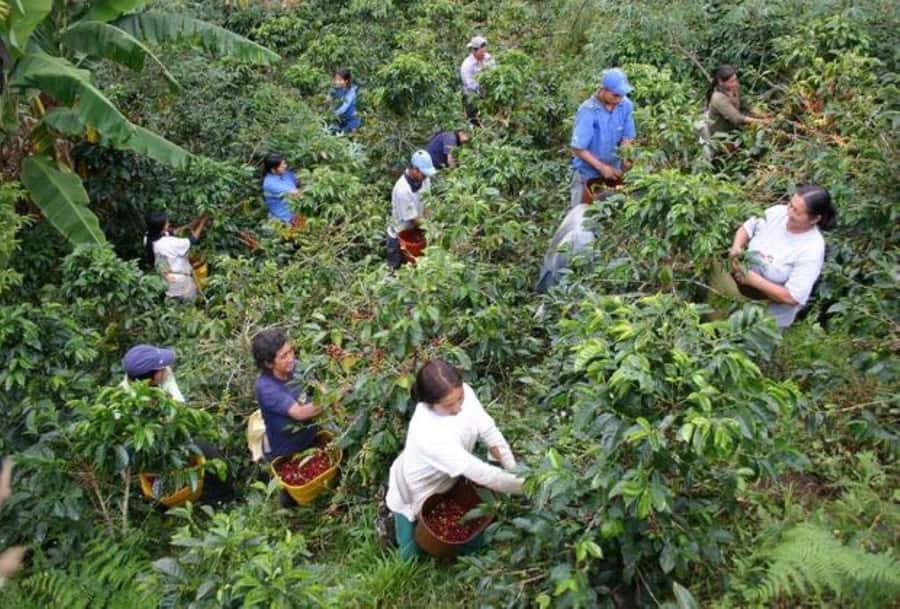
- Coffee from tree to cup: You see and take part in picking, pulping, drying, roasting, and brewing.
- A local guide team: Maximilian and Oliver are named among the guides praised for their friendly approach and useful explanations.
- More than a tasting: You compare different roast profiles and learn how to notice changes in aroma and flavor.
- A central meeting point: The tour begins at the Clock Tower in central Arusha, a practical spot near many city hotels.
- Optional nature time: You can add a walk through the surrounding hills toward waterfalls if conditions and timing suit you.
- Best for active, curious visitors: Comfortable shoes, sun protection, and some tolerance for uneven farm paths will help.
Meeting at Arusha’s Clock Tower
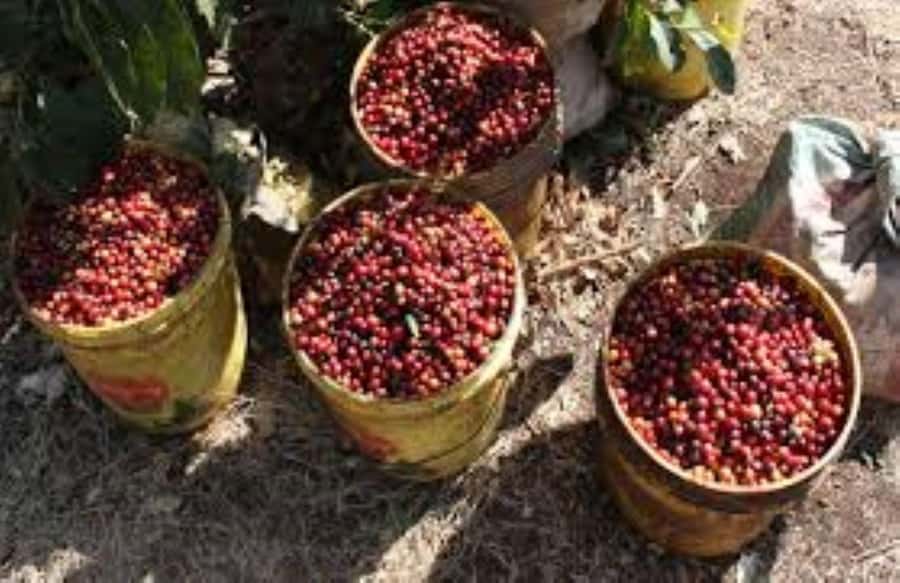
The day begins at the Clock Tower, one of the easiest places to find in central Arusha. Look for the guide holding a sign with the tour name near the base of the tower. This is useful if you are staying in the city, since the meeting point is within walking distance of many hotels and has nearby parking.
From there, the guide assists with transport to the plantation. That arrangement is worth clarifying before you set out, because the advertised price does not include the ride between town and the farm. If you choose a transport option connected with your booking, pickup details are supplied in the confirmation, including information for central Arusha hotels.
The meeting point also gives you a simple start to the morning or afternoon. You do not need to find a remote farm on your own. Still, leave room in your schedule for the journey from the Clock Tower, since the stated 3.5 hours refers to the tour experience and the overall activity is described as lasting about three to four hours.
More Food Tours in Tanzania:
- Stonetown: Food Markets and Street Food Walking Tour
★ 4.7 · 151 reviews - Authentic Street Food Tours in Stone Town, Zanzibar
★ 5.0 · 46 reviews - Arusha: Traditional Tanzania Cooking Class & Food Market Tour
★ 5.0 · 34 reviews
Walking among Arusha’s coffee trees
At the plantation, you begin with a guided walk through coffee fields and learn how the crop is grown and collected. The setting is part of the appeal. Instead of meeting coffee only as a polished drink in a café, you see the plants and the work behind each batch.
The guide explains cultivation, harvesting, and the place coffee holds in Tanzanian farming traditions. This part is especially useful if you normally buy coffee by origin or roast level but have never seen a coffee plant. You get a better sense of how much work happens before a bean reaches a grinder.
The walking portion is not presented as a demanding trek, but it is still a farm visit. Paths may be uneven, and the tour notes specifically recommend sturdy shoes and comfortable clothing. A hat, sunscreen, and water are sensible choices in the open fields. I would not treat this as a polished garden stroll. Expect soil, plants, walking, and the ordinary conditions of working agricultural land.
Taking part in the coffee-making process
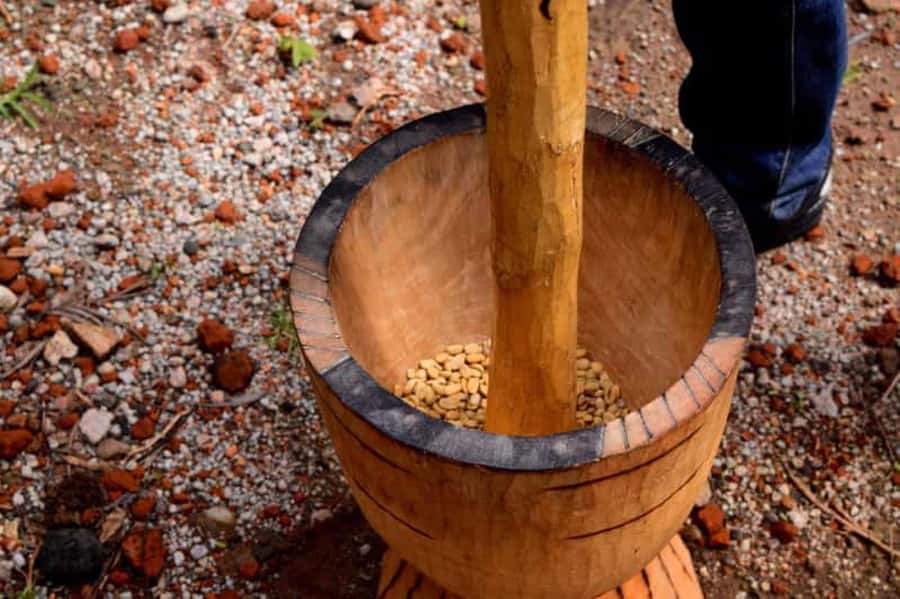
The strongest feature here is the chance to handle parts of the process yourself. Local farmers guide you through coffee production, beginning with fresh coffee cherries and continuing through pulping, drying, and roasting.
That order matters. It helps you connect the fruit on the plant with the familiar brown beans used for brewing. You are not simply told that coffee goes from farm to cup. You get a practical look at the stages that shape the final drink.
The hands-on work also gives the tour a more personal quality. A standard plantation talk can leave you standing at the edge of the action while someone else demonstrates everything. Here, the stated format invites you to participate, which makes the process easier to remember. You might leave with a clearer understanding of why preparation methods and roasting choices affect the cup.
The experience also includes time with local farmers. You hear about sustainable farming practices, life on the plantation, and the care involved in producing coffee. The value is not only technical. You gain a direct connection with the people whose work supports the coffee trade in the region.
Learning from Maximilian, Oliver, and the local farmers
The human side of the experience has received the clearest praise. Maximilian is described as cheerful and pleasant, while Oliver is credited with giving an interesting explanation of coffee production from the tree to the cup. Another strong account singles out Max for professionalism, which may be a nickname for Maximilian.
The guide team appears to be one of the reasons this tour works well. Coffee production can sound dry if it is reduced to a list of steps. A friendly guide who can explain, demonstrate, and respond to questions makes the difference between a quick farm stop and a useful cultural experience.
You should still keep your expectations realistic. The tour is offered in English, and the information provided does not specify the group size or the exact amount of time spent at each stage. If you want a private lesson focused on advanced brewing science, this may not be the right choice. It is better suited to people who want an accessible, local introduction with plenty of practical context.
A few more options to weigh up in Tanzania
- Materuni Waterfalls, coffee tour & Kikuletwa Hot Springs
★ 5.0 · 643 reviews - Materuni waterfalls coffee tour & Chemka hot springs Day trip
★ 5.0 · 131 reviews - Materuni Waterfall, Coffee Tour and Picnic Hot Lunch
★ 5.0 · 128 reviews - Maasai village visit, Materuni waterfalls & coffee experience
★ 4.5 · 95 reviews
Tasting different roast profiles
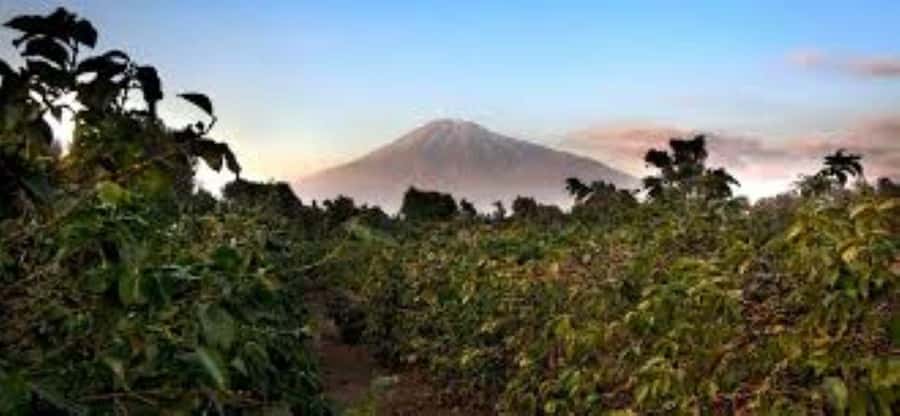
The tasting session brings the earlier work together. After seeing the crop and processing stages, you sample freshly brewed coffee and compare different roast profiles. The point is not just to drink a warm cup. You are shown how to pay attention to aroma, flavor, and the differences created by roasting.
This is a good part of the tour for both serious coffee drinkers and complete beginners. If you already care about Arabica coffee, you can focus on subtle changes between roasts. If you usually add milk or sugar, the tasting gives you a chance to notice the character of the coffee before changing it.
The supplied experience details do not name the exact coffees, brewing devices, or number of samples. That is something to keep in mind if you are looking for a formal cupping session with a detailed scoring sheet. The emphasis here is on enjoying the coffee and understanding its basic qualities in a relaxed setting.
Snacks and refreshments are included, which is welcome during a half-day activity. They do not turn this into a full meal, so plan any lunch or dinner separately around the tour time.
Adding the hills and waterfalls walk
You can choose to explore nearby hills and waterfalls as an optional part of the experience. This adds a nature element to a tour that already combines farming, food, and local culture.
The scenic walk may be the right choice if you want more time outdoors and enjoy changing the pace after the coffee activities. You get views along the way and a chance to see more of the area around the plantation rather than returning directly after the tasting.
The trade-off is energy and footwear. The tour is not suitable for people with back problems, and wheelchair users may find the farm and optional walking routes unsuitable. Babies under one year old are also listed as not suitable. If your main interest is coffee, you can treat the nature walk as an optional extra rather than feeling obliged to add it.
Because the available details do not specify the waterfall route, trail length, or elevation, ask the guide about current conditions if the walk is important to you. Weather and farm conditions can affect how comfortable the route feels.
What $60 includes, and where the value lies
At $60 per person, this is not the cheapest way to drink coffee in Arusha. You are paying for more than a beverage, though. The cost includes a local guide, access to the plantation experience, hands-on processing, tasting, refreshments, and snacks.
I see the best value in the combination. A simple farm visit might show you coffee trees. A tasting might let you compare cups. This experience links the two, then adds direct contact with farmers and practical work. For someone interested in food production or Tanzanian traditions, that makes the price easier to justify.
The missing transport is the main budget detail. You need to account for the ride from the Clock Tower to the farm unless you select an available transport arrangement. Ask how that part will work before the day begins, especially if you have a tight safari schedule or a fixed airport transfer.
The short length also affects value. At 3.5 hours, this fits neatly into time in Arusha before or after other plans. You get a focused introduction rather than an all-day farm program. That is convenient, but you should not expect a full course in coffee cultivation or an extended agricultural visit.
Who will enjoy this coffee experience most?
I would recommend it to you if you enjoy food, farming, and conversations with local people. It also suits anyone with a genuine interest in coffee who wants to understand what happens before brewing.
Nature lovers have an extra reason to consider it, thanks to the optional hills and waterfalls walk. The tour works well for couples, solo visitors, and small groups looking for a manageable half-day activity in the Arusha area, although the exact group format is not specified.
It is less suitable if you have back problems, use a wheelchair, or need completely level access. It may also disappoint you if you want a highly technical coffee course, a long plantation trek, or confirmed private transport included in the base price.
Wear clothes you can comfortably use outdoors. Sturdy shoes matter more than stylish ones. Bring a hat, sunscreen, water, and a camera. Smoking is not allowed during the activity.
Timing, flexibility, and practical planning
The experience lasts about 3.5 hours, with the general guidance allowing three to four hours. Starting times depend on availability, so check the schedule before you commit it to a busy day.
The activity is conducted in English. The guide meets you in central Arusha and helps with the transfer to the plantation. If you are staying outside the central hotel area, do not assume pickup is included. Confirm the meeting arrangement in advance.
The booking terms are friendly for a changing itinerary. You can cancel up to 24 hours ahead for a full refund, and the reserve-now, pay-later option lets you hold a place without paying immediately. Those terms are useful if your Arusha plans depend on safari timing, weather, or transport connections.
Should you book the Arusha coffee tour?
Book it if you want a personal, practical look at Tanzanian coffee rather than a quick photo stop. The strongest reasons are the farm-to-cup sequence, the chance to take part in processing, the roast tasting, and the warm guide team led by people such as Maximilian and Oliver.
Think twice if transport costs, uneven walking, or a short schedule create problems. Also ask about the optional waterfall route if that is a deciding factor, since the available details do not give its length or difficulty.
For $60, I think the tour offers fair value when you care about local production and want more than a tasting alone. It gives you a clear half-day plan, a taste of rural life near Arusha, and a better appreciation of what is in your morning cup.
FAQ
How long does the Arusha coffee plantation tour last?
The tour lasts about 3.5 hours. The general guidance gives a duration of three to four hours.
How much does the coffee tour cost?
The listed price is $60 per person.
Where is the meeting point?
The meeting point is at the Clock Tower in central Arusha. Look for the guide near the tower’s base, holding a sign with the tour name.
Is transportation to the coffee farm included?
Transportation to and from the coffee farm is not included in the standard price. From the Clock Tower, the guide assists with arranging transportation. A transport option and central Arusha hotel pickup may be available if selected with the booking.
What language is the tour conducted in?
The live tour guide speaks English.
What does the tour include?
It includes a guided plantation tour, a hands-on coffee processing activity, a coffee tasting session, refreshments, and snacks.
Can I take part in a coffee tasting?
Yes. The tour includes a tasting session with different roast profiles, along with guidance on noticing the aromas and flavors of Tanzanian coffee.
Is the hills and waterfalls walk required?
No. The walk through the surrounding hills and toward waterfalls is optional.
What should I bring?
Bring comfortable clothing, sturdy shoes, a hat, sunscreen, water, and a camera.
Who may find the tour unsuitable?
The tour is not suitable for people with back problems, wheelchair users, or babies under one year old. Smoking is not allowed.
Just added in Tanzania
- Safari “Kifaru” – 5 days in the most famous Parks in the world★ 5.0 · 4 reviews
- Saadani Day Trip★ 5.0 · 13 reviews
- 3 Days Tanzania Short and Spicy★ 5.0 · 6 reviews
- 5 Day Tanzania Safari Camping Adventure Private Tour★ 5.0 · 2 reviews
- Day Trip to Ngorongoro Crater from Arusha★ 5.0 · 1 review
- SERENGETI NATIONAL PARK Tour★ 4.5 · 5 reviews
- 3 Days Serengeti Park & Ngorongoro Crater Adventure Safari★ 5.0 · 8 reviews
- 6 Days Tanzania Bush Experience Safari★ 5.0 · 6 reviews
Food & Drink, compared.

Authentic Street Food Tours in Stone Town, Zanzibar
Read our review →
Traditional Tanzania Cooking Class & Food Market Tour
Read our review →
Organic Coffee Tour and Local Food Experience in Arusha
Read our review →
Stone Town Evening Walk Tour With Visit Food Markets
Read our review →Traditional Tanzania Cooking class& Food Market Tour
Read our review →

Browse the lists this tour appears in