
Reviewed · COOKING CLASSES
Arusha: Traditional Tanzania Cooking class& Food Market Tour
Come hungry and curious. This five-hour Arusha experience combines a market walk with hands-on cooking, giving you a useful look at daily food traditions rather than a quick restaurant meal. I like the chance to shop for ingredients with local guides such as Liroy and Israel, then cook with Neema in a small local home. I also like that you eat the food you prepare and take the recipes and skills home.
The main consideration is that the cooking session can last from one to three hours, and the pace may feel slow if you expect a polished cooking demonstration. Drinks are not included, and one detailed account raised concerns about food-handling standards, even though the dishes were fully cooked.
In This Review
- Key points at a glance
- Why this Arusha food tour feels personal
- Starting with hotel pickup in Arusha
- Walking through Arusha Central Market
- Choosing the Tanzanian dishes
- Cooking with Neema in a local home
- Eating what you prepared
- What the $45 price really covers
- Who will enjoy this experience most
- What to bring and what to expect
- My practical verdict
- FAQ
- Where does the tour begin?
- How long does the experience last?
- What language is the tour conducted in?
- Which foods might I cook?
- Is the market visit included?
- Are ingredients and the meal included?
- Are drinks included?
- What should I bring?
Key points at a glance
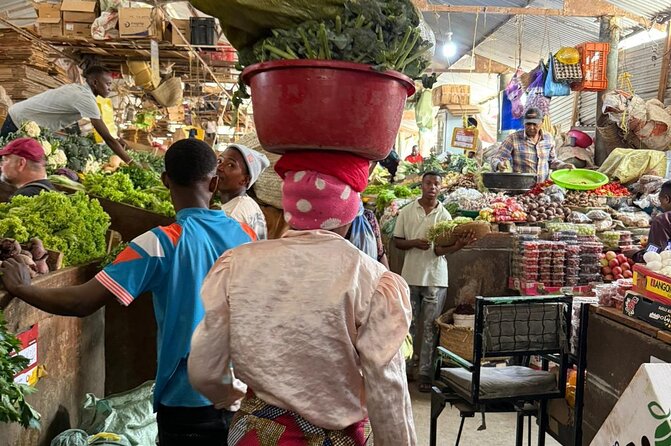
- Market shopping comes first: Spend about 30 to 50 minutes seeing dry goods, meat, fruit, vegetables, and other everyday ingredients in Arusha’s central market.
- You help choose the menu: The class can include plantain banana, chapati, ugali, vegetables, and a stewed or barbecued meat dish.
- Local hosts shape the experience: Liroy and Israel lead the market portion, while Neema teaches the cooking in a small local home.
- The meal is part of the lesson: You sit down with the group to eat what you prepared, and leftover food may be packed for another meal.
- Bring practical clothing: Comfortable shoes, comfortable clothes, and long pants are required recommendations for the market and cooking session.
- The value is strong: At $45 per person, transport, market guiding, ingredients, instruction, and a full meal are included.
Why this Arusha food tour feels personal
Many food tours keep you at a distance. This one puts you close to the buying and preparation. You do not simply watch a chef produce a finished plate. You walk through the market, discuss the menu, help select ingredients, and then prepare the food step by step.
I especially like the connection between the two halves. The market is not a separate sightseeing stop followed by an unrelated class. What you see for sale becomes the food on your plate later. That simple link helps you understand how Tanzanian cooking starts, from ordinary ingredients bought for an ordinary meal.
The setting also appears to be modest and local. The cooking takes place in a small home with a washroom, rather than a purpose-built culinary school. That may not suit you if you want stainless-steel counters and hotel-style service. But if your goal is to see how people cook at home, the setting gives the class a more grounded feel.
More Food Tours in Arusha
- Arusha: Traditional Tanzania Cooking Class & Food Market Tour
★ 5.0 · 34 reviews - Organic Coffee Tour and Local Food Experience in Arusha
★ 5.0 · 29 reviews - Street Food and Community Walking Tour
★ 5.0 · 12 reviews
Starting with hotel pickup in Arusha
Pickup is offered from hotels in Arusha town, especially near the city center. That removes the need to find the market on your own and makes the morning or afternoon easier to manage.
The exact starting time depends on availability, so you should check the schedule when booking. The advertised duration is five hours, although the supplied itinerary includes a separate twelve-hour line. That does not match the stated five-hour length, so I would confirm the expected pickup and return time before making another fixed plan for the day.
Transport can be part of the local experience. One account describes traveling by tuk-tuk from a lodge to the market with a guide. Your vehicle may differ, but you should be ready for a practical city transfer rather than a private luxury ride.
Walking through Arusha Central Market
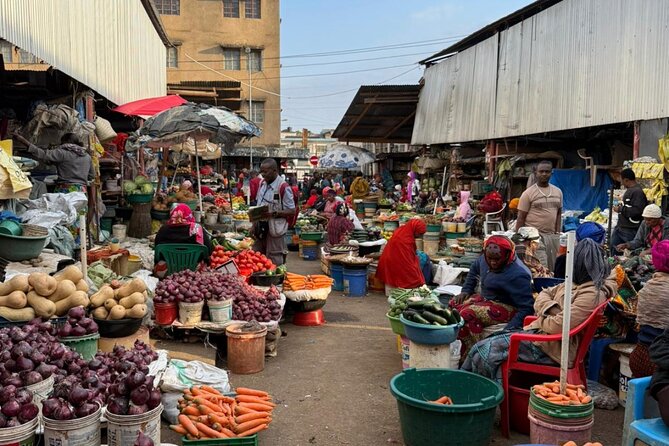
The market visit usually takes around 30 to 50 minutes. That is enough time to get a clear sense of the place without turning the tour into an all-day shopping trip.
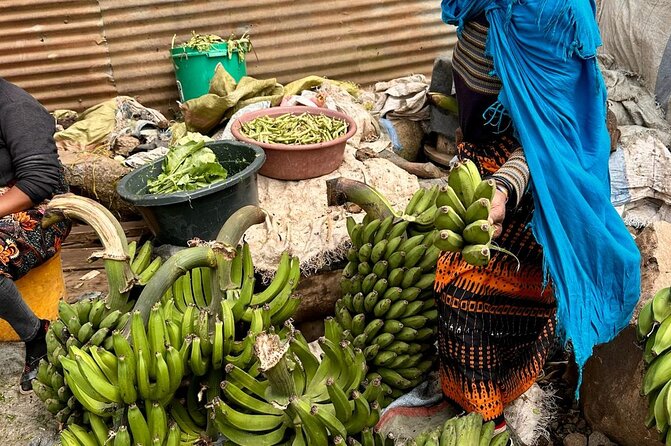
You can expect to see dry foods, meat, fruit, vegetables, and other ingredients used in local meals. The value here is not just visual. Your guide can explain the products, the vendors, and the way the market works, while you ask questions and take photographs.
Liroy and Israel have been praised for their warm approach and their willingness to explain the town and the food. One guide also stayed alert around workers carrying heavy loads and moved his participant aside when needed. That small detail matters in a crowded market, where paying attention is as useful as knowing the names of the ingredients.
Photography is allowed, but you should still use ordinary courtesy. Ask before taking close portraits of vendors, and let your guide help with introductions. The point is to meet people respectfully, not to treat the market like a stage set.
Some outings visit two markets. The larger Central Market provides the broad overview, while a smaller market may be used to buy the ingredients for your chosen dishes. This second stop helps turn the class into a real shopping trip. You are not only looking at food. You are helping decide what will be cooked.
Choosing the Tanzanian dishes
The class centers on several familiar foods:
- Plantain banana
- Chapati
- Ugali
- Vegetables
- A stewed or barbecued meat dish, if you choose to include meat
You may have the chance to select three dishes from four local options. That gives you some control over the meal and makes the lesson more useful if you already know what interests you.
Chapati offers a practical lesson in dough preparation and cooking. Ugali is a staple made from a stiff mixture, and its texture is best understood when you watch it being prepared rather than simply ordering it in a restaurant. Plantains bring a different use of bananas to the table, while vegetables show how a simple side dish fits into a full plate.
The menu is approachable. You do not need advanced kitchen skills, and the chef demonstrates each step before asking you to take over part of the work. One detailed account describes the instructor showing a task, then letting the participant complete it while she handled another part of the meal.
That arrangement keeps you involved without leaving you lost. Still, do not expect every minute to be fast. Several dishes prepared together can take time, especially when cooking on charcoal and propane stoves.
More Cooking Classes in Arusha:
- NGO Lifted Strong – Traditional Tanzanian Cooking Class
★ 5.0 · 39 reviews - Cooking and Sewing & Jewelry Workshops in Arusha
★ 5.0 · 14 reviews - Arusha: Local Tanzanian Cooking Class by Kingstone Asilia
★ 5.0 · 3 reviews - Local Tanzanian Food Cooking Class by Kingstone Asilia (Arusha)
★ 5.0 · 2 reviews
Cooking with Neema in a local home
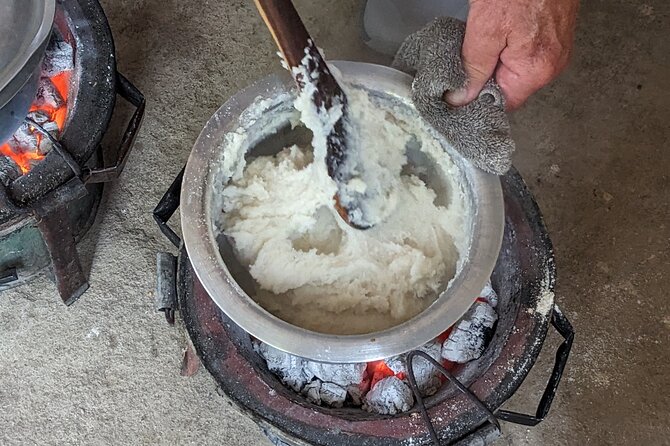
Neema is the chef named in the available feedback, and she is described as friendly, well prepared, and fun to cook with. The class is a shared activity, not a formal lecture. You prepare food together, chat with the guides, and learn through doing.
Liroy, Israel, and Neema have all been singled out for their kindness and attention. That human side is one of the strongest reasons to book. The class seems to work best for people who enjoy conversation, questions, and a relaxed pace.
The cooking space is simple. A small home can provide a more genuine picture of local cooking, but it also means the facilities may not match what you are used to at home. A detailed account noted that soap and water were available, though the participant felt that handwashing and cutting-board cleaning after handling meat were not as thorough as United States standards.
This is worth taking seriously. The same account noted that all the food was fully cooked, but you should still wash your hands carefully and follow the guide’s instructions. If you have strict food-safety needs, allergies, or dietary restrictions, ask about them before booking. The provided information does not confirm how special diets are handled.
Eating what you prepared
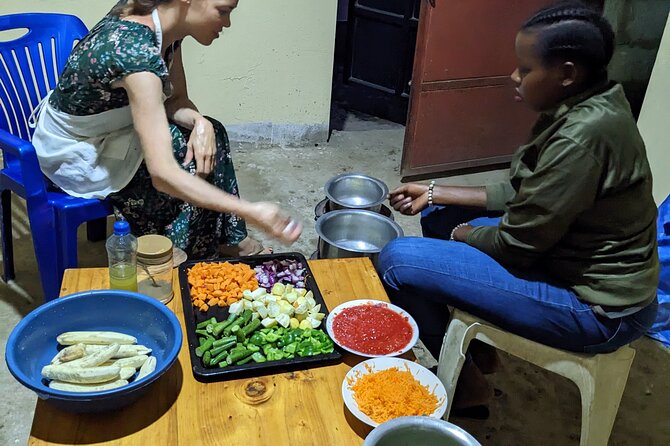
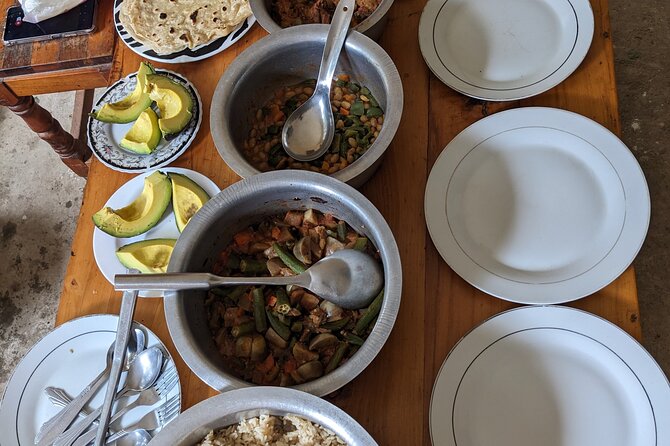
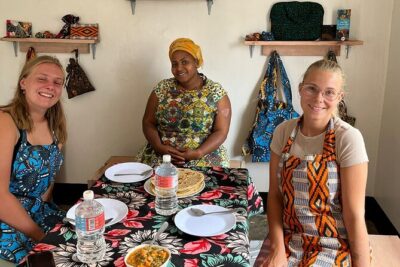
After the cooking, you sit down and eat the meal with the group. This shared table is an important part of the experience. You can compare the dishes, talk about the preparation, and see how the separate ingredients work together on a Tanzanian plate.
The meal is included in the $45 price, and leftover food may be packed for you to take back to your hotel. That is a welcome practical touch, especially if the cooking runs long or you have prepared more food than the group can finish.
Drinks are not included. One account noted that the guide kindly obtained water and a beer, but you should not depend on that. Bring money for drinks or ask your guide what is available. Since market walks and cooking can make you thirsty, this is one small cost to plan for.
What the $45 price really covers
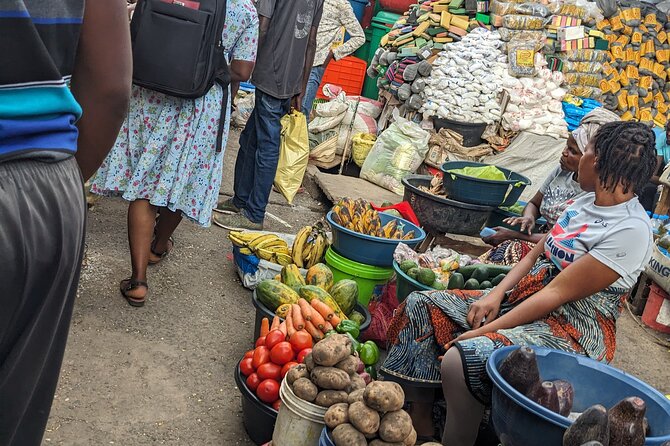
At $45 per person, the tour offers solid value. The price includes hotel pickup and drop-off, the guided market visit, ingredients, the cooking lesson, and the meal. You are paying for more than a plate of food. You are paying for transport, local guidance, shopping help, instruction, and several hours of contact with your hosts.
The value is strongest if you would otherwise book separate transport and a meal. It is also a good choice if you want a practical cultural activity in Arusha before or after a safari. You leave with recipes and cooking skills, not just photographs.
The price is less attractive if you only want a quick demonstration or a short tasting. The class can last one to three hours, and the total experience takes five hours according to the main duration. You need to enjoy the process, including chopping, waiting, and cleaning, rather than judging it only by the final meal.
Who will enjoy this experience most
I would recommend this tour to you if you enjoy meeting local people and learning through ordinary daily activities. It suits couples, friends, and small groups who want a hands-on food experience instead of another sightseeing stop.
It also works well for curious eaters who may not know Tanzanian food yet. The menu includes recognizable ingredients, but the preparation offers something new. You can ask about the foods as you shop, then see how they are used at home.
Families may enjoy the class, though the provided information does not give a minimum age or describe child-specific arrangements. Ask before booking if you are traveling with children.
You may want to skip it if you dislike markets, close contact with raw ingredients, or informal cooking spaces. It is also not the right pick if you need a tightly timed activity. The cooking portion can vary considerably in length.
What to bring and what to expect
Wear comfortable shoes because the market involves walking and the cooking session may keep you on your feet. Long pants and comfortable clothing are specifically recommended.
Photography is allowed, and a guide may take photos of you cooking. You should still ask permission when photographing people at the market.
Weapons and sharp objects are not allowed. The supplied information does not list a detailed accessibility policy, so ask the provider about mobility needs before booking.
English is the tour language. The guides and chef can answer questions about the food, market, town, and country, making the tour more useful if you like to ask questions as you go.
Free cancellation is available up to 24 hours in advance for a full refund. You can also reserve now and pay later, which helps if your Arusha schedule may change.
My practical verdict
The best part of this experience is the chain from market to kitchen to table. You see the ingredients, help buy them, cook them with a local chef, and eat the result. That makes the lesson feel connected to real life.
The main tradeoffs are the informal setting, the lack of included drinks, and the uneven timing of the cooking session. Food hygiene may also feel less controlled than you expect at home, especially when meat is involved.
For $45, I think this is a worthwhile Arusha activity if you want personal contact, local food, and a relaxed hands-on lesson. Book it if you are happy to trade polished facilities for a more direct look at home cooking. Before you confirm, check the pickup time, ask about dietary needs, and bring water money. Those three steps will help you get the most from the day.
FAQ
Where does the tour begin?
Pickup is provided from your hotel in Arusha town, particularly hotels near the city center.
How long does the experience last?
The stated duration is five hours. The cooking class itself lasts between one and three hours. One itinerary detail lists twelve hours, so confirm the exact schedule and return time before booking.
What language is the tour conducted in?
The tour is conducted in English with a live guide.
Which foods might I cook?
The class may include plantain banana, chapati, ugali, vegetables, and a stewed or barbecued meat dish. You may be able to choose three dishes from four options.
Is the market visit included?
Yes. The experience includes a visit to a local central food market, with time to see ingredients, speak with vendors, ask questions, and take photos.
Are ingredients and the meal included?
Yes. Ingredients for the class and a meal of the cooked dishes are included.
Are drinks included?
No. Drinks are not included in the price.
What should I bring?
Bring comfortable shoes, comfortable clothes, and long pants. Weapons and sharp objects are not allowed.
More Shopping Tours in Arusha
- Tanzanite experience tour – Tanzanite shopping in Arusha
★ 5.0 · 12 reviews - Moshi, Kilimanjaro: Local Market Shopping Experience
★ 5.0 · 2 reviews - Dar es salaam Fish Market Adventure
★ 5.0 · 2 reviews - Spice Farm, Prison Island, Stonetown Tour+Slave market visit
★ 5.0 · 1 review
More Market Walks in Arusha
- 24 Hours in Arusha—Arusha Museum, Cultural Heritage, Maasai Market, Shanga
★ 5.0 · 4 reviews - Private Local Market Tour in Tengeru
★ 5.0 · 1 review - Stone Town Guided Tour: Culture, Slave Market & Spice Market
★ 4.8 · 44 reviews - Zanzibar:Stone town Street food market walking tour,transfer
★ 4.5 · 9 reviews
Just added in Arusha
- Safari “Kifaru” – 5 days in the most famous Parks in the world★ 5.0 · 4 reviews
- Saadani Day Trip★ 5.0 · 13 reviews
- 3 Days Tanzania Short and Spicy★ 5.0 · 6 reviews
- 5 Day Tanzania Safari Camping Adventure Private Tour★ 5.0 · 2 reviews
- Day Trip to Ngorongoro Crater from Arusha★ 5.0 · 1 review
- SERENGETI NATIONAL PARK Tour★ 4.5 · 5 reviews
- 3 Days Serengeti Park & Ngorongoro Crater Adventure Safari★ 5.0 · 8 reviews
- 6 Days Tanzania Bush Experience Safari★ 5.0 · 6 reviews
Cooking Classes, compared.
Half-Day Kuza Cave Swimming Adventure and Cooking Class
Read our review →
NGO Lifted Strong – Traditional Tanzanian Cooking Class
Read our review →
Traditional Tanzania Cooking Class & Food Market Tour
Read our review →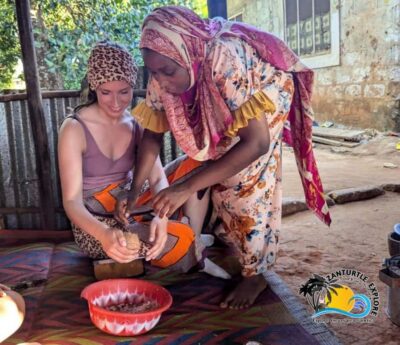
Cooking and Sewing & Jewelry Workshops in Arusha
Read our review →
Mnemba Dolphin Tour, Clear Kayak, Cooking Class, Horse Riding
Read our review →Browse the lists this tour appears in