
Reviewed · FOOD
Moshi: Serval Wildlife Tour with food and drinks
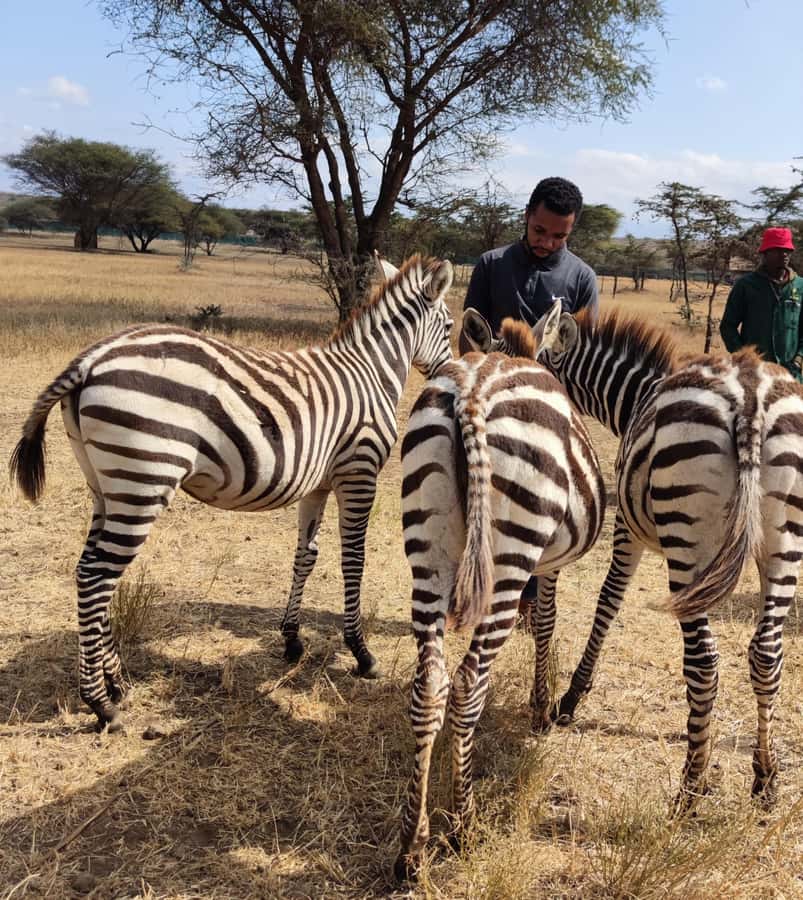
Close animal encounters change the pace. This three-hour outing from Moshi or Arusha gives you a rare chance to see servals, giraffes, lions, zebras, monkeys, ostriches, and Oryx at close range. I like the small-group format and the chance to feed or gently pet some animals under trained sanctuary staff.
I also like the scenic drive through the Siha Highlands, with views toward Mount Kilimanjaro and Mount Meru, plus lunch and drinks built into the day. The main concern is value: at $120 for one person, you need to confirm exactly what the price covers, since transport, sanctuary entry, food, and extra drinks have caused confusion.
In This Review
- Quick points to know
- What kind of wildlife day is this?
- The drive from Moshi or Arusha
- Entering Serval Wildlife Sanctuary
- Servals, giraffes, lions, and close contact
- Food, drinks, and the lunch stop
- What $120 really buys you
- The guide and vehicle can shape the day
- Who will enjoy this most?
- Practical ways to improve your visit
- Should you book the Serval Wildlife Tour?
- FAQ
- Where is the Serval Wildlife Tour located?
- How long does the tour last?
- What animals can I see?
- Can I feed or pet the animals?
- Is lunch included?
- Are drinks included?
- Is transportation included?
- Can I choose different pickup and drop-off towns?
- Is the tour wheelchair accessible?
- What language does the guide speak?
Quick points to know
- Close contact with wildlife: You may feed and pet selected animals under supervision, rather than simply watching from a vehicle.
- Several species in one visit: The sanctuary includes servals, giraffes, lions, zebras, monkeys, ostriches, and Oryx.
- Three-hour schedule: About 90 minutes is allocated to the sanctuary, followed by about an hour for lunch and refreshments.
- Views on the road: The route through Siha District can bring views of Mount Kilimanjaro and Mount Meru.
- Transport is part of the package: Pickup and return are offered from Moshi, Arusha Urban, or Boma Ng’ombe.
- Check the price carefully: Confirm entry fees, drinks, drop-off arrangements, and any added charges before paying.
What kind of wildlife day is this?
Serval Wildlife Sanctuary is not a classic safari in Tanzania’s open plains. You are not spending a full day searching for animals from a four-wheel-drive vehicle. Instead, this is a short sanctuary visit built around close encounters, guided interpretation, photographs, and a manageable schedule.
That difference matters. If you want wide horizons, long game drives, and the thrill of finding animals in the wild, a national park safari may suit you better. If you have only a few hours and want to see African species at close range, this outing offers a more direct experience.
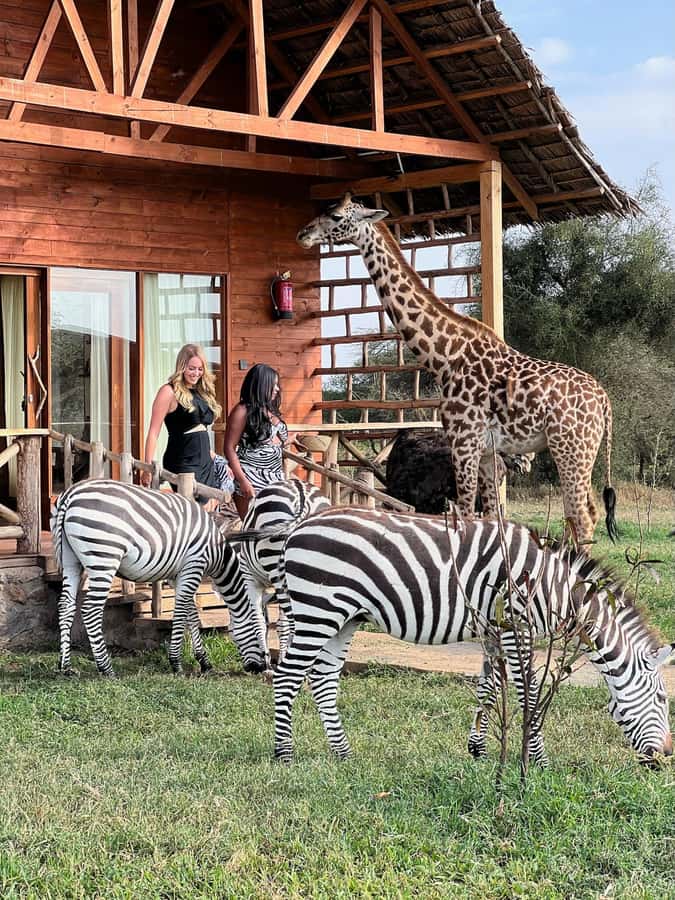
The sanctuary setting includes lush enclosures and open areas where animals can move about. You might see giraffes, zebras, monkeys, ostriches, Oryx, servals, and lions during the guided walk. The exact animal activity can vary. One lion may be resting, and some animals may be less interested in visitors than others. That is part of seeing living creatures, but it also means you should not expect a guaranteed show.
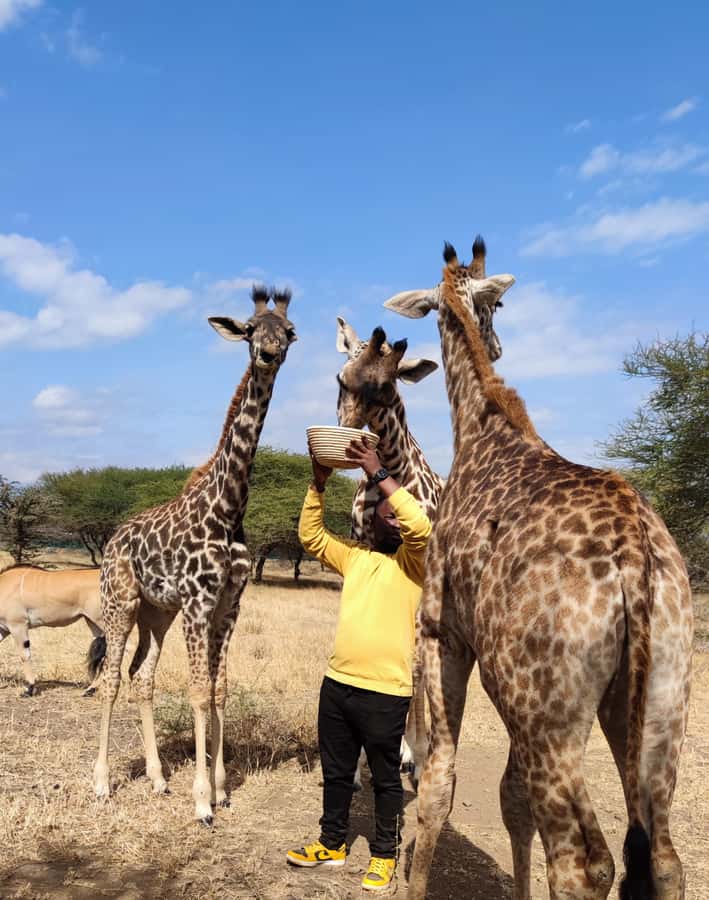
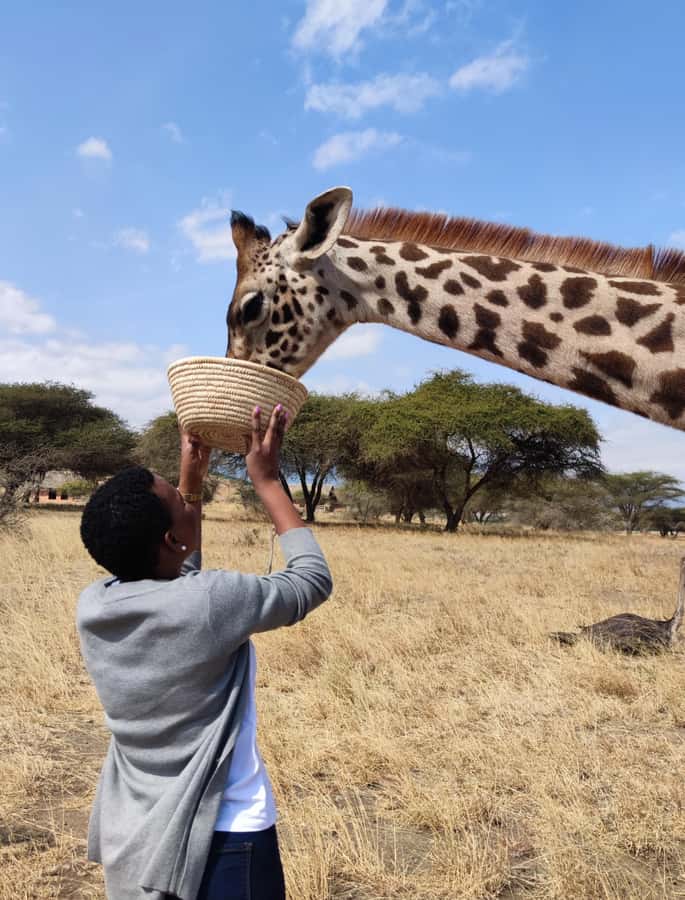
The most praised part of the experience is the access. Under supervision, you may be able to feed or pet selected animals safely. This can be especially appealing for families and anyone who prefers a personal wildlife encounter to a long wait in a safari vehicle.
More Food Tours in Moshi:
- Stonetown: Food Markets and Street Food Walking Tour
★ 4.7 · 151 reviews - Authentic Street Food Tours in Stone Town, Zanzibar
★ 5.0 · 46 reviews - Arusha: Traditional Tanzania Cooking Class & Food Market Tour
★ 5.0 · 34 reviews
The drive from Moshi or Arusha
Your day begins with pickup from your hotel in Moshi, Arusha Urban, or Boma Ng’ombe. You are asked to wait in the hotel lobby 10 minutes before the scheduled time. Round-trip transportation is included in the advertised package, and a live English-speaking guide accompanies the trip.
The route heads toward Siha District, where the highland setting gives you a change from the busier streets around Moshi and Arusha. Along the way, you may get scenic views of Mount Kilimanjaro and Mount Meru. These views are weather-dependent, of course, but the road itself adds a useful sense of place before you reach the sanctuary.
Transport quality can shape this short tour more than you might expect. Since the total visit lasts only three hours, a late pickup or an uncomfortable ride cuts into your time with the animals. One booking included Wi-Fi in the vehicle and a friendly driver, while another raised concerns about a small four-seat car, fast driving, and unclear communication between pickup and drop-off. I would ask about the vehicle, pickup time, and return point before departure.
Be especially careful if you want to start in Arusha and finish in Moshi, or the reverse. The standard arrangements list the same three locations for pickup and drop-off, but a change of town may bring an additional charge. Get that detail confirmed in writing rather than sorting it out beside the road.
Entering Serval Wildlife Sanctuary
The sanctuary visit takes about 90 minutes. That time includes a safety briefing, a guided walk, a photo stop, sightseeing, and some free time. It is a compact visit, so your guide needs to keep the group moving.
At the start, listen closely to the instructions. The rules are simple but important: respect the animals, stay within the permitted areas, and follow the guide’s directions around enclosures. This is not the place for sudden movements, loud calls, or trying to get closer on your own.
The setting is designed to let you see animals at a closer range than you normally would in a national park. Giraffes and zebras provide the familiar African wildlife appeal, while servals and Oryx offer something less common. Monkeys and ostriches add variety, and lions bring the strongest sense of drama, even if one happens to be sleeping when you arrive.
That last point is worth stressing. The sanctuary may contain several species, but the experience is not a guaranteed checklist. A lion resting in the shade is still a lion, yet anyone expecting constant movement could feel disappointed. One person felt the visit was too brief and saw little beyond zebras, giraffes, and a sleeping lion. Another described the animal contact as the highlight of the whole day.
Servals, giraffes, lions, and close contact
The sanctuary’s namesake servals are among the most interesting animals here. These slender African cats are built for quick movement and high leaps, with long legs and large ears. The visit gives you a chance to learn about their conservation status and how they adapt to different environments.
The guide is an important part of that encounter. A naturalist guide explains animal behavior and helps you understand when feeding or touching is appropriate. This turns a quick photo opportunity into a lesson about wildlife care, animal boundaries, and the work involved in protecting species.
Giraffes are likely to be a favorite for families. Seeing one at close range gives you a much better sense of its height and body shape than a distant roadside sighting. Zebras are equally photogenic, while Oryx add a less familiar antelope to the mix.
The lion encounter needs a realistic expectation. You may see a lion resting, and access rules can limit how close children or other visitors may stand. Those restrictions are sensible. The point is not to force an interaction, but to watch safely without putting the animal or people under pressure.
You may also encounter monkeys, ostriches, and other wildlife within the sanctuary. Some animals can be fed or petted, but not every creature will be available for direct contact. The staff decide what is safe, and you should accept those limits as part of responsible wildlife tourism.
A different kind of day out entirely:
- Kilimanjaro climb by Lemosho Route (7-day)
★ 5.0 · 651 reviews - Safari Serengeti And Ngorongoro
★ 5.0 · 288 reviews - Kilimanjaro climb, Machame Route (7-day)
★ 5.0 · 262 reviews - Kilimanjaro Climbing Lemosho Route 8 Days.
★ 5.0 · 186 reviews
Food, drinks, and the lunch stop
Lunch and welcome refreshments are included in the stated package. The itinerary allows about one hour at a local restaurant after the sanctuary visit, rather than serving the meal inside the wildlife area.
That arrangement can work well. You get time to sit down, eat, and talk through the experience after the walking portion. The food received strong praise, and one meal allowed a choice of main course from a menu priced around 45,000 to 55,000 Tanzanian shillings.
The drinks need closer attention. The package description says lunch and drinks are included, but one booking found that the included drink amounted to a single two-liter bottle of water, with additional drinks charged separately. That may be a misunderstanding between the operator and restaurant, but it is still a practical issue. Ask exactly what drinks are included before you set out.
A meal at a local restaurant also gives you a more ordinary look at the area than eating at a hotel. It is not presented as a major food tour, but a fresh meal and a drink provide a welcome pause in a short, active day.
What $120 really buys you
The listed price is $120 per group up to one person. For a solo visitor, that is a substantial amount for a three-hour activity. The package says it includes hotel transport, the sanctuary entry fee, a naturalist guide, lunch, and drinks.
That can be fair if you value a private or very small-group transfer and want the day arranged for you. You avoid finding a vehicle, negotiating a route, buying admission, and locating a restaurant. For someone staying in Moshi or Arusha with limited time, that convenience has real value.
But you should not assume that every cost is settled simply because the package description says included. A booking reported being told that the sanctuary ticket cost $120 plus a 4 percent service fee, while the operator mainly provided pickup and return. Another booking found that entry was purchased on arrival rather than reserved in advance.
Because these accounts conflict with the stated inclusions, confirm four items before booking:
- Is the sanctuary admission included in your final price?
- Is lunch included, and what menu allowance applies?
- Which drinks are covered?
- Is your requested pickup and drop-off town included without a surcharge?
If the operator confirms all four clearly, the package becomes easier to judge. If admission is extra, the total may approach the cost of a more substantial safari, which makes this short sanctuary visit harder to recommend at full price.
The guide and vehicle can shape the day
The sanctuary staff handle the animal portion of the visit, while the tour operator manages the road transfer. Keep those roles separate when judging the experience.
The sanctuary guides have been praised for explaining the animals, managing contact safely, and taking photographs. Ester received particular praise for her animal knowledge and photography skills. That kind of help matters when you want good pictures without spending the whole visit staring at your phone.
The transport side appears less consistent. A friendly driver and in-car Wi-Fi can make the trip pleasant, especially on the road between Arusha, Moshi, and Siha District. But a small vehicle, rushed driving, or unclear answers about drop-off arrangements can leave you feeling that you paid mainly for a basic transfer.
If you are sensitive to insects or animal allergies, this is not a suitable outing. The sanctuary is an outdoor wildlife setting, and the activity information specifically excludes people with animal or insect allergies. The tour is wheelchair accessible, but you should still confirm the practical details of the route and vehicle when booking.
Who will enjoy this most?
I would recommend this experience most strongly to families, first-time visitors to Tanzania, photographers, and people with a spare half-day around Moshi or Arusha. The close encounters can be more engaging for children than a long drive where animals remain far away.
It also suits anyone who wants to see several African species without committing to a full national park itinerary. You get a guided wildlife lesson, photographs, lunch, and transport in a single short package.
I would be more cautious if your main goal is a traditional safari. You may see only a small number of animals during the 90-minute sanctuary visit, and a lion may be resting. The setting offers closeness, not the unpredictability and scale of wild game viewing.
Solo visitors should pay particular attention to the group pricing. A $120 charge for one person is much harder to justify than the same total shared by a small group. Ask if a small-group departure or shared transfer is available, since the activity notes that small groups may be arranged.
Practical ways to improve your visit
Start by confirming the pickup time and exact hotel entrance. Be ready in the lobby 10 minutes early, since the sanctuary portion is short and delays matter.
Wear comfortable walking clothes and shoes suitable for an outdoor setting. The supplied information does not specify a dress code, but you should be ready for sun, dust, plants, and insects. Since insect allergies are specifically listed as a concern, take that warning seriously.
Bring your phone or camera, but listen to the guide before taking close-up photographs. The best animal pictures often come from staying calm and allowing the animal to approach within the approved area.
Keep some Tanzanian shillings available for extra drinks or other menu items if the restaurant charges beyond the included allowance. Also keep the operator’s pickup and drop-off agreement accessible on your phone, particularly if you are crossing between Moshi and Arusha.
The experience offers free cancellation up to 24 hours before departure, and you can reserve now and pay later. Those terms help if your Kilimanjaro plans are still changing, but they do not replace the need to clarify inclusions.
Should you book the Serval Wildlife Tour?
Book it if you want close, guided animal contact and a short outing from Moshi or Arusha. The sanctuary itself can be excellent, especially when the staff explain the animals well and help you feed, pet, or photograph them safely. Ester’s guiding and photography are good examples of how much the sanctuary team can add.
Think twice if the $120 price covers little more than a ride. The animal visit lasts about 90 minutes, sightings are not guaranteed to be active, and extra charges for admission, drinks, or a different drop-off could change the value quickly.
My advice is simple: ask for a written breakdown of the total price before you pay. If transport, entry, lunch, and the agreed return point are all included, this can be a memorable half-day wildlife experience. If not, arrange a cheaper transfer yourself and compare the final cost with a proper safari.
FAQ
Where is the Serval Wildlife Tour located?
The activity takes place at Serval Wildlife Sanctuary in Tanzania’s Siha District, with pickup options from Moshi, Arusha Urban, and Boma Ng’ombe.
How long does the tour last?
The full activity lasts three hours. About 90 minutes is planned for the sanctuary, and about one hour is set aside for lunch and welcome refreshments.
What animals can I see?
The included wildlife encounters list servals, ostriches, giraffes, lions, zebras, monkeys, and Oryx.
Can I feed or pet the animals?
You may be able to feed or pet selected animals safely under the direction of the sanctuary guides. You must follow the safety briefing and staff instructions.
Is lunch included?
Lunch is listed as included. The meal is served at a local restaurant, and one menu arrangement allowed a choice of main course. Confirm the exact allowance when booking.
Are drinks included?
Drinks are listed as included, but the amount and type should be confirmed. One booking reported receiving one two-liter bottle of water and paying separately for additional drinks.
Is transportation included?
Round-trip transportation from accommodations in Arusha or Moshi is listed as included. Pickup and drop-off options also include Boma Ng’ombe.
Can I choose different pickup and drop-off towns?
The three listed pickup and drop-off points are Boma Ng’ombe, Arusha Urban, and Moshi. A different pickup and drop-off combination may cost extra, so confirm it in advance.
Is the tour wheelchair accessible?
Yes, the activity is described as wheelchair accessible. You should still confirm the vehicle and route details for your specific booking.
What language does the guide speak?
The live tour guide speaks English.
More Wildlife Trips in Moshi
- From Moshi or Arusha: Serval Wildlife Sanctuary Trip
★ 4.9 · 14 reviews - Tanzania Wildlife Encounters – 6 Days
★ 5.0 · 277 reviews - Zanzibar: Jozani nature walk and wildlife tour
★ 4.5 · 89 reviews - 6 Day Tanzania Wildlife Mid range Safari
★ 5.0 · 54 reviews
Just added in Moshi
- THE BEST 2 DAYS ON TREK – MARANGU ROUTE TOUR ADVENTURES★ 5.0 · 1 review
- Mount Kilimanjaro National Park Day Trip★ 5.0 · 7 reviews
- Mount Kilimanjaro Climbing in Tanzania Full-Day Trip★ 5.0 · 1 review
- Mount Kilimanjaro Day Hike – All-Inclusive, No Hidden Fees★ 4.0 · 7 reviews
- Mount Kilimanjaro Trekking Tour – Climb with Local Guides★ 5.0 · 1 review
- Mount Kilimanjaro: 7 Days Hike Lemosho Route★ 5.0 · 1 review
- Moshi:Chemka Hot Springs, Materuni Waterfalls & Coffee Tour★ 5.0 · 1 review
- Moshi Town: Walking Tour: Theme Urban lifestyle★ 3.1 · 4 reviews
Food, compared.
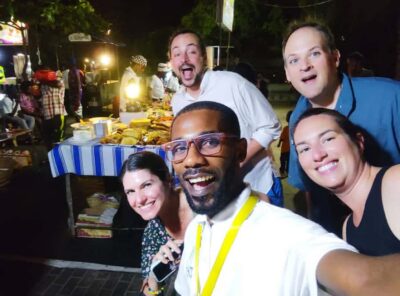
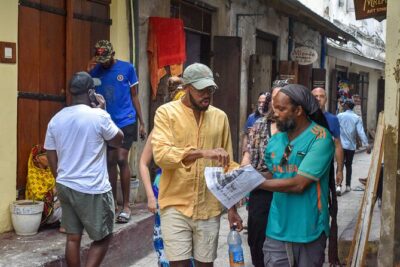
Authentic Street Food Tours in Stone Town, Zanzibar
Read our review →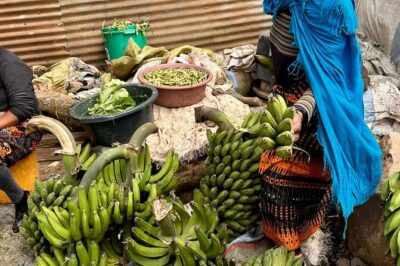
Traditional Tanzania Cooking Class & Food Market Tour
Read our review →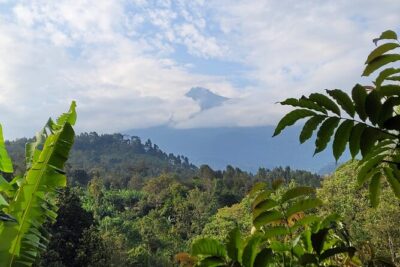
Organic Coffee Tour and Local Food Experience in Arusha
Read our review →
Stone Town Evening Walk Tour With Visit Food Markets
Read our review →Traditional Tanzania Cooking class& Food Market Tour
Read our review →
Stone town Street food market walking tour,transfer
Read our review →Browse the lists this tour appears in