
Reviewed · COOKING CLASSES
Arusha: Traditional Tanzania Cooking Class & Food Market Tour
The best Arusha souvenir may be lunch. I like that this tour begins with real market shopping, then turns those ingredients into a meal you prepare yourself. I also like the chance to use ordinary local transport from the central market to Sanawari, rather than spending the whole outing inside a private vehicle.
The main consideration is the cooking setup. This is not a polished studio class with high counters and modern appliances. You may cook around a low table with charcoal burners, a gas burner, tubs, and basic utensils. That is part of the point, but it may not suit anyone seeking comfort or a restaurant-style demonstration.
In This Review
- Key points to know before booking
- Why this Arusha food tour is worth your time
- Starting at Arusha Central Market
- Choosing two Tanzanian dishes
- Riding from the market to Sanawari
- Cooking in a traditional local kitchen
- Sitting down to eat what you made
- Timing, pickup, and group size
- Who will enjoy this tour most
- Practical tips for a better visit
- Should you book the Arusha cooking class?
- FAQ
- How long does the Arusha cooking class and market tour last?
- Where does the tour begin?
- How long is the central market visit?
- Where does the cooking class take place?
- How do I travel from the market to Sanawari?
- How many dishes do I cook?
- Are the cooking ingredients included?
- Is the meal included?
- Are drinks included?
- Can I cancel for a full refund?
Key points to know before booking
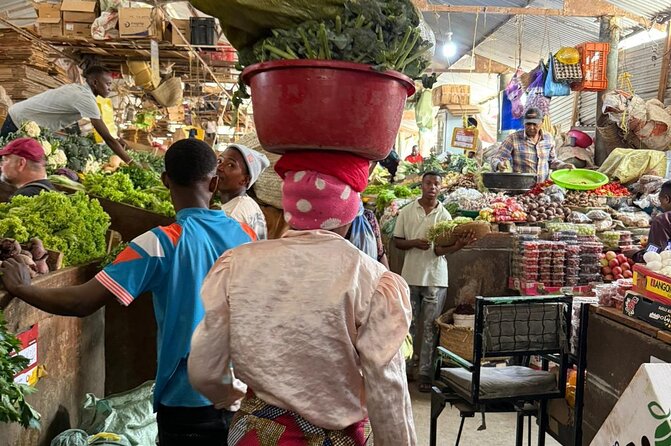
- Market before the meal: You visit Arusha’s central food market, see local produce and meats, and learn how ingredients are used in Tanzanian cooking.
- Two dishes of your choice: After the market visit, you select two local foods for the cooking lesson. Ugali and ndizi are examples mentioned by past participants.
- A genuinely local kitchen: Expect charcoal burners, a gas burner, tubs, and simple equipment rather than a Western-style cooking school.
- Public transport is part of the day: The journey from the market to Sanawari uses common local transport, adding a small but useful look at daily life.
- Hotel pickup and return: Pickup and drop-off are offered for hotels near Arusha city center.
- Good value at $42: The price covers the guide, market ingredients, transport used during the activity, the class, and the meal you cook.
Why this Arusha food tour is worth your time
Arusha is often treated as a launching point for safari, Mount Meru outings, or visits to nearby cultural sites. That is useful, but it can leave you seeing Tanzania mainly from a vehicle window. This four-hour food tour gives you a closer look at ordinary life, starting with what people buy and ending with what they eat.
I like the order of the activity. You do not begin with a prepared cooking demonstration and a list of unfamiliar ingredients. You first see the food in the market, hear how it is used, and help choose what goes into the pot. That simple sequence makes the meal easier to understand.
The tour costs $42 per person. For that fee, you receive hotel pickup and return near the city center, a guided market visit, the ingredients, local transport used during the outing, instruction from a local chef, and lunch or dinner based on what you prepare. Drinks are extra, and any spices you want to buy from the market are also not included.
That is a fair package for someone who wants more than a quick tasting. The value comes less from the quantity of food and more from the access: you see the shopping, take part in the preparation, and eat the result. If you only want to watch a chef cook in a comfortable room, you can find simpler options. If you want a practical look at local food habits, this has more going for it.
More Food Tours in Arusha
- Organic Coffee Tour and Local Food Experience in Arusha
★ 5.0 · 29 reviews - Street Food and Community Walking Tour
★ 5.0 · 12 reviews - Arusha: Traditional Tanzania Cooking class& Food Market Tour
★ 4.9 · 12 reviews
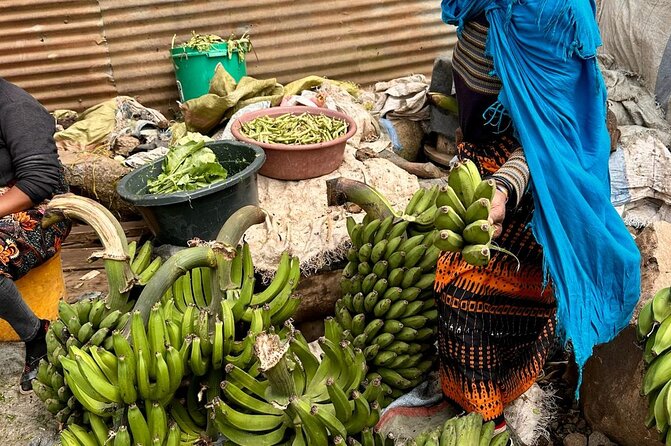
Starting at Arusha Central Market
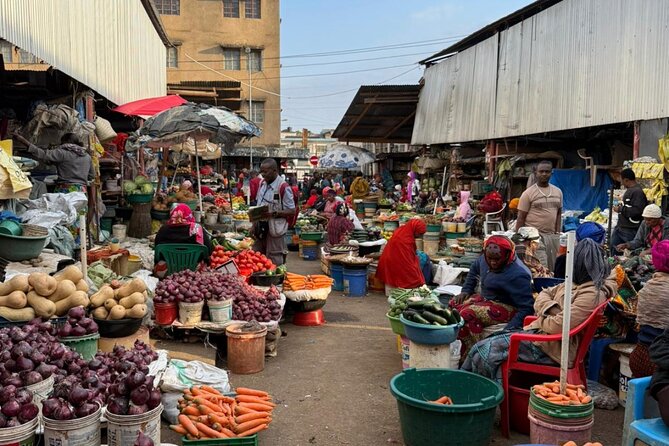
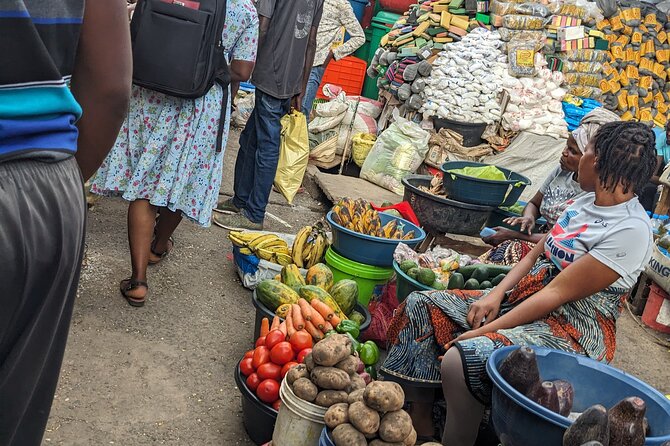
The first stop is Arusha’s central food market, with about 30 minutes set aside for the visit. Some outings may run closer to 45 minutes, depending on the pace and what you want to ask about.
This is not presented as a tourist food hall. It is a working market where much of the produce comes from Tanzania, with a smaller amount brought in from elsewhere. You can expect the visit to focus on the everyday ingredients sold there, including fresh food, meats, and other local goods.
Your guide helps explain what you are seeing and how particular foods are traditionally used. That guidance matters. A pile of unfamiliar produce is interesting for a few minutes, but the visit becomes useful when you learn which ingredients belong in a stew, which are cooked as a staple, and which are bought for a particular type of meal.
The social side is also important. The market gives you a chance to meet local sellers and observe how people shop. The guides are repeatedly praised for being warm and enthusiastic, with Israel, Jack, James, Lameck, Magret, Bariki, Fen, and others named in personal accounts. Your guide may be someone else, but the role is the same: help you move through the market respectfully and explain what you are seeing.
I would not expect a quiet walk. Markets are active places, and the smells, sounds, people, and close quarters are part of the experience. Keep your attention on your belongings, stay with the guide, and wear shoes that are comfortable for walking. The supplied information does not promise a long market visit, so you should think of this as a focused introduction rather than a full morning of shopping.
Choosing two Tanzanian dishes
After the market, you select two foods from the options available that day. This is one of the better features of the outing because it gives you a small say in the meal rather than assigning the same menu to everyone.
Ugali and ndizi are specifically mentioned as dishes that can be prepared. Ugali is a familiar Tanzanian staple made from cooked maize flour, while ndizi refers to banana-based dishes. The exact choices may depend on what is fresh, available, and practical for the group on that day.
The market visit gives the selection some meaning. Instead of hearing a dish name in isolation, you have just seen some of the ingredients and received an explanation of how local cooks use them. If you have food allergies, dietary restrictions, or strong dislikes, tell the operator when booking and confirm the available choices before the lesson. The information supplied does not promise a particular vegetarian, vegan, halal, or allergy-free menu.
The food is bought as part of the tour, and the cost of those ingredients is included. Spices purchased separately from the market are not included. Drinks such as water, soda, and beer are also extra, so carry some money if you want something to drink with the meal.
Riding from the market to Sanawari
The cooking lesson takes place in Sanawari, an area a little farther from the central market. The transfer is not simply a private ride arranged to keep the day moving. You use one of the common forms of public transport used locally, which adds a practical detail to the cultural side of the outing.
For some people, this will be a highlight. You get to see how a short local journey works and move through Arusha in a way that is closer to daily life. It also breaks up the usual pattern of hotel pickup, private car, attraction, and hotel return.
For others, public transport may feel less comfortable or predictable than a private vehicle. The experience description does not specify the exact vehicle, travel time, or seating arrangement. If you need extra space or have mobility concerns, ask about the transfer before booking. The tour is near public transportation and most people can participate, but no detailed accessibility information is provided.
More Cooking Classes in Arusha:
- NGO Lifted Strong – Traditional Tanzanian Cooking Class
★ 5.0 · 39 reviews - Cooking and Sewing & Jewelry Workshops in Arusha
★ 5.0 · 14 reviews - Arusha: Local Tanzanian Cooking Class by Kingstone Asilia
★ 5.0 · 3 reviews - Local Tanzanian Food Cooking Class by Kingstone Asilia (Arusha)
★ 5.0 · 2 reviews
Cooking in a traditional local kitchen
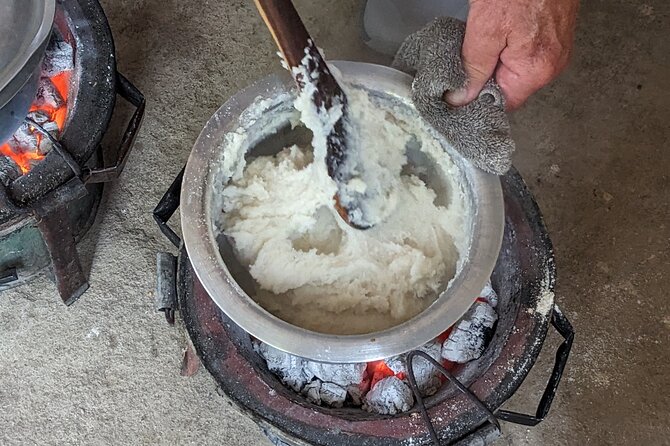
Sanawari is where you meet the local chef and prepare the two selected dishes. The strongest feature here is the setting. The kitchen is described as a local working space, not a purpose-built cooking school.
That means you should expect a low table, charcoal burners, a gas burner, large tubs, and basic cooking tools. You may not have the bench tops, sinks, storage, or appliances you use at home. The setup can require sitting or working at a lower level, and the pace may be less tidy than a professional demonstration kitchen.
I see that as a benefit if your goal is to understand how food is cooked in an ordinary Tanzanian setting. Heat from charcoal, simple tools, and shared preparation make the lesson feel connected to daily life. You are not merely copying a recipe in a room designed for tourists. You are seeing a method that reflects local resources and habits.
Still, it is important to set your expectations correctly. This is not a baking class, a chef-led masterclass, or a polished culinary workshop. The supplied information does not promise printed recipes, individual workstations, air conditioning, or professional sanitation facilities. Ask questions, wash your hands when possible, and tell the guide if you need a different way to participate.
The class is described as interactive and fun, with guides helping explain the food and culture as you work. The cooking itself takes about one and a half hours at the Sanawari stop, though the full outing lasts about four hours once transfers, market time, and the meal are counted.
Sitting down to eat what you made
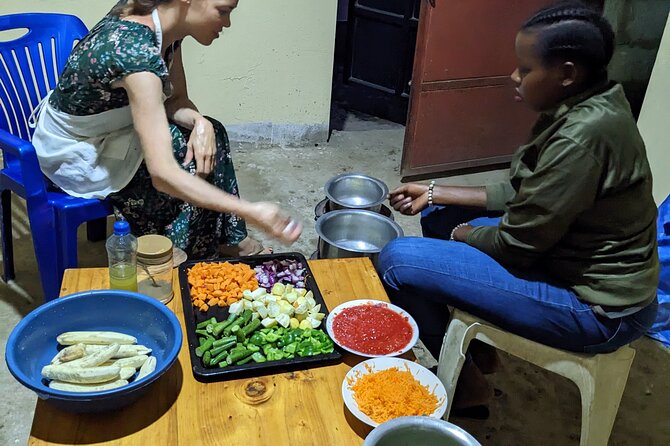
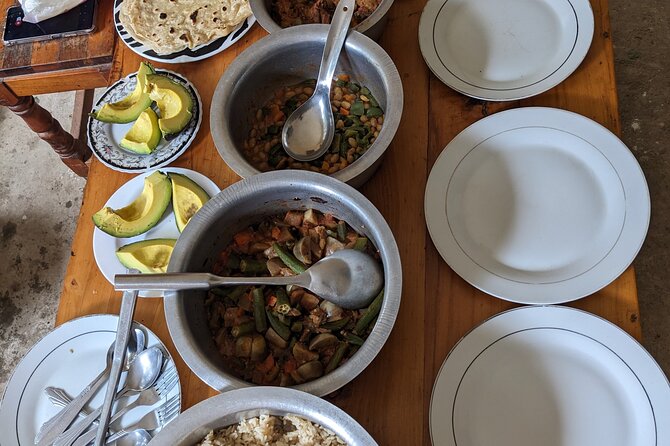
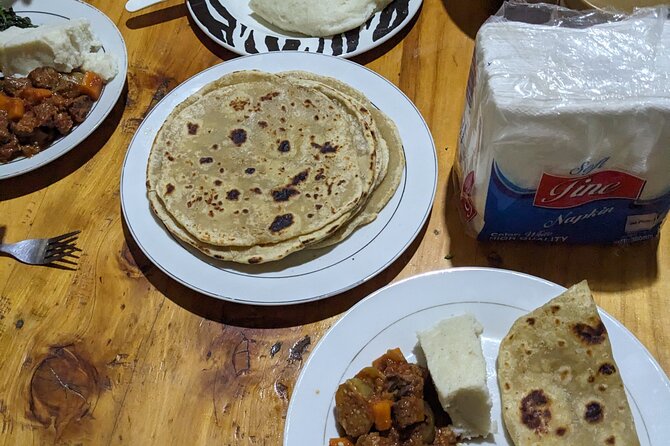
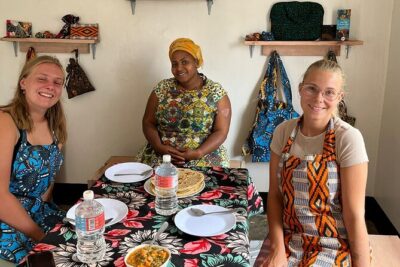
After cooking, you eat the meal as lunch or dinner. This is the satisfying payoff, especially if you arrive hungry. You have seen the ingredients, helped buy them, prepared the food, and can now judge the result for yourself.
The meal is included for the people taking part in the activity. You may also have the option of taking some food away, though the information does not specify the containers or how much can be packed. If you want a takeaway portion, ask before the meal rather than assuming it is available.
The food is likely to be the main point of comparison with your usual cooking. Local dishes may use textures, grains, bananas, spices, and cooking methods that differ from what you know. Try the food with curiosity, but do not expect the menu to be adjusted to Western tastes unless you arrange that in advance.
The guides receive especially strong praise for their friendliness and cultural explanations. Names such as Israel and Magret are associated with lively instruction, while Jack, James, Lameck, Bariki, and Fen are also mentioned as welcoming hosts. The exact person leading your visit can vary, but a good guide makes the difference between simply following a recipe and understanding why the dish matters.
Timing, pickup, and group size
The tour lasts approximately four hours. Pickup and drop-off are offered at hotels near Arusha city center, and confirmation is sent by WhatsApp or email after booking. On the day, the guide comes to your hotel and returns you there at the end.
The exact start time can vary. One recorded outing began at 5:00 p.m., showing that the activity can run later in the day, but you should confirm your chosen departure time directly. A late start may work well after a morning safari or city walk, although you should allow enough time to eat at the end.
The stated maximum is 200 participants. That is a very large possible capacity for a hands-on cooking class, even if many departures are smaller. Ask how many people are booked for your date if personal attention matters to you. A smaller group should make it easier to ask questions and participate at the stove, while a large group could mean more waiting and less control over the cooking.
The experience requires good weather. If poor weather causes cancellation, you are offered another date or a full refund. You can cancel for a full refund up to 24 hours before the local start time. Cancellations or changes made inside that 24-hour window are not accepted.
Who will enjoy this tour most
I would recommend this outing to you if food is one of your main ways of understanding a place. It also suits first-time visitors who want a guided introduction to Arusha beyond the usual sightseeing route.
It is a good fit for:
- Couples who want a shared activity with a meal at the end
- Families and friends who enjoy hands-on preparation
- People curious about Tanzanian staples such as ugali and ndizi
- Visitors with a free half-day in Arusha
- Anyone who values local contact over polished presentation
You may want another option if you need a fully equipped kitchen, a fixed menu, a formal chef demonstration, or detailed dietary guarantees. The low cooking setup and public transport may also be a poor match for anyone with mobility limits or a strong preference for private transfers.
Practical tips for a better visit
Wear clothes and shoes that can handle a market visit and a little cooking mess. The experience takes place in a real market and a simple kitchen, so dress for practicality rather than photographs.
Bring cash for drinks and optional spices. Water, soda, and beer are not included, and spice purchases are separate from the ingredients covered by the tour.
Tell the operator your food preferences before the day. You select two dishes from the available choices, but the precise menu depends on what can be bought at the market.
Keep your schedule flexible. The stated duration is about four hours, and the market, public transport, cooking, and meal can each take a little longer than expected.
Ask about the group size and pickup point when you receive confirmation. Hotel pickup is offered near the city center, but the supplied details do not promise pickup from every Arusha address.
Should you book the Arusha cooking class?
Book it if you want a friendly, practical look at Tanzanian food from market stall to dinner plate. The $42 price is reasonable because it includes transport used during the activity, ingredients, instruction, hotel transfers near central Arusha, and the meal.
I would not book it expecting luxury or a precise culinary curriculum. Book it for the market conversations, the choice of dishes, the charcoal cooking, and the chance to see how a local meal comes together. For an authentic food-focused afternoon in Arusha, Tanzania Songbirds Safaris offers a useful experience with more cultural value than its modest price suggests.
FAQ
How long does the Arusha cooking class and market tour last?
The experience lasts approximately four hours, including the market visit, transfer to Sanawari, cooking lesson, meal, and return to your hotel.
Where does the tour begin?
Pickup is offered from hotels near Arusha city center. The first activity is a visit to Arusha’s central food market.
How long is the central market visit?
The planned market visit lasts roughly 30 minutes. Some visits may take longer depending on the pace and questions.
Where does the cooking class take place?
The cooking lesson takes place in Sanawari, an area reached after leaving the central food market.
How do I travel from the market to Sanawari?
The tour uses a common form of local public transportation for the journey from the central market to Sanawari.
How many dishes do I cook?
You select two local foods from the options available on the day.
Are the cooking ingredients included?
Yes. The tour includes the cost of shopping for the fresh ingredients used in the class.
Is the meal included?
Yes. You eat what you prepare as lunch or dinner. A takeaway option may also be available.
Are drinks included?
No. Water, soda, and beer are not included, but you can buy them during the outing.
Can I cancel for a full refund?
Yes. You can cancel at least 24 hours before the local start time for a full refund. Cancellations or changes made less than 24 hours before the start are not accepted.
More Shopping Tours in Arusha
- Tanzanite experience tour – Tanzanite shopping in Arusha
★ 5.0 · 12 reviews - Moshi, Kilimanjaro: Local Market Shopping Experience
★ 5.0 · 2 reviews - Dar es salaam Fish Market Adventure
★ 5.0 · 2 reviews - Spice Farm, Prison Island, Stonetown Tour+Slave market visit
★ 5.0 · 1 review
More Market Walks in Arusha
- 24 Hours in Arusha—Arusha Museum, Cultural Heritage, Maasai Market, Shanga
★ 5.0 · 4 reviews - Private Local Market Tour in Tengeru
★ 5.0 · 1 review - Stone Town Guided Tour: Culture, Slave Market & Spice Market
★ 4.8 · 44 reviews - Zanzibar:Stone town Street food market walking tour,transfer
★ 4.5 · 9 reviews
Just added in Arusha
- Safari “Kifaru” – 5 days in the most famous Parks in the world★ 5.0 · 4 reviews
- Saadani Day Trip★ 5.0 · 13 reviews
- 3 Days Tanzania Short and Spicy★ 5.0 · 6 reviews
- 5 Day Tanzania Safari Camping Adventure Private Tour★ 5.0 · 2 reviews
- Day Trip to Ngorongoro Crater from Arusha★ 5.0 · 1 review
- SERENGETI NATIONAL PARK Tour★ 4.5 · 5 reviews
- 3 Days Serengeti Park & Ngorongoro Crater Adventure Safari★ 5.0 · 8 reviews
- 6 Days Tanzania Bush Experience Safari★ 5.0 · 6 reviews
Cooking Classes, compared.
Half-Day Kuza Cave Swimming Adventure and Cooking Class
Read our review →
NGO Lifted Strong – Traditional Tanzanian Cooking Class
Read our review →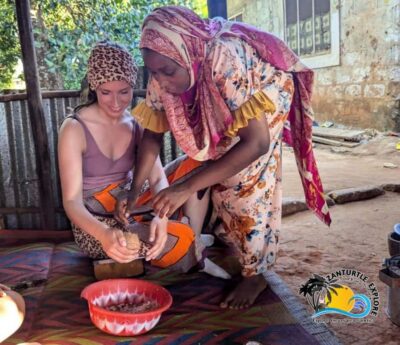
Cooking and Sewing & Jewelry Workshops in Arusha
Read our review →
Mnemba Dolphin Tour, Clear Kayak, Cooking Class, Horse Riding
Read our review →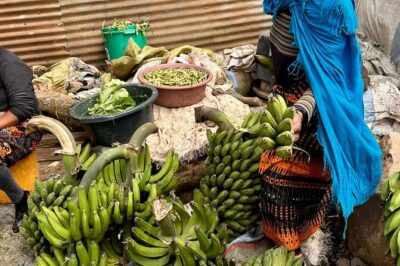
Traditional Tanzania Cooking class& Food Market Tour
Read our review →Browse the lists this tour appears in