
Reviewed · 1-DAY TOURS
Arusha: Mto wa Mbu, Hadzabe, and Datoga Tribes Day Trip
Culture here is not behind glass.
This 9.5-hour trip from Arusha takes you from the mixed communities of Mto wa Mbu to the Hadzabe and Datoga people near Lake Eyasi. I like the unusual range packed into one day, especially the chance to see Hadzabe hunting skills and Datoga metalwork rather than simply listen to a guide describe them.
I also like the small group size, limited to 10 people, and the included traditional lunch. The main drawback is the long driving day. Roads become rougher near Lake Eyasi, and the combination of early travel, moderate walking, heat, and a late return may feel tiring.
In This Review
- Key points to know before booking
- Leaving Arusha for a day of local encounters
- Mto wa Mbu: a meeting place for 120 tribes
- Lunch with ugali and nyama choma
- The road to Lake Eyasi
- Meeting the Hadzabe through hunting and gathering
- Datoga metalwork, cattle, and adornment
- How the itinerary feels as one day
- Is the $470 price good value?
- Who should book this experience?
- Practical advice for a better day
- Should you book this Lake Eyasi cultural day trip?
- FAQ
- How long does the Mto wa Mbu, Hadzabe, and Datoga trip last?
- Where can I be picked up?
- Where can I be dropped off?
- What languages are available for the guide?
- Is lunch included?
- How large is the group?
- Is the trip suitable for people with mobility limitations?
Key points to know before booking
- Mto wa Mbu brings together 120 Tanzanian tribes: The town offers markets, banana cultivation, local food, and Makonde wood carving in one compact stop.
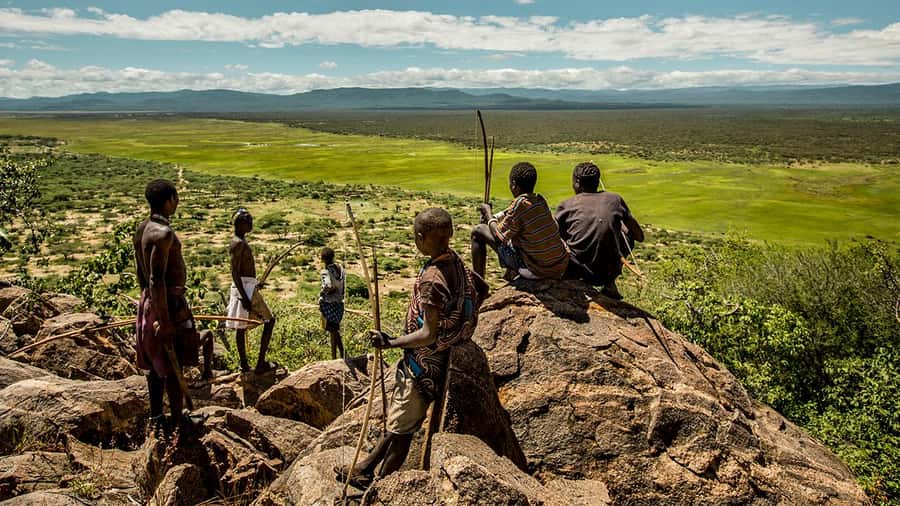
- The Hadzabe visit is active: You may join men on a hunting outing, watch bow-and-arrow skills, and walk with women gathering plants and fruit.
- The Datoga visit focuses on working traditions: A blacksmith demonstration shows how scrap metal becomes tools, weapons, and jewelry.
- The day includes a long road journey: Mto wa Mbu is followed by roughly two hours to the Lake Eyasi area, then the return to Arusha.
- A small group helps with the cultural exchange: With no more than 10 participants, you have a better chance to hear explanations and ask questions.
- Respect matters more than a camera: Wear modest, practical clothing, ask before taking close-up photos, and treat each community as a living culture, not a performance.
Leaving Arusha for a day of local encounters
Pickup is available from Arusha Airport, Cultural Heritage Art Gallery & Shops, or your hotel or residence in the specified service area. The exact starting time depends on availability, so check it before booking. With a full day ahead, you should arrive ready with water, sunscreen, and comfortable shoes.
Transport is provided in a comfortable vehicle, with guides arranged in both Mto wa Mbu and the Lake Eyasi region. English, French, and German guiding is available. The small-group limit of 10 is useful here because cultural visits work better when you can hear the guide and ask questions without a crowd pressing in.
The first part of the day is mostly road time. That is not a flaw in itself, but you should understand the rhythm. This is not a quick stop near Arusha. You are paying for access to several very different communities, and reaching them takes time.
A few more options to weigh up in Arusha
- Balloon Safari & Bush Breakfast in Serengeti – Miracle Experience
★ 5.0 · 1,646 reviews - Tanzania Classic – 7 Days
★ 5.0 · 1,151 reviews - 4 Days Group Camping Safari
★ 5.0 · 1,101 reviews
Mto wa Mbu: a meeting place for 120 tribes
Mto wa Mbu gives the day a broad opening. The town is known for representatives of all 120 tribes of Tanzania, making it a useful place to see how different customs, foods, crafts, and farming practices meet in one community.
A guided walk takes you through the local market, where you might find fresh produce alongside handmade goods. The point is not simply to browse stalls. Your guide helps explain how people live and work here, which gives the market more meaning than a quick shopping stop.
Bananas are an important part of the visit. You learn about local cultivation, including the red banana variety associated with the area. This is a small but memorable detail because it connects the food on your plate with the farming around town.
The stop also includes workshops where Makonde artisans display detailed wood carvings. Makonde carving is a familiar art form in Tanzania, and watching the work in a workshop setting gives you a better sense of the patience and hand skill involved. If you want to buy something, personal expenses are not included, so carry money only if you are comfortable making purchases.
Mto wa Mbu is likely to feel busy and full of movement, particularly around the market. That can be part of its appeal, but it may feel more commercial than the later visits. I would treat this section as a town walk and a practical introduction to Tanzanian daily life, not as a quiet village experience.
Lunch with ugali and nyama choma
A traditional Tanzanian meal is included. Possible dishes include ugali, a maize-based staple, and nyama choma, grilled meat. The exact menu may vary, so do not book this expecting a fixed restaurant menu.
Lunch gives you a useful pause between the two main cultural visits. It also lets you try food that is part of ordinary Tanzanian life rather than eating only familiar international dishes. If you have dietary restrictions, ask about them before departure because the available information does not specify vegetarian, vegan, allergy, or special-diet arrangements.
The meal is more than a line item in the price. With the drive and walking involved, a provided lunch saves you from arranging food on the road. Still, bring water and perhaps a small personal snack if you need food at precise times. Water is listed as something to bring, not as an included service.
The road to Lake Eyasi
After Mto wa Mbu, the vehicle continues toward Lake Eyasi, about a two-hour drive away. The surroundings become more rugged as you approach the Hadzabe and Datoga communities.
This is where the trip changes character. Mto wa Mbu introduces you to a town shaped by many groups, while the Lake Eyasi visits focus on specific ways of living, working, and using the local environment.
The journey is also the clearest practical drawback. You spend a significant part of the day in the vehicle, and road conditions near the communities may be less smooth. If you have back problems, limited mobility, or find long drives difficult, this is not a good match. The activity is described as moderately physical, and the outing is not suitable for wheelchair users, pregnant women, children under 5, or people with mobility impairments.
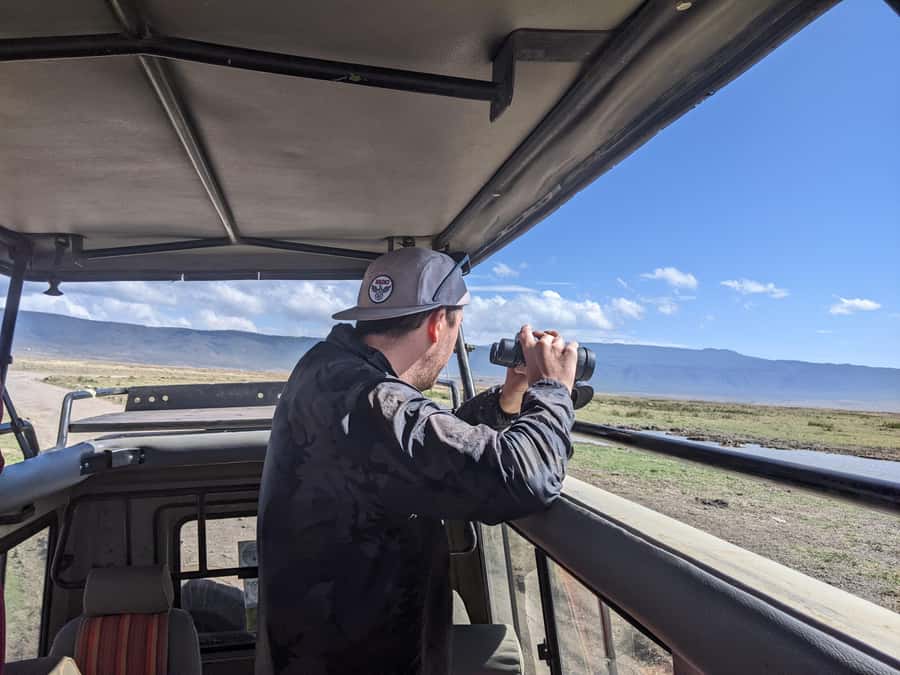
Wear shoes that can handle uneven ground. Dress in layers, since the day may shift from warm sun to cooler driving conditions. A hat, sunscreen, insect repellent, and a camera are sensible additions.
A different kind of day out entirely:
- 5 Days Group Camping Safari
★ 5.0 · 730 reviews - Materuni Waterfalls, coffee tour & Kikuletwa Hot Springs
★ 5.0 · 643 reviews - 3 Days Serengeti & Ngorongoro Group Camping Safari
★ 5.0 · 574 reviews - 7-Day Premium Luxury Tanzania Safari All-Inclusive
★ 5.0 · 426 reviews
Meeting the Hadzabe through hunting and gathering
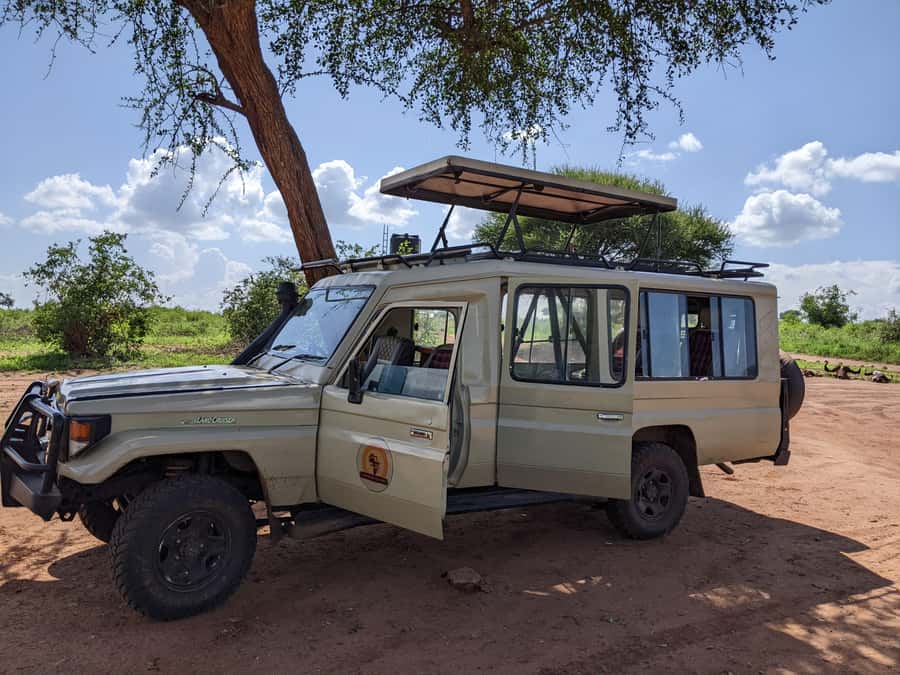
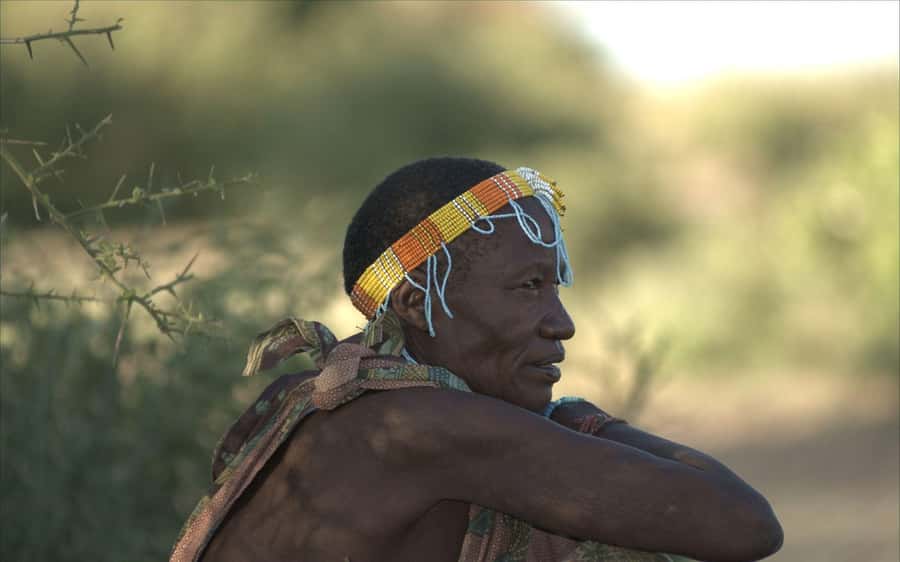
The Hadzabe are one of Africa’s last remaining hunter-gatherer communities. The visit is valuable because it focuses on practical skills and daily survival rather than a short presentation.
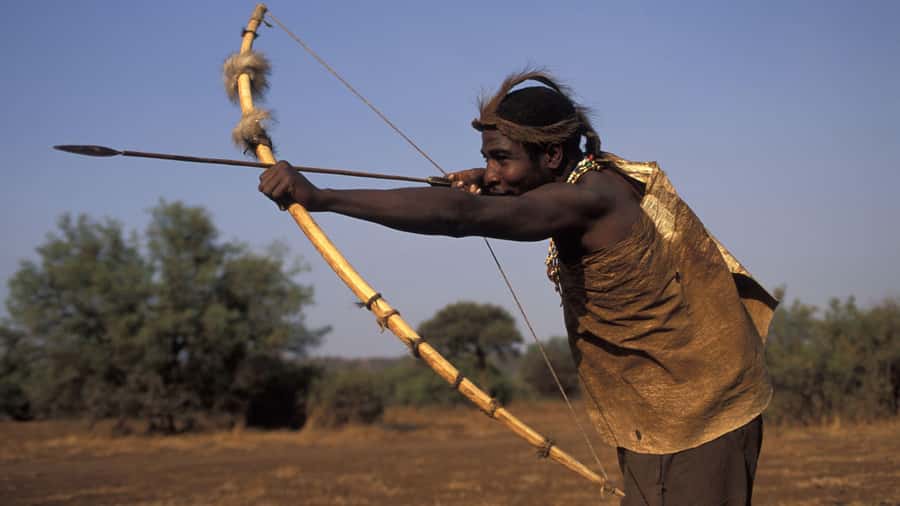
You may accompany Hadzabe men on a hunting excursion. Their bows, arrows, and tracking methods show how closely observation and movement are tied to life in the bush. This is not a staged wildlife show, and you should follow the guide’s instructions carefully. Stay attentive, avoid wandering off, and allow the participants to set the pace.
You may also accompany Hadzabe women while they gather edible plants, fruits, and tubers. This part can be especially instructive. It shows how much local plant knowledge is required to identify useful food and how people read their surroundings in ways most visitors cannot.
The visit can include traditional songs and dances, along with an introduction to the Hadzabe language and its distinctive click sounds. These activities create a direct human connection, but they also call for good manners. Do not assume that every person wants a photo. Ask first, keep your distance when appropriate, and avoid turning the visit into a photo hunt.
You should also keep your expectations realistic. A single day cannot explain the full story of the Hadzabe or represent every part of their present life. What it can do is give you a respectful, limited look at hunting, gathering, language, music, and community traditions.
Datoga metalwork, cattle, and adornment
The Datoga visit offers a sharp contrast. The Datoga maintain a pastoral way of life, with cattle playing a central role in their culture and economy.
You can watch a blacksmith demonstration using traditional methods. Scrap metal is shaped into tools, weapons, and jewelry. The process is practical and direct, and it helps you see how discarded material can become something useful in a community with strong craft traditions.
This is one of the most memorable parts of the day for anyone interested in making things. The value is in the hands-on work: heat, shaping, tools, and repeated effort. It is not simply a display of finished objects.
You also learn about Datoga clothing and adornments, including leather pieces decorated with beads. These details offer another way into the culture. Clothing and jewelry are not just decoration, and the guide can place them within broader ideas about work, identity, and daily life.
The cattle tradition adds another layer. Livestock is central to Datoga life, so the visit gives you a chance to understand why cattle matter beyond their use as food or property. Again, keep the encounter respectful. You are entering a working community, not a theme park.
How the itinerary feels as one day
The schedule moves through three very different settings:
- Mto wa Mbu town, market, farming, and craft workshops
- A traditional Tanzanian lunch
- Hadzabe hunting and gathering activities
- Datoga metalworking, clothing, adornment, and cattle traditions
That variety is the strongest reason to choose this outing. You get food, agriculture, art, hunting, gathering, music, language, metalwork, and pastoral life in one organized day.
The tradeoff is pace. You cannot explore each community at the depth of a multi-day cultural program. You also spend several hours on the road. I would choose this trip if you have limited time in northern Tanzania and want a broad cultural day outside the usual wildlife circuit.
The group size helps keep the day manageable. A maximum of 10 participants is small enough for questions and easier movement, while still allowing the operator to share transport costs. The experience includes professional guides in Mto wa Mbu and the Lake Eyasi region, which matters because local context is essential at both stops.
After the Datoga visit, the group begins the return to Arusha in the late afternoon, with arrival planned for early evening. The drop-off options are Cultural Heritage Art Gallery & Shops and Arusha Airport. Confirm your onward schedule carefully. A planned early-evening arrival is not the same as a guaranteed flight connection, and delays on a long road day are possible.
Is the $470 price good value?
At $470 per person, this is not a cheap day trip. The value depends on what you want from your time in Tanzania.
The price includes round-trip transport from Arusha, professional regional guides, lunch, and the listed Hadzabe and Datoga activities. It also covers the Mto wa Mbu visit and the cultural demonstrations described for the day. For a private self-arranged outing, organizing transport, local introductions, meals, and access to several communities could be complicated.
The cost makes more sense if you value guided cultural contact and have only one free day. You are not paying for a single attraction. You are paying for transport to a remote area, coordination between several local guides, and a small-group format.
The price makes less sense if you mainly want a market visit, a short village walk, or a relaxed day near Arusha. In that case, the long drive may feel like too much for the return.
Personal expenses, insurance, and activities not listed are extra. Do not assume crafts, additional food, drinks, or optional stops are covered.
Who should book this experience?
I would recommend it to adults and older children who enjoy active cultural visits, rural roads, local food, and direct contact with working traditions. It suits people who want more than safari game drives and are willing to spend much of the day on the move.
It is also a good fit for photographers, craft lovers, food-focused visitors, and anyone curious about how communities use local materials. Bring a camera, but use it with care. The best souvenir may be what you learn, not what you purchase.
I would not choose it for a slow, comfortable day. The driving is substantial, walking is moderate, and the terrain near Lake Eyasi can be rough. Anyone with back problems, mobility limits, or a pregnancy should select another activity.
Practical advice for a better day
Pack light but prepare for sun and dust. Comfortable shoes, a hat, sunscreen, water, insect repellent, and layers are all specifically useful.
Avoid smoking, alcohol, drugs, and littering. These rules are basic, but they matter more when you are visiting homes, work areas, and natural surroundings.
Approach the Hadzabe and Datoga visits with patience. Listen before taking photographs, accept local instructions, and remember that the people you meet are not there only to entertain you. A respectful attitude improves the experience for everyone.
The operator offers free cancellation up to 24 hours before departure and a reserve-now, pay-later option. These terms are helpful if your Arusha plans are still shifting, but you should still check the available starting times and pickup arrangements before committing.
Should you book this Lake Eyasi cultural day trip?
Book it if you want a demanding but varied day that connects Mto wa Mbu’s many communities with Hadzabe and Datoga traditions. The hunting and gathering visit, Datoga blacksmith work, and included local meal give the day real substance.
Skip it if you dislike long drives, rougher roads, or structured cultural visits. At $470, the trip needs to match your priorities. For a visitor with limited time who wants an informed look at several Tanzanian ways of life, the range of experiences can justify the cost. For a relaxed holiday day, it is too ambitious.
FAQ
How long does the Mto wa Mbu, Hadzabe, and Datoga trip last?
The trip lasts approximately 9.5 hours, including transport from Arusha, the cultural visits, lunch, and the return journey.
Where can I be picked up?
Pickup is available from Arusha Airport, Cultural Heritage Art Gallery & Shops, and specified hotels or residences in the service area.
Where can I be dropped off?
Drop-off is available at Cultural Heritage Art Gallery & Shops or Arusha Airport.
What languages are available for the guide?
Guiding is available in English, French, and German.
Is lunch included?
Yes. A traditional Tanzanian lunch is included, with possible dishes such as ugali and nyama choma.
How large is the group?
The tour uses a small-group format with a maximum of 10 participants.
Is the trip suitable for people with mobility limitations?
No. The trip is not suitable for wheelchair users, people with mobility impairments, people with back problems, pregnant women, or children under 5. It involves moderate physical activity.
Just added in Arusha
- Safari “Kifaru” – 5 days in the most famous Parks in the world★ 5.0 · 4 reviews
- Saadani Day Trip★ 5.0 · 13 reviews
- 3 Days Tanzania Short and Spicy★ 5.0 · 6 reviews
- 5 Day Tanzania Safari Camping Adventure Private Tour★ 5.0 · 2 reviews
- Day Trip to Ngorongoro Crater from Arusha★ 5.0 · 1 review
- SERENGETI NATIONAL PARK Tour★ 4.5 · 5 reviews
- 3 Days Serengeti Park & Ngorongoro Crater Adventure Safari★ 5.0 · 8 reviews
- 6 Days Tanzania Bush Experience Safari★ 5.0 · 6 reviews
1-Day Tours, compared.
Mikumi Safari Day Trip with Flights and Meal
Read our review →
Materuni Waterfalls & Chemka Hotsprings Day Trip
Read our review →
Materuni waterfalls coffee tour & Chemka hot springs Day trip
Read our review →
Mikumi Safari Tour: Day Trip Return Flight From Zanzibar
Read our review →

Browse the lists this tour appears in