
Reviewed · WALKING TOURS
Arusha; Walking City Tour History, Culture & Lifestyle
Arusha makes sense on foot. This tour gives you a useful introduction to the city through its museums, markets, public buildings, and everyday streets, rather than keeping you inside a vehicle. I especially like the mix of history and daily life, plus the chance to visit the Central Food Market and Maasai Market with a local guide who can explain what you are seeing.
The guides receive the strongest praise, with Israel, Daudi, Innocent, John, Jackson, and others described as warm, flexible, and well informed about Tanzania. The main consideration is the amount of walking. The route lasts about 4.5 hours in its standard form, but the advertised duration can run from four to eight hours, and some stops involve shopping. The Natural History Museum also costs an extra $6 per adult.
In This Review
- Key points before you book
- Why Arusha is worth seeing before your safari
- Starting at the Natural History Museum
- Government buildings, AICC, and the city’s public face
- The Clock Tower and the meaning of Arusha’s center
- Tanzanite Experience Museum and shopping
- Maasai Market: crafts, textiles, and bargaining
- Central Food Market: the tour’s most revealing stop
- African art and the Cultural Heritage Centre
- What the guides add to the experience
- Timing, pickup, and the walking effort
- Is $28 a fair price?
- Who should book this Arusha walk?
- Should you book the Arusha Walking City Tour?
- FAQ
- How much does the Arusha Walking City Tour cost?
- How long does the tour last?
- Is hotel pickup included?
- Is transport included during the tour?
- What language is the tour offered in?
- Which museums and cultural sites are visited?
- Are food and drinks included?
- Can I buy Tanzanite or souvenirs?
- What should I bring?
- Is the tour suitable for people with mobility impairments?
Key points before you book
- The tour covers Arusha’s main sights on foot, including the Natural History Museum, AICC, Clock Tower, markets, and cultural centers.
- Central Food Market is a major highlight, especially if you want to understand local produce, spices, smells, and food.
- Guides can adjust the pace and focus, with Israel and Daudi receiving particular praise for their stories, humor, and care.
- Tanzanite gets more than a passing mention, with a museum visit and time to shop if you want to buy the famous blue stone.
- Hotel pickup is included near central Arusha, while hotels farther away may require an additional fee.
- Bring water, cash, sun protection, and proper shoes, since this is a real walking tour through busy city streets.
Why Arusha is worth seeing before your safari
Many people arrive in Arusha for one reason: safari. That is understandable, but the city can become little more than a place to sleep before an early departure. This walking tour gives you a better sense of the place where your northern Tanzania trip begins.
You will see government offices, hospitals, markets, museums, galleries, and ordinary streets. That mix matters. Arusha is not presented as a polished tourist zone. You get a look at the city as a working regional center, with politics, trade, art, religion, food, and family life all sharing the same streets.
I like this approach because it helps you understand later safari experiences too. The guide can connect local culture, Tanzanian history, wildlife, tribal traditions, and daily life in ways that a quick drive through town cannot. Several guides have also helped people with practical matters such as SIM cards and getting around after the tour.
The experience has a 4.9 rating from 63 reviews, and the praise is unusually consistent. The repeated themes are guide quality, personal attention, safety, flexibility, and the amount of information packed into half a day. That does not mean every moment will suit every person. If you dislike walking, markets, or informal shopping stops, this may feel long.
More Walking Tours in Tanzania:
- Stone Town Private Walking Tour
★ 5.0 · 371 reviews - Zanzibar: 3 Hours Private Stone Town walking Tour with Guide
★ 4.6 · 301 reviews - Zanzibar: Stone Town Historical Cultural Walking Guided Tour
★ 4.5 · 179 reviews
Starting at the Natural History Museum
The usual route begins at the Natural History Museum, located in a former German colonial fortress. The building gives the visit an immediate sense of place. You are not entering a modern display hall detached from the city. You are stepping into a structure linked to Tanzania’s colonial past.
Inside, the exhibits cover human evolution, local wildlife, and the history of the region. This makes it a useful first stop because it gives your guide material to build on throughout the day. You can start with the broad story of Tanzania, then connect it to Arusha’s role as a regional center.
The entrance fee is not included. You should budget $6 per adult, in addition to the $28 tour price. That is a small extra cost, but it is worth knowing before you arrive with only the tour fee in mind.
The museum also adds welcome shelter from the sun. Still, you should not mistake this for an indoor tour. Most of the experience takes place outside, and the walking between stops is a central part of the day.
Government buildings, AICC, and the city’s public face
After the museum, the walk moves through Arusha’s governmental district. You pass the East African Community Headquarters, Mount Meru Hospital, and the Arusha International Conference Centre, commonly called the AICC.
These are not just photo stops. They help explain Arusha’s role beyond tourism. The AICC is an important meeting place for diplomacy and regional cooperation, while the East African Community Headquarters points to the city’s wider political importance in East Africa.
I like this section because it prevents Arusha from being reduced to a safari gateway. The city has an administrative and diplomatic life of its own. Your guide can provide context about Tanzania’s history, politics, economics, and relations with neighboring countries.
One guide was praised for turning the walk into a lesson covering history, art, politics, economics, sociology, food, and biology. That range is useful, but it also tells you what kind of tour this is. You should expect plenty of conversation and questions, not a quick checklist of monuments.
The Clock Tower and the meaning of Arusha’s center
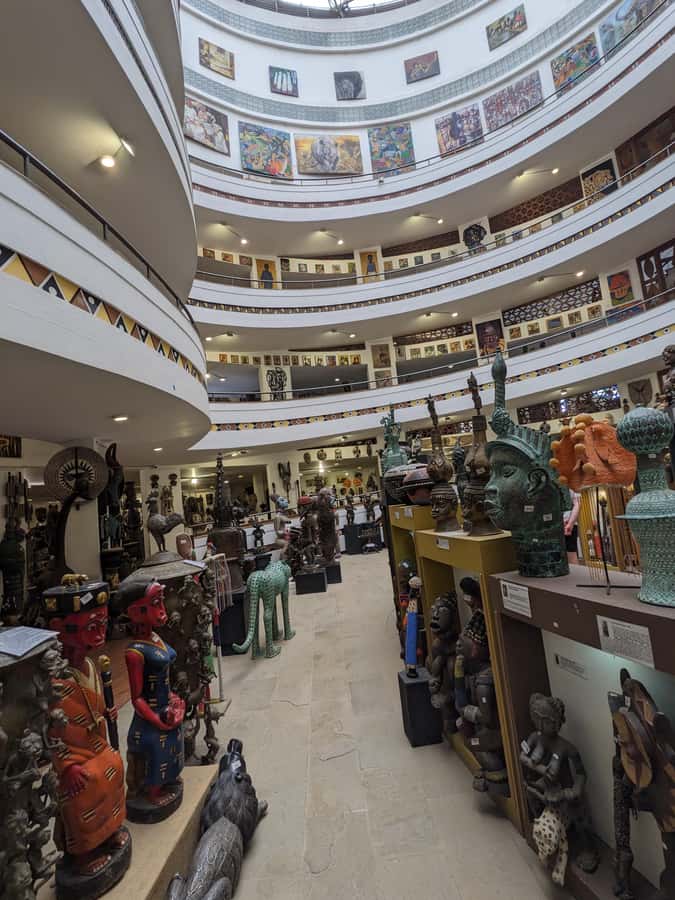
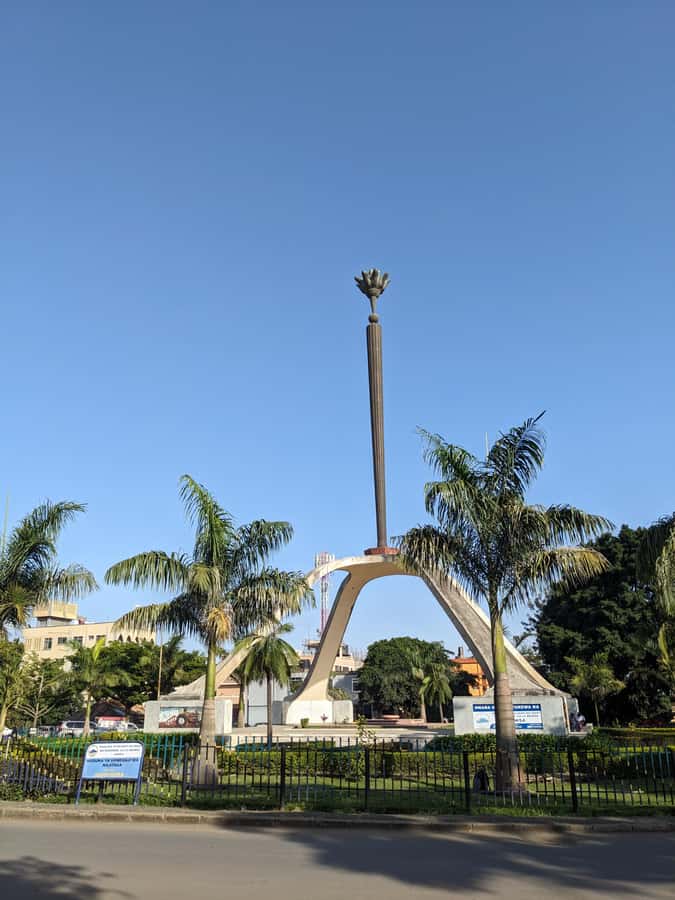
The Arusha Clock Tower is one of the best-known points in the city. It is often described as the midpoint between Cairo and Cape Town, giving it symbolic importance along the north-south route through Africa.
Your guide can explain why this spot matters and how it fits into the city’s identity. It is also a natural moment to pause, take photographs, and get your bearings before the market sections.
Do not expect a grand monument on the scale of Europe’s famous city squares. The appeal here is local meaning. The Clock Tower is part of how Arusha understands itself, and that makes the explanation more valuable than the photo alone.
The tour also includes the Torch of Freedom, according to the route described by one participant. This adds another piece of Tanzania’s national story. If political history interests you, ask your guide to spend extra time on these symbols.
More History Tours in Tanzania:
- Arusha Guided Walking City Tour, Culture, Lifestyle & History
★ 5.0 · 150 reviews - Stone Town Historical Walking Tour
★ 5.0 · 143 reviews - Stone Town’s Hidden History: Private Guided Walking Tour
★ 4.6 · 94 reviews - Private Historic Stone Town Tour
★ 5.0 · 79 reviews
Tanzanite Experience Museum and shopping
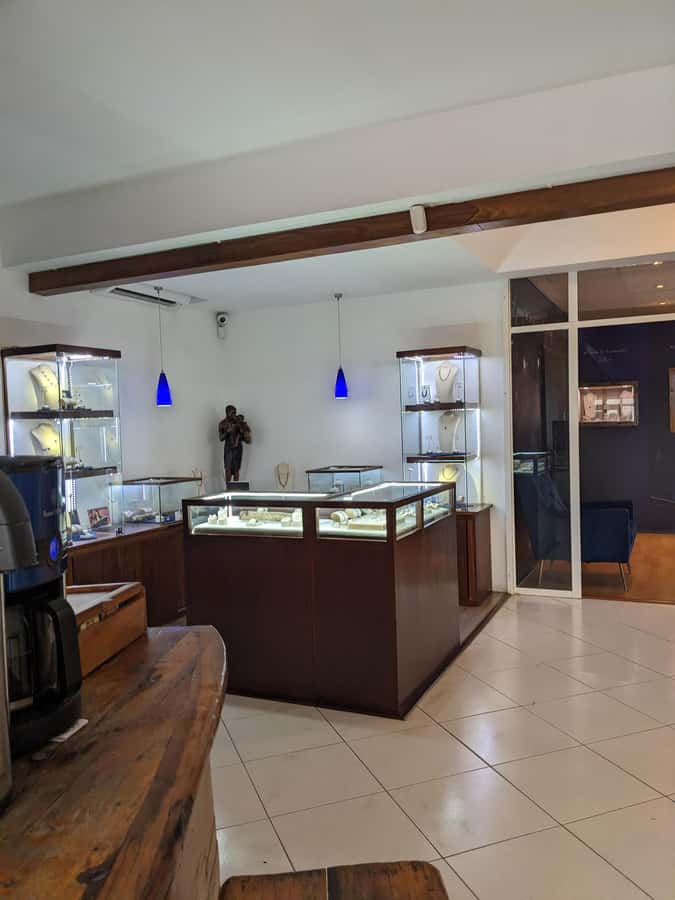
The Tanzanite Experience Museum explains the story of tanzanite, the rare blue gemstone associated with Tanzania. You learn about the stone’s history and appeal, then have the option to shop.
This stop works well even if you do not plan to buy anything. Tanzanite is more than a souvenir. It is one of the products most closely linked with Tanzania, and the museum gives you a better basis for understanding its value and origin.
The optional shopping element deserves a practical warning. Some people enjoy looking for gifts and appreciate having a guide nearby to help with the process. Others prefer to avoid commercial stops. One person found the brief gift-shop visits unnecessary, though still considered the overall tour excellent.
Tell your guide clearly if you want to browse, compare stones, or skip shopping. The guides are repeatedly praised for adjusting the experience to personal interests. The tour provider also says the group can pause for souvenir purchases.
Take your time here. Do not feel obliged to buy simply because the stop is included. If you are interested, ask questions about certification, quality, and price before making a decision.
Maasai Market: crafts, textiles, and bargaining
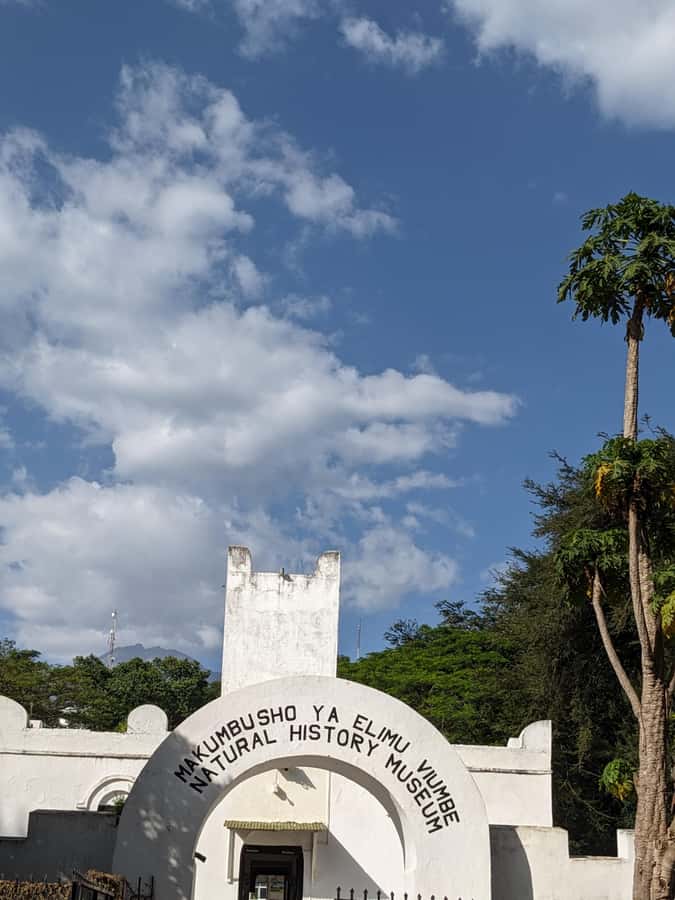
The Maasai Market is one of the most colorful parts of the route. You will find traditional crafts, jewelry, textiles, and other souvenirs in a lively setting where sellers expect shoppers to browse and negotiate.
This is a good place to look for gifts, but it is not a quiet museum. The market can feel busy, and vendors may approach you. A local guide makes the experience easier because you can ask about the meaning, use, or origin of items rather than seeing everything as decoration.
The market also offers a chance to practice simple Swahili and interact with local people. One guide helped visitors practice speaking to people in the streets, which added a human element to the sightseeing.
You should carry small amounts of cash and keep your belongings secure. The activity specifically recommends cash, and cash is useful for purchases, food, and any small personal expenses. The tour price does not cover your shopping.
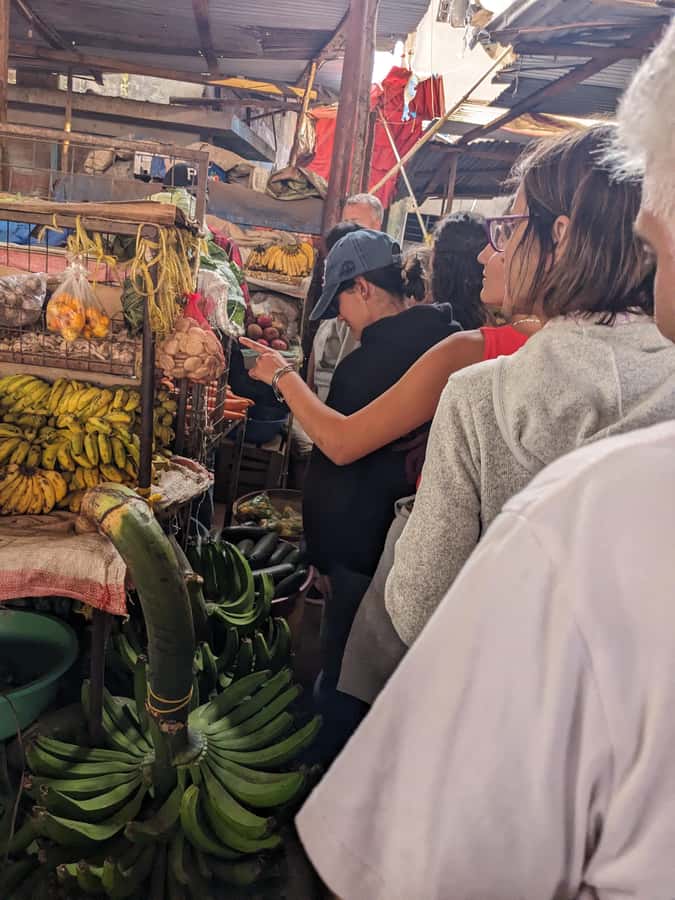
Central Food Market: the tour’s most revealing stop
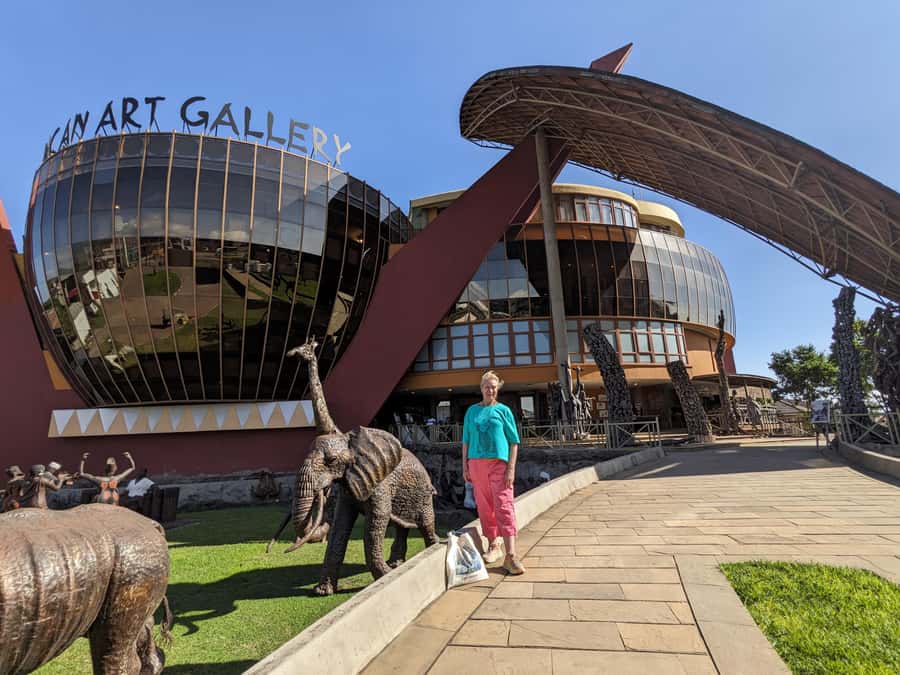
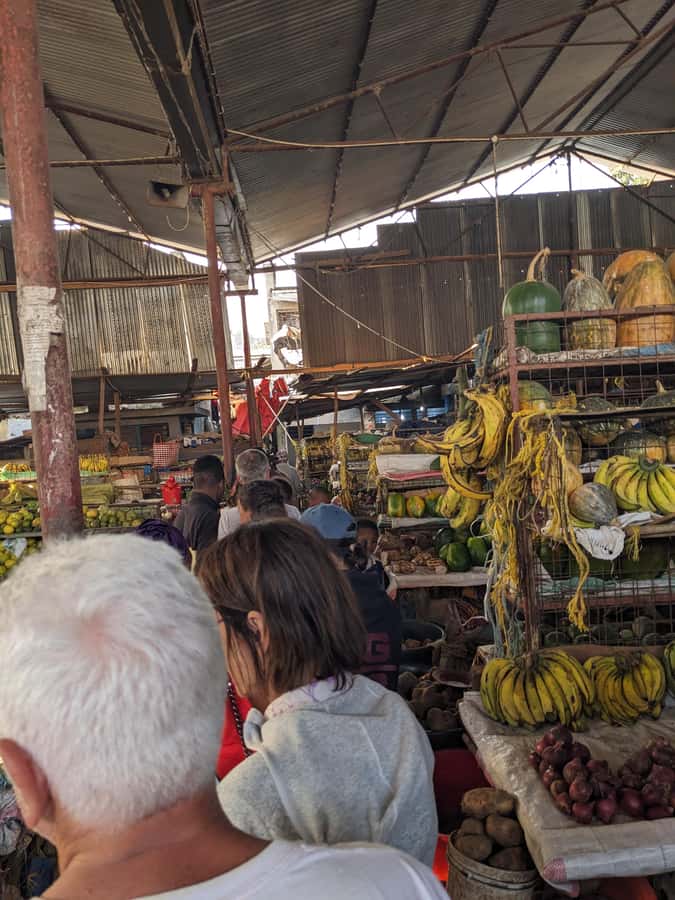
For many people, the Central Food Market is the best part of the day. Here, the tour shifts from famous sights to the basic business of feeding a city.
You will see local produce, spices, and foods arranged for everyday shoppers. The colors and smells do much of the teaching, but the guide adds the details that make the market easier to understand. You can ask about fruits, ingredients, cooking, prices, and how the market fits into local life.
This is where the tour feels most different from a standard sightseeing walk. You are not simply looking at Arusha. You are watching people buy and sell the food they use at home and in local restaurants.
Several people praised the market visit, and one guide even found a local place for an authentic meal after the group said they wanted to try local food. Food and drinks are not included, so any meal or street food you choose will cost extra. You should also tell your guide about allergies or dietary limits, although no specific food arrangements are promised.
If you want to understand Arusha quickly, pay attention here. A market often says more about a city’s daily rhythm than a monument does.
African art and the Cultural Heritage Centre
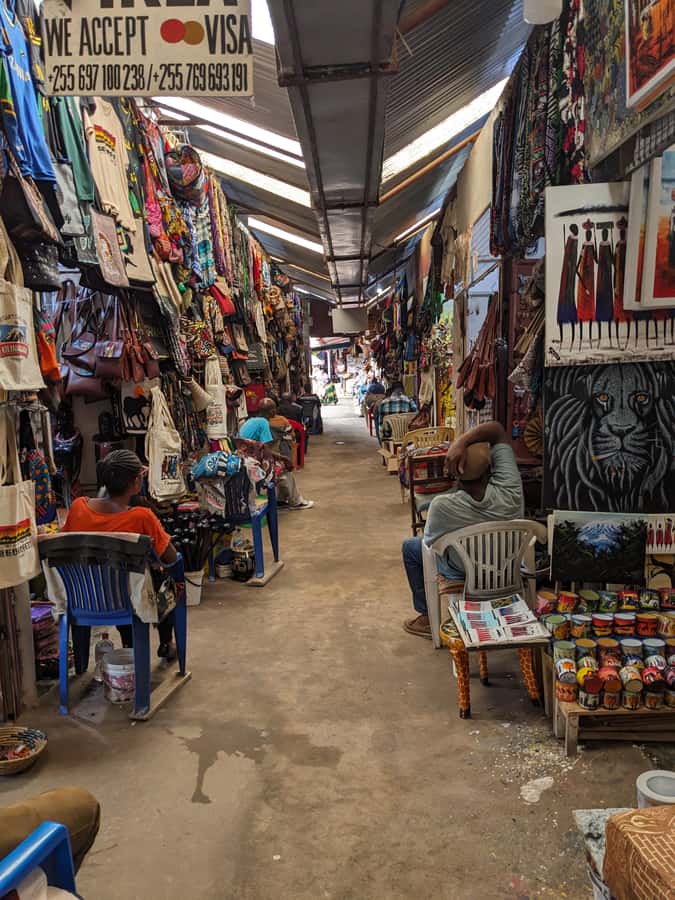
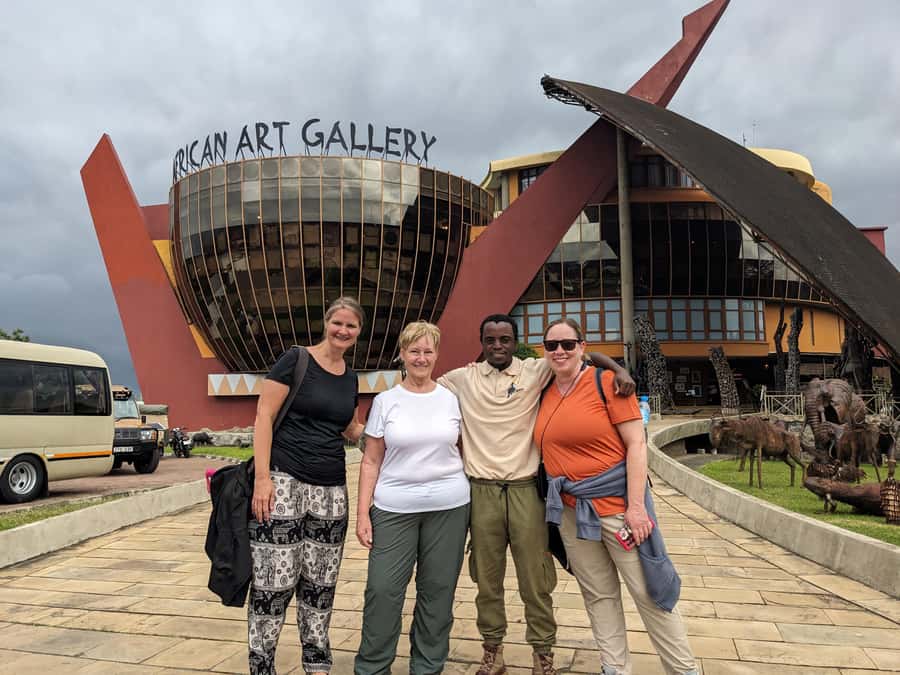
The route finishes with a visit to an African Art Gallery and the Cultural Heritage Centre. The collection is described as one of the largest on the continent, with a wide range of African art.
This can be an overwhelming stop in the best sense. You may see sculpture, paintings, carvings, jewelry, and other works gathered in one place. It gives you a chance to think about African creativity on its own terms, rather than treating local art as a small add-on to a safari.
The art center is also another possible shopping stop. If you are looking for gifts, you may find more substantial pieces here than at a street market. If you are not shopping, ask your guide to focus on the art, symbolism, and cultural background.
Because the collection is large, you may want to set your own priorities. You probably will not absorb everything in one visit. I would focus on a few pieces that catch your eye and ask questions rather than trying to rush through every room.
What the guides add to the experience
The guide is the main reason this tour works. The route itself is useful, but the value comes from having someone explain what you are seeing and adjust the day to your interests.
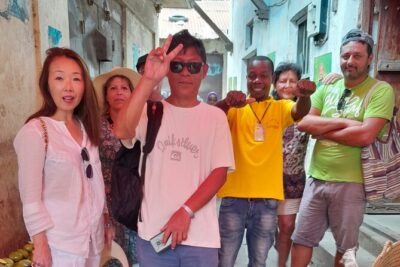
Israel is repeatedly praised for his warmth, humor, flexibility, and broad knowledge of Tanzania. Daudi is described as friendly, patient, and especially good at answering questions. Innocent received praise for creating a personalized route, while John was appreciated for his interaction with local people and his explanations of Arusha’s culture and history.
Jackson was also praised for showing visitors places where they could see everyday life and interact with residents. One guide helped a visitor with a SIM card, and another assisted someone with a problem later in the trip. These details suggest a useful quality: the guides do not always treat the tour as finished the moment the official route ends.
The experience is offered in English. If you want a certain emphasis, say so early. You might ask for more time on colonial history, local tribes, art, food, Tanzanite, or modern Tanzania.
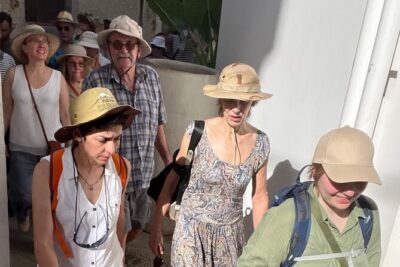
Families can also enjoy the walk. One family with five people and small children appreciated the guide’s flexibility and care. Still, the route is not designed for wheelchair users or people with mobility impairments, and it is not considered suitable for pregnant women.
Timing, pickup, and the walking effort
The standard route is listed as about 4.5 hours, while the full activity window is four to eight hours. That wider range likely reflects the pace, shopping, museum time, food stops, and personal interests.
Hotel pickup and drop-off are included for hotels near the city center. The information gives slightly different distance markers, referring to hotels within about 3 kilometers, 4 kilometers, and 5 kilometers in different places. If your hotel is outside central Arusha, confirm the exact pickup charge before booking.
Private transport is not included, but it can be arranged for an added cost. The basic experience is a walking tour, so transport is mainly relevant if you are staying far away or need help reaching the starting point.
Wear comfortable shoes. The route includes city streets, markets, and a moderate amount of walking. Bring water, sunscreen, a hat, a camera, and cash. Light clothing suited to the weather will make the day easier.
Is $28 a fair price?
At $28 per person, the tour offers good value if you want a guided introduction to Arusha. You receive a local English-speaking guide, hotel pickup and drop-off near the center, the Tanzanite Experience, the Central Food Market, the Maasai Market, and the African art and cultural center.
The Natural History Museum fee is extra, as are food, drinks, shopping, accommodation, and transport from a distant hotel. Those costs are easy to manage, but you should include them in your day’s budget.
The strongest value comes from the guide’s local knowledge and flexibility. A self-guided walk might cost less, but you would miss much of the explanation and may feel less confident in the market areas. A private vehicle tour could cover more ground, but it would not give you the same contact with street life.
For a first day in Arusha, or a final half-day after safari, $28 is a sensible price. It is less appealing if you want a fast, vehicle-based city overview or have no interest in markets and local interaction.
Who should book this Arusha walk?
I would recommend it to first-time visitors, solo travelers, couples, families with older children, and anyone with a free half-day before or after a safari. It is also a good choice if you want to learn how Arusha works instead of only seeing its tourist-facing side.
Solo women should find the guide support reassuring. One solo visitor specifically felt safe throughout the walk. Still, normal city precautions remain sensible, especially in crowded market areas.
You should think twice if walking for several hours is difficult, if you use a wheelchair, or if you want a silent photo tour. The route is social and educational. You will be asked to look, listen, ask questions, and sometimes slow down for conversations or shopping.
Should you book the Arusha Walking City Tour?
Book it if you want your time in Arusha to include people, food, history, art, and ordinary streets. The Central Food Market, Tanzanite Museum, and skilled guides give the tour more substance than a quick drive past the Clock Tower.
I would book it early in your Arusha stay if possible. The city orientation can help with later plans, SIM cards, shopping, and getting around. It also works very well on your last day, especially if you have returned from safari and want a gentler final look at Tanzania.
Skip it if you dislike moderate walking, market crowds, or optional shopping stops. For most visitors with four to five hours available, though, this is a practical and well-priced way to meet Arusha properly.
FAQ
How much does the Arusha Walking City Tour cost?
The tour costs $28 per person. The Natural History Museum entrance fee is separate and listed as $6 per adult.
How long does the tour last?
The activity is advertised as lasting four to eight hours. The main city route is listed at about 4.5 hours.
Is hotel pickup included?
Pickup and drop-off are included for travelers staying near Arusha city center. Hotels farther from the center may require an additional charge.
Is transport included during the tour?
The main experience is a walking tour. Private transport is not included, but it can be arranged for an additional cost.
What language is the tour offered in?
The live guided tour is offered in English.
Which museums and cultural sites are visited?
The route includes the Natural History Museum, Tanzanite Experience Museum, African Art Gallery, and Cultural Heritage Centre.
Are food and drinks included?
No. Food, drinks, and personal expenses are not included. You may choose to buy food or street food during the day.
Can I buy Tanzanite or souvenirs?
Yes. The tour includes time at the Tanzanite Experience, and the group can pause for souvenir shopping. Purchases are your own responsibility.
What should I bring?
Bring comfortable shoes, a sun hat, sunscreen, water, a camera, and cash.
Is the tour suitable for people with mobility impairments?
No. The activity is not suitable for pregnant women, people with mobility impairments, or wheelchair users.
Just added in Tanzania
- Safari “Kifaru” – 5 days in the most famous Parks in the world★ 5.0 · 4 reviews
- Saadani Day Trip★ 5.0 · 13 reviews
- 3 Days Tanzania Short and Spicy★ 5.0 · 6 reviews
- 5 Day Tanzania Safari Camping Adventure Private Tour★ 5.0 · 2 reviews
- Day Trip to Ngorongoro Crater from Arusha★ 5.0 · 1 review
- SERENGETI NATIONAL PARK Tour★ 4.5 · 5 reviews
- 3 Days Serengeti Park & Ngorongoro Crater Adventure Safari★ 5.0 · 8 reviews
- 6 Days Tanzania Bush Experience Safari★ 5.0 · 6 reviews
Walking Tours, compared.

3 Hours Private Stone Town walking Tour with Guide
Read our review →
Stone Town Historical Cultural Walking Guided Tour
Read our review →

Arusha Guided Walking City Tour, Culture, Lifestyle & History
Read our review →
Browse the lists this tour appears in