Reviewed · ARUSHA TOURS
Big Five Classic Safari in Tanzania **Sustainable Travel approach
The savanna keeps its best surprises moving. This seven-day route links Tanzania’s four famous Northern Circuit parks, with all meals, park fees, airport transfers, and guided game drives included. You travel in a custom 4×4 with an open roof, and each vehicle holds no more than six people, so everyone gets a window seat.
I like the route’s variety: Tarangire brings giant baobabs and elephants, the Serengeti delivers wide-open game country, and Ngorongoro offers one of Africa’s most dramatic wildlife settings. I also like the practical all-in format at $1,785 per person, though the long driving days and non-refundable booking terms deserve careful thought.
The trip is sold as a sustainable travel experience, but the supplied details do not explain its specific conservation or community practices. If that matters to you, ask World Adventure Tours exactly how the safari supports local communities, reduces waste, and protects wildlife before paying.
In This Review
- Five things to know before you book
- Why this Northern Circuit route works
- Day 1: Airport arrival and a soft start in Moshi
- Day 2: Tarangire’s river, elephants, and giant baobabs
- Day 3: The long road to the Serengeti
- Day 4: A full day across the Serengeti
- Day 5: Ngorongoro Crater and the search for black rhino
- Day 6: Lake Manyara’s forest and tree-climbing lions
- Day 7: A quiet morning before the airport
- What the $1,785 price really covers
- The practical cost of a seven-day safari
- Who will get the most from this safari
- FAQ
- How long is the safari?
- Which parks are included?
- Where does the safari begin?
- Is airport transportation included?
- How many people travel in each safari vehicle?
- Are meals included?
- Is a guide included?
- Are the Maasai village and Olduvai Gorge included?
- What is not included in the price?
- Should you book this safari?
Five things to know before you book
- Four major parks in seven days: You visit Tarangire, Serengeti, Ngorongoro Crater, and Lake Manyara, with airport transfers at both ends.
- Small vehicle, maximum six people: Every passenger gets a window seat, a useful advantage when animals appear on one side of the road.
- A real Big Five itinerary: Lion, elephant, black rhino, leopard, and Cape buffalo are all possible, with one recorded trip reporting sightings of all five.
- Long days on rough park roads: Most safari days are listed at about eight hours, and the route covers large distances between parks.
- Several extras cost more: The Maasai village visit and Olduvai Gorge are optional and not included in the price.
- Strong overall satisfaction: The experience carries a 4.8 rating from 31 reviews, with 94 percent recommending it.
Why this Northern Circuit route works
Tanzania’s Northern Circuit gives you several different kinds of safari in one trip. Tarangire is known for elephants, baobabs, and dry-season wildlife around its river. The Serengeti supplies the classic open plains, predators, and the Great Wildebeest Migration. Ngorongoro Crater compresses a huge range of animals into a striking volcanic bowl. Lake Manyara adds forest, groundwater-fed wetlands, birdlife, and the chance of seeing tree-climbing lions.
That variety matters. You are not spending a full week in one setting and hoping the animals cooperate. Each park has its own scenery and wildlife pattern, so a quiet stretch in one place can be balanced by a strong sighting somewhere else.
The tradeoff is time. This is a moving safari, not a slow stay in one camp. You will spend many hours in the vehicle, both on game drives and on transfers between parks. For a first visit to Tanzania, I think the route offers excellent coverage. If you already know the Serengeti and want a slower, more restful trip, the pace may feel too brisk.
A few more options to weigh up in Arusha
- Balloon Safari & Bush Breakfast in Serengeti – Miracle Experience
★ 5.0 · 1,646 reviews - Tanzania Classic – 7 Days
★ 5.0 · 1,151 reviews - 4 Days Group Camping Safari
★ 5.0 · 1,101 reviews
Day 1: Airport arrival and a soft start in Moshi
Your driver meets you at Kilimanjaro International Airport after customs, holding a sign with your name. The transfer to Moshi takes about 45 minutes, giving you a simple first step after a long international flight.
The overnight stay is at Springlands Hotel or a similar property, with breakfast included. This night is not a safari highlight, and that is fine. Its value is practical: you arrive, meet your transfer, sleep, and prepare for the early road travel ahead.
Because the tour begins at Kilimanjaro International Airport, check your flight details carefully. The itinerary gives you a morning start on Day 2, so a late arrival could make the first driving day feel harder. Airport transfers are included, which removes one common source of stress.
Day 2: Tarangire’s river, elephants, and giant baobabs
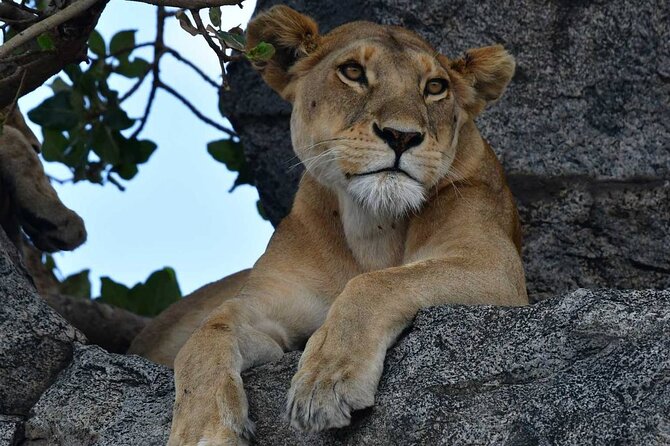
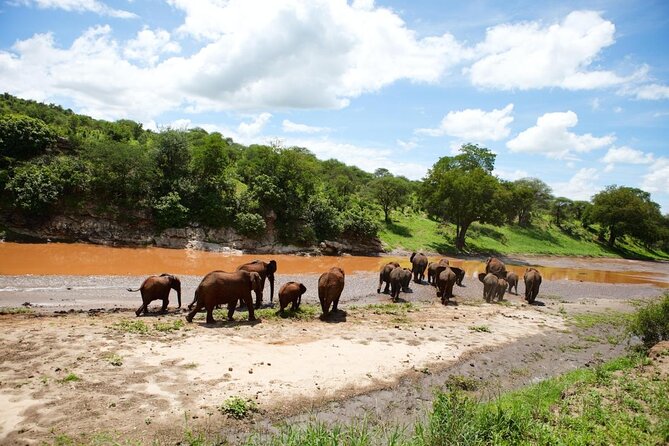
The first park day takes you to Tarangire National Park. The Tarangire River is especially important during the dry season because it does not dry up, drawing animals from across the park. That concentration can make Tarangire one of the best places on this route for early wildlife sightings.
You will see a mix of grassy savanna, swampy areas, hills, and large baobab trees. The baobabs give the park a distinctive look, while the river helps explain why so many animals gather here. The itinerary allows about eight hours, so expect a full day in the vehicle rather than a quick park visit.
Tarangire is a good opening act because it gives you immediate variety. Elephants are a major attraction, and the park also supports many bird species and other mammals. You may find the roads and heat tiring, particularly if this is your first safari day, but the open-roof vehicle helps you watch the surroundings without a window frame in the way.
Bring patience. A safari is not a zoo visit, and the animals decide the schedule. The guide’s job is to read the area, watch for movement, and position the vehicle safely. One account of this trip praised a guide who was prepared and cheerful throughout the route. No guide’s name is provided, but that combination of good information and good humor can make a long day much easier.
Day 3: The long road to the Serengeti
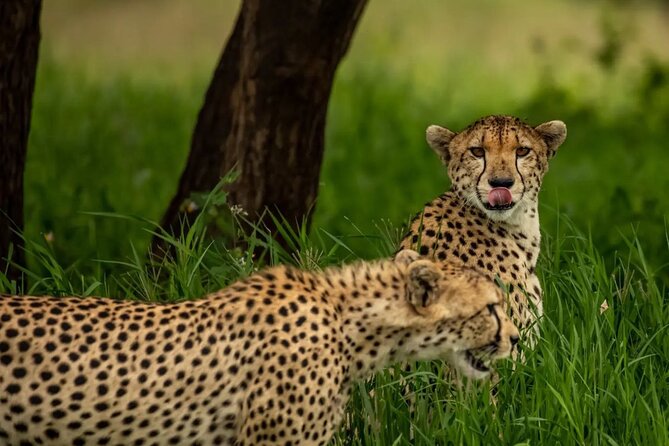
After breakfast, you head toward Serengeti National Park. The name comes from the Maasai language and means endless plain, a fitting description once the open grassland begins to spread around you.
This is one of the trip’s longest and most important transfer days, listed at about eight hours. The journey is not just dead time. You get an en route game drive as you enter the Serengeti, and the first views of the park can feel like a clear change from the more enclosed parts of the route.
Two optional stops are available. A visit to a Maasai village can add a cultural element to the safari, but it costs extra. Olduvai Gorge, also at your own cost, is linked to some of the earliest chapters of human history and includes a museum about human origins in East Africa.
Since neither stop is included, ask for the current price and expected timing before you leave. Adding both could make an already long day even longer. If you are most interested in wildlife, you may prefer to protect your time for the Serengeti game drive. If culture and archaeology matter as much as animals, these extras could be worth the added cost.
A different kind of day out entirely:
- 5 Days Group Camping Safari
★ 5.0 · 730 reviews - Materuni Waterfalls, coffee tour & Kikuletwa Hot Springs
★ 5.0 · 643 reviews - 3 Days Serengeti & Ngorongoro Group Camping Safari
★ 5.0 · 574 reviews - 7-Day Premium Luxury Tanzania Safari All-Inclusive
★ 5.0 · 426 reviews
Day 4: A full day across the Serengeti
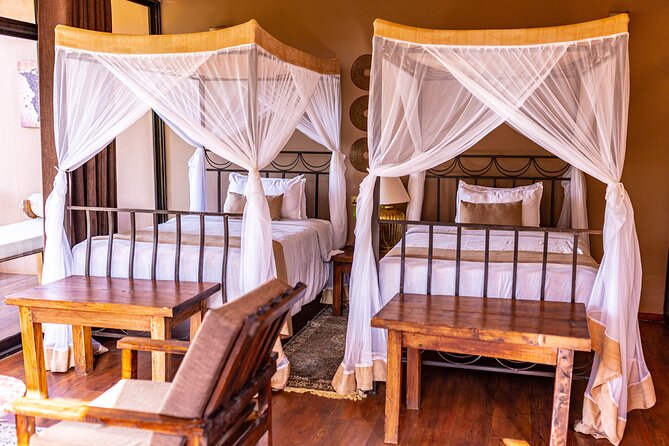
This is the safari’s biggest wildlife day. You spend about eight hours on game drives in the Serengeti, a park known for its huge herds of wildebeest, zebra, and antelope, along with the lions and cheetahs that follow them.
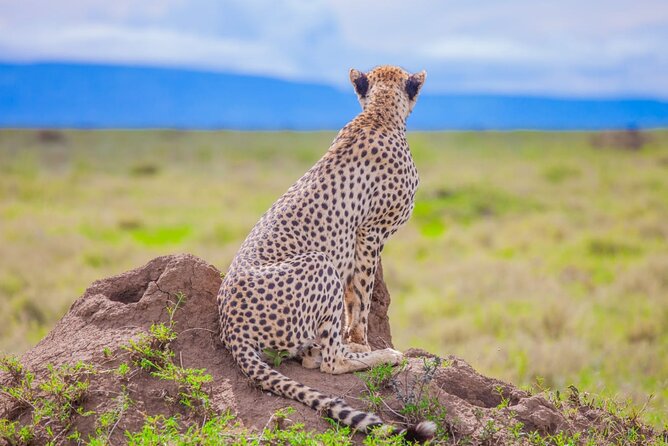
The Serengeti changes as you cross it. Southern areas include broad grass plains. The center has scattered acacia trees and rocky kopjes, which can provide raised resting places for predators. Farther areas include wooded grassland and black clay plains. That range gives the day more texture than a simple drive across flat grass.
The Great Wildebeest Migration is one of the park’s biggest draws, but animal movement depends on the season and location. The tour description does not promise a specific migration crossing, so you should book for the Serengeti as a whole, not for one dramatic event. You may see large herds, predators, and many smaller species even when the migration is elsewhere.
A full day here is valuable because it gives your guide more time to search. You are less tied to a single transfer schedule, and you can spend longer near an interesting sighting. The open roof is useful for viewing and photography, though the sun can be strong. Pack a hat, sunscreen, and water. Bottled water is supplied in the safari vehicle.
One outing connected with this experience reported good weather by day, rain at night, and sightings of all five Big Five across the parks. That is a fine reminder of both the promise and the uncertainty of safari. You may see lion, elephant, buffalo, leopard, and black rhino, but no responsible operator can guarantee the full set.
Day 5: Ngorongoro Crater and the search for black rhino
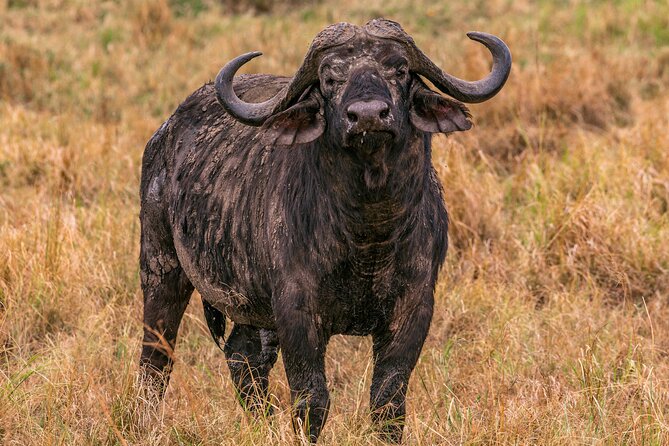
You leave the Serengeti after a morning game drive and continue toward Ngorongoro Crater. Then the vehicle descends into the crater for game viewing.
The crater is about 600 meters deep, 16 kilometers across, and 265 square kilometers in area. Those numbers give you a sense of its scale, but the first view is more useful than the statistics. From the rim, the crater floor spreads below you, enclosed by steep sides and filled with grassland, water, and wildlife.
The crater is one of the best places on this route to look for black rhino. Many of Tanzania’s remaining black rhinos can be seen on the open floor, though sightings are never assured. You may also find lion, cheetah, eland, zebra, gazelle, and large numbers of other animals. Makat Soda Lake can attract flamingos and other birds.
This day combines scenery and wildlife in a compact area. You are not covering the same huge distances as in the Serengeti, but the crater can feel busy with vehicles, particularly around well-known animal sightings. That is the price of visiting one of Tanzania’s most famous natural areas.
After the crater drive, you continue to your lodge. The eight-hour estimate includes a great deal of activity, so expect a full day. If you want a quiet afternoon, you may not get much of one.
Day 6: Lake Manyara’s forest and tree-climbing lions
Lake Manyara National Park gives you a different final game drive. It sits below the steep Rift Valley escarpment and includes groundwater forest, acacia woodland, grassy plains, a swampy fan delta, and the lake itself.
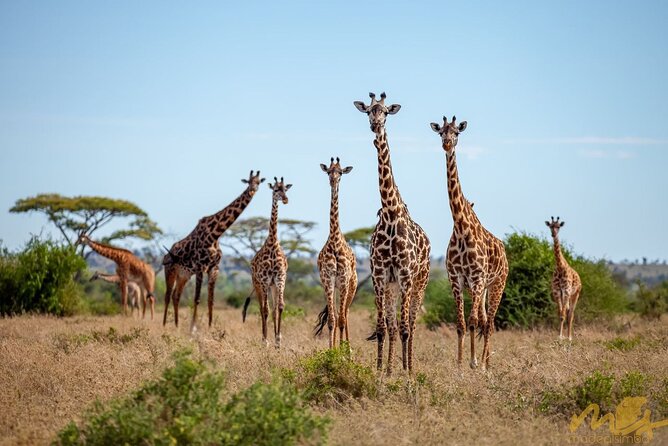
The park’s mix of habitats supports a wide range of animals. You may see buffalo, impala, giraffe, bushbuck, waterbuck, hippos, and elephants near the water. Blue monkeys, velvet monkeys, and olive baboons add movement in the forested areas. Birdlife is another reason to pay attention, especially around wet areas and the lake.
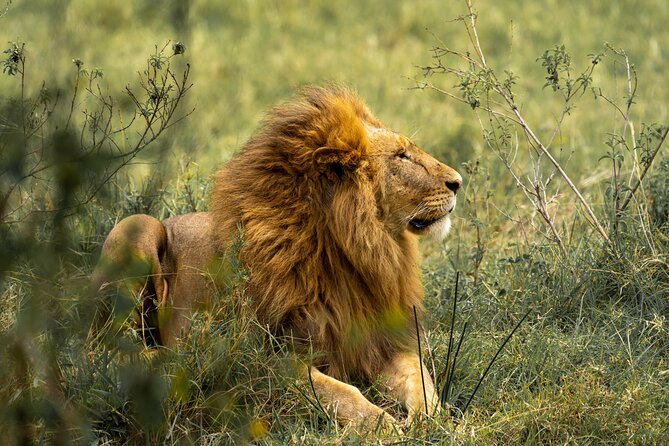
Manyara is also associated with rare tree-climbing lions. The sight is never guaranteed, but the possibility gives this park its own character. After several days of broad grassland and crater floor, the forest and escarpment make a welcome change.
The schedule again lists about eight hours. That makes sense if you include the drive to and from the park, but you should not assume eight straight hours of close animal viewing. Safari time includes pauses, road travel, waiting, and repositioning.
By this point, the small group arrangement becomes especially useful. With no more than six people per vehicle and a maximum of 15 people on the overall tour, you avoid the feel of a large coach group. The all-window-seat setup also means you do not have to fight for a view.
Day 7: A quiet morning before the airport
The final day allows a morning of leisure before your transfer to Kilimanjaro airport. The transfer takes about 45 minutes, and airport transportation is included.
This open morning is useful after six busy days. You can rest, eat breakfast, and prepare for your flight rather than rushing straight from a game drive to the airport. Still, confirm your departure time and transfer plan with the operator. The supplied schedule gives a transfer estimate, not a detailed flight-day timetable.
Breakfast is included for the stay, while the package also covers five lunches and five dinners. The inclusion list describes seven breakfasts, so check how those meals are distributed among the hotels and camps. The main point is that you are not left to organize food during the safari, but beverages beyond the supplied bottled water may be your own expense.
What the $1,785 price really covers
At $1,785 per person, this is a substantial purchase, but it bundles the expensive parts of a Tanzania safari. You receive accommodation, meals, park entry fees, airport transfers, bottled water, a professional English-speaking driver-guide, and transport in a purpose-built 4×4.
Park fees alone can make a Northern Circuit safari costly. Add several days of fuel, staff, accommodation, meals, and vehicle use, and the package price becomes easier to understand. The small group and guaranteed window seat also add practical value.
The price does not include international flights, a Tanzanian entry visa, travel or health insurance, tips, the Maasai village visit, Olduvai Gorge, or a balloon excursion. Those extras can change your final budget. You should also set aside money for gratuities to the guide and hotel staff, since they are not included.
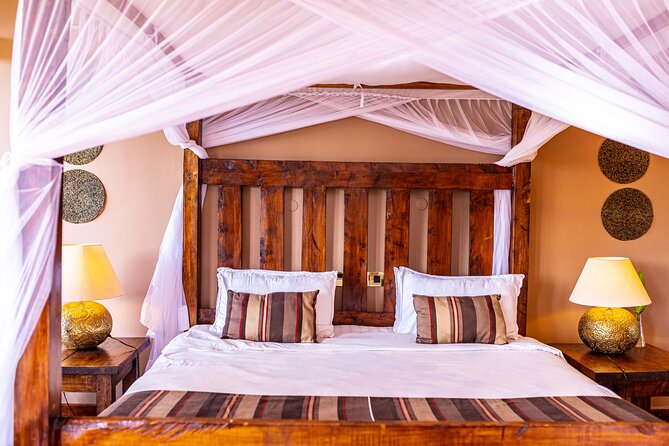
The word luxury appears in the tour description, but the supplied information does not identify the specific lodges, camps, room categories, or luxury services. I would not book based on that label alone. Ask for the exact accommodation names and whether rooms are private, shared, tented, or lodge-based.
The practical cost of a seven-day safari
The hardest part is not the wildlife. It is the road time. Most active days are listed at eight hours, and the Serengeti transfer can feel especially long. Roads in national parks are not presented as smooth highways, so you should be comfortable sitting in a vehicle for extended periods and handling a moderate level of physical activity.
The open roof is excellent for views, but it also exposes you to sun, wind, dust, and changing weather. A light jacket, hat, sunscreen, and clothes that can handle dust are sensible choices. The supplied account of rain at night also suggests that weather can shift, so pack a light waterproof layer.
The booking terms are strict. The safari is non-refundable and cannot be changed for any reason. Do not pay until your flights, visa plans, insurance, and personal schedule are settled.
The tour receives a 4.8 rating from 31 reviews, and 94 percent recommend it. The strongest praise centers on the wildlife, the cheerful and prepared guide, and the feeling of an unforgettable safari. That positive record is encouraging, but the sample is not huge, and the lack of named accommodations means you should ask a few questions before committing.
Who will get the most from this safari
I think this trip suits you best if you want a first taste of Tanzania’s classic parks and prefer one organized package. It works well for couples, friends, and families who value a small vehicle, included meals, and a guide handling the route.
It is also a good fit if seeing the Big Five is a major goal. The route visits places where lion, elephant, buffalo, leopard, and black rhino are all possible, while adding birds, primates, giraffe, hippos, zebra, wildebeest, and antelope.
You may want a different plan if you dislike long drives, need a slower pace, or want detailed sustainability information before booking. The operator presents the trip as sustainable, but the available details do not say how that approach works in practice. Ask direct questions about local employment, community visits, waste, water, and wildlife rules.
FAQ
How long is the safari?
The safari lasts approximately seven days, including airport transfers, four national parks, accommodation, meals, and the final airport transfer.
Which parks are included?
The route includes Tarangire National Park, Serengeti National Park, Ngorongoro Crater, and Lake Manyara National Park.
Where does the safari begin?
The arrival transfer begins at Kilimanjaro International Airport, followed by transport to Moshi.
Is airport transportation included?
Yes. Transfers to and from the airport are included. The airport transfer on arrival and departure is listed at about 45 minutes.
How many people travel in each safari vehicle?
Each custom 4×4 safari vehicle holds a maximum of six people, and every person has a window seat. The overall tour maximum is 15 people.
Are meals included?
Yes. The package includes all meals during the safari, with seven breakfasts, five lunches, and five dinners specifically listed.
Is a guide included?
Yes. A professional English-speaking driver-guide accompanies the safari.
Are the Maasai village and Olduvai Gorge included?
No. The Maasai village visit and Olduvai Gorge visit are optional activities and cost extra.
What is not included in the price?
International flights, a Tanzanian entry visa, travel and health insurance, balloon excursions, gratuities, the Maasai village visit, and Olduvai Gorge are not included.
Should you book this safari?
Book it if you want a compact, classic Tanzania route with a small vehicle, included park fees, and a strong chance of varied wildlife. The combination of Tarangire, Serengeti, Ngorongoro Crater, and Lake Manyara gives you a lot in seven days, and the reported 4.8 rating suggests the core safari experience is working well.
Before paying, get the exact accommodation list, confirm the final meal plan, price the optional cultural and archaeology stops, and ask for clear details about the sustainable travel approach. If you accept long road days and the strict non-refundable terms, this is a practical way to pursue the Big Five without arranging every moving part yourself.
Just added in Arusha
- Safari “Kifaru” – 5 days in the most famous Parks in the world★ 5.0 · 4 reviews
- Saadani Day Trip★ 5.0 · 13 reviews
- 3 Days Tanzania Short and Spicy★ 5.0 · 6 reviews
- 5 Day Tanzania Safari Camping Adventure Private Tour★ 5.0 · 2 reviews
- Day Trip to Ngorongoro Crater from Arusha★ 5.0 · 1 review
- SERENGETI NATIONAL PARK Tour★ 4.5 · 5 reviews
- 3 Days Serengeti Park & Ngorongoro Crater Adventure Safari★ 5.0 · 8 reviews
- 6 Days Tanzania Bush Experience Safari★ 5.0 · 6 reviews
Arusha Tours, compared.
Balloon Safari & Bush Breakfast in Serengeti – Miracle Experience
Read our review →
Materuni Waterfalls, coffee tour & Kikuletwa Hot Springs
Read our review →
3 Days Serengeti & Ngorongoro Group Camping Safari
Read our review →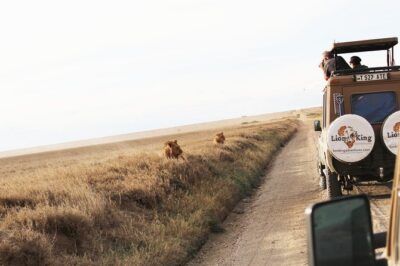
7-Day Premium Luxury Tanzania Safari All-Inclusive
Read our review →