

Reviewed · STONE TOWN TOURS
Discover the hidden histories of Stone Town
Stone Town rewards curious walkers. This $22 walking tour takes you through UNESCO-listed streets, major landmarks, spice stalls, carved doors, and stories tied to sultans, slavery, colonial rule, and Zanzibar’s mixed cultural past. I especially like the focus on lesser-known details, not just the usual photo stops.
I also like the flexible style. You can book a private or small-group outing, choose from several guide languages, and walk at your own pace. The main consideration is timing: the guided visit lasts about 2.5 hours, but the full experience can run from 2 to 5 hours depending on the selected option and transport arrangements.
In This Review
- Key points at a glance
- Why Stone Town needs a guided walk
- Meeting at Forodhani, the natural starting point
- Old Fort and the first layers of Zanzibar’s past
- House of Wonders and the changing face of Stone Town
- Freddie Mercury’s family connection
- The slave trade and difficult stories
- The spice market through smell and taste
- Zanzibar’s carved doors tell their own story
- A guide makes the pace personal
- How long the experience really takes
- Is $22 a fair price?
- Who should book this Stone Town walk?
- Final verdict: a strong first look at Zanzibar’s old town
- FAQ
- Where does the Stone Town Hidden Histories Tour meet?
- How long does the guided Stone Town walk last?
- What is included in the tour price?
- Is hotel pickup included?
- Which languages are available?
- Is this tour private or shared?
- Does the tour include food and drinks?
- Can I cancel the booking?
Key points at a glance
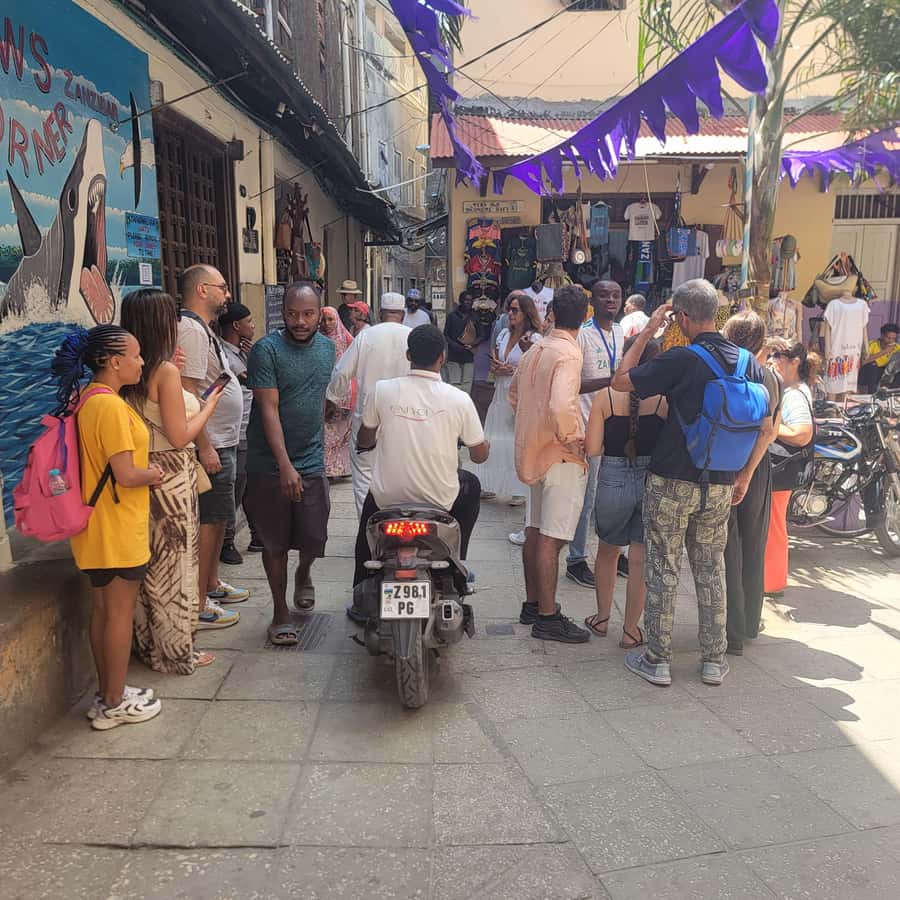
- A 2.5-hour walk through Stone Town: The route covers historic streets and major landmarks without turning the visit into a rushed checklist.
- Stories beyond the postcard view: You hear about the slave trade, sultans, colonial rule, Portuguese influence, and local customs.
- Spice market stop: You can smell and taste spices and fruit, with shopping available as an option.
- Carved Zanzibar doors: The ornate wooden doors are one of the best visual clues to the town’s Arab, Indian, Persian, and European influences.
- Flexible guide choice: Tours are available in English, French, German, Italian, Spanish, and Swahili.
- Strong guide feedback: Nassir is praised for speaking English, Portuguese, and Spanish, while Lukman is noted for his patience and for allowing a relaxed pace.
Why Stone Town needs a guided walk
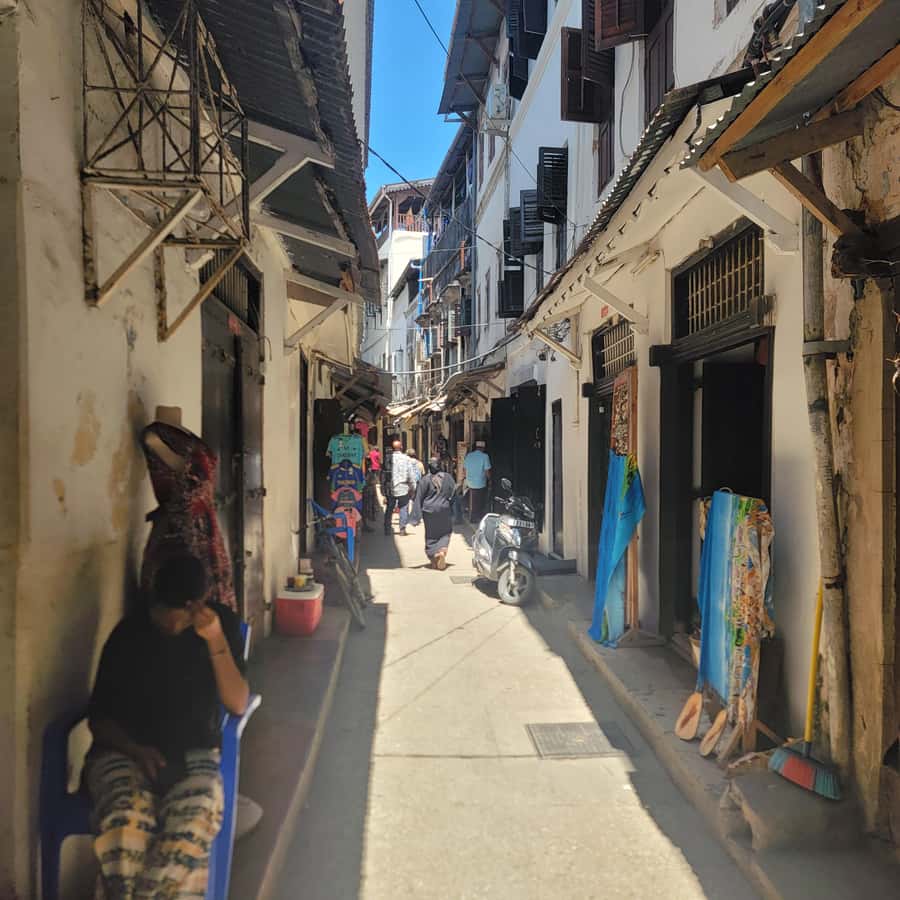
Stone Town is not a place I would treat as a simple point-to-point stroll. Its narrow lanes twist around one another, and an attractive doorway may be connected to a family, trade route, religious custom, or political period that is easy to miss without explanation.
The town grew through contact between East Africa and the wider Indian Ocean world. Arab and Persian links, Indian commerce, European involvement, and local Swahili traditions all left their mark. You see that mixture in the architecture, street layout, doors, markets, and language.
A guide helps you connect those pieces. Instead of seeing an old building as just another weathered wall, you can learn how it fits into Zanzibar’s time under sultans, its role in the slave trade, and its later colonial period. That added context is the main reason I would choose this tour over wandering alone.
The route is also well suited to first-time visitors. You get a basic map of the town in your head, then you can return later to the streets or markets that caught your attention.
More Stone Town walking tours:
- Zanzibar: Stone Town, Spice Tour, Prison Island with Lunch
★ 4.4 · 1,219 reviews - Zanzibar: Prison Island, Stone Town, & Spice Farm Tour
★ 4.5 · 579 reviews - Zanzibar: Stone Town, Spice tour & Prison Island with Lunch
★ 4.6 · 453 reviews
Meeting at Forodhani, the natural starting point
The meeting point is in front of Cape Town Fish Market near Forodhani in Stone Town. This is a practical place to begin because it puts you close to the old center and its waterfront setting.
Your exact start time depends on the option you choose, so check availability before booking. If you are arranging a hotel transfer, pickup and drop-off are available for an extra charge. The provider says pickup details will be shared through WhatsApp after the driver arrives, so keep your phone available and make sure your contact information is correct.
If you reach Stone Town independently, allow a little extra time to find the meeting point. The tour is on foot, and beginning calmly is better than arriving hot and hurried before a walk through narrow streets.
Old Fort and the first layers of Zanzibar’s past
The Old Fort is one of the key landmarks included on the route. Its heavy walls make a strong first impression, but the more useful part of the stop is the historical setting your guide provides.
Here, you begin to see how Stone Town changed hands and purposes over time. The tour connects the fort and surrounding streets with Portuguese influence, the sultanate, and the colonial period. You may find that the most valuable part is not a single structure, but the way the guide explains the competing powers that shaped the town.
This is also a good place to ask questions. If you are interested in military history, trade, architecture, or political change, tell your guide early. A private or small-group format should make it easier to adjust the conversation to your interests.
The drawback is that historic buildings can be visually worn and may not offer a large collection of objects or displays. If you prefer formal museums with detailed signs, this walking tour may feel more conversational than exhibit-based. Its strength is the street-level explanation.
House of Wonders and the changing face of Stone Town
The House of Wonders is another major landmark on the route. Its name hints at its former importance, and the building helps explain the ambition and wealth associated with Zanzibar’s ruling period.
Your guide also places the building within the wider story of cultural contact. Indian Ocean trade brought people, goods, ideas, and building styles from several regions. That is why Stone Town can feel unlike a typical European old town or a purely East African settlement. Its identity developed through exchange.
Building conditions and access can change, so the most reliable part of this stop is the exterior and the explanation given during the walk. You should not book this tour expecting a long indoor museum visit at every landmark. The experience works best if you enjoy learning from the setting itself.
A few more options to weigh up in Zanzibar
- From Zanzibar: Mikumi Safari Day Trip with Flights and Meal
★ 4.7 · 1,470 reviews - Zanzibar: Quad Bike Adventure departing from Kendwa or Nungwi
★ 4.9 · 1,233 reviews - From Zanzibar: Day Selous Game Reserve Safari with Flights
★ 4.7 · 1,025 reviews - Zanzibar: Prison Island and Nakupenda Boat Trip with Lunch
★ 4.1 · 882 reviews
Freddie Mercury’s family connection
The route passes by the house associated with Freddie Mercury’s family. This adds a modern and personal note to a tour otherwise centered on older political and trading history.
The stop is brief, but it helps show that Stone Town’s story is not frozen in the past. Zanzibar has connections to people and events that reach well beyond the island, and this family link gives you a familiar name within the old streets.
Do not expect a concert museum or a large exhibition based on the information provided. Think of it as a passing landmark and a useful reminder of Stone Town’s international connections. Music fans may find it especially appealing, while history-focused visitors can treat it as a small extra on the route.
The slave trade and difficult stories

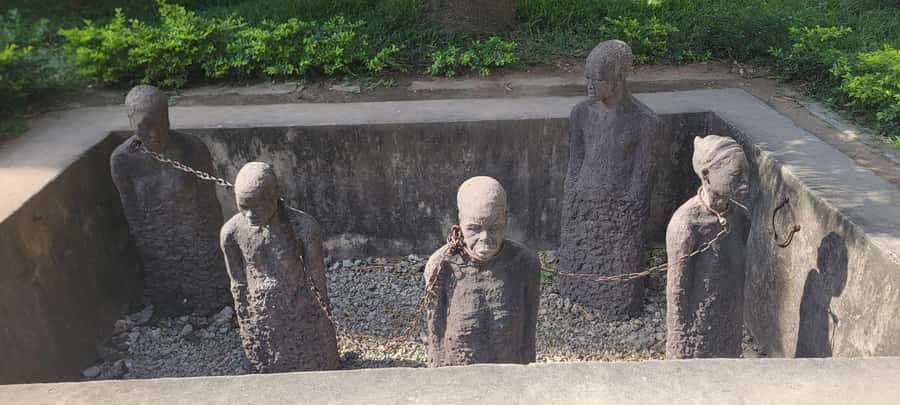
One of the most important parts of this walk is its treatment of the slave trade. Zanzibar’s past includes painful stories, and a useful tour should not soften them into a vague tale about old commerce.
The guide explains the traces of this history within Stone Town and connects it to the town’s wider role in regional and Indian Ocean trade. The exact details you receive will depend on your guide and the pace of your group, but the stated focus is on the untold stories that many people miss when they only photograph the main buildings.
I value this part of the experience because it gives the town moral and historical weight. You are not simply admiring doors and walls. You are also considering who built, moved through, controlled, and suffered within this place.
The subject can be serious, so prepare for a thoughtful walk rather than a light sightseeing outing. If you want to understand Zanzibar beyond beaches and resorts, this is essential context.
The spice market through smell and taste
The market stop brings a more immediate side of Stone Town to the walk. You can smell spices, test some of them, and sample fruit. That sensory element makes the market more memorable than a quick pass through stalls.
The experience may also include an optional shopping stop. If you want to buy spices or other goods, ask your guide what is included in the tour and what must be paid for separately. The price of the tour is $22 per person, but personal purchases are not the same as tour costs.
This is a good moment to slow down. Markets are best understood through small details: the scents, the produce, the arrangement of goods, and the way local commerce fits into daily life. Your guide can also help you identify what you are tasting, which is useful when several spices look similar.
The market may feel crowded at times, and the narrow setting leaves little room for lingering in one place. Stay close to your group and keep your belongings secure. The tour description does not promise a full meal, so food and drinks beyond the stated bottled water are not included.
Zanzibar’s carved doors tell their own story
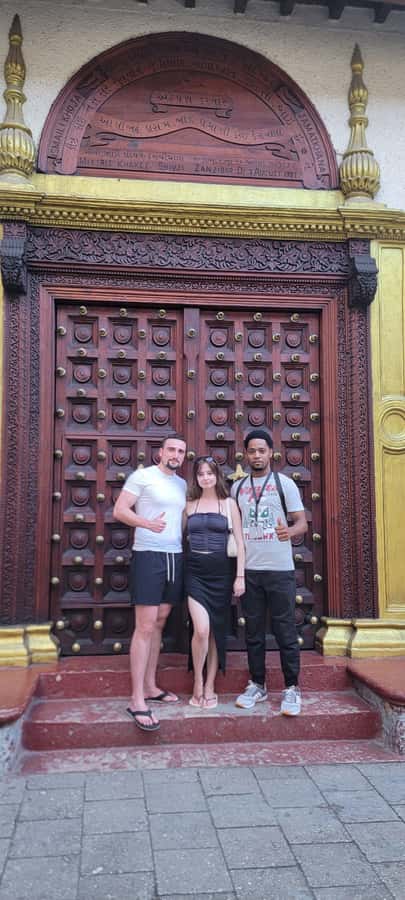
The famous carved wooden doors are among the most rewarding sights on this walk. They are easy to pass without a guide, but their patterns, size, and placement become more meaningful when someone explains what to notice.
The doors reflect the town’s mixed influences. Arab, Persian, Indian, and European connections shaped Stone Town’s buildings and decorative traditions, while local Swahili culture gave the town its own character.
I would not rush these stops. Look at the carving, the frame, the age of the wood, and how the doorway fits the building around it. You may find that a short pause at one door teaches you more about Stone Town’s cultural mixing than a quick list of dates.
Because the tour is on foot, you can see these details at close range. That is an advantage over a vehicle-based sightseeing trip, which might show you the broad outline but miss the small features that make the old town distinctive.
A guide makes the pace personal

Two guide names are especially useful to know. Nassir received praise for taking a group across Stone Town, showing places where Portuguese influence remains visible, and speaking English, Portuguese, and Spanish. Lukman is described as friendly, patient, and willing to answer questions while letting the group set its own pace.
Those details matter because Stone Town tours can vary greatly depending on the person leading them. A guide who answers questions and adjusts the speed can make the difference between a pleasant walk and an exhausting march.
Private and small-group options are available. A private tour should suit you if you want to focus on family history, architecture, the slave trade, food, or photography. A small group may offer a lower-pressure social setting while still allowing some flexibility.
The listed languages are English, French, German, Italian, Spanish, and Swahili. If you need a particular language, select it carefully when booking rather than assuming it will be available on every departure.
How long the experience really takes
The guided Stone Town portion lasts about 2.5 hours. That is enough time for a meaningful introduction to the old town, but not enough for an exhaustive visit to every landmark, market, and side street.
The total activity is listed as 2 to 5 hours because the selected option and transport arrangements can affect the schedule. Hotel pickup and drop-off are optional and cost extra, with several pickup and drop-off areas listed, including Nungwi, Kendwa, Paje, Jambiani, Matemwe, Kiwengwa, Pwani Mchangani, Pongwe, Kizimkazi Mtendeni, Fumba, and Stone Town.
If you are staying outside Stone Town, confirm the transfer time before booking other plans. A 2.5-hour walk can become a much larger half-day commitment once driving is added.
Bottled water and government entrance fees are included. Food and drinks not specifically mentioned are not included. Wear comfortable shoes and expect to spend the core of the tour walking on old town streets rather than sitting in a vehicle.
Is $22 a fair price?
At $22 per person, I consider this good value if you want historical explanation and a guided introduction to Stone Town. You are paying for a professional local guide, a 2.5-hour walking route, entrance fees, and bottled water.
The value improves if you choose a private or small-group format and make use of the guide’s local knowledge. You can ask questions, pause at doors, and spend more time on the subjects that interest you. A casual walk costs less, of course, but it will not give you the same structured account of the town’s slave trade, sultans, colonial past, and cultural influences.
The price does not cover hotel transportation unless you pay extra. It also does not cover food, drinks beyond the included water, or shopping purchases. Read the option details carefully so the final cost matches your plan.
Who should book this Stone Town walk?
I would recommend it to you if you enjoy history, architecture, markets, and local stories. It is especially useful on your first day in Zanzibar because it gives you an orientation to the old town and points out places worth revisiting.
It also suits curious visitors who want more than beach time. The tour connects ordinary street scenes with larger stories, which makes the town easier to understand.
You may want to choose another activity if you dislike walking, want a purely food-focused market tour, or expect long indoor visits at every landmark. The duration is moderate, but the narrow streets and history-heavy subject matter require attention.
Book a private option if you have a specialized interest or want to move slowly for photographs. Choose a small group if you want flexibility without paying for a fully private experience.
Free cancellation is available up to 24 hours before the start time, and you can reserve now and pay later. Those terms are useful if your Zanzibar plans are still shifting.
Final verdict: a strong first look at Zanzibar’s old town
I would book this tour if I wanted a clear, human introduction to Stone Town rather than a quick circuit of photo stops. The best parts are the guide-led stories, the market’s smells and tastes, the carved doors, and the honest attention to difficult subjects.
The main caution is to confirm your pickup plan, language, and total time before you commit. At $22, the core walk offers solid value, especially with a patient guide such as Lukman or a multilingual guide such as Nassir. Choose it when you want Stone Town to make sense, not just look old.
FAQ
Where does the Stone Town Hidden Histories Tour meet?
The meeting point is in front of Cape Town Fish Market at Forodhani in Zanzibar.
How long does the guided Stone Town walk last?
The guided walking portion lasts about 2.5 hours. The total activity can take between 2 and 5 hours depending on the selected option and transport arrangements.
What is included in the tour price?
The price includes a professional local guide, a guided Stone Town walking tour, government entrance fees, and bottled water. Shopping is available as an option.
Is hotel pickup included?
Hotel pickup and drop-off are not included in the standard price, but they are available for an additional cost.
Which languages are available?
Live tours are available in English, French, German, Italian, Spanish, and Swahili. Nassir is also noted as speaking Portuguese.
Is this tour private or shared?
You can choose a private tour or a small-group experience, depending on the selected option.
Does the tour include food and drinks?
Bottled water is included. Food and other drinks are not included unless specifically stated.
Can I cancel the booking?
You can cancel up to 24 hours in advance for a full refund. You can also reserve now and pay later.
Just added in Zanzibar
- Best of Zanzibar: Spice Tour & Stone Town Visit★ 4.4 · 5 reviews
- Stone Town: Private Walking Tour in the Heart of Zanzibar.★ 5.0 · 1 review
- The rock restaurant and blue Lagoon★ 5.0 · 1 review
- THE GREEN TOUR: Jozani Forest & Mangrove Kayaking Experience★ 4.7 · 6 reviews
- Tea House, Zanzibar Coffee House, Spice Tour with Lunch★ 5.0 · 1 review
- Swimming with sea turtles in salaam cave★ 5.0 · 1 review
- Swim with Turtles at The Lagoons Zanzibar & Stone Town Tour★ 4.8 · 4 reviews
- Stonetown & Prison island Cultural Tour★ 5.0 · 2 reviews
Stone Town Tours, compared.

Stone Town, Spice Tour, Prison Island with Lunch
Read our review →

Stone Town, Spice tour & Prison Island with Lunch
Read our review →
3 Hours Private Stone Town walking Tour with Guide
Read our review →
Full-Day Private Stone Town +Spice Farm and Prison Island Tour
Read our review →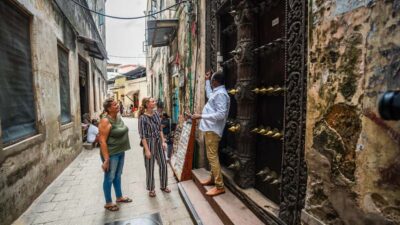
Stone Town Historical Cultural Walking Guided Tour
Read our review →
Browse the lists this tour appears in