Reviewed · ARUSHA TOURS
Multi-Day Tanzania Odssey Safari from Arusha
One safari, three famous wildlife areas. This six-night Tanzania journey links Tarangire National Park, Ngorongoro Crater, and the Serengeti, giving you a broad look at the country’s northern safari circuit rather than parking in one reserve. I like the private format, which gives your group more say over the pace, and I like that meals, bottled water, lodging, airport transfers, and a private safari vehicle are included. The main catch is the long overland travel between parks, plus the separate flight from Kogatende Airstrip to Arusha on the final day.
The itinerary also puts you in northern Serengeti during the great migration period, when wildebeest and zebra may gather near the Mara River. That is a thrilling possibility, not a promise. River crossings depend on animal movement, weather, timing, and luck. I would book this trip for its variety and strong guiding record, but I would not choose it if you want a relaxed holiday with little time in the vehicle.
In This Review
- Key points to know before booking
- Why this northern Tanzania route works
- Day 1: A soft landing at Mount Meru Hotel
- Day 2: Elephants and baobabs in Tarangire
- Day 3: A full day on the Ngorongoro Crater floor
- Day 4: Central Serengeti and the Seronera region
- Days 5 and 6: Northern Serengeti and the Mara River
- Day 7: Flight from Kogatende and the extra-cost detail
- Guides are the heart of the experience
- Meals, accommodation, and comfort
- Is $4,164.11 good value?
- Who should book this safari?
- Should you book the Tanzania Odyssey Safari?
- FAQ
- How long is the Tanzania Odyssey Safari?
- Where does the safari begin?
- Which parks and wildlife areas are included?
- Is the safari private?
- Are meals included?
- Is bottled water provided?
- Is the flight from Kogatende to Arusha included?
- What is the cancellation policy?
Key points to know before booking
- Three major safari zones in seven days: You visit Tarangire, Ngorongoro Crater, central Serengeti, and northern Serengeti.
- A genuinely private trip: Only your group participates, so the guide can adjust the pace and focus.
- Guide quality matters here: Guides such as Calvin Kileo, Bariki, Juma, Albert, Daudi, Inno, and Andrew have earned praise for animal spotting, patience, and local insight.
- Migration access comes with uncertainty: The Mara River area is famous for crossings, but even experienced guides cannot schedule one.
- Comfort is built in: You receive lodge and luxury tented accommodation, meals listed for each day, and bottled water.
- Budget for the last flight: The Kogatende to Arusha flight is not included in the $4,164.11 price.
Why this northern Tanzania route works
The smart idea behind this safari is variety. Tarangire gives you elephants and baobabs, Ngorongoro offers a concentrated wildlife experience inside a volcanic crater, and the Serengeti provides the broad setting for large herds and predator sightings.
You also get two different Serengeti experiences. Central Serengeti, around Seronera, is included before you continue north toward the Mara area. That change matters because wildlife patterns shift across the year, and the scenery changes from open plains to kopjes, woodland, river vegetation, and broad grassland.
I especially like the private setup. You are not sharing the vehicle with an unknown group, so you can ask questions, spend more time at a sighting, or request a change of pace. The guide still has to follow park rules and animal-watching etiquette, but the day should feel more personal than a fixed group departure.
The tradeoff is mileage. This is an active safari, not a resort stay with a short game drive each morning. You will spend substantial time traveling between parks, and the road sections are part of the price of seeing several very different areas in one trip.
A few more options to weigh up in Arusha
- Balloon Safari & Bush Breakfast in Serengeti – Miracle Experience
★ 5.0 · 1,646 reviews - Tanzania Classic – 7 Days
★ 5.0 · 1,151 reviews - 4 Days Group Camping Safari
★ 5.0 · 1,101 reviews
Day 1: A soft landing at Mount Meru Hotel
Your arrival day begins with pickup at Kilimanjaro International Airport near Arusha. You are then taken to Mount Meru Hotel for the night, with dinner included.
This first night is useful because it removes pressure from your arrival. Instead of landing and immediately starting a long park transfer, you have a base in Arusha before the safari begins in earnest. If your flight arrives late, confirm the pickup details and make sure the operator has your arrival information.
The first day includes dinner, but not the full breakfast and lunch package listed on later days. That is normal for an arrival night, though you should plan your arrival-day meals around your flight schedule.
Day 2: Elephants and baobabs in Tarangire
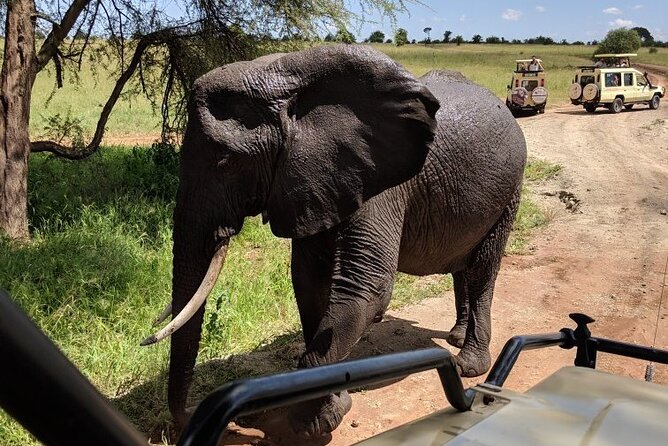
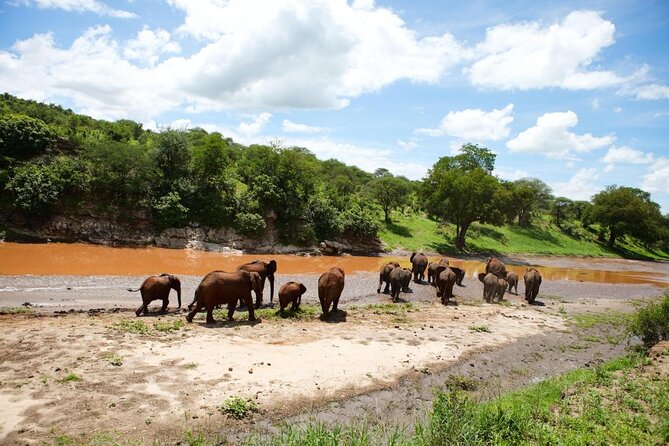
After breakfast, you leave for Tarangire National Park in the Manyara region. The park is especially known for large elephant herds, baobab trees, tree-climbing lions, and the Tarangire River, which serves as a key water source during dry periods.
Tarangire has a distinct personality. The baobabs give the park an almost storybook look, while elephants provide the main wildlife draw. The river helps explain why animals gather here, particularly when other water sources become less reliable.
I would pay close attention to the guide’s animal-spotting skill on this day. The guide names associated with this operator include Bariki, Daudi, and Inno, all praised for finding animals and explaining their behavior. Daudi was specifically noted for spotting rarer animals, while Bariki was appreciated for answering questions and carrying reference books.
Lunch and dinner are included, and you spend the night at a luxury lodge. The precise lodge is not specified, so ask for the property name before booking if accommodation style is a major part of your decision.
The possible weakness is that Tarangire receives only one main safari day here. You can see a great deal, but you do not have much spare time if weather, road conditions, or a slow wildlife sighting changes the schedule.
Day 3: A full day on the Ngorongoro Crater floor
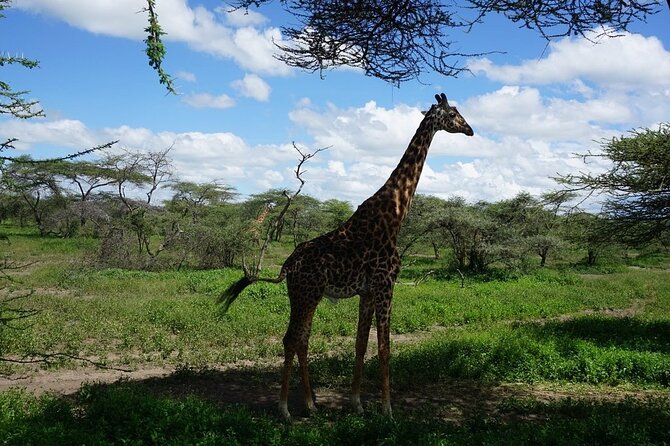
The next morning takes you to the Ngorongoro Conservation Area and down into the crater for a game drive with a picnic lunch. The crater is the kind of place where geography does much of the work: its enclosed floor supports a dense mix of mammals and predators.
The supplied details estimate around 20,000 mammals in the crater and about 20 black rhinoceros. That makes Ngorongoro one of Tanzania’s strongest places for a chance at seeing rhino, while the high concentration of carnivores adds another layer to the day.
The crater can feel more concentrated than the Serengeti. You are likely to spend less time scanning endless open plains and more time looking across a contained area where many animals live. That does not guarantee every major sighting, but it creates a strong chance for varied wildlife in a single outing.
The picnic lunch is practical because you remain in the crater for the day rather than breaking off for a hotel meal. You should expect a full safari day with an early start and plenty of time in the vehicle. The overnight stay is again at a luxury lodge.
This is one of the best sections of the trip for first-time safari visitors. You get a clear introduction to grazing animals, predators, and the challenge of protecting a busy wildlife area. The drawback is that Ngorongoro can feel highly scheduled compared with the open-ended hours of a private reserve. Your guide must work within park regulations and the day’s access arrangements.
A different kind of day out entirely:
- 5 Days Group Camping Safari
★ 5.0 · 730 reviews - Materuni Waterfalls, coffee tour & Kikuletwa Hot Springs
★ 5.0 · 643 reviews - 3 Days Serengeti & Ngorongoro Group Camping Safari
★ 5.0 · 574 reviews - 7-Day Premium Luxury Tanzania Safari All-Inclusive
★ 5.0 · 426 reviews
Day 4: Central Serengeti and the Seronera region
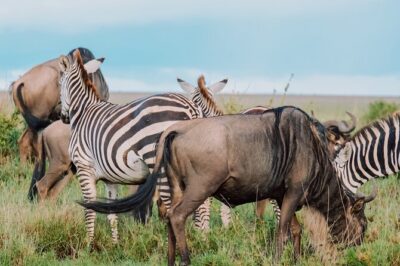
After breakfast, you leave for central Serengeti, traveling with a picnic lunch and fitting in game viewing along the way. The Serengeti is famous for the annual movement of more than 1.5 million wildebeest and hundreds of thousands of zebras.
The migration is often described through dramatic river crossings, but the wider event is much bigger. It involves movement across grazing areas, territorial behavior, mating, predator pressure, and the constant search for water and food. The stated peak period for the most famous migration drama is July through October, so your timing matters greatly.
Central Serengeti is a useful stop before going farther north. It lets you experience the park beyond a single migration viewpoint, and the Seronera area is associated with varied wildlife and striking scenery. A skilled guide can make the difference here by reading tracks, watching animal behavior, and sharing information about the species you encounter.
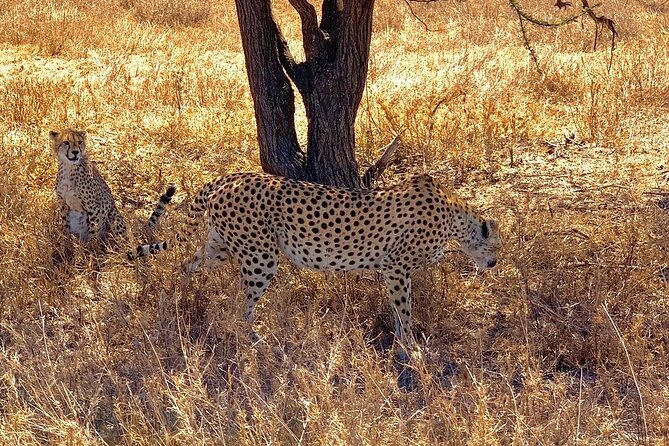
Juma, Ombeni, Samir, and George are among the guides praised for animal spotting, careful driving, and clear explanations on Gosheni safaris. Juma in particular was praised for making game drives educational and exciting, while Ombeni was noted for finding lions, leopards, and cheetahs.
You spend the night at a luxury lodge. Again, the accommodation category is clear, but the exact property should be confirmed directly if you need a particular room style or location.
Days 5 and 6: Northern Serengeti and the Mara River
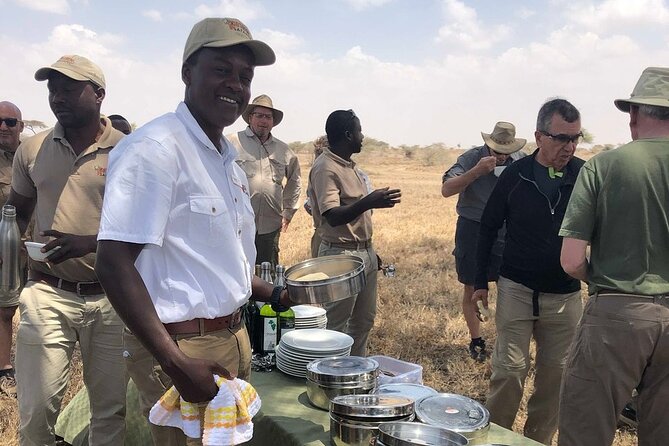
The final two safari days take you north toward the Mara area, where the key feature is the Mara River. This is the section most likely to attract people hoping to see the great migration at close range.
The scenery here includes kopjes, woodland, river vegetation, and open plains. Kopjes are rocky outcrops that break up the grassland and can provide useful animal-watching points. The setting has similarities to Kenya’s Masai Mara, but the experience remains firmly rooted in the Serengeti.
Here is the practical truth about a Mara River crossing: finding one is difficult. Herds may gather at the river, hesitate, cross on one day, or move back south a few days later. You may spend time watching a group approach the bank and then turn away. That uncertainty is not a flaw in the guide’s work. It is the nature of the migration.
I would treat the crossing as a bonus rather than the sole reason to pay for this trip. You still have two days of northern Serengeti wildlife viewing, and the region itself offers more than one dramatic moment.
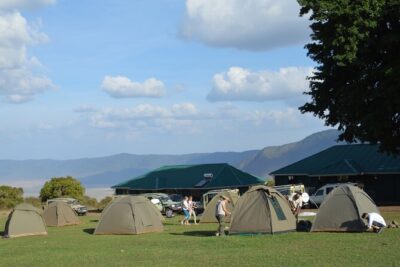
These nights are spent in a luxury tented camp. That changes the feel of the trip from lodge-based comfort to a closer outdoor setting, while still retaining a higher level of accommodation than basic camping. Ask what facilities are available at the specific camp, since luxury tented camp can cover several levels of comfort.
The private vehicle is particularly useful here. If you are focused on a crossing, you can discuss how long to wait and when to move on. No guide can make the animals cooperate, but a private group has more control over how it uses the available time.
Day 7: Flight from Kogatende and the extra-cost detail
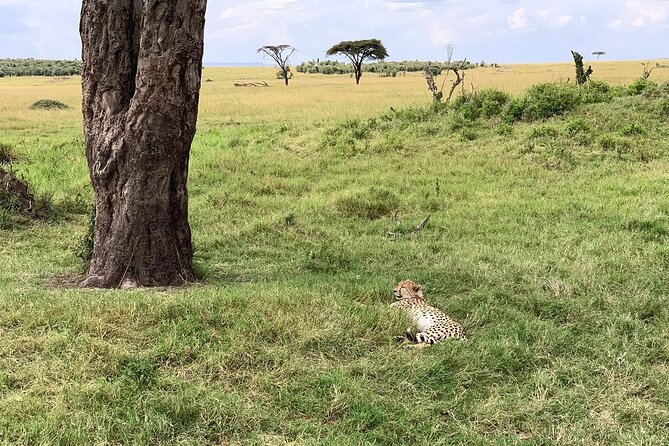
After breakfast, you drive to Kogatende Airstrip for your flight to Arusha. That flight is at your own expense and is not included in the listed price. After arriving in Arusha for lunch, you are driven to the airport for your flight home.
This arrangement saves you from repeating the long overland journey south, which is a sensible use of your final day. It also creates the clearest planning issue in the whole trip. You need to buy the Kogatende to Arusha flight separately and coordinate it with your international departure.
Do not treat the advertised $4,164.11 as the total cost until you add this flight and your own return airfare. Airport transfer in Arusha is included, but the exact timing of your onward flight should be checked carefully before you commit to a same-day international departure.
The final day includes breakfast and lunch. Alcohol is not included, though it can be purchased.
Guides are the heart of the experience
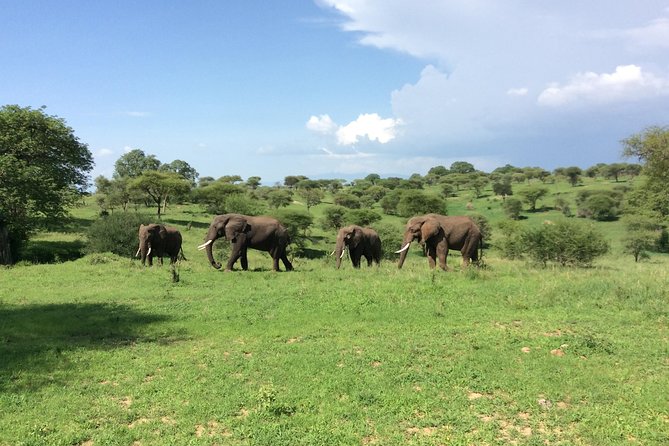
Safari vehicles and parks matter, but the guide shapes your actual days. The strongest praise connected to this operator centers on guides who combine animal knowledge with patience, safe driving, and a good sense of humor.
Calvin Kileo was praised for caring for his group and explaining the parks and animals clearly. Bariki was described as entertaining, flexible, and well prepared, with books available to answer questions. Albert was praised for answering questions and making a first African visit memorable.
Daudi was singled out for finding rare animals and sharing personal stories that helped connect the wildlife experience with Tanzanian life. Juma received praise for patience, animal expertise, and making sure dietary needs were handled. Andrew was described as a strong link between the group and the country during a longer safari.
You are not guaranteed a particular guide unless Gosheni confirms that in writing. Still, the pattern is encouraging: the human side of the safari appears to be a major strength. When you book, share your interests early. Tell the operator if you care most about birds, big cats, photography, migration behavior, or cultural context.
Meals, accommodation, and comfort
The package includes breakfast, lunch, and dinner on the main safari days, with a picnic lunch on the Ngorongoro and Serengeti game-drive days. Bottled water is also supplied, a small but useful inclusion when you are spending long hours outside towns.
Accommodation includes the Mount Meru Hotel on arrival, luxury lodges on the first safari nights, and a luxury tented camp in northern Serengeti. The description does not give room layouts, Wi-Fi details, laundry services, or specific lodge names, so ask those questions if they affect your choice.
The mix of lodges and tented accommodation gives the journey some variety. You receive comfort after long drives, while the northern camp adds a more traditional safari feel. This is not a basic budget trip, but it is also not an all-inclusive luxury resort package with every extra covered.
Is $4,164.11 good value?
At $4,164.11 per person, this is a significant purchase. The value comes from the number of major wildlife areas covered in six nights, the private vehicle, guide, meals, bottled water, airport pickup, airport drop-off, and accommodation.
You are also paying for the logistics of reaching northern Serengeti, a part of the circuit that takes effort and time to access. The private format is important in the calculation. If you value flexibility and do not want to share a vehicle, it may justify a higher price than a group safari.
The separate Kogatende to Arusha flight reduces the convenience of the package and must be added to your budget. I would ask for the flight cost, lodge names, vehicle details, and exact departure arrangements before comparing this trip with other safaris.
Who should book this safari?
I would recommend it to a first-time safari visitor who wants a strong overview of northern Tanzania in one trip. It also suits couples, families with older children, and small private groups who value personal attention from a guide.
You should have moderate physical fitness. The experience is vehicle based, but it involves long travel days, early starts, changing accommodation, and repeated time on rough roads. Children must be accompanied by an adult.
This safari is less suitable if you want a slow pace, one fixed lodge, or a guaranteed migration crossing. It is also not the right choice if the separate final flight creates too much uncertainty for your international travel plans.
Should you book the Tanzania Odyssey Safari?
Book it if you want maximum park variety, a private safari vehicle, comfortable accommodation, and a serious chance to see the northern Serengeti during migration season. Tarangire, Ngorongoro, central Serengeti, and the Mara area make a powerful seven-day route.
Before paying, confirm the exact lodges, the guide assignment if important, the Kogatende flight price, and the timing of your international departure. Go in hoping for the Mara crossing, but judge the trip by the full wildlife journey, not one unpredictable river scene.
FAQ
How long is the Tanzania Odyssey Safari?
The safari lasts approximately seven days and includes six nights of accommodation.
Where does the safari begin?
The experience begins in Arusha, Tanzania, with pickup from Kilimanjaro International Airport near Arusha on arrival.
Which parks and wildlife areas are included?
The route includes Tarangire National Park, Ngorongoro Crater, central Serengeti around Seronera, and northern Serengeti near the Mara area.
Is the safari private?
Yes. This is a private activity, and only your group participates.
Are meals included?
Yes. Breakfast, lunch, and dinner are included according to the daily schedule. Breakfast and lunch are included on the final day.
Is bottled water provided?
Yes. Bottled water is included during the safari.
Is the flight from Kogatende to Arusha included?
No. You must arrange and pay for the Kogatende Airstrip to Arusha flight separately.
What is the cancellation policy?
You can cancel at least 24 hours before the local start time for a full refund. Cancellations or changes made less than 24 hours before the start time are not accepted for a refund. If poor weather or an insufficient number of bookings cancels the experience, you are offered another date or a full refund.
Just added in Arusha
- Safari “Kifaru” – 5 days in the most famous Parks in the world★ 5.0 · 4 reviews
- 3 Days Tanzania Short and Spicy★ 5.0 · 6 reviews
- 5 Day Tanzania Safari Camping Adventure Private Tour★ 5.0 · 2 reviews
- Saadani Day Trip★ 5.0 · 13 reviews
- Day Trip to Ngorongoro Crater from Arusha★ 5.0 · 1 review
- SERENGETI NATIONAL PARK Tour★ 4.5 · 5 reviews
- 3 Days Serengeti Park & Ngorongoro Crater Adventure Safari★ 5.0 · 8 reviews
- 6 Days Tanzania Bush Experience Safari★ 5.0 · 6 reviews
Arusha Tours, compared.
Balloon Safari & Bush Breakfast in Serengeti – Miracle Experience
Read our review →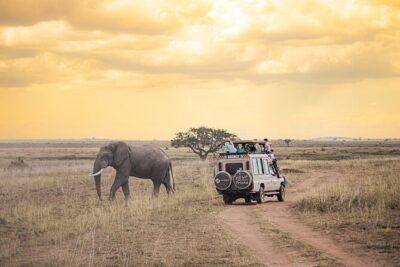
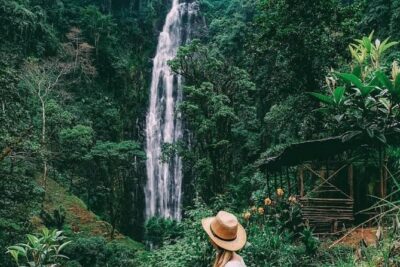
Materuni Waterfalls, coffee tour & Kikuletwa Hot Springs
Read our review →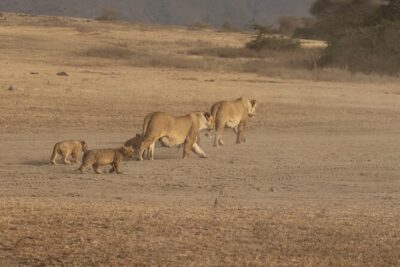
3 Days Serengeti & Ngorongoro Group Camping Safari
Read our review →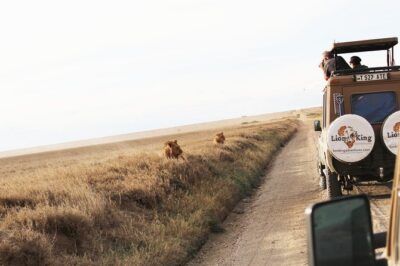
7-Day Premium Luxury Tanzania Safari All-Inclusive
Read our review →