
Reviewed · SERENGETI & NGORONGORO SAFARIS
Ngorongoro Crater Day Trip – Shared Group Safari
Wildlife gathers where the volcano once stood. This shared safari takes you from Arusha to the Ngorongoro Conservation Area, down into the crater, and back in one demanding day. I like the chance to see lions, buffalo, hippos, flamingos, and possibly black rhino in one compact visit. I also like the small group limit of seven people, which gives you a better view from the vehicle than a large coach tour.
The main drawback is the road time. You leave at about 6:00 in the morning and travel roughly 190 kilometers to the conservation gate before the game drive even begins. I also appreciate that lunch, park fees, activities, and a professional driver-guide are covered in the $300 price, but I would confirm the airport-transfer details before paying because the information gives mixed signals about airport drop-off.
In This Review
- Key points to know before booking
- Why Ngorongoro Crater works as a one-day safari
- The 6:00 am departure from Arusha
- The crater rim gives you the first great view
- Descending to the crater floor
- Lake Magadi and the flamingos
- Hippo pools and water-loving wildlife
- Lions, rhinos, buffalo, and the Big Five
- Birdlife beyond the flamingos
- Lunch and the practical rhythm of the day
- Scenic stops and the Maasai connection
- What the $300 price covers
- The return to Arusha and airport-transfer warning
- Who should book this safari?
- Should you book the Ngorongoro Crater day trip?
- FAQ
- Where does the Ngorongoro day trip start?
- What time does the safari begin?
- How long does the experience last?
- How many people can join the shared safari?
- Is lunch included?
- Can I see the Big Five?
- Are park fees and activities included?
- Does the tour include airport transfer?
- Can I cancel or change the booking?
Key points to know before booking
- A full crater visit in one day: You get a concentrated safari rather than several nights in the conservation area.
- Strong Big Five potential: Lions, buffalo, elephants, leopards, and endangered black rhinos live in or around the crater, though no sighting is guaranteed.
- Small shared group: The vehicle can carry a maximum of seven people, a useful limit for wildlife viewing and conversation.
- Lunch is included: A picnic meal is provided during the day, which saves you from arranging food in the crater.
- Early pickup from Arusha: The planned start is 6:00 am at Mafao House, with the return to the same meeting point.
- A long but efficient outing: The drive is tiring, yet this format works well if you have only one free safari day.
Why Ngorongoro Crater works as a one-day safari
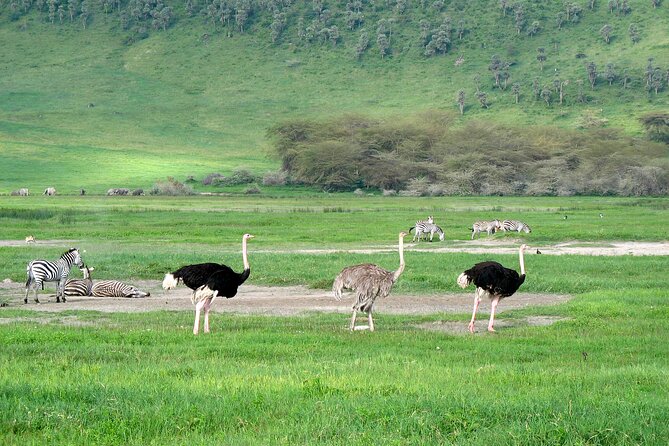
Ngorongoro Crater is a huge intact volcanic caldera, with grasslands, acacia woodland, open savannah, and soda water areas within its steep walls. Wildlife is concentrated in this enclosed setting, so you have a good chance of seeing several different animals during a single game drive.
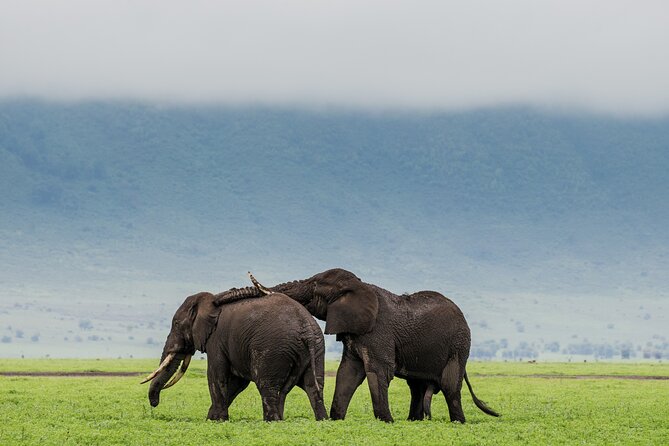
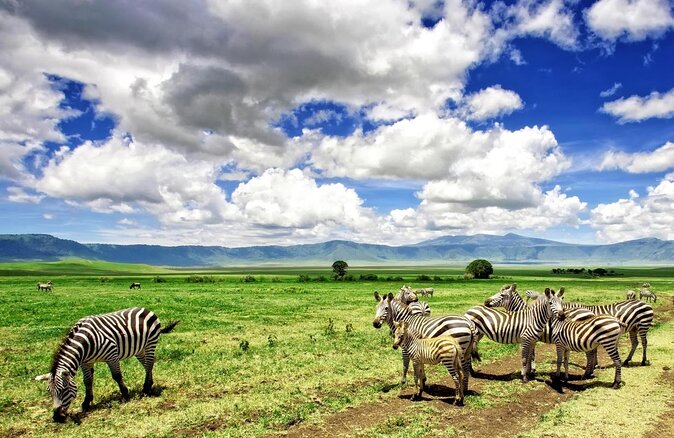
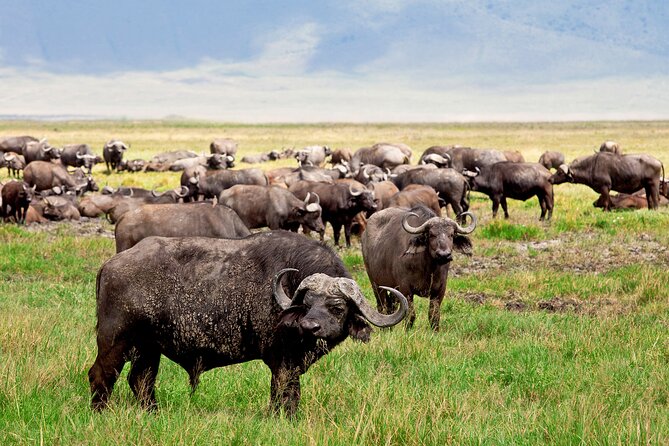
That concentration is the real reason to consider this trip. On a longer safari, you usually spend more time moving between areas. Here, the crater gives you a compact stage. You may see zebra, wildebeest, hyena, buffalo, lions, hippos, and many bird species without changing parks or hotels.
I would not treat the Big Five as a promise. Sightings depend on the season, animal movements, weather, and the skill of the guide. Still, the area has a small population of endangered black rhino, and several people on this trip saw four of the Big Five. One particularly successful outing included all five, along with a cheetah, serval, and hyena.
That is excellent wildlife potential for a single day, but you should still go for the setting and overall safari, not only for a checklist.
More Serengeti and Ngorongoro safaris:
- Balloon Safari & Bush Breakfast in Serengeti – Miracle Experience
★ 5.0 · 1,646 reviews - 3 Days Serengeti & Ngorongoro Group Camping Safari
★ 5.0 · 574 reviews - 5-Day Highlights mid-Range Crater, Serengeti, Tarangire
★ 5.0 · 296 reviews
The 6:00 am departure from Arusha
The day begins early at Mafao House in Arusha. Pickup is offered, but the stated meeting point is important. If you are staying elsewhere, confirm the exact pickup arrangement and time before the morning of departure.
The route to the Ngorongoro Conservation Area covers about 190 kilometers on tarmac. That means the approach is not a rough trail for the entire journey, but it is still a substantial ride before you reach the crater. The trip has been described as long, yet also worth the effort once you arrive.
I suggest treating the drive as part of the cost of seeing one of Tanzania’s great natural sights. Bring a light jacket, water, sun protection, and anything you need to stay comfortable in a vehicle for several hours. The early start also helps you reach the crater with much of the day still available for wildlife viewing.
The published duration is approximately six to eight hours, though the itinerary includes the long drive from Arusha, a crater descent, game viewing, lunch, and the return journey. Because of that, I would confirm the expected return time rather than assuming the entire door-to-door day will fit neatly into eight hours.
The crater rim gives you the first great view
Before descending, your driver-guide takes you to the crater rim. You have a few minutes to look across the caldera from above, and this is one of the most important pauses of the day.
From the rim, the crater’s scale becomes clear. The floor below contains grassland, trees, water, and animal habitat, all framed by the high volcanic walls. It is not simply a place to drive around looking for animals. The view gives you the geographic reason wildlife gathers here.
Do not rush this moment. The actual game drive will provide close sightings, but the rim is where you understand the whole setting. If your vehicle is shared, take your turn at the best viewing spots and keep your camera ready. The stop is brief according to the schedule, so you may not have a long time for photographs.
Descending to the crater floor
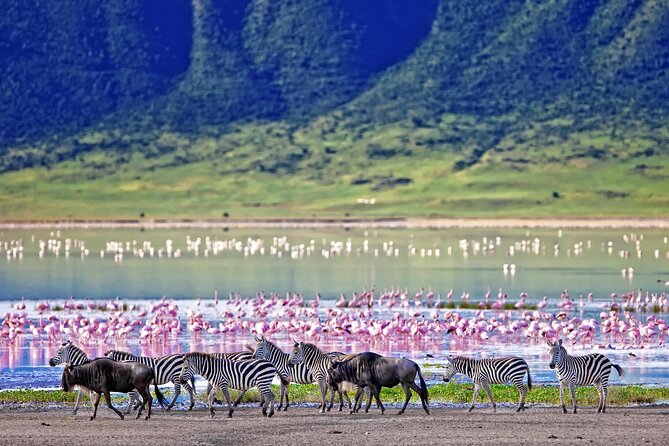
The route then drops into the crater for a full game drive. The change from rim to floor is part of the drama, as you move from a broad high viewpoint into a working wildlife area with grassland and water.
Inside, the guide’s role matters greatly. A good guide does more than point at an animal. You want someone who can help you identify species, explain behavior, watch the road ahead, and make sensible decisions when several vehicles gather near a sighting.
The guides named in past feedback include Ally, Brian, Assad, and Philemon. Shebbie was also praised for organizing transport and communication, while Glory and Brenda handled a pre-trip briefing for one couple. These names do not guarantee who will lead your outing, but they show the value of confirming your guide and asking questions during the briefing.
The vehicle is shared, with a maximum of seven people. That is not a private safari, so you will not control every stop. Still, seven is a manageable number. You have a better chance of seeing through an open window or raised roof than you would on a large bus, and a smaller group usually makes it easier to discuss sightings with the guide.
A few more options to weigh up in Arusha
- Tanzania Classic – 7 Days
★ 5.0 · 1,151 reviews - 4 Days Group Camping Safari
★ 5.0 · 1,101 reviews - 5 Days Group Camping Safari
★ 5.0 · 730 reviews - Materuni Waterfalls, coffee tour & Kikuletwa Hot Springs
★ 5.0 · 643 reviews
Lake Magadi and the flamingos
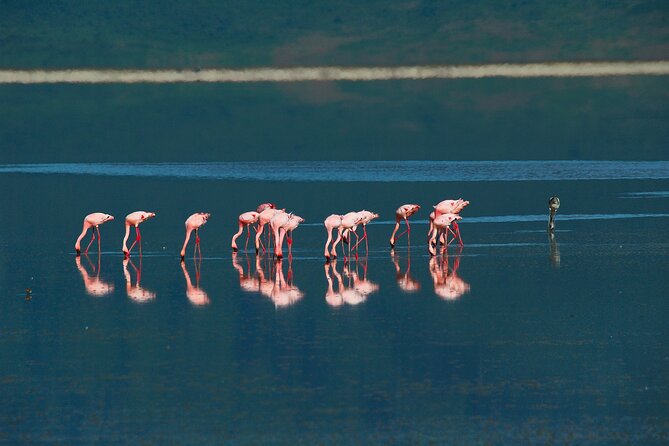
Lake Magadi is a shallow soda lake on the crater floor. Flamingos are drawn to its waters, creating one of the day’s most photogenic stops.
The birds may be spread out or gathered in larger groups. You might see them wading through the shallows, feeding, or standing in the water. The lake also adds variety to the safari because it shifts your attention from mammals to the crater’s water system and birdlife.
The schedule gives this stop about an hour, although actual time can change with road conditions and animal sightings. If flamingos are farther from the vehicle, a camera with a useful zoom will help. You should also keep expectations sensible: the birds may be present without forming the enormous pink mass people sometimes picture.
Hippo pools and water-loving wildlife
The hippo pools offer another change of pace. Here, you can watch hippos resting in the water and interacting with one another.
Hippos are impressive at close range, but they are not always active. Much of the appeal comes from watching their heads rise, hearing their calls, and seeing how many animals share a small water area. Your guide will help you spot them and judge the safest viewing position.
This stop also breaks up the drive through grassland. A one-day safari can feel like a sequence of animal sightings, but the water stops give you a fuller sense of how the crater supports wildlife.
Lions, rhinos, buffalo, and the Big Five
The crater is one of the few places in Tanzania where you have a realistic chance of seeing black rhino. They are endangered and can be far from the road, so even a distant sighting is significant. One person specifically noted seeing rhinos at a distance, which is a useful reminder that rare wildlife is not always close enough for a perfect photograph.
Lions and buffalo are more likely highlights. Several outings saw four of the Big Five, with leopard proving the most commonly missed animal. Another successful day included all five, but that is an unusually strong result rather than something the operator can promise.
Elephants also live in the crater, while zebra, wildebeest, hyena, and other animals are regularly part of the wider mix. Cheetah and serval sightings are possible, but they are special finds. I would pay close attention to the guide’s scanning and explanations instead of focusing only on the largest animals.
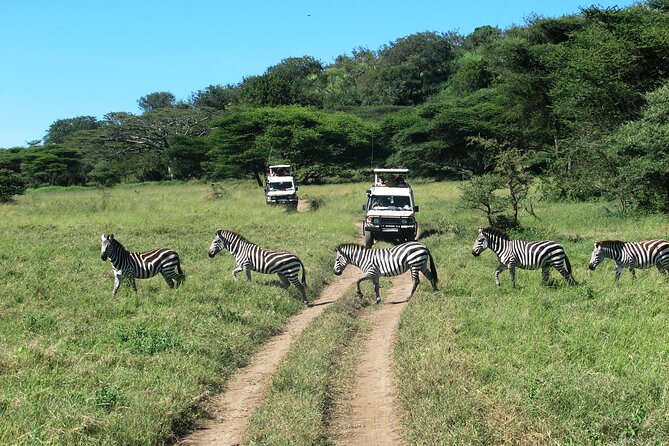
The best safari moments often arrive between headline sightings. A hyena moving through the grass, a bird of prey circling above, or a group of zebra crossing the road can make the day feel varied and alive.
Birdlife beyond the flamingos
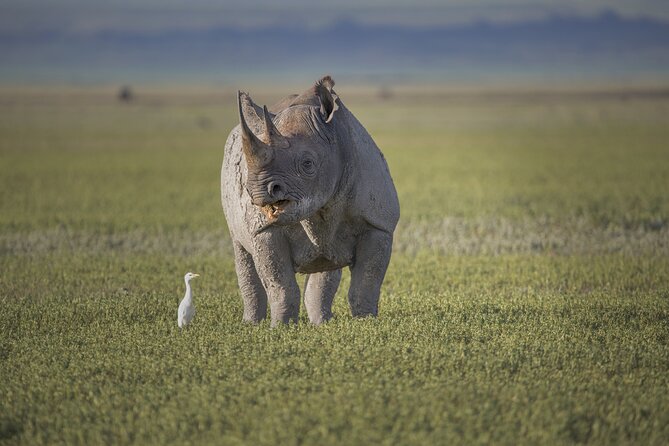
You do not need to be a dedicated birdwatcher to enjoy the crater’s birdlife. Eagles, vultures, geese, storks, and other species live around the grasslands and water.
Vultures may gather where predators have fed, while eagles can be seen above open country. Storks and geese add movement around wet areas. The guide can help identify what you are seeing, so ask questions rather than treating birds as background scenery.
This part of the trip matters because Ngorongoro is not just a Big Five destination. The mix of water, open grass, woodland, and volcanic elevation creates several habitats within a small area.
Lunch and the practical rhythm of the day
Lunch is included, usually as a picnic meal during the safari. The food received strong praise, with several people describing it as delicious or spectacular. That matters on a long outing because you do not need to leave the crater to find a meal or carry the cost of arranging one yourself.
The supplied details specifically include lunch, not dinner. Some past outings also included breakfast, but I would confirm that directly because it is not listed among the standard inclusions.
A picnic meal also gives you a natural pause between game-drive periods. Use it to stretch, drink water, and organize your camera before the afternoon sightings. Keep your food secure and follow the guide’s instructions around wildlife.
Scenic stops and the Maasai connection
The crater’s scenery is one of the strongest reasons to take this trip even if animal sightings are modest. You move through lush grasslands, acacia forest, open savannah, and dramatic volcanic views. Every section has a different look, and the rim viewpoint helps tie it all together.
The itinerary also allows for contact with Maasai communities in the Ngorongoro Conservation Area. You may learn about Maasai traditions, daily life, and the long relationship between people and wildlife in the region.
The wording matters here: you may encounter Maasai communities, but the schedule does not promise a formal village visit or cultural performance. If this is important to you, ask exactly what kind of cultural contact is planned. A respectful encounter should leave room for local choice and avoid reducing a living community to a quick photo stop.
What the $300 price covers
At $300 per person, this is not a cheap day out. The price is easier to judge when you consider what is included: park and other fees, lunch, the listed activities, and a professional driver-guide.
A shared vehicle with up to seven people also helps keep the price below a private safari. The value is strongest if you have only one day available and want a guided visit without arranging entry fees, transport, food, and a crater game drive separately.
The cost is less attractive if you are already planning several safari days elsewhere. In that case, a one-day trip adds a long round trip from Arusha and only a limited amount of time inside the crater. You are paying for access to a remarkable place, but also for the transport needed to reach it.
The operator has also been praised for competitive pricing and quick arrangements, including bookings made only a day ahead. That flexibility is useful, but I would not rely on a last-minute booking if your schedule is tight or your flight connection is important.
The return to Arusha and airport-transfer warning
After the game drive, the vehicle ascends from the crater and returns toward Arusha. The itinerary says airport drop-off can be offered, while the exclusions say round-trip airport transfer is not included and the activity ends at the meeting point.
That is a real detail to settle before booking. Ask in writing whether airport drop-off is available, what it costs, and whether the stated end point is Mafao House or your airport. Do not assume it is part of the $300 price.
The return can feel long after an early start and a full game drive. Still, the format makes sense for people using Arusha as a base who want one major safari day without changing accommodation.
Who should book this safari?
I would choose this trip if you are staying in Arusha, have one free day, and want a strong chance of seeing varied wildlife in a famous setting. It also suits first-time safari visitors who want a guide, included lunch, organized transport, and a small shared group.
It is a good match for couples, small families, and solo visitors who are comfortable sharing a vehicle. The maximum of seven people keeps the group from becoming unwieldy, while the reported punctual pickups and clear WhatsApp communication add practical reassurance.
I would think twice if you dislike early mornings, long drives, or a fixed schedule. A one-day crater trip gives you a taste, not the slower pace of a multi-day safari. You also need to accept that leopards, close rhinos, and all five Big Five animals are never guaranteed.
The activity is described as suitable for most people, and confirmation is provided when you book. Because the payment is non-refundable and changes are not allowed, only commit once your date, pickup point, and onward plans are firm.
Should you book the Ngorongoro Crater day trip?
For the right schedule, yes. I like the efficient route from Arusha, the small group cap, the included lunch, and the strong chance of seeing several major species in one day. The crater rim, Lake Magadi, hippo pools, birdlife, and Maasai connection give the outing more depth than a simple drive around looking for lions.
Book it if you want one concentrated safari day and accept the long road journey. Skip it if you need a relaxed pace, guaranteed airport transport, or enough time for every sighting to unfold slowly. Before payment, confirm the pickup, return point, breakfast arrangements, guide, and airport-transfer cost. That quick check will make the $300 decision much easier.
FAQ
Where does the Ngorongoro day trip start?
The stated meeting point is Mafao House, JMGW+9J7, Arusha, Tanzania. Pickup is offered, so confirm the exact arrangement and time with the operator.
What time does the safari begin?
The planned pickup time is 6:00 am.
How long does the experience last?
The advertised duration is approximately six to eight hours. Because the route from Arusha covers about 190 kilometers and includes a full crater game drive, confirm the expected door-to-door timing before booking.
How many people can join the shared safari?
The maximum group size is seven people.
Is lunch included?
Yes. Lunch is included in the price. Dinner is not included.
Can I see the Big Five?
The crater is home to lion, leopard, buffalo, elephant, and black rhino, so you have a strong chance of seeing several of them. Sightings are not guaranteed, and leopard or close rhino encounters may be missed.
Are park fees and activities included?
Yes. All fees and taxes, along with the listed activities, are included unless an activity is specifically labeled optional.
Does the tour include airport transfer?
The details are inconsistent. The itinerary refers to an airport drop-off, while the exclusions say round-trip airport transfer is not included and the activity ends at the meeting point. Confirm availability and any extra cost directly with the operator.
Can I cancel or change the booking?
No. The experience is non-refundable and cannot be changed for any reason. Ensure your date and transport plans are settled before booking.
Just added in Arusha
- Safari “Kifaru” – 5 days in the most famous Parks in the world★ 5.0 · 4 reviews
- Saadani Day Trip★ 5.0 · 13 reviews
- 3 Days Tanzania Short and Spicy★ 5.0 · 6 reviews
- 5 Day Tanzania Safari Camping Adventure Private Tour★ 5.0 · 2 reviews
- Day Trip to Ngorongoro Crater from Arusha★ 5.0 · 1 review
- SERENGETI NATIONAL PARK Tour★ 4.5 · 5 reviews
- 3 Days Serengeti Park & Ngorongoro Crater Adventure Safari★ 5.0 · 8 reviews
- 6 Days Tanzania Bush Experience Safari★ 5.0 · 6 reviews
Serengeti & Ngorongoro Safaris, compared.
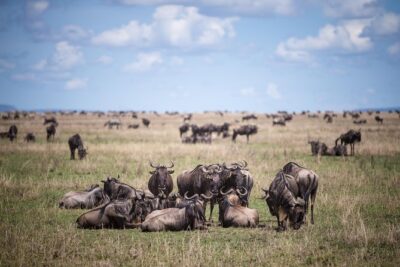
Serengeti Balloon Safari and authentic bush breakfast
Read our review →
Balloon Safari & Bush Breakfast in Serengeti – Miracle Experience
Read our review →
3 Days Serengeti & Ngorongoro Group Camping Safari
Read our review →
5-Day Highlights mid-Range Crater, Serengeti, Tarangire
Read our review →

Private 6-Day Tarangire Manyara Crater and Serengeti with Mid-Range Lodges
Read our review →
5 Days Camping Tarangire, Serengeti & Ngorongoro crater & Visiting Maasai
Read our review →Browse the lists this tour appears in