Reviewed · ARUSHA TOURS
Off the Beaten Track Safari in Arusha Tanzania
Big wildlife, long drives, real variety. This seven-day Tanzania safari links Tarangire, the Serengeti, Ngorongoro Crater, and Lake Manyara, with the chance to add a walking or night safari near Ikoma. I like the wide mix of parks and the chance to see the Big Five early, and I like that guides such as Mustapha, Martin, and Marck are named in the trip feedback. The main drawback is that the schedule is ambitious, with several long days and a few details that need confirming before you pay.
This is a private-style safari operated by Tanzania Wildlife Adventures, starting and ending in the Arusha area. The published price is $2,500 per group, but the information gives two different group limits: up to 15 people in the price summary and a maximum of six in the additional details. Ask the company to clarify the vehicle size, final group limit, and exact lodging before booking.
In This Review
- Key points to know before booking
- Starting in Arusha with a soft landing
- Day 2: Tarangire and the great elephant country
- Day 3: Olduvai Gorge on the way to the Serengeti
- Day 4: A full Serengeti day, with an optional night or walking safari
- Day 5: Ngorongoro Crater and a very full day
- Day 6: Lake Manyara, birds, monkeys, and tree-climbing lions
- Guides, vehicles, and the value of the human side
- What $2,500 per group really buys you
- Who should choose this safari
- Booking decision
- FAQ
- How long does the safari last?
- Where does the safari start?
- Which national parks are included?
- Is Olduvai Gorge included?
- Is a walking safari included?
- What meals are included?
- Can I cancel for a full refund?
Key points to know before booking
- Four major wildlife areas: You visit Tarangire, Serengeti National Park, Ngorongoro Crater, and Lake Manyara in one week.
- Strong guide praise: Marck, Mustapha, and Martin are specifically connected with memorable wildlife encounters and well-run trips.
- Big Five potential: One account describes seeing all five within the first two days, though wildlife sightings can never be promised.
- Ikoma option: A walking or night safari is possible, and the wider trip description highlights a walking safari around Ikoma Wild Camp.
- Long safari days: Ngorongoro is listed as a 12-hour day, so this suits you if you are comfortable with early starts and extended time in the vehicle.
- Price details need checking: The $2,500 group price sounds attractive, but the stated group size and exact inclusions should be confirmed in writing.
Starting in Arusha with a soft landing
Your safari begins with pickup at Kilimanjaro Airport. A Tanzania Wildlife Adventures driver is scheduled to meet you with a sign showing your name, then transfer you to Springlands Hotel.
That first night is useful rather than merely decorative. After an international flight, you get a meal, a pre-safari briefing, and time to settle into a hotel with a swimming pool, garden, bar, and restaurant. I like this setup because it gives you a buffer before the serious driving begins.
The stated start time is 9:00 a.m., but your airport arrival and transfer should be confirmed directly with the company. The first day is listed as roughly seven hours, although much of that appears to include airport pickup, hotel arrival, food, and briefing rather than wildlife viewing.
Springlands Hotel is also used at the end of the trip. That creates a familiar base before your flight home, though you should confirm whether the final night is included or simply used for the transfer arrangement.
A few more options to weigh up in Arusha
- Balloon Safari & Bush Breakfast in Serengeti – Miracle Experience
★ 5.0 · 1,646 reviews - Tanzania Classic – 7 Days
★ 5.0 · 1,151 reviews - 4 Days Group Camping Safari
★ 5.0 · 1,101 reviews
Day 2: Tarangire and the great elephant country
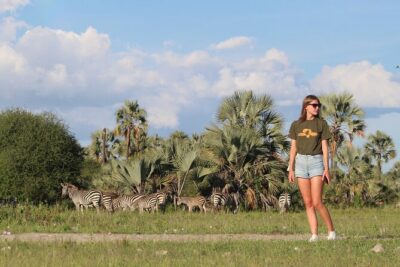
After breakfast, you head to Tarangire National Park. The park is especially rewarding during the dry season, when wildlife gathers around the permanent waters of the Tarangire River.
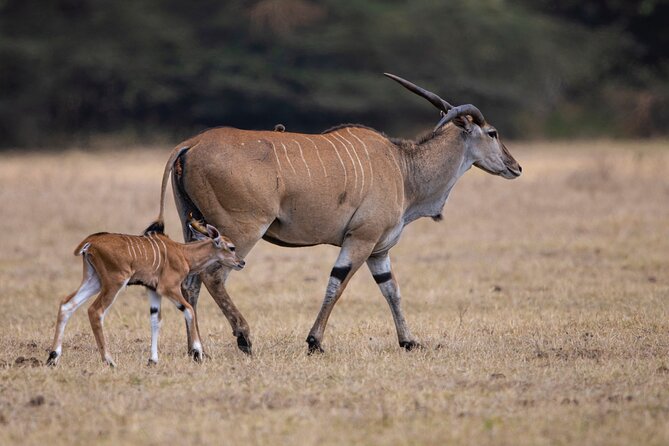
This is a good first park because it can offer plenty of action without waiting several days for the Serengeti. The itinerary highlights wildebeest, zebra, elephant, eland, and oryx. Large herds gather here when other water sources shrink, then move toward better grazing areas after the rains.
The first day of game viewing is scheduled for about eight hours. That gives you a full safari outing, but you should expect a long day in the vehicle. Tarangire is not a quick roadside stop. Its appeal comes from patience, open views, and the chance to watch animals gather around water.
You spend the night at Highview Coffee Lodge or a similar property. The wording or similar matters. If the hotel is important to you, ask for the confirmed property, room arrangement, and meal plan before departure.
One particularly encouraging detail comes from the trip feedback: Marck is credited with helping create numerous wildlife encounters, with one party seeing the Big Five within the first two days in Tarangire and the surrounding parks. That is an excellent result, but it is best treated as a lucky possibility rather than a promise.
Day 3: Olduvai Gorge on the way to the Serengeti
The drive to Serengeti National Park takes about three to four hours by way of Olduvai Gorge. The archaeological site is connected with some of the earliest human fossils and sits in an area shaped by the same tectonic forces that formed the Great Rift Valley.
The stop is optional and listed at about 15 minutes. That is enough for a quick look and a short explanation, but not enough for a full museum visit or extended archaeological program. I would treat it as a useful pause during the transfer rather than the main event of the day.
The Serengeti itself is the major prize. Your first game drive comes as you enter the park, so the transfer is not simply dead time. Wildlife viewing begins while you move toward your lodge.
You stay at Serengeti Safari Lodge or a similar property. The itinerary lists about seven hours for the day. That figure may include the drive, Olduvai stop, park entry, and game viewing, so ask how much time is planned inside the park itself.
This part of the trip works well for you if you want the classic Serengeti experience without flying between parks. The tradeoff is clear: road travel gives you more time in the countryside and keeps the package price lower than a fly-in safari, but it also means more hours on the road.
Day 4: A full Serengeti day, with an optional night or walking safari
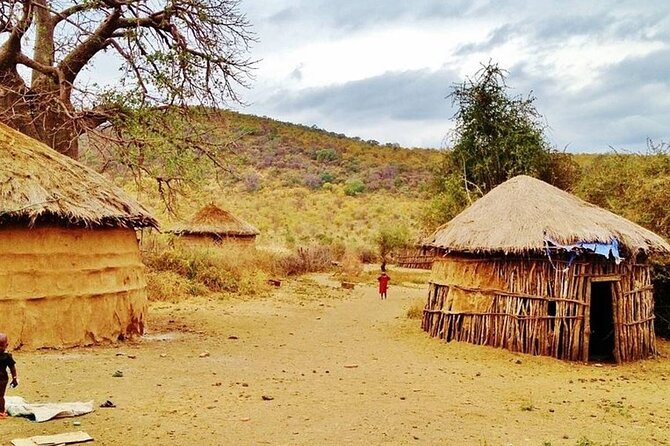
Day four is the heart of the trip. After breakfast, you spend another full day exploring Serengeti National Park with a picnic lunch.
The Serengeti is valued for its huge open spaces and large concentration of animals. You may see many familiar African species here, but the experience is not just a checklist. The time spent moving slowly through the park gives your guide a chance to respond to fresh sightings and changing animal activity.
The schedule lists about eight hours. That is enough for a substantial game drive, especially with lunch carried along. It also means you should prepare for heat, dust, and long stretches of sitting. Comfortable clothing, sun protection, and a refillable water bottle will make the day easier, though the supplied information does not specify what water or equipment is provided.
A walking or night safari is available as an option. The wider trip description also places special emphasis on a walking safari around Ikoma Wild Camp, described as a way to get close to the wilderness. These details do not fully explain whether the Ikoma walk replaces part of the Serengeti day, requires an added fee, or is available on every departure.
That is one of the most important questions to ask. If walking is the reason you are considering this safari, get the exact location, duration, cost, safety arrangements, and age requirements in writing. The regular vehicle safari and the optional walk are different experiences and should not be treated as the same product.
The second night at Serengeti Safari Lodge or a similar property keeps you inside the park area. The company says some lodging is inside parks and some is outside, so your exact overnight location can affect both comfort and the next day’s drive.
A different kind of day out entirely:
- 5 Days Group Camping Safari
★ 5.0 · 730 reviews - Materuni Waterfalls, coffee tour & Kikuletwa Hot Springs
★ 5.0 · 643 reviews - 3 Days Serengeti & Ngorongoro Group Camping Safari
★ 5.0 · 574 reviews - 7-Day Premium Luxury Tanzania Safari All-Inclusive
★ 5.0 · 426 reviews
Day 5: Ngorongoro Crater and a very full day
After breakfast, you drive toward Ngorongoro Crater for a game drive inside the crater. The day is listed at approximately 12 hours, making it the longest and most demanding part of the schedule.
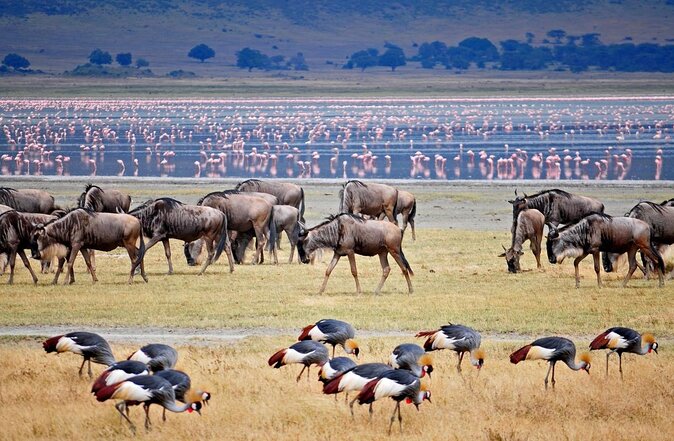
The crater is famous for its dense concentration of wildlife. The planned sightings include black rhinos, lions, flamingos, water birds, leopard, cheetah, hyena, antelope, and small mammals. No safari can guarantee every animal, but the crater gives you a strong chance to see several species in a compact area.
This is also where the schedule deserves a careful look. A 12-hour day may include the drive from the Serengeti area, the descent into the crater, game viewing, lunch, and the onward journey to Highview Coffee Lodge or a similar hotel. You should ask how much time is actually spent on the crater floor.
The crater day is valuable because it contrasts with the Serengeti. Instead of broad open plains, you get a more contained wildlife setting with water, grass, and steep crater walls around you. It is also a demanding transfer day, so anyone who dislikes long vehicle rides should consider that before booking.
Overnight accommodation is again listed as Highview Coffee Lodge or similar. The repeated use of similar properties gives the operator flexibility, but it leaves you without a firm hotel list until closer to departure.
Day 6: Lake Manyara, birds, monkeys, and tree-climbing lions
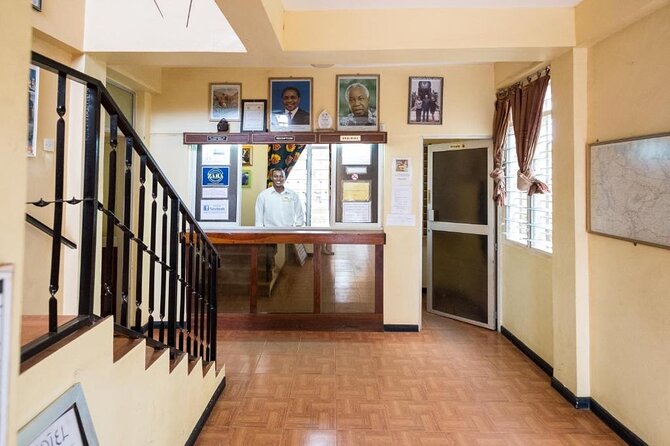
After breakfast, you leave camp for Lake Manyara National Park, near the Rift Valley. The park packs several types of habitat into a relatively small area: acacia woodland, grassy plains, swamp, delta, and the lake itself.
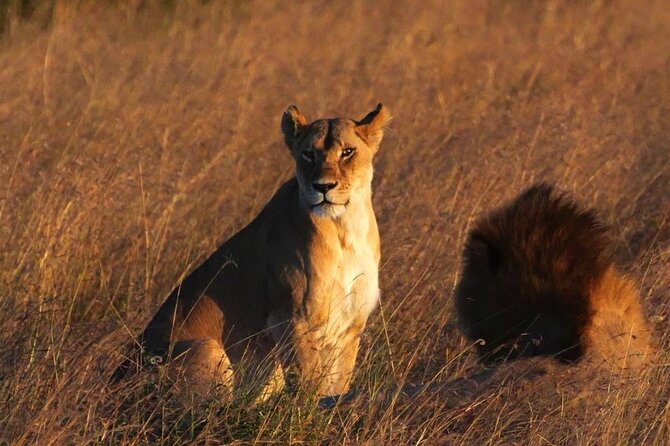
That mix explains the species list. You may see buffalo, impala, giraffe, warthogs, hippos, elephants, many bird species, and monkeys. Lake Manyara is also associated with rare tree-climbing lions, though sightings are never certain.
I like this final park because it changes the rhythm of the safari. After the wide Serengeti and concentrated Ngorongoro Crater, Manyara brings more vegetation, water, birds, and smaller encounters. It is a good reminder that Tanzania’s wildlife is not only about big cats and elephants.
The day is scheduled for about seven hours, followed by an overnight at Springlands Hotel or a similar property. Since the next day is an airport transfer, this return to the Arusha area gives you a practical final night.
The main limitation is time. Lake Manyara comes after several demanding days, and some of your energy may be going toward the return journey. Still, it is a worthwhile addition if you want four different park settings in one itinerary.
Guides, vehicles, and the value of the human side
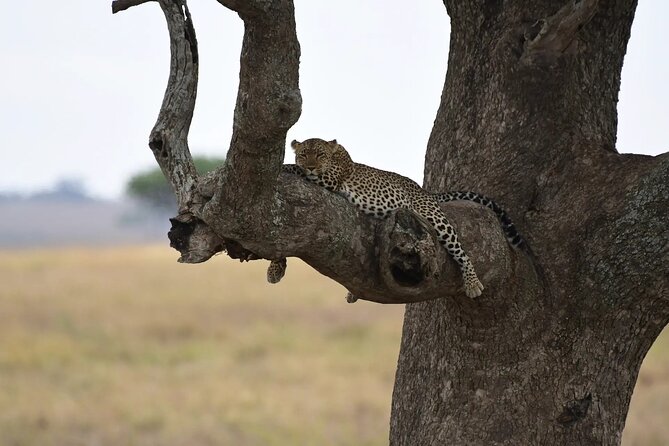
The strongest part of this trip appears to be its guiding. Marck is associated with frequent wildlife encounters and an early Big Five sighting. Mustapha is praised for turning a well-planned trip into a strong adventure, while Martin is linked with a four-day exploration around Ikoma and a less-used section near the Serengeti.
Those names matter because a safari guide shapes your day. The guide decides how long to stay at a sighting, explains animal behavior, manages the timing of meals, and helps make long drives more useful. The trip information also emphasizes experienced guides, long working days, and safety.
You should still request the name of your assigned guide if possible. The company may not be able to guarantee a particular person, but knowing the guide’s experience and language ability is a fair question.
The vehicle is another practical concern. One family account specifically praises having a good vehicle and an excellent guide. That is important on a seven-day road safari, where comfort and reliability affect every park visit.
The information says most people can participate, but it does not give detailed mobility guidance. If you have physical limitations, ask about vehicle access, walking distances, crater conditions, and the optional Ikoma activity.
What $2,500 per group really buys you
At $2,500 per group, the price may be good value if the group is small and the listed inclusions apply as expected. The package includes taxes and fees, six breakfasts, six lunches, and five dinners. It also includes pickup, hotel nights, transport between parks, and the safari program, based on the supplied details.
The price does not include insurance, international flights, or local flights. Since the trip is designed around road travel, avoiding local flights may help keep the overall budget under control.
The group-size information needs attention. One part says the price covers up to 15 people, while another says the activity has a maximum of six. Those are very different safari experiences. Six people in a vehicle usually gives you more room and a better chance of finding a comfortable viewing position. A group of 15 would require a very different transport arrangement.
Before booking, ask these questions:
- Is $2,500 the total cost for the entire group or a per-person price?
- Is the maximum group size six or 15?
- Which hotels are confirmed?
- Is the Ikoma walking safari included or optional at extra cost?
- Are park fees, guide costs, vehicle costs, and meals all included?
- How much time is spent inside each park?
The answers will tell you whether the price is excellent value or simply an attractive starting figure.
Who should choose this safari
I would recommend this trip to you if you want a broad first look at northern Tanzania and prefer road travel to internal flights. It suits people who want famous parks, a chance at the Big Five, and an optional walking or night activity without arranging every transfer themselves.
It also fits families and small groups who value a dedicated guide and a planned route. The family trip feedback points to careful organization, a good vehicle, and a well-arranged schedule. Those are exactly the basics that matter when you are moving between several parks.
You should think twice if you want a slow, luxurious safari with late mornings and short transfers. The route covers a lot of ground. The 12-hour Ngorongoro day and repeated seven to eight-hour outings require stamina.
This may also be the wrong choice if the walking safari is your central goal and the operator cannot confirm its details. The walking component is appealing, but the information does not make clear how it fits into the main six-night route.
Booking decision
I would book this safari if the company confirms a small group, a reliable vehicle, the named or similarly experienced guide, and the exact Ikoma arrangements. The combination of Tarangire, Serengeti, Ngorongoro Crater, and Lake Manyara gives you excellent geographic variety in one week.
I would not pay until the group-size contradiction and hotel substitutions are cleared up. If you are happy with long days and road transfers, this looks like a strong-value introduction to Tanzania, with the best added touch being the chance to step beyond the usual vehicle-only safari.
FAQ
How long does the safari last?
The trip lasts approximately seven days, beginning with arrival and hotel transfer in Arusha and ending with an airport transfer on day seven.
Where does the safari start?
The activity starts in Arusha, Tanzania. Pickup is offered, including a scheduled airport pickup at Kilimanjaro Airport.
Which national parks are included?
The route includes Tarangire National Park, Serengeti National Park, Ngorongoro Crater, and Lake Manyara National Park.
Is Olduvai Gorge included?
The route passes through Olduvai Gorge, but the listed 15-minute stop is optional.
Is a walking safari included?
A walking or night safari is listed as a possible option on the Serengeti day. The trip description also highlights walking around Ikoma Wild Camp, but the supplied details do not confirm whether this is included in the $2,500 price.
What meals are included?
The package includes six breakfasts, six lunches, and five dinners, as well as all fees and taxes.
Can I cancel for a full refund?
Yes. You can receive a full refund if you cancel at least 24 hours before the experience start time. Cancellations or changes made within 24 hours are not accepted for a refund.
Just added in Arusha
- Safari “Kifaru” – 5 days in the most famous Parks in the world★ 5.0 · 4 reviews
- Saadani Day Trip★ 5.0 · 13 reviews
- 3 Days Tanzania Short and Spicy★ 5.0 · 6 reviews
- 5 Day Tanzania Safari Camping Adventure Private Tour★ 5.0 · 2 reviews
- Day Trip to Ngorongoro Crater from Arusha★ 5.0 · 1 review
- SERENGETI NATIONAL PARK Tour★ 4.5 · 5 reviews
- 3 Days Serengeti Park & Ngorongoro Crater Adventure Safari★ 5.0 · 8 reviews
- 6 Days Tanzania Bush Experience Safari★ 5.0 · 6 reviews
Arusha Tours, compared.
Balloon Safari & Bush Breakfast in Serengeti – Miracle Experience
Read our review →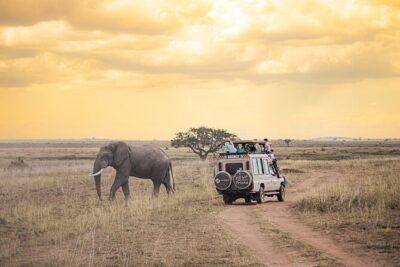
Materuni Waterfalls, coffee tour & Kikuletwa Hot Springs
Read our review →
3 Days Serengeti & Ngorongoro Group Camping Safari
Read our review →
7-Day Premium Luxury Tanzania Safari All-Inclusive
Read our review →