
Reviewed · STONE TOWN TOURS
Private Guided Walking Tour in Stone Town
Stone Town rewards curious walkers. This private tour links Zanzibar’s hardest stories with its palaces, churches, markets, and seafront, giving you a useful first look at the old city. I especially like the private format, which lets your group set the pace, and the mix of major landmarks with everyday places such as Darajani Bazaar. The main drawback is timing: fitting this many stops into two to three hours may leave some visits feeling brief.
The tour begins at 8:00 am at the former slave-market site and ends there. I also like that bottled water, admission fees at several stops, and a guide are included for $35 per person. Plan for an extra $10 to enter the Freddie Mercury Museum, and remember that lunch and tips are not covered.
In This Review
- Key points to know before booking
- Why this private Stone Town walk works well
- Starting with the Old Slave Market and Anglican Cathedral
- The Old Fort in a quick 15-minute visit
- Royal Zanzibar at the People’s Palace Museum
- The House of Wonders and Stone Town’s waterfront
- Darajani Bazaar for daily life and local color
- Forodhani Gardens and the food of Zanzibar
- Freddie Mercury’s Zanzibar connection
- Tippu Tip House and the difficult side of commerce
- St. Joseph’s Cathedral and French missionary design
- Sunset views from the Africa House Hotel
- Hamamni Persian Baths and the final chapter
- Guide quality, language, and the private format
- What the $35 price includes
- Who should book this Stone Town experience?
- FAQ
- How much does the private Stone Town walking tour cost?
- How long does the tour last?
- What time does the tour begin?
- Where does the tour start and finish?
- Is the tour private?
- Is the Freddie Mercury Museum entrance included?
- Can I cancel for a full refund?
- Should you book it?
Key points to know before booking
- The tour confronts Zanzibar’s past first: You begin at the Old Slave Market and Anglican Cathedral, where the subject matter is serious and emotionally demanding.
- A private guide changes the pace: Only your group takes part, so you can ask questions and spend more time where your interests lie.
- The route covers many sides of Stone Town: You move from slave-trade history and Omani rule to royal life, Catholic architecture, food markets, music, and waterfront views.
- Freddie Mercury’s museum costs extra: The entrance fee is $10 per person and is not included in the tour price.
- Several stops are short: The listed visits often last 10 to 15 minutes, making this a broad introduction rather than a slow museum tour.
- Steph receives the strongest personal praise: He is described as helpful, honest, flexible, and able to speak English and German. Ask when booking if he will be your guide.
Why this private Stone Town walk works well
Stone Town can feel confusing at first. Narrow lanes twist between carved doors, old commercial buildings, religious sites, and open squares, and it is not always obvious what you are looking at. A private walking tour gives you a clear route and someone to explain how the pieces fit together.
At $35 per person, the price is reasonable if you value context and convenience. You are paying for a private guide, bottled water, taxes, and included admission at several sites. The value becomes stronger for a small group, since you are not sharing the guide’s attention with a large crowd.
The route is ambitious. The scheduled stops total roughly two and a half hours, not counting the time spent walking between them or the unlisted duration at Tippu Tip House. That explains the advertised two to three-hour range, but it also means you should not expect lengthy museum visits.
I would treat this as an orientation walk. It introduces the main corners of Stone Town and helps you decide which places deserve a longer return visit. If you want a single palace or museum explored in detail, this pace may feel rushed.
More Walking Tours in Zanzibar
- Stone Town Private Walking Tour
★ 5.0 · 371 reviews - Zanzibar: 3 Hours Private Stone Town walking Tour with Guide
★ 4.6 · 301 reviews - Zanzibar: Stone Town Historical Cultural Walking Guided Tour
★ 4.5 · 179 reviews
Starting with the Old Slave Market and Anglican Cathedral
The first stop is the former slave market and the Anglican Cathedral of Christ. This is the most serious part of the morning, and beginning here gives the rest of the tour a necessary historical frame.
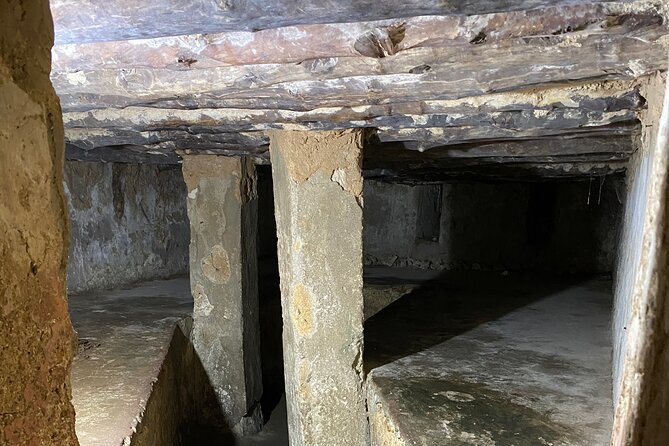
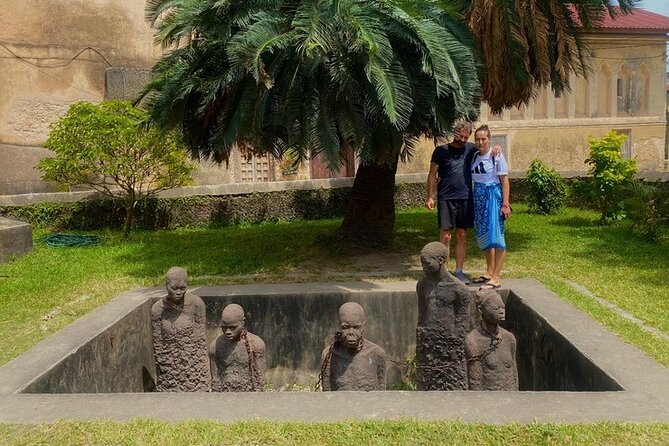
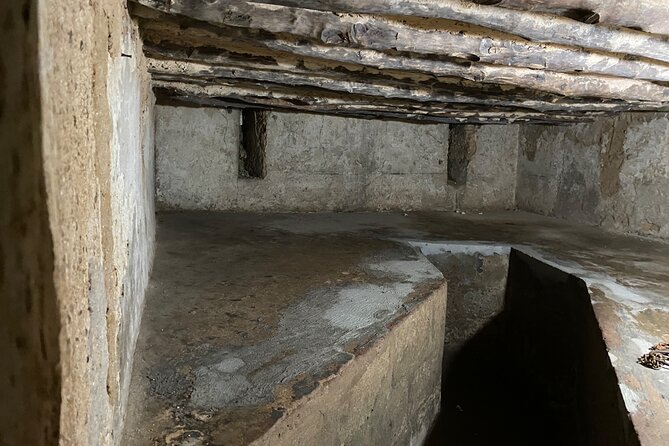
The old market site includes underground chambers and a memorial monument. These spaces point to the suffering of enslaved people and the role Zanzibar played in the Indian Ocean slave trade. You should expect a quiet, reflective visit rather than a light sightseeing stop.
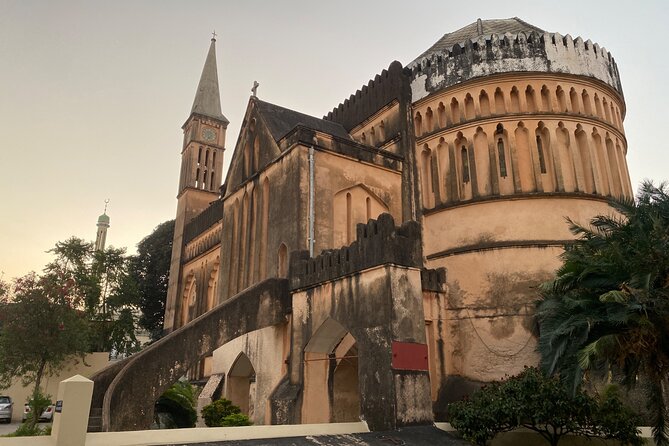
The cathedral was built on the site of the former whipping post. Its Gothic and Islamic architectural elements reflect the island’s mix of outside influences, while the building itself represents abolition and a different future. The nearby memorial garden, dedicated to David Livingstone, adds another layer to the visit.
About 30 minutes is allotted here, and that is helpful. You have enough time to see the main areas and listen to an explanation without treating the subject as a quick photo stop. Wear comfortable shoes, since the tour begins on foot and continues through Stone Town’s lanes.
The Old Fort in a quick 15-minute visit
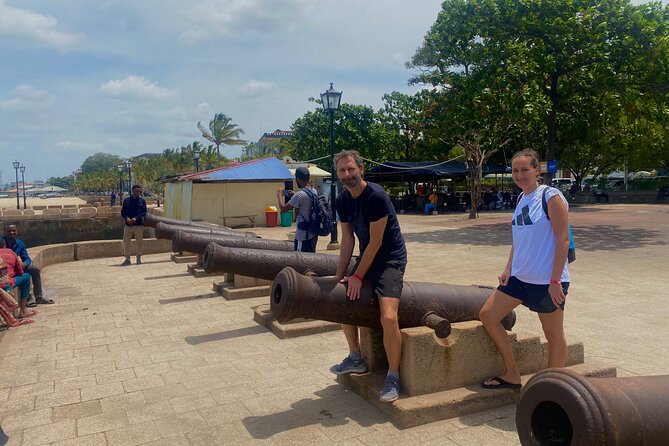
Ngome Kongwe, or the Old Fort, was built by the Omanis in the 17th century as a defensive stronghold. Its thick walls and towers are a sharp contrast to the more decorative buildings nearby.
Today, the fort contains a cultural center and amphitheater. Exhibitions, performances, and markets may occupy the inner spaces, while the ramparts offer views over the town. The site also helps you see how Arab, Persian, Indian, and European influences met in Zanzibar.
The planned 15-minute stop is enough to get the layout and major story, but not enough for a slow examination of every exhibit. I would focus on the fort’s structure and ask your guide how it changed from military post to public cultural space.
Because this is a private tour, you can use the time according to your interests. History fans may want to linger, while anyone trying to keep the full route on schedule may prefer a quick circuit.
Royal Zanzibar at the People’s Palace Museum
The People’s Palace Museum occupies the former palace of Zanzibar’s sultans. Inside, you can see furniture, ceremonial objects, and rooms connected with the ruling family, including the harem and throne room.
The palace offers a useful counterpoint to the Old Slave Market. Here, the focus shifts to court life, diplomacy, trade, and the status of Zanzibar as an important Indian Ocean center. Persian design influences appear alongside Swahili features, showing that the island’s culture was shaped by several worlds at once.
Admission is listed as free, and only 10 minutes is scheduled. That is a very short visit for a former palace. You will get an introduction, but you may not have time to study every object or room.
If the palace interests you most, tell the guide early in the walk. The private arrangement gives you a better chance of adjusting the balance, though spending extra time here could mean shortening another stop.
More Stone Town walking tours:
- Zanzibar: Stone Town, Spice Tour, Prison Island with Lunch
★ 4.4 · 1,219 reviews - Zanzibar: Prison Island, Stone Town, & Spice Farm Tour
★ 4.5 · 579 reviews - Zanzibar: Stone Town, Spice tour & Prison Island with Lunch
★ 4.6 · 453 reviews - Full-Day Private Stone Town +Spice Farm and Prison Island Tour
★ 4.5 · 216 reviews
The House of Wonders and Stone Town’s waterfront
The House of Wonders, known locally as Beit-al-Ajaib, is one of Stone Town’s most recognizable buildings. It was built in the late 19th century and became known for modern features that were unusual in Zanzibar at the time, including electricity and an elevator.
The building houses the Museum of Zanzibar and Swahili Culture. Displays cover the island’s past, maritime connections, and local traditions, with artifacts, photographs, and models helping to explain Zanzibar’s role as a trading center.
The building itself is part of the attraction. Its colonial design faces the waterfront, and the rooftop terrace is described as offering views across Stone Town and the Indian Ocean. The tour allows about 15 minutes and lists admission as free.
Again, that is enough for a quick look, not a full museum visit. The House of Wonders is a good place to ask your guide for a concise explanation of the building’s importance before moving on.
Darajani Bazaar for daily life and local color
Darajani Bazaar is where the tour shifts from grand buildings to ordinary commerce. Stalls carry fresh produce, seafood, spices, and local crafts, and the market offers a direct look at how people shop and meet in central Stone Town.
The smells and sounds are part of the experience. You might see vendors arranging produce, examine piles of spices, or encounter seafood being sold for local meals. The setting is active and crowded by nature, so keep your belongings secure and stay close to your guide.
Fifteen minutes gives you a quick taste of the market. It is not enough for a relaxed shopping trip or serious bargaining, but it can show you where daily life happens beyond the postcard streets.
I like this stop because it keeps the tour from becoming a parade of monuments. Ask about the spices and foods you see, especially if you plan to eat local dishes later in your stay.
Forodhani Gardens and the food of Zanzibar
Forodhani Gardens sits along the waterfront and is best known for its evening food market. Stalls serve grilled seafood, samosas, Zanzibar pizza, and sugarcane juice, with the Indian Ocean providing the backdrop.
The tour includes about 15 minutes here. Since the walk starts at 8:00 am, you will not experience the gardens at their busiest evening-food hour. You can still see the setting and hear how the area changes later in the day, but this is more of an orientation stop than a meal.
Lunch is not included, so you will need to arrange food separately. Forodhani Gardens may be worth returning to at night if you want to sample local dishes, but the tour itself does not promise an evening visit or a meal.
This is also a good place to ask your guide for practical food advice. Local guidance can help you understand what is being served and how to approach the stalls with confidence.
Freddie Mercury’s Zanzibar connection
The Freddie Mercury Museum occupies the singer’s former residence and focuses on his childhood connection to Zanzibar, his career, and his lasting place in popular music.
For Queen fans, this may be the most personal stop on the route. It links an internationally known musician to the streets and culture of the island where he was born. Exhibits include photographs, memorabilia, and personal items.
The entrance fee is not included and costs $10 per person. The planned visit is 15 minutes, so think of it as a compact tribute rather than a large museum experience.
If Freddie Mercury is a major reason you want to visit Stone Town, you may want to ask whether additional time is possible. The tour has many stops, and a quarter hour can pass quickly once you begin looking at the displays.
Tippu Tip House and the difficult side of commerce
Tippu Tip House was once the home of Tippu Tip, a 19th-century slave trader and explorer. The building also gives you a chance to see Swahili architectural features from that period.
This stop matters because it connects personal wealth and domestic life with the wider commercial networks that shaped Zanzibar. It is not simply an attractive old house. Its association with the slave trade requires the same care and thoughtfulness as the opening visit.
No visit length or admission information is provided for Tippu Tip House, so confirm the details with Afribeach Safaris before setting out. Its position in the route may also affect how tightly the morning schedule runs.
St. Joseph’s Cathedral and French missionary design
St. Joseph’s Roman Catholic Cathedral was completed in 1898 by French missionaries. Its design combines European and local influences, reflecting Zanzibar’s colonial period and its established Catholic community.
The allotted visit is 10 minutes, making this a quick architectural stop. You may have time to look at the exterior and interior details and hear the basic story of the building, but not to study it at length.
I find this stop useful because it broadens the religious picture of Stone Town. The cathedral sits within a city shaped by Islam, Christianity, Indian commerce, Omani rule, and Swahili traditions.
Sunset views from the Africa House Hotel
The Africa House began as the British Consulate in the late 19th century. It later became a hotel and restaurant while retaining its connection to the colonial era.
The 25-minute stop at the Sunset Bar is one of the longer pauses on the route. Despite the name, the tour begins in the morning, so the stop is not timed for sunset. The point is the building’s history and its position by the sea, not an evening view.
Because the stop is listed as free, you should still clarify whether you are expected to buy a drink. The supplied tour details do not include refreshments here, and lunch is specifically excluded.
Hamamni Persian Baths and the final chapter
The Hamamni Persian Baths were built in the 19th century during Omani rule and once served the city’s elite. Although they no longer operate as baths, they remain open for visitors.
The 15-minute stop offers a glimpse into the social life of wealthy residents during the Omani period. It also rounds out the tour’s architectural range, moving from a cathedral and fort to a palace, a private house, and a former bath complex.
Admission is included. Since this is near the end of a packed walk, listen for the details that explain how the baths were used rather than expecting a long, elaborate visit.
Guide quality, language, and the private format
The personal service is the strongest reason to choose this experience over a standard group walk. The group is private, and the guide stays with you throughout the route. That matters in Stone Town, where your questions may be more useful than a fixed speech.
Steph is specifically praised for being helpful, honest, kind, and flexible with schedules. He is also described as speaking English and German. Those are useful strengths if your plans include several excursions around Zanzibar, though you should confirm that Steph is assigned to your booking.
The guide is also described as willing to adjust plans and offer ideas and tips. I would use that flexibility wisely. Ask for more time at the sites that matter most to you, and be clear if you want the full route rather than a shorter walk.
What the $35 price includes
The $35 fee per person covers:
- A private guide
- Bottled water
- All fees and taxes
- Admission at the Old Slave Market and Anglican Cathedral
- Admission at the Old Fort
- Admission at Hamamni Persian Baths
Several other stops are listed as free, including the People’s Palace Museum, House of Wonders, Darajani Bazaar, Forodhani Gardens, St. Joseph’s Cathedral, and the Africa House stop. The Freddie Mercury Museum is the clear extra charge at $10 per person.
Lunch and tips are not included. I would carry enough money for food and any optional purchases at the bazaar or waterfront. Free cancellation is available if you cancel at least 24 hours before the 8:00 am start time. Changes or cancellations inside that window are not accepted for a refund.
Who should book this Stone Town experience?
I would recommend it to first-time visitors who want a strong overview of Stone Town without joining a large group. It suits couples, families, and small groups with mixed interests, since the route includes politics, religion, architecture, music, food, and local commerce.
It is also a good fit if you prefer a guide who can explain difficult subjects with care. The opening visit is not light entertainment, but it gives the rest of the morning more meaning.
I would be more cautious if you dislike fast walking or want extended time inside museums. The itinerary covers a lot, and many stops last only 10 or 15 minutes. Anyone with one main interest, such as royal history or Freddie Mercury, should ask about reshaping the route before booking.
FAQ
How much does the private Stone Town walking tour cost?
The tour costs $35 per person. All fees and taxes, bottled water, and a tour guide are included.
How long does the tour last?
The experience lasts approximately two to three hours.
What time does the tour begin?
The tour starts at 8:00 am.
Where does the tour start and finish?
It starts at the East Africa Slave Trade Exhibition, at the Slave Chambers and Cathedral Church of Christ on Tharia Street in Zanzibar. It ends back at the same meeting point.
Is the tour private?
Yes. Only your group takes part in this private activity.
Is the Freddie Mercury Museum entrance included?
No. Admission costs $10 per person and is paid separately.
Can I cancel for a full refund?
Yes, if you cancel at least 24 hours before the experience’s start time. Cancellations or changes made less than 24 hours before the start are not refunded.
Should you book it?
Book this tour if you want a private introduction to Stone Town with serious historical context, a flexible guide, and a broad route for a modest price. The strongest practical benefit is the personal attention, especially if Steph is available and his English or German language skills suit your group.
Skip it if you want slow museum visits or a relaxed food tour. With ten stops, the morning moves quickly. For most first-time visitors, though, the route offers a useful foundation: you see the city’s major stories, learn where to return, and get a feel for Zanzibar beyond the beach.
Just added in Zanzibar
- Zanzibar:Ngoma local culture workshop,The Knowledge of Ngoma★ 5.0 · 1 review
- ZANZIBAR:Mnemba island, Spice farm and Jozani Forest★ 5.0 · 1 review
- Zanzibar: Zipline Adventure At Masingini Forest★ 4.6 · 2 reviews
- Zanzibar Walking Tour: Unveiling the Secrets of Stonetown★ 4.8 · 11 reviews
- Zanzibar: Walking Spice Farm with Local Cooking Class★ 4.4 · 9 reviews
- Zanzibar: Walking Tour★ 4.0 · 1 review
- Zanzibar: Uzi Island Mangrove Kayak Tour with Guide★ 5.0 · 1 review
- Zanzibar: Unique Guided Mangrove Tour by SUP or Kayak★ 5.0 · 1 review
Stone Town Tours, compared.

Stone Town, Spice Tour, Prison Island with Lunch
Read our review →

Stone Town, Spice tour & Prison Island with Lunch
Read our review →
3 Hours Private Stone Town walking Tour with Guide
Read our review →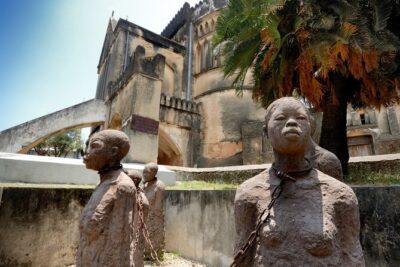
Full-Day Private Stone Town +Spice Farm and Prison Island Tour
Read our review →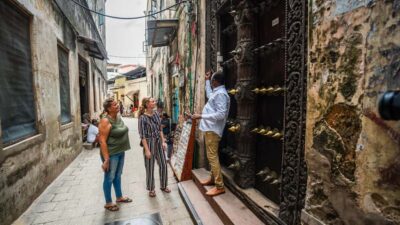
Stone Town Historical Cultural Walking Guided Tour
Read our review →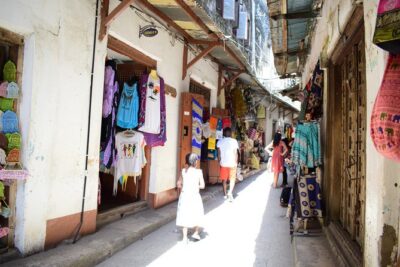
Browse the lists this tour appears in