Reviewed · ARUSHA TOURS
Safari & Culture
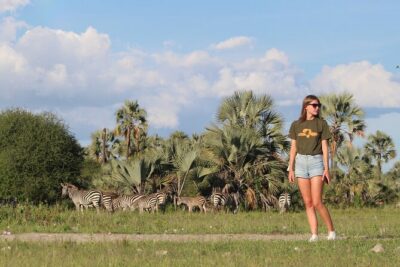
Safari meets village life here. This six-day private journey links Tarangire, Serengeti, and Ngorongoro Crater with a rare visit to the Hadzabe and Datoga communities near Lake Eyasi. I love that you get both classic wildlife viewing and a closer look at daily life beyond the national parks.
I also like the long, purposeful route. You see elephants among Tarangire’s baobabs, search for the Big Five in the Serengeti, descend into Ngorongoro, then spend time with people who hunt, make jewelry, and maintain traditions quite different from city life. The main drawback is the pace: several days include eight to ten hours on the road or in a safari vehicle.
In This Review
- Key things to know before you book
- Why this six-day route works
- Day 1: Elephants and baobabs in Tarangire
- Day 2: Crossing the highlands toward the Serengeti
- Day 3: A full Serengeti search for the Big Five
- Day 4: Descending into Ngorongoro Crater
- Day 5: Hadzabe and Datoga life near Lake Eyasi
- Day 6: Returning to Arusha
- The price: good value for the right kind of safari
- Guides, vehicle time, and practical comfort
- Who should book this safari?
- Should you book Safari & Culture?
- FAQ
- How long is the Safari & Culture tour?
- Where does the tour begin and end?
- Is this a private tour?
- Which national parks are included?
- Does the tour include a cultural experience?
- How long are the daily activities?
- Is the Ngorongoro Crater admission ticket included?
- What is the cancellation policy?
Key things to know before you book
- Tarangire is more than a first-day stop: Its baobab-filled setting and large elephant population give the safari an impressive opening.
- The Serengeti receives two full days of attention: That matters when your goal is to find lions, leopards, elephants, rhinos, and buffalo.
- Lake Eyasi adds real cultural depth: You visit Hadzabe bushmen and Datoga craftspeople rather than spending every hour inside a vehicle.
- The itinerary is private: Only your own group participates, which allows more flexibility than a large shared departure.
- The drives are substantial: Day 2 lasts about ten hours, and the schedule can feel tiring if you prefer slow travel.
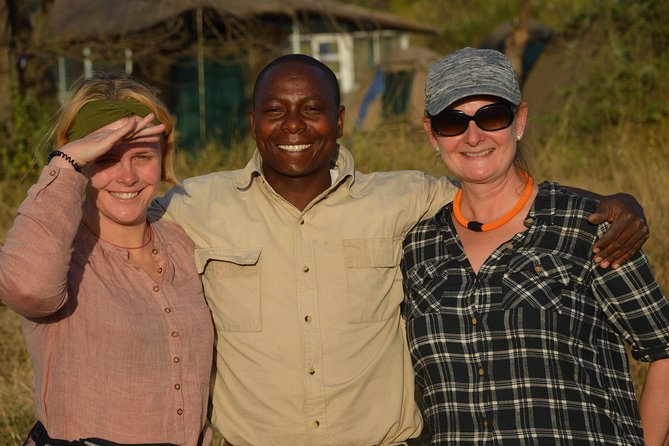
- Experienced guides are a major attraction: Joseph and Roussagé have been praised for their park knowledge, animal spotting, and careful positioning for photography.
Why this six-day route works
Northern Tanzania offers several famous parks, but fitting wildlife and culture into only six days requires firm planning. This route does that by moving in a broad circle from Arusha through Tarangire, Serengeti, Ngorongoro, and Lake Eyasi before returning to Arusha.
You are not simply checking off parks. Each area gives you a different view of Tanzania. Tarangire is known for elephants and striking trees. The Serengeti supplies the open grasslands and predator searches most people picture when they hear the word safari. Ngorongoro gathers a remarkable concentration of animals inside a volcanic caldera. Lake Eyasi shifts the focus from animals to people.
That variety is the strongest reason to consider this trip. You get the big-ticket safari scenes, but you also encounter local skills and customs that are not usually part of a standard park circuit.
The route is private, and only your group joins the activity. That should make the long drives easier to manage, since your party has more say over stops and timing than it would on a large coach tour. Still, the schedule is active rather than relaxed. You should be comfortable sitting in a safari vehicle for much of the day.
A few more options to weigh up in Arusha
- Balloon Safari & Bush Breakfast in Serengeti – Miracle Experience
★ 5.0 · 1,646 reviews - Tanzania Classic – 7 Days
★ 5.0 · 1,151 reviews - 4 Days Group Camping Safari
★ 5.0 · 1,101 reviews
Day 1: Elephants and baobabs in Tarangire
The first drive from Arusha to Tarangire takes about two to three hours. That is a manageable start, and you reach a park known for a particularly strong combination of wildlife and scenery.
Tarangire takes its name from the Tarangire River, described as the only water source available to animals in the area. The park includes nine growth zones, so the scenery changes as you move through it. You can expect savannah, acacia trees, hills, and the huge silhouettes of baobabs.
The trees can steal your attention from the animals. That is not a complaint. Tarangire has a character of its own, and the baobabs make photographs here look very different from the open grasslands of the Serengeti.
The park is especially noted for elephants, including some of the largest elephants in Tanzania. If elephants are high on your list, this opening day gives you a strong chance to see them in a setting where they are central to the experience rather than incidental background wildlife.
The planned stop lasts about eight hours, so this is a full safari day after the morning transfer. You should expect a long period in the vehicle, but the relatively short drive from Arusha helps keep the first day from becoming overwhelming.
Day 2: Crossing the highlands toward the Serengeti
After breakfast and checkout, you travel toward Serengeti National Park through the Ngorongoro highlands. This is one of the more varied road days of the tour. The route passes hilly plateaus, Maasai settlements, round huts, and grazing cattle, with zebras, wildebeest, and giraffes appearing across the savannah.
A packed lunch is provided for the journey. That detail matters because the day is scheduled for about ten hours. You are not making a quick transfer between nearby parks. You are moving into the much larger Serengeti ecosystem, and the route itself becomes part of the experience.
Serengeti comes from the Maasai word siringet, meaning the place where the land runs on forever. The name fits the park’s scale. It covers about 14,750 square kilometers, or roughly 5,700 square miles, with grasslands, savannah, riverine forests, and woodlands.
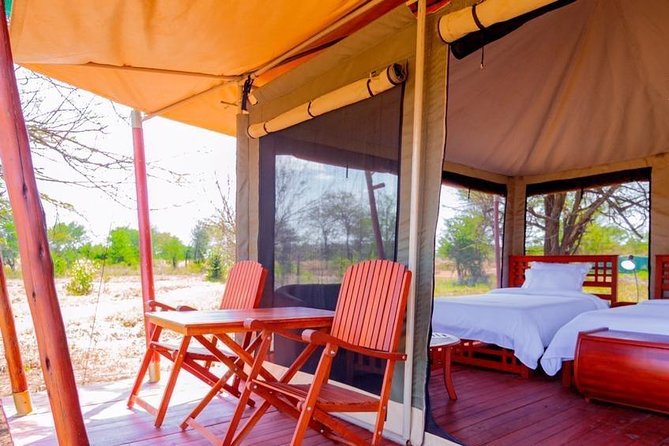
The payoff for the long drive is access to one of Africa’s best-known wildlife areas. The stated overnight stop is Dik-dik Campsite. Because camping details can vary, you should confirm exactly what bedding, meals, and bathroom facilities are included before paying.
This day will suit you if you want to see a large section of northern Tanzania in a short period. It may frustrate you if you prefer to settle into one place and spend less time on connecting roads.
Day 3: A full Serengeti search for the Big Five
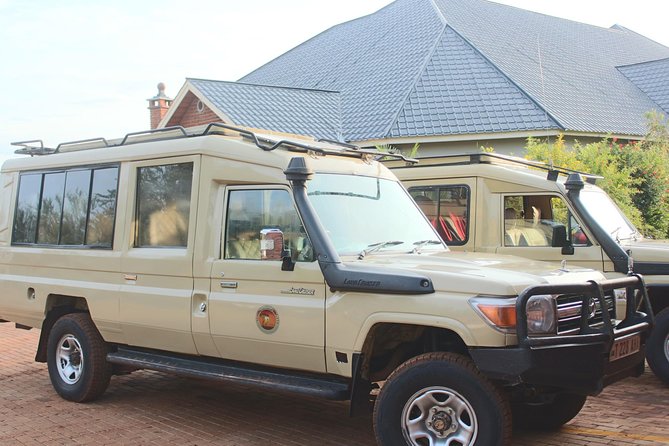
Day 3 gives you a full-day game drive in the Serengeti. That is valuable. Wildlife is unpredictable, and a longer search gives your guide more time to read the terrain and locate animals.
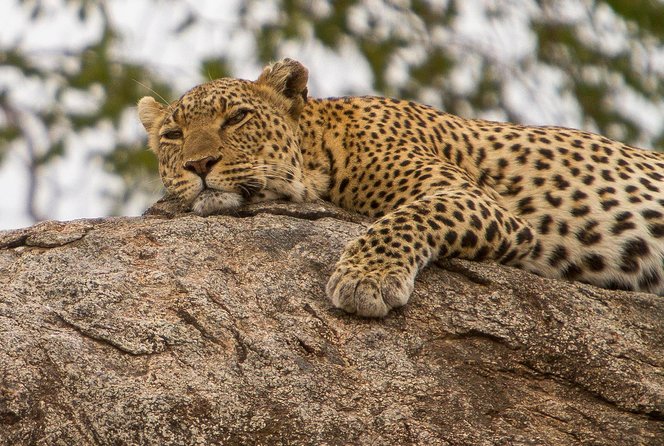
The focus is the Big Five: lion, leopard, elephant, rhino, and buffalo. Seeing all five is never something a safari can promise, so treat the list as a goal rather than a guarantee. The park also supports Thompson’s gazelles, Grant’s gazelles, topi, eland, warthogs, ostriches, eagles, and many other species.
Hippo pools add another type of encounter. You may see hippos wallowing in the water, and you may smell them before you spot them. That is a very African safari moment, and not every memorable sight has to be a lion in perfect light.
The Serengeti is described as one of the oldest ecosystems in the world. Sitting in a Land Cruiser and taking in its scale can be powerful even during a quiet stretch with no major predator sighting. The open setting gives you a sense of distance that a smaller park cannot match.
The overnight stay is at Embalakai Tented Camp. You should expect another ten-hour day, so carry water, sun protection, and anything that helps you stay comfortable during long periods of sitting. If photography matters to you, ask in advance who will guide your vehicle. Joseph has been praised for finding animals and positioning the vehicle well, while Roussagé has been praised for his knowledge of animals, birds, and plants.
A different kind of day out entirely:
- 5 Days Group Camping Safari
★ 5.0 · 730 reviews - Materuni Waterfalls, coffee tour & Kikuletwa Hot Springs
★ 5.0 · 643 reviews - 3 Days Serengeti & Ngorongoro Group Camping Safari
★ 5.0 · 574 reviews - 7-Day Premium Luxury Tanzania Safari All-Inclusive
★ 5.0 · 426 reviews
Day 4: Descending into Ngorongoro Crater
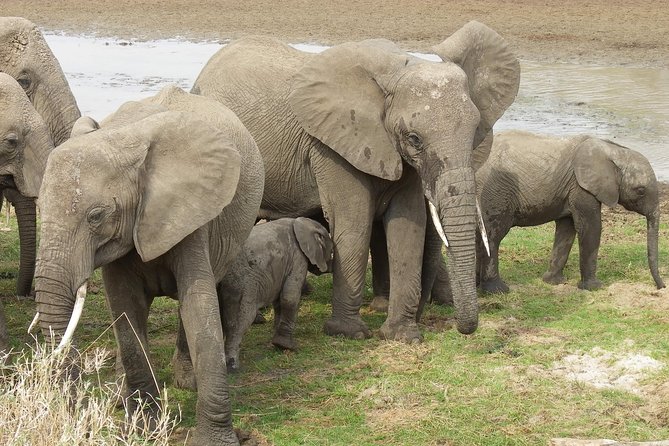
After breakfast, the drive to Ngorongoro takes about two hours. The route leads through a lush rainforest area before the vehicle descends toward the crater floor.
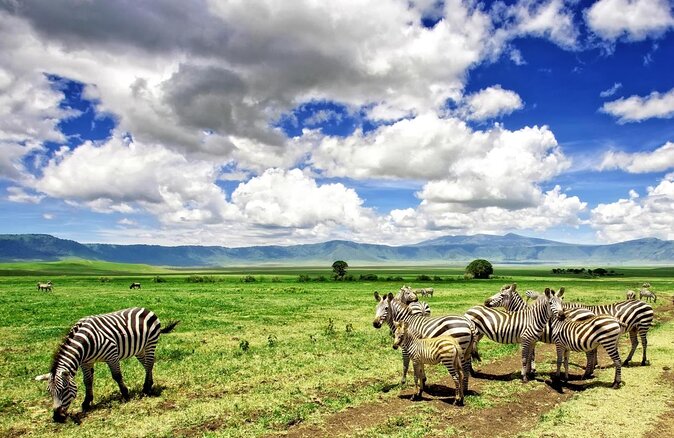
Ngorongoro Crater is the world’s largest intact caldera. Its walls rise about 600 meters above the floor, and the crater rim sits roughly 2,200 meters above sea level. Although you are descending, you remain at a high elevation, which helps explain why conditions can feel different from the lower plains.
The crater floor covers about 260 square kilometers. Around 25,000 animals live there, along with about 350 bird species, and water is available throughout the year. Those conditions make Ngorongoro an efficient place for wildlife viewing, especially if you want a strong chance of seeing many animals in one day.
The descent itself is part of the drama. You pass from forest into a broad enclosed world where the high crater walls remain visible around you. It feels more contained than the Serengeti, but that is precisely its appeal.
This is another ten-hour day, and the admission ticket is not included in the stated tour information. Confirm the extra cost before departure, along with the exact accommodation for this night. The itinerary describes the crater visit clearly but does not provide a full lodging name for Day 4.
Ngorongoro can be one of the most rewarding parts of a short safari because it packs so much wildlife into one setting. The tradeoff is that the crater can feel busy compared with the wide-open Serengeti, particularly at popular animal sightings.
Day 5: Hadzabe and Datoga life near Lake Eyasi
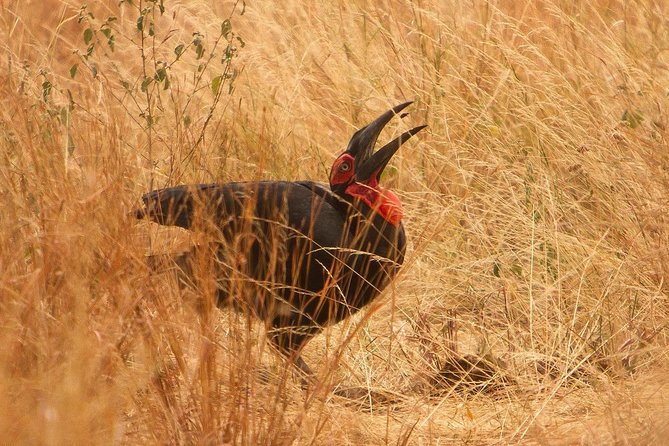
Day 5 changes the rhythm completely. You leave very early with a breakfast box and drive about one hour to Lake Eyasi, where you spend time with Hadzabe bushmen and the Datoga tribe.
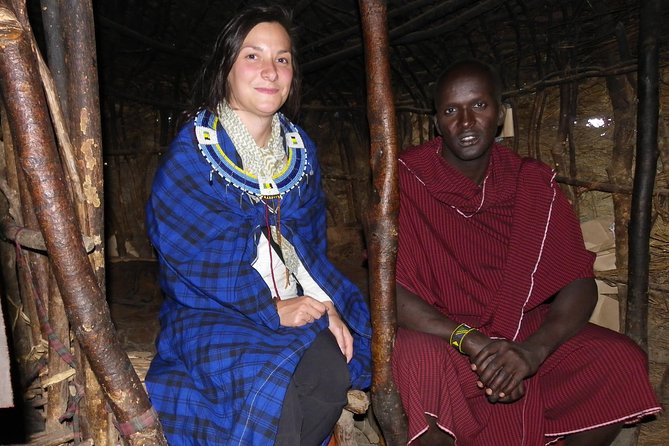
This is the cultural heart of the tour. The Hadzabe visit includes time to see their daily life and go hunting with them. The Datoga visit focuses on traditional metalwork and jewelry made with local tools.
I value this day because it gives you contact with living communities rather than a staged cultural show described only in broad terms. Hunting methods, craftwork, and the use of simple tools offer a different understanding of how people adapt to their environment.
You should approach the visit with respect. This is not a performance designed only for photographs. Listen to your guide, follow local instructions, and ask before photographing people or objects. The experience will be more meaningful if you pay attention to the work itself rather than treating the community as another stop to collect.
The schedule allows about eight hours, including the drive back to the camp and a hot lunch in Karatu. The early start means you may feel tired, but the shorter road time and change of subject help balance the long safari days.
Lake Eyasi is also what separates this trip from a standard northern Tanzania circuit. If you want only animals, this day may seem like a detour. If you want to understand more about the people and traditions of the region, it may be the day you remember most clearly.
Day 6: Returning to Arusha
The final morning begins after breakfast with a drive back to Arusha. The return takes about three hours, with shopping along the way before you go home.
That makes Day 6 fairly light compared with the previous days. You have time to finish the circuit without another full park drive. Shopping is not described in detail, so ask your guide what is available and how much time the stop will take if you have a flight or other fixed plans.
The tour ends in Arusha, and pickup is offered. Since the exact drop-off arrangements are not specified, confirm whether you will return to your original pickup point or another location in the city.
The price: good value for the right kind of safari
The listed cost is $2,572.31 per person. That is a significant price, but the value depends on what is included in the final booking. The program covers six days, several major parks, private participation, guiding, transport, and a cultural visit. Those elements can justify the cost for someone who wants a compact northern Tanzania trip rather than separate bookings for each park.
The strongest value comes from the range of experiences. A standard wildlife itinerary might skip the Hadzabe and Datoga communities. A culture-focused visit would not give you two days in the Serengeti and a crater drive. Combining both in one private route saves planning time and creates a more varied trip.
You should ask for a written list of inclusions before booking. The information provided specifically says the Ngorongoro Crater admission ticket is not included. It does not give a full breakdown of park fees, accommodation categories, meals, airport transfers, or any optional charges.
The private format also affects value. You are paying more than you might for a large shared departure, but your group is not traveling with strangers. That can be worthwhile for couples, families, or photographers who want a more personal schedule.
Guides, vehicle time, and practical comfort
The guide can make or break a safari. Joseph is described as having 20 years of experience driving in Tanzania’s parks, with strong familiarity with Serengeti, Ngorongoro, and Tarangire. Roussagé has been praised for his animal, bird, and plant knowledge, along with patience and kindness.
Those details matter because wildlife viewing is not just about reaching a park entrance. A good guide helps you notice tracks, birds, vegetation, and animal behavior. For photographers, positioning is especially important. One past photographer praised Joseph’s ability to find animals and place the vehicle for better images.
You should be ready for rough, extended vehicle travel. Day 2 and Day 3 are each planned at about ten hours, while Days 1, 4, and 5 run roughly eight to ten hours. The route is ambitious for six days, so pack lightly and keep essentials close to your seat.
The tour operates daily from 6:00 a.m. to 7:00 p.m. The early start near Lake Eyasi is worth noting, especially if you are adjusting to a new time zone or prefer slow mornings.
Most people can participate, and the activity is near public transportation. Those are useful general access notes, but the schedule and road time still make this a better fit for people comfortable with extended sitting and active days.
Who should book this safari?
I would recommend it to you if you want the major northern Tanzania highlights but have only six days. It suits couples, honeymooners, families, and small private groups who prefer their own vehicle and want a guide who can adjust attention to wildlife, scenery, or photography.
It is also a good match if culture matters as much as wildlife. The Lake Eyasi day is not an add-on with a quick village photo stop. It includes time with Hadzabe hunters and Datoga craftspeople, giving the trip a human focus.
I would hesitate to recommend it if you want a leisurely lodge holiday. The road days are long, the itinerary moves often, and the accommodation details are not fully spelled out. You should also be comfortable with the possibility that a Big Five safari may not produce every animal on your wish list.
Free cancellation is available if you cancel at least 24 hours before the experience starts. Changes made inside that period are not accepted, and poor weather may lead to a new date or a full refund.
Should you book Safari & Culture?
Book this tour if you want a concentrated Tanzania experience that joins famous wildlife areas with a rare cultural visit. Tarangire’s elephants, the Serengeti’s wide plains, Ngorongoro’s enclosed wildlife world, and Lake Eyasi’s traditional crafts give the six days real variety.
Before you commit, confirm the accommodation, park fees, meals, and the exact return arrangements. If those details suit your budget, this is a strong choice for an active private safari, especially when you can request an experienced guide such as Joseph or Roussagé.
FAQ
How long is the Safari & Culture tour?
The tour lasts approximately six days.
Where does the tour begin and end?
The tour is based in Arusha, with pickup offered. Day 6 returns to Arusha before you go home.
Is this a private tour?
Yes. Only your own group participates in the private tour or activity.
Which national parks are included?
The route includes Tarangire National Park, Serengeti National Park, and Ngorongoro Crater within the Ngorongoro Conservation Area.
Does the tour include a cultural experience?
Yes. Day 5 includes a visit near Lake Eyasi with Hadzabe bushmen and the Datoga tribe. The program includes hunting with the Hadzabe and seeing Datoga jewelry made with local tools.
How long are the daily activities?
The scheduled stops range from about eight to ten hours. The drive from Arusha to Tarangire takes about two to three hours, and the return to Arusha takes about three hours.
Is the Ngorongoro Crater admission ticket included?
The tour information states that the Ngorongoro Crater admission ticket is not included.
What is the cancellation policy?
You can cancel at least 24 hours before the start time for a full refund. Cancellations or changes made less than 24 hours before the start time are not accepted for a refund. If poor weather causes cancellation, you will be offered another date or a full refund.
Just added in Arusha
- Zanzibar: Prison island half day tour★ 5.0 · 3 reviews
- Zanzibar: 4-Day Tarangire, Serengeti & Ngorongoro Safari★ 5.0 · 1 review
- Walking Safari Arusha National Park★ 5.0 · 1 review
- Two Days Shared Safari to Tarangire & Ngorongoro Crater★ 5.0 · 2 reviews
- 8 Days Serengeti Migration safari★ 5.0 · 11 reviews
- tarangire, ngorongoro & lake manyara park 3 days private tour★ 5.0 · 11 reviews
- tarangire & ngorongoro 2 days tour★ 5.0 · 14 reviews
- serengeti, ngorongoro & tarangire 4 days private tour★ 5.0 · 18 reviews
Arusha Tours, compared.
Balloon Safari & Bush Breakfast in Serengeti – Miracle Experience
Read our review →
Materuni Waterfalls, coffee tour & Kikuletwa Hot Springs
Read our review →
3 Days Serengeti & Ngorongoro Group Camping Safari
Read our review →
7-Day Premium Luxury Tanzania Safari All-Inclusive
Read our review →