
Reviewed · 5-DAY EXPERIENCES
Safari “Kifaru” – 5 days in the most famous Parks in the world
The big three parks fit into five days. Safari Kifaru links Lake Manyara, Ngorongoro Crater, and Serengeti in a private trip built around game drives, striking scenery, and practical airport transfers. I like the choice on day one: you can visit Lake Manyara or see daily life in Mto wa Mbu. I also like that the price includes four nights, all meals, park fees, and transport. The main drawback is the pace. You cover long distances, and some safari days involve many hours in the vehicle.
This tour works best if you want Tanzania’s headline sights without joining a large shared group. Private transport gives your party control over the experience, while the changing habitats keep each day different. Still, you should arrive with realistic expectations: wildlife is free to move, the roads can be tiring, and the migration option depends on the season.
In This Review
- Key points to know before booking
- Why this five-day route works
- Day one: Lake Manyara or rural Mto wa Mbu
- Day two: Ngorongoro Crater’s crowded wildlife bowl
- Days three and four: two looks at the Serengeti
- Ngorongoro Conservation Area and the Maasai connection
- Day five: the Rift Valley road to Arusha
- What $2,930 per person buys you
- Guides, communication, and the private format
- Who should book Safari Kifaru?
- Should you book this safari?
- FAQ
- Where does Safari Kifaru begin?
- How long is the safari?
- Which parks and conservation areas are included?
- Is the safari private?
- What can I choose on the first day?
- Are airport transfers included?
- Are meals included?
- Are flights and visas included?
- Can the itinerary change during migration season?
Key points to know before booking
- Three famous wildlife areas in five days: Lake Manyara, Ngorongoro Crater, and Serengeti all feature in one compact route.
- A real choice on day one: If you land before 9:00 am, you can choose a Lake Manyara game drive or a visit to Mto wa Mbu village.
- Private means personal: Only your own group takes part, rather than sharing the safari vehicle with strangers.
- The price covers the big costs: At $2,930 per person, the package includes accommodation, park fees, private transport, airport transfers, and 13 included meals.
- Migration planning changes by season: From late December through April, the overnight pattern is adjusted toward southern Serengeti and Ndutu.
- Italian-language help may be possible: Michael is named as an Italian-speaking guide, while Rocco has handled quick and responsive pre-trip communication.
Why this five-day route works
Safari Kifaru follows Tanzania’s classic northern circuit, but it does so in a short window. You begin around Lake Manyara and Karatu, visit the Ngorongoro Crater, spend two days in Serengeti, then return through the Ngorongoro Conservation Area to Arusha.
That order makes sense. Lake Manyara offers a smaller, varied park early in the trip. Ngorongoro then gives you one concentrated wildlife day inside an enormous volcanic caldera. Serengeti gets the most time, which is sensible because its size means you need room for long drives and changing animal locations.
The five days are approximate, and the schedule depends on your flights. An early arrival gives you a useful first activity. A late-morning arrival means you can reach Karatu around 1:00 pm, but you may simply travel there without a park visit.
I see this as a good route for a first safari. You get three very different settings, rather than spending all five days in one park. The tradeoff is that the journey is active, not leisurely. If you dislike early starts, extended drives, or changing accommodation, this may feel rushed.
A few more options to weigh up in Arusha
- Balloon Safari & Bush Breakfast in Serengeti – Miracle Experience
★ 5.0 · 1,646 reviews - Tanzania Classic – 7 Days
★ 5.0 · 1,151 reviews - 4 Days Group Camping Safari
★ 5.0 · 1,101 reviews
Day one: Lake Manyara or rural Mto wa Mbu
The first day begins with pickup from Kilimanjaro International Airport or Arusha, followed by travel toward Karatu in the Ngorongoro region. If your plane lands before 9:00 am, you have two choices.
Lake Manyara National Park covers about 330 square kilometers, with roughly 200 square kilometers occupied by the lake. Its compact size packs several habitats together: groundwater forest, open grassland, and marshy ground beside the water.
That variety gives you a strong chance to see different types of scenery in one game drive. The park is known for baboons, vervet monkeys, elephants, giraffes, and extensive birdlife, with around 380 bird species recorded. The forested areas and lake edge provide a change from the open grasslands you will see later in Serengeti.
The alternative is Mto wa Mbu, an agricultural village at the foot of the Rift Valley escarpment. This is the more people-focused choice. You get a look at contemporary rural Tanzania and a community shaped by many of the country’s ethnic and language groups.
I like having this option because safari trips can become too focused on animals and vehicles. Mto wa Mbu offers a closer look at everyday life. It also gives you a choice between nature and culture at the start, instead of treating the whole trip as one long sequence of game drives.
You do need to pay attention to your arrival time. The early landing option creates a full first day, listed at about eight hours. A late-morning arrival still gets you to Karatu, but no activity is promised on the way. Do not book a tight onward flight after arrival, since the schedule is built around your actual landing time and road conditions.
Day two: Ngorongoro Crater’s crowded wildlife bowl
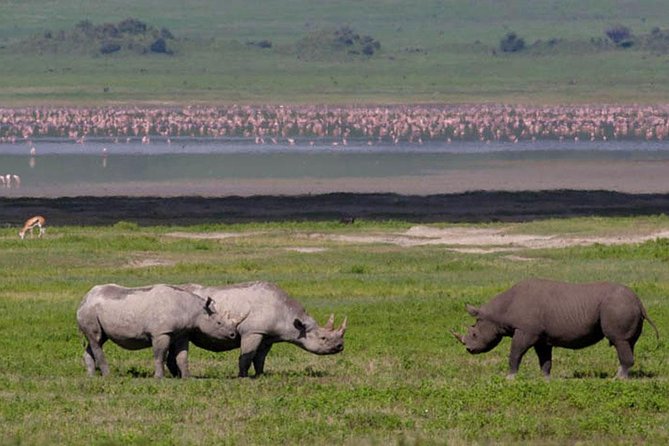
Day two is devoted to a game drive in Ngorongoro Crater. The crater formed when an ancient volcanic cone collapsed about 2.5 million years ago. Its caldera is roughly 16 to 20 kilometers across, with walls rising about 600 meters above the floor.
From the crater rim, you look down into a broad bowl of grassland, water, and wildlife. The area supports more than 25,000 large animals. Most of the region’s typical species can be found here, with giraffes being the notable exception because the crater does not offer the food they need.
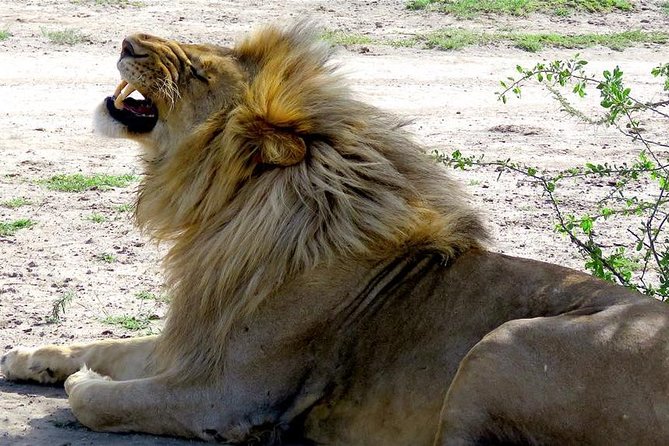
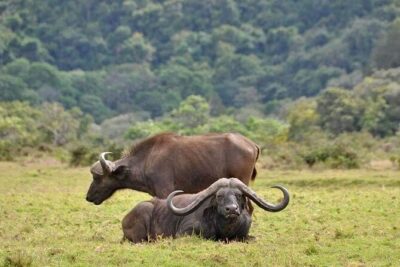
This is one of the most efficient wildlife days on the route. The enclosed setting can make animal sightings feel concentrated, and the rim provides striking views before the descent. You may see lions, elephants, buffalo, hippos, and other common species of northern Tanzania, though no safari can promise a particular animal on a particular morning.
The altitude matters. The crater rim reaches about 2,300 meters above sea level, so the air can feel cooler than you expect. Bring a layer for the morning, even if you associate Tanzania with heat.
The drawback is that the crater is not a quiet wilderness in the usual sense. Its fame brings vehicles, and the roads can be busy around popular animal sightings. Still, the setting is so unusual that it earns its place in a short safari. You are not simply checking off animals. You are seeing a complete wildlife area inside the remains of a volcano.
The day is planned for about eight hours, including the game drive and transfers. That is a full day, but it gives you enough time to see the crater floor rather than making a quick rim stop.
Days three and four: two looks at the Serengeti
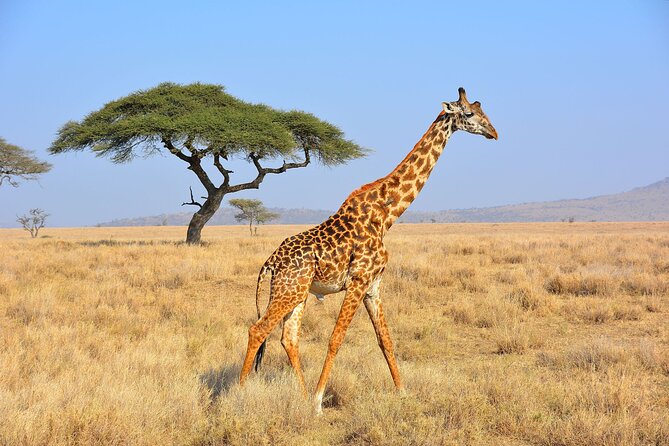
Serengeti National Park receives the longest share of the tour, and that is the right call. The park covers about 15,000 square kilometers, though the wider Serengeti ecosystem extends beyond its official boundary into the Ngorongoro plains and other connected areas.
The open grasslands are especially good for spotting animals. Much of the southern area has volcanic rock beneath the soil, which limits the growth of tall trees. The result is broad, open country where herds and predators can be easier to see from a vehicle.
The wildlife figures are impressive: more than 1.5 million wildebeest, about 300,000 zebras, and around 500,000 Thomson’s gazelles are associated with the ecosystem. The area also supports lions, leopards, cheetahs, elephants, giraffes, ostriches, hippos, crocodiles, and more than 400 bird species.
Those numbers explain why two Serengeti days matter. The animals are not arranged for your convenience. A longer stay gives your guide more time to work across different areas and respond to what is happening on the ground.
Day three is listed as an approximately eight-hour photo safari. The route from Ngorongoro toward Serengeti is part of the experience, not just a transfer between hotel stops. You watch the scenery change from crater highlands and open plains toward the huge spaces of Serengeti.
Day four includes about three hours of game viewing in Serengeti, followed by around five hours in the Ngorongoro Conservation Area. This is a shorter dedicated game-drive period, but it allows the return journey to begin without sacrificing the second Serengeti day.
The migration is the major seasonal factor. Wildebeest and zebras move in search of fresh grass and water, creating the world’s largest movement of wild land animals. From late December to April, the route changes its overnight plan, with the third night in southern Serengeti around Ndutu and the second night in central Serengeti around Seronera.
That adjustment is valuable because location matters more than a fixed calendar. If the herds are in the south, staying near Ndutu can reduce wasted driving. You should confirm the exact seasonal arrangement before paying, since animal movement and accommodation availability affect the final plan.
A different kind of day out entirely:
- 5 Days Group Camping Safari
★ 5.0 · 730 reviews - Materuni Waterfalls, coffee tour & Kikuletwa Hot Springs
★ 5.0 · 643 reviews - 3 Days Serengeti & Ngorongoro Group Camping Safari
★ 5.0 · 574 reviews - 7-Day Premium Luxury Tanzania Safari All-Inclusive
★ 5.0 · 426 reviews
Ngorongoro Conservation Area and the Maasai connection
The return through the Ngorongoro Conservation Area adds an important layer to the trip. This is not a national park. It covers about 8,300 square kilometers and is managed under a system that recognizes Maasai settlement rights alongside wildlife protection.
The area includes rainforest, highland grasslands, wide plains, and the famous crater itself. It has been a UNESCO World Heritage Site since 1978 and an International Biosphere Reserve since 1981.
For you, the practical point is that this is a working cultural area, not only an animal reserve. The scenery changes again as you leave the open Serengeti and move through the higher country. The five-hour portion on day four helps connect the wildlife experience with the people and land-use systems that surround it.
Do not expect a dedicated Maasai cultural visit unless one is separately arranged. The stated program includes travel through the conservation area, not a specific village activity. That distinction matters if cultural contact is your main reason for booking.
Day five: the Rift Valley road to Arusha
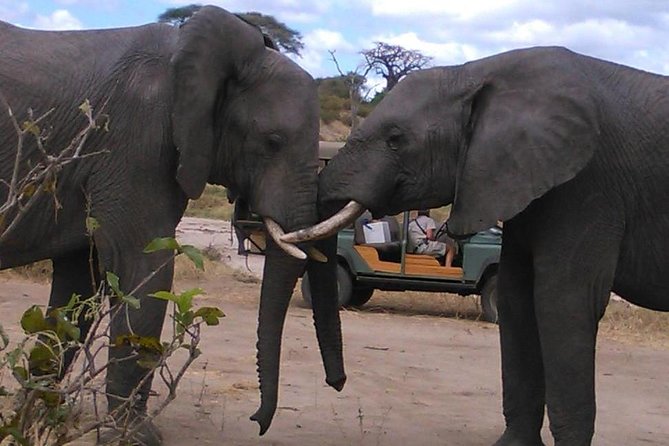
On the final day, you leave Karatu and follow the winding road down along the Rift Valley wall toward Arusha. The route itself is scenic, with changing views as you descend from the high country.
Depending on your departure flight, the plan includes lunch in Arusha and airport transfer. A city visit can also be arranged on request. Arusha is the regional capital and the headquarters of the East African Community, so the optional stop can give you a brief urban contrast after several days among parks and rural settlements.
The day is listed at about eight hours, but your flight time controls the useful length of the city portion. Give the operator your arrival and departure details when booking. That information is essential for arranging the airport transfer and deciding if an Arusha visit fits.
What $2,930 per person buys you
At $2,930 per person, this is not a bargain-basement safari. It is a substantial price, but the value depends on what you would otherwise have to arrange yourself.
The package includes:
- Private transportation
- Accommodation
- Park fees and taxes
- Airport transfers at Kilimanjaro International Airport and Arusha Airport
- Four breakfasts
- Four dinners
- Five lunches
That is a useful level of coverage for a five-day private safari. Park fees alone can make northern Tanzania expensive, and including both airport transfers removes two awkward pieces of planning.
The private format is another part of the value. Only your group participates, so you are not sharing the vehicle or negotiating every stop with strangers. Ask about the maximum size of your own party, since private does not necessarily mean a vehicle for one or two people.
International and local flights are not included. You also pay for any required visa, tips, and anything not specifically listed. Citizens of the European Union, Switzerland, and the United Kingdom are told to budget separately for an entry visa.
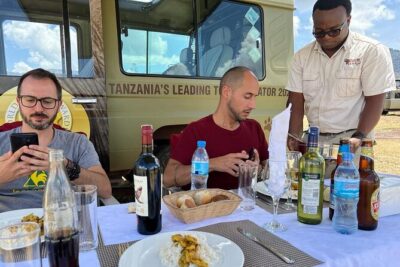
The food plan covers all lunches and the four breakfasts and dinners during the four-night stay. Since the exact accommodation names are not provided, ask where you will sleep in Karatu, central Serengeti, southern Serengeti, and any other overnight areas before booking.
Guides, communication, and the private format
Pre-trip communication is a strong point here. Rocco is noted for quick replies and for adapting plans to specific requests. That matters in Tanzania, where flight times, park access, and seasonal animal movement can affect the day-by-day plan.
Michael is named as an Italian-speaking guide who was friendly and well liked. If you prefer to tour in Italian, ask directly if Michael is available for your dates. Guide assignment is not guaranteed by the general tour details, so get that confirmed in writing.
The company says it has organized safaris in Tanzania and across the Rift Valley for more than 20 years. It also follows the World Code of Tourism Ethics and received a Tripadvisor Travellers’ Choice 2024 award in safari, photo tour, nature, and wildlife categories.
Those claims are useful context, but the real question for you is how clearly the final plan is explained. Request the accommodation names, vehicle details, guide language, and seasonal route before you commit. A good safari starts with a clear plan, even though the wildlife itself cannot be controlled.
Who should book Safari Kifaru?
I would recommend this tour if you want:
- Tanzania’s best-known northern parks in one trip
- A private experience for your own group
- Airport pickup and return included
- Meals, accommodation, and park charges bundled together
- A chance to choose between wildlife and village life on day one
- Seasonal planning for the wildebeest migration
It suits first-time safari visitors who want the classic route without building every detail themselves. It also suits families or small groups who value privacy and direct communication.
I would think twice if you want slow travel, long time in one park, or a fixed low price. Five days gives you a fine introduction, but the route includes considerable driving. You should also avoid choosing it solely because you expect to see the Big Five or the migration on demand. Wildlife is free, and the season changes the best places to stay.
Should you book this safari?
Book Safari Kifaru if your priority is seeing Lake Manyara, Ngorongoro, and Serengeti in one private five-day trip, with the major costs already bundled. The combination of two Serengeti days, a full crater visit, airport transfers, and a Mto wa Mbu alternative gives the route real range.
Before paying, confirm your arrival time, departure time, accommodation, guide language, and the seasonal Ndutu or Seronera arrangement. If those details fit your needs, the $2,930 price can make sense for a private, well-supported introduction to northern Tanzania. If you have more time, adding extra Serengeti nights would make the trip less rushed.
FAQ
Where does Safari Kifaru begin?
The tour begins with pickup from Kilimanjaro International Airport or Arusha, followed by travel toward Karatu in the Ngorongoro region.
How long is the safari?
The safari lasts approximately five days.
Which parks and conservation areas are included?
The route includes Lake Manyara National Park, Ngorongoro Crater, Serengeti National Park, and the Ngorongoro Conservation Area.
Is the safari private?
Yes. Only your group participates in the private tour or activity.
What can I choose on the first day?
If you land before 9:00 am, you can choose between a Lake Manyara game drive and a visit to Mto wa Mbu village.
Are airport transfers included?
Yes. Transfers to and from Kilimanjaro International Airport and Arusha Airport are included.
Are meals included?
Yes. The package includes four breakfasts, four dinners, and five lunches.
Are flights and visas included?
No. International and local flights are not included. Entry visas are also separate for citizens of the European Union, Switzerland, and the United Kingdom.
Can the itinerary change during migration season?
Yes. From late December through April, the overnight plan is adjusted to include southern Serengeti around Ndutu and central Serengeti around Seronera, helping position the safari near the migration.
Just added in Arusha
- Saadani Day Trip★ 5.0 · 13 reviews
- 3 Days Tanzania Short and Spicy★ 5.0 · 6 reviews
- 5 Day Tanzania Safari Camping Adventure Private Tour★ 5.0 · 2 reviews
- Day Trip to Ngorongoro Crater from Arusha★ 5.0 · 1 review
- SERENGETI NATIONAL PARK Tour★ 4.5 · 5 reviews
- 3 Days Serengeti Park & Ngorongoro Crater Adventure Safari★ 5.0 · 8 reviews
- 6 Days Tanzania Bush Experience Safari★ 5.0 · 6 reviews
- Private Group Serengeti Safari, Crater & Tarangire National Park★ 5.0 · 5 reviews
5-Day Experiences, compared.
5-Day Highlights mid-Range Crater, Serengeti, Tarangire
Read our review →
5 Days Camping Tarangire, Serengeti & Ngorongoro crater & Visiting Maasai
Read our review →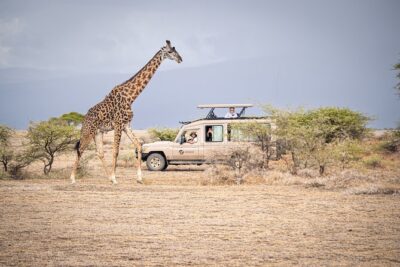
5-Day Private Northern Tanzania Safari from Arusha
Read our review →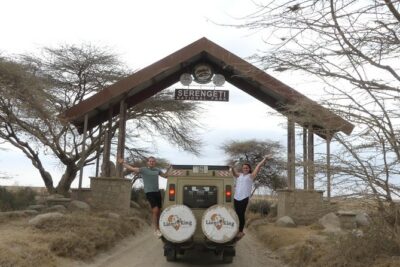
5 Days Best of Tanzania Luxury Safari Northern Circuit
Read our review →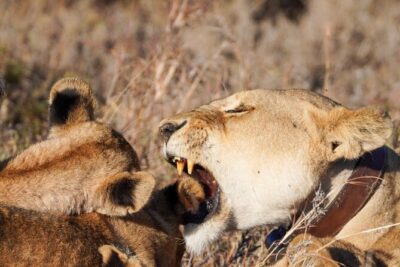
5-Day Private midrange Tour in Arusha with Airport Pickup
Read our review →Browse the lists this tour appears in