Reviewed · SERENGETI & NGORONGORO SAFARIS
Small Group Serengeti and Ngorongoro Crater Adventure Safari
Two parks, one very full safari. This four-day trip links Serengeti National Park and Ngorongoro Crater, giving you open plains, sunset game drives, an early wildlife search, and a crater-floor safari for $790 per person. I like the small group limit of six and the use of a 4×4 with a pop-up roof, which gives you a better view than a standard vehicle. I also like that park fees, meals, water, and a professional guide are included. The main drawback is the amount of road time: Arusha to central Serengeti can take seven to eight hours, leaving little room for dawdling.
You start with a night in Arusha, then sleep at campsites in or near the parks. That keeps the price in check, but this is not a soft-bed safari with leisurely transfer days. The schedule begins early, ends late, and depends on long drives. Communication has been praised, especially from Raymond, while guide Innocent received warm praise on a longer migration trip. Those names are useful when you are asking who will handle your booking and who may lead your vehicle.
In This Review
- Key points to know before booking
- Why this four-day route works
- Day 1: Arriving in Arusha
- Day 2: The long road to central Serengeti
- Day 3: Sunrise, wildlife, and the road toward Ngorongoro
- Day 4: Down into Ngorongoro Crater
- The 4×4, guide, and group size
- Meals, camping, and what the price really covers
- What the schedule demands from you
- Who should book this safari?
- Cancellation and booking details
- FAQ
- How long is the Serengeti and Ngorongoro safari?
- Where can pickup be arranged?
- How many people can join the safari?
- What meals are included?
- Is the Ngorongoro Crater admission included?
- What is the cancellation policy?
- Should you book the four-day safari?
Key points to know before booking
- A maximum of six people keeps the 4×4 more manageable and improves window and roof access.
- Serengeti takes center stage, with an evening drive on arrival and another long wildlife drive the following day.
- Ngorongoro Crater offers a concentrated final safari, including the possibility of seeing black rhino and other members of the Big Five.
- The price covers the costly basics, including park fees, government charges, meals, drinking water, and a safari vehicle.
- The route includes long driving stretches, especially the transfer from Arusha to Serengeti, which may take seven to eight hours.
- Camping is part of the deal, with an overnight at Seronera campsite and another at Simba campsite.
Why this four-day route works
Tanzania offers plenty of safari choices, but this route focuses on two famous places rather than trying to collect every park on the northern circuit. That is a sensible choice when you have limited time.
Serengeti gives you scale. The plains stretch far enough to make a herd of animals look small, and wildlife can move across large distances. Ngorongoro gives you concentration. The crater walls create a natural enclosure where many animals can be found in a smaller area.
I like that contrast. One day is about searching across wide country, while the next puts you on a crater floor with a strong chance of seeing many species in a compact setting. You do not get a slow-paced safari, but you do get a clear taste of two major Tanzanian attractions.
The tour costs $790 per person. That is a useful value when you consider what is included: a 4×4 pop-up-roof vehicle, a professional guide and safari chief, park fees, government charges, unlimited drinking water, and three breakfasts, three lunches, and three dinners.
The amount becomes less attractive if you want private accommodation, a slower schedule, or more time in each park. The package uses camping, and the route gives you only one full day focused mainly on Serengeti. Still, for a short safari with major fees already covered, the price is easy to understand.
More Serengeti and Ngorongoro safaris:
- Balloon Safari & Bush Breakfast in Serengeti – Miracle Experience
★ 5.0 · 1,646 reviews - 3 Days Serengeti & Ngorongoro Group Camping Safari
★ 5.0 · 574 reviews - 5-Day Highlights mid-Range Crater, Serengeti, Tarangire
★ 5.0 · 296 reviews
Day 1: Arriving in Arusha
The first day is simple. Pickup is offered from Arusha Airport or Kilimanjaro Airport, followed by an overnight stay at accommodation in Arusha city.
This overnight matters because it prevents the safari itself from becoming an airport transfer marathon. You can arrive, sleep in town, and leave the next morning at about 7:30 a.m. The provided information does not specify the Arusha accommodation, so ask what hotel is included before booking if room quality matters to you.
The first day includes no park activity and no admission charge. Think of it as a practical staging night, not a sightseeing day.
If you are flying into Kilimanjaro Airport, confirm the pickup timing and exact meeting point. The tour says pickup is available, but it does not give a detailed airport transfer schedule.
Day 2: The long road to central Serengeti
Your second day begins around 7:30 a.m. at your Arusha hotel. The drive to Serengeti takes about seven to eight hours, so the vehicle is your main setting for much of the day.
That sounds tiring because it is. Yet this route also gives you some of the most striking views before the game drive begins. The journey includes views of the Great Rift Valley and Ngorongoro Crater. If you like watching Tanzania change from town to open country, the transfer becomes part of the experience rather than dead time.
You are expected to reach Serengeti at about 3 p.m. From there, the schedule shifts quickly into an evening game drive in central Serengeti. The timing is good for a first look at the park, and sunset can bring fine light across the plains.
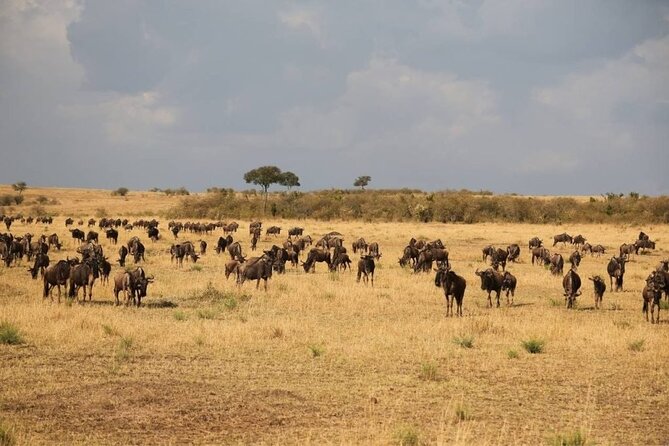
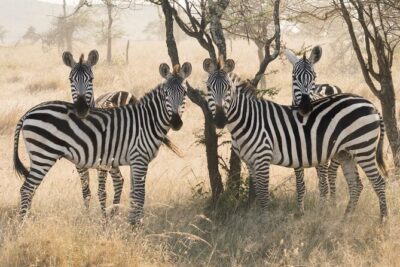
Central Serengeti is known for its broad open spaces and wildlife activity. The park is especially associated with the annual movement of more than 1.5 million white-bearded wildebeest and about 250,000 zebra. The migration changes location through the year, so nobody can promise that you will see a river crossing or a particular herd.
The itinerary says the guide will work to find part of the migration. That is a fair aim, not a guarantee. Animal movement depends on rain, food, and timing. The same applies to predators, including lions and Nile crocodiles.
After the evening drive, you have dinner and sleep at Seronera campsite inside Serengeti. Camping places you close to the park experience, but it also means you should be comfortable with a basic overnight setup. The supplied information does not specify tent style, washroom arrangements, bedding, or whether camping equipment is provided, so ask those questions before paying.
Day 3: Sunrise, wildlife, and the road toward Ngorongoro
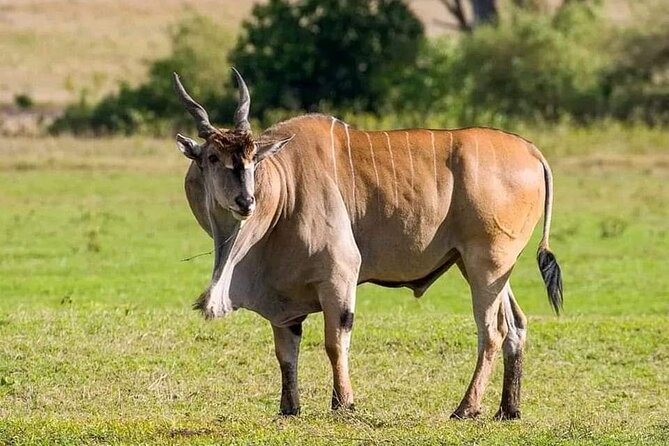
Day three starts around 5:45 a.m. with an early breakfast. The early hour is not just a test of your alarm clock. Sunrise inside Serengeti can be a productive time for a game drive, and the cooler morning often gives you a better chance to search for active animals.
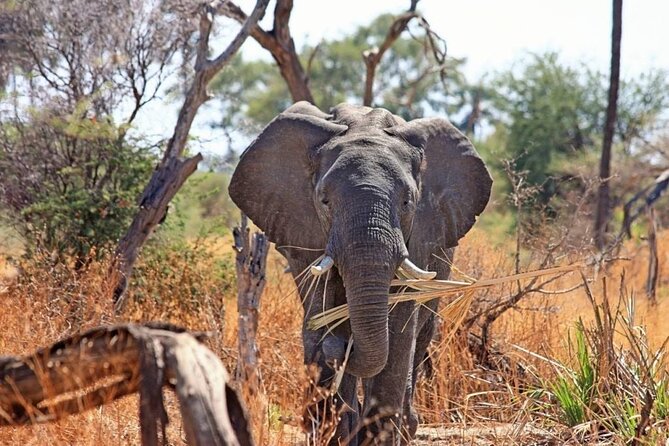
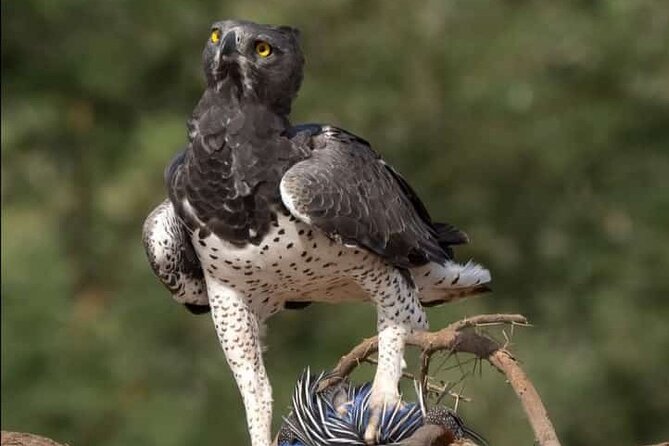
The morning game drive continues until about 11:30 a.m. The itinerary highlights Serengeti’s large mammal population, including giraffes, elephants, hippos, and lions. More than 500 bird species are also recorded in the park, with ostriches and flamingos among the named examples.
The timing gives you a useful wildlife window before the heat of the day. You return to camp for a hot lunch, pack your belongings into the jeep, and continue with another game drive while heading toward Ngorongoro.
This is a demanding day. You have an early start, a morning drive, lunch, packing, and further driving and wildlife viewing. The benefit is that you do not spend the entire afternoon simply sitting on a highway. The cost is fatigue, especially after the long transfer from Arusha the previous day.
Dinner and overnight accommodation are at Simba campsite near Ngorongoro. Again, confirm the camping arrangements if you need particular facilities. The schedule offers a practical position for the crater visit, but it does not describe the campsite in detail.
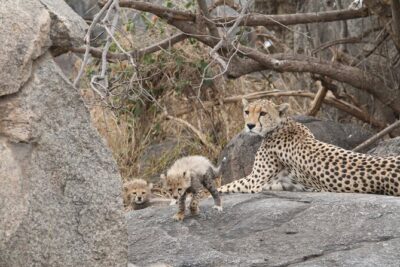
The wildlife list is impressive, but you should keep expectations sensible. You might see lions, elephants, hippos, zebras, gazelles, hyenas, and many birds. The possibility of seeing the Big Five is one of the route’s strongest selling points, but no responsible safari can guarantee every animal.
A few more options to weigh up in Arusha
- Tanzania Classic – 7 Days
★ 5.0 · 1,151 reviews - 4 Days Group Camping Safari
★ 5.0 · 1,101 reviews - 5 Days Group Camping Safari
★ 5.0 · 730 reviews - Materuni Waterfalls, coffee tour & Kikuletwa Hot Springs
★ 5.0 · 643 reviews
Day 4: Down into Ngorongoro Crater
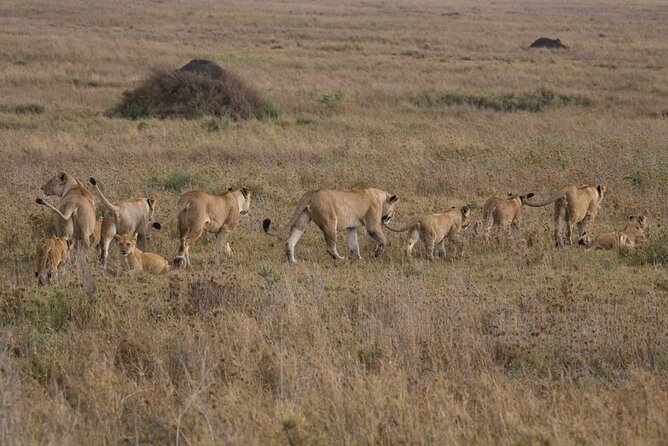
You wake around 5:30 a.m. for breakfast, then descend into Ngorongoro Crater. This is the shortest driving day in the outline, with about seven hours of activity, but it still starts early and packs a great deal into one morning and afternoon.
Ngorongoro is the world’s largest inactive, unbroken, and unfilled volcanic caldera. Its enclosed form helps concentrate wildlife, which is why the crater can feel very different from Serengeti. Instead of scanning a vast plain for a distant animal, you may find a wide range of species within a more defined area.
The day is built around a crater-floor game drive. The planned sightings include the Big Five, birds, and black rhino. The supplied figures mention more than 6,000 wildebeest, 4,000 spotted hyenas, 2,000 zebras, 2,000 elands, 3,000 gazelles, 200 elephants, more than 30 lions, and around 30 black rhinos in the crater.
Treat those numbers as broad population estimates rather than a checklist for your drive. You may see some of these animals, but you may not see every species or every large group during one visit. Black rhino sightings are especially dependent on luck, distance, and the guide’s ability to locate them.
Lunch is planned inside the crater while you watch the natural surroundings and concentrations of flamingos. That is a memorable setting for a midday meal, though the exact lunch style is not specified. You receive three lunches during the full trip, and the package includes drinking water.
The crater is highly visited, so this is not a remote, private wilderness experience. The tradeoff is access to one of Tanzania’s most remarkable wildlife areas in a short amount of time. If you want rare animals and a strong chance of seeing several classic safari species, this final day does much of the route’s heavy lifting.
The 4×4, guide, and group size
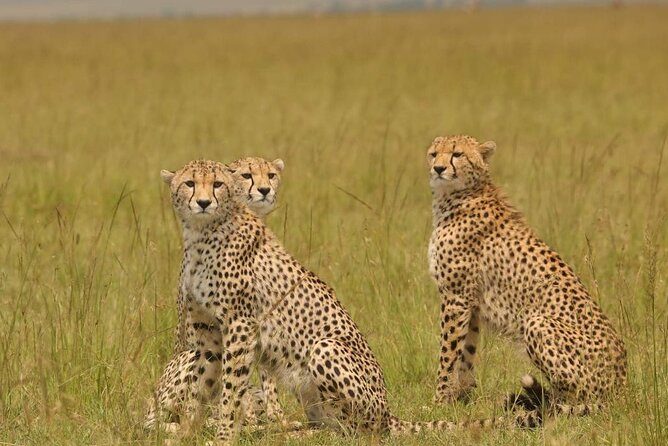
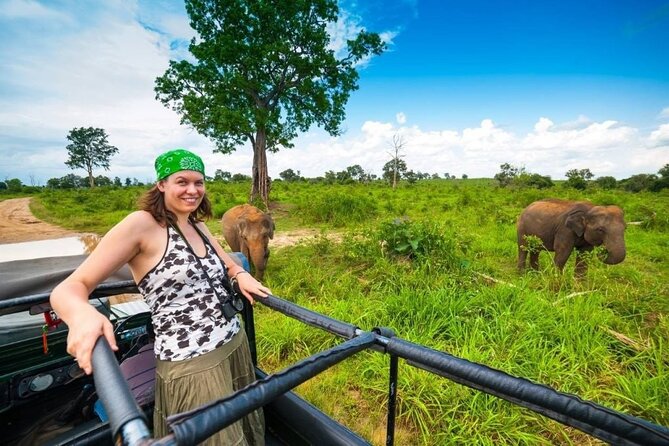
The vehicle is a 4×4 safari jeep with a pop-up roof. That roof is important. It lets you stand or sit higher for a clearer view, and it gives you a better angle for watching animals and taking photographs.
The tour accepts a maximum of six people. That is a reasonable group size for a shared safari. A full vehicle can still feel close on long drives, but six is easier to manage than a large coach, and the pop-up roof gives people a chance to look out from different positions.
The guide is central to the quality of the trip. A good guide does more than point out lions. The guide decides where to search, explains animal behavior, manages the day’s timing, and handles the rough rhythm of park roads and campsite transfers.
The company’s communication has received strong praise, particularly around Raymond, who is described as quick to answer questions and helpful with planning. On a longer seven-day trip, guide Innocent was singled out for his role. Since guide assignments can vary, ask who is leading your four-day departure rather than assuming a particular name.
The best practical question is not simply whether the guide speaks English or knows the parks. Ask how the company handles changes caused by weather, animal movement, vehicle trouble, or road conditions. The available information praises organization and communication, but it also correctly acknowledges that no operator controls the migration.
Meals, camping, and what the price really covers
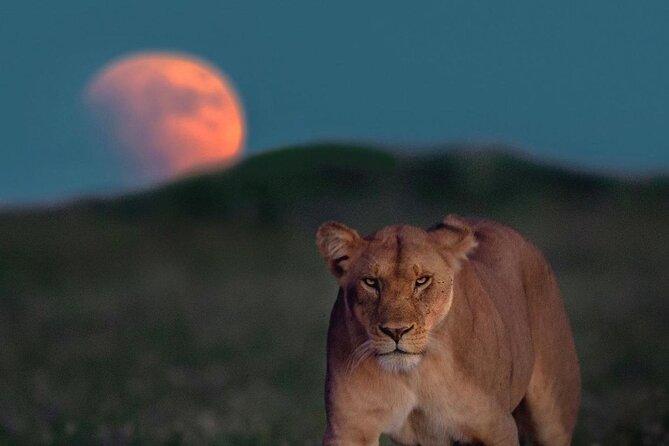
Three breakfasts, three lunches, and three dinners are included. That removes a major daily expense and makes the $790 price easier to assess.
Unlimited drinking water is also included. Bring a reusable bottle if you have one, but confirm how the water is supplied and whether you want extra drinks. Alcohol is not included, and personal-use items are your responsibility.
The two named overnight stops are Seronera campsite inside Serengeti and Simba campsite near Ngorongoro. Camping suits you if you want a basic safari and do not need lodge comforts every night. It may not suit you if you sleep poorly in tents or expect private rooms and polished hotel service.
The strongest value comes from the combination of park fees, vehicle, guide, food, and water. Park charges can make a safari expensive before accommodation is even counted. Having those charges included keeps the total more predictable.
Tips are not included. Plan to budget separately for gratuities, along with alcohol and personal purchases.
What the schedule demands from you
This safari rewards energy. Day two includes up to eight hours of driving from Arusha, followed by an evening game drive. Day three starts before 6 a.m. and includes both morning and afternoon activity. Day four also begins before sunrise.
You should be ready for dusty roads, long sitting periods, early breakfasts, and quick changes from driving to wildlife viewing. The reward is a high number of safari hours in a short trip.
The four-day format works best if you have limited time in Tanzania and want the two headline destinations. It is less suitable if you want quiet mornings, long stays at camp, or enough time to adjust slowly to safari life.
I would also confirm the end-of-tour plan. The schedule ends after the crater visit but does not specify the final drop-off location or time. Ask whether you return to Arusha, continue to another accommodation, or arrange your own onward transport.
Who should book this safari?
I would recommend it to you if you want a compact first safari, prefer a small shared group, and are comfortable camping. It also suits people who care more about time in national parks than luxury accommodation.
The route is a good match for wildlife fans who want both the open reach of Serengeti and the dense animal viewing of Ngorongoro. It also works for photographers who value a pop-up roof and early morning drives.
I would hesitate if you have limited mobility, dislike rough roads, or need a relaxed timetable. The tour says most people can participate, but it does not provide detailed accessibility information. Ask direct questions about vehicle access, campsite facilities, and walking requirements if those details affect your decision.
Families and first-time safari visitors may find the route appealing, but the early starts and long drives require patience. A private booking could offer more control, while the shared group keeps the price lower.
Cancellation and booking details
You can cancel for a full refund up to 24 hours before the local start time. Cancellations or changes made less than 24 hours before the start are not accepted for a refund.
Confirmation is provided at booking. Pickup is offered, the tour has a mobile ticket, and public transportation is nearby. Those details are convenient, but they do not replace confirming airport pickup, accommodation, final drop-off, and camping arrangements.
FAQ
How long is the Serengeti and Ngorongoro safari?
The experience lasts approximately four days. Day one is an arrival and overnight stay in Arusha, followed by Serengeti and Ngorongoro activities.
Where can pickup be arranged?
Pickup is offered from Arusha Airport or Kilimanjaro Airport, and the second-day departure is from your Arusha hotel.
How many people can join the safari?
The maximum group size is six people.
What meals are included?
The package includes three breakfasts, three lunches, and three dinners.
Is the Ngorongoro Crater admission included?
Yes. Ngorongoro Crater admission is included, along with park fees and government charges listed for the safari.
What is the cancellation policy?
You can cancel at least 24 hours before the experience start time for a full refund. Cancellations or changes made less than 24 hours before the start are not accepted.
Should you book the four-day safari?
Book this trip if your priority is seeing two of Tanzania’s great wildlife areas at a controlled price, with a small group, a pop-up-roof jeep, meals, water, park fees, and camping included.
Think twice if you want luxury, short drives, or guaranteed sightings. The strongest case for this safari is its efficient route and included essentials. The biggest warning is the pace. You will spend long hours on the road and rise before dawn, but you will also reach Serengeti at sunset and Ngorongoro early enough for a serious crater-floor safari. For an energetic first taste of northern Tanzania, that is a fair trade.
Just added in Arusha
- Zanzibar: Prison island half day tour★ 5.0 · 3 reviews
- Zanzibar: 4-Day Tarangire, Serengeti & Ngorongoro Safari★ 5.0 · 1 review
- Walking Safari Arusha National Park★ 5.0 · 1 review
- Two Days Shared Safari to Tarangire & Ngorongoro Crater★ 5.0 · 2 reviews
- 8 Days Serengeti Migration safari★ 5.0 · 11 reviews
- tarangire, ngorongoro & lake manyara park 3 days private tour★ 5.0 · 11 reviews
- tarangire & ngorongoro 2 days tour★ 5.0 · 14 reviews
- mount meru 4 days hike★ 5.0 · 2 reviews
Serengeti & Ngorongoro Safaris, compared.
Serengeti Balloon Safari and authentic bush breakfast
Read our review →
Balloon Safari & Bush Breakfast in Serengeti – Miracle Experience
Read our review →
3 Days Serengeti & Ngorongoro Group Camping Safari
Read our review →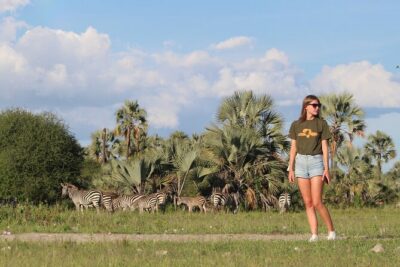
5-Day Highlights mid-Range Crater, Serengeti, Tarangire
Read our review →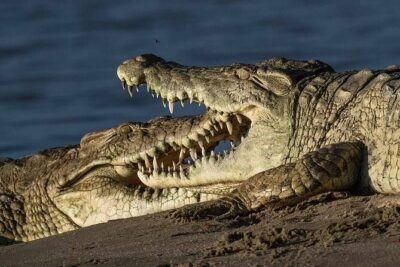
Private 6-Day Tarangire Manyara Crater and Serengeti with Mid-Range Lodges
Read our review →