
Reviewed · STONE TOWN TOURS
Stone Town City Tour
Stone Town rewards slow feet. This private tour makes Zanzibar City easier to read, guiding you through the former Slave Market, Sultan’s Palace Museum, Old Arab Fort, and the narrow streets between them. I like the flexible route, which can suit history fans, shoppers, or visitors with only a few hours. I also like the chance to see daily life alongside major monuments, from fish stalls to bread baskets and produce sellers.
The main consideration is the tour’s loose timing. The experience is described as lasting anywhere from 2 to 8 hours, while the itinerary lists eight hours and the start time appears as 12:00 am. Confirm the exact pickup time and length before paying. At $100 per person, the value depends heavily on how long your private guide stays with you and how much ground you cover.
In This Review
- Key points to know before booking
- Walking into Stone Town’s layered past
- The former Slave Market and Anglican Cathedral
- House of Wonders and the Sultans’ Palace Museum
- Old Arab Fort and the old Dispensary
- Markets where Stone Town still works
- A private route for history, shopping, or exploration
- How long should you allow?
- Is $100 per person good value?
- Who will enjoy this Stone Town walk?
- Booking, cancellation, and weather details
- Should you book the Stone Town City Tour?
- FAQ
- Where does the Stone Town City Tour take place?
- How much does the tour cost?
- How long does the tour last?
- Is hotel pickup included?
- Is this a private tour?
- What major sites are included?
- Can the itinerary be customized?
- Are admission tickets included?
- Can I cancel for a full refund?
Key points to know before booking
- Former Slave Market and Anglican Cathedral: This is the most important stop for understanding Zanzibar’s role in the East African slave trade and its later abolition.
- Flexible private format: Your group tours alone, and the route can be adapted for shopping, architecture, history, or the life of explorer David Livingstone.
- Hotel pickup included: This saves you the trouble of arranging transport to the old town, though the exact pickup time needs confirmation.
- Markets are part of the experience: Expect fish, seafood, bread, fruit, and vegetables, not just restored monuments and museum displays.
- A strong first-day introduction: One visitor called it a good start to the day, while another praised the guide for showing Stone Town like a local.
- Free cancellation up to 24 hours: You can receive a full refund if you cancel at least one day before the scheduled start.
Walking into Stone Town’s layered past
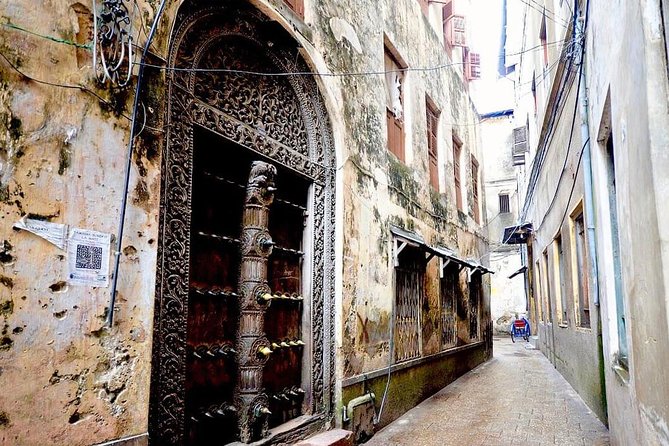
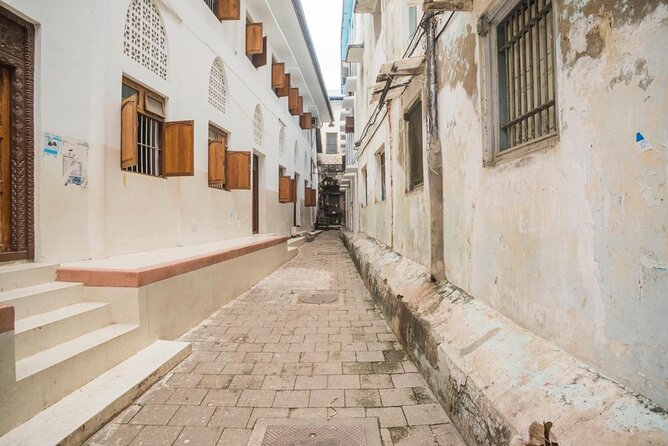
Stone Town is best understood on foot. Its streets are too narrow and irregular for a normal sightseeing drive, and the most revealing details are often close to eye level: carved doors, shaded arcades, market stalls, and old buildings pressed tightly together.
This tour follows the city’s main historical threads: sultans, enslaved people, traders, explorers, and the residents who keep the old center working today. That mix gives the walk more purpose than a simple list of landmarks.
The route can be shaped around your interests. If you care most about history, you can spend more time at the former Slave Market, the cathedral, and the palace museums. If you prefer shopping, your guide can point you toward antiques and souvenirs. If you are interested in exploration, you can follow connections to David Livingstone and the routes tied to the slave trade.
I appreciate that flexibility because Stone Town can feel rushed when every visitor receives the same fixed circuit. A private tour gives you room to ask questions, pause at a doorway, or cut a stop short if it is not holding your attention.
More Stone Town walking tours:
- Zanzibar: Stone Town, Spice Tour, Prison Island with Lunch
★ 4.4 · 1,219 reviews - Zanzibar: Prison Island, Stone Town, & Spice Farm Tour
★ 4.5 · 579 reviews - Zanzibar: Stone Town, Spice tour & Prison Island with Lunch
★ 4.6 · 453 reviews
The former Slave Market and Anglican Cathedral
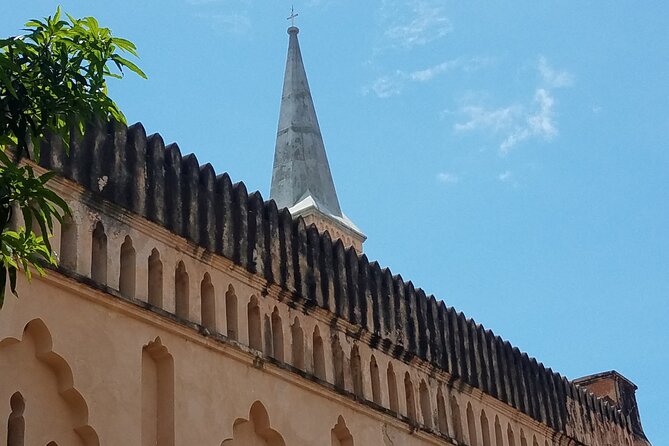
The former Slave Market is likely to be the emotional center of the walk. It connects Zanzibar’s buildings to the human cost of the island’s trading past. The Anglican Cathedral adds another layer, linking the site to the end of the slave trade and to the religious changes that followed.
You should expect this part of the tour to be serious rather than light sightseeing. A good guide can help you place the buildings within the larger story without turning the visit into a string of dates and names. The supplied information specifically frames the tour around sultans, slaves, and explorers, so this is where that theme becomes most direct.
Allow yourself time here. If your main goal is to understand Zanzibar’s past, do not let the shopping portion of the route crowd out the former market and cathedral. You can also tell your guide in advance that this is a priority.
One limitation is that the available details do not specify exactly which rooms, exhibits, or sections are included inside each site. Admission is listed as included, but you should still ask what you will enter and what you will see from outside. That small clarification matters, especially if your interest is focused on the slave trade rather than general town sightseeing.
House of Wonders and the Sultans’ Palace Museum
The House of Wonders and the Sultans’ Palace Museum show Stone Town from the viewpoint of the ruling elite. These buildings help explain how the sultanate shaped the city’s power, trade, and architecture.
The House of Wonders is presented as one of the main stops, while the Sultans’ Palace Museum offers a closer look at royal life. Together, they balance the earlier visit to the former Slave Market. You are not seeing one polished version of Zanzibar’s past. You are moving between the lives of those who ruled, those who were traded, and those who worked in the streets and markets.
The information does not promise that every building will be fully open or freshly restored. One account describes three palaces as partly ruined or under renovation, so keep your expectations practical. You may see a mix of accessible interiors, exterior views, repair work, and museum spaces.
That unfinished quality is not necessarily a flaw. It can make the city feel more honest, but it also means the exact experience may change. Ask your guide which sites are open on the day of your visit and how much time is available inside.
Old Arab Fort and the old Dispensary
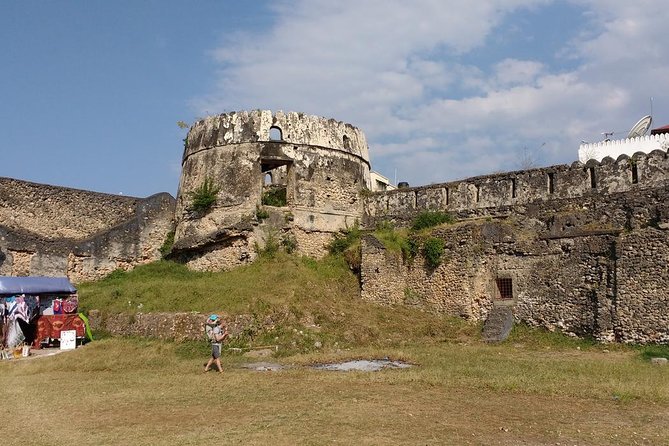
The Old Arab Fort adds a defensive and political note to the route. It is a useful counterpoint to the palaces and cathedral because it shows Stone Town as a place shaped by control of territory and trade.
The old Dispensary brings the focus back to civic architecture and the city’s Indian and Arab influences. Stone Town is known for doors and facades that reflect several cultures, and the route gives you a chance to see those details while walking between the major stops.
The French-language account of the tour particularly points to Indian and Arab doors. That is a useful tip for you: do not look only for grand museums. Watch the entrances, balconies, carved wood, and building fronts as you move through the lanes. A guide can explain why these details matter, which is one reason a walking tour is more useful than exploring with a map alone.
The tour description does not provide a fixed order for these sites. That is probably a benefit. Your guide can adjust the path to suit opening times, weather, your walking pace, and your interests.
A few more options to weigh up in Zanzibar
- From Zanzibar: Mikumi Safari Day Trip with Flights and Meal
★ 4.7 · 1,470 reviews - Zanzibar: Quad Bike Adventure departing from Kendwa or Nungwi
★ 4.9 · 1,233 reviews - From Zanzibar: Day Selous Game Reserve Safari with Flights
★ 4.7 · 1,025 reviews - Zanzibar: Prison Island and Nakupenda Boat Trip with Lunch
★ 4.1 · 882 reviews
Markets where Stone Town still works
The market portion gives the tour its connection to present-day life. You might see fish and seafood piled for sale, fresh bread carried in wicker baskets, and tidy stacks of fruit and vegetables arranged at street stalls.
These details matter because Stone Town is not only an outdoor museum. People shop, work, sell food, and raise families here. Children play in the streets, and traders continue using spaces that have served the town for generations.
I would make the market a priority even if your main interest is architecture. The old buildings tell you what Stone Town was, but the markets show you how the town functions now. They also give the walk a welcome change of pace after the heavier historical stops.
Be aware that a market is not a staged cultural show. The available information does not promise tastings, demonstrations, or shopping discounts. You are going to observe ordinary commerce, and the French-language account notes that the merchants are respectful toward tourists. Your guide can help you move through the stalls politely and suggest suitable places for souvenirs or antiques.
A private route for history, shopping, or exploration
The private format is one of the tour’s strongest features. Only your group participates, so you can ask more questions and avoid being tied to strangers’ interests. If you are a history-focused couple, you can spend more time at the former Slave Market. If you want souvenirs, your guide can give the shopping section more attention.
The route can also include the story of David Livingstone. The tour information connects his time in Zanzibar with the island’s exploration routes and the history of the slave trade. If that subject interests you, mention it when booking rather than assuming it will automatically receive a long explanation.
This kind of customization is most useful for a first visit. You may not yet know which parts of Stone Town deserve your time, so ask the guide to recommend a route that fits your available hours. The description says the itinerary can be adapted to optimize your time, but the practical result depends on your agreed schedule.
Past feedback gives the guide service a favorable picture. One visitor praised the professional approach and prompt timing on this city tour and a sunset dhow cruise. Another said the guide showed Stone Town like a local. Those are the qualities I would value most here: turning a confusing maze into a readable neighborhood and getting the pickup and walking schedule right.
How long should you allow?

The timing needs clarification. The experience is described as lasting approximately 2 to 8 hours, but the itinerary itself displays eight hours. That is a very wide range.
Two hours could work as a compact introduction to the main streets and a few landmarks. You would need to keep the route focused, with little time for museums, markets, and shopping. A longer visit allows the guide to cover the historical sites, pause at the market, and adapt the route without making every stop feel hurried.
The listed start time is 12:00 am, which may be a placeholder or a scheduling error. Do not rely on it without confirmation. Contact Bohobe Travels and agree on the actual start time, pickup location, expected duration, and the sites you most want to enter.
The flexible schedule also affects heat and comfort. The information does not specify a morning or afternoon route, so you should ask when the walk will take place. That is especially important if you prefer to avoid the hottest part of the day or want to pair the tour with another Zanzibar activity.
Is $100 per person good value?
At $100 per person, this is not a bargain-priced orientation walk. It is a private experience with hotel pickup and admission included, so the price is easier to justify for a small group that wants personal attention and a custom route.
For one or two people, the cost may feel high if the tour lasts only two hours or includes mostly exterior views. For a longer private walk with several admissions and a guide who adjusts the route around your interests, the value improves.
I would judge the price by four questions:
- How many hours are actually reserved for your group?
- Which museums and historic buildings can you enter?
- Is hotel pickup included from your location?
- Can the guide build the route around your top two interests?
Personal expenses and drinks are not included. Budget separately for anything you buy in the markets, as well as beverages during the walk. The tour does include admission tickets, which removes one common source of surprise costs.
The average booking lead time is 18 days. That suggests you should not leave this until the last moment if your Zanzibar schedule is fixed, especially if you want a particular day or a custom route.
Who will enjoy this Stone Town walk?
I would recommend this experience to a first-time visitor who wants a clear introduction to Zanzibar City. It suits people who prefer stories and street life to a bus window, and it works well for anyone who wants a private guide rather than a fixed group schedule.
History fans should make the former Slave Market, Anglican Cathedral, palace museums, and David Livingstone connections central to the booking conversation. Architecture fans should ask for time to study the Indian and Arab doors and the old Dispensary.
Shoppers can benefit from the guide’s local suggestions for antiques and souvenirs. Families may appreciate the private format because the pace can be adjusted, although the supplied information does not provide a specific children’s program.
I would be more cautious if you want a tightly timed, fully specified excursion. The broad 2-to-8-hour duration and unclear midnight start time require advance confirmation. I would also ask about building access if entering the museums is essential to your decision.
Hotel pickup is included, and the experience is near public transportation. Most people can participate, but no detailed accessibility information is provided, so ask directly if you have mobility concerns. Stone Town’s winding streets and market areas make that a sensible question.
Booking, cancellation, and weather details
Confirmation is provided when you book. The tour requires good weather, and if poor weather cancels it, you can choose another date or receive a full refund.
You can cancel for a full refund up to 24 hours before the scheduled start time. Cancellations or changes made less than 24 hours before the start are not accepted for a refund. The experience also requires a minimum number of participants, and if that minimum is not reached, you will be offered another date or experience, or a full refund.
These terms are fair, but pay attention to the local cutoff time. Since the start time is not clearly presented, confirm that detail before making other plans.
Should you book the Stone Town City Tour?
Book it if you want a private, adjustable introduction to Zanzibar’s old city, with history, markets, architecture, and hotel pickup combined. The strongest reasons are the flexible route, the chance to see everyday commerce, and the guide’s role in making the winding streets understandable.
Before booking, send Bohobe Travels a short list of priorities: the former Slave Market and cathedral, palace museums, Arab and Indian doors, markets, shopping, or David Livingstone. Also confirm the actual start time, expected length, and which buildings include interior admission.
I would choose this tour for a first full day in Stone Town or for a small group that values a personal pace. I would skip it only if you want a low-cost, self-guided walk or if the provider cannot clearly explain the duration and itinerary. With those details settled, $100 per person can be reasonable for a private historical walk that connects Zanzibar’s past with its working streets today.
FAQ
Where does the Stone Town City Tour take place?
The tour takes place in Stone Town, Zanzibar City, Tanzania.
How much does the tour cost?
The listed price is $100 per person.
How long does the tour last?
The duration is listed as approximately 2 to 8 hours. The itinerary also displays eight hours, so confirm the exact length when booking.
Is hotel pickup included?
Yes. Hotel pickup is included.
Is this a private tour?
Yes. Only your group participates in the private activity.
What major sites are included?
The route can include the former Slave Market and Anglican Cathedral, House of Wonders, Sultans’ Palace Museum, Old Arab Fort, and old Dispensary.
Can the itinerary be customized?
Yes. The route can be adapted to your interests and available time, including history, shopping, antiques, souvenirs, culture, and David Livingstone’s time in Zanzibar.
Are admission tickets included?
The itinerary states that an admission ticket is included.
Can I cancel for a full refund?
Yes. You can cancel at least 24 hours before the local start time for a full refund. Cancellations or changes made less than 24 hours before the start are not refunded.
Just added in Zanzibar
- Zanzibar:Ngoma local culture workshop,The Knowledge of Ngoma★ 5.0 · 1 review
- ZANZIBAR:Mnemba island, Spice farm and Jozani Forest★ 5.0 · 1 review
- Zanzibar: Zipline Adventure At Masingini Forest★ 4.6 · 2 reviews
- Zanzibar Walking Tour: Unveiling the Secrets of Stonetown★ 4.8 · 11 reviews
- Zanzibar: Walking Spice Farm with Local Cooking Class★ 4.4 · 9 reviews
- Zanzibar: Walking Tour★ 4.0 · 1 review
- Zanzibar: Uzi Island Mangrove Kayak Tour with Guide★ 5.0 · 1 review
- Zanzibar: Unique Guided Mangrove Tour by SUP or Kayak★ 5.0 · 1 review
Stone Town Tours, compared.

Stone Town, Spice Tour, Prison Island with Lunch
Read our review →

Stone Town, Spice tour & Prison Island with Lunch
Read our review →
3 Hours Private Stone Town walking Tour with Guide
Read our review →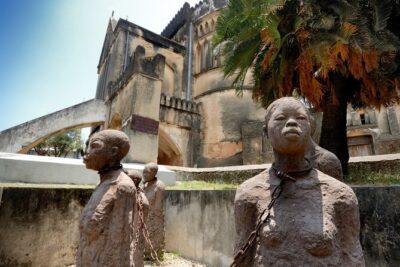
Full-Day Private Stone Town +Spice Farm and Prison Island Tour
Read our review →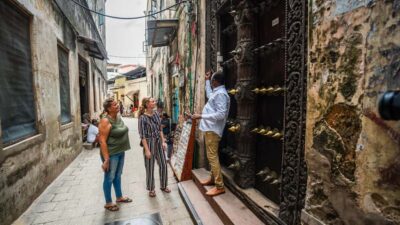
Stone Town Historical Cultural Walking Guided Tour
Read our review →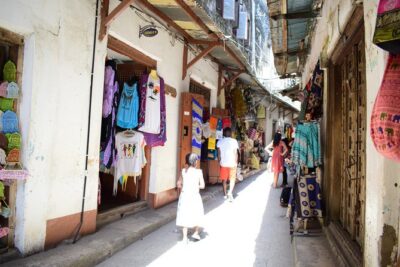
Browse the lists this tour appears in