

Reviewed · STONE TOWN TOURS
Stone Town Foodie Walk
Come hungry, leave better oriented. This three-hour walk brings Stone Town’s food, streets, and past together in a way that feels useful from the first cup of traditional coffee. I like the small maximum of five people, and I like that the tasting list goes beyond restaurant dishes to include boflo bread, urojo, sugarcane juice, and seasonal fruit. The main drawback is that hotel transport can cost extra, and the walk requires a moderate level of fitness.
You begin at Forodhani Garden beside the Indian Ocean and finish near Darajani, so this is not a simple loop back to your hotel. I also like the way the guide points out local food places rather than keeping you inside a polished tourist circuit. Just remember that this is a tasting walk, not lunch, and you may need to arrange your own ride afterward.
In This Review
- Key things to know before you book
- Why food is a smart way to meet Stone Town
- Starting at Forodhani Garden with coffee and ocean views
- Walking through inner Stone Town’s food traditions
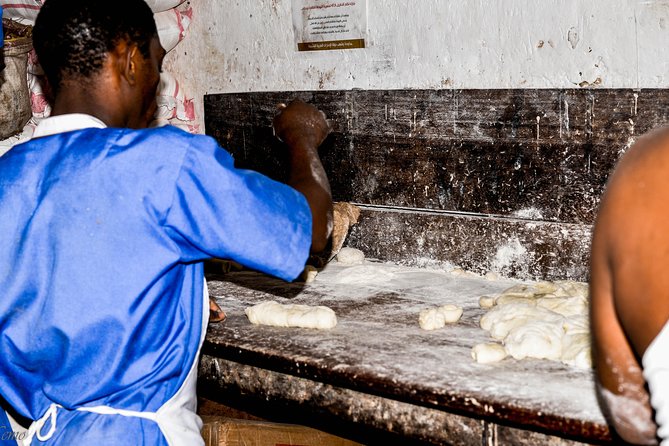
- Boflo bread at a local bakery
- Trying Indian Zanzibar urojo
- Sugarcane juice, pressed fresh for the group
- Darajani Market and seasonal tropical fruit
- Is the $40 price good value?
- Who will enjoy this walk most?
- Booking, timing, and cancellation details
- Should you book the Stone Town Foodie Walk?
- FAQ
- How long does the Stone Town Foodie Walk last?
- Where does the tour start and end?
- What food and drinks are included?
- Is hotel pickup included?
- How many people can join the tour?
- What should I wear and how fit do I need to be?
Key things to know before you book
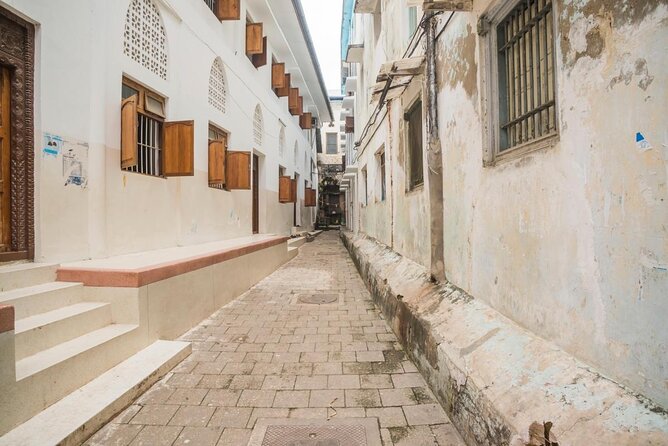
- Start with coffee at Forodhani Garden: The opening briefing comes with traditional coffee and sweet snacks, with the sea nearby.
- Taste Zanzibar’s mixed food traditions: The menu reflects African, Indian, and outside colonial influences through foods such as urojo and boflo bread.
- Visit Darajani Market: Seasonal tropical fruit and a working food market add a local feel that a restaurant-only tour cannot provide.
- Keep the group tiny: A maximum of five people allows room for questions and personal attention.
- Plan for a three-hour walk: Comfortable shoes, covered shoulders and knees, and moderate fitness will help.
- Check the transport cost: Pickup is offered in some cases, but hotel transfers can cost extra, especially from beach hotels.
Why food is a smart way to meet Stone Town
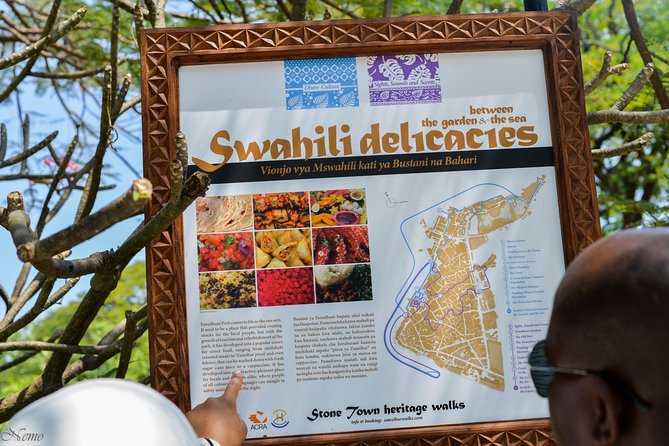
Stone Town can feel confusing at first. Its lanes turn quickly, buildings crowd the walkways, and the food traditions do not fit neatly into one category. A food walk gives you a clear reason to move through the old city while showing how Zanzibar’s cooking has been shaped by nearby regions and former colonizers.
I like this approach because food makes the past easier to understand. Instead of hearing a long history lecture in a square, you connect the story to bread, spice, fruit, drinks, and street snacks. You also get practical advice about where local people eat, which can help you make better choices for the rest of your stay.
The tour is not built around grand attractions or formal restaurant dining. Its appeal is the combination of small food samples and everyday streets. You walk through inner Stone Town, stop at a bakery, try a local mixture, and enter a market where food is bought and sold as part of daily life.
That also means you should set your expectations correctly. This is not a full meal, and the exact food selection can depend on what is available. You are paying for guided access, explanation, and several tastings, not simply for three hours of food.
More Walking Tours in Zanzibar
- Stone Town Private Walking Tour
★ 5.0 · 371 reviews - Zanzibar: 3 Hours Private Stone Town walking Tour with Guide
★ 4.6 · 301 reviews - Zanzibar: Stone Town Historical Cultural Walking Guided Tour
★ 4.5 · 179 reviews
Starting at Forodhani Garden with coffee and ocean views
The meeting point is Forodhani Garden, a sensible place to begin because it gives you an easy reference point near the water. The tour starts with a briefing over traditional coffee and sweet snacks. That first pause helps you get settled before the walking begins.
Forodhani also sets the tone for the experience. You are close to the Indian Ocean, yet only a short walk from the tight streets of Stone Town. The contrast is useful: the open waterfront gives you room to orient yourself, while the old city soon narrows into a more intimate setting.
The coffee and sweets are a modest opening rather than a major tasting stop. Still, they matter because the guide begins explaining Zanzibar’s food influences from the start. If you arrive without eating, the snacks give you something to enjoy, but they should not replace breakfast if you need a substantial meal.
This is also the moment to ask practical questions. Since the route ends at Darajani, confirm the finish point and any pickup details before setting off. A mobile ticket is provided, and booking confirmation is sent at the time of reservation.
Walking through inner Stone Town’s food traditions
The central part of the walk takes you through Stone Town with a trained guide. The subject is food, but the route also gives you a short introduction to the city’s past and local habits.
I like the way the experience links what you eat to where the food came from. Zanzibar’s cooking has been influenced by nearby neighbors and former colonizers, and the tour uses specific foods to explain those connections. That makes the information easier to remember than a list of dates and names.
You will also learn where local food joints are found. This can be one of the most useful parts of the walk because you are not just being shown a set of attractions. You are getting clues about how to eat after the tour ends.
The old city streets can be uneven and busy with ordinary activity. The operator advises a moderate physical fitness level, so expect a meaningful amount of walking rather than a short stroll between fixed stops. Wear shoes that can handle several hours on foot, and bring water even though bottled water is included.
The tour’s tone depends partly on the guide. Haj has been praised for arriving early, making the meeting point easy to find, and taking the group through less obvious food stops while explaining Stone Town’s past. Mussawir has also been singled out for giving a useful introduction to Zanzibar’s food and offering practical tips about the city. Guide quality is important here because the same snack means more when someone explains its place in local life.
Boflo bread at a local bakery
One named tasting stop is a local bakery for boflo bread. This is a small detail, but it shows what separates the walk from a standard city tour with a few restaurant samples.
A bakery stop lets you see food in its normal setting rather than on a prepared tasting plate. You get to try the bread and understand that daily eating in Stone Town includes simple bakery items as well as more complex dishes.
Do not expect a long bakery visit or a chance to sample an entire menu. The value is in the focused stop and the explanation around it. If you enjoy noticing how food is made and sold, this should be one of the more grounded moments of the route.
More Stone Town walking tours:
- Zanzibar: Stone Town, Spice Tour, Prison Island with Lunch
★ 4.4 · 1,219 reviews - Zanzibar: Prison Island, Stone Town, & Spice Farm Tour
★ 4.5 · 579 reviews - Zanzibar: Stone Town, Spice tour & Prison Island with Lunch
★ 4.6 · 453 reviews - Full-Day Private Stone Town +Spice Farm and Prison Island Tour
★ 4.5 · 216 reviews
Trying Indian Zanzibar urojo
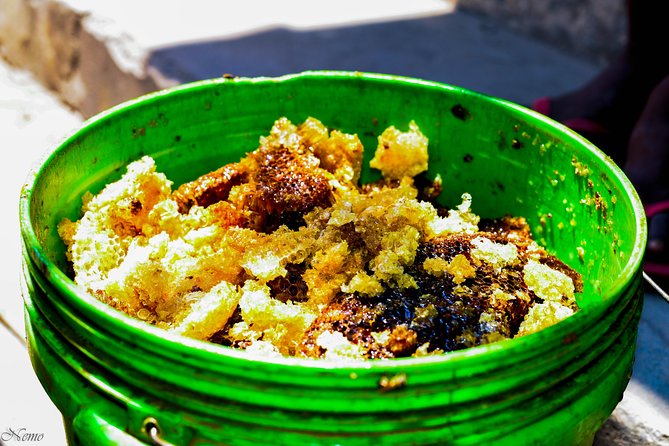
The urojo tasting adds a stronger local-food angle. Often called Zanzibar mix, urojo reflects the island’s connections with Indian cooking and local ingredients. The tour presents it as one of the foods that helps explain Zanzibar’s mixed food identity.
This is a good stop for curious eaters because it may be unlike the dishes you would order automatically at a hotel restaurant. You are encouraged to try something you might otherwise pass by, with the guide explaining what you are tasting.
The practical point is to keep an open mind. Street and market foods can be unfamiliar in flavor, texture, or presentation. You are not required to love every item, but the tasting format lets you sample without committing to a full serving.
Because lunch is not included, urojo and the other samples should be treated as part of the experience rather than a replacement for your next proper meal. One person who enjoyed the tour specifically advised arriving very hungry because the amount of food can add up. That is helpful advice, though your appetite and the day’s selection will affect how filling it feels.
Sugarcane juice, pressed fresh for the group
The hand-pressed sugarcane juice is another specific stop. It offers a break from solid food and shows a more immediate style of preparation.
I like the fact that this is not described simply as a bottled drink. Seeing or learning about the hand-pressed process gives the tasting a stronger connection to local vendors and ordinary street food. It is also a useful refreshment during a walking tour.
Bottled water is included as well, which is practical in Zanzibar’s heat. Still, do not assume the juice and water remove the need to prepare for the walk. Light clothing, comfortable shoes, and sensible sun protection remain important.
Darajani Market and seasonal tropical fruit

The market visit is likely to be the most sensory section of the route. Darajani is the ending point, and the tour includes seasonal tropical fruit there. Since fruit changes with the season, the exact selection is not fixed.
That uncertainty is part of the appeal. You get a look at what is available at the time of your visit rather than a guaranteed menu designed months in advance. The guide can help explain what you are seeing and how the market fits into local food shopping.
Markets are also less controlled than cafés. You may encounter crowds, strong smells, tight passages, and a faster pace of activity. If you prefer quiet, polished tasting rooms, this may feel rough around the edges. If you want a closer look at daily Stone Town, it is a strong reason to choose this tour.
Finishing at Darajani is both useful and slightly inconvenient. You end near a major market instead of returning to Forodhani, so you can continue exploring from there. But you need to organize your own way back unless your private transport arrangement includes a return transfer.
Is the $40 price good value?

At $40 per person, the price is reasonable if you value a guide as much as the food itself. You are getting roughly two to three hours of walking, several tastings, bottled water, snacks, and explanations about Zanzibar’s food traditions and Stone Town.
The tiny group helps the value. With no more than five people, the guide has a better chance to answer questions and adjust the pace than on a large city tour. That matters in narrow streets and at food stops where a big group can become awkward.
The strongest value comes from the combination of access and orientation. You could walk through Stone Town alone and buy food, but you would not necessarily know which local stops to try or how the dishes connect to Zanzibar’s past. The guide turns separate snacks into a story.
There are limits. Lunch is not included, transportation to and from attractions is not included, and hotel pickup and drop-off may cost extra. Pickup from beach hotels is available at an additional charge, while private tours can include hotel pickup in Stone Town for an extra cost. Factor those fees into the total before you decide.
For a private or small-group experience, $40 is more appealing than it would be for a crowded excursion. I would see it as a good first-day activity, especially if you want food advice before choosing restaurants for the rest of your visit.
Who will enjoy this walk most?
I would recommend the Stone Town Foodie Walk to people who like to learn through eating and who prefer ordinary local stops to a formal sightseeing route. It should suit first-time visitors who want an introduction to the old city without spending the entire day on a long tour.
It is also a good match for curious eaters who want to try foods they may not order on their own. Boflo bread, urojo, pressed sugarcane juice, and seasonal fruit give the route enough variety to keep it interesting.
The small group makes the tour suitable for couples, families with older children, and solo visitors who want company without joining a large crowd. Children must be accompanied by an adult, and the child rate applies only when sharing with two paying adults.
I would be more cautious if you have limited mobility or dislike walking on uneven city streets. The physical requirement is listed as moderate, and the experience lasts about three hours. It is also not the best choice if you want a filling lunch, guaranteed dishes, or a round-trip hotel transfer included in the base price.
Dress casually, but cover your shoulders and knees to respect local culture. That is simple to manage and helps you feel more comfortable as you move through markets and residential streets.
Booking, timing, and cancellation details
The tour is often reserved about 12 days ahead, so booking early makes sense if you have fixed dates. Confirmation arrives when you book, and the mobile ticket is convenient for a walking experience.
You can cancel for a full refund if you do so at least 24 hours before the local start time. Cancellations or changes made inside that 24-hour window are not accepted for a refund.
The tour is operated by Grassroots Traveller. It can run as a private experience or in a group of up to five, depending on the booking option. Check the transfer terms carefully because hotel pickup is not part of the standard price in every case.
Should you book the Stone Town Foodie Walk?
Book it if you want a friendly introduction to Stone Town through local food, especially if you enjoy markets, street snacks, and short cultural explanations. The small group, specific tastings, and guides such as Haj and Mussawir add personal value to a fairly priced experience.
Skip it if you need a full meal, dislike walking, or want every transport detail included without extra charges. For most visitors with three hours to spare, though, this is a practical way to get your bearings, try unfamiliar Zanzibar foods, and leave with better ideas about where to eat next.
FAQ
How long does the Stone Town Foodie Walk last?
The walk lasts approximately two to three hours, with the full itinerary described as a three-hour walking tour.
Where does the tour start and end?
It starts at Forodhani in Zanzibar and ends at Darajani. You should plan how you will continue from the ending point unless your transport arrangement covers it.
What food and drinks are included?
Included tastings include traditional coffee with sweet snacks, boflo bread from a local bakery, Indian Zanzibar urojo, hand-pressed sugarcane juice, and seasonal tropical fruit. Snacks, food tastings, and bottled water are included.
Is hotel pickup included?
Hotel pickup and drop-off are not included in the standard tour price. Pickup from designated meeting points is offered, while private-tour pickup in Stone Town and transfers from beach hotels can involve an extra cost.
How many people can join the tour?
The activity has a maximum of five people per booking and a maximum of five participants overall.
What should I wear and how fit do I need to be?
Casual clothing is suitable, but shoulders and knees should be covered to respect local culture. A moderate level of physical fitness is recommended because the experience is a three-hour walking tour.
More Food Tours in Zanzibar
- Stonetown: Food Markets and Street Food Walking Tour
★ 4.7 · 151 reviews - Authentic Street Food Tours in Stone Town, Zanzibar
★ 5.0 · 46 reviews - Stone Town Evening Walk Tour With Visit Food Markets
★ 4.5 · 28 reviews - Zanzibar:Stone town Street food market walking tour,transfer
★ 4.5 · 9 reviews
Just added in Zanzibar
- Zanzibar:Ngoma local culture workshop,The Knowledge of Ngoma★ 5.0 · 1 review
- ZANZIBAR:Mnemba island, Spice farm and Jozani Forest★ 5.0 · 1 review
- Zanzibar: Zipline Adventure At Masingini Forest★ 4.6 · 2 reviews
- Zanzibar Walking Tour: Unveiling the Secrets of Stonetown★ 4.8 · 11 reviews
- Zanzibar: Walking Tour★ 4.0 · 1 review
- Zanzibar: Walking Spice Farm with Local Cooking Class★ 4.4 · 9 reviews
- Zanzibar: Uzi Island Mangrove Kayak Tour with Guide★ 5.0 · 1 review
- Zanzibar: Unique Guided Mangrove Tour by SUP or Kayak★ 5.0 · 1 review
Stone Town Tours, compared.

Stone Town, Spice Tour, Prison Island with Lunch
Read our review →

Stone Town, Spice tour & Prison Island with Lunch
Read our review →
3 Hours Private Stone Town walking Tour with Guide
Read our review →
Full-Day Private Stone Town +Spice Farm and Prison Island Tour
Read our review →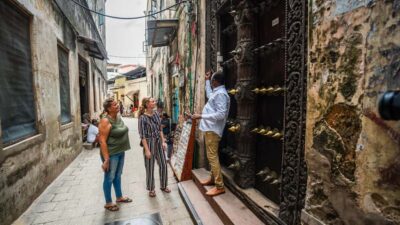
Stone Town Historical Cultural Walking Guided Tour
Read our review →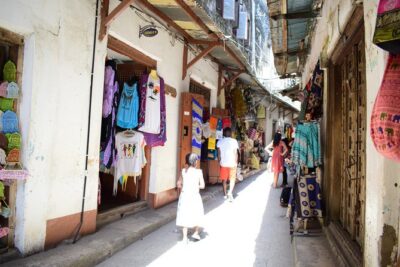
Browse the lists this tour appears in