
Reviewed · STONE TOWN TOURS
Stone Town Guided Tour from Zanzibar
History hides in plain sight here. Stone Town gives you a compact look at Zanzibar’s African, Arab, Indian, Persian, and European past, all within a maze of narrow lanes, old balconies, carved doors, and coral-stone buildings. This private, approximately three-hour tour costs $85 per person, includes hotel pickup, drop-off, guide services, and entrance fees.
I like the easy transport and the chance to see major sites without sorting out the city yourself. I also like the 30-minute shopping stop, since Stone Town is a good place to look for paintings, textiles, spices, and small crafts. The main concern is time: three hours can feel short, especially if you want detailed explanations or unhurried shopping.
The tour suits you best if this is your first visit to Zanzibar City and you want a clear introduction rather than a full-day study of Stone Town. The experience is private, so your group can avoid being folded into a large crowd, though the quality of the tour may depend heavily on the guide assigned to you. Names praised in past feedback include Seif Ali for his excellent English and Omar for his helpful, friendly manner. Said Faki was also singled out as an excellent driver and guide.
In This Review
- Key points to know before you book
- Why Stone Town deserves your time
- Darajani Bazaar: a quick look at daily Zanzibar
- The Old Fort and its Omani defenses
- The former slave market and the Anglican Cathedral
- Carved doors, balconies, and Stone Town’s visual details
- Shopping time: useful, but keep your expectations clear
- How the three-hour format works
- Is $85 good value?
- Who should book this Stone Town tour?
- My booking verdict
- FAQ
- How long does the Stone Town tour last?
- What is the price?
- Is hotel pickup included?
- Is this a private tour?
- Are entrance fees included?
- Is food included?
- What should women wear?
- How far in advance can I cancel for a refund?
Key points to know before you book
- The market comes first: Darajani Bazaar gives you a quick look at daily commerce, from seafood and fruit to clothing and electronics.
- The Old Fort is compact but atmospheric: Its thick walls, pointed arches, courtyard, craft shops, and open-air performance space make this a useful short stop.
- The slave-trade history is handled at the Anglican Cathedral: The church occupies the site of the former slave market, with access to underground holding chambers.
- You get a private tour: Only your own group participates, which can make questions and pacing easier.
- Three hours is an introduction, not a full exploration: The schedule leaves limited time for long explanations, photography, and shopping.
- Dress conservatively: Women should cover their shoulders and wear long skirts or trousers when walking through Stone Town.
Why Stone Town deserves your time
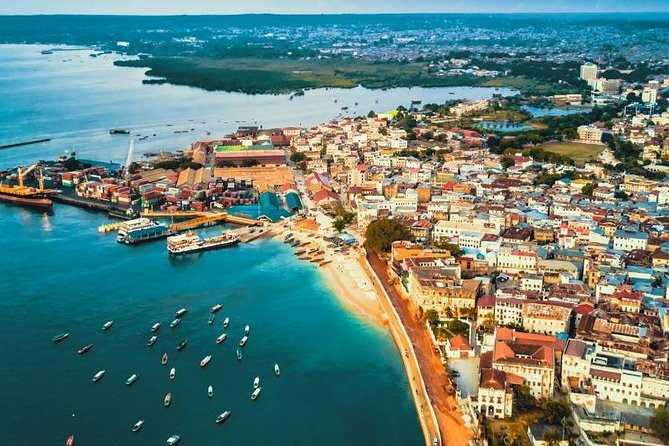
Stone Town is not a polished museum district. It is a working part of Zanzibar City, with shops, markets, homes, hotels, religious buildings, and tourist businesses packed together in old streets. That mix is the point. You see the city as a place where history still shares space with ordinary life.
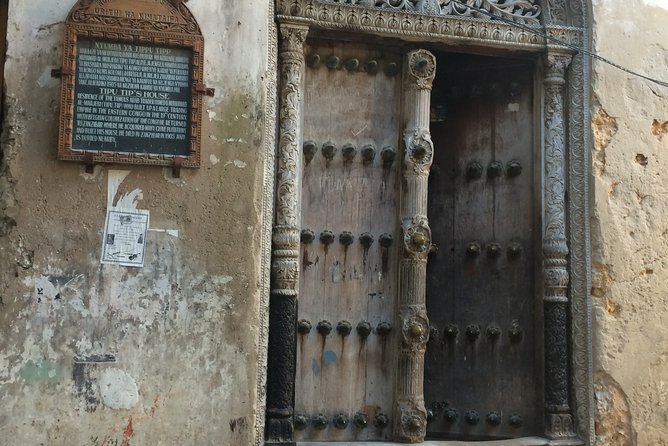
The architecture reflects centuries of contact across the Indian Ocean. African, Omani Arab, Indian, Persian, and European influences appear in the buildings, religious sites, market traditions, and decorative details. The carved wooden doors are especially memorable. Some are decorated with heavy frames, metal studs, or elaborate patterns, and your guide can help you notice details you might otherwise walk past.
I would not book this tour expecting a quiet, slow walk through perfectly preserved streets. Stone Town can feel hot, crowded, and confusing. The lanes are narrow, and the three-hour format asks you to keep moving. Still, a guide gives the old city shape. Instead of seeing only doors and walls, you begin to understand how trade, religion, royalty, and slavery shaped Zanzibar.
More Stone Town walking tours:
- Zanzibar: Stone Town, Spice Tour, Prison Island with Lunch
★ 4.4 · 1,219 reviews - Zanzibar: Prison Island, Stone Town, & Spice Farm Tour
★ 4.5 · 579 reviews - Zanzibar: Stone Town, Spice tour & Prison Island with Lunch
★ 4.6 · 453 reviews
Darajani Bazaar: a quick look at daily Zanzibar
The first stop is Darajani Bazaar, also called Estella Market or Marikiti Kuu, which means main market in Swahili. The market is on Darajani Road near the Anglican Cathedral of Christ and is mainly a food market.
In a short visit, you might see seafood, meat, fruit, grains, and spices. Shops around the main market also sell clothing, electronics, and other practical goods. That variety matters. Darajani is not simply a souvenir market arranged for sightseeing. It is a place where local commerce happens.
The market structure was built in 1904 by Bomanjee Maneckjee for Sultan Ali bin Hamud. It was later extended and restored. That gives the building its own place in Stone Town’s story, but the real appeal is the contrast between old walls and the steady business inside.
The scheduled stop is about 15 minutes, with no separate admission charge. That is enough for a first impression, but not enough for a relaxed market visit. If you want photographs, take them discreetly and follow your guide’s advice. Food markets are working spaces, not staged attractions.
This is also a useful place to wake up your senses before the walking tour gets underway. You may notice strong food smells, close-packed stalls, and a quick pace. If that sort of setting makes you uncomfortable, tell the guide. The stop is brief, but you should still dress modestly and keep an eye on your belongings in any crowded market.
The Old Fort and its Omani defenses
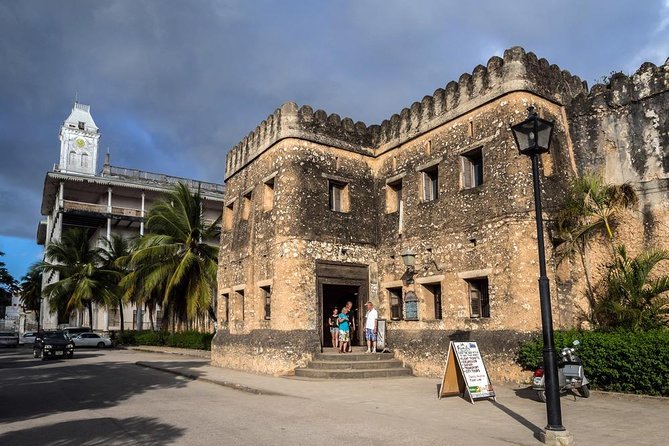
The Old Fort, known locally as Ngome Kongwe, is one of the most recognizable buildings in Stone Town. Its high brown walls, crenelated battlements, pointed-arch entrances, and inner courtyard give it a more defensive feel than the surrounding streets.
The Omanis built the fort in the 17th century as protection against the Portuguese. It is described as the oldest standing structure in Stone Town, so even a short visit carries real historical weight. The fort is not presented as a bare ruin. Its courtyard now contains curio shops and functions as a cultural center.
You may find tingatinga paintings and traditional handicrafts for sale inside. The open-air amphitheater can also host performances, although a performance is not promised as part of this tour. Think of the fort as a compact stop where you can see the walls, learn the basic story, and browse if time allows.
The scheduled visit lasts about 10 minutes, with admission included. Ten minutes is enough to enter, look around, and hear an overview. It is not enough for a careful examination of every wall or a long shopping session. If you are interested in architecture or military history, this will probably be the point where you wish the tour moved more slowly.
The fort is also a practical orientation point. After the tight lanes and market stalls, its courtyard gives you a little breathing room. Your guide may use the space to explain how Portuguese and Omani power shaped the island, but the amount of detail depends on the person leading your group.
The former slave market and the Anglican Cathedral

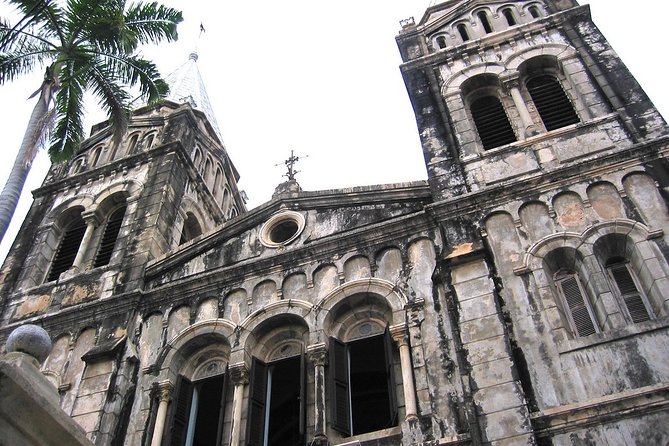
The most serious part of the tour is the Old Slave Market and Anglican Cathedral. The church was built between 1873 and 1883 on the site of the former slave market, from the period when Zanzibar was a major center of the slave trade under the Muscat and Oman Sultanate, with British support.
The cathedral is built from coral stone in a Canterbury-style design. Inside, the altar is believed to sit where the old whipping post once stood. That placement gives the building a painful physical connection to the site’s past. It is not a stop to rush through with a camera. Listen closely, and give the subject the attention it deserves.
You can also enter the former slave chambers in the cellars of the old Anglican Mission House, now used as a hostel. These underground rooms offer a stark sense of the conditions people endured. A concrete sculpture in the churchyard shows enslaved people emerging from a holding cell, adding a visual reminder beside the church.
The cathedral has a large rectangular bell tower with a clock. Its cross was made from the tree under which David Livingstone’s heart was buried in 1873. That detail connects the church to the wider history of European missionary activity in East Africa.
Admission is included, and the scheduled stop is about 10 minutes. That is the biggest weakness in the formal schedule. The subject needs care, and the site contains enough detail to occupy much more time. If the guide provides only a quick description, you may leave feeling that the visit was too thin.
A few more options to weigh up in Zanzibar
- From Zanzibar: Mikumi Safari Day Trip with Flights and Meal
★ 4.7 · 1,470 reviews - Zanzibar: Quad Bike Adventure departing from Kendwa or Nungwi
★ 4.9 · 1,233 reviews - From Zanzibar: Day Selous Game Reserve Safari with Flights
★ 4.7 · 1,025 reviews - Zanzibar: Prison Island and Nakupenda Boat Trip with Lunch
★ 4.1 · 882 reviews
Carved doors, balconies, and Stone Town’s visual details
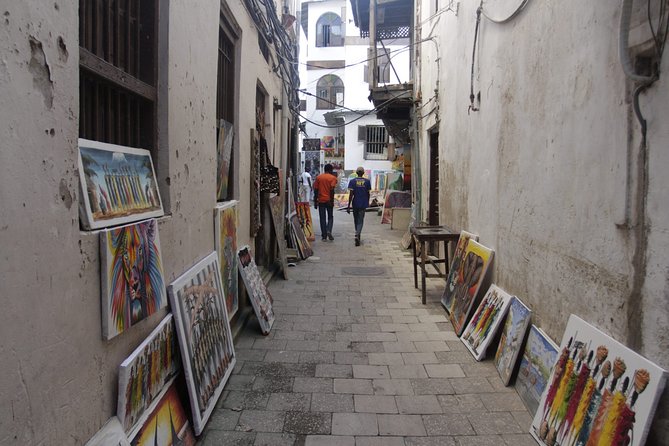
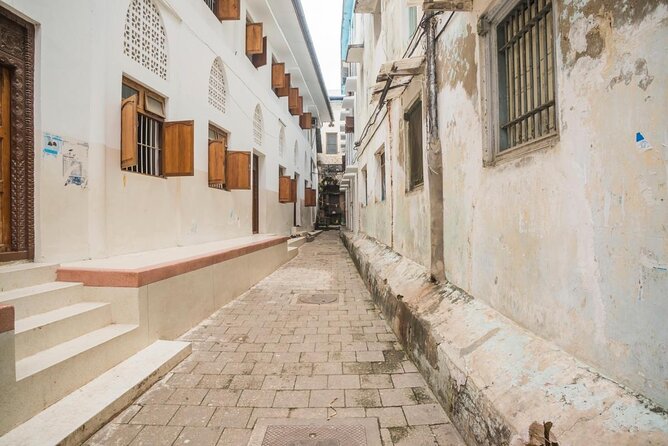
The tour also promises a look at beautifully carved wooden doors, one of Stone Town’s most distinctive features. These doors are not all alike. They reflect the wealth, taste, and cultural connections of the families and merchants who built or occupied the houses.
Look above street level, too. Narrow lanes are shaded by balconies and verandahs, creating a city that feels both enclosed and decorative. The best part of walking here is often not a single landmark. It is the constant change in small details as you turn a corner.
This is where a guide can earn the cost of the tour. A poor explanation reduces the experience to a list of buildings: a door, a market, a palace, and Freddie Mercury’s house. A good explanation connects the objects to Zanzibar’s past and points out things you may not notice alone.
The included highlights also mention the Sultan Palace, one of the city’s important historic sites. The supplied schedule gives specific timed stops at Darajani Bazaar, the Old Fort, and the Anglican Cathedral, so you should confirm with the provider exactly how the Sultan Palace and other door-focused sights fit into the three-hour route.
Shopping time: useful, but keep your expectations clear
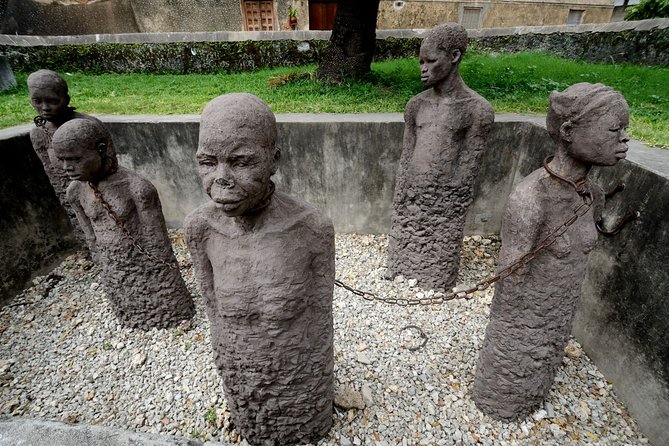
The tour includes a 30-minute break for shopping. This is enough time to browse local markets and look for recognizable Zanzibar souvenirs without losing an entire afternoon to stores.
Possible purchases include tingatinga artwork, traditional handicrafts, textiles, spices, and other small goods. The Old Fort’s shops are specifically associated with paintings and crafts, while Darajani has a broader mix of food and practical products. If you want to buy something, ask your guide about the type of item before you start comparing prices.
The shopping break is valuable because Stone Town can feel confusing when you are alone. A guide may help you understand where the group is meeting and how much time remains. Still, this is not a dedicated shopping tour. You may need to choose between browsing carefully and keeping up with the schedule.
Use the half-hour to identify one or two things you genuinely want. Haggling and browsing can easily consume the whole break, especially if you are looking at carved items or paintings. Souvenir photos are not included, and food and drinks are also extra, so carry money only for the purchases you plan to make.
How the three-hour format works
The tour offers a morning or afternoon departure, with pickup and drop-off at Zanzibar hotels. That is a strong convenience, especially if you are staying outside Stone Town or do not want to arrange local transport.
The published timed stops total only 35 minutes: 15 minutes at Darajani Bazaar, 10 minutes at the Old Fort, and 10 minutes at the cathedral. Add the 30-minute shopping break, and the remaining time is used for walking, explanations, and travel between points. That makes the tour feel like a brisk introduction rather than a slow historical walk.
Expect moderate physical activity. You will be walking through old streets, and the tour requires a moderate fitness level. Wear comfortable shoes, bring water, and prepare for heat. The city’s narrow lanes often provide shade, but that does not remove the need for sensible clothing and hydration.
Because this is a private activity, your group does not have to share the tour with strangers. That can make the experience more relaxed, particularly if you want to ask questions or pause for photographs. The guide may be multilingual, and communication quality can vary, so it is worth making your interests clear at the beginning.
Is $85 good value?
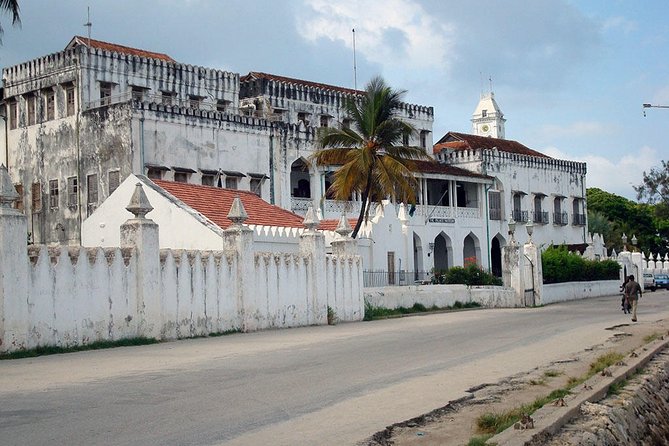
At $85 per person, this is not the cheapest way to walk through Stone Town. The value comes from the package: private participation, hotel transport, a professional guide, and included entrance fees.
If you are staying near the old city and feel comfortable arranging your own walking route, you may find the price high for three hours. You could see several exterior sights without paying for a formal tour. The difference is the interpretation and the ease of moving between places.
For a first visit, I think the price is reasonable if your guide provides strong historical context and uses the time well. The experience becomes less appealing if the commentary is thin or if the tour rushes from one sight to the next. Past feedback includes both ends of that range. Seif Ali was praised for excellent English and strong guidance, while another visitor described a disappointing experience reduced to quick labels about a door, a market, and Freddie Mercury’s house.
That contrast is important. The tour company, ARP Travel Group, provides the structure, but the guide shapes the day. If you are assigned someone like Seif Ali, whose English was specifically praised, the tour may feel far more useful. Said Faki received especially strong praise as a driver, so his transportation service appears to be another positive sign when available.
The overall published rating is 3.8 from eight ratings. That suggests a mixed experience rather than a sure bet, so book this for the convenience and private format, not because the guide quality is guaranteed.
Who should book this Stone Town tour?
I would recommend it to first-time visitors who want a short, organized introduction to the old city. It is also a good fit if hotel pickup matters, your time in Zanzibar is limited, or you prefer to have someone explain the sites rather than read about them afterward.
The tour should suit couples, families with older children, and small groups who value a private outing. The shopping break adds flexibility, and the route includes the market, fort, cathedral, former slave market site, and key architectural details.
I would hesitate if you are a serious history enthusiast who wants long discussions at each site. The 10-minute stops at the Old Fort and Anglican Cathedral are brief, and the full schedule may leave little room for questions. I would also hesitate if you dislike heat, market crowds, or walking on a firm schedule.
Dress conservatively. The stated dress code is formal, with women asked to cover their shoulders and wear long skirts or trousers. Men should also choose respectful clothing for religious and historic sites. This is not just a matter of comfort. Appropriate dress shows respect in a city where churches, markets, and Islamic cultural traditions share close quarters.
My booking verdict
Book this tour if you want transport, a private guide, included admissions, and a compact overview of Stone Town. Its best moments should come from the Old Slave Market site, the Old Fort, Darajani Bazaar, and the city’s carved doors.
Before paying, accept that the experience may be brisk and guide-dependent. If you can request or confirm a guide with strong English, do so. Cancel at least three full days before the start time if your plans change, since later cancellations and changes are not refunded.
For a short first look at Zanzibar City, this tour makes sense. For a detailed study of Stone Town, choose a longer walk or add independent time after the tour.
FAQ
How long does the Stone Town tour last?
The tour lasts approximately three hours.
What is the price?
The price is $85 per person.
Is hotel pickup included?
Yes. Pickup and drop-off at Zanzibar hotels are included.
Is this a private tour?
Yes. Only your own group participates in the activity.
Are entrance fees included?
Yes. Entrance fees for the included attractions are covered.
Is food included?
No. Food and drinks are not included in the price.
What should women wear?
Women should cover their shoulders and wear long skirts or trousers when walking through Stone Town.
How far in advance can I cancel for a refund?
You must cancel at least three full days before the experience start time for a full refund. Cancellations or changes made less than three full days before the start time are not accepted for a refund.
Just added in Zanzibar
- Zanzibar:Ngoma local culture workshop,The Knowledge of Ngoma★ 5.0 · 1 review
- ZANZIBAR:Mnemba island, Spice farm and Jozani Forest★ 5.0 · 1 review
- Zanzibar Walking Tour: Unveiling the Secrets of Stonetown★ 4.8 · 11 reviews
- Zanzibar: Zipline Adventure At Masingini Forest★ 4.6 · 2 reviews
- Zanzibar: Walking Spice Farm with Local Cooking Class★ 4.4 · 9 reviews
- Zanzibar: Walking Tour★ 4.0 · 1 review
- Zanzibar: Uzi Island Mangrove Kayak Tour with Guide★ 5.0 · 1 review
- Zanzibar: Unique Guided Mangrove Tour by SUP or Kayak★ 5.0 · 1 review
Stone Town Tours, compared.

Stone Town, Spice Tour, Prison Island with Lunch
Read our review →

Stone Town, Spice tour & Prison Island with Lunch
Read our review →
3 Hours Private Stone Town walking Tour with Guide
Read our review →
Full-Day Private Stone Town +Spice Farm and Prison Island Tour
Read our review →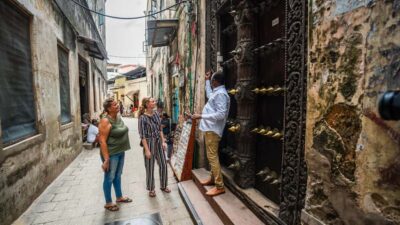
Stone Town Historical Cultural Walking Guided Tour
Read our review →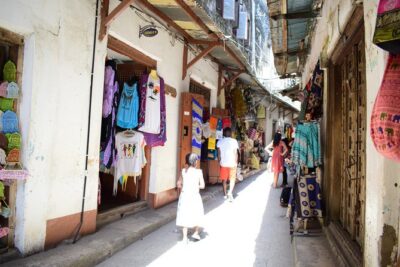
Browse the lists this tour appears in