
Reviewed · STONE TOWN TOURS
Stone Town Private Walking Tour
Stone Town rewards slow walking. This private three-hour tour links Zanzibar’s slave-trade sites, old Portuguese and Arab buildings, local markets, and narrow streets into one clear introduction to the city. I like the chance to explore with a certified guide rather than puzzle over the past alone, and I especially like that the route includes both major sights and everyday Darajani Bazaar. The main drawback is that the Freddie Mercury Museum costs an extra $10, and the tour may only cover the house exterior unless you choose to pay for entry.
At $40 per person, the tour offers solid value if you want private guiding, a focused history lesson, and a walk that starts and ends in Stone Town. You should also note that hotel pickup is limited to Stone Town hotels, while visitors staying elsewhere on Zanzibar must arrange their own transfer.
In This Review
- Key details to know before booking
- A three-hour introduction to Zanzibar’s old city
- The Old Slave Market and Anglican Cathedral
- Freddie Mercury’s Stone Town birthplace
- Forodhani Gardens and the waterfront story
- Darajani Bazaar: spices, seafood, and daily life
- The Old Fort and its changing roles
- Walking Stone Town’s narrow lanes
- What the $40 price really buys you
- Timing, comfort, and practical limits
- Who will get the most from this walk
- Should you book the Stone Town Private Walking Tour?
- FAQ
- How long does the Stone Town Private Walking Tour last?
- How much does the tour cost?
- Is this a private tour?
- Where does the tour start?
- Where does the tour end?
- Is hotel pickup included?
- Is transport from other parts of Zanzibar included?
- Is admission to the slave market and Anglican Cathedral included?
- Does the tour include entry to the Freddie Mercury Museum?
- Can I cancel for a full refund?
Key details to know before booking

- The Old Slave Market takes about one hour, making it the most serious and substantial part of the walk.
- The meeting point is House of Wonders, on Sokoku Street, and the tour returns there at the end.
- Freddie Mercury’s former home is usually viewed from outside, with museum entry available for an additional $10.
- Darajani Bazaar gives you a look at local food, spices, fish, shops, and crafts, not just polished historic facades.
- The tour is private, so only your own group takes part.
- Free cancellation is available up to 24 hours before the start time, but late cancellations are not refunded.
A three-hour introduction to Zanzibar’s old city
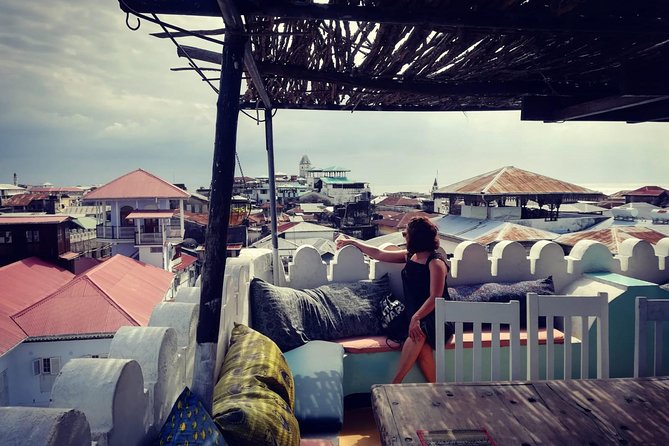
Stone Town is compact, but its story is not. Portuguese soldiers, Omani Arab rulers, British planners, Indian merchants, Christian missionaries, and people caught in the slave trade all shaped these streets. A private walk helps you connect those layers instead of seeing each building as an isolated photo stop.
The route is listed at about three hours. The timed stops add up to roughly two hours and 40 minutes, leaving the rest for walking between sites, questions, and short pauses. That makes the schedule fairly brisk, but not unreasonable for a compact old city.
You begin at House of Wonders, one of Stone Town’s best-known landmarks. From there, the route moves through the former slave market, Freddie Mercury’s birthplace, Forodhani Gardens, Darajani Bazaar, the Old Fort, and the narrow lanes of Stone Town before returning to the starting point.
The private format matters here. You can ask about a family of carved doors, a religious building, a market custom, or a street name without waiting for a large group to catch up. The supplied tour information names a professional and certified guide as part of the package, and Abdul received especially warm praise for being helpful and friendly during arrangements and island touring.
More Walking Tours in Zanzibar
- Stone Town Private Walking Tour
★ 5.0 · 371 reviews - Zanzibar: 3 Hours Private Stone Town walking Tour with Guide
★ 4.6 · 301 reviews - Zanzibar: Stone Town Historical Cultural Walking Guided Tour
★ 4.5 · 179 reviews
The Old Slave Market and Anglican Cathedral
Plan to give this stop the time it deserves. The former slave market and Anglican Cathedral are together the tour’s central historical experience, with about one hour set aside and admission included.
You will see the market site, a monument, holding chambers, and an exhibition about the slave trade. The chambers are described as cramped places where enslaved people were held with too little food and water. This is not an easy stop, and it should not be treated as a quick background note before lunch.
The Anglican Cathedral adds another layer to the site. The church contains the grave of Bishop Edward Steere and a Christian cross made from wood connected with the place where David Livingstone died. That detail links Zanzibar to the wider history of European missionary work and exploration in East Africa.
I appreciate that entry to the cathedral and slave-market site is included in the $40 price. You are not being asked to pay extra at the most important stop. Still, allow yourself a quiet hour here. The value comes less from the number of buildings and more from having the setting explained with care.
The subject is difficult, so consider the mood of your group. If you want a light sightseeing walk built mostly around photographs, this section may feel heavy. If you want to understand Zanzibar beyond beaches and spice souvenirs, it is essential.
Freddie Mercury’s Stone Town birthplace
The stop at Freddie Mercury’s former home lasts about 10 minutes. The usual arrangement is an exterior look at the house where he was born and raised, though you may be able to enter the museum by paying the separate $10 admission.
This is a short stop, so keep your expectations in check. It is a birthplace visit, not a full music-history tour. The appeal is the connection between a global rock singer and the close quarters of old Stone Town.
The extra fee is not included, and the information does not promise that museum entry will always be available. Ask the guide early in the walk if you want to go inside, then carry enough money for the admission. If you are mainly interested in Stone Town’s architecture and political past, the outside view may be enough.
The stop also breaks up the heavier historical material at the slave market. It gives the walk a modern cultural link without taking much time from the bazaars and fort.
Forodhani Gardens and the waterfront story

Forodhani Gardens receives a short 10-minute visit. Today, it is known for its evening food market, but the site also has an older connection to Stone Town’s waterfront and the arrival of enslaved people from mainland Africa and Arab trading routes.
The tour information says the garden was known as Silver Jubilee Garden in the 18th century. Your guide can help place that earlier use beside its current role as a public gathering and food area.
The timing means you will not have a long meal break here. Food and drinks are not included, so treat this as a look at the setting rather than a dinner stop. If you want to sample food at the night market, you may need to return later on your own.
That limitation is useful to know. The tour gives you an overview of Forodhani Gardens, but it does not turn the visit into a full food tour. I would save questions about local dishes for the guide and return independently if the market catches your interest.
More Stone Town walking tours:
- Zanzibar: Stone Town, Spice Tour, Prison Island with Lunch
★ 4.4 · 1,219 reviews - Zanzibar: Prison Island, Stone Town, & Spice Farm Tour
★ 4.5 · 579 reviews - Zanzibar: Stone Town, Spice tour & Prison Island with Lunch
★ 4.6 · 453 reviews - Full-Day Private Stone Town +Spice Farm and Prison Island Tour
★ 4.5 · 216 reviews
Darajani Bazaar: spices, seafood, and daily life

Darajani Bazaar appears twice in the route description, with 30 minutes assigned to the local market and another 30 minutes for an Indian bazaar area. Taken together, you should expect a substantial market walk, though the exact order and timing may depend on the guide.
This is where the tour moves beyond monuments. You can see stalls selling spices, vegetables, fish, and seafood, along with local shops and crafts. The market was built during Arab rule in 1902 and designed by British and Indian designers, giving the building and its use a mixed cultural background.
The market is a good place to watch ordinary commerce. You may find the smells, sounds, and close lanes more revealing than another grand building. A guide can explain what you are seeing and help connect the market to Zanzibar’s Arab, Indian, African, Portuguese, and British influences.
Keep your pace flexible. Markets are working places, not museum rooms. The tour information does not promise shopping time or specific tastings, so do not assume that every product is part of the admission. Food and drinks remain your own expense.
The two bazaar entries may cause some confusion when you book. In practical terms, expect about an hour around Darajani’s market lanes and Indian commercial area, with the route showing how trade and craft remain part of Stone Town’s daily identity.
The Old Fort and its changing roles
The Old Fort, also called Ngome Kongwe, gets about 20 minutes. Its thick walls began as a Portuguese fort built to protect soldiers from enemies, and the fort is described as the first Portuguese house built in the city during the 17th century under Vasco da Gama.
Later, Arab rulers developed Stone Town and adapted the fort. During Arab rule, it served as a theater, and during British rule it was used as a women’s tennis field. Those changing uses make the fort more interesting than a single-purpose military ruin.
You will have time to see the fort and hear its broad story, but not enough for a long architectural study. The stop is free, which helps the overall value of the tour. It also gives you a chance to compare Portuguese defensive building with the later Arab and British presence described throughout the walk.
The history presented here covers several centuries in only 20 minutes. If a particular period interests you, ask direct questions. A private tour is best used actively, and this is one of the stops where a few questions can turn a quick visit into a clearer lesson.
Walking Stone Town’s narrow lanes
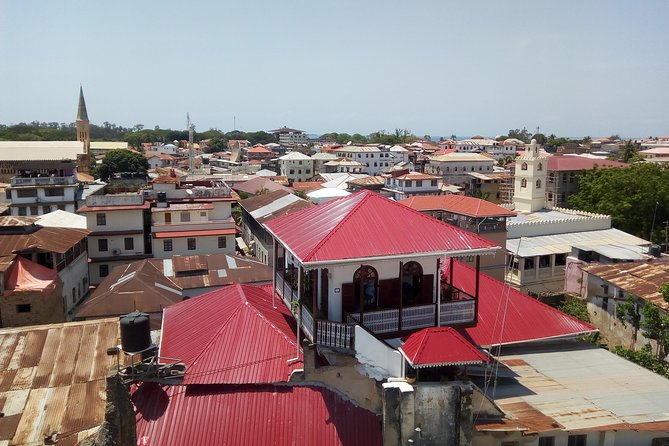
The final section takes about 20 minutes and leads through the narrow roads of Stone Town. You will pass old buildings dating back to the 17th century, meet local people, and see the carved doors, tight lanes, and layered streets that give the city its name.
This part is less about entering one attraction and more about putting everything together. The name Stone Town refers to the substantial stone buildings that replaced or complemented earlier forms of settlement. The walk lets you see how the city’s structure grew from trade, religion, defense, and daily life.
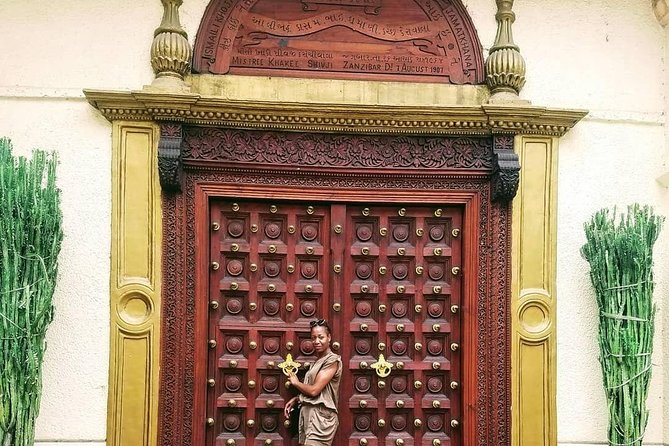
A private guide can point out details you might otherwise miss. The information does not list a specific door or building, so I would avoid expecting a fixed architectural checklist. Instead, use the time to ask why the streets are narrow, how the old buildings were used, and how Portuguese, Arab, British, Indian, and African influences overlap.
The route returns to House of Wonders. Since the meeting point is also the end point, you are not left at an unfamiliar part of the city after the walk.
What the $40 price really buys you
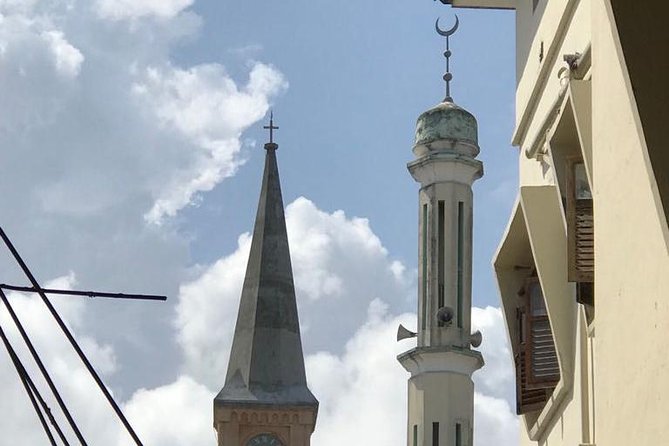
At $40 per person, the cost is reasonable for a private three-hour tour with a certified guide and included admission to the Old Slave Market and Anglican Cathedral. The price is strongest for couples, families, or small groups who value personal attention and do not want to join strangers.
You are paying for interpretation as much as for walking. Stone Town’s sights can be visually impressive but historically confusing. A guide who can explain the relationship between the slave market, cathedral, fort, waterfront, and bazaars gives the route a useful shape.
The price does not include food, drinks, tips, personal costs, the $10 Freddie Mercury Museum admission, or transport from other parts of Zanzibar. Those extras are easy to budget for, but they change the final cost.
If you are staying in Stone Town, the value improves because hotel pickup can be arranged from Stone Town hotels if you request it in advance. If you are staying at a beach resort elsewhere on the island, the tour begins in Stone Town and you must arrange your own transfer.
The tour is private, which is the key advantage. A larger group might cost less per person, but it could also move at a fixed pace and leave less room for questions. Here, the best value comes when you use the guide well.
Timing, comfort, and practical limits
The listed opening hours cover every day and show a full-day availability window, but the walking experience itself lasts about three hours. Confirm your chosen start time when booking, since the published hours do not identify one standard departure time.
Stone Town can be busy and its lanes are tight. The tour is entirely focused on walking once you arrive, so wear shoes you can use comfortably for several hours. The supplied information says most people can participate and notes access to public transportation, but it does not provide specific details about wheelchair access or step-free routes.
Bring money for the Freddie Mercury Museum if you want to enter, as well as any food, drinks, or personal purchases. Tips are not included, and they are left to your judgment.
You receive confirmation at booking. Free cancellation applies when you cancel at least 24 hours before the start time. A cancellation made inside that 24-hour window is not refunded, and changes during that period are not accepted.
Who will get the most from this walk
I would recommend this tour to a first-time Stone Town visitor who wants the main historical stops in one morning or afternoon. It suits people who prefer context and conversation over moving quickly from one photo point to the next.
It is also a good choice for anyone curious about Zanzibar’s mixed past. The route brings together the Portuguese fort, Arab rule, British design and administration, Indian commercial life, Christian missionary history, slave trading, and modern popular culture.
Families can benefit from the private format because the guide can adjust explanations and pace. The slave-market stop may be emotionally difficult for young children, so parents should decide if that subject fits their group.
I would be more cautious if your priority is food. Forodhani Gardens and Darajani Bazaar are included, but meals and tastings are not. You get an introduction to local market life, not a dedicated food experience.
Likewise, music fans should see the Freddie Mercury stop as a brief add-on. The main substance of the tour is Stone Town’s broader history and street life.
Should you book the Stone Town Private Walking Tour?
Book it if you want a private, affordable introduction with a serious historical core. The included slave-market and cathedral admission, local bazaar time, Old Fort visit, and narrow-lane walk give you a strong first look at Stone Town for $40 per person.
Before booking, confirm that you are comfortable starting in Stone Town and paying separately for the Freddie Mercury Museum if desired. Request Stone Town hotel pickup in advance, and ask the guide about the exact start time and whether museum entry can be arranged.
I would choose this tour early in a Zanzibar stay. It gives you the historical frame needed to understand the city, and it leaves you with enough free time to return later to Forodhani Gardens, the markets, or any building that caught your attention.
FAQ
How long does the Stone Town Private Walking Tour last?
The tour lasts approximately three hours.
How much does the tour cost?
The listed price is $40 per person.
Is this a private tour?
Yes. Only your own group participates in the activity.
Where does the tour start?
The meeting point is House of Wonders, R5QQ+JR, Sokoku Street, Zanzibar, Tanzania.
Where does the tour end?
The tour ends back at the House of Wonders meeting point.
Is hotel pickup included?
Pickup is available from hotels in Stone Town if you request it and send a message in advance.
Is transport from other parts of Zanzibar included?
No. The tour starts in Stone Town, and transport from other parts of the island is not included.
Is admission to the slave market and Anglican Cathedral included?
Yes. Entry to the Old Slave Market and Anglican Cathedral is included.
Does the tour include entry to the Freddie Mercury Museum?
No. Admission to the Freddie Mercury Museum is not included. The listed additional cost is $10.
Can I cancel for a full refund?
Yes, if you cancel at least 24 hours before the experience starts. Cancellations made less than 24 hours before the start time are not refunded.
Just added in Zanzibar
- Zanzibar:Ngoma local culture workshop,The Knowledge of Ngoma★ 5.0 · 1 review
- ZANZIBAR:Mnemba island, Spice farm and Jozani Forest★ 5.0 · 1 review
- Zanzibar: Zipline Adventure At Masingini Forest★ 4.6 · 2 reviews
- Zanzibar Walking Tour: Unveiling the Secrets of Stonetown★ 4.8 · 11 reviews
- Zanzibar: Walking Tour★ 4.0 · 1 review
- Zanzibar: Walking Spice Farm with Local Cooking Class★ 4.4 · 9 reviews
- Zanzibar: Uzi Island Mangrove Kayak Tour with Guide★ 5.0 · 1 review
- Zanzibar: Unique Guided Mangrove Tour by SUP or Kayak★ 5.0 · 1 review
Stone Town Tours, compared.
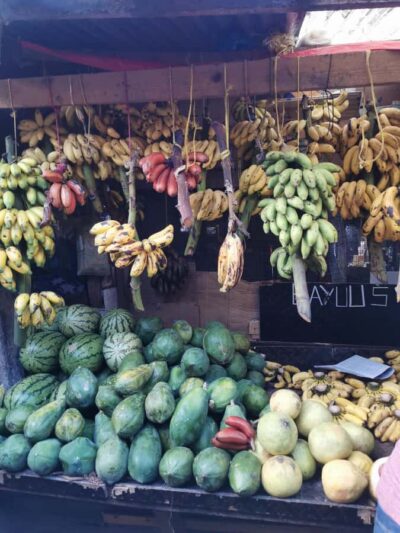
Stone Town, Spice Tour, Prison Island with Lunch
Read our review →
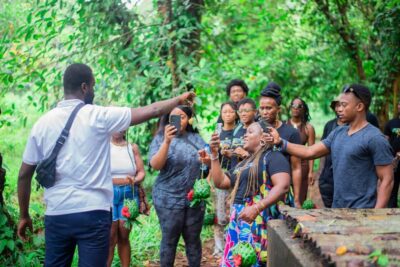
Stone Town, Spice tour & Prison Island with Lunch
Read our review →
3 Hours Private Stone Town walking Tour with Guide
Read our review →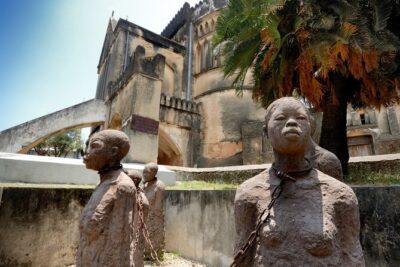
Full-Day Private Stone Town +Spice Farm and Prison Island Tour
Read our review →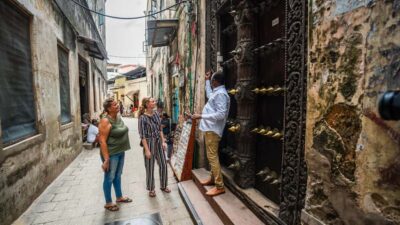
Stone Town Historical Cultural Walking Guided Tour
Read our review →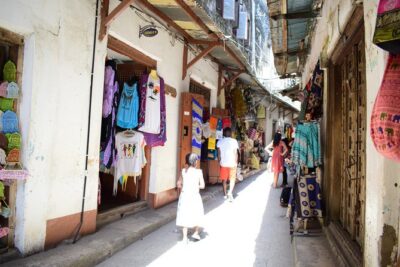
Browse the lists this tour appears in