
Reviewed · STONE TOWN TOURS
Stone Town: Private Walking Tour in the Heart of Zanzibar.
Stone Town rewards curious walkers. This private three-hour tour brings together historic sites and everyday Zanzibar, from the Old Slave Market and Sultan’s Palace to Darajani Market and street-food stops. I like the private format, which gives you room to ask questions, and I like the wide language choice, including French, German, Italian, Arabic, and Swahili. The main consideration is pace: three hours is enough for an introduction, but not enough to explore every landmark in depth.
I also like that fruit tasting and mineral water are included in the $25 price. A possible wrinkle is the meeting information, which names both Forodhani Park and the Stone Town Arab Fort, so you should confirm the exact meeting point before setting out.
In This Review
- Key points to know before you book
- Why Stone Town works best on foot
- Starting near Forodhani Park and the Arab Fort
- The Old Slave Market and Zanzibar’s difficult past
- Palaces, forts, and the grand buildings of Stone Town
- Markets, fruit, and the everyday town
- Freddie Mercury, religion, and modern Stone Town
- The value of a $25 private walking tour
- Timing, comfort, and accessibility
- Should you book this Stone Town walk?
- FAQ
- Where does the Stone Town tour meet?
- How long does the tour last?
- What languages are available?
- Is this a private tour?
- What is included in the price?
- Can I cancel for a full refund?
Key points to know before you book
- The tour begins in Stone Town’s historic center: The meeting information points to Forodhani Park, while the listed starting location is the Stone Town Arab Fort. Confirm which spot your guide will use.
- You get a private guide for $25 per person: That is strong value if you want personal explanations, questions answered, and a route adjusted to your interests.
- The route mixes major sights with ordinary city life: Expect the Old Slave Market, Old Fort, Sultan’s Palace, House of Wonder, markets, religious buildings, shops, and food stops.
- Food is part of the walk: Fruit tasting, mineral water, street-food sampling, and a market visit help connect Stone Town’s past with its present.
- A French-language guide received special praise: A verified booking from France in September 2024 described the French guide as very good and said the experience taught them a lot about Stone Town and Zanzibar.
- The tour is listed as wheelchair accessible: Because Stone Town has labyrinth streets and historic buildings, it is still sensible to confirm the precise route and access arrangements in advance.
Why Stone Town works best on foot
Stone Town is not a city you understand from a car window. Its coral-stone buildings, narrow lanes, carved doors, markets, mosques, churches, temples, and small shops are packed closely together. Walking lets you notice the details, although it also means a few wrong turns are part of the atmosphere.
The town grew as a meeting point across the Indian Ocean from the 15th through the 19th centuries. Africans, Arabs, Indians, Europeans, and other communities came to Zanzibar, traded, settled, and shaped a shared culture. That mixture is the central reason to take a guided walk. You are not simply checking off old buildings. You are seeing how trade, faith, food, language, and forced migration shaped one compact town.
A private guide is especially useful here because the streets can feel confusing at first. The route is described as a labyrinth, and that is more than a poetic label. A guide can connect one building to the next instead of leaving you with a string of attractive walls and doors whose meaning is unclear.
The language selection is another practical strength. You can request English, French, German, Italian, Swahili, Arabic, Russian, or Spanish. The available information does not provide individual guide names, but the French-language experience from September 2024 received clear praise for good French and strong explanations.
More Walking Tours in Zanzibar
- Stone Town Private Walking Tour
★ 5.0 · 371 reviews - Zanzibar: 3 Hours Private Stone Town walking Tour with Guide
★ 4.6 · 301 reviews - Zanzibar: Stone Town Historical Cultural Walking Guided Tour
★ 4.5 · 179 reviews
Starting near Forodhani Park and the Arab Fort
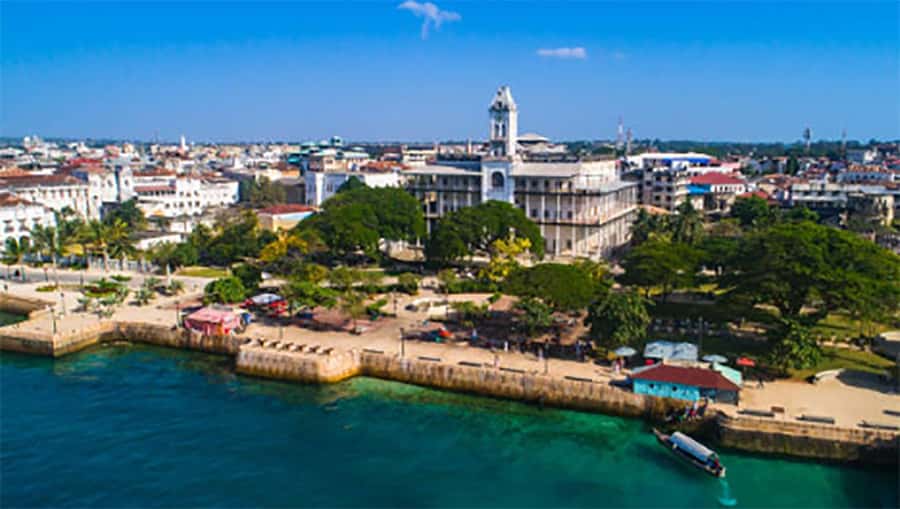
The meeting information gives Forodhani Park as the meeting point, while the start is also identified as the Stone Town Arab Fort. These are both central Stone Town locations, but you should not leave this detail to chance. Confirm the exact spot and look for the tour guide’s contact information in your booking details.
Forodhani Park is a useful place to begin because it introduces Stone Town’s relationship with the sea. It is also associated with the evening food market, when the waterfront becomes a popular place to see local food prepared and served. The tour includes food-market visits, but the exact timing of those visits is not specified, so do not assume the night market will be open during a daytime departure.
The Arab Fort provides a strong historical starting point. Its heavy walls and central position help explain Stone Town’s strategic importance. A photo stop here is worthwhile, but the real benefit is the guide’s story about how the fort fits into Zanzibar’s wider history.
The tour is listed at three hours. That is a sensible length for a first look, especially if your schedule includes a beach stay elsewhere on Unguja. You will cover a lot, but you should expect an overview rather than a slow architectural study of every building.
The Old Slave Market and Zanzibar’s difficult past
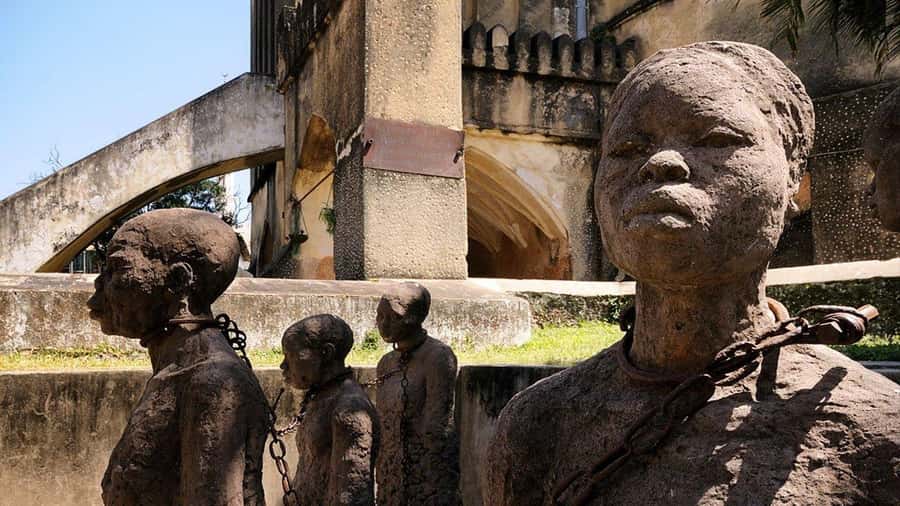
The Old Slave Market is one of the most important stops. It gives the tour moral weight and prevents Stone Town from becoming only a pleasant maze of markets, cafés, and historic façades.
The supplied information places the town’s development within centuries of Indian Ocean contact, but that contact included human suffering as well as trade and cultural exchange. A visit to the old market can help you understand the role Zanzibar played in the regional slave trade. Give this part of the walk your full attention. It may be emotionally difficult, but it is essential to seeing the place honestly.
The quality of this stop depends heavily on explanation. The buildings alone cannot tell the whole story. That is one reason the private format has value: you can ask for more context, pause when needed, or move on if the subject becomes too heavy.
The tour also promises an explanation of the origin of Swahili. That is a useful link between history and daily life. Swahili is not an abstract topic in Stone Town. It is part of the town’s identity, shaped by the contact among African, Arab, Indian, and European communities around the Indian Ocean.
Palaces, forts, and the grand buildings of Stone Town
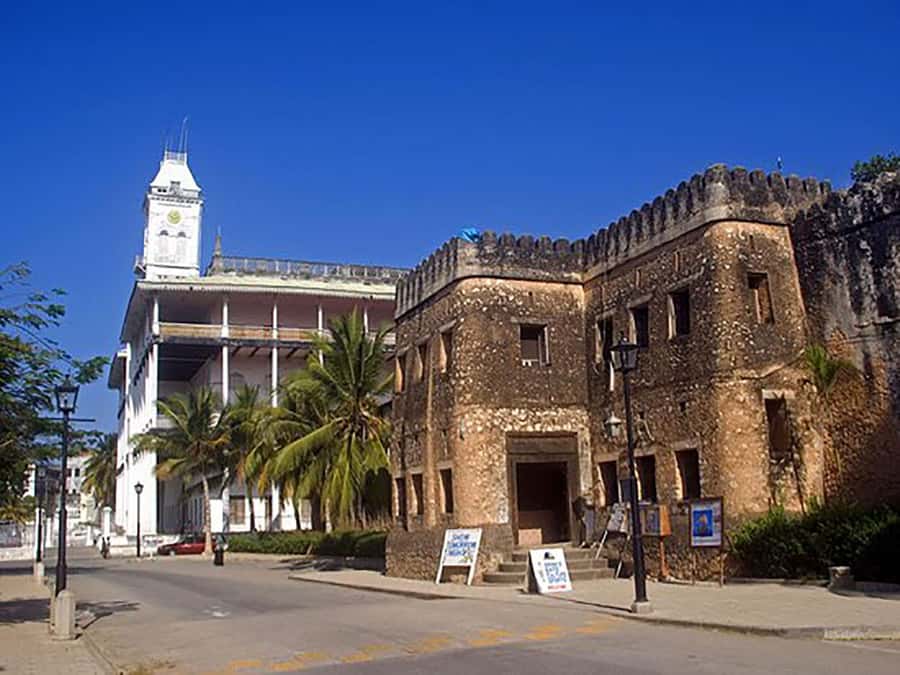
The route includes several major historical sites: the Sultan’s Palace, the House of Wonder, the African House, and the Old Fort. You should expect photo stops, guided commentary, and sightseeing rather than a museum-style visit to every interior.
The Sultan’s Palace helps you picture Zanzibar’s royal past. It represents the political side of the town, in contrast with the markets and lanes where ordinary trade and daily life took place. The House of Wonder is another major landmark associated with the sultanate and Stone Town’s public identity.
The Old Fort gives the route a different feel. Its solid construction contrasts with the delicate carved doors and coral-stone façades found elsewhere in town. It is also a useful orientation point because the fort is close to several central attractions.
The African House is included among the sights, adding another layer to the town’s built history. The information does not specify how long you will spend inside each site or whether admission to all interiors is included. Treat the walk as a guided exterior tour with selected visits, and ask your guide which buildings you will enter.
That distinction matters. Three hours can pass quickly if you stop often for photographs, shopping, food tasting, and building visits. If one place matters most to you, tell the guide early so you can give it enough time.
More Stone Town walking tours:
- Zanzibar: Stone Town, Spice Tour, Prison Island with Lunch
★ 4.4 · 1,219 reviews - Zanzibar: Prison Island, Stone Town, & Spice Farm Tour
★ 4.5 · 579 reviews - Zanzibar: Stone Town, Spice tour & Prison Island with Lunch
★ 4.6 · 453 reviews - Full-Day Private Stone Town +Spice Farm and Prison Island Tour
★ 4.5 · 216 reviews
Markets, fruit, and the everyday town
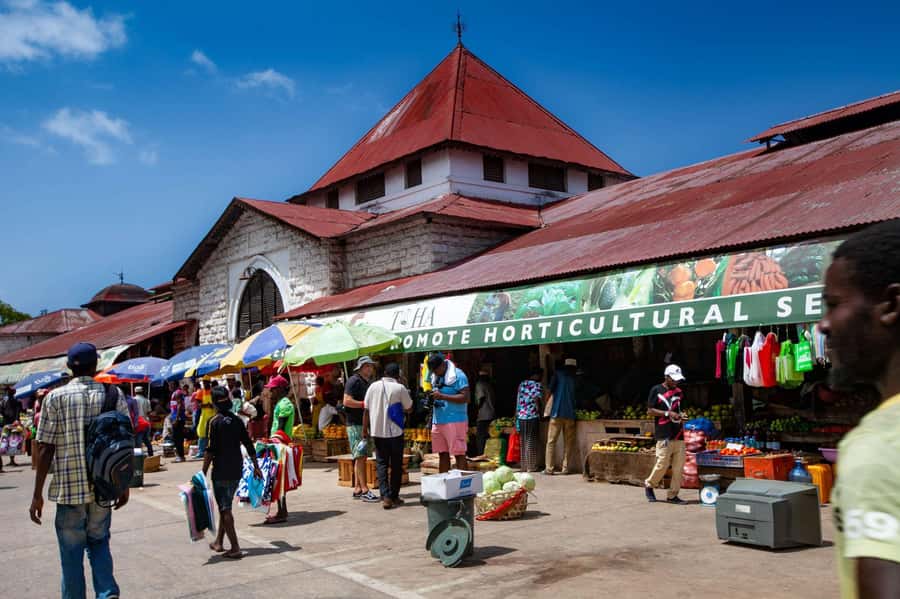
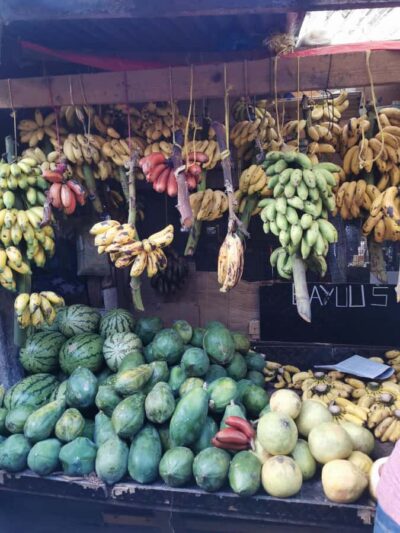
Darajani Market is one of the most useful parts of the walk for understanding present-day Stone Town. You will encounter a market setting, fruit, local products, and arts and crafts, although the exact foods and shopping stops can vary.
Fruit tasting and mineral water are included. That is a modest benefit, but a welcome one in a warm city where walking and eating are part of the experience. The fruit stop also offers a gentler introduction to local flavors than jumping straight into unfamiliar street food.
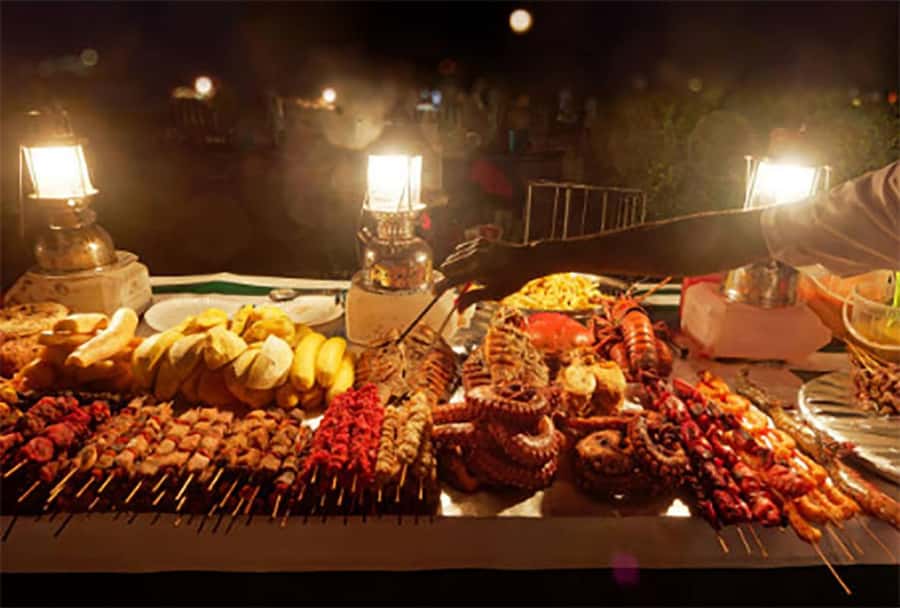
Street-food tasting is listed as part of the experience. Since no specific dishes are promised, keep your expectations flexible. You might find small local bites, market foods, or other tastes selected by the guide. If you have allergies, dietary restrictions, or strong dislikes, explain them before the tasting begins.
Shopping is also part of the route. You may pass cultural shops, souvenir stalls, and arts-and-crafts sellers. A private guide can help you understand what you are seeing, but you should still decide for yourself how much time and money to spend. The tour price does not appear to include purchases or extra food beyond the included fruit tasting.
Markets can be crowded and visually intense. Keep your belongings secure and remain aware of the group, even though your party is private. The experience is at its best when you slow down enough to notice the daily rhythm instead of treating the market as a quick photograph stop.
Freddie Mercury, religion, and modern Stone Town
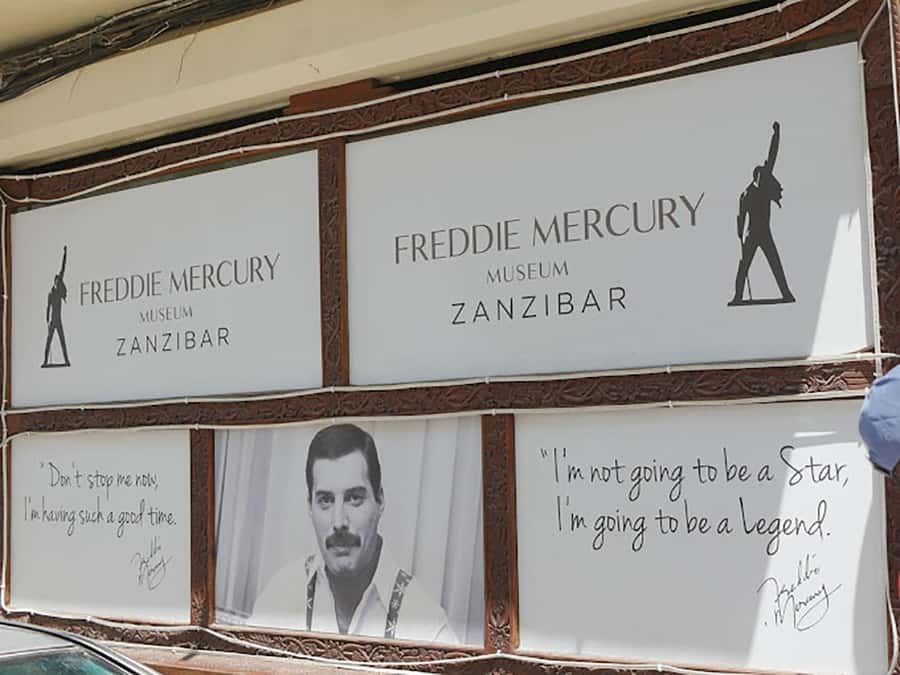
The Freddie Mercury Museum is one of the tour’s more unexpected highlights. It adds a modern cultural connection to a route otherwise focused on older buildings, trade, and the sultanate. The attraction is linked to Freddie Mercury’s Zanzibar birthplace and gives music fans a personal reason to explore this part of town.
The supplied information also names the Freddie Mercury House. The wording suggests a stop connected with his birthplace or former home, but it does not specify whether a museum entry ticket is included. Confirm admission details if this is a priority for you.
Stone Town’s religious buildings are another important part of the walk. You may see mosques, churches, and temples close together. That physical mix reflects the communities that shaped the town and helps explain why Stone Town feels culturally layered even within a short walk.
The guide’s role is important here. Religious buildings are working places of worship, not simply monuments. Follow the guide’s advice about dress, photography, and appropriate behavior. The activity details do not list a dress code, so ask before the tour if you want to prepare properly.
The value of a $25 private walking tour

At $25 per person, this is inexpensive for a private three-hour tour, especially when professional guiding, government taxes, conservation fees, fruit tasting, and mineral water are included. The strongest value comes from the guide rather than from any single admission or snack.
A private tour can save time and make the history easier to follow. You can ask why Swahili developed as it did, how the old market fits into Zanzibar’s past, or which buildings are most important. You are also less likely to lose the thread of the story while moving through narrow lanes.
The price is less compelling if you want a long, unhurried visit inside every museum and historic building. The tour covers many sights, so the experience favors range. You see the major names, hear the broad story, sample food, and get your bearings.
For a first morning in Stone Town, that trade-off makes sense. You can use the walk to decide where to return later. If you are already an expert on Zanzibar’s history, you may prefer a more specialized tour focused on architecture, slavery, food, or music.
Timing, comfort, and accessibility
The activity lasts three hours, with starting times subject to availability. A private group gives you more control than a large shared walk, but the details do not specify the maximum group size. If you are booking for a family or a larger party, confirm how the private arrangement works.
Stone Town walking requires sensible preparation. Wear comfortable shoes, bring sun protection, and carry only what you need. Mineral water is included, but you may still want additional water depending on the weather and your personal needs.
The tour is listed as wheelchair accessible. That is helpful information, but historic lanes and older buildings can present different conditions from one stop to the next. Contact the provider before booking if you need a fully step-free route or specific assistance.
The walk includes sightseeing, food markets, shopping, arts and crafts, photo stops, and guided visits. That variety is a strength for most people, but it can feel busy if you prefer one subject at a time. Tell the guide whether you care most about history, food, religion, architecture, shopping, or Freddie Mercury.
Free cancellation is available up to 24 hours before the activity for a full refund, and you can reserve now while paying later. Those terms are useful if your Zanzibar plans may shift, but check the final booking conditions for your selected date.
Should you book this Stone Town walk?

I would book this tour if you want a compact, private introduction to Stone Town and value conversation with a guide. The combination of the Old Slave Market, Arab Fort, palace buildings, markets, religious sites, Freddie Mercury connection, fruit tasting, and street food gives you a broad view of Zanzibar in three hours.
I would be cautious if you want extensive museum time, a slow photography walk, or a detailed specialist history tour. The route covers many places, and the limited duration means some stops will be brief.
Before booking, confirm the meeting point, preferred language, which buildings include interior visits, and whether any admission fees are separate. For $25 per person, it is a strong starting point for your first Stone Town visit, particularly if the praised French-language service matches your needs.
FAQ
Where does the Stone Town tour meet?
The meeting point is listed as Forodhani Park. The starting location is also given as the Stone Town Arab Fort, so confirm the exact meeting place with the provider before the tour.
How long does the tour last?
The advertised duration is three hours. Starting times depend on availability.
What languages are available?
Guiding is listed in English, French, German, Italian, Swahili, Arabic, Russian, and Spanish.
Is this a private tour?
Yes. The activity is offered for a private group.
What is included in the price?
Fruit tasting, mineral water, a professional tour guide, government taxes, and a conservation fee are included.
Can I cancel for a full refund?
Yes. You can cancel up to 24 hours in advance for a full refund.
Just added in Zanzibar
- Best of Zanzibar: Spice Tour & Stone Town Visit★ 4.4 · 5 reviews
- THE GREEN TOUR: Jozani Forest & Mangrove Kayaking Experience★ 4.7 · 6 reviews
- The rock restaurant and blue Lagoon★ 5.0 · 1 review
- Tea House, Zanzibar Coffee House, Spice Tour with Lunch★ 5.0 · 1 review
- Swimming with sea turtles in salaam cave★ 5.0 · 1 review
- Swim with Turtles at The Lagoons Zanzibar & Stone Town Tour★ 4.8 · 4 reviews
- Stonetown & Prison island Cultural Tour★ 5.0 · 2 reviews
- Zanzibar: Stone Town and Prison Island Tour★ 5.0 · 1 review
Stone Town Tours, compared.
Stone Town, Spice Tour, Prison Island with Lunch
Read our review →
Stone Town, Spice tour & Prison Island with Lunch
Read our review →
3 Hours Private Stone Town walking Tour with Guide
Read our review →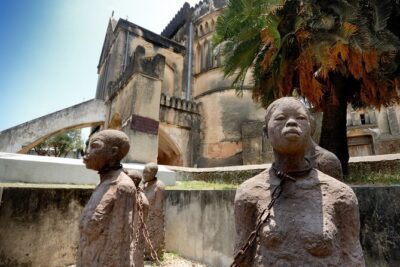
Full-Day Private Stone Town +Spice Farm and Prison Island Tour
Read our review →
Stone Town Historical Cultural Walking Guided Tour
Read our review →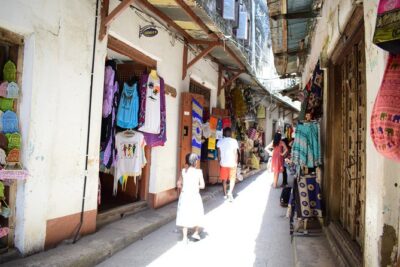
Browse the lists this tour appears in