

Reviewed · STONE TOWN TOURS
Stone town tour
Stone Town rewards slow steps. This private three-hour tour brings you through Zanzibar’s narrow streets, carved doors, old consulates, markets, museums, and waterfront landmarks, showing how African, Arab, Indian, Persian, and European influences shaped the town. I like the private format, since your group can move at its own pace, and I like the wide range of stops packed into a short visit. The main consideration is time: three hours is enough for an introduction, not a close look at every building.
I also like the practical start. The guide meets you at your hotel, with the tour beginning at the Old Fort, and the route includes some of Stone Town’s most important historic sites. The possible drawback is that the long list of stops means some will be viewed from outside or covered briefly, especially if you want time for a market visit or museum interiors.
In This Review
- Key points to know before you book
- Why Stone Town makes a strong first stop in Zanzibar
- Starting at the Old Fort and Kelele Square
- The Town Market and Old Dispensary
- Facing the Slave Market and Slave Chambers
- House of Wonders, Sultan Palace, and the waterfront
- Tip-Tip House, orphanage, and the human stories behind the façades
- What $60 per person gets you
- Timing, comfort, and practical details
- Who will get the most from this Stone Town tour
- Should you book this $60 Stone Town experience?
- FAQ
- How long does the Stone Town tour last?
- How much does the tour cost?
- Is this a private tour?
- Where does the tour take place?
- Does the guide meet you at your hotel?
- Are admission tickets included?
- What places are included on the tour?
- What is the cancellation policy?
Key points to know before you book

- Private three-hour walk: Only your group takes part, making this more personal than a large group outing.
- A strong first look at Stone Town: The route covers the Old Fort, House of Wonders, Sultan Palace, Old Dispensary, Old Harbour, and many other central landmarks.
- History includes difficult chapters: The Slave Market and Slave Chambers give the tour a serious focus, not just pretty doors and old buildings.
- Hotel meeting point: The guide meets you at your hotel, which makes the start simple if you are staying in or near Stone Town.
- Admission is included: The listed tour includes admission tickets, useful for a short visit with several historic sites.
- Good value for a first visit: At $60 per person, the cost makes the most sense if you want context and orientation rather than wandering alone.
Why Stone Town makes a strong first stop in Zanzibar
Stone Town is not a tidy open-air museum. It is a working town, with people moving through old lanes, homes behind carved doors, shops tucked into historic buildings, and traffic squeezing through places that feel made for pedestrians.
That mix is the point. Zanzibar’s capital grew through trade and contact among local African communities, Arab and Persian settlers, Indian merchants, and European powers. The architecture reflects that past in practical ways: carved wooden doors, balconies, shaded verandas, loggias, and thick old walls.
I would use this tour early in your Zanzibar stay. After three hours, you should have a better sense of where the old town’s main quarters and landmarks fit together. You also get the background needed to understand why Stone Town is more than a collection of photogenic buildings.
The private setup matters here. Narrow streets can feel confusing on a first visit, and a guide can connect separate buildings into one story. You are not simply ticking off twenty landmarks. You are getting a framework for the town.
More Stone Town walking tours:
- Zanzibar: Stone Town, Spice Tour, Prison Island with Lunch
★ 4.4 · 1,219 reviews - Zanzibar: Prison Island, Stone Town, & Spice Farm Tour
★ 4.5 · 579 reviews - Zanzibar: Stone Town, Spice tour & Prison Island with Lunch
★ 4.6 · 453 reviews
Starting at the Old Fort and Kelele Square

The tour begins at the Old Fort, one of Stone Town’s clearest reference points. From here, the route moves into the old streets and toward Kelele Square, where the town’s layers begin to show themselves.
The Old Fort is a useful opening because it gives the tour a physical anchor. You can start with a substantial historic structure, then move into smaller lanes lined with doors, balconies, and shaded façades. I like this order because the transition from open space to tight streets helps you understand the shape of Stone Town.
Kelele Square adds a more local street setting. It is not presented as a stand-alone attraction so much as part of the old town’s urban fabric. Expect to pause, listen, and look closely rather than spend a long time at one formal exhibit.
The tour’s route includes the Old German Consulate, Old British Consulate, and Africa House, once an English Club. These buildings give you a quick lesson in the foreign presence that shaped Zanzibar’s trade and administration.
You should not expect each building to receive equal attention. With so much ground covered in three hours, the value comes from seeing the connections between them. If one consulate or façade particularly interests you, use the private format to ask whether you can pause there.
The Town Market and Old Dispensary
The Town Market brings a different side of Stone Town into the walk. Historic streets can make a place feel frozen in time, but a market reminds you that this is still a lived-in town.
A market stop can be useful for orientation and atmosphere, though it may also be the least controlled part of the tour. Crowds, noise, and narrow passages can make it harder to hear every explanation. Keep your attention on the route and stay close to your guide.
The Old Dispensary offers one of the tour’s best architectural contrasts. Its decorative exterior and location near the waterfront show how a practical public building could also serve as a statement of wealth and civic ambition.
The old town’s carved doors are a recurring visual theme. They are not all alike, and you will see how door designs, balconies, and shaded upper levels create variety along streets that might otherwise look similar. Your guide’s explanations are particularly useful here because a quick photograph rarely tells you why a building matters.
Facing the Slave Market and Slave Chambers
The Slave Market and Slave Chambers are the most serious part of the route. These sites connect Stone Town to the history of the East African slave trade, and they change the mood of the visit.
I appreciate their inclusion because a Stone Town tour should not reduce Zanzibar to architecture and seaside views. The old town’s wealth and international importance were tied to trade systems that caused immense suffering. Seeing the market site and chambers gives that past a physical setting.
This portion may be difficult. The spaces are not simply another stop for photographs, and you may want a moment to take in the information before moving on. The tour is short, so the guide may keep the pace moving, but the private format lets you ask questions or request a little more time where possible.
The National Museum of Zanzibar adds context through exhibits and objects. The museum visit is valuable if you want more than street-level impressions, though the amount of time available will be limited. Since admission is included, you do not have to weigh an extra ticket cost during the tour.
For a first introduction, this combination works well: the market shows the active town, the slave-trade sites address its painful past, and the museum provides a broader setting for the people and events connected to Zanzibar.
A few more options to weigh up in Zanzibar
- From Zanzibar: Mikumi Safari Day Trip with Flights and Meal
★ 4.7 · 1,470 reviews - Zanzibar: Quad Bike Adventure departing from Kendwa or Nungwi
★ 4.9 · 1,233 reviews - From Zanzibar: Day Selous Game Reserve Safari with Flights
★ 4.7 · 1,025 reviews - Zanzibar: Prison Island and Nakupenda Boat Trip with Lunch
★ 4.1 · 882 reviews
House of Wonders, Sultan Palace, and the waterfront
The House of Wonders is one of the best-known buildings on the route. Its name alone hints at the ambitions of the former sultanate, and its prominent position makes it an easy landmark to remember after the tour.
The Sultan Palace, now a museum, continues that story. Together, the palace and House of Wonders help you understand Zanzibar’s ruling court and its relationship with trade, ceremony, and outside powers.
Do not assume that every famous building will be fully open or fully viewable at the time of your visit. The supplied tour details promise the route and admission, but they do not specify how much time is spent inside each site or what areas are accessible on a particular day. Think of the tour as a guided introduction, with the option to return later if a museum captures your interest.
The Custom House and Old Harbour bring the focus back to commerce. Zanzibar’s position on the Indian Ocean made its port central to the town’s growth. These stops help link the grand residences and official buildings to the practical business of moving goods and people.
Forodhani Gardens provides a change of pace near the water. It is a useful place to finish or pause because the open waterfront feels very different from the tight lanes inland. The route also includes the waterfront, making this section a natural point to look back at the old town from a wider view.
Tip-Tip House, orphanage, and the human stories behind the façades

Tip-Tip House adds a more personal angle to Stone Town’s trading past. The name refers to Tippu Tip, a major trader connected with the region’s commercial and slave-trade history. The building helps turn a broad historical subject into something tied to a particular person and place.
The Orphanage Home introduces another social dimension. The supplied details do not explain the current function or visiting arrangements, so you should expect it to be a brief exterior or neighborhood stop rather than assume a formal visit inside.
The High Court Building and Custom House show how law and trade operated within the old town. The former consulates point to foreign influence, while these civic structures show the systems that managed local affairs and commerce.
This is where a guide can add real value. Without context, you might see a series of old façades. With context, you can begin to understand who held power, who traded, who worked, and who suffered. The tour cannot cover every answer in three hours, but it gives you the right questions to carry into the rest of your Zanzibar visit.
What $60 per person gets you
The price is $60 per person. That is not the cheapest way to walk through Stone Town, since you can explore the lanes without paying for a guide. The value lies in the private service, the included admission, the hotel meeting point, and the amount of historical ground covered in three hours.
If you are comfortable navigating unfamiliar streets and reading about each site on your own, the price may feel high. You would also have more freedom to linger at the market, photograph doors, or sit by the waterfront without watching the clock.
I would consider the tour good value for a first visit, especially if you want a clear introduction rather than a random walk. The route includes major architectural landmarks, difficult historical sites, civic buildings, museums, and the harbor. That is a lot to fit into one morning or afternoon.
The private format is the strongest reason to pay more. You are not sharing the experience with a large group, and the guide can focus on your interests. If you care most about architecture, ask for more detail on the doors and buildings. If the history of the slave trade matters most, make that clear early.
Timing, comfort, and practical details
The tour lasts about three hours. Wear comfortable shoes, since the experience is built around walking through narrow streets and moving between many stops. The route includes a market and historic sites, so a little patience is useful when the streets become crowded or the pace slows.
The guide meets you at your hotel. That is especially helpful if you are staying near Stone Town and do not want to find the Old Fort on your own. The tour is listed as suitable for most people, and service animals are allowed.
Public transportation is nearby. The supplied information does not state that transportation is included, so plan on the experience being primarily a guided walking tour from the hotel meeting point.
You receive confirmation at booking. Free cancellation is available up to 24 hours before the local start time, with a full refund. Cancellations or changes made within 24 hours are not accepted for a refund.
Who will get the most from this Stone Town tour
I would choose this tour if you are visiting Zanzibar for the first time, have limited time in the capital, or prefer learning the story of a place while seeing it. It also suits you if you want a private guide and a broad route rather than a single museum visit.
It is a good match for history-minded visitors, architecture fans, and anyone who wants help making sense of Zanzibar’s Arab, Indian, Persian, European, and African connections. The Slave Market and Slave Chambers also make it appropriate for you if you want an honest account of the town’s past, not only its attractive streets.
You may want something else if you dislike guided walking tours, want long museum visits, or prefer to spend an entire afternoon in the market. The three-hour schedule is efficient, but efficiency means short stops.
Families and mixed-age groups may appreciate the private arrangement because the pace is easier to manage than on a large group tour. The details say most people can participate, but they do not provide specific information about wheelchair access or the exact walking conditions. Ask the operator before booking if mobility is a concern.
Should you book this $60 Stone Town experience?
Book it if you want a well-rounded first look at Zanzibar’s old capital, with a private guide, included admission, and a route that covers both handsome buildings and painful history. The hotel meeting point and on-time start described for the tour add useful convenience.
I would not book it expecting a leisurely study of every museum or a quiet stroll through empty lanes. You are paying for orientation, context, and a broad set of landmarks in three hours.
For most first-time visitors staying in Zanzibar, this is a sensible way to begin. Take note of the buildings you want to revisit, then return later for a slower walk through the market, waterfront, or museum that caught your attention.
FAQ
How long does the Stone Town tour last?
The tour lasts approximately three hours.
How much does the tour cost?
The price is $60 per person.
Is this a private tour?
Yes. Only your group takes part in the activity.
Where does the tour take place?
The tour takes place in Stone Town, Zanzibar, Tanzania.
Does the guide meet you at your hotel?
Yes. The guide meets you at your hotel before the walking tour begins.
Are admission tickets included?
Yes. Admission is included for the experience.
What places are included on the tour?
The route includes the Town Market, Slave Market, National Museum of Zanzibar, High Court Building, Slave Chambers, Old German Consulate, Africa House, Tip-Tip House, Kelele Square, Old British Consulate, Orphanage Home, Old Fort, Forodhani Gardens, House of Wonders, Sultan Palace, Custom House, Old Dispensary, and Old Harbour.
What is the cancellation policy?
You can cancel at least 24 hours before the local start time for a full refund. Cancellations or changes made less than 24 hours before the start time are not accepted for a refund.
Just added in Zanzibar
- Zanzibar:Ngoma local culture workshop,The Knowledge of Ngoma★ 5.0 · 1 review
- ZANZIBAR:Mnemba island, Spice farm and Jozani Forest★ 5.0 · 1 review
- Zanzibar Walking Tour: Unveiling the Secrets of Stonetown★ 4.8 · 11 reviews
- Zanzibar: Zipline Adventure At Masingini Forest★ 4.6 · 2 reviews
- Zanzibar: Walking Spice Farm with Local Cooking Class★ 4.4 · 9 reviews
- Zanzibar: Walking Tour★ 4.0 · 1 review
- Zanzibar: Uzi Island Mangrove Kayak Tour with Guide★ 5.0 · 1 review
- Zanzibar: Unique Guided Mangrove Tour by SUP or Kayak★ 5.0 · 1 review
Stone Town Tours, compared.

Stone Town, Spice Tour, Prison Island with Lunch
Read our review →

Stone Town, Spice tour & Prison Island with Lunch
Read our review →
3 Hours Private Stone Town walking Tour with Guide
Read our review →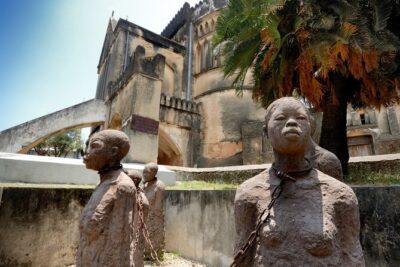
Full-Day Private Stone Town +Spice Farm and Prison Island Tour
Read our review →
Stone Town Historical Cultural Walking Guided Tour
Read our review →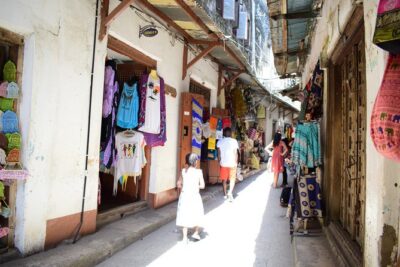
Browse the lists this tour appears in