

Reviewed · STONE TOWN TOURS
Stone Town Tour in Zanzibar.
Stone Town rewards curious walkers. This private tour brings you through narrow lanes, landmark buildings, markets, and waterfront food spots with a guide beside you. I like the focus on local history and the chance to see everyday Zanzibar at Darajani Bazaar, not just polished sights. I also like that the small private format gives your group room to ask questions and adjust the pace.
The tour costs $28 per person and takes about two to three hours. That is fair value if you want an introduction on your first day, especially since water is included. The main consideration is that several admission fees are extra, and some stops are short viewing visits rather than full museum tours.
In This Review
- Key points to know before you book
- Why Stone Town works best with a guide
- Starting at Forodhani Gardens
- Freddie Mercury House: a brief musical landmark
- The Old Fort and Zanzibar’s changing public life
- Forodhani Gardens and the food side of Zanzibar
- The People’s Palace and the island’s political past
- The Old Slave Market and Anglican Cathedral
- Darajani Bazaar: the most useful stop for daily life
- St. Joseph’s Cathedral and the route’s unclear final detail
- Is $28 good value for two to three hours?
- Timing, walking, and practical planning
- Who should book this Stone Town walk?
- FAQ
- How long does the Stone Town Tour take?
- Where does the tour start and finish?
- Is this a private tour?
- What is included in the price?
- Are attraction admission fees included?
- What is the cancellation policy?
- Should you book it?
Key points to know before you book
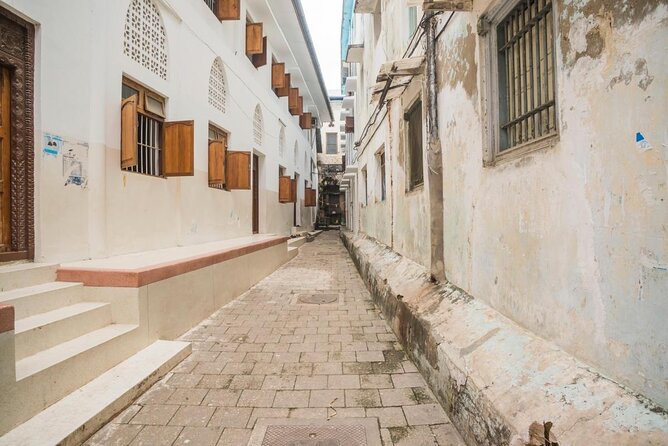
- A private walk through Stone Town: Your group participates alone, with a guide leading the way through the old quarter.
- Strong first-day orientation: The route links major sights, food areas, the market, and the waterfront in a compact visit.
- Important slave-trade history: The Old Slave Market and Anglican Cathedral site gives the tour its most serious and moving stop.
- Darajani Bazaar is the most local-feeling section: You can see spices, seafood, produce, clothing, and daily shopping in one place.
- Food is part of the setting, not a full meal plan: Forodhani Gardens and Foodchain Garden introduce Zanzibari dishes and seafood, but coffee and tea are not included.
- Admission costs need checking: Tickets for several named attractions are not included in the $28 price.
Why Stone Town works best with a guide
Stone Town is easy to underestimate. On a map, the old quarter looks compact. On foot, its lanes turn, narrow, and open into courtyards or busy market streets with little warning. A guide helps you connect the buildings to Zanzibar’s Arab, Indian, European, African, royal, and religious past.
I like the shape of this route because it mixes major landmarks with ordinary city life. You see the outside of grand buildings, then move into Darajani Bazaar, where the focus shifts to food, spices, clothing, and household goods. That contrast gives you a better sense of present-day Stone Town than a string of monuments alone.
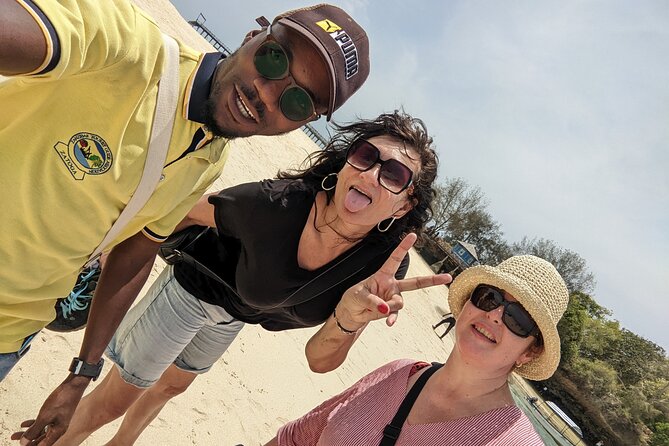
The tour is private, so you are not trying to keep up with a large group. That matters in crowded lanes and at the market. You can ask Mohammed, the guide praised in the tour feedback, for more explanation about a building, a custom, or a dish if your group wants extra detail.
The pace is still brisk. Seven listed stops fit into roughly two to three hours, and some visits last only a few minutes. Think of this as a guided introduction with several short looks, not a slow museum day.
More Stone Town walking tours:
- Zanzibar: Stone Town, Spice Tour, Prison Island with Lunch
★ 4.4 · 1,219 reviews - Zanzibar: Prison Island, Stone Town, & Spice Farm Tour
★ 4.5 · 579 reviews - Zanzibar: Stone Town, Spice tour & Prison Island with Lunch
★ 4.6 · 453 reviews
Starting at Forodhani Gardens
The meeting point is Forodhani in Zanzibar. This waterfront park is a useful place to begin because it puts you near the ocean, the Old Fort, the central historic quarter, and the evening food market.
Forodhani Gardens is especially appealing later in the day. Food sellers prepare grilled seafood, samosas, chapatis, and sugarcane juice. You may also find the area useful for getting a first taste of Zanzibar’s food culture before deciding where to eat later.
The tour description also refers to Foodchain Garden as a place to try Zanzibar dishes and seafood. Food is one of the most appealing parts of the route, but you should clarify with the guide what tasting is included, if anything. The listed inclusions mention water, while coffee and tea are specifically excluded.
Because the tour both starts and ends at the meeting point, you do not need to arrange a separate return transfer. That is handy if you are staying nearby or want to continue walking through Stone Town afterward.
Freddie Mercury House: a brief musical landmark
The first listed stop is Mercury House, also called the Freddie Mercury Museum. The building is associated with Farrokh Bulsara, the Zanzibar-born singer who became famous as Freddie Mercury, the frontman of Queen.
The house has been turned into a museum with photographs, memorabilia, and personal items connected to his life and music. For Queen fans, this gives the walk a personal connection before the tour moves into broader Zanzibari history.
The scheduled visit is about 10 minutes, and admission is not included. That short timing suggests you should expect an outside look or a quick museum visit rather than a detailed examination of every display. If this stop is a major reason you want the tour, ask ahead whether the interior ticket and enough time to visit are part of the plan.
I see this as a pleasant opening stop rather than the main event. It adds a recognizable name to the route, while the nearby streets and later market visits tell you more about Stone Town itself.
The Old Fort and Zanzibar’s changing public life
The Old Fort, known in Swahili as Ngome Kongwe, was built in the 17th century as a defensive fortress. Its thick walls and historic setting help explain Stone Town’s strategic importance along the Indian Ocean.
Today, the fort functions as a cultural center with shops, markets, and performances. That change is useful to notice. You are not seeing a preserved military site frozen in time. You are seeing an old structure used for public and cultural life.
The planned stop is about eight minutes, with admission not included. That is enough for a compact introduction and photographs, but not a long exploration of every corner. If you want to spend time shopping or attending a performance, you will probably need to return on your own.
The fort is close to Forodhani Gardens, so the location makes practical sense. It gives you a quick historical anchor before the route turns toward the waterfront and palace buildings.
A few more options to weigh up in Zanzibar
- From Zanzibar: Mikumi Safari Day Trip with Flights and Meal
★ 4.7 · 1,470 reviews - Zanzibar: Quad Bike Adventure departing from Kendwa or Nungwi
★ 4.9 · 1,233 reviews - From Zanzibar: Day Selous Game Reserve Safari with Flights
★ 4.7 · 1,025 reviews - Zanzibar: Prison Island and Nakupenda Boat Trip with Lunch
★ 4.1 · 882 reviews
Forodhani Gardens and the food side of Zanzibar
Forodhani Gardens has two personalities. By day, it is a waterfront park with views across the Indian Ocean. In the evening, it becomes a food market where local residents and visitors gather for seafood, snacks, and drinks.
The tour allocates about 10 minutes here, and entry is free. That is enough to understand the setting, but it is not enough for a long meal. If you want to sample several foods, take photographs, and watch the cooking, plan to return after the tour.
The food options listed include grilled seafood, samosas, chapatis, and sugarcane juice. This is a good place to ask your guide what is fresh and what portion sizes or prices are reasonable. I would treat the stop as an introduction to local street food rather than assume a tasting menu is included.
Foodchain Garden is also mentioned as a place for Zanzibari dishes and seafood. Since the exact dining arrangement is not specified, ask whether your $28 covers food, or simply brings you to the area. That small question can prevent an awkward surprise.
The People’s Palace and the island’s political past

The People’s Palace, or Beit el-Sahel, was built in the late 19th century as a residence for Sultan Barghash. Its design combines Arabic, Indian, and European influences, reflecting the many cultures that shaped Zanzibar’s ruling class and port life.
After the 1964 revolution, the building became the official residence of Zanzibar’s president. It remains an important political building, but its interior is not open to the public according to the supplied details.
The planned stop lasts only about four minutes, and admission is not included. In practical terms, this is an exterior viewing point. Your guide can explain the building’s role, while you take in its architecture and place in Zanzibar’s political story.
One itinerary note deserves attention. The seventh listed stop is called St. Joseph’s Roman Catholic Cathedral, but its description repeats information about the People’s Palace. I would confirm the final route with Mudikei Zanzibar Tour Guide before booking if seeing the cathedral is important to you. The information provided does not give a reliable description or timing for the cathedral itself.
The Old Slave Market and Anglican Cathedral
This is the most serious stop on the tour. The Old Slave Market site recalls Zanzibar’s role in the East African slave trade during the 19th century, when enslaved people were bought and sold in the city.
The site includes remnants of the former marketplace and now serves as a memorial to Africans who were forcibly removed from their homes and subjected to slavery. It is not a light sightseeing stop, and a good guide should give you room to think while explaining the setting with care.
The Anglican Cathedral is connected with the former slave-market site. The tour allows about 20 minutes here, longer than at most other stops. That extra time makes sense because the place carries both architectural and moral weight.
Admission is not included. Since this is one of the attractions with a ticket requirement, check whether the entry fee covers both the cathedral and the memorial areas. I would also avoid scheduling this tour too tightly against another activity. Even a short visit here can feel demanding, and you may want a quiet pause afterward.
For me, this stop gives the route its purpose. Without it, the tour could feel like a quick walk past attractive old buildings. With it, you get a clearer understanding of the forces that shaped Zanzibar’s wealth, politics, and connections with the wider Indian Ocean world.
Darajani Bazaar: the most useful stop for daily life
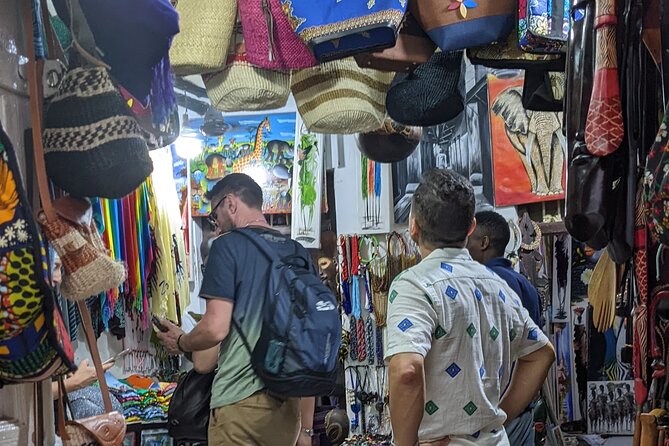
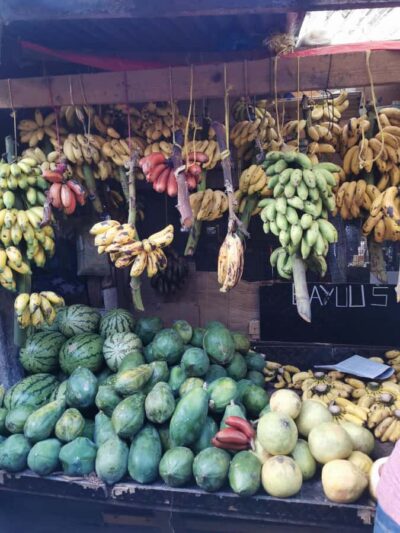
Darajani Bazaar is the working market at the heart of Stone Town. Its sections sell fresh fruit and vegetables, meat, seafood, clothing, household goods, and handicrafts. The spice area is a particular draw, with cloves, cinnamon, cardamom, and vanilla among the scents and products on display.
The stop is planned for about 15 minutes and is free to enter. That gives you a quick look, but the market deserves attention. Keep your eyes open, stay with your group, and ask before photographing people or goods. The guide can help you understand what you are seeing and where locals shop.
This is where Mohammed’s role becomes especially useful. The market can seem like a wall of color, smells, voices, and movement if you walk through alone. A guide can point out the difference between tourist souvenirs and items used in ordinary homes, and can explain how spices fit into Zanzibari cooking.
Do not expect a quiet, carefully arranged shopping hall. Darajani is a working market. It may feel crowded and intense, which is exactly why it offers a more direct view of local life than a prepared cultural display.
If you want to buy spices, ask about prices and packaging before committing. The tour does not state that shopping is included, so purchases are your responsibility.
St. Joseph’s Cathedral and the route’s unclear final detail
St. Joseph’s Roman Catholic Cathedral is named as the seventh stop, but the supplied description identifies the People’s Palace instead. That mismatch is worth taking seriously when you plan your day.
The safest approach is to contact the provider and ask three simple questions: Is St. Joseph’s Cathedral included? Is the People’s Palace only an exterior stop? Are any church or museum admission fees covered? These questions are especially useful if architecture or religious sites are a main reason you want to book.
The route still appears to cover the central sights efficiently, but you should not assume every named attraction receives a full interior visit. Several entries explicitly say admission is not included, and the short stop times support the idea of a highlights walk.
Is $28 good value for two to three hours?
At $28 per person, this tour offers reasonable value for a private introduction to Stone Town. You receive a guide, water, a route through major landmarks, and access to a private group format. The cost becomes more attractive if you are visiting for the first time and want practical orientation without arranging several separate visits.
The value is less clear if you expect a full museum tour, included meals, or long time at each sight. Tickets are extra at the Freddie Mercury Museum, Old Fort, People’s Palace, and Old Slave Market or Anglican Cathedral as specified. Food, coffee, and tea are not included, while water is.
A private tour also has a special advantage for couples, families, or friends with limited time. You do not pay for a large group experience, and you can ask for advice about food or later visits. The available feedback gives the tour a five-star rating from 72 reviews, with 100 percent recommending it. The most repeated praise centers on Mohammed’s guidance, clear explanations, and willingness to add useful side stops or tips.
That last point matters. A guide who helps you understand where to eat and how to get your bearings can save more than the tour costs. Still, the exact flexibility is not guaranteed, so mention your priorities at the start.
Timing, walking, and practical planning
The tour runs for about two to three hours. The stated operating window is Monday through Wednesday, from 9:00 AM to 9:30 PM, for the period listed from July 20, 2023 through June 17, 2026. Confirm the available time when you book, especially if you want the Forodhani food market after dark.
You should be ready for a moderate amount of walking on city streets and through market areas. A moderate fitness level is recommended. Wear comfortable shoes and bring water, even though one bottle is included.
The tour starts and ends at Forodhani, and the meeting point is near public transportation. Mobile tickets make the booking process simple, but keep the confirmation available on your phone.
Because several stops are short, tell your guide early if you want more time at one location. If the Freddie Mercury Museum or Old Slave Market is your priority, say so before the walk begins. The private format should make that conversation easier than it would be on a large scheduled group outing.
Free cancellation is available when you cancel at least 24 hours before the start time. Inside that 24-hour window, the payment is not refunded, and changes are not accepted.
Who should book this Stone Town walk?
I would recommend it most strongly to first-time visitors who want a clear introduction in a short period. It suits couples, families, and small private groups who prefer a guide’s explanations over wandering alone.
It is also a good choice for people interested in several sides of Zanzibar at once: music, architecture, royal history, the slave trade, food, and markets. You get a broad sample rather than one narrow subject.
You may want something else if you prefer long museum visits, a dedicated food tour, or an unhurried photography walk. The schedule moves quickly, and extra admission charges can add to the advertised price.
FAQ
How long does the Stone Town Tour take?
The tour lasts approximately two to three hours.
Where does the tour start and finish?
It starts at Forodhani in Zanzibar, Tanzania, and ends back at the same meeting point.
Is this a private tour?
Yes. Only your group participates in the activity.
What is included in the price?
Water is included. Coffee and tea are not included.
Are attraction admission fees included?
No. Admission is not included for the Freddie Mercury Museum, Old Fort, People’s Palace, and Old Slave Market or Anglican Cathedral as specified in the tour details.
What is the cancellation policy?
You can cancel at least 24 hours before the start time for a full refund. Cancellations or changes made within 24 hours are not accepted and are not refunded.
Should you book it?
Book this tour if you want a short, private introduction to Stone Town with strong coverage of markets, landmarks, food areas, and difficult historical subjects. At $28 per person, it is a sensible starting point for a first visit, particularly when Mohammed is available to guide your group.
Before paying, confirm the admission costs and ask about the St. Joseph’s Cathedral and People’s Palace description mismatch. If you understand that this is a fast highlights walk, not a full museum or food tour, the route offers a useful and well-priced look at Zanzibar’s old city.
Just added in Zanzibar
- Best of Zanzibar: Spice Tour & Stone Town Visit★ 4.4 · 5 reviews
- THE GREEN TOUR: Jozani Forest & Mangrove Kayaking Experience★ 4.7 · 6 reviews
- Stone Town: Private Walking Tour in the Heart of Zanzibar.★ 5.0 · 1 review
- The rock restaurant and blue Lagoon★ 5.0 · 1 review
- Tea House, Zanzibar Coffee House, Spice Tour with Lunch★ 5.0 · 1 review
- Swimming with sea turtles in salaam cave★ 5.0 · 1 review
- Swim with Turtles at The Lagoons Zanzibar & Stone Town Tour★ 4.8 · 4 reviews
- Stonetown & Prison island Cultural Tour★ 5.0 · 2 reviews
Stone Town Tours, compared.
Stone Town, Spice Tour, Prison Island with Lunch
Read our review →

Stone Town, Spice tour & Prison Island with Lunch
Read our review →
3 Hours Private Stone Town walking Tour with Guide
Read our review →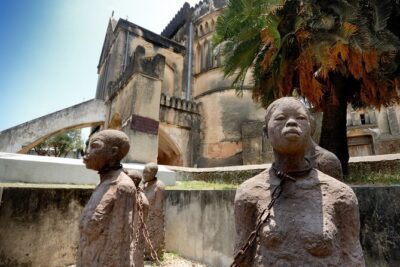
Full-Day Private Stone Town +Spice Farm and Prison Island Tour
Read our review →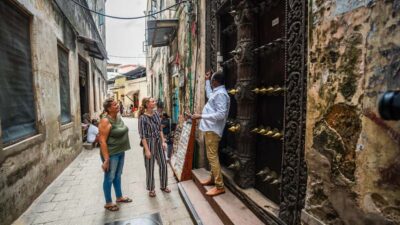
Stone Town Historical Cultural Walking Guided Tour
Read our review →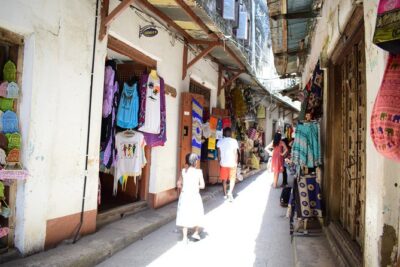
Browse the lists this tour appears in