
Reviewed · STONE TOWN TOURS
Stone Town Walking Tour with Female Guides
Stone Town rewards slow walking. This three-hour tour brings you through Zanzibar’s layered past, from the former slave market and Sultan’s Palace to narrow lanes lined with carved doors. I like the clear route through major sights, and I like that female local guides such as Damtu bring a friendly, personal touch to the stories. The main drawback is that some headline buildings may be closed for renovation, so the experience can feel more like an outdoor history walk than a full museum tour.
I also like the stop at Darajani Market, where you see fish, fruit, spices, and daily life rather than only polished monuments. The $19 price is fair for a private guide, bottled water, and hotel pickup in Stone Town, but you should budget extra for the former slave market and Freddie Mercury Museum if you want to go inside.
In This Review
- Key Points Before You Book
- Why Stone Town Works Best on Foot
- Starting at the Former Slave Market
- Darajani Market and the Everyday City
- A Coffee Pause in the Narrow Streets
- The Sultan’s Palace and Royal Zanzibar
- Forodhani Gardens and Zanzibar Street Food
- House of Wonders and the Old Arabic Fort
- Freddie Mercury’s Stone Town Connection
- Notre-Dame de Zanzibar and the Carved Doors
- What the $19 Price Really Covers
- Guides, Languages, and Tour Pace
- Who Will Enjoy This Walk Most
- Practical Tips for a Better Visit
- Should You Book the Stone Town Walking Tour?
- FAQ
- How long does the Stone Town walking tour last?
- Where does the tour begin and end?
- Is hotel pickup included?
- Is the tour private?
- Which languages are available?
- Is admission to the former slave market included?
- Is the Freddie Mercury Museum included?
- Can children join the tour?
- What should I bring?
Key Points Before You Book
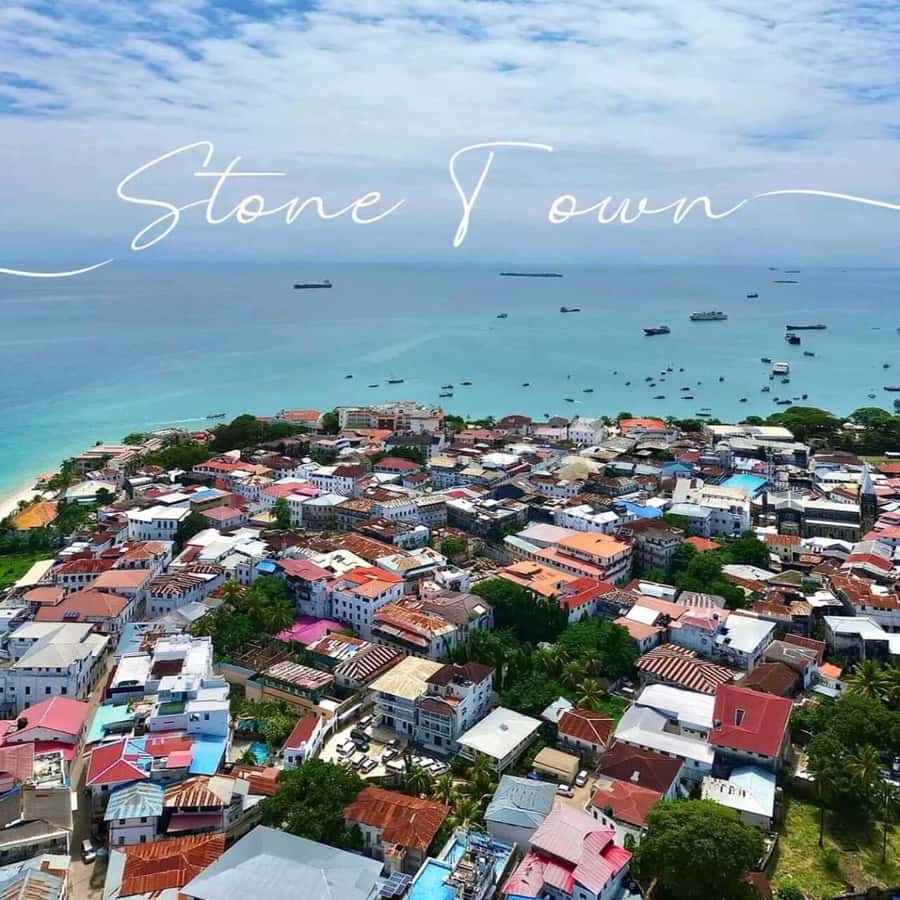
- Stone Town’s narrow lanes are the main attraction: The tour gives you time to notice carved Zanzibar doors, balconies, old walls, and the mix of Arab, Indian, European, and Portuguese design.
- The former slave market provides essential context: The Anglican Cathedral now occupies the site, and entry costs an additional $10 per person.
- Darajani Market shows present-day Zanzibar: Expect fruit, vegetables, fish, meat, spices, photographs, and shopping opportunities in one of the city’s busiest public spaces.
- Freddie Mercury’s connection is mostly a photo stop: You can see the house associated with his birth, while entry to the Freddie Mercury Museum costs about $8 extra.
- Damtu has earned special praise: She is described as extremely friendly and well informed, making her a particularly appealing guide if available for your booking.
- Renovations may change the route: The Old Fort and House of Wonders have been closed for renovation at times, so confirm what you can enter on your chosen date.
Why Stone Town Works Best on Foot
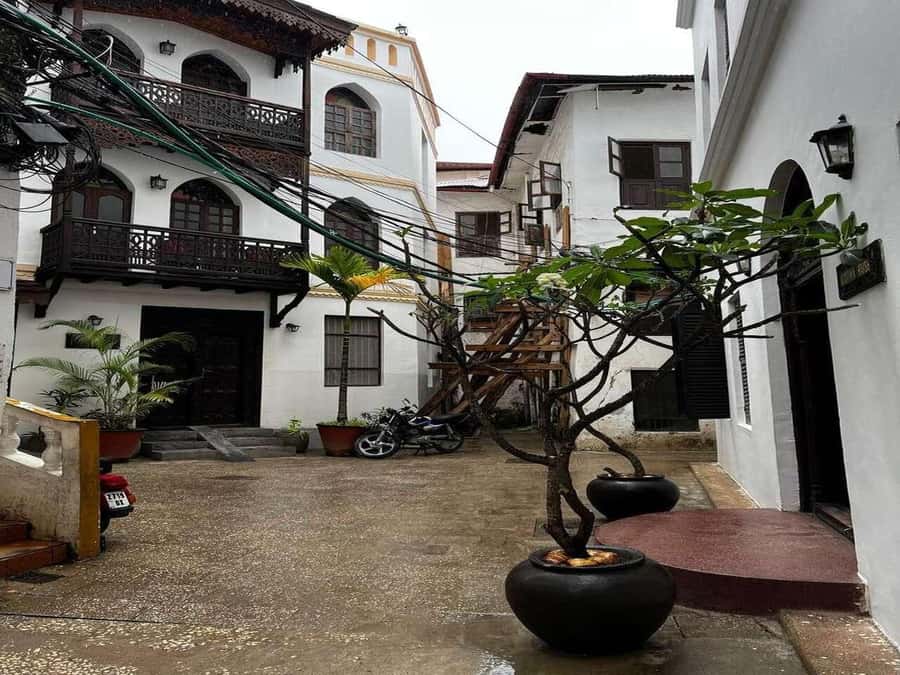
Stone Town is not a place you understand from a car window. Its streets are narrow, irregular, and full of small details. A guide helps you connect the carved doors, old religious buildings, trading streets, and palace walls into a readable story.
The city grew from Swahili coastal traditions shaped by Arab, Indian, European, and Portuguese influence. That mixture appears in the architecture, food, faith, language, and markets. You may pass a grand doorway, turn into a tight alley, and reach a small shop or courtyard within a few steps.
The old city became a UNESCO World Heritage Site in 2000. That designation matters here because Stone Town is not simply a collection of attractive buildings. It is a historic urban center where trade, religion, royal power, colonial influence, and painful human stories all meet in a compact area.
You should wear shoes that can handle several hours of walking. The experience lasts about three hours, with the practical information giving an approximate duration of two hours and 45 minutes. The timing can stretch or contract depending on photo stops, market browsing, museum entry, and how long you spend at each site.
More Walking Tours in Zanzibar
- Stone Town Private Walking Tour
★ 5.0 · 371 reviews - Zanzibar: 3 Hours Private Stone Town walking Tour with Guide
★ 4.6 · 301 reviews - Zanzibar: Stone Town Historical Cultural Walking Guided Tour
★ 4.5 · 179 reviews
Starting at the Former Slave Market
Beginning at the former East Africa slave market gives the walk serious purpose. The site is now home to the Anglican Cathedral, and your guide explains the role Zanzibar played in the East African slave trade.
Entry is not included in the tour price. You should allow $10 per person if you want to visit the former market site. This is one of the most important extra costs because it adds historical depth that you cannot get from simply viewing the cathedral from outside.
The stop also connects with David Livingstone and other missionaries who passed through or worked in the region. This part of the walk may feel heavy, and rightly so. It asks you to look beyond the attractive streets and recognize the human suffering tied to Zanzibar’s trading history.
I would pay close attention here and avoid treating the site as just another photo stop. The guide’s explanation is a major part of the value.
Darajani Market and the Everyday City

From the former slave market, the tour continues to Darajani Market, established in 1904. This is where Stone Town feels most connected to daily life.
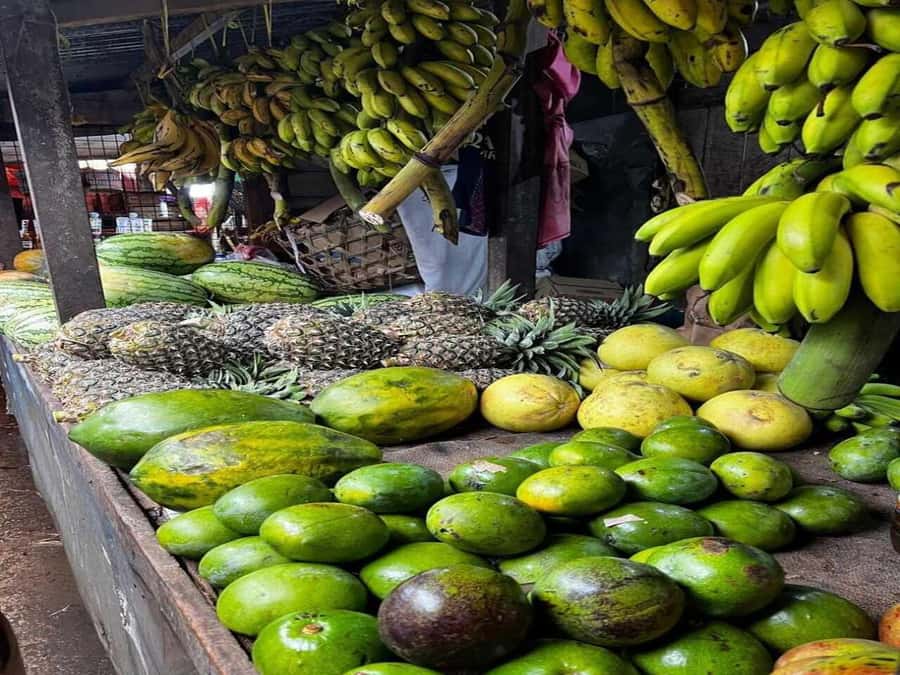
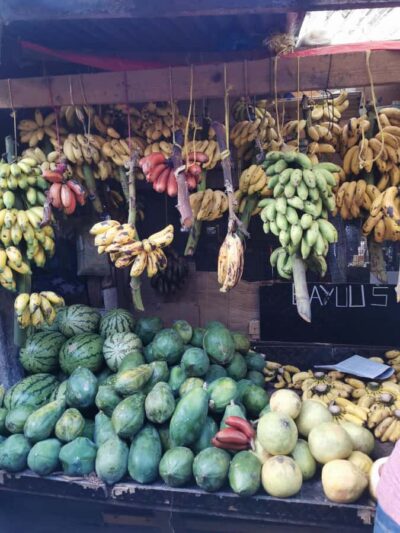
You may see stalls selling fruit, vegetables, fish, meat, spices, and other goods from Zanzibar’s growers and the Indian Ocean. The market is useful for photographs, but it is also a place to slow down and observe how residents shop and work.
You can browse and buy spices or other local products, though you should carry cash. The tour information specifically recommends bringing cash, and small purchases are easier when you are not relying on a card.
The market may not feel calm or carefully arranged. That is part of its appeal, but it can also be intense for anyone who prefers quiet sightseeing. Stay close to your guide, watch your belongings, and ask before photographing people at close range.
For me, this is one of the strongest sections because it gives you something a monument cannot: a sense of how the city functions today.
A Coffee Pause in the Narrow Streets
After the market, the route leads through the narrow lanes to Zanzibar Coffee House. You can sit down and order an aromatic coffee of your choice.
The coffee is mentioned as part of the route, but it is not listed among the included services. I would therefore expect to pay for your own drink unless your guide tells you otherwise. It is a small detail, but knowing this helps you avoid confusion at the counter.
This pause breaks up the walking and gives you time to ask questions. If you want to understand the city rather than race through a checklist, use this moment to ask about the buildings, local customs, or places you may want to revisit later.
More Stone Town walking tours:
- Zanzibar: Stone Town, Spice Tour, Prison Island with Lunch
★ 4.4 · 1,219 reviews - Zanzibar: Prison Island, Stone Town, & Spice Farm Tour
★ 4.5 · 579 reviews - Zanzibar: Stone Town, Spice tour & Prison Island with Lunch
★ 4.6 · 453 reviews - Full-Day Private Stone Town +Spice Farm and Prison Island Tour
★ 4.5 · 216 reviews
The Sultan’s Palace and Royal Zanzibar
The Sultan’s Palace introduces you to the former Zanzibar Sultanate. The building gives the tour a different mood from the market and church. Here, the focus shifts to royal life, political power, and the position Zanzibar held in the Indian Ocean world.
You should ask whether the palace interior is open on your date. The route includes the palace, but opening conditions can affect how much of the building you see. Even if access is limited, the exterior and surrounding area still help explain the importance of Stone Town as a seat of government and royal authority.
This stop works best when your guide adds personal explanation. A palace can look impressive while remaining vague. The stories about the Sultanate are what make the visit useful.
Forodhani Gardens and Zanzibar Street Food
Forodhani Gardens is known for evening food stalls selling seafood, grilled foods, sugarcane juice, Zanzibari pizza, and other local dishes. The tour includes the gardens as a stop, but it does not state that food is included.
If you visit near the evening food service, you may find this a good place to return after the walking tour. Sugarcane juice and Zanzibari pizza are especially associated with the area. Ask your guide about prices and preparation before buying, and keep cash handy.
Forodhani is more than a place to eat. It is a meeting point between Stone Town and the sea, with local food at the center of the experience. The route gives you an introduction without requiring you to plan a separate visit.
House of Wonders and the Old Arabic Fort
The House of Wonders, also called Bait el-Ajab, was built as a ceremonial palace and is described as the tallest building in East Africa. Its history is tied to Zanzibar’s rulers and public ceremonies.
The important warning is that the House of Wonders has been closed for renovation at times. The same applies to the Old Fort. You may see these structures from outside, but interior access is not guaranteed.
The Old Arabic Fort has served several purposes over time, including a battle arena and an early railway station. Its changing role reflects the way Stone Town’s buildings have been reused across different periods.
I would treat these stops as architectural and historical viewpoints rather than promises of full indoor visits. Confirm the condition of both sites before booking if entering them is central to your plans.
Freddie Mercury’s Stone Town Connection
The Freddie Mercury stop adds a modern music story to an otherwise historical route. The singer, songwriter, frontman, and guitarist of Queen was born in Zanzibar, and the tour takes you to the home associated with his childhood and birth.
A photo stop is included. Admission to the Freddie Mercury Museum is not included and costs about $8 per person. You can therefore keep this stop inexpensive by taking photographs outside, or pay extra if you want the museum experience.
The distinction matters. If you expect a major museum visit as part of the $19 price, you may feel disappointed. If you see it as a short personal-history stop within a wider city walk, it fits the tour well.
Notre-Dame de Zanzibar and the Carved Doors
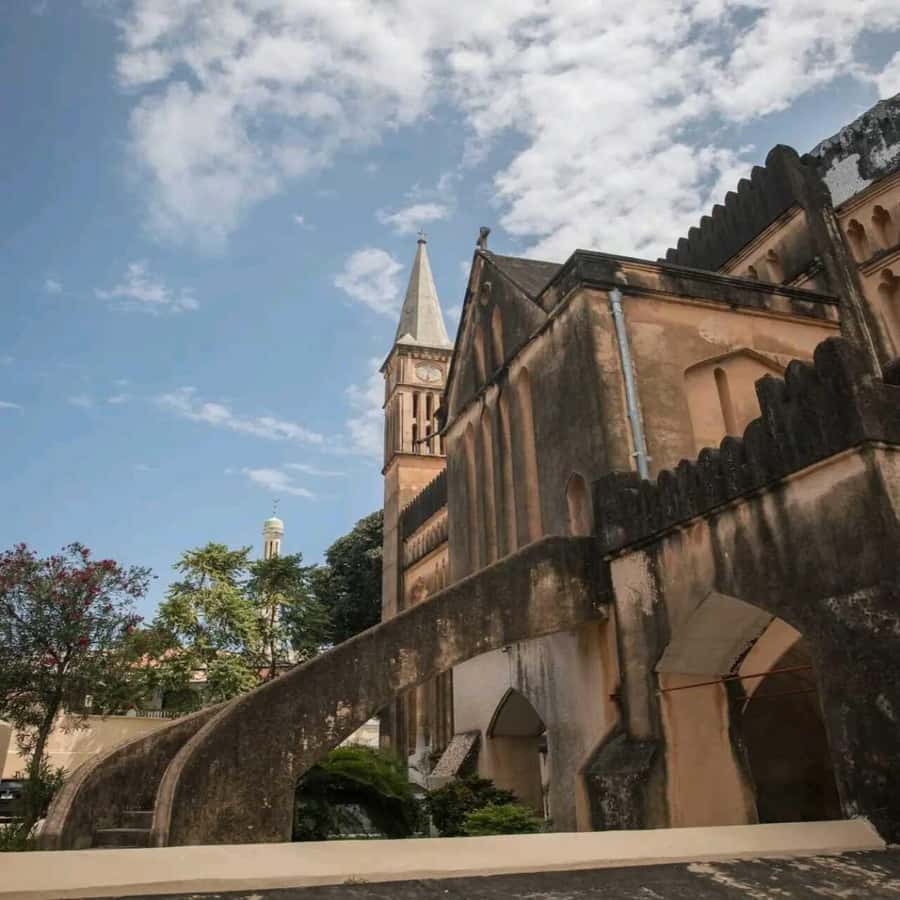
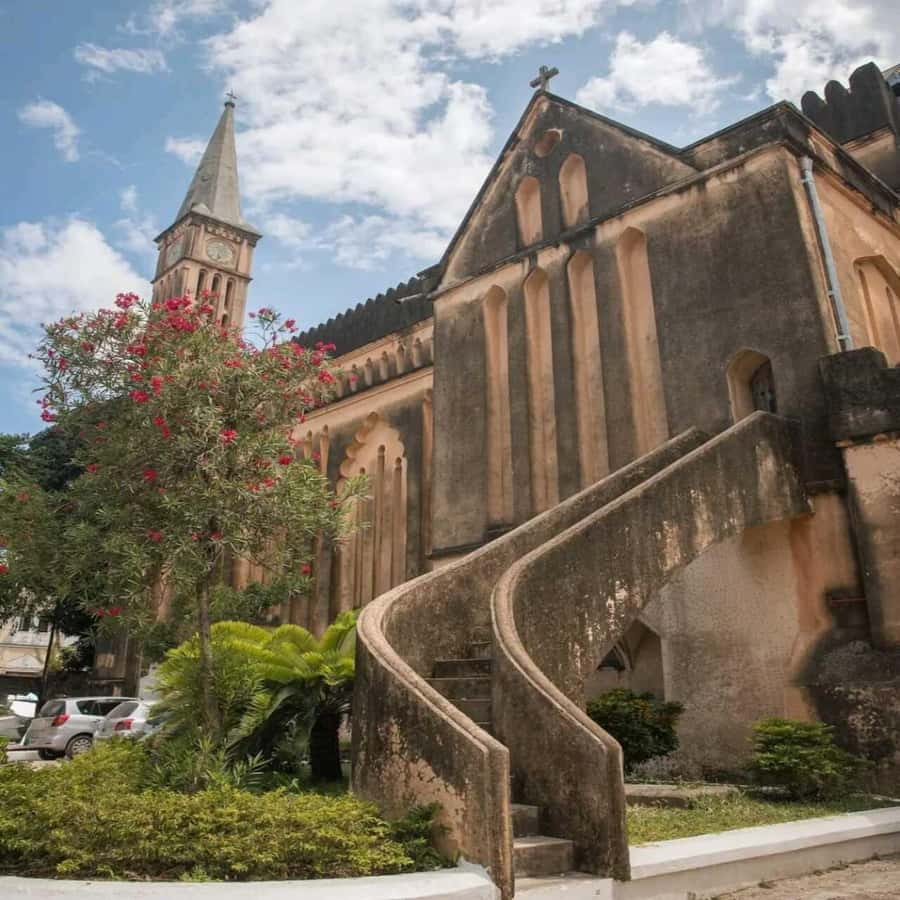
The French Catholic Cathedral, Notre-Dame de Zanzibar, is another major religious building on the route. Its sculpted design and location in the center of Stone Town show how many faiths and cultural influences developed side by side in the city.
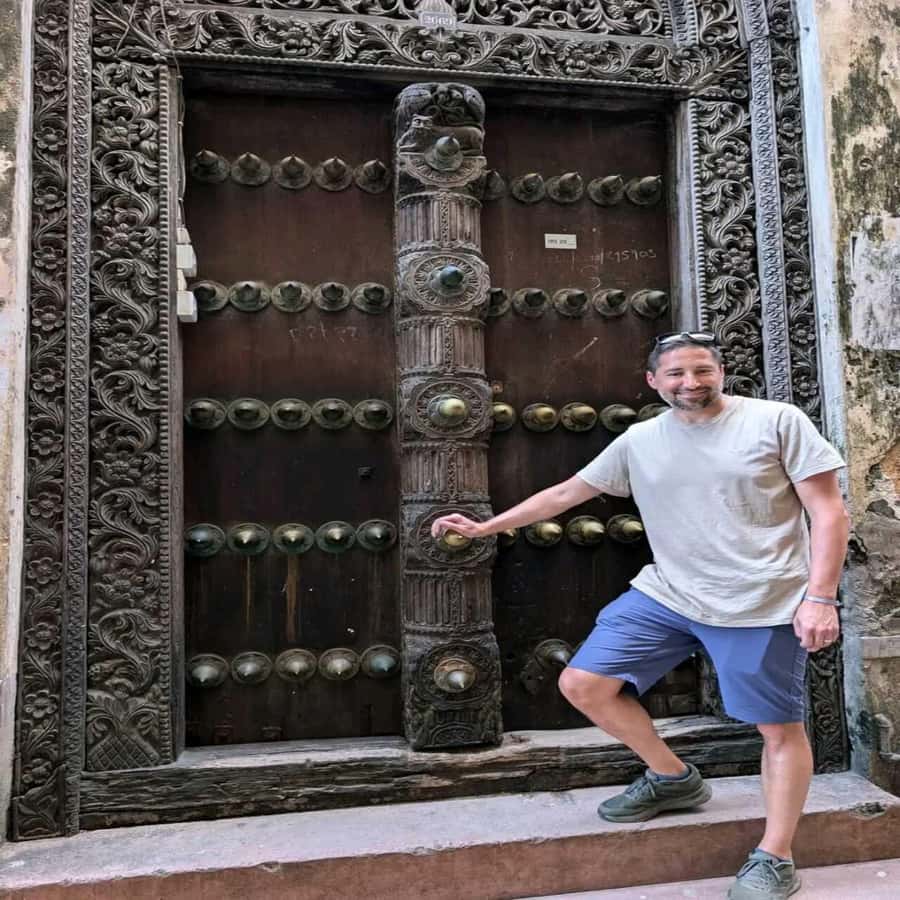
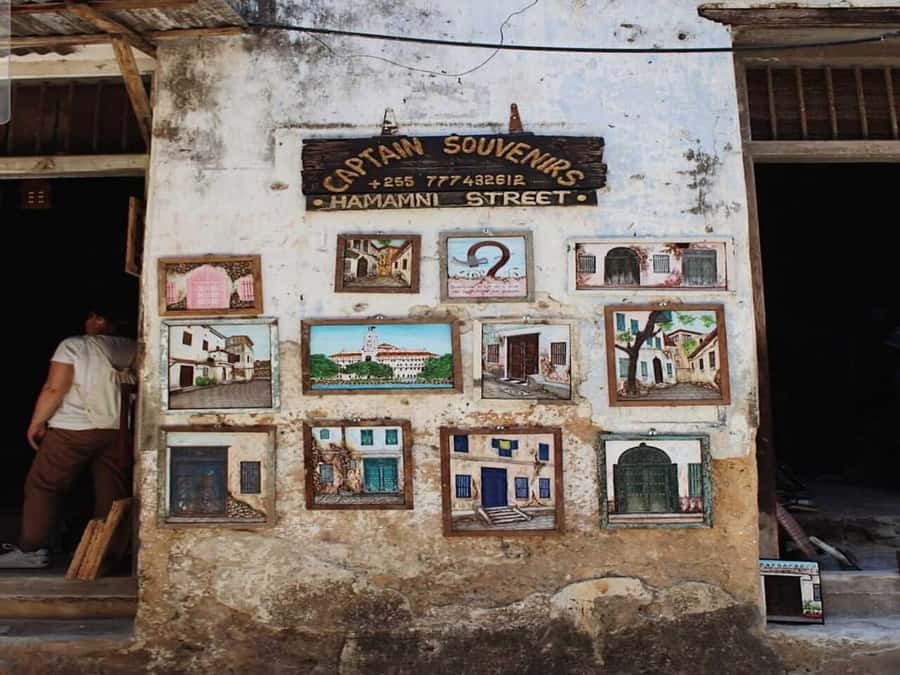
The final walking section leads through more narrow streets, past Zanzibar’s famous doors, and into souvenir shops and small boutiques. The doors are among the best details to watch for. Some have elaborate carving and large proportions that reflect the status and background of the original owners.
This is where a guide can make a real difference. Without help, you may notice that the doors are beautiful. With explanation, you can begin to understand why they matter and how they relate to the city’s trading past.
You will have some free time to browse, take photographs, or return to a place that caught your eye. Keep your purchases modest unless you are prepared to carry them through the rest of the walk.
What the $19 Price Really Covers
At $19 per person, this is a reasonably priced private walking tour if you want a guide to organize the route and provide context. The price includes:
- A licensed local guide
- Bottled water
- Hotel pickup and drop-off within Stone Town
- A private group experience
- A photo stop at Freddie Mercury’s childhood home
The private-group format is useful if you want to set your walking pace or ask plenty of questions. It can also make the tour feel more personal than a large group route.
Your likely add-ons are the $10 former slave market admission and the approximately $8 Freddie Mercury Museum admission. If you visit both, your basic cost rises to about $37 per person, before any coffee, food, or shopping.
That is still fair for a nearly three-hour guided experience, especially if your guide is as strong as Damtu. The value drops if several key buildings are closed and you mainly view them from the street. In that case, the guide and market visit become the main reasons to book.
Guides, Languages, and Tour Pace
The tour is offered with live guiding in English, French, German, Italian, and Swahili. You should select your preferred language carefully when booking and confirm that the requested guide is available.
The experience is promoted around female guides. Damtu receives particularly strong praise for being friendly and well informed. Another recent visitor found the guide personable but felt her English needed improvement. That suggests a practical point: guide quality can vary, and communication may not be equally smooth in every language or on every date.
A private group gives you a chance to slow down when a story interests you. If you want detailed historical explanation, tell your guide at the beginning. If you mainly want photographs and shopping, say so early and the walk can be adjusted within the available time.
Hotel pickup and drop-off are included in Stone Town. You are asked to wait at your hotel reception. Pickup outside Stone Town is not specified, so check before booking if you are staying elsewhere.
Who Will Enjoy This Walk Most
I would recommend this tour to you if you are visiting Stone Town for the first time and want an organized introduction. It suits anyone interested in architecture, local markets, Zanzibar’s royal past, the slave trade, or Freddie Mercury.
It is also a good choice if you have only one day in the city. The route covers many major sights without requiring you to plan the order yourself.
Families can join, with children aged four and under free and reduced pricing for children aged six to 12. The walk is not designed for people with altitude sickness according to the supplied safety information, although Stone Town itself is at low elevation. You should still follow the operator’s stated suitability guidance.
I would be less enthusiastic if you want long indoor visits at every site. Renovation work may limit access to the House of Wonders and Old Fort, and the Freddie Mercury Museum costs extra.
Practical Tips for a Better Visit
Wear comfortable shoes and bring a camera. The streets, market, doors, church, fort, and palace all offer different photo subjects, but you should ask before photographing people in the market.
Carry cash for admission fees, drinks, snacks, and souvenirs. The two main paid entries can add $18 per person, and the coffee stop or Forodhani food is also not listed as included.
Keep water with you even though a bottle is provided. The walking route takes place outdoors, and the day may feel warm.
Do not plan a tight connection immediately after the tour. The advertised duration is three hours, while the practical estimate is about two hours and 45 minutes. Stops, shopping, and building access can affect the finish time.
Free cancellation is available up to 24 hours before the tour for a full refund, and you can reserve now and pay later. Those terms are helpful if your Zanzibar schedule is still changing.
Should You Book the Stone Town Walking Tour?
Book it if you want a fairly priced, private introduction to Stone Town with a local female guide, a market visit, and clear historical context. I especially like the combination of the former slave market, Darajani Market, palace area, Forodhani Gardens, Zanzibar doors, and Freddie Mercury’s birthplace connection.
Set your expectations correctly. This is primarily a guided street walk, not a full museum package. Add the admission fees if you want the former slave market and Freddie Mercury Museum, and confirm renovation conditions for the House of Wonders and Old Fort.
If Damtu is available, I would consider that a strong reason to choose this option. If you care most about entering every famous building, ask for an updated route before paying. For a first look at Stone Town, though, the mix of difficult history, daily market life, royal buildings, food culture, and narrow lanes gives you a useful beginning.
FAQ
How long does the Stone Town walking tour last?
The tour is advertised as three hours, with an approximate duration of two hours and 45 minutes.
Where does the tour begin and end?
Pickup and drop-off are provided in Stone Town. You should wait at your hotel reception for pickup.
Is hotel pickup included?
Yes. Hotel pickup and drop-off in Stone Town are included.
Is the tour private?
Yes. The experience is offered as a private group tour.
Which languages are available?
Live guiding is available in English, French, German, Italian, and Swahili.
Is admission to the former slave market included?
No. Entry to the former East Africa slave market costs $10 per person.
Is the Freddie Mercury Museum included?
No. Museum admission costs approximately $8 per person. A photo stop at his childhood home is included.
Can children join the tour?
Yes. Children aged four and under can join free, and children aged six to 12 have a reduced price.
What should I bring?
Bring comfortable shoes, a camera, and cash. Bottled water is provided during the tour.
Just added in Zanzibar
- Best of Zanzibar: Spice Tour & Stone Town Visit★ 4.4 · 5 reviews
- THE GREEN TOUR: Jozani Forest & Mangrove Kayaking Experience★ 4.7 · 6 reviews
- Stone Town: Private Walking Tour in the Heart of Zanzibar.★ 5.0 · 1 review
- The rock restaurant and blue Lagoon★ 5.0 · 1 review
- Tea House, Zanzibar Coffee House, Spice Tour with Lunch★ 5.0 · 1 review
- Swimming with sea turtles in salaam cave★ 5.0 · 1 review
- Swim with Turtles at The Lagoons Zanzibar & Stone Town Tour★ 4.8 · 4 reviews
- Stonetown & Prison island Cultural Tour★ 5.0 · 2 reviews
Stone Town Tours, compared.
Stone Town, Spice Tour, Prison Island with Lunch
Read our review →
Stone Town, Spice tour & Prison Island with Lunch
Read our review →
3 Hours Private Stone Town walking Tour with Guide
Read our review →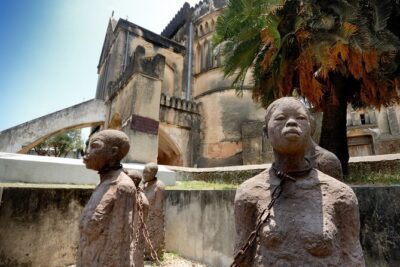
Full-Day Private Stone Town +Spice Farm and Prison Island Tour
Read our review →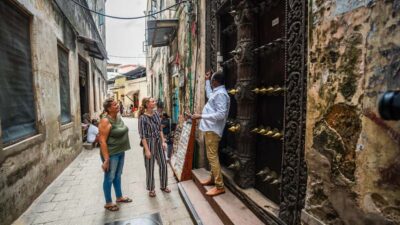
Stone Town Historical Cultural Walking Guided Tour
Read our review →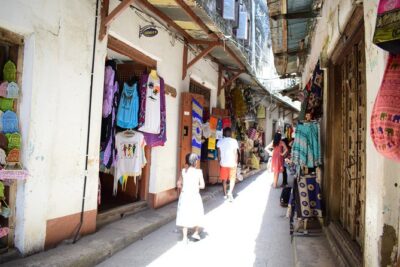
Browse the lists this tour appears in