
Reviewed · HISTORICAL TOURS
Tongoni Historical Ruins-From Tanga City (Oldest Fishing Village)
History still speaks through coral and stone. Tongoni gives you a close look at an early Shirazi settlement, with about 40 tombs and the remains of a mosque dating from the 14th to 15th centuries. The site lies roughly 17 kilometers south of Tanga City, making it an easy half-day outing.
I like the combination of archaeological ruins and local culture, rather than visiting a historic site in isolation. I also like that the fishing village walk connects you with descendants of the people associated with Tongoni. The main consideration is timing: the outing lasts about five to six hours, but the visit at the cultural tourism enterprise is listed as about three hours, so road time forms a meaningful part of the day.
- About 40 Shirazi tombs give Tongoni its strong visual and historic appeal.
- A mosque dating from the 14th to 15th centuries adds context to the settlement.
- The fishing village walk brings the past into the present through local family connections.
- Private touring means only your group takes part.
- Morning departure at 8:30 a.m. leaves much of the afternoon free.
- All fees and taxes are included, while alcoholic drinks are not.
In This Review
- Why Tongoni Matters Near Tanga
- Reaching Tongoni From Tanga City
- Walking Among the Forty Shirazi Tombs
- The Mosque Remains and Coastal Faith
- Meeting The Fishing Village Connected To Tongoni
- What The Five To Six Hours Feel Like
- Is $120 Per Person Good Value?
- Who Will Enjoy Tongoni Most
- Should You Book Tongoni Historical Ruins?
- FAQ
- How long does the Tongoni Historical Ruins tour take?
- What time does the tour start?
- Is pickup available?
- What is included in the price?
- Is this a private tour?
- What happens if bad weather cancels the tour?
Why Tongoni Matters Near Tanga
Tongoni is not simply a pile of old walls outside town. It is tied to the Shirazi people who lived along the East African coast and to the wider Indian Ocean world that shaped coastal Tanzania.
The site is described as one of the first Shiraz settlements in the area. That makes the ruins useful for understanding how people lived, worshipped, and were buried along this coast many centuries ago. You are not only looking at stones. You are seeing traces of a settled community with religious and family life.
The remains include approximately 40 tombs and a mosque. The tombs are especially important because they form the largest collection of Shiraz tombs in East Africa, according to the information provided for the site. That concentration gives Tongoni its character. One grave can feel isolated. Forty graves create a sense of a former community.
The mosque remains add another layer. Even in a partial state, a religious building helps you picture the settlement as a working place, not merely a burial ground. You can consider how the mosque served the community and how Islam shaped coastal life during the 14th and 15th centuries.
I would approach Tongoni with curiosity rather than expecting a restored monument. The appeal is in the surviving remains and the story they suggest. Parts of the site are old, weathered, and incomplete. That is precisely why a cultural walk and local interpretation matter.
Reaching Tongoni From Tanga City
The ruins sit about 17 kilometers south of Tanga City. The relatively short distance makes this a practical choice if you are based in Tanga and want to add a historic site to your stay without committing to a full-day excursion.
Pickup is offered, and the tour begins at 8:30 a.m. The total duration is approximately five to six hours. Since the main stop is listed as about three hours, you should allow the rest of the time for transportation and the village portion of the outing.
That schedule is useful in two ways. First, a morning start gives you a clear plan for the day. Second, the tour is long enough to include both the ruins and cultural contact, but short enough to leave room for other plans later.
The tour is private, so only your group participates. I see this as a real advantage at an archaeological site. You can spend more time looking at the tombs, ask questions at your own pace, and avoid being folded into a large group timetable. The trade-off is simple: a private tour costs more per person than a shared outing may cost, but you receive a more personal format.
The experience is also near public transportation, although pickup is offered. If you are already staying in Tanga, ask at booking how the pickup will work for your exact location. The available information confirms pickup, but it does not specify the vehicle, pickup area, or transport arrangements.
More Fishing Trips in Tanzania:
- Zanzibar Sea Fishing Boat Tour experience with Transfer
★ 3.8 · 16 reviews - Zanzibar Deep Sea Fishing & Local fishing.
★ 3.0 · 9 reviews - ZANZIBAR FISHING EXPRIENCE
★ 3.3 · 6 reviews
Walking Among the Forty Shirazi Tombs
The tombs are the main reason to visit Tongoni. With about 40 on the site, you have more than a single surviving monument to examine. Together, they show that the location once served a settled population over time.
The phrase old graves waiting for you to explore should not be read as a promise of a polished museum visit. This is an outdoor historic site, and the remains speak through their age. You might find that some features are easier to understand with explanation than by sight alone. That is where the cultural tourism format earns its keep.
Take your time here. Look for differences in the tombs, their arrangement, and the way the ruins fit together as a group. I would resist rushing through for a few photographs. The number of graves is the important detail, because it gives you a physical sense of the community that once occupied Tongoni.
The strongest praise connected with this experience focuses on the fact that the Tongoni ruins are still standing. That is a modest phrase, but an important one. Coastal ruins face time, weather, and neglect. Surviving remains allow you to connect written history with something you can actually see.
You should also expect a site that rewards attention more than spectacle. There is no promise of a large visitor center, a reconstructed town, or an elaborate display. Instead, you get old structures, tombs, and the chance to understand them within their local setting.
Admission to the stop is included, as are all fees and taxes. That keeps the cost easier to judge because you are not adding a separate entrance charge during the outing.
The Mosque Remains and Coastal Faith
The mosque remains date from the 14th to 15th centuries. This gives Tongoni a clear historical marker and places the site within the long period when Islamic culture shaped many coastal settlements in East Africa.
For you, the mosque is valuable because it makes the site more than a cemetery. It points to daily community life, religious practice, and the connections between coastal East Africa and the wider Indian Ocean. The Shirazi identity is central to the story, and the mosque helps explain how that identity was expressed in the settlement.
Do not expect a complete building. The supplied information refers to the remains of a mosque, so you should prepare for partial ruins rather than a fully preserved structure. If you prefer intact buildings with lots of signs and displays, Tongoni may feel spare. If you enjoy reconstructing the past from what remains, it offers more to think about.
A good approach is to let the site raise questions. Who gathered here? How did the settlement relate to the sea? How did families use the area around the mosque and tombs? The cultural walk that follows helps move those questions from archaeology toward living memory.
Meeting The Fishing Village Connected To Tongoni
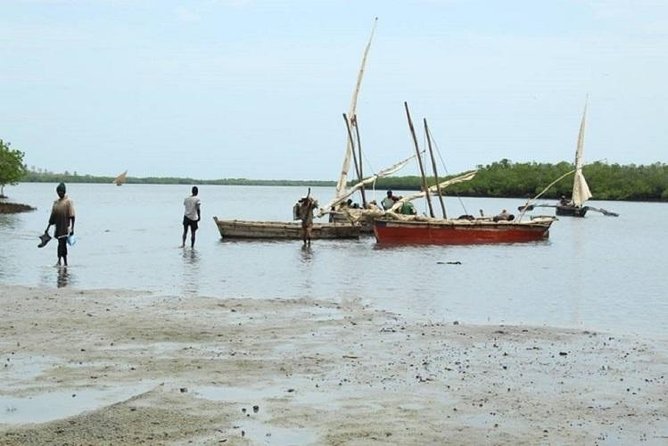
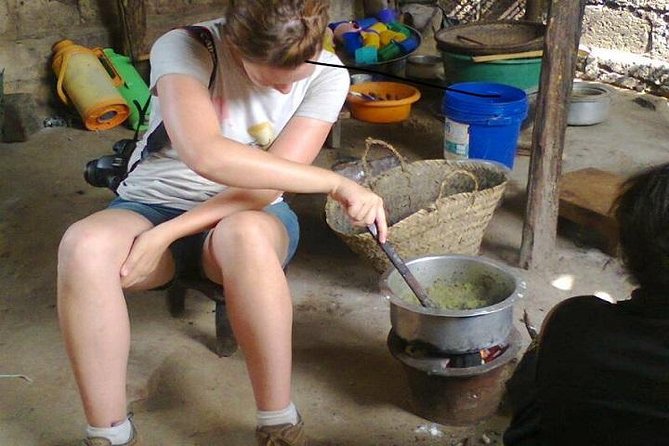
The second major part of the experience is a cultural walk through a fishing village. This is what gives the outing a human dimension.
The walk offers the opportunity to meet descendants of people who lived in the ruins. That connection is unusual and valuable. You are not being shown an abandoned place with no link to the present. You are being introduced to a community that carries part of Tongoni’s story forward.
The title of the experience presents Tongoni as the oldest fishing village. The supplied details do not provide a full account of the village’s age or its current fishing practices, so I would keep expectations focused on the cultural walk and the chance to meet local descendants.
This part of the tour also helps you avoid a common problem with historic sites: treating the past as something sealed away. At Tongoni, the village walk can show how history remains part of local identity. You may find that the most memorable information comes through conversation and place, not a formal display.
Because the tour is private, your group can give this portion the attention it deserves. Still, the available details do not specify exactly how the walk is structured, how many local people you will meet, or what activities are included. Ask the operator if those details matter to your plans.
I like this addition because it keeps the experience grounded. You get ruins, but you also get a living community. That balance is stronger than a quick stop for photographs.
More History Tours in Tanzania:
- Zanzibar: Stone Town Historical Cultural Walking Guided Tour
★ 4.5 · 179 reviews - Arusha Guided Walking City Tour, Culture, Lifestyle & History
★ 5.0 · 150 reviews - Stone Town Historical Walking Tour
★ 5.0 · 143 reviews - Stone Town’s Hidden History: Private Guided Walking Tour
★ 4.6 · 94 reviews
What The Five To Six Hours Feel Like
The length makes sense once you separate the main site from the journey. The visit at Livan Cultural Tourism Enterprise is listed as approximately three hours, while the whole outing takes five to six hours. That suggests a half-day plan with transportation and the village walk included in the broader schedule.
An 8:30 a.m. start is sensible. You can see the ruins and take part in the cultural walk during the first half of the day, then return with time left for other Tanga plans. The tour does not appear designed as a rushed one-hour photo stop.
You should keep the morning open. The total time is approximate, and the experience requires good weather. If poor weather causes cancellation, you are offered another date or a full refund. That policy matters in a coastal setting, where conditions can affect an outdoor archaeological visit.
The tour is suitable for most participants, according to the supplied information. No special physical requirement is stated. Even so, the activity includes walking through a historic outdoor site and a fishing village, so comfortable clothing and shoes are sensible choices. That is practical advice rather than a stated equipment requirement.
Alcoholic drinks are not included. This is unlikely to matter for most people on a morning cultural excursion, but it is worth knowing if you are comparing the total price with a more fully catered outing.
Is $120 Per Person Good Value?
The price is $120 per person. That is not the cheapest way to reach ruins 17 kilometers from Tanga, but this is a private experience rather than a basic transfer.
You are paying for more than access to the site. The package includes pickup, the historic visit, a cultural village walk, and a private format. All fees and taxes are included, which helps prevent small extra charges from appearing during the day.
The value depends on what you want. If your goal is simply to see the tombs and leave, $120 may feel high. If you want the ruins explained within Shirazi history and then want a connection with descendants of the former settlement, the cost is easier to justify.
The private format is the biggest value question. Solo visitors or couples may find the per-person price harder to absorb. A small group can spread the cost while keeping the benefits of a private tour.
I would compare this outing with the price of arranging separate transport, entrance costs, and local guiding. The available information does not give those separate prices, so I cannot claim a precise saving. Still, the bundled nature of the experience makes it simpler and more predictable.
The positive emphasis around the ruins still standing also supports the idea that Tongoni offers something distinct from a generic city tour. You are paying for access to a specific historic place and a local connection, not just a drive through the Tanga area.
Who Will Enjoy Tongoni Most
I would recommend this tour to you if you enjoy archaeology, coastal history, Islamic heritage, and community-based experiences. It is also a good fit if you want to see more of the Tanga area without spending an entire day on the road.
The tour suits people who prefer a private pace. You can ask questions, stay longer at a point that interests you, and give the cultural walk your full attention.
It may be less suitable if you want a highly polished attraction with extensive signs, restored buildings, or a tightly documented museum presentation. The information provided describes ruins, graves, mosque remains, and a village walk. That is a more direct and open-ended experience.
It is also not the best choice if your schedule is extremely tight. Although the site is only about 17 kilometers from Tanga City, the full outing takes five to six hours. Build that time into your day rather than assuming a short round trip.
Most participants can take part, and confirmation is received at booking. The experience is weather dependent, so keep some flexibility in your itinerary. You can cancel for a full refund if you do so at least 24 hours before the 8:30 a.m. start. Changes or cancellations made within 24 hours are not accepted for a refund.
Should You Book Tongoni Historical Ruins?
Book this tour if you want Tanga history presented through both old stones and living connections. The approximately 40 Shirazi tombs, mosque remains from the 14th to 15th centuries, and fishing village walk create a fuller experience than a simple ruin visit.
I would especially choose it for a private group with an interest in East African coastal culture. The $120 price is reasonable when you value pickup, included fees, local cultural contact, and a private schedule. I would skip it only if you want a short, self-guided stop or if your priority is a restored monument with extensive visitor facilities.
For most people with a free morning in Tanga, Tongoni offers a thoughtful half-day outing. The ruins may be weathered, but that is part of their appeal. They give you a direct look at a Shirazi settlement, while the village walk helps you see that this history is not finished.
FAQ
How long does the Tongoni Historical Ruins tour take?
The experience lasts approximately five to six hours. The main stop at Livan Cultural Tourism Enterprise is listed as about three hours.
What time does the tour start?
The tour starts at 8:30 a.m.
Is pickup available?
Yes. Pickup is offered for this experience.
What is included in the price?
All fees and taxes are included. Alcoholic beverages are not included.
Is this a private tour?
Yes. Only your group participates in the activity.
What happens if bad weather cancels the tour?
If the experience is canceled because of poor weather, you will be offered a different date or a full refund.
Just added in Tanzania
- ZANZIBAR:Stone Town,Prison island and Jozani forest★ 5.0 · 2 reviews
- Zanzibar:Sunset Dhow Cruise nungwi★ 5.0 · 1 review
- ZANZIBAR:Jozani Forest,Visit turtles sanctuary,mtende beach★ 5.0 · 1 review
- Zanzibar:Ngoma local culture workshop,The Knowledge of Ngoma★ 5.0 · 1 review
- ZANZIBAR:Mnemba island, Baraka aquarium and Kendwa beach★ 5.0 · 1 review
- Zanzibar:Jozani forest, Spice farm with Swahili Cuisine clas★ 4.2 · 3 reviews
- ZANZIBAR:Jozani Forest, Swahili cave and mtende beach★ 5.0 · 2 reviews
- ZANZIBAR:Mnemba island, Spice farm and Jozani Forest★ 5.0 · 1 review
Historical Tours, compared.
Stone Town Historical Cultural Walking Guided Tour
Read our review →
Arusha Guided Walking City Tour, Culture, Lifestyle & History
Read our review →
Stone Town’s Hidden History: Private Guided Walking Tour
Read our review →

Browse the lists this tour appears in