
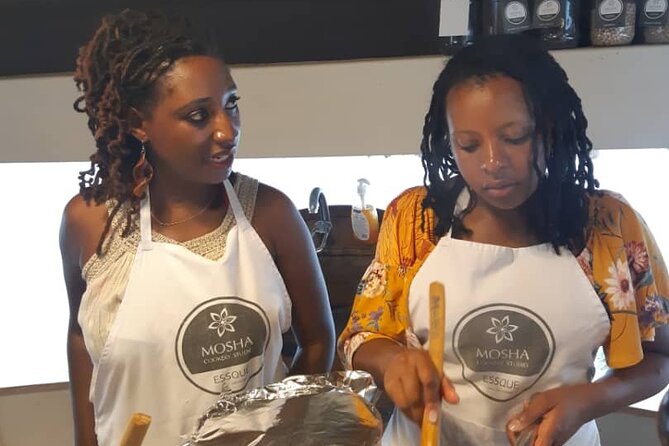
Reviewed · SPICE FARM TOURS
Zanzibar Cooking Class [Swahili food test ] and Spice farm Private tour
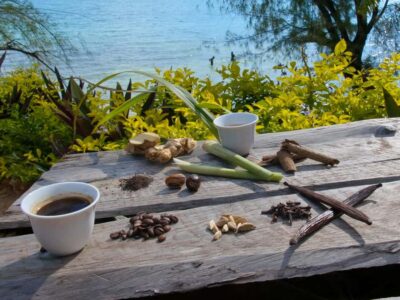
Smell Zanzibar at its source. This private five-hour outing pairs a guided visit to Tangawizi Spice Farm with a hands-on Swahili cooking session, giving you both the farm story and the meal that follows. I like the direct contact with fresh plants, from cinnamon and black pepper to vanilla, cardamom, nutmeg, and cloves. I also like that you do more than watch: you can harvest cassava leaves, make coconut milk, and cook with spices collected during the visit.
The main point to consider is that the experience involves several people and small paid extras. You may want cash in Tanzanian shillings for tips, drinks, spice purchases, and help from different staff members. The farm visit can also feel more practical than polished, which suits you if you want a local food experience rather than a staged cooking show.
In This Review
- Key points to know before you book
- Why Zanzibar’s spice farms matter
- Walking through Tangawizi Spice Farm
- Fresh coconut and the work behind local food
- Cooking Swahili food with Mama Africa
- The private format and five-hour pace
- Guides, service, and the small-cost details
- Who will enjoy this Zanzibar food experience
- Booking, cancellation, and practical planning
- Should you book the Tangawizi Spice Farm tour?
- FAQ
- Where does the spice farm and cooking tour take place?
- What time does the tour start?
- How long does the experience last?
- Is transportation included?
- Is this a private tour?
- What spices can you see at the farm?
- Is lunch included?
- Are alcoholic drinks included?
- Can I cancel for a full refund?
- Can I buy spices at the farm?
Key points to know before you book
- Three hours at Tangawizi Spice Farm: Walk among spice plants, learn how they are grown, and touch, smell, and taste them fresh from the source.
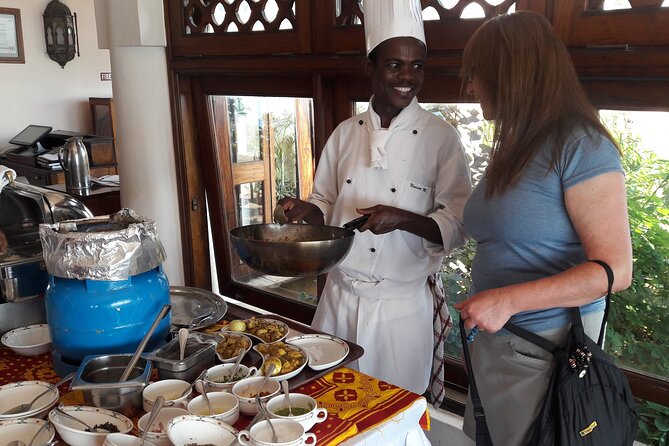
- Two-hour Swahili cooking session: Work with Mama Africa to harvest cassava leaves, prepare coconut milk, and cook a spiced local meal.
- Fresh coconut and tropical fruit: A coconut tree climber picks young coconuts, while the farm visit includes fruit tasting.
- Private transportation and private participation: Your group travels privately, with pickup offered and no other booking placed in your activity.
- Lunch is included: The meal you help prepare forms part of the experience, not just an optional add-on.
- $59 per person: The price is fair if you value transport, a private guide, farm entry, cooking instruction, and lunch in one half-day outing.
Why Zanzibar’s spice farms matter
Zanzibar is known as the Spice Islands for good reason. Cloves, nutmeg, cinnamon, black pepper, vanilla, cardamom, and other plants have shaped the islands’ farming and food traditions. A visit to a spice farm gives you a useful link between the ingredient in your kitchen and the plant in the ground.
I find the sensory part especially worthwhile. Dried spices in a shop can look familiar and smell muted. Here, you can touch leaves, crush or handle fresh plant material, and smell spices at their source. You also learn how some plants are used in cooking and in traditional remedies.
That makes this more than a walk through a garden. You get a basic lesson in how spices grow, how they are prepared, and why they matter in Swahili food. The guide explains the plants as you go, so you do not need previous knowledge of spices to follow along.
The farm is described as organic, though the experience is not presented as a formal agricultural course. Expect a guided introduction rather than a detailed study of farming methods. For most visitors, the chance to see vanilla, cacao, nutmeg, cardamom, and other plants in one place will be the main appeal.
More Cooking Classes in Zanzibar
- Zanzibar Cooking Class & Spice Tour
★ 4.5 · 77 reviews - Zanzibar: Spice Farm Tour with Traditional Cooking Lesson
★ 4.8 · 77 reviews - Half-Day Kuza Cave Swimming Adventure and Cooking Class
★ 4.5 · 44 reviews
Walking through Tangawizi Spice Farm
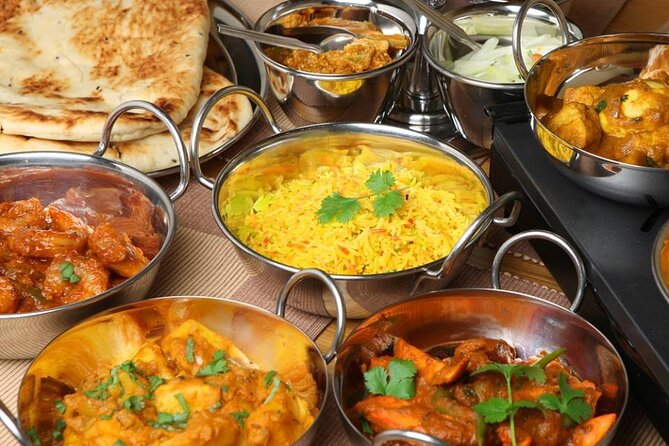
The first part lasts about three hours at Tangawizi Spice Farm. You meet the farm guide and begin learning how the islands produce their best-known spices. The pace gives you time to stop, smell, taste, and ask questions rather than rush through a short photo stop.
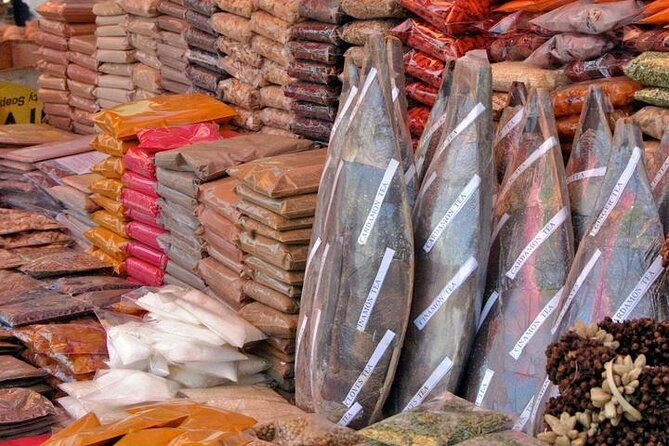
The farm visit includes familiar items such as cinnamon, black pepper, cloves, nutmeg, vanilla, and cardamom. Some plants may be completely new to you, which is where the guide’s explanations help. You can see the difference between a spice as a dried product and the living plant that produces it.
I like the fact that the tour uses your senses. You do not simply hear a list of ingredients and move on. You can handle spices and herbs directly, then compare their fresh scent with what you know from cooking at home. That simple act makes the visit more memorable.
Fresh tropical fruit is also part of the farm stop. The fruit tasting breaks up the spice lesson and gives you another way to experience local produce. The available fruit is not specified, so you should treat this as a seasonal tasting rather than expect a fixed menu.
The farm also includes cacao and vanilla, according to the experience details shared by one group. Those are useful additions because they broaden the visit beyond the usual cinnamon and cloves. You may find that the best part is not one famous spice, but the number of plants gathered into a single walk.
One practical caution: a three-hour farm visit can feel long if you only want a quick spice stop. You will get the most from it if you enjoy plants, food, photography, and explanations. If your main goal is simply to buy cinnamon, you can probably find a shorter shopping stop elsewhere.
Fresh coconut and the work behind local food
At some point during the farm portion, a coconut tree climber picks young coconuts for you to try. This is a lively moment, but it also shows the physical work involved in getting a simple drink from tree to table.
The coconut is not just a decoration for the tour. It connects directly to the cooking session, where you learn to make coconut milk. In Swahili cooking, coconut adds body and flavor to many dishes, so preparing it yourself helps explain why it matters in the local kitchen.
The experience details do not specify how much coconut you receive or how the preparation is demonstrated. You can expect a practical activity rather than a formal lesson with printed recipes. If you want detailed recipes to take home, ask your cooking guide while you work.
You should also carry small cash. One useful tip is to have Tanzanian shillings available for the coconut drink and tips. Card payment is not accepted for some of these small costs or for purchases at the farm shop.
Cooking Swahili food with Mama Africa
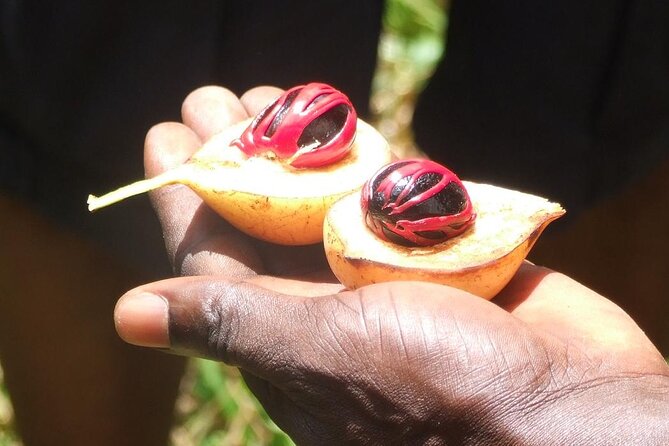
After the farm walk, you spend about two hours with Mama Africa preparing Swahili dishes. This is the part that turns the tour from a spice education into a food experience.
You may join a cassava leaf harvest, help make coconut milk, and prepare food with spices gathered or identified earlier in the day. That sequence is satisfying because you see the ingredient, learn its use, and then put it into a dish. It gives the meal a clear sense of place.
The setting may be simple and home-style. One French-speaking booking described cooking with Mama Africa in a small hut while seated on a mat, and also noted that the setting did not match the promotional photo exactly. That is worth keeping in mind. The cooking session may feel more like an informal local demonstration than a polished culinary studio.
For me, that can be a strength. You are closer to the basic work of preparing food, including the less glamorous tasks. Harvesting leaves and making coconut milk take time and effort, and that can help you understand the meal better than simply watching a chef plate it.
The exact dishes are not listed, so you should not book this expecting a fixed menu of named recipes. The description says you will cook Swahili food with spice, cassava leaves, and coconut milk. The final meal can therefore vary with the available ingredients and the cooking plan for the day.
This section is likely to suit families, couples, and small groups who enjoy taking part. It may be less suitable if you prefer a quiet lunch or a strictly scheduled class with precise measurements and professional equipment.
More Food Tours in Zanzibar
- Stonetown: Food Markets and Street Food Walking Tour
★ 4.7 · 151 reviews - Authentic Street Food Tours in Stone Town, Zanzibar
★ 5.0 · 46 reviews - Stone Town Evening Walk Tour With Visit Food Markets
★ 4.5 · 28 reviews - Zanzibar:Stone town Street food market walking tour,transfer
★ 4.5 · 9 reviews
The private format and five-hour pace
The tour begins at 9:00 a.m. and lasts about five hours. The timing gives you a full morning and early afternoon activity, with enough room for the farm and cooking portions. Pickup is offered, and private transportation is included, which removes the need to arrange separate transport to the farm.
Because the activity is private, only your group participates. That matters if you want to ask questions, set your own pace within reason, or cook without a large class around you. It is also useful for families or friends who want a shared activity without strangers joining the table.
The private format helps justify the $59 price per person. You are paying for transportation, all fees and taxes, farm entry, a guide, the cooking session, and lunch. A cheaper farm visit might cover only entry and a short walk, while a separate cooking class could add its own transport and meal costs.
Still, value depends on what you want. If you dislike organized tours or already have a kitchen class booked, the combined package may feel repetitive. If you want one easy half-day activity that links Zanzibar’s crops with its food, the price is sensible.
Pickup details are not fully specified, so confirm the exact pickup point and timing when you book. The activity is based in Zanzibar City, but the supplied information does not name every pickup area.
Guides, service, and the small-cost details
The guide is an important part of this experience. One booking praised Amina for her customer service, while another described the guide and assistant as personable and helpful. A French-speaking guide was also available for one French-language group, though you should confirm language needs before booking rather than assume it is guaranteed.
Several people may help during the day: the main guide, a cooking assistant, the coconut climber, and the driver. Their roles explain why you may want cash for tips. You should also carry money for any spice purchases and for the coconut drink, since cards are not accepted for some of these transactions.
This is not a criticism of the tour itself, but it is a cost worth planning for. The advertised price covers the main activity, not every small purchase or gratuity. Bring small notes or shillings so you are not trying to make change at the end of a rural farm visit.
The farm shop gives you a chance to buy spices after you have seen where they come from. I would wait until the end before buying, since the guided walk helps you understand what you are purchasing. Compare prices and packaging, and remember that buying spices is optional.
Who will enjoy this Zanzibar food experience

I would recommend this tour most strongly to you if you want a mix of culture, food, and hands-on activity. It works well for:
- Couples looking for a private half-day outing
- Families with children who enjoy tasting and touching new foods
- Small groups who want a private guide and shared lunch
- Food lovers interested in coconut, cassava, and spices
- Visitors who want more than a sightseeing drive
- Anyone curious about how common spices grow
You may want to choose another activity if you need a fully accessible, highly polished cooking school or a fixed menu with detailed written recipes. Most people can participate, and service animals are allowed, but the information does not describe the walking surface, seating, or cooking facilities in detail.
The experience is also less ideal for someone who wants a short stop. The farm portion alone takes about three hours, and the cooking session adds another two. Plan on giving the morning and early afternoon to the tour.
Booking, cancellation, and practical planning
The tour is often reserved about 29 days ahead, so booking early is sensible if your Zanzibar schedule is fixed. Confirmation arrives at the time of booking, and the activity uses a mobile ticket.
You can cancel for a full refund if you do so at least 24 hours before the local start time. Cancellations or changes made inside that 24-hour window are not refunded or accepted. Keep that deadline in mind if your transport plans are uncertain.
Alcoholic drinks are not included. Lunch is included, but the exact dishes are not specified. You can expect the meal to connect with the cooking session, especially through coconut, cassava leaves, and spices.
The tour is near public transportation, but private transportation is included. Pickup is offered, which is likely the easier choice if you are staying outside central Zanzibar City or do not want to arrange a taxi.
Should you book the Tangawizi Spice Farm tour?
Book it if you want to understand Zanzibar through food. The strongest parts are the fresh spice plants, the private format, the friendly service, and the chance to prepare a meal with Mama Africa instead of simply watching a demonstration.
Go in with realistic expectations. The setting may be simple, the cooking space may differ from the photograph, and you should budget for tips and small cash purchases. You will also need to enjoy a full five-hour program rather than a quick farm visit.
At $59 per person, I think the package offers good value for a private outing that includes transport, admission, lunch, a guide, and cooking activities. If the idea of smelling fresh vanilla, tasting tropical fruit, making coconut milk, and eating food you helped prepare sounds appealing, this is a useful and memorable addition to a Zanzibar stay.
FAQ
Where does the spice farm and cooking tour take place?
The experience is based in Zanzibar City, Tanzania, with the farm visit taking place at Tangawizi Spice Farm.
What time does the tour start?
The scheduled start time is 9:00 a.m.
How long does the experience last?
The full experience lasts approximately five hours. The spice farm visit takes about three hours, followed by about two hours of cooking.
Is transportation included?
Yes. Private transportation is included, and pickup is offered.
Is this a private tour?
Yes. Only your group participates in the activity.
What spices can you see at the farm?
The farm visit can include cloves, nutmeg, cinnamon, black pepper, vanilla, cardamom, and other spices and herbs.
Is lunch included?
Yes. Lunch is included in the tour price and follows the cooking activities.
Are alcoholic drinks included?
No. Alcoholic beverages are not included.
Can I cancel for a full refund?
Yes. You can receive a full refund if you cancel at least 24 hours before the experience start time. Cancellations within 24 hours are not refunded.
Can I buy spices at the farm?
Yes. You have the opportunity to purchase spices from the farm shop. Carry cash, since cards are not accepted for some purchases.
More Farms in Zanzibar
- Zanzibar: Stone Town & Spice Farm Tour with Lunch
★ 4.5 · 97 reviews - Zanzibar:Stone Town & Spice Farm Private Tour Lunch Included
★ 4.2 · 94 reviews - Zanzibar full day Jozani forest + Spice farm and stone town
★ 4.7 · 90 reviews - A Private Full Day Tour To Stone Town & Spice Farm
★ 5.0 · 53 reviews
More Spice Farm Tours in Zanzibar
- Zanzibar: Stone Town, Spice Tour, Prison Island with Lunch
★ 4.4 · 1,219 reviews - Zanzibar: Prison Island, Stone Town, & Spice Farm Tour
★ 4.5 · 579 reviews - Zanzibar: Stone Town, Spice tour & Prison Island with Lunch
★ 4.6 · 453 reviews - Full-Day Private Stone Town +Spice Farm and Prison Island Tour
★ 4.5 · 216 reviews
Just added in Zanzibar
- Zanzibar:Ngoma local culture workshop,The Knowledge of Ngoma★ 5.0 · 1 review
- ZANZIBAR:Mnemba island, Spice farm and Jozani Forest★ 5.0 · 1 review
- Zanzibar: Zipline Adventure At Masingini Forest★ 4.6 · 2 reviews
- Zanzibar Walking Tour: Unveiling the Secrets of Stonetown★ 4.8 · 11 reviews
- Zanzibar: Walking Spice Farm with Local Cooking Class★ 4.4 · 9 reviews
- Zanzibar: Walking Tour★ 4.0 · 1 review
- Zanzibar: Uzi Island Mangrove Kayak Tour with Guide★ 5.0 · 1 review
- Zanzibar: Unique Guided Mangrove Tour by SUP or Kayak★ 5.0 · 1 review
Spice Farm Tours, compared.
Stone Town, Spice Tour, Prison Island with Lunch
Read our review →

Stone Town, Spice tour & Prison Island with Lunch
Read our review →
Full-Day Private Stone Town +Spice Farm and Prison Island Tour
Read our review →

The Swahili Spice Experience – Spice Tour + Culinary Journey
Read our review →Browse the lists this tour appears in