
Reviewed · SPICE FARM TOURS
Zanzibar: Spice Farm Tour with Traditional Cooking Lesson
Fresh spices tell Zanzibar’s story. This three-hour visit to an organic farm lets you smell cinnamon, vanilla, cloves, cardamom, nutmeg, black pepper, and other plants before they reach a market shelf. I like the direct, hands-on approach, and I especially like that lunch is made with your help rather than simply placed in front of you. The main caution is that the cooking portion may be more of a demonstration than a full lesson.
At $65 per person, the tour offers good value if you want food, culture, transport, and a local guide in one compact outing. Guides such as Chiquito, Abdullah, Ahmad, Khamis, and Juma have helped make this experience warm and lively, but the exact level of participation can depend on timing and the day’s staff. Bring cash for the spice shop, since purchases cannot be made by card.
In This Review
- Key points to know before you go
- Why Zanzibar’s spice farms matter
- A 9:00 AM start from Stone Town or your beach hotel
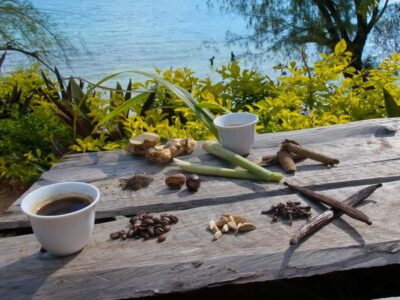
- Walking among cinnamon, vanilla, cloves, and pepper
- Jackfruit, coconut, and the island’s tropical fruit
- From cassava leaves to coconut milk
- Lunch on the farm, prepared with local spices
- The spice shop and what to buy
- Guides, group size, and accessibility
- Who will enjoy this $65 Zanzibar tour?
- Should you book the spice farm experience?
- FAQ
- Where does the spice farm tour begin?
- Can I get picked up from my beach hotel?
- How long does the experience last?
- What languages does the guide speak?
- Is lunch included?
- Can I buy spices at the farm?
- Is the tour suitable for pregnant women?
Key points to know before you go
- Fresh spices still growing on the plant: Touch, smell, and taste cinnamon, vanilla, ginger, turmeric, nutmeg, cloves, pepper, lemongrass, and more.
- A Swahili lunch with hands-on preparation: Help with tasks such as harvesting cassava leaves, making coconut milk, and preparing ingredients before eating.
- Fresh tropical fruit tastings: Try jackfruit, coconut, and other fruit directly at the farm.
- A useful connection to Zanzibar’s past: Your guide explains how spices shaped local food, medicine, trade, and island life.
- Private transport and flexible pickup: Meet at Stone Town’s Old Fort at 9:00 AM, or arrange pickup from a beach hotel anywhere in Zanzibar.
- Cash-only spice shopping: Leave room in your bag and bring Tanzanian shillings or other accepted cash for spices and teas.
Why Zanzibar’s spice farms matter
Zanzibar is often called part of the Spice Islands, along with Tanzania’s Mafia Island. That name is not just a tourism slogan. Cloves, cinnamon, nutmeg, black pepper, vanilla, cardamom, and other crops are tied to the islands’ economy, cooking, medicine, and long trading history.
This tour gives you a more useful understanding of spices than a packet from a shop can provide. You see the plant first, then connect it with the dried ingredient you use at home. Cinnamon becomes a piece of bark. Vanilla becomes a climbing plant. Pepper grows as a living crop rather than arriving as neat black grains in a grinder.
I like this part because the senses do much of the teaching. You can touch leaves, smell fresh stems, and taste selected plants. The difference between a spice in its natural form and a spice from a kitchen cupboard is striking. Guides explain how the crops are grown and how local people use them in food and traditional remedies.
The guide also adds context about Zanzibar itself. Several guides have used simple Swahili phrases, local stories, and humor to make the visit feel personal. Chiquito, in particular, has been praised for combining clear explanations with a lively sense of fun. Your guide may differ, but the tour works best when you ask questions and take your time with the smells.
More Cooking Classes in Zanzibar
- Zanzibar Cooking Class & Spice Tour
★ 4.5 · 77 reviews - Half-Day Kuza Cave Swimming Adventure and Cooking Class
★ 4.5 · 44 reviews - Zanzibar: Spice Farm Tour with Traditional Cooking Class
★ 4.6 · 16 reviews
A 9:00 AM start from Stone Town or your beach hotel
The standard meeting point is in front of the Old Fort on Mizingani Road in Stone Town at 9:00 AM. This is a practical location if you are staying in Stone Town and want to begin the day without arranging a separate transfer.
Pickup is also available from beach hotels anywhere in Zanzibar. That option matters because the island’s resorts are spread far beyond Stone Town. Confirm the pickup details when booking, and allow the tour provider to set the timing if your hotel transfer requires a longer drive.
Transport is included when you select pickup, along with a local guide and lunch. Some guides also serve as drivers, and the ride itself can add useful conversation about life in Zanzibar. Ahmad, for example, has been praised for making the journey part of the experience rather than treating it as a silent transfer.
The tour lasts three hours, so plan it as a morning activity ending around lunchtime. That timing is helpful if you want an afternoon at the beach, a Stone Town walk, or another short excursion. Eat lightly beforehand, or not at all if you are comfortable doing so. You will have fruit, coconut, and a full meal ahead of you.
Walking among cinnamon, vanilla, cloves, and pepper
At the farm, your guide introduces the plants and explains how they are used. The real pleasure comes from seeing familiar names in an unfamiliar form.
You may encounter:
- Cinnamon
- Vanilla
- Cardamom
- Nutmeg
- Cloves
- Black pepper
- Ginger
- Turmeric
- Lemongrass
- Other herbs, spices, and tropical plants
The guide encourages you to smell and handle the plants. This is not a tour where you simply follow a path while someone recites a list. You get a chance to compare aromas and taste selected items directly from the farm.
The fresh form can be surprisingly different. A dried spice has a concentrated smell, but a living plant gives you leaves, bark, flowers, pods, or roots to examine. The tour also explains how spices move from the farm into daily cooking and traditional medicine.
I recommend slowing down here. It is tempting to rush toward the food, but this is the part that makes the outing more than a standard lunch visit. Ask how each plant is used in Zanzibar, and ask which spices are common in local dishes. The guide’s answers connect the farm to the meal later in the morning.
The farm is described as organic, with top-quality spice plants. Exact growing methods and crop availability can change, so you should not expect every listed spice to be at the same stage during every visit. Still, the range is broad enough to give you a clear picture of Zanzibar’s spice production.
Jackfruit, coconut, and the island’s tropical fruit
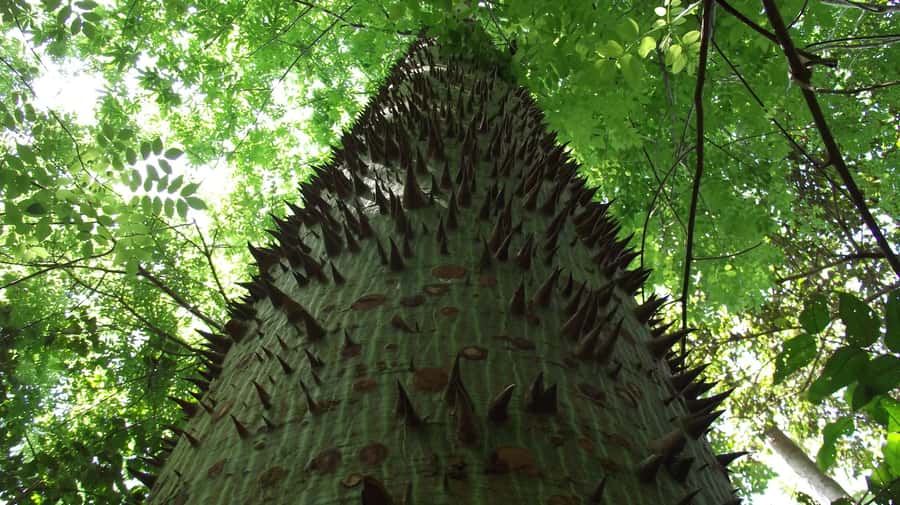
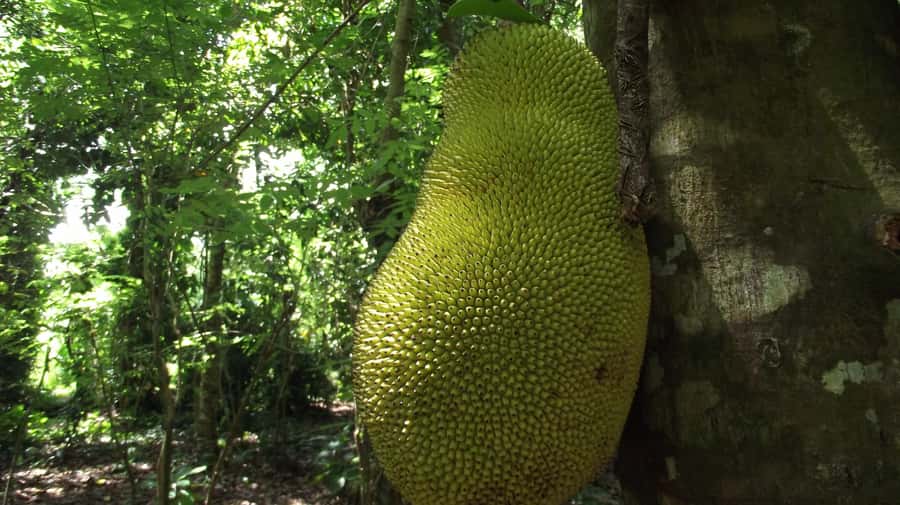
The spices share attention with fresh fruit. Jackfruit is one of the highlights, and it is a memorable one. It is often described as the world’s largest fruit, and you can taste it at the farm rather than seeing it only in a market stall.
You may also sample coconut and other tropical fruit during the visit. One of the most entertaining moments involves a coconut tree climber collecting young coconuts for the group. The fruit is then opened for you to try fresh.
The coconut tasting is simple, but it gives the farm visit a strong local character. You are not just hearing about ingredients. You are seeing how they are collected and tasting them close to where they grow.
This is also a good part of the tour for families and food-minded visitors. Children can engage with the fruit and plants even if a long history talk would lose them. Still, the activity is not designed only for children, and the guide’s explanations give adults plenty to follow.
More Spice Farm Tours in Zanzibar:
- Zanzibar: Stone Town, Spice Tour, Prison Island with Lunch
★ 4.4 · 1,219 reviews - Zanzibar: Prison Island, Stone Town, & Spice Farm Tour
★ 4.5 · 579 reviews - Zanzibar: Stone Town, Spice tour & Prison Island with Lunch
★ 4.6 · 453 reviews - Full-Day Private Stone Town +Spice Farm and Prison Island Tour
★ 4.5 · 216 reviews
From cassava leaves to coconut milk
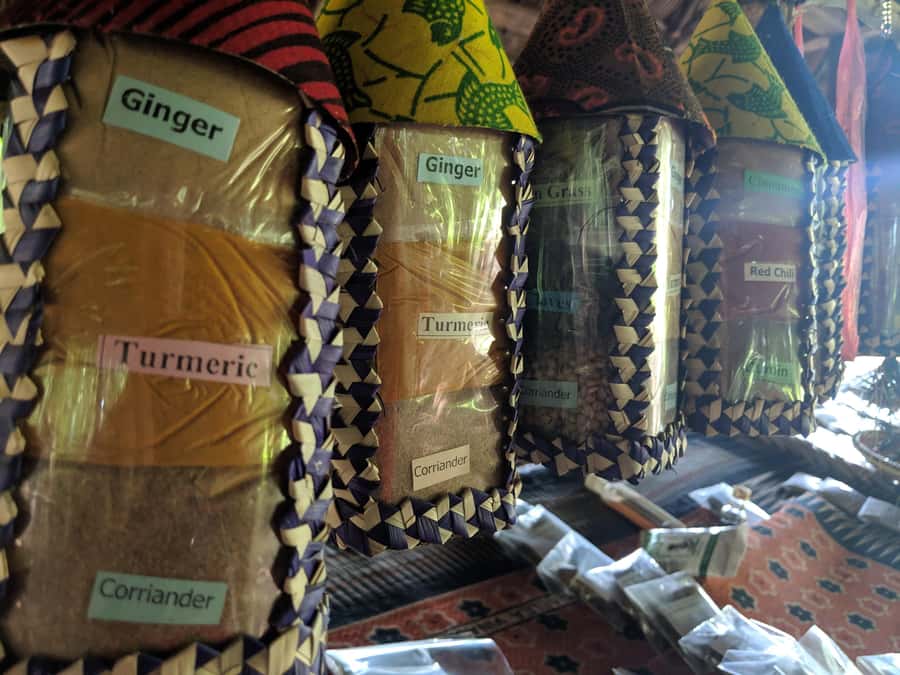
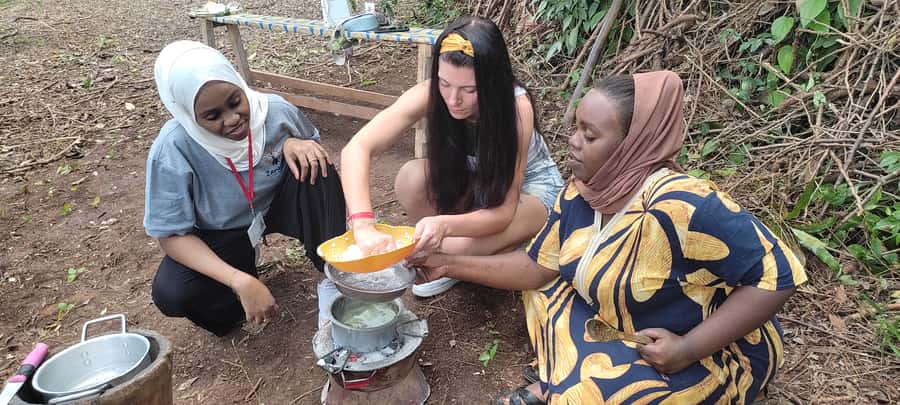
The food portion begins with preparation. You may take part in harvesting cassava leaves, making coconut milk, and handling ingredients for a local dish.
This is where expectations need a little care. The experience is promoted as a traditional cooking lesson, and there is genuine participation, but the amount of hands-on cooking may vary. Some visitors have helped prepare several parts of the meal from scratch. Others have mainly seen ingredients demonstrated and helped with one side dish.
I would book this for the food and cultural setting, not for a formal cooking class with a recipe book and long practice session. If you want to learn specific techniques, ask the guide what you can help with on the day. The more willing you are to join in, the more useful this section becomes.
Making coconut milk is particularly worthwhile because it shows a basic step behind many coastal dishes. Cassava leaves also bring you closer to local cooking than a generic spice demonstration would. These tasks explain why the meal tastes the way it does.
The farm’s staff prepare the food with you, and this can also give you a chance to talk about ordinary life and local ingredients. Guides have been praised for their friendly manner, and the relaxed setting helps conversations happen naturally.
Lunch on the farm, prepared with local spices

Lunch is the payoff, but it does not feel disconnected from the rest of the visit. You have already smelled the spices, handled some ingredients, helped prepare parts of the meal, and watched coconut being collected. Now you taste the result.
The meal is a traditional Swahili lunch, with spices grown at or associated with the farm. The precise dishes are not specified, so do not arrive expecting a particular menu. You can expect the meal to use local ingredients and to reflect the cooking lesson that came before it.
This is one of the strongest reasons to choose the tour. A spice farm without food would still be interesting, but lunch turns the information into something you can understand immediately. You taste how spices are used in combination rather than judging them one by one.
The meal is included in the $65 price, which improves the value. You are paying for transport if needed, a private group, a guide, the farm visit, participation in food preparation, fruit tastings, and lunch. Compared with paying separately for a transfer, a guided activity, and a meal, the package is fairly priced.
I would still keep expectations realistic. This is a local farm lunch, not a restaurant tasting menu. The appeal is the setting and the connection between the ingredients and the food. If you care more about an elaborate meal than the process, a restaurant will offer more choice.
The spice shop and what to buy
The tour ends with an opportunity to purchase spices from the farm shop. Fresh spices and teas are available, and you can take home the ingredients that made the biggest impression.
Bring cash. Spices can only be purchased with cash, and this is the one practical detail most likely to cause trouble if you forget it. Keep a little extra space in your luggage too. The fragrant items are easy to buy in quantity, especially after you have just seen where they come from.
I suggest making notes during the tour. If you like a particular cinnamon, tea, or spice blend, ask the guide to identify it before you reach the shop. You can also ask how to use it at home, though the exact advice will depend on the item and the staff member.
The shop is part of the tour’s community value. Your booking includes a contribution to the local community, and buying directly from the farm gives you a practical way to support the people involved. It also gives you a souvenir with a clear connection to Zanzibar, instead of another mass-produced trinket.
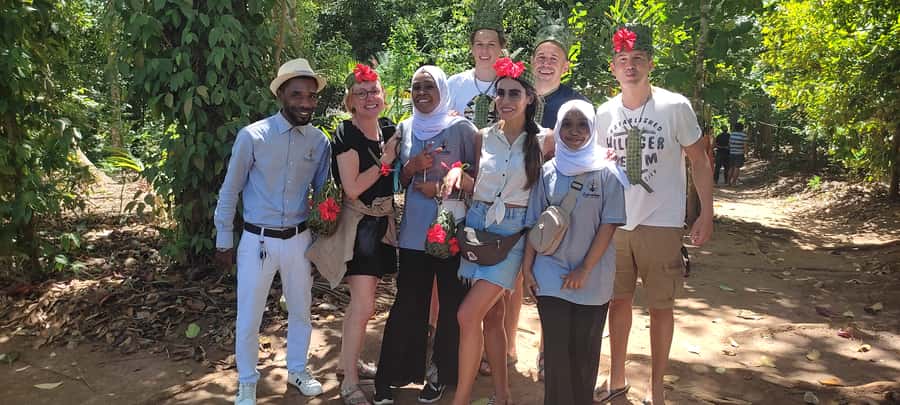
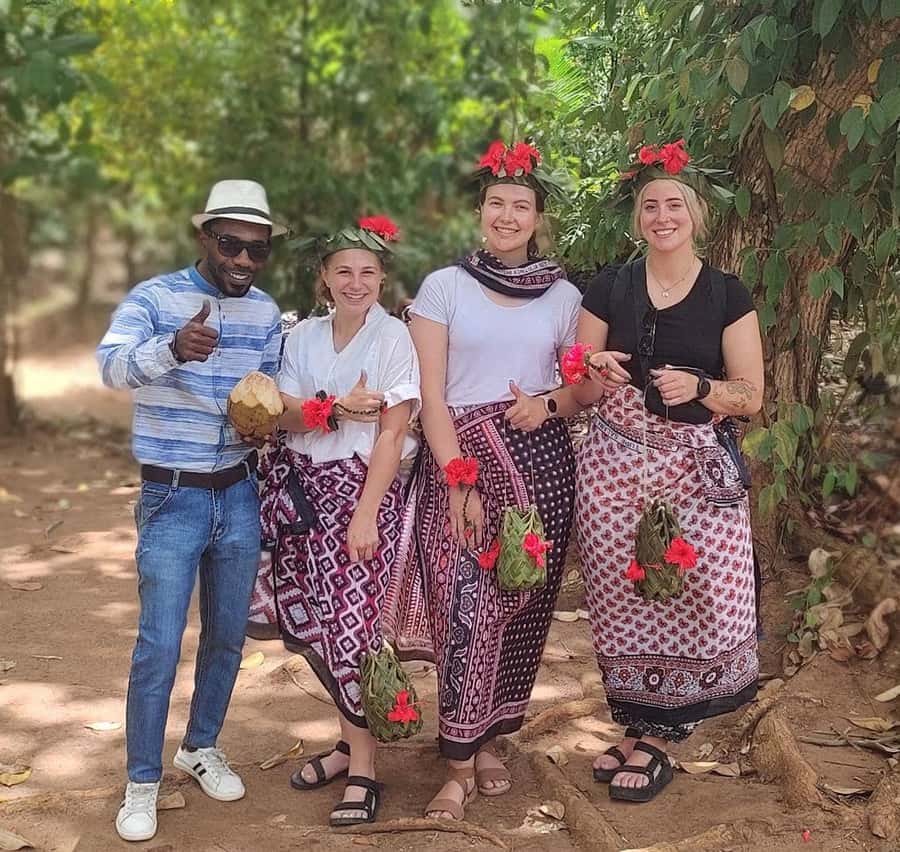
One small warning: a visitor described the leaf-made crown, tie, and handbag as a touristy extra, followed by an expectation of tipping. You may enjoy the playful photo opportunity, but you should not feel that every optional flourish is essential to the tour. Keep your spending choices clear.
Guides, group size, and accessibility
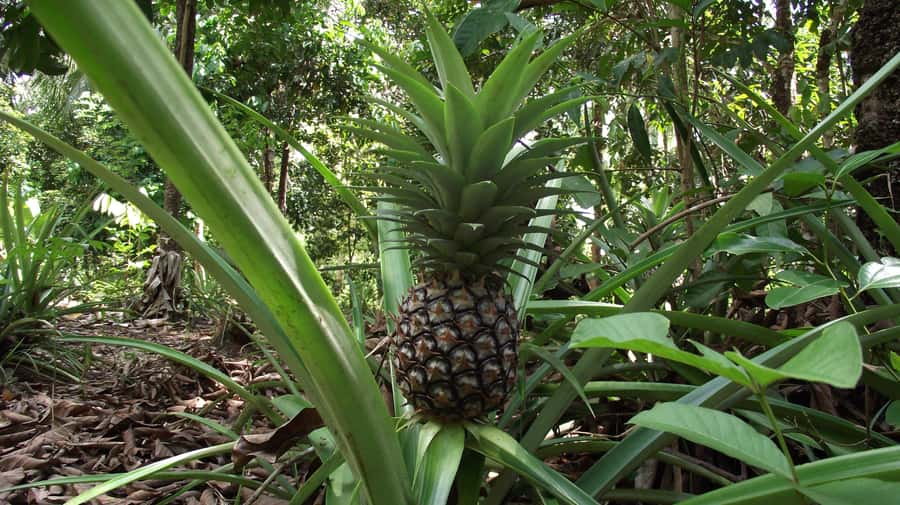
This is a private-group experience, which gives you more room to ask questions and set the pace than a large shared excursion. The guide speaks English or Swahili. The exact guide is not guaranteed, but named guides who have led the experience include Chiquito, Abdullah, Ahmad, Khamis, and Juma.
The strongest praise has focused on the guides’ clear explanations, humor, friendliness, and ability to connect spices with Zanzibar’s culture. Khamis and Juma have also been praised for making the outing fun and helping with photographs. You may want to hand your phone to the guide for a few pictures so you can take part instead of documenting every moment yourself.
The activity is listed as wheelchair accessible. If you use a wheelchair, confirm the specific pickup and farm arrangements before booking, since the general description does not explain every surface or route.
Pregnant women should not book this activity. For everyone else, wear comfortable shoes, a sun hat, sunscreen, and bring water. The farm is an outdoor setting, so practical clothing will serve you better than anything delicate or formal.
Who will enjoy this $65 Zanzibar tour?
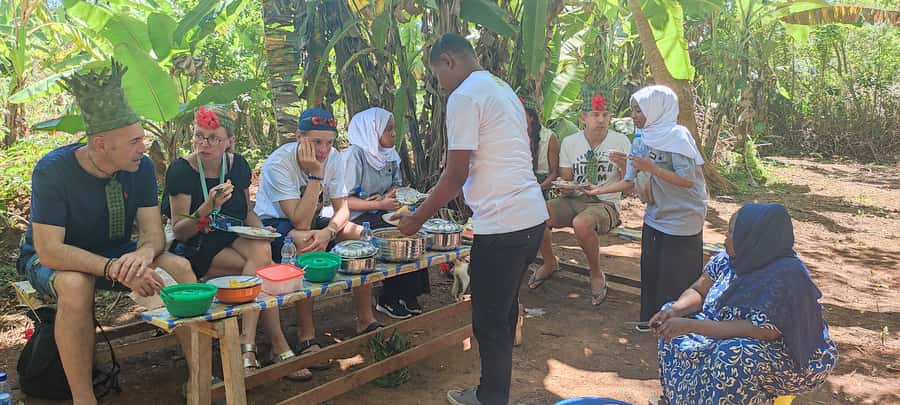
I would recommend it most strongly if you want:
- A short cultural activity from Stone Town or a beach hotel
- A food experience with some local preparation
- A private group rather than a crowded coach tour
- A closer look at Zanzibar’s spices and tropical fruit
- A useful, edible souvenir to take home
- A family-friendly activity with plenty to smell, touch, and taste
It is also a good first activity in Zanzibar. The tour gives you basic Swahili words, food context, and a sense of how spices connect with island life. That can help you understand local dishes for the rest of your trip.
I would hesitate if your main goal is a detailed, chef-led class. The cooking can be limited on some visits, and one part of the tour may be more demonstration than instruction. I would also skip it if you dislike outdoor heat, fruit tasting, or the possibility of optional tourist-style leaf crafts.
The tour has a 4.8 rating from 77 reviews, with especially strong praise for the food, guides, and educational value. That fits the experience’s main strengths: it is friendly, active, and easy to understand. The occasional weakness is not poor service, but uneven hands-on cooking and some playful extras that may feel staged.
Should you book the spice farm experience?
Book it if you want Zanzibar’s food story explained through your senses. The fresh plants, coconut tasting, jackfruit, local lunch, and small cooking tasks create a well-rounded three hours, and the included transport and meal make $65 a reasonable price.
Before you go, bring cash, eat lightly, and tell the guide you want to take part in the cooking rather than only watch. If you do that, this can be one of the most useful short introductions to Zanzibar, especially for anyone who enjoys food, plants, and conversations with local people.
FAQ
Where does the spice farm tour begin?
The standard meeting point is in front of the Old Fort on Mizingani Road in Stone Town at 9:00 AM.
Can I get picked up from my beach hotel?
Yes. Optional pickup is available from beach hotels anywhere in Zanzibar.
How long does the experience last?
The tour lasts three hours. Starting times can vary, so check availability when booking.
What languages does the guide speak?
The live guide speaks English or Swahili.
Is lunch included?
Yes. Lunch at the spice farm is included in the price, along with the local guide and community contribution.
Can I buy spices at the farm?
Yes. You can purchase fresh spices and teas at the farm shop, but purchases can only be made with cash.
Is the tour suitable for pregnant women?
No. Pregnant women are listed as unsuitable for this activity.
More Farms in Zanzibar
- Zanzibar: Stone Town & Spice Farm Tour with Lunch
★ 4.5 · 97 reviews - Zanzibar:Stone Town & Spice Farm Private Tour Lunch Included
★ 4.2 · 94 reviews - Zanzibar full day Jozani forest + Spice farm and stone town
★ 4.7 · 90 reviews - A Private Full Day Tour To Stone Town & Spice Farm
★ 5.0 · 53 reviews
Just added in Zanzibar
- Best of Zanzibar: Spice Tour & Stone Town Visit★ 4.4 · 5 reviews
- THE GREEN TOUR: Jozani Forest & Mangrove Kayaking Experience★ 4.7 · 6 reviews
- Stone Town: Private Walking Tour in the Heart of Zanzibar.★ 5.0 · 1 review
- The rock restaurant and blue Lagoon★ 5.0 · 1 review
- Tea House, Zanzibar Coffee House, Spice Tour with Lunch★ 5.0 · 1 review
- Swimming with sea turtles in salaam cave★ 5.0 · 1 review
- Swim with Turtles at The Lagoons Zanzibar & Stone Town Tour★ 4.8 · 4 reviews
- Stonetown & Prison island Cultural Tour★ 5.0 · 2 reviews
Spice Farm Tours, compared.
Stone Town, Spice Tour, Prison Island with Lunch
Read our review →

Stone Town, Spice tour & Prison Island with Lunch
Read our review →
Full-Day Private Stone Town +Spice Farm and Prison Island Tour
Read our review →

The Swahili Spice Experience – Spice Tour + Culinary Journey
Read our review →Browse the lists this tour appears in