
Reviewed · SPICE FARM TOURS
Zanzibar: Jozani forest tour & Spice farm tour with lunch
Two sides of Zanzibar fit into one day. This six-hour outing combines a three-hour spice farm visit with a walk through Jozani Forest, giving you plants, village life, wildlife, lunch, and mangroves in one well-packed trip. I like the chance to learn how cloves, cinnamon, vanilla, and other spices are grown and used, and I like that transport, entrance fees, a local guide, lunch, and fruit are included.
The most praised part is the friendly service. Drivers such as Mohammed and Isaac have been especially good at explaining daily life along the road, while guides including Iddi and Ramadan have made the farm visit warm and easy to follow. The main drawback is that the spice farm includes several chances to buy spices, soaps, perfumes, and other goods, and some prices may feel high. At Jozani, the monkey viewing can also feel less wild than expected because the red colobus often stay close to the parking area.
In This Review
- Quick points before you book
- Why this pairing works so well
- The road from your hotel to rural Zanzibar
- Three hours among Zanzibar’s spices
- Pilau, fruit, and a meal on the farm
- Jozani Forest and the red colobus encounter
- The mangrove walk adds another layer
- What the $110 price really includes
- Who will enjoy this six-hour outing
- Small details that improve the day
- Should you book it?
- FAQ
- How long does the tour last?
- What is included in the price?
- How much does the tour cost?
- Is hotel pickup included?
- Which languages are available?
- Is this a private tour?
- What animals can you see at Jozani Forest?
- What food is served for lunch?
- Does the tour include the mangrove forest?
- Can you cancel the tour?
Quick points before you book
- Red colobus monkeys are the main wildlife draw: You may see them at close range, along with blue monkeys, birds, butterflies, bush babies, small frogs, and elephant shrews.
- The spice farm is more than a tasting stop: You walk through village paths and farm plots, learn how spices are grown and harvested, and hear about their use in food and traditional medicine.
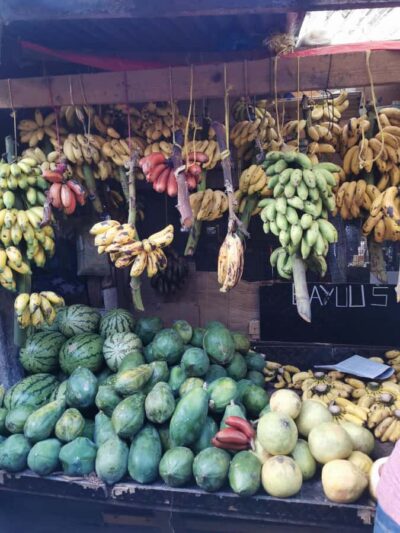
- Lunch is part of the experience: You receive spiced rice, or pilau, along with local dishes and tropical fruit such as bananas, mangoes, oranges, and papaya.
- Mangroves add a useful second habitat: The Jozani walk includes mangrove areas where fish move between roots and crabs cross the mud.
- The trip works from much of Unguja: Pickup and drop-off are offered from Stone Town, Nungwi, Kendwa, Matemwe, Paje, Jambiani, Bwejuu, Kiwengwa, Uroa, Pwani Mchangani, Bububu, Chuini, Mangapwani, and Michamvi.
- It is a private-group experience: That gives you more room to ask questions, though the two main stops may use separate guides.
Why this pairing works so well
Zanzibar is often reduced to beaches and hotel time. This tour gives you a look at the island’s inland life, where farming, food, forest, and village traditions connect.
The two stops complement each other. At the spice farm, you learn about plants that shape Zanzibar’s cooking and trade. At Jozani, you move from cultivated land to protected forest, looking for animals and learning about medicinal plants. The day has a clear rhythm: drive, walk, eat, drive, walk, then return to your hotel.
I especially like the practical mix. You are not only shown a cinnamon stick or a nutmeg seed. You can smell and taste products, see how plants grow, and ask how people use them in local dishes. Then you spend time outside in a forest where the focus shifts to monkeys, birds, insects, and mangroves.
The six-hour length is useful for people who want a solid inland outing without giving up an entire day at the coast. It is still a full program. You will spend about an hour in the van before the farm, another 30 minutes traveling to Jozani, and about an hour returning afterward. If you are staying in Nungwi or another northern resort, the road time matters more than it does for someone based near Stone Town or the southern beaches.
More Jozani Forest trips:
- Zanzibar: Jozani Forest & Sea Tortoises Sanctuary Tour
★ 4.6 · 204 reviews - Dolphin tour, Jozani Forest, Jambiani Kuza Cave, Paje Beach &The Rock restaurent
★ 4.5 · 164 reviews - Zanzibar full day Jozani forest + Spice farm and stone town
★ 4.7 · 90 reviews
The road from your hotel to rural Zanzibar
Pickup is arranged from your hotel reception or lobby, and you are asked to wait there 10 minutes before the activity begins. The exact starting time depends on availability, so confirm it when booking.
The included vehicle transport is one of the tour’s biggest advantages. You do not need to arrange separate taxis to a farm and national park, and you avoid the hassle of negotiating several rides. A private group also means you can ask the driver questions during the journey.
Isaac received particular praise for explaining daily life along the road and chatting easily about Zanzibar. Mohammed was also described as a friendly, careful driver. That matters here because the drive is not just dead time. You pass through parts of the island away from the resort strip, and a good driver can help you understand what you are seeing.
Still, allow for a long day if you are picked up in the far north. The route lists one hour each way, but road conditions and hotel locations can affect the feel of that schedule. Wear something comfortable for the vehicle and walking portions.
Three hours among Zanzibar’s spices
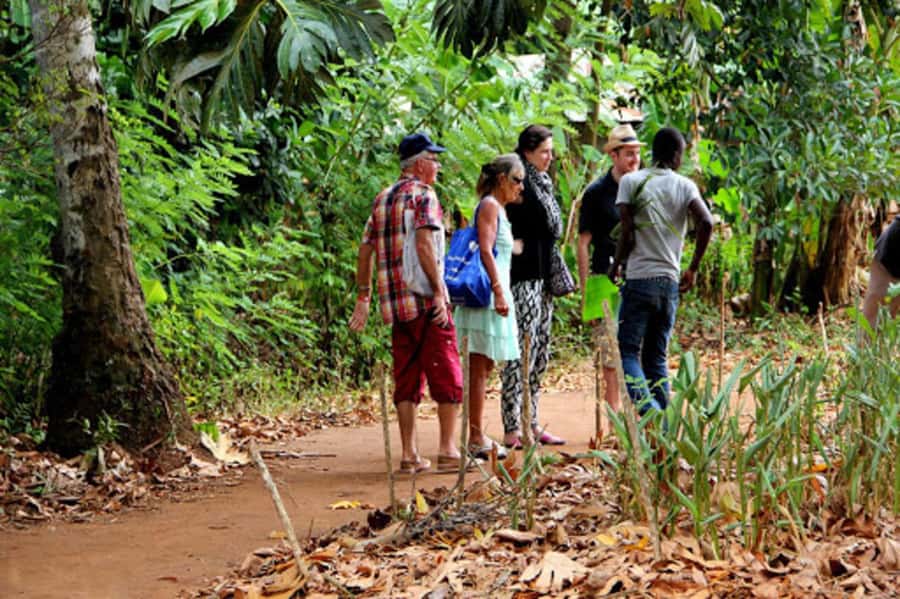
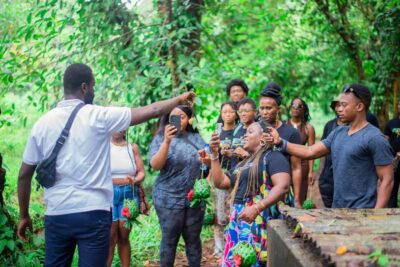
The private spice farm is the heart of the first stop. You walk through farm areas and nearby village paths with a guide who explains how spices and herbs are planted, harvested, prepared, and used.
This is where the experience feels most connected to everyday Zanzibar. Spices are not simply decorative souvenirs. They flavor rice and other local dishes, and some plants are also used in traditional remedies. Your guide can explain those uses as you move from one plant to another.
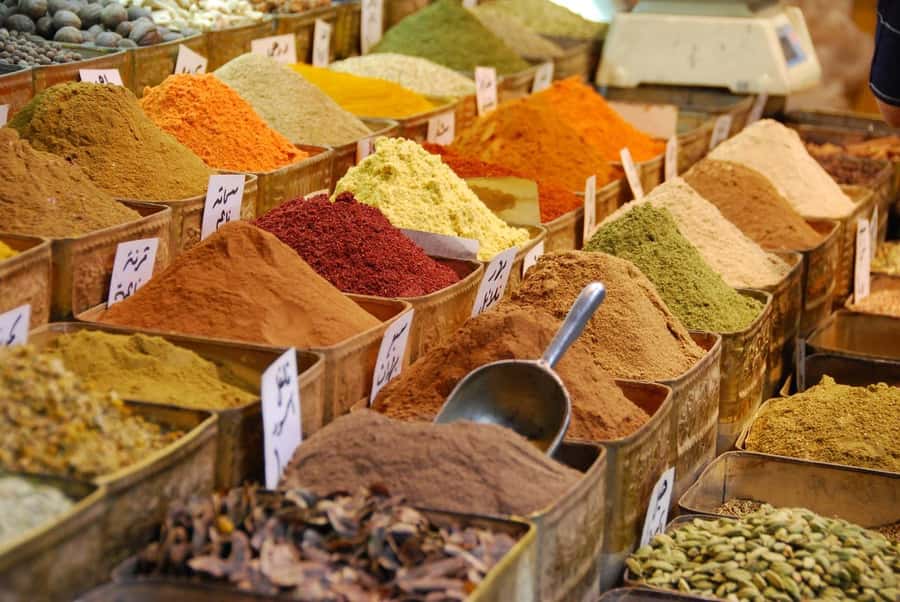
You should expect plenty of sensory moments. You may smell natural perfumes, taste fruit, and handle spices as they are introduced. The farm also gives you a chance to meet rural farmers and learn about local farming methods. That personal contact adds more value than a short stop at a shop filled with packaged products.
The village walk is another strength. You see how a farm fits into its wider community rather than treating it as an isolated attraction. The setting helps explain where Zanzibar’s spices come from and why agriculture remains such an important part of island life.
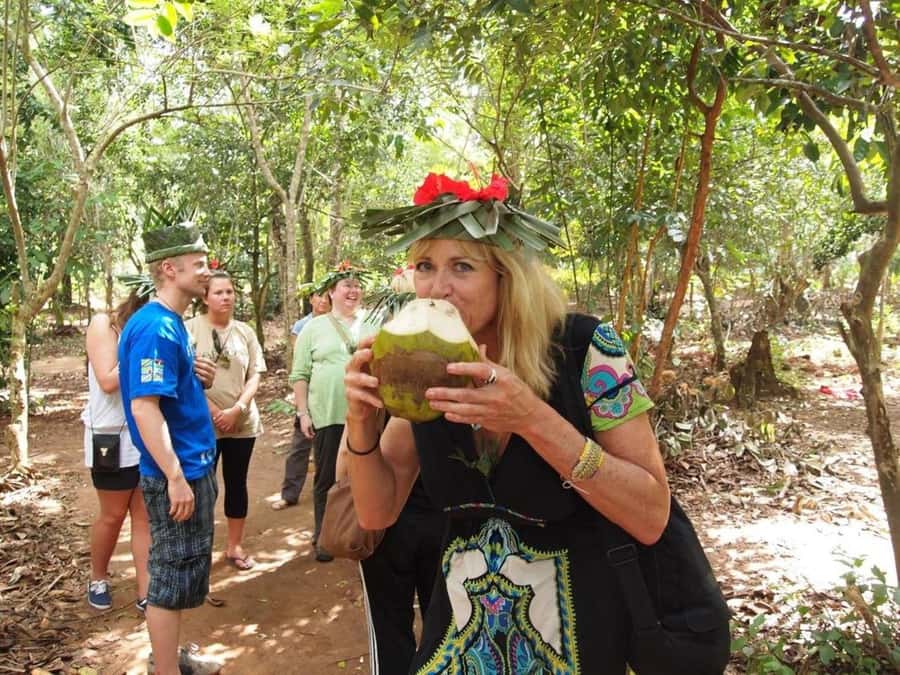
Ramadan was praised for his clear explanations of spices, fruits, and plants, and for taking time with questions. During one visit, his assistant Mohamed made small decorations from palm leaves, including crowns and necklaces. These touches are not the reason to book the tour, but they can make the farm visit more memorable, especially for families.
You may also be offered spices, soaps, perfumes, or other products for sale. Buying something is optional, but check prices before committing. One visitor felt that there were too many moments focused on souvenirs and that some products were overpriced. My advice is simple: enjoy the walk and the demonstrations first, then shop only if you genuinely want something.
Pilau, fruit, and a meal on the farm
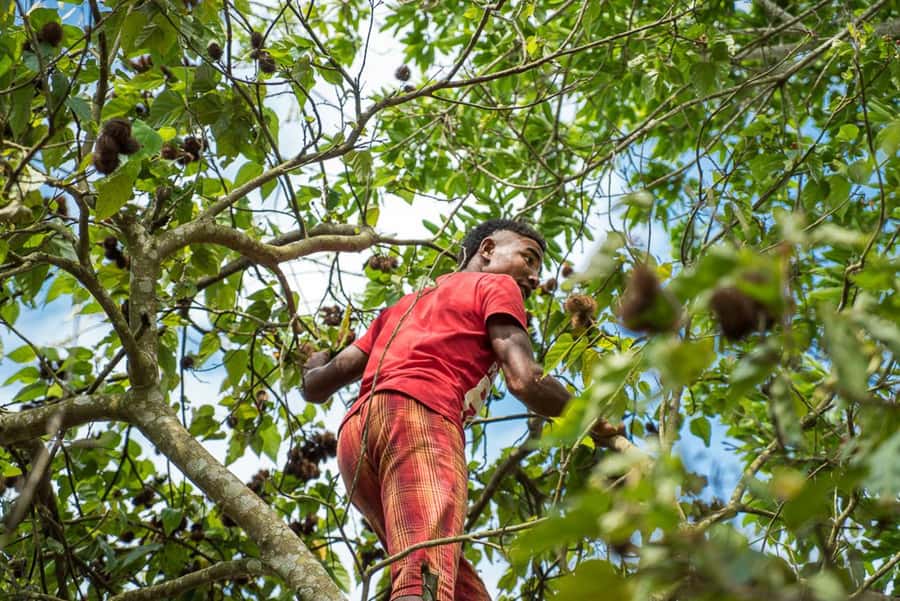
Lunch is served during the spice farm portion, and it is one of the better-value inclusions. You receive spiced rice, or pilau, along with local food and tropical fruit.
The meal has been described as delicious, and sitting on the floor was considered a memorable part of the experience. You can expect fruit such as bananas, mangoes, oranges, and papaya. These are not minor extras. They make the meal feel tied to the farm and to Zanzibar’s produce rather than like a standard packed lunch.
If food is an important part of your sightseeing, this stop earns its place in the program. The combination of spice explanations, tasting, and a cooked meal gives the farm visit a clear purpose.
The information does not specify menu choices or arrangements for dietary restrictions. If you have allergies or special food needs, ask before booking rather than assuming the meal can be changed.
More Spice Farm Tours in Zanzibar:
- Zanzibar: Stone Town, Spice Tour, Prison Island with Lunch
★ 4.4 · 1,219 reviews - Zanzibar: Prison Island, Stone Town, & Spice Farm Tour
★ 4.5 · 579 reviews - Zanzibar: Stone Town, Spice tour & Prison Island with Lunch
★ 4.6 · 453 reviews - Full-Day Private Stone Town +Spice Farm and Prison Island Tour
★ 4.5 · 216 reviews
Jozani Forest and the red colobus encounter
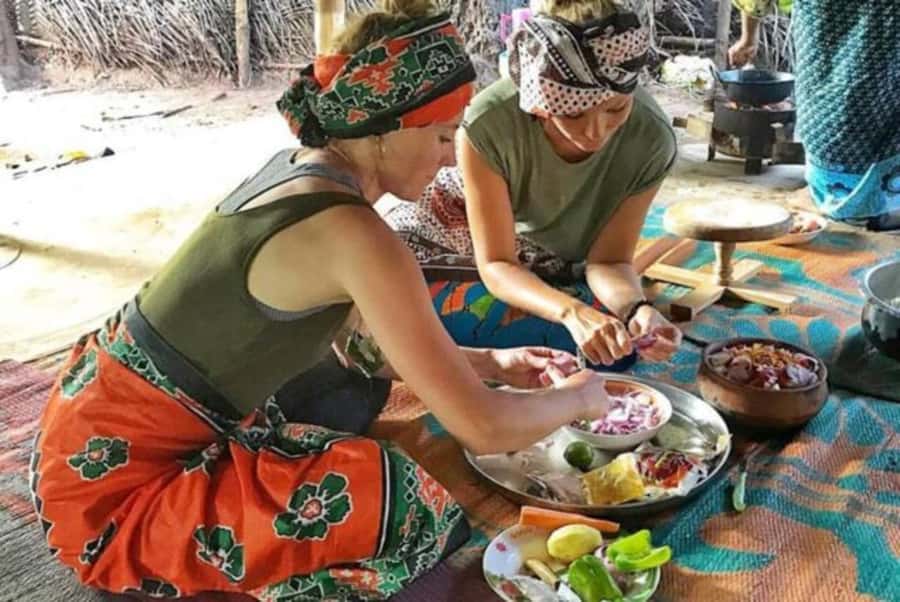
After lunch, the drive to Jozani takes about 30 minutes. The forest portion lasts roughly two and a half hours and includes a guided walk, wildlife viewing, plant information, and the mangrove area.
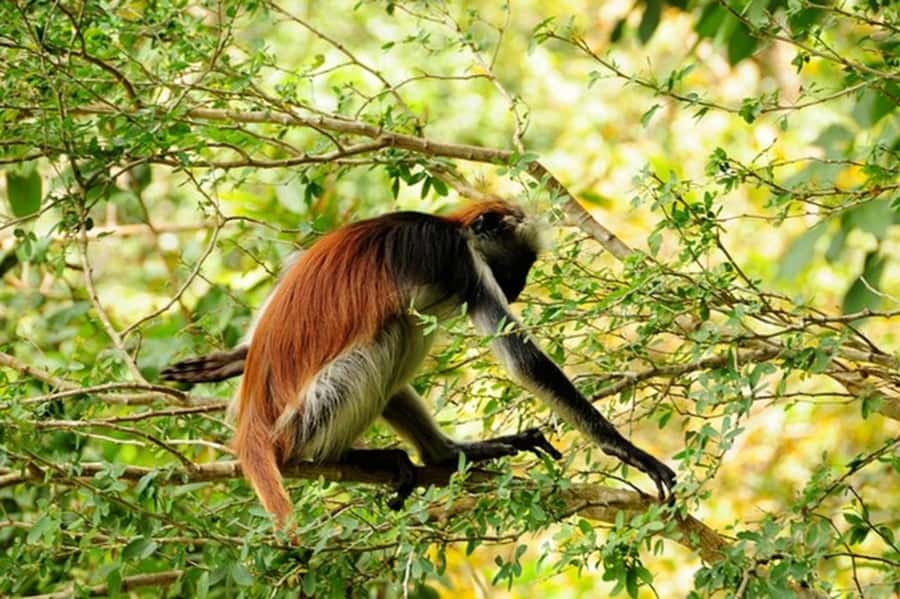
The red colobus monkey is the headline attraction. These monkeys are associated with Zanzibar, and seeing them is often the moment people remember most. They may be close enough for clear photos and video, which makes this a strong stop for anyone interested in wildlife photography.
Set your expectations correctly, though. The monkeys can be found near the parking area, so you may not need to search far into the forest. That makes sightings easier, but it can also make the encounter feel less like a remote wildlife search. You are observing wild animals in a well-used visitor area, not taking part in a safari deep in the bush.
You may also see blue monkeys, birds, butterflies, bush babies, tiny frogs, and elephant shrews. Sightings depend on timing and luck, so no guide can promise every animal. The red colobus and blue monkeys are the most likely focus, while the smaller creatures reward a slower walk and careful attention.
One visitor found the Jozani guide’s delivery too fast and memorized, making the plant information hard to absorb. That is a useful warning. Guide quality can vary between the farm and the forest, and the second guide may not be the same person who led you earlier. If the explanation moves too quickly, ask for a pause or request more detail about the plants and animals you are seeing.
The mangrove walk adds another layer

The mangrove section is a fine reason to keep the Jozani visit in the plan. Mangroves grow in the meeting place of land and salt water, creating a very different setting from the spice farm and forest paths.
You can look between the roots for tropical fish from the Indian Ocean, while crabs move across the mud. This part of the walk may not take as much time as the main forest route, but it gives you a closer look at a coastal habitat that many visitors would otherwise miss.
I like the contrast. In the morning, you are learning how people grow and use plants. Later, you see how plants create shelter for fish and small animals. The tour connects food, medicine, farming, forest, and shoreline without trying to turn the day into a lecture.
Wear shoes that are comfortable for walking and able to handle uneven or damp ground. The supplied details do not promise a particular trail condition, so practical footwear is a better choice than sandals designed only for the beach.
What the $110 price really includes
At $110 per person, the tour is not the cheapest way to see one of these attractions. The value improves because the fee includes hotel pickup and drop-off, private transport, a local English-speaking guide, entrance tickets, the spice farm visit, lunch, and fruit.
You are also combining two popular Zanzibar excursions in one booking. Separate transport to both places can take time and may cost more, especially from a distant beach resort. The private-group format adds convenience and lets you shape the conversation around your interests.
The price makes the most sense if you want an organized day and are staying outside Stone Town. It is less compelling if you are comfortable arranging your own transport, want to spend only a short time at one attraction, or dislike shopping stops.
The current score is 4.5 out of 5 from 31 ratings, with especially strong praise for the food, the farm explanations, the drivers, and the friendly guides. The weaker points are specific rather than broad: souvenir pressure at the farm and a forest guide who spoke too quickly. Those are worth keeping in mind, but they do not erase the useful range of the day.
Who will enjoy this six-hour outing
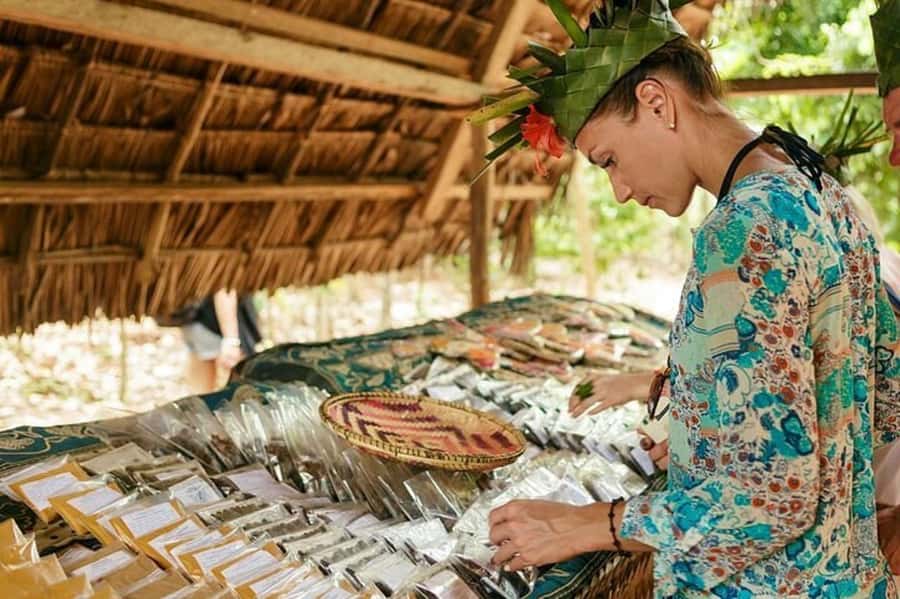
I would recommend this tour to you if you want more than beach scenery and prefer a day with several kinds of activity. It suits couples, families, and small private groups who like walking, food, plants, and easy wildlife viewing.
It is also a good fit for first-time visitors. You receive an introduction to village life, agriculture, Zanzibar food, tropical plants, monkeys, forest, and mangrove ecology without needing to plan several separate trips.
Families may appreciate the variety. Palm-leaf crafts, fruit tasting, colorful spices, and monkeys provide plenty to keep children interested. The six-hour schedule is still fairly full, so younger children may need patience during the drives and guided explanations.
Wildlife specialists may find the Jozani segment modest. The monkeys are often near the entrance, and the forest is not presented as a long, remote expedition. If your main goal is serious animal tracking, this may feel too structured. If your goal is to see Zanzibar’s signature monkey and understand the island’s natural habitats, it works well.
Small details that improve the day
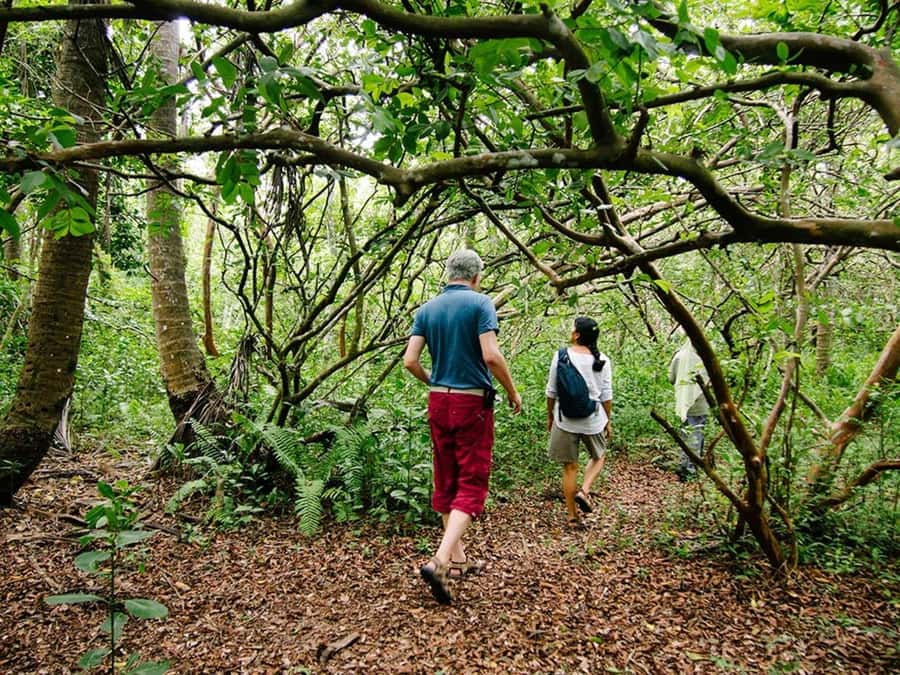
Ask questions at the spice farm, especially about how a plant is used in local food or medicine. That turns a standard walk into a more personal lesson.
Keep some time for the farm itself before browsing the shop. You can buy spices, soaps, or perfumes later, but the plants and explanations are the part you cannot replace.
At Jozani, look beyond the larger monkeys. Ask about birds, butterflies, frogs, elephant shrews, and medicinal plants. The smaller details may be easier to miss, but they make the forest walk more rewarding.
Tell your guide if you want time for photos. The red colobus may be close, and a rushed stop can leave you with less than you hoped for.
If you stay in Nungwi, Kendwa, Matemwe, or another northern location, remember that the drive takes a meaningful share of the six hours. From Stone Town or the southern beaches, the schedule may feel more efficient.
Free cancellation up to 24 hours before the activity and the option to reserve now and pay later make the booking less rigid. Pickup and drop-off are included, and the tour is conducted in English.
Should you book it?
Book this tour if you want a convenient introduction to Zanzibar beyond the coast, especially if you value a good meal, friendly service, and a private vehicle. The spice farm is the strongest part for many people, while Jozani adds memorable monkeys and a worthwhile mangrove walk.
I would be more cautious if you dislike shopping pitches or expect a remote wildlife adventure. In that case, ask how much time will be spent at the farm shop and request a slower, more detailed forest explanation.
For most first-time visitors, the combination is sensible. At $110, you pay for transport and simplicity as much as for the attractions, but the lunch, entrance fees, village walk, and variety make it a fair choice for a carefully planned six-hour day.
FAQ
How long does the tour last?
The activity lasts six hours, including transport, the spice farm visit, lunch, the Jozani Forest visit, and the return journey.
What is included in the price?
The price includes a local English-speaking guide, hotel pickup and drop-off, transport, entrance tickets, lunch, and Zanzibar fruits.
How much does the tour cost?
The listed price is $110 per person.
Is hotel pickup included?
Yes. Pickup and drop-off are available from the listed hotels and locations, including Stone Town, Nungwi, Kendwa, Paje, Jambiani, Matemwe, and several other parts of Unguja.
Which languages are available?
The tour is conducted in English.
Is this a private tour?
Yes. The activity is offered for a private group.
What animals can you see at Jozani Forest?
Possible sightings include red colobus monkeys, blue monkeys, bush babies, birds, butterflies, small frogs, and elephant shrews.
What food is served for lunch?
Lunch includes spiced rice, or pilau, and local food. Tropical fruits can include bananas, mangoes, oranges, and papaya.
Does the tour include the mangrove forest?
Yes. The Jozani portion includes a mangrove area where you may see fish between the roots and crabs on the mud.
Can you cancel the tour?
You can cancel up to 24 hours in advance for a full refund. You can also reserve now and pay later, according to the booking terms.
More Farms in Zanzibar
- Zanzibar: Stone Town & Spice Farm Tour with Lunch
★ 4.5 · 97 reviews - Zanzibar:Stone Town & Spice Farm Private Tour Lunch Included
★ 4.2 · 94 reviews - Zanzibar: Spice Farm Tour with Traditional Cooking Lesson
★ 4.8 · 77 reviews - A Private Full Day Tour To Stone Town & Spice Farm
★ 5.0 · 53 reviews
More Lunch Experiences in Zanzibar
- Zanzibar: Prison Island and Nakupenda Boat Trip with Lunch
★ 4.1 · 882 reviews - Mnemba Island: Dolphin Swim & Snorkeling with Optional Lunch
★ 4.3 · 591 reviews - Zanzibar: Prison Island & Nakupenda Boat Tour with BBQ Lunch
★ 4.4 · 554 reviews - Zanzibar: Safari Blue Lagoon Trip with Snorkeling and Lunch
★ 4.5 · 336 reviews
Just added in Zanzibar
- Best of Zanzibar: Spice Tour & Stone Town Visit★ 4.4 · 5 reviews
- THE GREEN TOUR: Jozani Forest & Mangrove Kayaking Experience★ 4.7 · 6 reviews
- Stone Town: Private Walking Tour in the Heart of Zanzibar.★ 5.0 · 1 review
- The rock restaurant and blue Lagoon★ 5.0 · 1 review
- Tea House, Zanzibar Coffee House, Spice Tour with Lunch★ 5.0 · 1 review
- Swimming with sea turtles in salaam cave★ 5.0 · 1 review
- Swim with Turtles at The Lagoons Zanzibar & Stone Town Tour★ 4.8 · 4 reviews
- Stonetown & Prison island Cultural Tour★ 5.0 · 2 reviews
Spice Farm Tours, compared.
Stone Town, Spice Tour, Prison Island with Lunch
Read our review →
Stone Town, Spice tour & Prison Island with Lunch
Read our review →
Full-Day Private Stone Town +Spice Farm and Prison Island Tour
Read our review →

The Swahili Spice Experience – Spice Tour + Culinary Journey
Read our review →Browse the lists this tour appears in