
Reviewed · SPICE FARM TOURS
Zanzibar: Spice Farm Tour with Cooking lesson
Spices tell Zanzibar’s story one scent at a time. This five-hour outing combines Darajani Market, a farm walk, and a hands-on Swahili cooking lesson, so you see how ingredients move from market stall to lunch plate. I like the chance to harvest vegetables and spices yourself, and I like that the meal is prepared with old-style cooking methods rather than demonstrated from a distance. The main caution is language: one German-booked visitor received an English guide, which was difficult for children.
The $66 price includes hotel pickup, transport, entrance and conservation fees, lunch, drinks, fruit, the cooking equipment, and the guide. That is a fair package for a private half-day activity. Still, people with food allergies should not book this experience, and you should bring cash if you want to buy spices or fruit during the day.
In This Review
- Key points to know before booking
- Starting at Darajani Market in Zanzibar
- Walking through the spice farm
- From harvested produce to Swahili lunch
- Why Zanzibar’s spices matter
- Traditional music, dance, and the human side of the day
- What the $66 price really covers
- Who will enjoy this Zanzibar experience?
- Practical tips for a smoother five hours
- Should you book the spice farm and cooking class?
- FAQ
- How long does the Zanzibar spice farm and cooking experience last?
- How much does the experience cost?
- Is hotel pickup and drop-off included?
- Does the tour include a visit to Darajani Market?
- Will I get to harvest ingredients?
- Is lunch included?
- What languages are available for the guide?
- Is the activity suitable for people with food allergies?
- Can I cancel the booking for a full refund?
Key points to know before booking
- The day begins at Darajani Market: You learn about daily food shopping in Zanzibar and buy ingredients before heading to the farm.
- You harvest ingredients yourself: Vegetables and spices gathered during the farm walk become part of the cooking lesson.
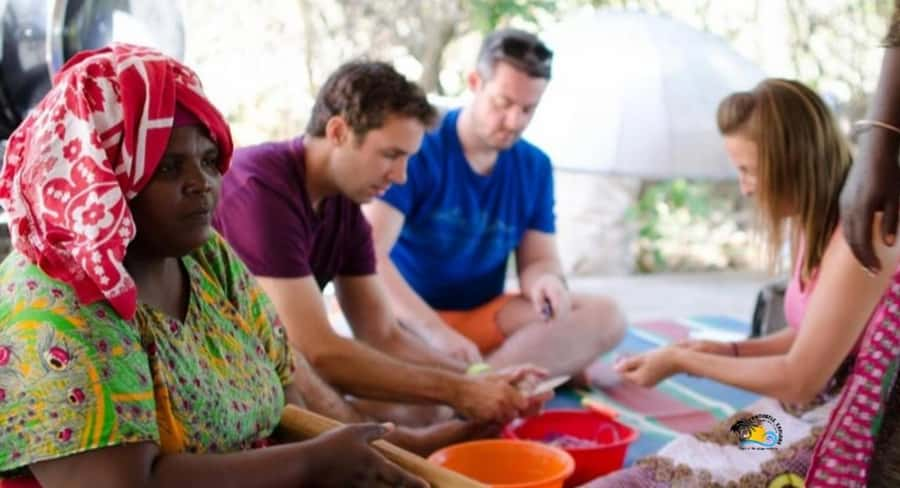
- The cooking class is the heart of the experience: A local chef teaches traditional Swahili food preparation and older cooking methods.
- Spice tasting includes tropical fruit: Expect tastings with coconut, watermelon, cloves, and banana, along with attention to scent and flavor.
- The outing is private and hotel-based: Pickup and drop-off are included from any Zanzibar hotel, with a five-hour schedule.
- Language needs checking: Several guide languages are offered, but a German booking resulted in an English-speaking guide, so confirm your preferred language clearly.
Starting at Darajani Market in Zanzibar
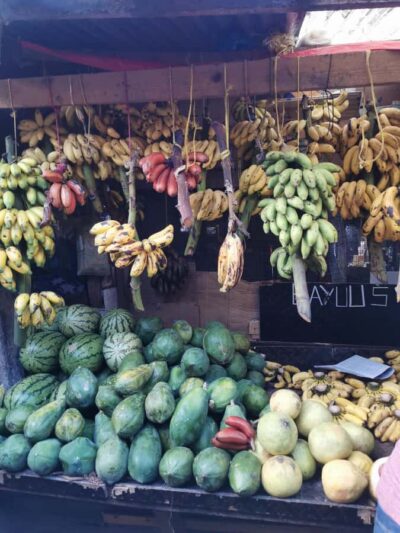
Beginning at Darajani Market gives the day a useful sense of place. Instead of meeting only at a farm built for sightseeing, you first see where food is bought and how ingredients fit into everyday life in Zanzibar.
Your guide leads you through the market and helps you purchase ingredients for the cooking class. This part is practical rather than decorative. You are not simply hearing about Swahili food after the meal has been prepared. You are involved in choosing what will go into it.
The market stop also sets up the farm visit nicely. At the market, you encounter the buying side of food. At the farm, you see ingredients growing and collect some yourself. That connection gives the cooking lesson more meaning.
The market can also be the most demanding part for young children. There is shopping, walking, and plenty to take in before the cooking begins. If your family needs a slower pace, tell the provider about that when you book.
After the market, you take a public vehicle to the spice farm. This is worth knowing in advance because the transport is not described as a private car for every part of the outing. The public ride adds a local touch, but some visitors may prefer a more controlled transfer, particularly with small children or mobility concerns.
More Cooking Classes in Zanzibar
- Zanzibar Cooking Class & Spice Tour
★ 4.5 · 77 reviews - Zanzibar: Spice Farm Tour with Traditional Cooking Lesson
★ 4.8 · 77 reviews - Half-Day Kuza Cave Swimming Adventure and Cooking Class
★ 4.5 · 44 reviews
Walking through the spice farm
At the farm, your culinary guide leads a walking tour focused on Zanzibar’s spices, herbs, and food plants. You learn where the spices come from, how they are used in cooking, and which local herbs have medicinal uses.
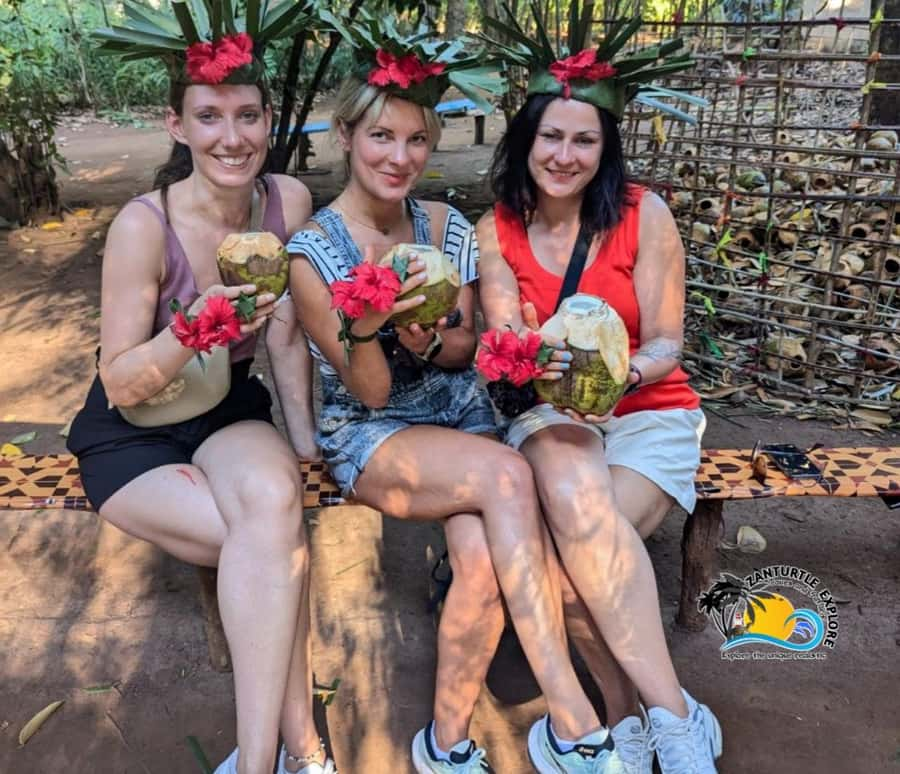
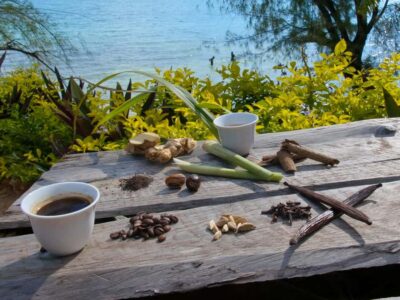
The tour is built around the senses. You taste and smell spices, then compare them with tropical fruit such as coconut, watermelon, and banana. Cloves receive special attention, fitting Zanzibar’s long connection with the spice trade and its role in local food.
The tasting is not only about identifying flavors. It helps you understand how a cook balances sweet fruit, fragrant spice, and fresh ingredients. A spice that seems sharp when tasted alone can make more sense when you later use it in a dish.
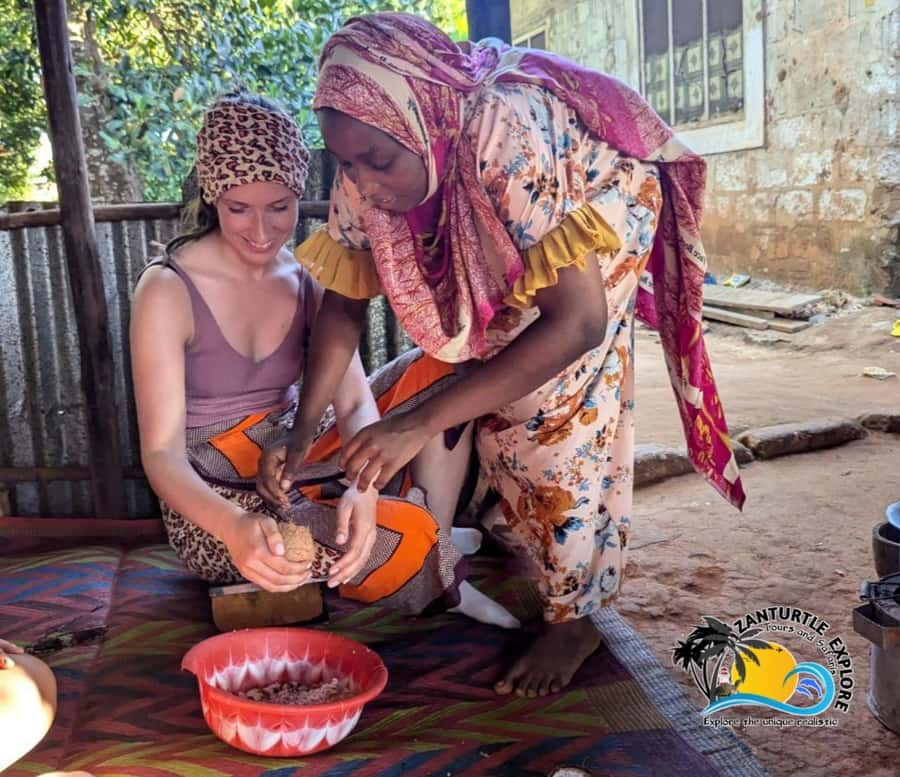
You also harvest vegetables and spices for the meal. This is one of the strongest parts of the activity because it gives you a task. You are not watching a guide pick ingredients while you stand nearby. You help gather what will be prepared later.
The exact crops and spices available can vary, and the supplied details do not promise a fixed menu. That is normal for a farm-based cooking class. Your meal depends on what is available and what the chef selects, so ask about menu preferences or dietary requests before reserving.
From harvested produce to Swahili lunch

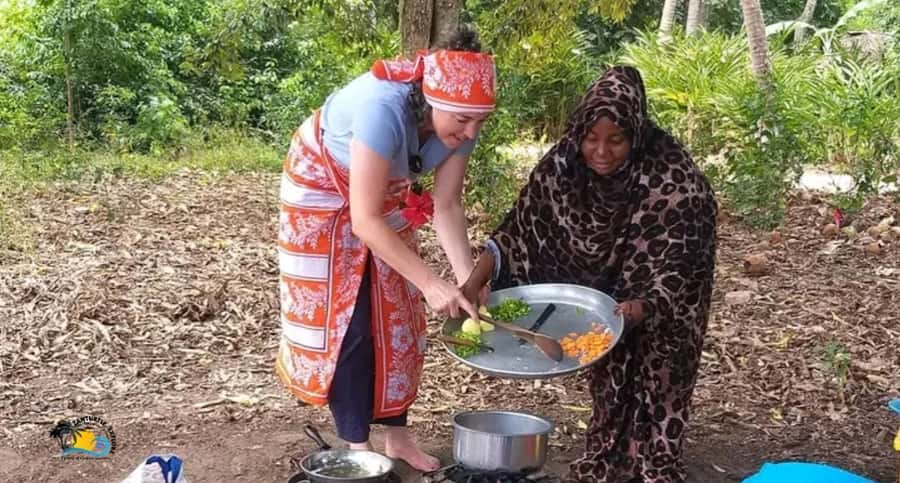
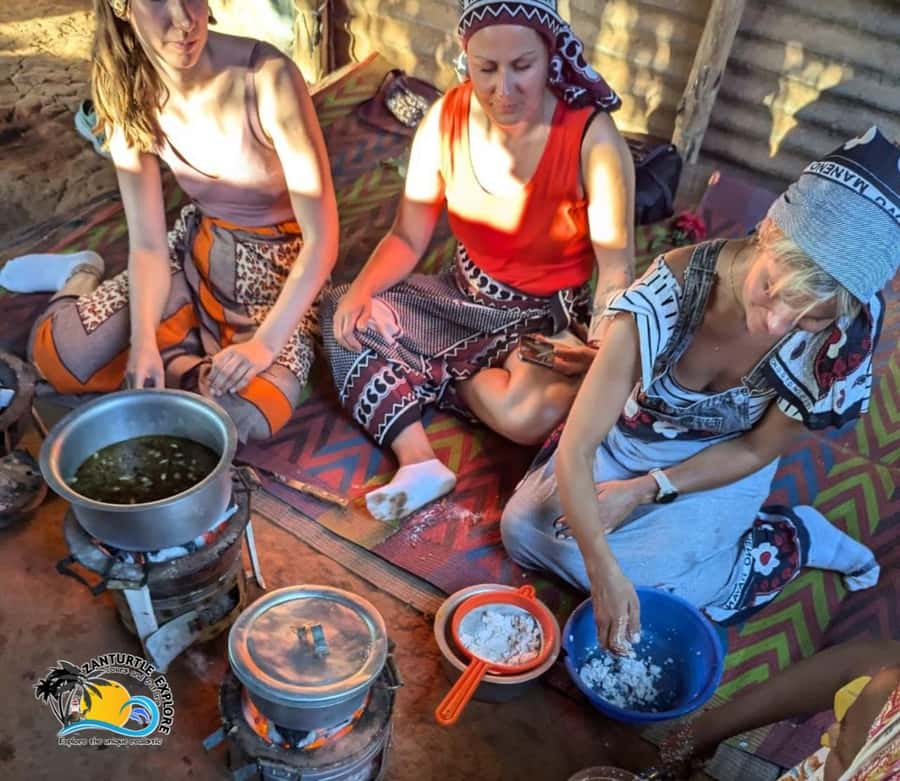
The cooking lesson follows the farm walk. With a local chef, you use the ingredients you have gathered and learn how to prepare a traditional Swahili meal.
I like this format because it makes lunch part of the lesson. You learn through handling ingredients, using the cooking equipment, and taking part in each stage. It is a better choice for you if you want to return home with a method you can repeat, not just a plate you enjoyed once.
The class also introduces older cooking techniques. The cooking apparatuses are made to resemble those used in earlier times along the Zanzibar coast. That detail gives the class a cultural angle, although the description does not specify exactly which dishes or equipment you will use.
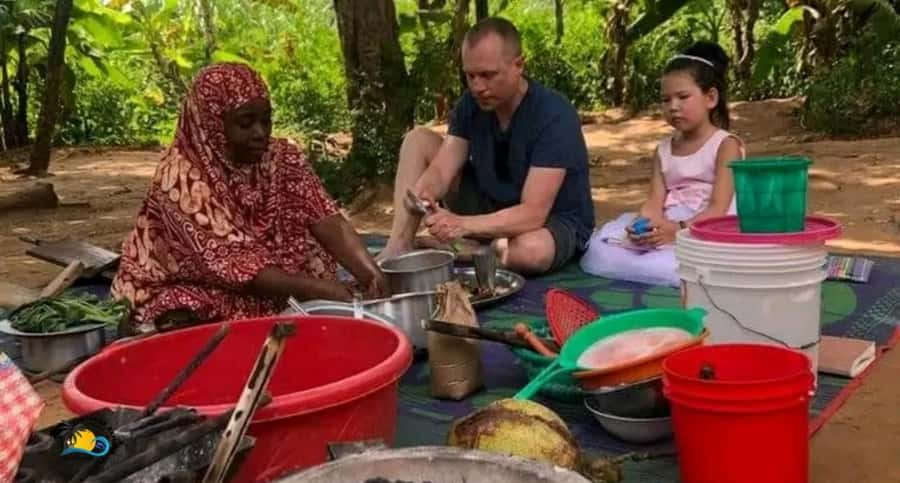
You should expect a participatory class, not a polished restaurant demonstration. The pace may depend on the chef, the ingredients bought at the market, and the requests made by your private group. If you have a favorite Swahili dish in mind, write that request when booking, but do not assume it is guaranteed.
Once the cooking is finished, you eat the meal you helped prepare. Lunch and drinks are included, along with tropical fruit gathered during the day. The food is therefore both the reward and the final lesson.
For many people, this will be the most memorable part of the experience. Cooking creates a natural conversation with the chef and guide, and it gives you something concrete to remember. The positive feedback about patient hosts who involved everyone at each step is especially useful here. You should expect to participate rather than sit quietly while someone else does the work.
Why Zanzibar’s spices matter
Zanzibar is closely associated with spices, but a good spice tour should explain more than names and smells. This outing connects spices to food, farming, trade, and traditional remedies.
You learn about the origins of spices and their importance in Zanzibar cooking. You also hear about medicinal uses of local herbs. The experience does not present herbs as medical treatment, so use this information as cultural context rather than health advice.
Cloves, coconut, and banana help show how different ingredients work together in island cooking. Cloves bring a powerful aroma. Coconut adds richness. Banana and watermelon offer fresh, sweet notes. Tasting them during the farm visit gives you a simple way to compare texture and flavor before you cook.
The farm also helps you see that spices are not just small packets sold in airport shops. They begin as plants, bark, buds, seeds, or fruit. Harvesting them yourself makes that point quickly.
You can buy spices and fruit during the outing. Bring cash for these purchases. Buying a small amount makes sense if you want to recreate the meal at home, and one person specifically bought spices for that reason.
More Spice Farm Tours in Zanzibar:
- Zanzibar: Stone Town, Spice Tour, Prison Island with Lunch
★ 4.4 · 1,219 reviews - Zanzibar: Prison Island, Stone Town, & Spice Farm Tour
★ 4.5 · 579 reviews - Zanzibar: Stone Town, Spice tour & Prison Island with Lunch
★ 4.6 · 453 reviews - Full-Day Private Stone Town +Spice Farm and Prison Island Tour
★ 4.5 · 216 reviews
Traditional music, dance, and the human side of the day
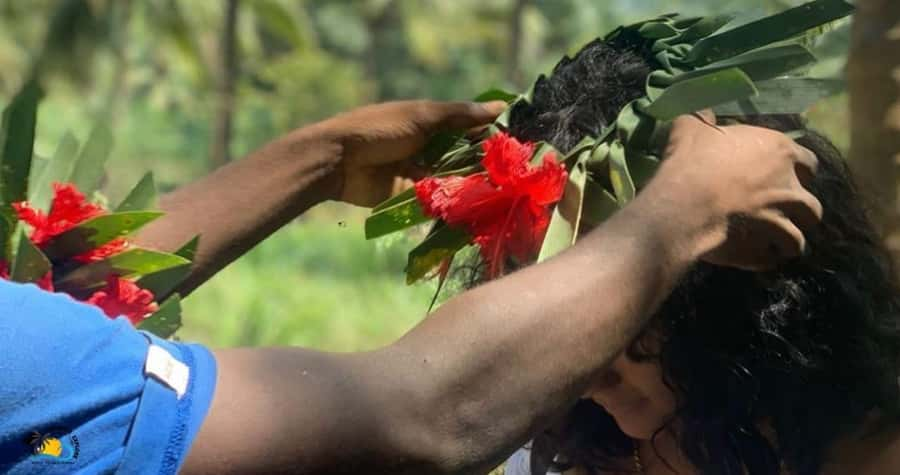
Traditional music and dance are included, adding a performance element to the day. This may appeal to you if you want the experience to include more than food and farming.
The music and dance also provide a social finish to the cooking and meal. It gives the day a sense of celebration, though you should not book this solely as a music performance. The main focus remains the farm, spices, and cooking class.
The hosts are described as friendly and patient, with an emphasis on involving the group in each step. That matters in a cooking lesson, where unclear instructions can leave you watching instead of doing. A private group should also make it easier to ask questions and request more explanation.
Language is the weak point to watch. Guides may speak Arabic, English, French, German, Italian, Polish, Spanish, Swahili, Russian, or Portuguese. However, language availability is not always the same as language certainty for your exact departure. If you book in German, French, or another language, confirm that the guide will actually speak it.
This matters most for families. A child may enjoy harvesting and tasting, but a long explanation in an unfamiliar language can quickly lose their attention. The German experience that used an English guide was rated poorly for this reason.
What the $66 price really covers
At $66 per person, this is not simply a farm entrance ticket. The cost includes a trained guide, hotel pickup and drop-off, government fees, entrance and conservation fees, the market visit, the farm walk, harvesting, the cooking equipment, lunch, drinks, tropical fruit, music, and dance.
That makes the price reasonable if you value a full half-day with transport included. You avoid arranging a separate ride to the farm and do not need to pay extra for the cooking setup or meal.
The value is strongest for you if you want several activities in one outing. A basic spice walk may cost less, but it would not provide the same market visit, food preparation, and lunch. A standalone cooking class may offer more kitchen time, but it may not include the farm or spice education.
The package is less attractive if you mainly want to buy spices quickly. In that case, the five-hour schedule and cooking class may feel longer than necessary. You are paying for participation and cultural context, not only for shopping.
Hotel pickup and drop-off from any Zanzibar hotel add convenience. Give the provider your hotel name and room number, and meet the representative in the lobby or reception area. Starting times vary, so check availability for the date you want.
The activity offers free cancellation up to 24 hours in advance and a reserve-now, pay-later option. Those terms are useful if your Zanzibar plans are still shifting, but they should not replace checking the pickup details and language request before you commit.
Who will enjoy this Zanzibar experience?

I would recommend this outing to couples, families with older children, and small private groups who enjoy food and hands-on activities. It suits you especially well if you want to understand local cooking rather than simply eat in a restaurant.
It is also a good choice for anyone who likes practical souvenirs. The cooking lesson gives you a recipe experience, while the option to buy spices gives you ingredients to try again at home.
You may enjoy it less if you dislike market visits, public transport, strong spice aromas, or group participation. The activity includes walking, harvesting, tasting, and cooking, so it is not a passive sightseeing trip.
People with food allergies should not book this experience according to the stated restrictions. The day involves tasting spices, fruit, and a shared meal, and no allergy-safe menu is promised.
The tour is wheelchair accessible, which is useful information, but the supplied details do not explain the exact conditions of the market route, public vehicle, or farm paths. If you use a wheelchair, describe your needs clearly before booking and ask how each transfer will be handled.
Practical tips for a smoother five hours
Wear comfortable shoes. You will walk through the market and farm, and the outing includes harvesting rather than only sitting in a kitchen.
Bring a camera if you want to record the plants, cooking equipment, food, music, and dance. Also bring cash for spices and fruit, since those purchases are not part of the included package.
Tell the provider about special requests when you reserve. This is the right time to state food preferences, language needs, price preferences, or family concerns. Do not wait until you arrive at the farm.
Ask your guide to explain unfamiliar spices slowly. The value of the walk comes from understanding how each ingredient is used, not from collecting a long list of names.
If you are booking for children, make the language request especially clear. The disappointing German-language experience shows why a listed language should be confirmed, not simply assumed.
Should you book the spice farm and cooking class?
Book it if you want a useful, active introduction to Zanzibar food. The combination of Darajani Market, spice tasting, harvesting, cooking, lunch, and music gives you far more than a quick farm photo stop.
The best reason to choose it is the cooking lesson. You take part in the meal from market shopping through harvesting and preparation, then eat what you made. That makes the $66 cost fair for a private five-hour experience with transport included.
Skip it if you have food allergies, want a fixed menu, or prefer a tightly controlled private transfer instead of a public vehicle after the market. Also confirm your guide language in writing, particularly if you are booking for children or need detailed explanations.
For most food-curious visitors staying in Zanzibar, I would book this with clear requests made ahead of time. Bring comfortable shoes, cash, and an appetite for cloves.
FAQ
How long does the Zanzibar spice farm and cooking experience last?
The activity lasts five hours, including the market visit, transport to the farm, the spice tour, harvesting, cooking class, meal, and related activities.
How much does the experience cost?
The listed price is $66 per person.
Is hotel pickup and drop-off included?
Yes. Pickup and drop-off are included from any hotel in Zanzibar. You meet the representative in your hotel lobby or reception area.
Does the tour include a visit to Darajani Market?
Yes. The experience begins with a guided walk through Darajani Market, where you learn about local life and purchase ingredients for the cooking class.
Will I get to harvest ingredients?
Yes. You harvest vegetables and spices at the farm, and these ingredients are used during the cooking lesson.
Is lunch included?
Yes. Lunch and drinks are included, along with tropical fruits gathered during the experience.
What languages are available for the guide?
Guide languages listed are Arabic, English, French, German, Italian, Polish, Spanish, Swahili, Russian, and Portuguese.
Is the activity suitable for people with food allergies?
No. The activity is listed as not suitable for people with food allergies.
Can I cancel the booking for a full refund?
Yes. You can cancel up to 24 hours in advance for a full refund. A reserve-now, pay-later option is also available.
More Farms in Zanzibar
- Zanzibar: Stone Town & Spice Farm Tour with Lunch
★ 4.5 · 97 reviews - Zanzibar:Stone Town & Spice Farm Private Tour Lunch Included
★ 4.2 · 94 reviews - Zanzibar full day Jozani forest + Spice farm and stone town
★ 4.7 · 90 reviews - A Private Full Day Tour To Stone Town & Spice Farm
★ 5.0 · 53 reviews
Just added in Zanzibar
- Zanzibar:Ngoma local culture workshop,The Knowledge of Ngoma★ 5.0 · 1 review
- ZANZIBAR:Mnemba island, Spice farm and Jozani Forest★ 5.0 · 1 review
- Zanzibar: Zipline Adventure At Masingini Forest★ 4.6 · 2 reviews
- Zanzibar Walking Tour: Unveiling the Secrets of Stonetown★ 4.8 · 11 reviews
- Zanzibar: Walking Spice Farm with Local Cooking Class★ 4.4 · 9 reviews
- Zanzibar: Walking Tour★ 4.0 · 1 review
- Zanzibar: Uzi Island Mangrove Kayak Tour with Guide★ 5.0 · 1 review
- Zanzibar: Unique Guided Mangrove Tour by SUP or Kayak★ 5.0 · 1 review
Spice Farm Tours, compared.
Stone Town, Spice Tour, Prison Island with Lunch
Read our review →

Stone Town, Spice tour & Prison Island with Lunch
Read our review →
Full-Day Private Stone Town +Spice Farm and Prison Island Tour
Read our review →

The Swahili Spice Experience – Spice Tour + Culinary Journey
Read our review →Browse the lists this tour appears in