
Reviewed · SPICE FARM TOURS
Zanzibar: Spice Tour with Cooking Class
Spices tell Zanzibar’s story. This six-hour outing combines a guided farm walk with a hands-on cooking class, so you do more than smell vanilla and nutmeg: you help turn local ingredients into lunch. I especially like the private-group format and the chance to learn traditional chapati, pilau, roasted plantains, fish, chicken, and coconut sauce in a local cooking setting. The main drawback is that the tour involves uneven ground and is not suited to people with mobility impairments or food allergies.
The tour also gets an important human touch from Hamidu, the guide named in the available feedback. He explained Zanzibar and its past while helping translate between the group and the chef. I would like to see a printed recipe included, since you may find yourself taking phone photos of each cooking stage instead of writing everything down.
In This Review
- Key points to know before booking
- Why a Zanzibar spice tour is worth your morning
- Hotel pickup from Stone Town, Nungwi, and the beach areas
- Walking among vanilla, cardamom, and nutmeg
- Cooking chapati the traditional way
- Making pilau, plantains, fish, chicken, and coconut sauce
- Eating what you helped prepare
- Hamidu’s role and the value of a live guide
- What the $108 price includes
- Who should book this experience
- Booking flexibility and timing
- Should you book the Zanzibar spice and cooking tour?
- FAQ
- How long does the Zanzibar spice and cooking tour last?
- What time does the tour begin?
- Is hotel pickup and drop-off included?
- Which dishes will I prepare?
- What languages are available for the guide?
- Is this a private tour?
- Is the tour suitable for people with food allergies or mobility impairments?
Key points to know before booking
- The farm walk puts spices in the ground: You see vanilla, cardamom, nutmeg, and other plants where they grow, rather than only meeting them in a market stall.
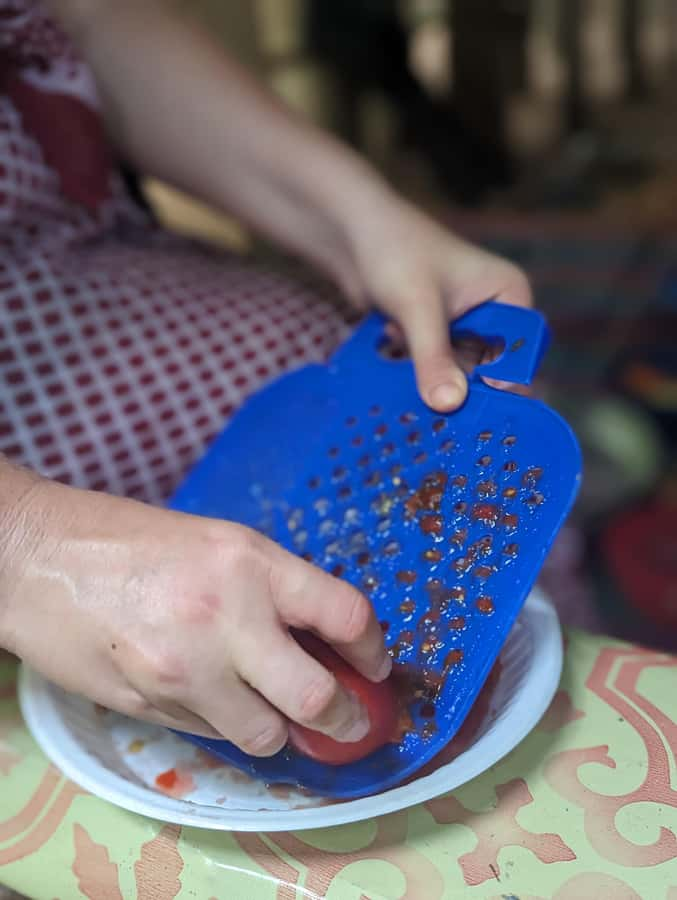
- The cooking class is hands-on: You help prepare pilau, chapati, roasted plantains, fish, chicken, and coconut sauce.
- Chapati is a cultural lesson as well as a food: You learn a method passed through Zanzibari households, shaped by the island’s Indian influence.
- Hamidu can add context beyond the farm: His role includes explaining Zanzibar and translating the chef’s instructions.
- Hotel pickup covers much of the island: Pickup and return are available from places including Stone Town, Nungwi, Paje, Jambiani, Matemwe, Kiwengwa, and Kizimkazi Mtendeni.
- Plan for a real farm visit: Wear comfortable clothes and shoes, bring sun protection, and expect uneven surfaces.
Why a Zanzibar spice tour is worth your morning
Zanzibar is often called Spice Island, but the phrase means more when you see the plants themselves. A spice tour connects a familiar kitchen ingredient with its source. Vanilla is no longer just something in a dessert. Nutmeg and cardamom become living crops, handled and explained in the place where they are grown.
I like this approach because it gives you a clearer sense of Zanzibar’s food culture. You are not simply shown a display of dried spices. You walk through a private farm, listen to a guide, and then use local flavors in a meal. That combination makes the day more memorable than a standard sightseeing stop.
The tour lasts about six hours, with pickup at roughly 9:00 AM after breakfast. That timing works well if you want to keep your afternoon free. It also means you should eat a sensible breakfast, since the cooking class and meal come later in the day.
More Cooking Classes in Zanzibar
- Zanzibar: Spice Farm Tour with Traditional Cooking Lesson
★ 4.8 · 77 reviews - Zanzibar Cooking Class & Spice Tour
★ 4.5 · 77 reviews - Half-Day Kuza Cave Swimming Adventure and Cooking Class
★ 4.5 · 44 reviews
Hotel pickup from Stone Town, Nungwi, and the beach areas
The included pickup is one of the tour’s most useful features. You do not need to arrange a separate taxi to a farm or work out how to return afterward. The operator asks for your hotel name and room number so the guide and driver can identify you at reception.
Pickup and drop-off options cover a wide spread of Unguja. They include Stone Town, Nungwi, Paje, Jambiani, Bwejuu, Kiwengwa, Matemwe, Pwani Mchangani, Uroa, Chwaka, Michamvi, Makunduchi, Fumba, and Kizimkazi Mtendeni.
That wide service area is convenient, but the drive time will depend on where you stay. A private group helps make the arrangement more comfortable, especially if you are staying away from Stone Town. Still, a six-hour booking includes transport, so the actual time at the farm may vary with road conditions and your pickup point.
Confirm the pickup details clearly before the morning of the tour. Have your hotel name and room number ready, and meet at reception rather than waiting inside your room.
Walking among vanilla, cardamom, and nutmeg
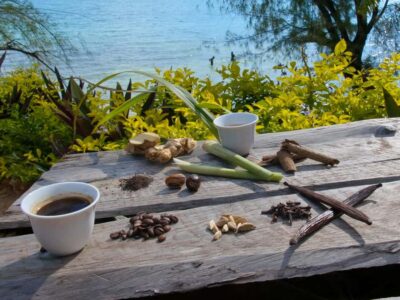
At the private spice farm, the guide leads you through plants such as vanilla, cardamom, and nutmeg. The useful part is the connection between plant and pantry. You get to see how ingredients look before they reach a market, packet, or kitchen shelf.
The farm visit is also a good place to ask questions. You can learn which parts of a plant are used, how the spice is recognized, and why these crops matter to Zanzibar’s food traditions. The tour description does not promise a fixed list beyond examples such as vanilla, cardamom, and nutmeg, so the exact plants you see may vary.
Do not treat the farm like a formal paved garden. You should expect to walk on uneven surfaces, and touching the plants is not allowed. That rule protects the crops and keeps the visit orderly, but it also means you should listen closely while the guide points things out.
Comfortable shoes are more important than stylish ones here. A hat, sunscreen, and a camera are also sensible. The farm visit is outdoors, so light clothing suitable for walking will serve you better than anything delicate or restrictive.
Cooking chapati the traditional way

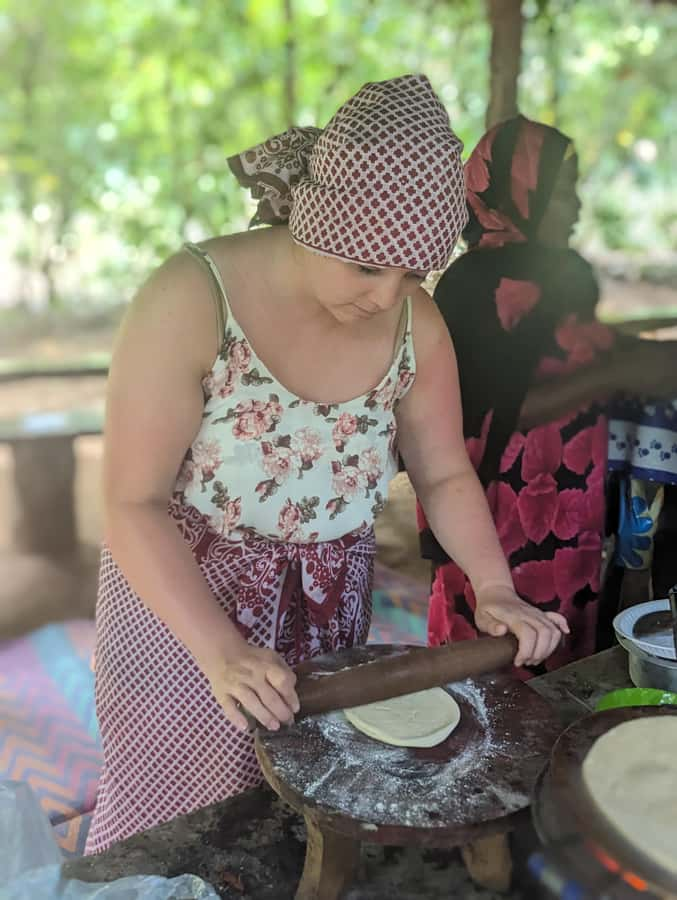
The cooking class is the heart of the experience. You do not simply sit down to eat a prepared dish. You take part in the stages of making the meal with a local chef.
Chapati deserves special attention. This round, flat bread is common across Zanzibar and reflects Indian influence on the island’s cooking. The class teaches a traditional method passed down through generations, giving you a food lesson with a bit of cultural context attached.
Chapati can look simple on the plate, but the preparation is where the interest lies. You watch the process, help with the work, and see how a basic dough becomes part of a larger meal. The available feedback describes the class as very hands-on, with participation at each stage and a traditional cooking setup in a local environment.
That local setting matters. A polished demonstration kitchen can be easy to follow, but it can also feel removed from daily life. Here, you are closer to the way the food is traditionally prepared. You should expect a practical session rather than a formal culinary school lesson.
One small frustration is the lack of a printed recipe. I recommend photographing the ingredients and each stage of the process, then writing down any measurements or cooking tips while they are fresh. Your phone may become your recipe book by the end of the class.
More Spice Farm Tours in Zanzibar:
- Zanzibar: Stone Town, Spice Tour, Prison Island with Lunch
★ 4.4 · 1,219 reviews - Zanzibar: Prison Island, Stone Town, & Spice Farm Tour
★ 4.5 · 579 reviews - Zanzibar: Stone Town, Spice tour & Prison Island with Lunch
★ 4.6 · 453 reviews - Full-Day Private Stone Town +Spice Farm and Prison Island Tour
★ 4.5 · 216 reviews
Making pilau, plantains, fish, chicken, and coconut sauce
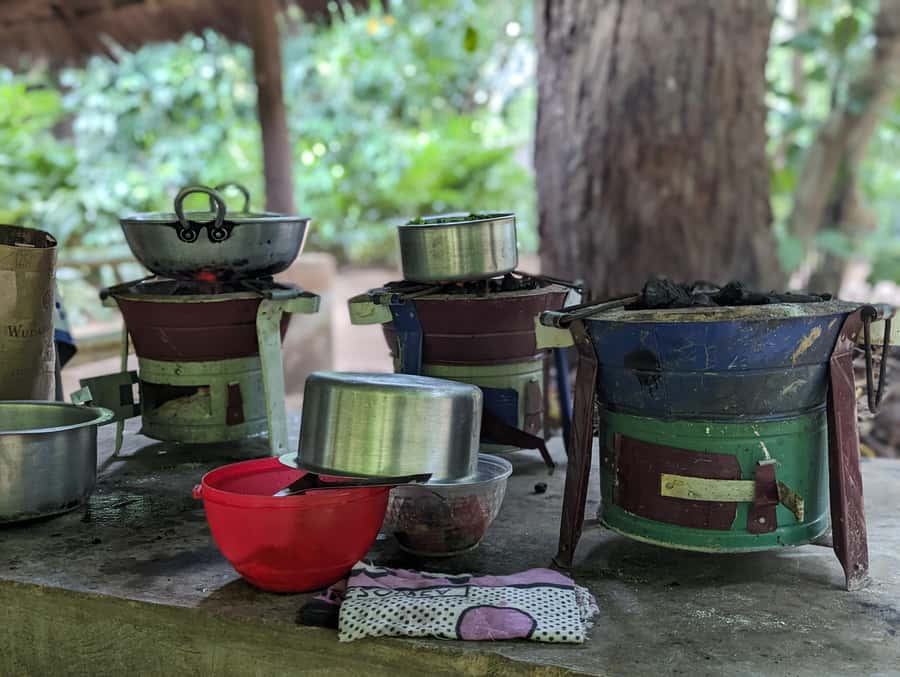
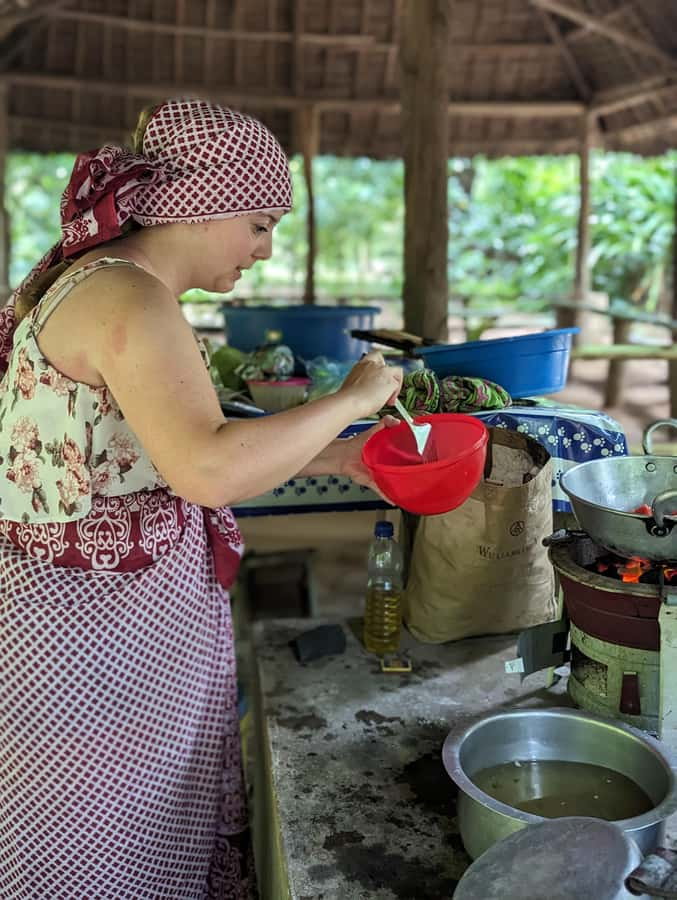
The menu gives the class plenty to do. You prepare spiced rice, roasted plantains, roasted fish and chicken, coconut sauce, and chapati. It is a broad taste of Zanzibar’s home cooking rather than a single-dish demonstration.
Pilau is especially useful for understanding how spices shape a meal. The point is not just heat. The spices build aroma and depth in the rice, showing how a small amount of seasoning can define the character of a dish.
The roasted plantains add a different texture and sweetness. Fish and chicken make the meal more substantial, while coconut sauce brings a familiar coastal ingredient into the mix. The full meal lets you taste how these parts work together instead of judging each ingredient in isolation.
You should tell the operator about food restrictions before booking. The activity is specifically marked as unsuitable for people with food allergies, and personal expenses are not included. Since the meal is part of the class, this is not the right choice if you need strict control over ingredients.
Eating what you helped prepare
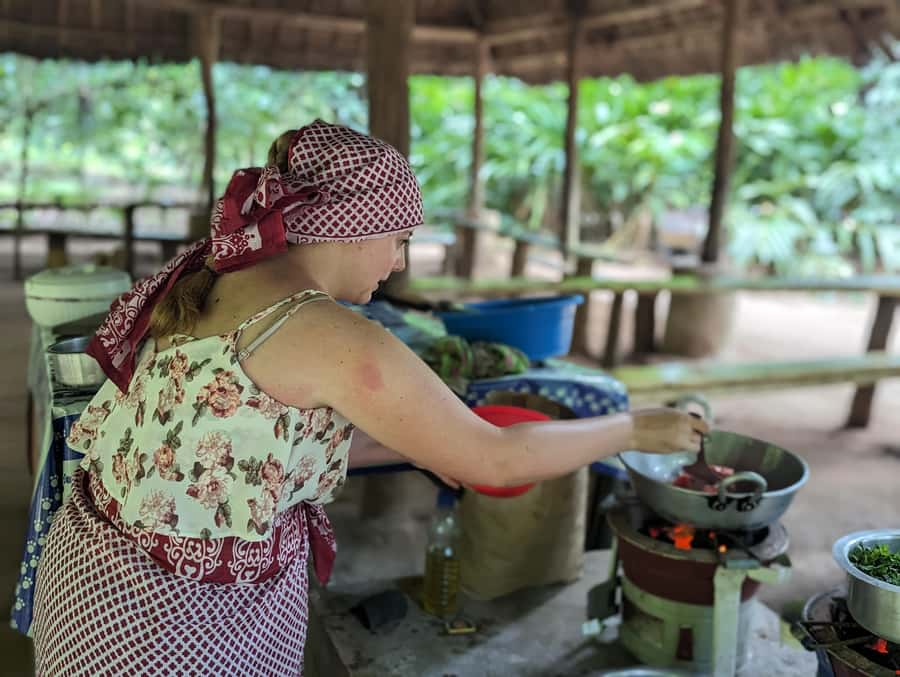
After the work comes the best part: you eat the food. That sounds obvious, but it changes the meal when you have handled the ingredients and followed the preparation from beginning to end.
I like cooking classes that leave room for tasting as you go, and this experience is described as a chance to enjoy the dishes after preparing them. You get a better feel for the food because you have seen how it was made.
The meal is also a useful counterpoint to restaurant dining in Zanzibar. Restaurants can introduce you to island flavors, but a cooking class shows you the methods behind them. You leave with a clearer idea of how chapati, pilau, coconut sauce, and roasted foods fit into local eating habits.
Keep your expectations practical. This is a traditional cooking experience, not a luxury food tour with a long menu of restaurant courses. The appeal is participation, setting, and local instruction.
Hamidu’s role and the value of a live guide
A live guide can make or break a farm visit. Plants alone do not explain themselves, and a cooking class can become confusing if you cannot follow the chef’s instructions.
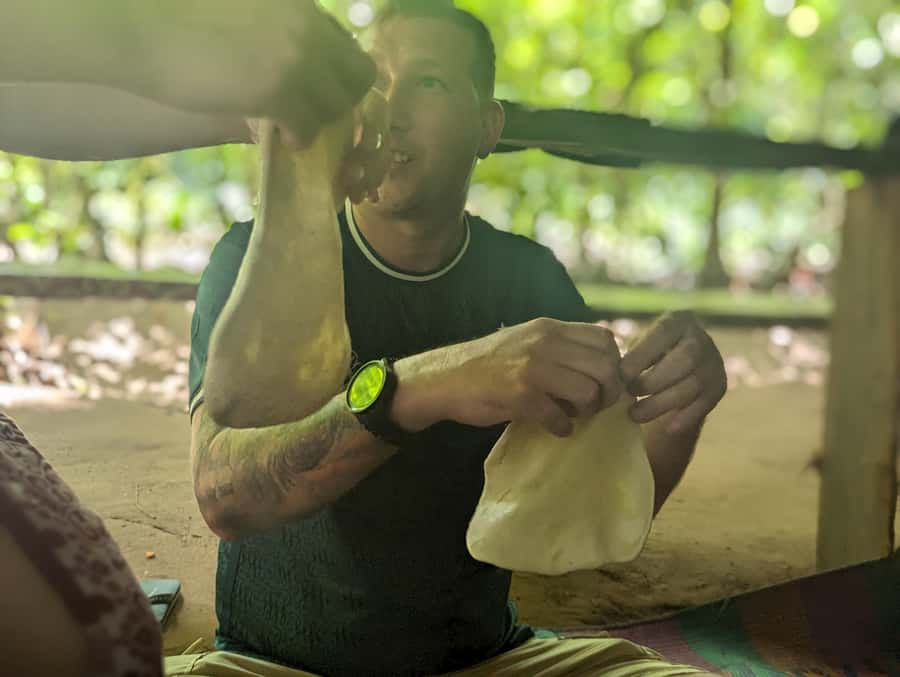
Hamidu is specifically named as the guide associated with the experience. His role includes explaining Zanzibar and its national story, then helping translate between the chef and the group. That matters because the cooking lesson involves several stages, and clear translation lets you participate instead of merely watching.
The guide languages listed for the activity are English, French, German, Spanish, and Italian. If you need a particular language, confirm availability when checking starting times. The presence of a live guide also gives you a chance to ask about the spices, the meal, and Zanzibar’s food traditions as the day unfolds.
The best use of your guide is to ask questions early. If you want recipe details, clarify them during the class. If you are curious about a spice, ask before moving to the next plant. This is a more useful approach than hoping you will remember everything later.
What the $108 price includes
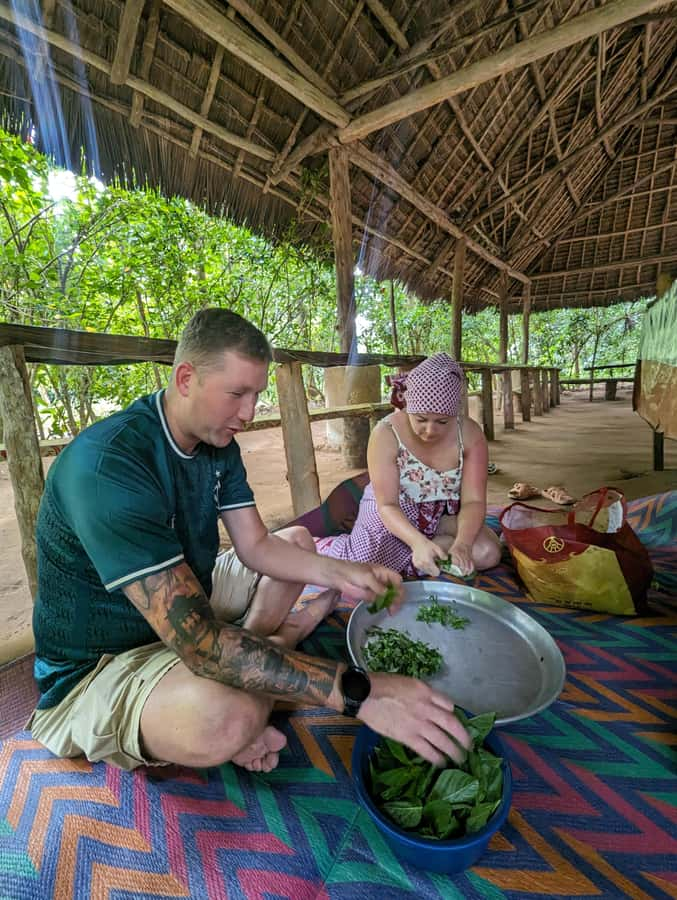
At $108 per person, this is not the cheapest way to spend a morning in Zanzibar. The price makes more sense when you count what is bundled into it: hotel pickup and drop-off, a guided private spice farm visit, a local chef, the cooking lesson, and tasting the dishes you prepare.
You are also paying for convenience across a large part of the island. If you are staying in Nungwi, Paje, Jambiani, Matemwe, or another outlying area, arranging transport to a farm and back can take time and money. A private group gives the outing a more personal feel than a large shared excursion.
The value is strongest for you if food and local contact are a major part of your Zanzibar plans. If you only want a quick spice demonstration or a short farm stop, six hours and $108 may feel like too much. If you want a full activity with transport and lunch built in, the package is easier to justify.
Personal expenses are not included, so bring money for anything extra you may want during the day. The provided information does not list additional purchases, so consider the cooking meal and farm visit the core of what you are paying for.
Who should book this experience
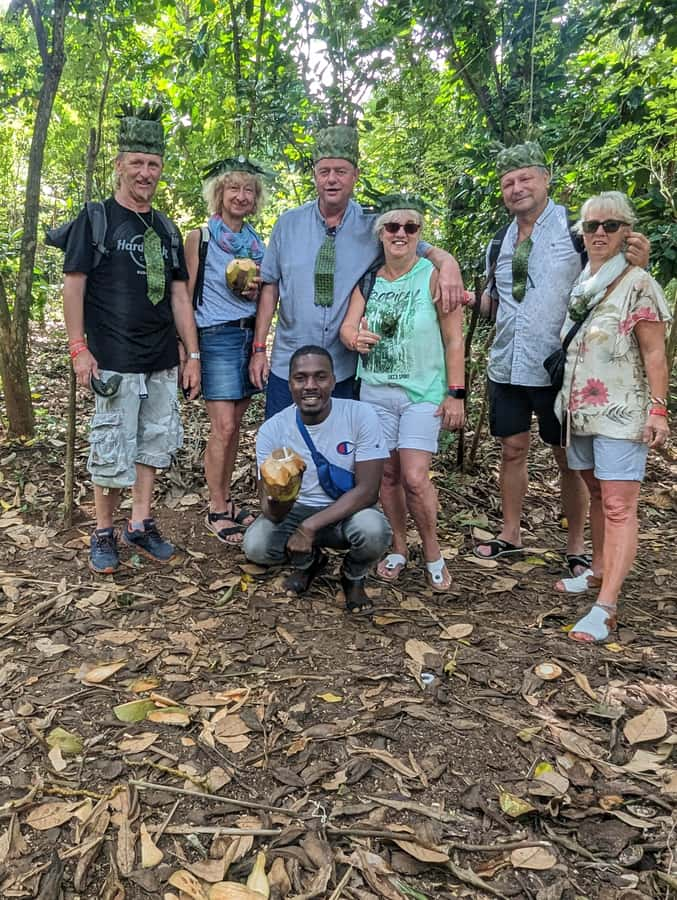
This tour suits you best if you enjoy doing rather than only looking. The strongest parts are the hands-on cooking, the traditional chapati method, and the chance to see spices growing on a farm.
It is also a good fit if you want a private activity with a set pickup and return. Couples, families with older children, and small groups who like food-focused outings may find the format appealing. The private-group setup avoids the feel of a crowded class, though the exact group size is not provided.
You should choose another activity if walking on uneven ground is difficult. The tour is not suitable for people with mobility impairments. It is also not suitable for people with food allergies, since preparing and tasting the meal are central parts of the day.
Bring a hat, sunscreen, comfortable shoes, farm-friendly clothing, and a camera. Do not touch the plants. If you want to recreate the food at home, take careful notes because a printed recipe is not included.
Booking flexibility and timing
You can cancel up to 24 hours in advance for a full refund. The reserve-now, pay-later option lets you hold a place without paying at the time of booking, which is useful when your Zanzibar schedule is still shifting.
The total duration is six hours, with the farm and cooking portion listed at about five hours and twenty minutes. Start times should be checked for your date, and the stated morning departure is around 9:00 AM after breakfast.
Because pickup is included, give accurate hotel information. Your hotel name and room number help the driver and guide find you at reception. This sounds minor, but it is the sort of detail that prevents a slow start.
Should you book the Zanzibar spice and cooking tour?
Book it if you want a food experience with real participation, not just a quick look at spice displays. The strongest reasons are the farm setting, the traditional chapati lesson, the wide menu, and the chance to learn with help from a local guide such as Hamidu.
Think twice if you have limited mobility, food allergies, or little interest in cooking. At $108, the outing earns its price through transport, private-group service, instruction, and the meal you help prepare. For food-focused visitors, it is one of the more useful ways to connect Zanzibar’s spices with everyday cooking.
FAQ
How long does the Zanzibar spice and cooking tour last?
The experience lasts six hours. The farm visit and cooking class are listed as taking about five hours and twenty minutes, with the remaining time allowing for hotel transport.
What time does the tour begin?
Pickup is scheduled after breakfast at about 9:00 AM. Starting times can vary, so check availability for your chosen date.
Is hotel pickup and drop-off included?
Yes. Pickup and return are included from listed areas across Unguja, including Stone Town, Nungwi, Paje, Jambiani, Matemwe, Kiwengwa, and Kizimkazi Mtendeni.
Which dishes will I prepare?
The cooking class includes pilau, spiced rice, roasted plantains, roasted fish and chicken, coconut sauce, and chapati.
What languages are available for the guide?
Live guide languages include English, French, German, Spanish, and Italian.
Is this a private tour?
Yes. The activity is arranged for a private group.
Is the tour suitable for people with food allergies or mobility impairments?
No. The experience is marked as unsuitable for people with food allergies and people with mobility impairments. You should also expect uneven surfaces during the farm visit.
Just added in Zanzibar
- Zanzibar:Ngoma local culture workshop,The Knowledge of Ngoma★ 5.0 · 1 review
- ZANZIBAR:Mnemba island, Spice farm and Jozani Forest★ 5.0 · 1 review
- Zanzibar: Zipline Adventure At Masingini Forest★ 4.6 · 2 reviews
- Zanzibar Walking Tour: Unveiling the Secrets of Stonetown★ 4.8 · 11 reviews
- Zanzibar: Walking Spice Farm with Local Cooking Class★ 4.4 · 9 reviews
- Zanzibar: Walking Tour★ 4.0 · 1 review
- Zanzibar: Uzi Island Mangrove Kayak Tour with Guide★ 5.0 · 1 review
- Zanzibar: Unique Guided Mangrove Tour by SUP or Kayak★ 5.0 · 1 review
Spice Farm Tours, compared.

Stone Town, Spice Tour, Prison Island with Lunch
Read our review →

Stone Town, Spice tour & Prison Island with Lunch
Read our review →
Full-Day Private Stone Town +Spice Farm and Prison Island Tour
Read our review →

The Swahili Spice Experience – Spice Tour + Culinary Journey
Read our review →Browse the lists this tour appears in