
Reviewed · STONE TOWN TOURS
Zanzibar: Stone Town 3-Hour Walking Tour
Stone Town reveals itself one doorway at a time. I like this tour for its strong introduction to Zanzibar’s past, from the old Arab Fort and former slave market to the House of Wonders, and for its market stops, where fruit, spices, and daily life take center stage. The main concern is pace: three hours can feel short, and one recent experience raised questions about the wheelchair-accessible claim.
The tour costs $27 per person and includes hotel pickup and drop-off, a guide, government taxes, and entrance to the Sultan Palace. That is a fair price if you want someone to connect Stone Town’s landmarks into one story instead of wandering without context. You should still confirm which sites your guide will enter, since the listed route includes several places but does not make every admission clear.
Several guides have earned warm praise for clear explanations and friendly help. Mohammed, Amari, and another guide named Mohamed are specifically noted for answering questions, explaining local customs, and adding stories about the city. One guide also included a local art association and a food market, showing that the exact route can vary.
In This Review
- Key things to know before you book
- Why a guided walk helps in Stone Town
- Old Fort and the Arab imprint
- The House of Wonders and Sultan Palace
- Forodhani Gardens and the waterfront
- Darajani Market: fruit, spices, and real daily life
- The former slave market and Anglican Cathedral
- Freddie Mercury’s house and Stone Town’s modern identity
- Curio shops, Jaws Corner, and narrow streets
- Guides, language, and the three-hour pace
- Price, pickup, and practical value
- Who should book this walk?
- Should you book the Zanzibar Stone Town walk?
- FAQ
- How long is the Stone Town walking tour?
- How much does the tour cost?
- Is hotel pickup included?
- Which places are included on the route?
- Is entrance to the Sultan Palace included?
- Is the tour available in languages other than English?
- Can I book a private group?
- Is the tour wheelchair accessible?
- What should I wear?
- Can I bring luggage or a large bag?
- Can I cancel for a refund?
Key things to know before you book
- The former slave market is a serious historical stop: The Anglican Cathedral occupies the site of a former slave market that operated for centuries as a major East African trading hub.
- The market visit is part of the appeal: Darajani Market brings you to fruit and spice stalls, while the narrow streets lead past small shops and local businesses.
- You see many major landmarks in three hours: The route includes the Old Fort, House of Wonders, Forodhani Gardens, ferry terminal, Freddie Mercury’s house, Jaws Corner, and the Sultan Palace area.
- The guide can make or break the visit: Strong guides such as Amari and Mohammed have been praised for history, culture, and thoughtful answers.
- Dress and footwear matter: Wear clothing below the knees and comfortable shoes, and bring sunscreen. Large bags and luggage are not allowed.
- Accessibility needs careful checking: The activity is advertised as wheelchair accessible, but the narrow lanes and fort entrance may be difficult, and one account found the route unsuitable for a wheelchair.
Why a guided walk helps in Stone Town
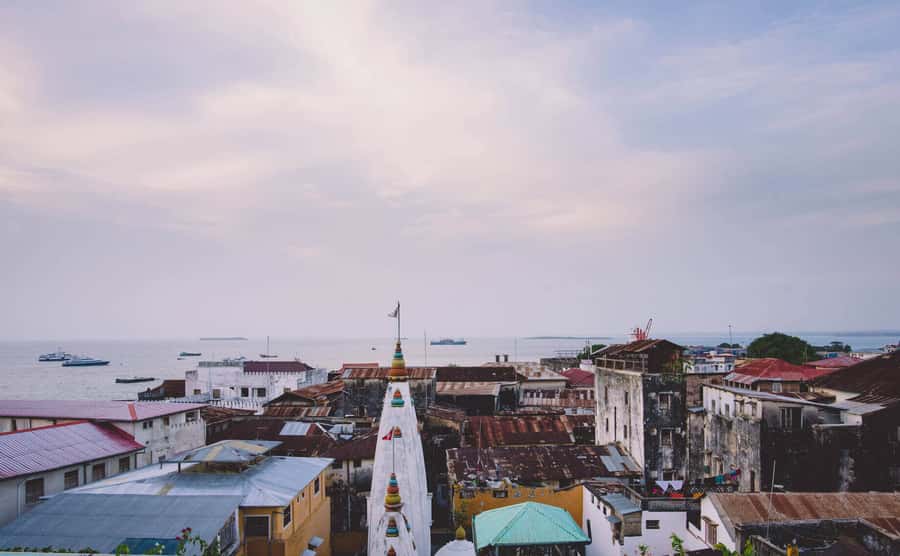
Stone Town is compact, but it is not simple. Its old lanes twist between carved doors, market stalls, religious buildings, shops, cafés, and walls that carry several layers of Zanzibar’s past. A guide gives you a route and a framework, which is useful when the streets begin to look alike.
The tour also helps you connect places that can feel unrelated at first. The Old Fort points to Arab and Omani influence. The former slave market forces you to face the darker side of regional trade. Darajani Market shows the city as a living place, not only a historic district.
I would choose this walk early in a Zanzibar visit. It gives you a quick orientation, then leaves you better prepared to return for shopping, photography, or a slower look at a favorite quarter.
At $27, the value comes mainly from the guide rather than from the length. Three hours is enough for a useful overview, but not enough for a patient visit to every museum, shop, and historic building. If your guide spends too long at a sales stop, you may lose time that would be better used in the streets.
More Walking Tours in Zanzibar
- Stone Town Private Walking Tour
★ 5.0 · 371 reviews - Zanzibar: 3 Hours Private Stone Town walking Tour with Guide
★ 4.6 · 301 reviews - Zanzibar: Stone Town Historical Cultural Walking Guided Tour
★ 4.5 · 179 reviews
Old Fort and the Arab imprint
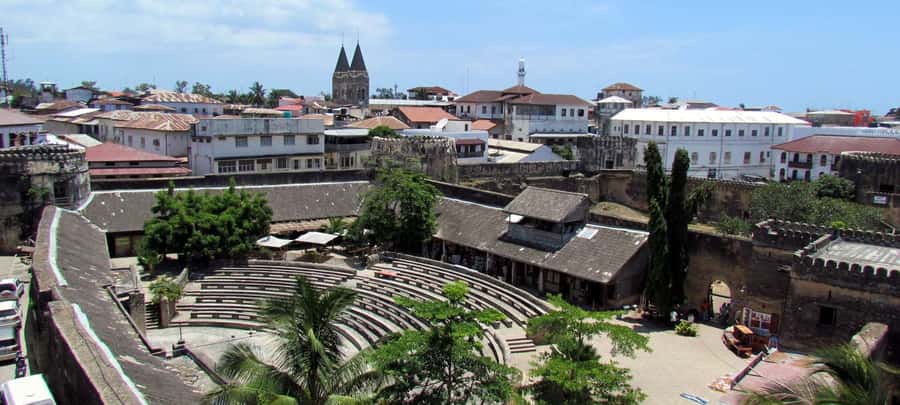
The Old Fort, also called the Arab Fort, is one of the first major stops. Its heavy walls and central position make it a clear starting point for understanding Stone Town’s changing rulers and defensive past.
You will have a chance to see the fort as part of the city rather than as an isolated monument. The guide can explain how the building fits into Zanzibar’s wider links with Arab and Swahili culture, including the origins and spread of the Swahili language.
The fort is also a practical test of the tour’s accessibility. One account specifically noted that the entrance was not suitable for a wheelchair, despite the activity being presented as accessible. If you use a wheelchair or have difficulty with steps and uneven ground, ask the operator to describe the exact route before booking.
Do not expect a long museum visit here unless your guide confirms it. The tour covers several stops, so the fort works best as one chapter in a wider walk.
The House of Wonders and Sultan Palace
The House of Wonders is another central landmark on the route. Its name reflects its former importance, and its location helps you understand how Stone Town gathered political, royal, and commercial power around a small urban core.
The tour also includes an entrance fee to the Sultan Palace. That inclusion adds value, especially if your guide has time to explain the building’s role and the sultanate’s connection to Zanzibar.
Still, you should ask what your admission covers on the day. The itinerary names the House of Wonders and Old Fort but separately lists the Sultan Palace entrance. That suggests the tour may pass some buildings while entering others. A clear question at pickup can prevent disappointment.
The best guides do more than point at walls. They explain how local life, language, trade, and outside influence shaped the city. One highly praised guide, Mohamed, was appreciated for adding anecdotes about Stone Town and its residents. That sort of detail is what turns a photo stop into a useful lesson.
Forodhani Gardens and the waterfront
Forodhani Gardens gives the walking route a change of mood. After the tight lanes and historic buildings, the gardens open toward the waterfront and the Zanzibar ferry terminal.
This is a good place to get your bearings. You can see how Stone Town relates to the sea, which has long connected Zanzibar with other parts of the East African coast and beyond. The setting also offers a natural pause in a tour that otherwise keeps you moving through streets and buildings.
The tour does not promise a meal or a dedicated food tasting here, so do not book it expecting a full culinary stop. You are visiting the gardens as part of the city walk. If you want more time for food or waterfront views, ask whether the guide can adjust the pace.
The ferry terminal adds a useful everyday note. Stone Town is not a museum set aside from modern life. Ferries, markets, cafés, commuters, and shoppers all belong to the same city you are exploring.
More Stone Town walking tours:
- Zanzibar: Stone Town, Spice Tour, Prison Island with Lunch
★ 4.4 · 1,219 reviews - Zanzibar: Prison Island, Stone Town, & Spice Farm Tour
★ 4.5 · 579 reviews - Zanzibar: Stone Town, Spice tour & Prison Island with Lunch
★ 4.6 · 453 reviews - Full-Day Private Stone Town +Spice Farm and Prison Island Tour
★ 4.5 · 216 reviews
Darajani Market: fruit, spices, and real daily life
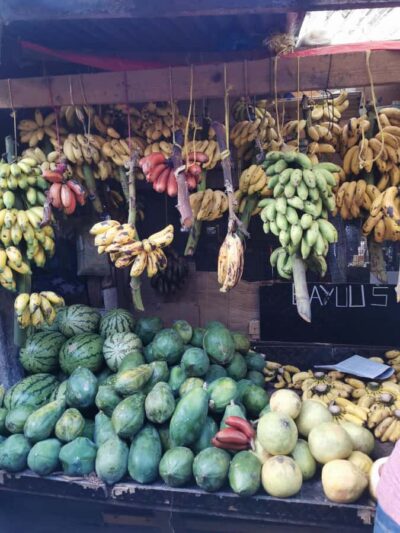
Darajani Market is likely to be one of the most memorable parts of the walk. The route takes you through fruit and spice stalls, giving you a direct look at local trade and food culture.
This is where the tour feels most grounded. Historic buildings explain the past, but the market shows how the city functions now. You can expect close quarters, strong smells, colorful produce, and a steady flow of buying and selling, though the exact atmosphere changes with the time of day.
A guide is useful here because market customs can be easy to misread. You should follow the basic rule given for the tour: do not photograph anyone without permission. Keep your attention on people as well as products, and ask before taking pictures of a stallholder or customer.
There is one practical warning about spice stops. One positive account praised the information but felt the guide directed the group to a particular spice stand where prices seemed higher than elsewhere. I would treat any recommended shop as one option, not an obligation. Compare prices, ask what is included, and keep enough time for the market itself.
Another guide took the group to a local art association, where artists displayed paintings and taught visitors about making local products. That is a promising addition when available, but it should not be treated as guaranteed. The route can differ according to the guide and the day.
The former slave market and Anglican Cathedral
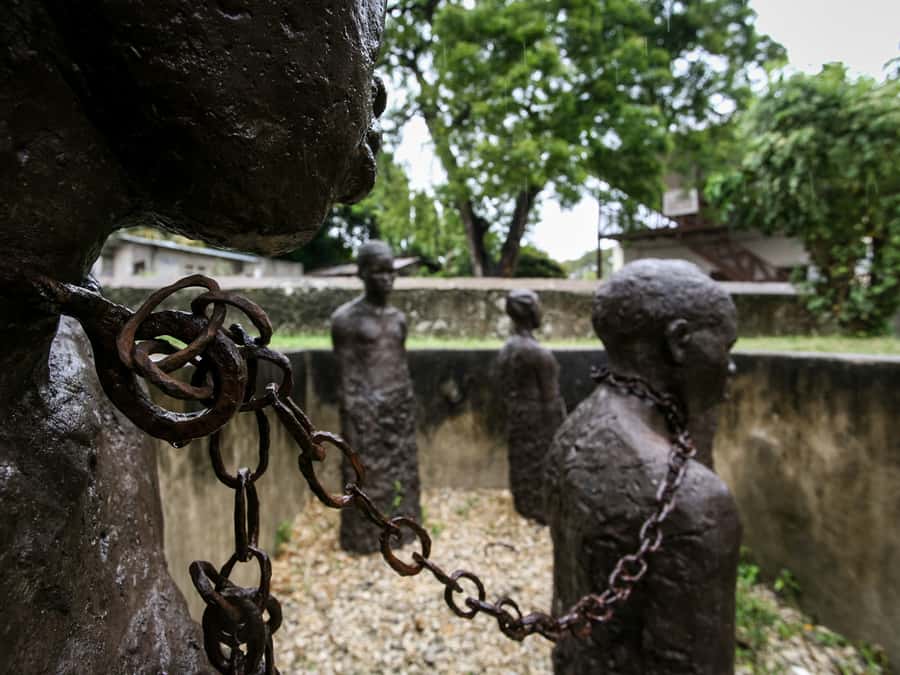
The Anglican Cathedral is built on the site of the former slave market, making this the most emotionally weighty stop. The market operated for centuries as a major center in the East African slave trade, with enslaved people hunted and abducted from areas including Malawi, Congo, Zambia, and other parts of East Africa.
This part of the tour deserves time and care. You are not simply checking off another landmark. You are confronting a system that affected countless lives and shaped Zanzibar’s links with the wider region.
A guide can help explain the site without reducing it to a quick story. Ask questions if the schedule allows. Find out which parts of the former market are included and whether the guide will accompany you inside.
One account criticized a guide for not entering the slavery museum, even though other guides were present inside. That makes a useful booking point: the quality of interpretation may depend heavily on the individual guide. If this stop matters to you, say so at the beginning and ask for a clear explanation of what you will see.
The cathedral and former market are also places where respectful behavior matters. Dress below the knees, keep your voice low, and follow any photography rules. The clothing requirement applies throughout the tour, but it is especially important at religious and historic sites.
Freddie Mercury’s house and Stone Town’s modern identity
The route includes a stop connected with Freddie Mercury, who was born in Zanzibar. The building gives the tour a modern cultural link that contrasts with the fort, palace, and former slave market.
Do not assume this means you will enter a dedicated museum. One account said the guide did not show the museum or clearly identify the house, while another part of the information describes a visit to the Freddie Mercury house. The safest approach is to ask whether you will see the exterior, enter a museum, or simply pass the location.
This stop matters because Stone Town is not defined only by old empires and trade. The city also belongs to people whose lives connect Zanzibar with music, migration, and international culture. A good guide can place the Freddie Mercury site in that wider picture without letting it overshadow the older landmarks.
Curio shops, Jaws Corner, and narrow streets
The walking portion includes curio shops, bazaar streets, and leisure time in Stone Town’s narrow lanes. This is the section where you get the most freedom, but the amount of free time may be limited.
You might find carved items, paintings, souvenirs, and local crafts. Bargaining customs and prices vary, so take your time before buying. If a shop feels too persistent, you can politely say no and keep walking.
Jaws Corner coffee shop provides another small but telling stop. It is associated with local social life and gives the guide a chance to explain how people use these central spaces. The tour does not promise a drink, so think of it as a place of interest rather than a café visit included in the price.
Several narrow streets hide unexpected views and small details. This is where comfortable shoes earn their place. You may be walking for most of the three hours, and luggage or large bags are not permitted. Bring only what you need, including sunscreen.
The free time is useful, but one person wished the tour lasted longer for shopping. I agree with that limitation. If you want serious souvenir hunting, plan a separate return visit rather than expecting this tour to combine a full city history lesson with a relaxed shopping session.
Guides, language, and the three-hour pace
The tour offers a live guide in Spanish, French, German, Italian, and Russian. That range is valuable if you want explanations in a language other than English, though you should confirm the language and guide assignment when booking.
The guide names attached to particularly positive experiences include Amari, Mohammed, and Mohamed. Their strengths were clear explanations, cultural context, patience with questions, and personal attention. One person described the tour as a helpful overview of Stone Town’s history and culture, while another praised the way the guide added local anecdotes.
Communication about pickup time has not always been perfect. One person had trouble confirming the collection time but solved it through direct contact. If you are staying in Stone Town, the stated pickup time is 9:00 AM, with the guide meeting you in the hotel lobby. Confirm this in advance, especially if you have a ferry, flight, or other fixed plan.
Three hours sounds generous until you count the stops. A likely rhythm is:
- A short greeting and briefing
- The Old Fort and central historic buildings
- The House of Wonders and Sultan Palace area
- Forodhani Gardens and the ferry terminal
- Darajani Market
- The former slave market and Anglican Cathedral
- Freddie Mercury’s house, curio shops, Jaws Corner, and narrow lanes
The exact order can change. The important point is that this is an overview walk, not a full-day study of every site.
Price, pickup, and practical value
The $27 price includes hotel pickup and drop-off, the guide fee for the markets, Sultan Palace entrance, and government taxes. For a private group option, that can be good value if you want a flexible conversation and a route shaped around your interests.
For a shared setting, the value depends on how much attention the guide gives your group. The strongest experiences come when the guide explains rather than rushes, answers questions, and uses the city itself as the teaching material.
Hotel pickup saves you the trouble of finding the meeting point. If you are staying in Stone Town, pickup is listed for 9:00 AM at your lobby. The pickup benefit matters more if you are staying outside the old town, but the exact transfer time is not provided, so allow room in your schedule.
Free cancellation up to 24 hours before the start gives you some protection if plans change. You can also reserve now and pay later, which helps if your Zanzibar schedule is still moving.
Who should book this walk?
I would recommend it to anyone visiting Stone Town for the first time who wants a broad introduction in one morning. It suits you if you enjoy history, markets, architecture, local stories, and walking from place to place.
It is especially useful for you if:
- You want a guide to explain the former slave market and Zanzibar’s cultural background.
- You prefer seeing daily life in Darajani Market rather than visiting only formal monuments.
- You want hotel pickup and a fixed route.
- You are comfortable with a brisk three-hour walk.
- You want a private group option or a guide in Spanish, French, German, Italian, or Russian.
I would be more cautious if you have significant mobility limits. The activity is marked wheelchair accessible, but the narrow streets and fort entrance may not work well. Ask for a precise accessibility description before paying.
I would also avoid treating the tour as a shopping trip. You get some leisure time, but the schedule is mainly about orientation and history. For unhurried shopping, return on your own.
Should you book the Zanzibar Stone Town walk?
Book it if you want a reasonably priced overview with a strong mix of landmarks, markets, and difficult history. The best guides, including Amari and Mohammed, appear to add real value by explaining the city and responding to questions rather than simply leading you from one photo stop to another.
Before booking, confirm three things: which sites you will enter, whether the Freddie Mercury stop is an exterior visit or museum admission, and how the route handles mobility needs. Also make clear that you want time at the former slave market and not an extended stop at one spice shop.
With those points settled, this is a sensible first look at Stone Town. It will not show you everything, but it can give you the structure and context you need to explore the city more thoughtfully afterward.
FAQ
How long is the Stone Town walking tour?
The tour lasts three hours, including the main historic sites, markets, waterfront stops, and leisure time in the narrow streets.
How much does the tour cost?
The listed price is $27 per person.
Is hotel pickup included?
Yes. Hotel pickup and drop-off are included. If you stay in Stone Town, the stated pickup time is 9:00 AM, with the guide collecting you from your hotel lobby.
Which places are included on the route?
The route includes the Old Fort, also called the Arab Fort, the House of Wonders, Forodhani Gardens, Darajani fruit and spice market, Zanzibar ferry terminal, Freddie Mercury’s house, Zanzibar Curio Shop, Jaws Corner coffee shop, the Anglican Cathedral, and the former slave market site.
Is entrance to the Sultan Palace included?
Yes. The Sultan Palace entrance fee is included.
Is the tour available in languages other than English?
Yes. Live guides are available in Spanish, French, German, Italian, and Russian.
Can I book a private group?
Yes. A private group option is available.
Is the tour wheelchair accessible?
The activity is described as wheelchair accessible, but it is also marked as unsuitable for people with mobility impairments. Narrow streets and the entrance to the fort may create difficulties, so confirm the route before booking.
What should I wear?
Wear clothing that reaches below the knees. Comfortable walking shoes are recommended, and sunscreen should be brought.
Can I bring luggage or a large bag?
No. Luggage and large bags are not allowed.
Can I cancel for a refund?
Yes. You can cancel up to 24 hours in advance for a full refund. You can also reserve now and pay later.
Just added in Zanzibar
- Best of Zanzibar: Spice Tour & Stone Town Visit★ 4.4 · 5 reviews
- Stone Town: Private Walking Tour in the Heart of Zanzibar.★ 5.0 · 1 review
- The rock restaurant and blue Lagoon★ 5.0 · 1 review
- THE GREEN TOUR: Jozani Forest & Mangrove Kayaking Experience★ 4.7 · 6 reviews
- Tea House, Zanzibar Coffee House, Spice Tour with Lunch★ 5.0 · 1 review
- Swimming with sea turtles in salaam cave★ 5.0 · 1 review
- Swim with Turtles at The Lagoons Zanzibar & Stone Town Tour★ 4.8 · 4 reviews
- Stonetown & Prison island Cultural Tour★ 5.0 · 2 reviews
Stone Town Tours, compared.
Stone Town, Spice Tour, Prison Island with Lunch
Read our review →

Stone Town, Spice tour & Prison Island with Lunch
Read our review →
3 Hours Private Stone Town walking Tour with Guide
Read our review →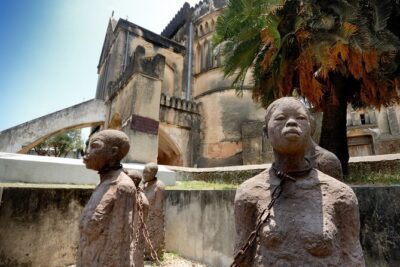
Full-Day Private Stone Town +Spice Farm and Prison Island Tour
Read our review →
Stone Town Historical Cultural Walking Guided Tour
Read our review →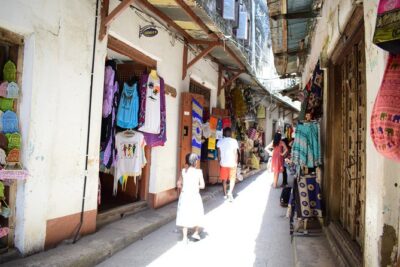
Browse the lists this tour appears in