
Reviewed · STONE TOWN TOURS
Zanzibar: Stone Town History Walking Tour with a Local Guide
Stone Town rewards slow feet. This $12, three-hour walk brings you through narrow lanes, markets, historic buildings, and famous landmarks with a local guide. I especially like the chance to see the city at walking pace and the private format, which lets you ask questions and set a comfortable rhythm. The main drawback is that the historical detail may depend heavily on your guide.
I also like that water and admission to the Former East Africa Slave Market are included. Guides such as Isaak, Abdi, and Abdi have received praise for clear explanations, thoughtful pacing, and adapting the route to individual interests. If you want a detailed account of the slave trade, the 1960 revolution, and Zanzibar’s modern economy, make those questions clear at the start.
In This Review
- Key points to know before you book
- Why three hours is a good length for Stone Town
- Beginning among Stone Town’s narrow lanes
- House of Wonders and the city’s grand landmarks
- Markets, crafts, and everyday Stone Town
- The Former East Africa Slave Market
- Freddie Mercury Museum: an optional extra
- How much history will you hear?
- Price, pace, and practical value
- What to wear and how to prepare
- Who will enjoy this walk most?
- Should you book the Stone Town walking tour?
- FAQ
- How long does the Stone Town walking tour last?
- How much does the tour cost?
- Is the tour private?
- Which languages are available?
- Is hotel pickup included?
- What admission is included?
- Is the Freddie Mercury Museum included?
- What should I bring?
- Is the tour wheelchair accessible?
Key points to know before you book
- Three hours on foot: You will cover Stone Town’s lanes, markets, landmarks, food areas, and craft stalls at walking pace.
- Private group format: The guide can adjust the pace, answer your questions, and make room for photo stops or breaks.
- Strong local touch: Guides such as Isaak and Abdi have been praised for friendly conversation, good pacing, and helpful introductions to Stone Town.
- Good value at $12: Water, guiding, and entry to the Former East Africa Slave Market are included.
- Several major sights: The route can include the House of Wonders, Old Fort, Forodhani Gardens, markets, and notable Swahili buildings.
- Dress and footwear matter: Expect uneven, narrow streets. Comfortable shoes and modest clothing will make the walk easier and more respectful.
Why three hours is a good length for Stone Town
Stone Town is compact, but it is not simple. Its lanes twist without much warning, doors and balconies carry stories, and a short turn can take you from a market to a palace wall or a quiet residential passage. Three hours gives you enough time to get your bearings without turning the walk into an endurance test.
You will spend the tour walking, stopping for explanations, taking pictures, browsing markets, and pausing when needed. The schedule also allows some free time, so you are not rushed from one sight to the next like a person trying to tick boxes on a museum list.
The private group setup is important here. In a large group, narrow lanes can make it hard to hear or ask questions. With a private guide, you can slow down for architecture, spend longer at a market, or ask for more background on a subject that interests you.
One practical note: the tour information says pickup can be arranged from your hotel lobby or main entrance if requested. The standard meeting and ending points are in Stone Town, so confirm the pickup details when you book and be ready 10 minutes before the arranged time.
More History Tours in Zanzibar
- Zanzibar: Stone Town Historical Cultural Walking Guided Tour
★ 4.5 · 179 reviews - Stone Town Historical Walking Tour
★ 5.0 · 143 reviews - Stone Town’s Hidden History: Private Guided Walking Tour
★ 4.6 · 94 reviews
Beginning among Stone Town’s narrow lanes
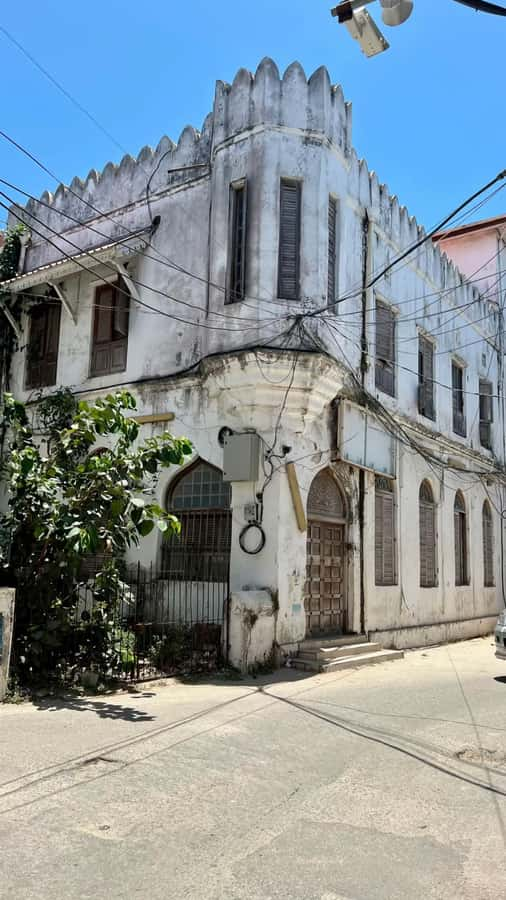
The walk starts in Stone Town, the historic center of Zanzibar City. Your first impression is likely to be the streets themselves. They are narrow, uneven, and full of small visual details, so this is not a tour for stiff shoes or a hurried pace.
A local guide gives these lanes a useful human scale. Instead of seeing only old walls and attractive doorways, you can ask what a building was used for, how the city developed, or why certain design details appear again and again. The tour focuses on Swahili culture, architecture, local traditions, palaces, and Zanzibar’s role in the spice trade.
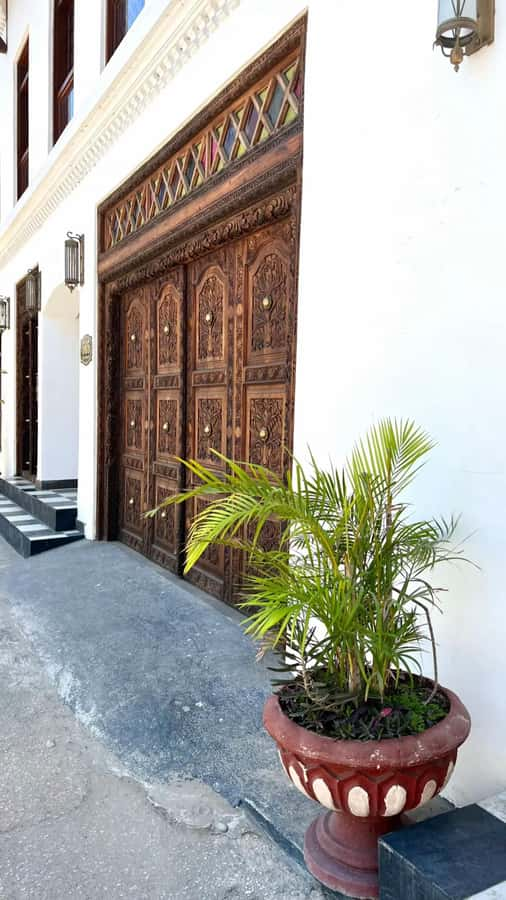
Bring a camera, but do not let it take over the walk. Stone Town is highly photogenic, with colorful buildings, carved doors, markets, and tight alleyways that frame good pictures. The best benefit of a guide is knowing when a detail is worth noticing, not simply collecting more photographs.
The tour is offered with guides who speak English, French, German, Italian, or Spanish. That range is useful, though the depth of the explanation can vary by guide and by the questions you bring. One German-language experience received a low score because the visitor wanted more detail about the slave trade, the 1960 revolution, and current economic conditions. That is a fair warning for history specialists: say what you want to learn before the walk gets underway.
House of Wonders and the city’s grand landmarks

The House of Wonders is one of the named landmarks on the route. Its name alone hints at the ambitions of historic Zanzibar, where palaces, trade, and political power shaped the city’s appearance. Your guide can help connect the building to the wider story of Stone Town rather than treating it as a quick photo stop.
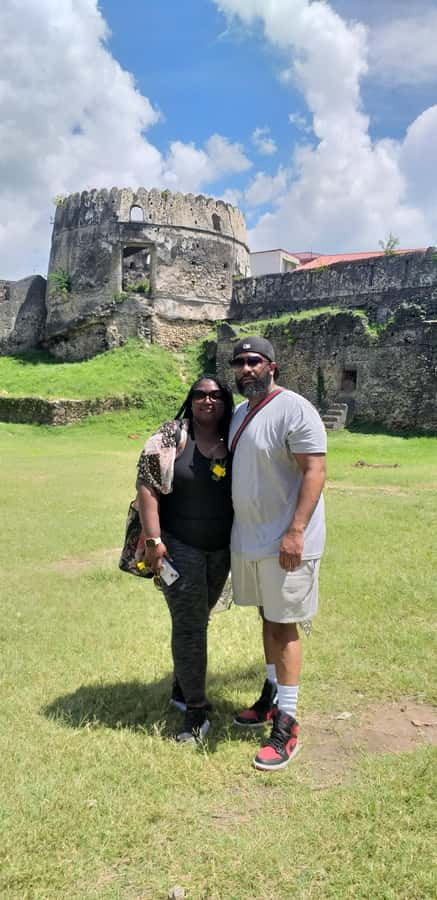
The tour also includes the Old Fort, another major Stone Town landmark. Here, the value is not only the structure itself but the way it fits into the city around it. A guide can point out how defensive buildings, public spaces, markets, and waterfront areas relate to one another.
Forodhani Gardens is also part of the sightseeing plan. It is especially useful as a place to understand the connection between Stone Town’s streets and the sea-facing side of the city. The itinerary includes food-market time, but the supplied details do not promise a meal or tasting, so plan to pay for any food you choose to buy.
The pace matters at these stops. One guide, Adina’s guide, was praised for setting a comfortable rhythm, finding pleasant places to rest, answering questions, and pointing out unusual architectural features. That is exactly the sort of service that makes a walking tour work. You get enough explanation to understand what you see, but you are not forced to stand in one place for the whole afternoon.
Markets, crafts, and everyday Stone Town
The markets are a major reason to choose this experience. Stone Town is not presented as a series of silent monuments. You will also walk through food areas and arts and crafts markets, where the city’s daily life gives context to its older buildings.
Market visits can be visually rich, but they can also feel busy and distracting. Stay close enough to hear your guide, especially in narrow passages. Keep your belongings secure and ask before photographing people, stalls, or crafts. Those small courtesies matter, particularly in a place where the tour asks you to pay attention to local customs.
The arts and crafts section gives you time to browse and perhaps shop. The tour does not include personal purchases, so bring only the money you plan to spend. You do not need to buy anything to enjoy the stop, but this is a useful part of the walk if you want to see how local design and commercial life fit into the city.
I like this mixture of landmarks and ordinary streets. A palace or fort tells you about power. A market tells you how the city functions now. Together, they give you a more rounded introduction than a tour that stays only at famous buildings.
More Walking Tours in Zanzibar
- Stone Town Private Walking Tour
★ 5.0 · 371 reviews - Zanzibar: 3 Hours Private Stone Town walking Tour with Guide
★ 4.6 · 301 reviews - Stonetown: Food Markets and Street Food Walking Tour
★ 4.7 · 151 reviews - Zanzibar Stone Town Walking Tour
★ 5.0 · 145 reviews
The Former East Africa Slave Market

Entry to the Former East Africa Slave Market is included in the price. This is one of the most important stops for anyone wanting to understand Zanzibar’s place in the history of the East African slave trade.
The supplied tour information does not promise a set level of detail, and this is where guide quality matters most. If this subject is central to your visit, ask direct questions about the trade, the site’s role, and its connection to Zanzibar’s wider past. A visitor who wanted detailed discussion of the slave trade felt the explanation was too brief, so it would be unwise to assume that every guide will provide a long historical lecture without prompting.
The inclusion still adds real value. At $12, you are not paying only for a stroll past the outside of major buildings. You receive guiding services, water, and admission to a significant historical site. Just keep your expectations specific: this is a broad introduction to Stone Town, not clearly a specialist history seminar.
Freddie Mercury Museum: an optional extra
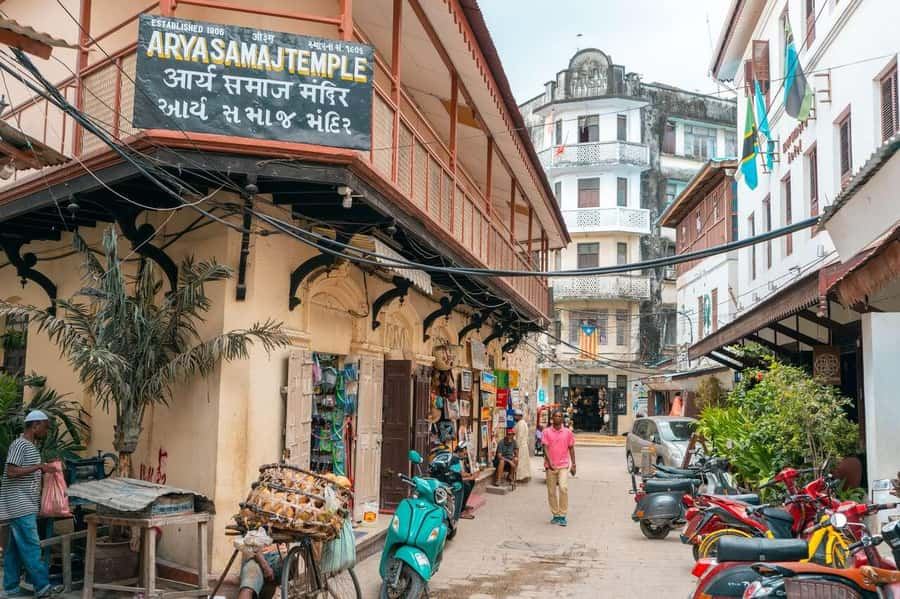
The Freddie Mercury Museum is not included. Entry costs about $8 per person, and the museum is listed as an optional addition rather than part of the basic tour price.
That separation makes the base price easier to understand. You can take the walking tour without paying for an attraction that may not interest you, then decide if you want to add it. If Freddie Mercury’s Zanzibar connection is a priority, budget for the extra fee and confirm with the guide whether it fits into your three-hour schedule.
Do not assume that every named sight receives the same amount of time. The route includes walking, photo stops, shopping, free time, markets, and historical visits. Ask early if you want more time at the museum, the Former East Africa Slave Market, or architectural sites.
How much history will you hear?

The tour promises stories about palaces, the spice trade, local traditions, Swahili culture, architecture, and Zanzibar’s past. That is a useful range for a first look at Stone Town. It gives you several ways to engage, whether you care most about buildings, trade, politics, photography, or daily life.
The feedback points to an uneven level of detail. Isaak was praised for making the walk interesting and adjusting it to personal wishes. Abdi was praised for explaining Stone Town and its past clearly. Another guide was described as informative, with a strong eye for architectural features.
At the same time, one German-language tour was criticized for not covering enough about the slave trade, the 1960 revolution and its consequences, or the current economic role of Zanzibar City and its port. I would treat that as a useful booking tip, not a reason to dismiss the experience. Tell your guide what matters to you. If you want political history, modern economics, or a detailed account of slavery, ask for those topics at the beginning.
This also explains the overall 4.4 rating from 16 reviews. Most of the available comments praise the guides, pacing, architecture, and personal attention, while one experience points to a gap between a general city tour and a more academic history tour.
Price, pace, and practical value
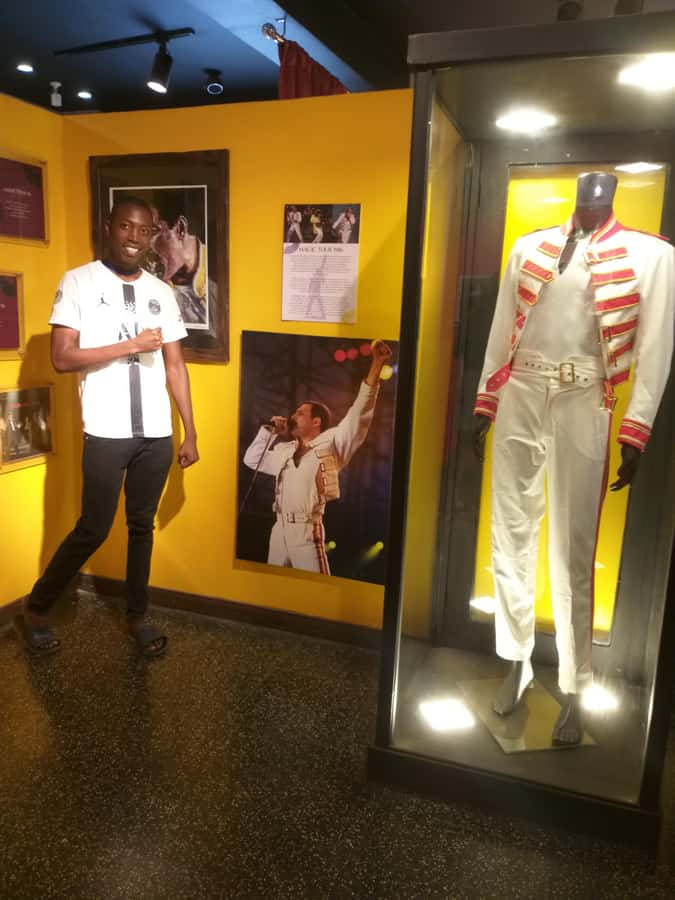
At $12 per person, this is an inexpensive way to begin a Zanzibar visit. You receive three hours of guiding, bottled water, a private group arrangement, and entry to the Former East Africa Slave Market. Hotel transfer is not part of the standard price, but it can be requested.
The value improves if you are new to Stone Town. A guide can help you understand the city quickly, show you landmarks you might otherwise pass without noticing, and answer questions while you are still looking at the building or street in front of you. That saves you from trying to assemble the whole story later.
The low price should not lead you to expect every possible admission, meal, or transfer. The Freddie Mercury Museum costs about $8 extra, personal purchases are separate, and any requested hotel transport may involve an additional charge. Read the cost as a basic walking tour with one included admission, not an all-inclusive sightseeing package.
You can cancel up to 24 hours before the start for a full refund, and you can reserve now and pay later. Those terms are useful if your Zanzibar schedule is still changing.
What to wear and how to prepare
Wear comfortable walking shoes. The lanes are narrow and uneven, and sandals with poor support could become annoying before the three hours are over. Comfortable clothing, sunglasses, a sun hat, and a camera are all sensible choices.
Dress modestly. Zanzibar has strong Muslim cultural traditions, and respectful clothing is especially important when walking through local neighborhoods and visiting historic religious or cultural settings. Loose clothing is listed as not allowed, and nudity is prohibited.
Bring water even though bottles are included. One bottle may not be enough for every person in warm conditions, particularly if you spend a lot of time outdoors. Keep your camera ready, but use it with care around people and market stalls.
The tour is listed as wheelchair accessible, but the same information warns that the route involves narrow, uneven streets. Ask for precise route details before booking if you use a wheelchair or have limited mobility. People with back problems are advised against taking the tour, and the activity is also listed as unsuitable for people with altitude sickness.
Who will enjoy this walk most?
I would recommend it to first-time visitors who want a quick introduction to Stone Town before exploring alone. It also suits photographers, culture-focused visitors, and anyone who prefers personal conversation to a fixed large-group script.
The private format is a strong match for families or couples with different interests. One person can ask about architecture while another focuses on markets or photography. The guide can adjust the pace, include breaks, and respond to questions.
History specialists should book with a clear plan. This tour covers important subjects, but the available information does not promise a specialist-level treatment of slavery, the 1960 revolution, or modern port economics. If those topics are essential, ask in advance which guide is available and explain the depth you want.
You may want to skip it if you cannot comfortably walk for three hours, have serious back problems, or strongly dislike uneven streets. It is also not the right choice if you want a full meal, all museum admissions, or hotel transport included in the headline price.
Should you book the Stone Town walking tour?
Book it if you want an affordable, private introduction to Zanzibar’s historic center, with a local guide, market time, major landmarks, and an included visit to the Former East Africa Slave Market.
The strongest reasons are the price, the flexible pace, and the chance to ask questions as you walk. Guides such as Isaak and Abdi have earned praise for clear explanations and personal attention, while another guide received positive feedback for giving useful architectural details and choosing good break points.
Before booking, make one request clear: tell the guide which subjects matter most to you. That small step may turn a pleasant sightseeing walk into the history-focused experience you want. If you arrive with comfortable shoes, modest clothes, a camera, and realistic expectations about the extra costs, this tour offers a sensible first look at Stone Town.
FAQ
How long does the Stone Town walking tour last?
The tour lasts three hours, including guided walking, photo stops, market visits, free time, shopping, and breaks.
How much does the tour cost?
The listed price is $12 per person.
Is the tour private?
Yes. The activity is offered as a private group experience.
Which languages are available?
Live guiding is available in English, French, German, Italian, and Spanish.
Is hotel pickup included?
Pickup from your hotel lobby or main entrance can be arranged on request. The standard pickup and drop-off locations are in Zanzibar, Stone Town.
What admission is included?
Entry to the Former East Africa Slave Market is included.
Is the Freddie Mercury Museum included?
No. Entry is separate and costs about $8 per person.
What should I bring?
Bring comfortable shoes, sunglasses, a sun hat, comfortable clothes, and a camera. Bottled water is included.
Is the tour wheelchair accessible?
The activity is listed as wheelchair accessible, but the route includes narrow and uneven streets. If you need specific mobility support, confirm the route details before booking.
More Stone Town Walking Tours
- Zanzibar: Stone Town, Spice Tour, Prison Island with Lunch
★ 4.4 · 1,219 reviews - Zanzibar: Prison Island, Stone Town, & Spice Farm Tour
★ 4.5 · 579 reviews - Zanzibar: Stone Town, Spice tour & Prison Island with Lunch
★ 4.6 · 453 reviews - Full-Day Private Stone Town +Spice Farm and Prison Island Tour
★ 4.5 · 216 reviews
Just added in Zanzibar
- Zanzibar:Ngoma local culture workshop,The Knowledge of Ngoma★ 5.0 · 1 review
- ZANZIBAR:Mnemba island, Spice farm and Jozani Forest★ 5.0 · 1 review
- Zanzibar: Zipline Adventure At Masingini Forest★ 4.6 · 2 reviews
- Zanzibar Walking Tour: Unveiling the Secrets of Stonetown★ 4.8 · 11 reviews
- Zanzibar: Walking Spice Farm with Local Cooking Class★ 4.4 · 9 reviews
- Zanzibar: Walking Tour★ 4.0 · 1 review
- Zanzibar: Uzi Island Mangrove Kayak Tour with Guide★ 5.0 · 1 review
- Zanzibar: Unique Guided Mangrove Tour by SUP or Kayak★ 5.0 · 1 review
Stone Town Tours, compared.

Stone Town, Spice Tour, Prison Island with Lunch
Read our review →

Stone Town, Spice tour & Prison Island with Lunch
Read our review →
3 Hours Private Stone Town walking Tour with Guide
Read our review →
Full-Day Private Stone Town +Spice Farm and Prison Island Tour
Read our review →
Stone Town Historical Cultural Walking Guided Tour
Read our review →
Browse the lists this tour appears in