
Reviewed · STONE TOWN TOURS
Zanzibar Stone Town Private Walking Tour
Stone Town rewards slow feet. This three-hour private walk brings together Zanzibar’s layered past, from the Old Slave Market and Anglican Cathedral to the Arab Fort, Palace Museum, and Old Dispensary. I especially like the one-group format, which lets you ask questions freely, and the way the tour connects grand buildings with the streets, markets, smells, and daily life around them. The main thing to consider is the heat and uneven walking, especially if you are not used to spending several hours on foot.
The guide Abdul, also known as Abdulrazak, receives particularly warm praise for his friendly manner, clear English, and strong command of Zanzibar’s past and present. Mcha has also led the walk, and the team has shown flexibility with timing. At $26 per person, the tour is a good-value introduction to Stone Town, though lunch and any extra purchases are not included.
In This Review
- Key points to know before you book
- Starting at Forodhani Gardens and Cape Town Fish Market
- Forodhani Gardens and the first look at Stone Town
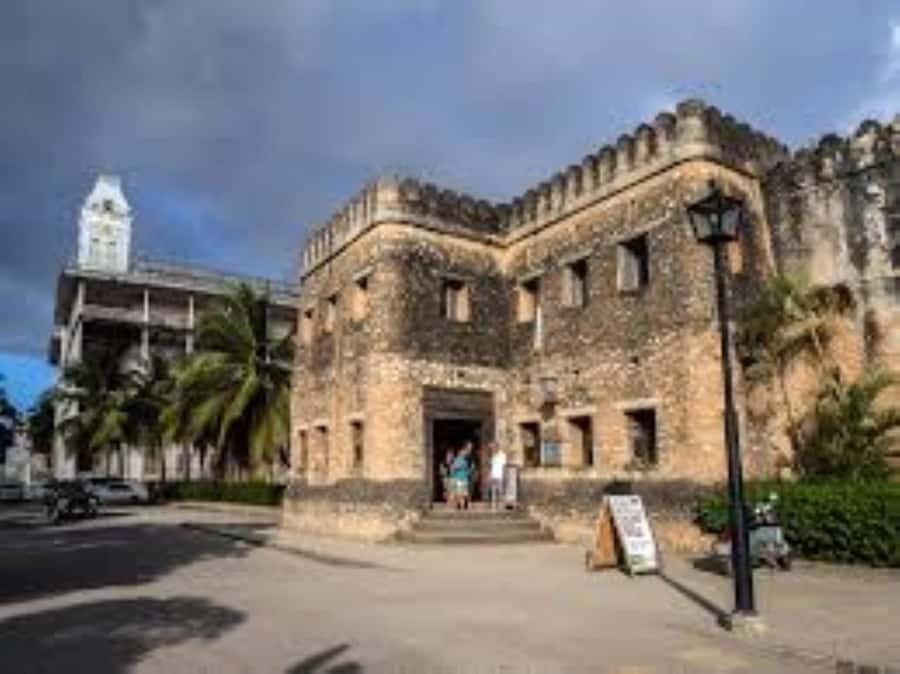
- Fuerte Viejo De Zanzibar and the Arab Fort
- The House of Wonders and a famous ruin
- The Palace Museum and the former sultan’s home
- The Old Dispensary and Stone Town’s mixed architecture
- The Old Slave Market and Anglican Cathedral
- Why the guide matters on this walk
- What the $26 price really gets you
- Who will enjoy this Stone Town tour most
- Practical tips for a better three hours
- Should you book the Stone Town walk?
- FAQ
- How long is the Zanzibar Stone Town Private Walking Tour?
- How much does the tour cost?
- Is this a private tour?
- Where does the tour begin?
- Where does the tour end?
- What places are included on the walking route?
- Is lunch included?
- Can I cancel for a full refund?
Key points to know before you book
- Three hours on foot: A compact route covers several of Stone Town’s most important landmarks without taking up a full day.
- Private guiding: Only your group joins, so you can ask questions, slow down, or adjust the pace.
- A serious look at history: The Old Slave Market and Anglican Cathedral provide difficult but important context about Zanzibar’s past.
- Strong guide praise: Abdul and Mcha are noted for warmth, clear English, reliability, and family-friendly service.
- Convenient central meeting point: The walk begins at Cape Town Fish Market by Forodhani Gardens and ends at the same meeting point.
- Good short-stop value: At $26 per person, it works well for a first morning or afternoon in Stone Town.
Starting at Forodhani Gardens and Cape Town Fish Market

The meeting point is Cape Town Fish Market Zanzibar, beside Forodhani Gardens in central Stone Town. This is a useful place to begin because you are already near the waterfront, the old fort, and several major historic buildings.
Forodhani Gardens is described as a small park in Stone Town’s historic center. It gives the tour a natural starting point before you head into the narrower streets. I like this arrangement because it moves you from an open public space into the maze of old lanes, making the city’s compact layout easier to understand.
Your booking uses a mobile ticket, and confirmation is sent within 48 hours, subject to availability. The tour ends back at the same meeting point, which helps if you need to return to a hotel, meet your group, or continue with another plan.
The exact walking pace will depend on your guide and group. Since this is a private activity, you have a better chance of keeping the route comfortable than you would on a large group walk. Still, three hours is enough time to feel the heat. Wear light clothing, use sun protection, and bring water.
More Walking Tours in Zanzibar
- Stone Town Private Walking Tour
★ 5.0 · 371 reviews - Zanzibar: 3 Hours Private Stone Town walking Tour with Guide
★ 4.6 · 301 reviews - Zanzibar: Stone Town Historical Cultural Walking Guided Tour
★ 4.5 · 179 reviews
Forodhani Gardens and the first look at Stone Town
Forodhani Gardens introduces you to the public side of Stone Town before the tour turns toward its historic core. The area is associated with the waterfront and local food, and it helps you see how the old city remains part of everyday Zanzibar rather than functioning only as a museum district.
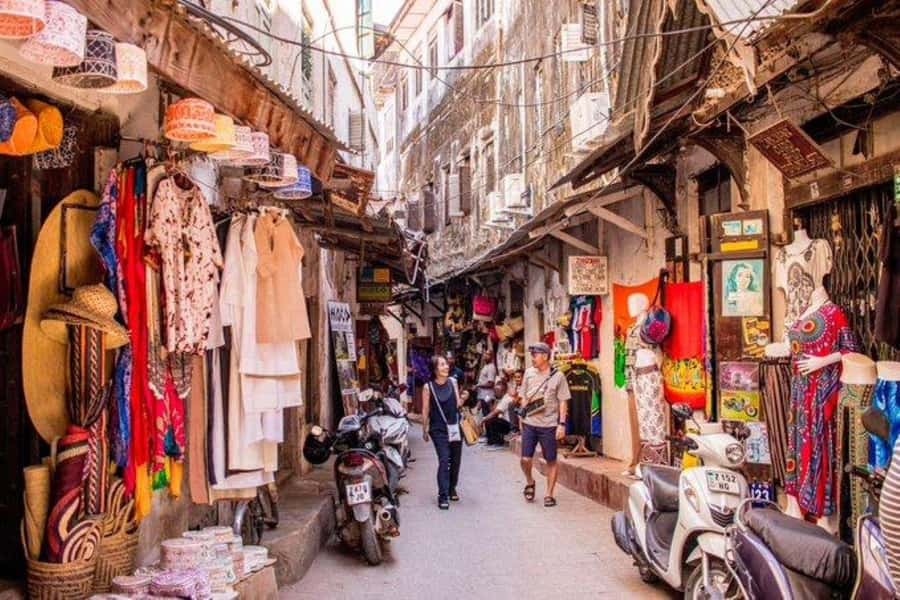
The tour overview points to the mix of cultures, markets, architecture, and spice aromas that shape Stone Town. Those details matter because the city makes the most sense when you connect its buildings with its trading past and present-day life.
I would not expect a long stop here. Think of Forodhani Gardens as a meeting place and orientation point. Your guide can help explain where you are and how the nearby buildings fit together before the walking route begins in earnest.
Fuerte Viejo De Zanzibar and the Arab Fort
From Forodhani Gardens, the route continues to Fuerte Viejo De Zanzibar, commonly called the Arab Fort. It is one of Stone Town’s oldest buildings and was originally built by the Portuguese in the 17th century.
This stop gives you a clear example of how control of Zanzibar changed over time. The fort’s Portuguese origins are a useful reminder that the island’s story includes European powers as well as Arab, African, and Indian influences. A good guide can turn the walls from a photo stop into a lesson about power, trade, and the strategic importance of the island.
The fort is also a practical point in the walk. It is close to the waterfront and the other central landmarks, so you can cover it without a long transfer. You will be walking through the old city rather than riding between isolated attractions.
The trade-off is that a three-hour tour cannot spend unlimited time at every building. If you want a very detailed architectural study of the fort, you may need to ask your guide to focus more of the available time here.
The House of Wonders and a famous ruin
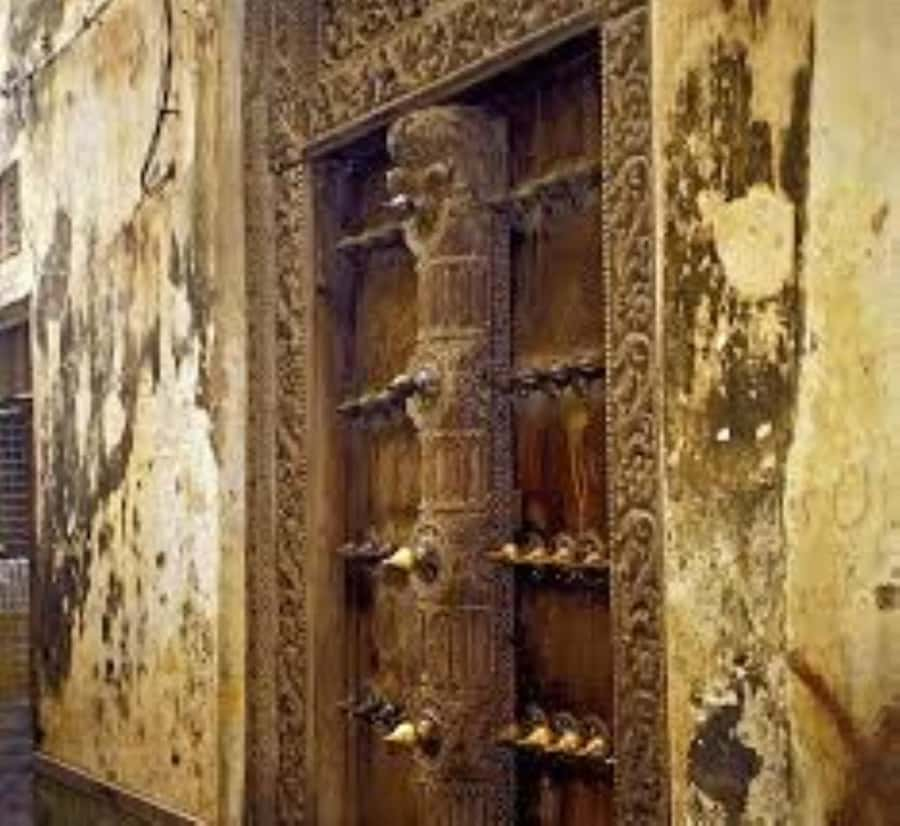
The next part of the route passes the ruins of the House of Wonders. The guide explains how it received its name and why the building became known across East Africa.
Even in ruined form, the House of Wonders is an important sight because its name points to Zanzibar’s place in regional history. The tour does not simply present it as an old façade. It uses the building to explain why it mattered and how its reputation spread beyond Stone Town.
This is one of the places where a private guide can add real value. On your own, you may walk past the ruins, take a photograph, and move on. With Abdul, Abdulrazak, Mcha, or another assigned guide, you can ask what made the building unusual and how it relates to the nearby fort, palace, and waterfront.
The information provided does not promise entry into the House of Wonders. Expect to pass the ruins and hear the story rather than tour a fully restored interior.
More Stone Town walking tours:
- Zanzibar: Stone Town, Spice Tour, Prison Island with Lunch
★ 4.4 · 1,219 reviews - Zanzibar: Prison Island, Stone Town, & Spice Farm Tour
★ 4.5 · 579 reviews - Zanzibar: Stone Town, Spice tour & Prison Island with Lunch
★ 4.6 · 453 reviews - Full-Day Private Stone Town +Spice Farm and Prison Island Tour
★ 4.5 · 216 reviews
The Palace Museum and the former sultan’s home
The walk then reaches the Palace Museum, also called the Sultan’s Palace. This stop shifts the focus from military power to royal life and Zanzibar’s ruling sultans.
I find this part important because it adds another layer to Stone Town. The fort tells one story about defense and outside powers. The palace helps explain the island’s courtly and political past. Together, the two buildings show how much authority was concentrated in this small historic center.
The tour itinerary identifies the building as the Palace Museum and the Sultan’s Palace, but it does not specify how long you will spend inside or whether a separate museum admission is required. The tour price includes all fees and taxes, yet the safest approach is to confirm the planned access with the provider if entering the museum is essential to you.
Even if the stop is mainly exterior, it remains worthwhile for the context. Your guide can tie the palace to the other buildings along the route and explain how Stone Town’s history developed through several cultural and political influences.
The Old Dispensary and Stone Town’s mixed architecture

The Old Dispensary comes next. Its location along the route makes it another chance to examine Stone Town’s architecture at close range.
The overview emphasizes the blend of cultures and the city’s striking buildings. The Old Dispensary fits that theme well, since it is known as one of the historic structures that helps give Stone Town its distinctive character. You can expect your guide to point out the building as part of the city’s architectural story rather than treating it as a quick name on a checklist.
This is where walking works better than a vehicle. Stone Town’s older streets are compact and maze-like, and the experience comes from moving between façades, lanes, doors, markets, and public spaces. A car would get you from one sight to another, but it would remove much of the connection between them.
Keep your expectations sensible. The tour description does not promise interior visits to every landmark. Its strength is the guided route and the explanation that links the sights.
The Old Slave Market and Anglican Cathedral
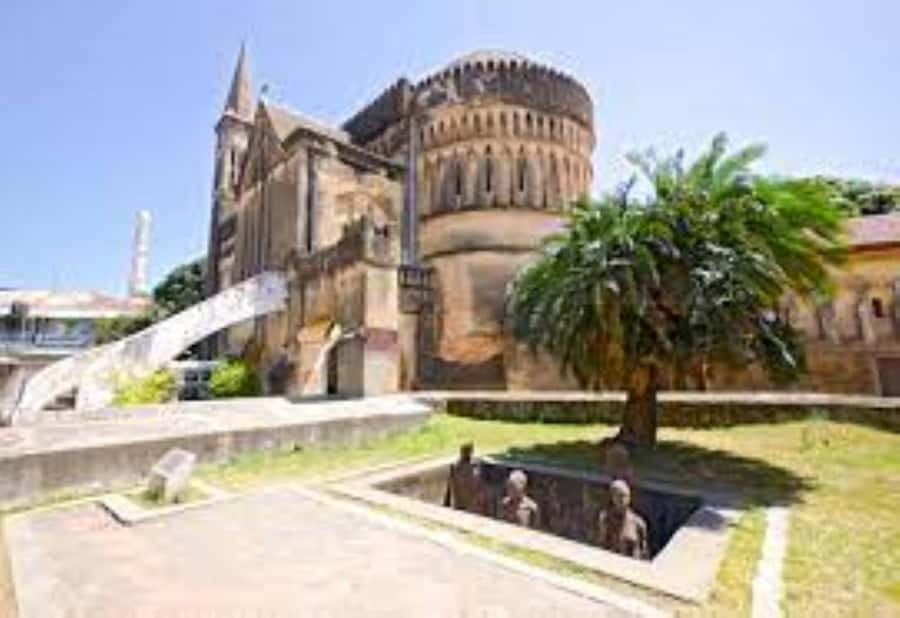
The most serious stop is the Old Slave Market and Anglican Cathedral. The cathedral is described as the most prominent example of early Christian architecture in East Africa, and it occupies a site connected to Zanzibar’s slave trade.
This part of Stone Town deserves time and respect. The subject is painful, but it is essential to understanding the island’s past and its role in regional trade. The cathedral adds another layer, showing how a Christian building was placed within a site tied to the abolition of the slave market.
I value tours that do not separate architecture from human history. Here, the building is not just a beautiful church, and the former market is not just a historic label. The stop can help you understand how religion, commerce, colonial influence, and the lives of enslaved people intersected in Zanzibar.
The supplied route begins with the Old Slave Market and Anglican Cathedral, but the sequence may vary slightly on the day. Ask your guide questions if you want more time with this subject. The private format makes that easier, particularly if your group prefers a thoughtful explanation over a fast set of photographs.
Why the guide matters on this walk

Stone Town is easy to enjoy visually, but it is harder to understand without help. The buildings come from different periods and traditions, and the narrow streets can make the city feel confusing at first.
Abdul and Abdulrazak are praised for warmth, humor, reliability, and clear English. One family found him especially good with children, while a solo woman appreciated the care and sense of security he provided during her Zanzibar visit. Those details matter if you are booking for a family or arriving in Stone Town alone.
The strongest reason to choose a private walk is the conversation. You can ask about the past and present, stop for clarification, and request a pace that fits your group. One group enjoyed the walk enough to arrange a customized full-day outing afterward, while another used Mcha for a walk that fit around a ferry departure.
That does not guarantee that Abdul himself will lead every booking. Mcha and other guides may also conduct the tour. If a particular guide is important to you, request that person when booking and confirm availability.
What the $26 price really gets you
At $26 per person, this is a modestly priced introduction to Stone Town. You are paying for a private three-hour guide-led walk, with all fees and taxes included. For a small group, that can be better value than hiring a guide independently for a shorter visit.
The price is strongest if you want context rather than simply directions. You could walk through parts of Stone Town on your own, but you would miss much of the meaning behind the fort, palace, cathedral, and former slave market.
Lunch is not included. The tour also does not promise a meal or food tasting, although one account describes eating and drinking during a wider Stone Town outing. Treat that as separate from the standard three-hour experience and plan your own meal afterward.
The walk is also a good use of time if you have only part of a day in the city. It begins and ends in central Stone Town, and the private format may allow some scheduling flexibility. Still, do not book it less than 24 hours before the start if your plans may change. Cancellation is free up to 24 hours in advance, while cancellations or changes inside that window are not refunded or accepted.
Who will enjoy this Stone Town tour most
I would choose this tour if you want a clear first introduction to Stone Town and prefer conversation to a large group. It suits couples, families, solo visitors, and small groups who want to ask questions without holding up strangers.
It is especially useful for people interested in history, architecture, religion, trade, and the changing cultures of the Swahili Coast. The combination of the fort, House of Wonders, palace, Old Dispensary, and cathedral gives you a useful framework for exploring more of the city afterward.
Families may appreciate the private setup and the guide’s reported comfort with children. Solo visitors may also value having a reliable local contact and a planned route through the old center.
I would think twice if you dislike walking, heat, historic sites connected to slavery, or explanations that move across several centuries. This is not a beach excursion, a food tour, or a full-day island trip. It is a compact city history walk.
Practical tips for a better three hours
- Bring water and sun protection: The tour lasts about three hours and takes place on foot.
- Wear sensible shoes: Stone Town’s old streets are maze-like, and comfort matters more than fashion.
- Keep questions ready: Ask about the Portuguese fort, the House of Wonders, the sultan’s palace, and the cathedral’s setting.
- Confirm your guide if needed: Abdul, Abdulrazak, and Mcha are associated with the guiding team, but a particular guide may not be guaranteed.
- Allow time after the tour: You finish at Forodhani Gardens, a useful base for continuing your own visit.
- Check museum access: The route includes the Palace Museum, but the supplied details do not confirm the exact interior-entry arrangements.
Should you book the Stone Town walk?
Book it if you want a short, private, history-focused introduction to Zanzibar’s old city. The best reasons are the small-group format, the central route, the serious look at the Old Slave Market and Anglican Cathedral, and the warm praise for Abdul and Mcha.
At $26 per person, it offers solid value for a three-hour walk, especially for a family or small group. Just keep your expectations clear: lunch is extra, the route is on foot, and not every landmark is guaranteed to include an interior visit.
For a first afternoon in Zanzibar, I would choose this tour before wandering Stone Town without a guide. It gives you the basic story, leaves you at the center of the city, and helps you see the old streets as more than a maze of attractive buildings.
FAQ
How long is the Zanzibar Stone Town Private Walking Tour?
The tour lasts approximately three hours.
How much does the tour cost?
The listed price is $26 per person.
Is this a private tour?
Yes. Only your group participates in the activity.
Where does the tour begin?
The meeting point is Cape Town Fish Market Zanzibar at Forodhani Gardens in Stone Town.
Where does the tour end?
The activity ends back at the meeting point.
What places are included on the walking route?
The route includes Forodhani Gardens, Fuerte Viejo De Zanzibar, also called the Arab Fort, the House of Wonders ruins, the Palace Museum or Sultan’s Palace, the Old Dispensary, and the Old Slave Market and Anglican Cathedral.
Is lunch included?
No. Lunch is not included.
Can I cancel for a full refund?
Yes. You can receive a full refund if you cancel at least 24 hours before the experience start time. Cancellations and changes made less than 24 hours beforehand are not refunded or accepted.
Just added in Zanzibar
- Zanzibar:Ngoma local culture workshop,The Knowledge of Ngoma★ 5.0 · 1 review
- ZANZIBAR:Mnemba island, Spice farm and Jozani Forest★ 5.0 · 1 review
- Zanzibar Walking Tour: Unveiling the Secrets of Stonetown★ 4.8 · 11 reviews
- Zanzibar: Zipline Adventure At Masingini Forest★ 4.6 · 2 reviews
- Zanzibar: Walking Spice Farm with Local Cooking Class★ 4.4 · 9 reviews
- Zanzibar: Walking Tour★ 4.0 · 1 review
- Zanzibar: Uzi Island Mangrove Kayak Tour with Guide★ 5.0 · 1 review
- Zanzibar: Unique Guided Mangrove Tour by SUP or Kayak★ 5.0 · 1 review
Stone Town Tours, compared.

Stone Town, Spice Tour, Prison Island with Lunch
Read our review →

Stone Town, Spice tour & Prison Island with Lunch
Read our review →
3 Hours Private Stone Town walking Tour with Guide
Read our review →
Full-Day Private Stone Town +Spice Farm and Prison Island Tour
Read our review →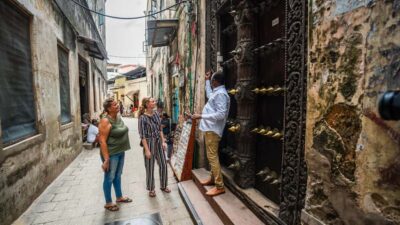
Stone Town Historical Cultural Walking Guided Tour
Read our review →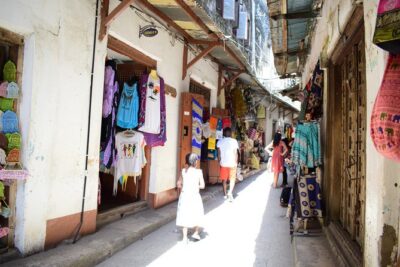
Browse the lists this tour appears in