
Reviewed · STONE TOWN TOURS
Zanzibar stone town tour
History hides around every corner. This three-hour walk through Stone Town brings you to coral-stone buildings, carved doors, the market, Old Fort, Palace Museum, and the former slave market at the Anglican Cathedral. I like that you see the town as a living place, not only as a collection of museums. I also like that the pace can stay relaxed, with time for photos, shopping, and a Swahili meal suggestion from guide Adil.
The main consideration is scope. At $29 per person, the tour offers good value for a short introduction, but the historic stops are limited and much of the experience takes place while walking through the town. Stone Town can also feel chaotic, so you should expect narrow lanes, busy streets, and a less polished setting.
In This Review
- Key points to know before you book
- Why Stone Town is worth three hours
- Beginning in the coral-stone lanes
- The market, aromas, and shopping stops
- Old Fort and the town’s changing purpose
- Palace Museum and royal Zanzibar
- The former slave market at the Anglican Cathedral
- Forodhani Gardens and the waterfront
- Guide quality and the importance of asking questions
- What $29 gets you
- Practical details for a smoother walk
- Who should book this Stone Town tour?
- Should you book it?
- FAQ
- Where does the Zanzibar Stone Town tour take place?
- How long does the tour last?
- How much does the tour cost?
- What sights are included?
- Is entrance to the former slave market included?
- Is hotel pickup available?
- Where does the tour finish?
- Which languages are available?
- Can I cancel the tour for a refund?
Key points to know before you book
- The former slave market is the emotional center: The Anglican Cathedral site offers the clearest look at Zanzibar’s painful role in the slave trade.
- You get a guided walk through Stone Town: Allow about two and a half hours for streets, markets, photo stops, shopping, and sightseeing.
- Several languages are available: Guides may lead the tour in English, German, Italian, Spanish, French, or Polish.
- The price is fair for a short private-feeling introduction: Entrance to the slave market, a guide, and bottled water are included.
- Guide quality matters: Adil received especially strong praise for clear explanations, shopping help, and food advice, while another guide was described as young but punctual and polite.
- Hotel pickup needs advance notice: Pickup is offered from Stone Town hotels, or you can meet at the agreed point.
Why Stone Town is worth three hours

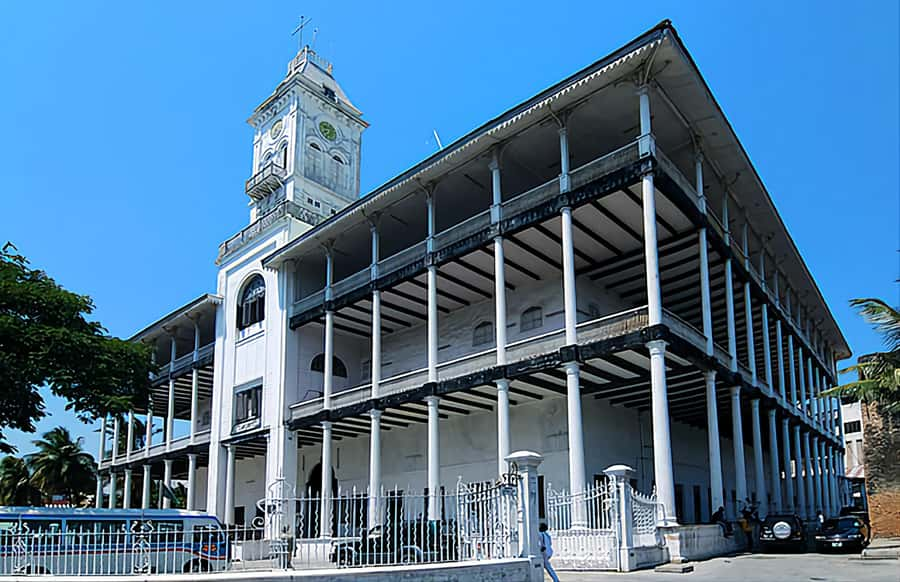
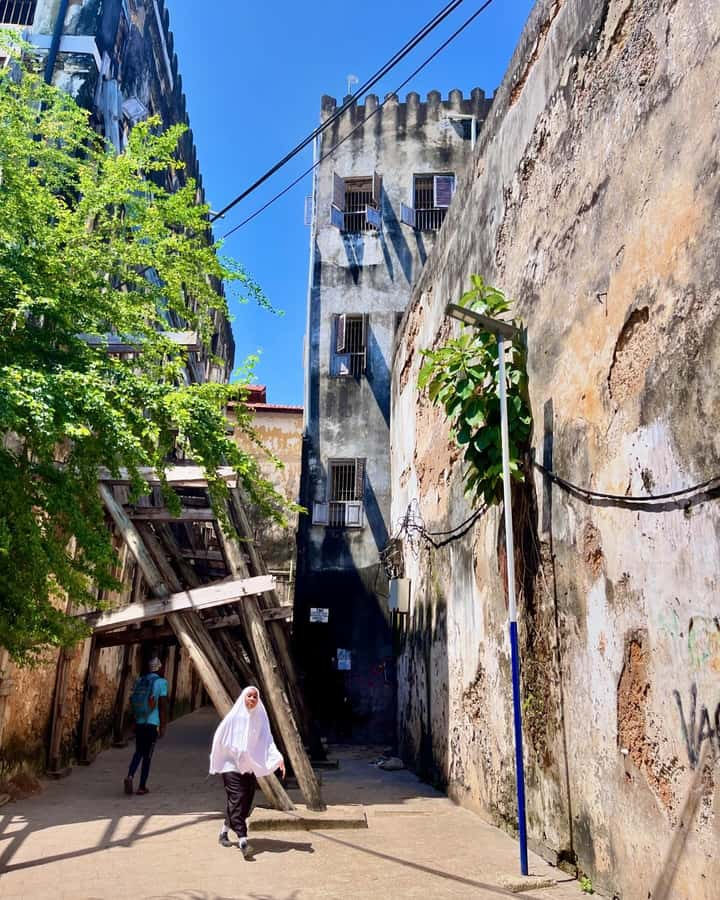
Stone Town is the old heart of Zanzibar City, on Unguja Island in Tanzania. Its coral-stone buildings line narrow lanes and alleys, creating a town where you can turn a corner and find a carved wooden door, a small market stall, or a grand old building with a very different past.
The town’s character comes from several cultures meeting over centuries. Swahili, Arab, Persian, Indian, and European influences appear in the architecture, food, trade traditions, and religious buildings. Zanzibar was once a major center for spice, ivory, and slave trading, and that past is still visible in the streets.
I think a guide is especially useful here because Stone Town can be confusing on your own. The lanes are easy to mix up, and a good guide helps connect buildings to the larger story. Without that context, you may admire the doors and balconies but miss why the town looks the way it does.
This tour also gives you a useful first look before you decide how much more time to spend in Stone Town. If you have only a short stay, it covers the principal sights at a steady pace. If you love museums and detailed history, you may want a longer visit afterward.
More Stone Town walking tours:
- Zanzibar: Stone Town, Spice Tour, Prison Island with Lunch
★ 4.4 · 1,219 reviews - Zanzibar: Prison Island, Stone Town, & Spice Farm Tour
★ 4.5 · 579 reviews - Zanzibar: Stone Town, Spice tour & Prison Island with Lunch
★ 4.6 · 453 reviews
Beginning in the coral-stone lanes
The walking portion takes about two and a half hours, including sightseeing, a guided visit, free time, photo stops, and shopping. That sounds simple, but the variety is what makes the walk work. You are not sitting through a long series of formal exhibits. You move through the town and see how historic buildings fit into daily life.
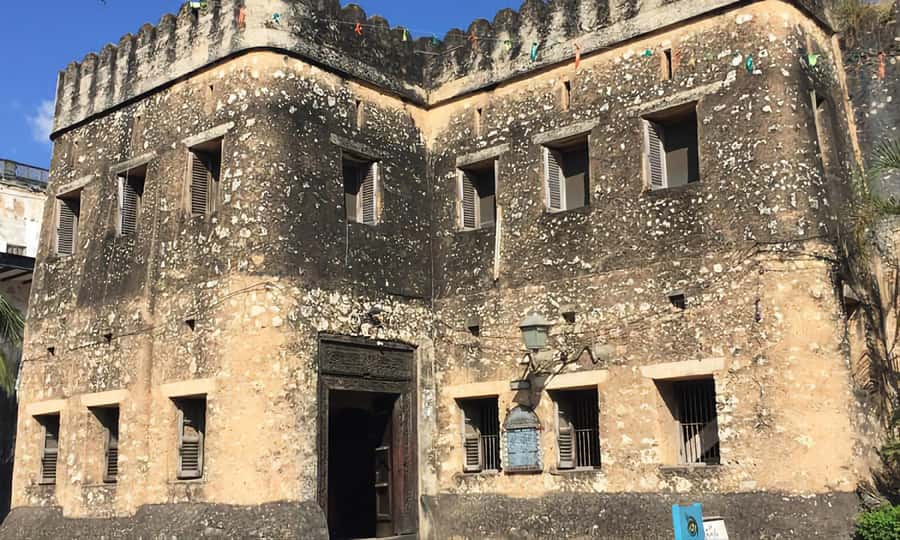
The coral-stone construction gives Stone Town its name. The buildings often have a weathered appearance, and the narrow streets can feel maze-like. Look closely at the wooden doors. Their carved designs and heavy frames are among the most memorable details in town, and they show how much care went into entrances that might otherwise be easy to overlook.
The tour is also a chance to watch the rhythm of the city. Market stalls, local crafts, spices, and food sellers bring practical life to the old streets. I like this part because it prevents the experience from becoming a dry history lesson. You see the past, but you also see people working, shopping, and moving through the same spaces.
Your guide can help explain what you are seeing and can point out details that you might miss. Adil was praised for explaining each place, helping with shopping, and suggesting a good place for Swahili food. That kind of local help can make a short tour feel more useful than a simple walk between landmarks.
The market, aromas, and shopping stops
The market is one of the tour’s most sensory sections. You may find spices, crafts, food, and the smells of fresh produce around you. The information provided for this tour does not promise a particular market route or specific purchases, so treat shopping as part of the walk rather than a guaranteed shopping program.
That distinction matters. You get time to browse, but this is not a dedicated retail tour with a long stop at selected shops. If you want to buy something, ask your guide for advice and keep your own budget in mind. A guide can help you understand what you are looking at, but you should still make your own decisions.
The relaxed pace is a real advantage. One guide, Mohammad, was praised for allowing the group to move at its own speed and stop to buy things along the way. That suits you if you prefer room for photos and questions instead of being pushed from one site to the next.
The tradeoff is that free time reduces the amount of formal history you can cover. Sylvia’s three-star assessment makes this point clearly: having a guide helped, but the number of historic sites felt limited. You should book this as an introduction, not as a full study of every important building in the old town.
Old Fort and the town’s changing purpose
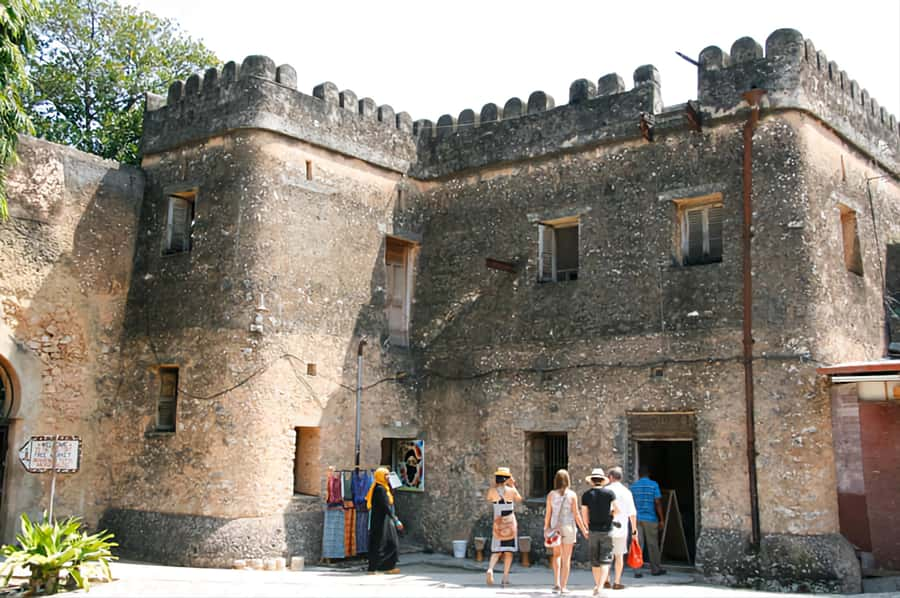
Old Fort is one of the named historic sights included in the Stone Town experience. It sits within the old city’s collection of major landmarks and helps show how Zanzibar’s buildings changed purpose over time.
The tour description does not promise a detailed interior route or a long lecture at the fort, so expect a sightseeing stop rather than an extended archaeological visit. Your guide may explain what you are seeing and provide historical context, but the exact amount of time can depend on the walking pace and the group.
This is where the tour’s short format becomes clear. You can see several important places in three hours, but you will not have unlimited time at each one. If Old Fort is your main interest, tell the guide early so you can understand how much time is available for photos and exploration.
The setting also helps you understand Stone Town’s mixed identity. This is not a single-style colonial quarter or a museum frozen in time. The town contains layers of local, regional, and European influence, and Old Fort is one part of that larger story.
A few more options to weigh up in Zanzibar
- From Zanzibar: Mikumi Safari Day Trip with Flights and Meal
★ 4.7 · 1,470 reviews - Zanzibar: Quad Bike Adventure departing from Kendwa or Nungwi
★ 4.9 · 1,233 reviews - From Zanzibar: Day Selous Game Reserve Safari with Flights
★ 4.7 · 1,025 reviews - Zanzibar: Prison Island and Nakupenda Boat Trip with Lunch
★ 4.1 · 882 reviews
Palace Museum and royal Zanzibar
The Palace Museum, also called the Sultan’s Palace in the supplied description, is another key Stone Town sight. It offers a look at Zanzibar’s royal past and gives the tour a different focus from the market and former slave market.
The building is part of the old town’s grander side, where political power and trade shaped the city. A visit here can help you picture Zanzibar as a sultanate and an important Indian Ocean trading center.
You should keep your expectations measured. The three-hour tour includes several sites, so the Palace Museum may not receive the same amount of attention as the former slave market. The information available does not specify which rooms are visited, how long you spend inside, or whether every part of the museum is open during your tour.
Still, it belongs on a first-time Stone Town route. The palace adds political and royal context, while the market shows everyday commerce and the Anglican Cathedral site confronts the town’s role in human trafficking. Together, these stops give you a more complete picture than any single attraction could provide.
The former slave market at the Anglican Cathedral
The former slave market is the most serious stop on the route. It is located at the Anglican Cathedral Church, and entrance fees to the slave market are included in the tour price.
Expect this part to feel different from the shopping streets and photo stops. The subject is painful, and the site connects Zanzibar’s commercial success to the suffering caused by the slave trade. Leanne described learning about this past as interesting and sad, while Meghna found the historical explanation especially helpful.
I consider this stop essential, even if it is difficult. A visit to Stone Town should not show only attractive doors, markets, and waterfront views. The slave market site forces you to face the human cost behind part of the island’s trading history.
The stop lasts about 30 minutes. That is enough for a focused visit and explanation, but not a long museum session. The entrance fee is included, which is helpful because you do not need to arrange this part separately.
If you prefer to take serious sites slowly, use the free time in the rest of the tour for photos and shopping, then give your full attention here. A respectful attitude matters more than trying to rush through for a quick picture.
Forodhani Gardens and the waterfront
Forodhani Gardens is described as one of Stone Town’s highlights, a waterfront park where people gather in the evening for grilled seafood and local food. The seafront also offers views across the Indian Ocean and a good place to watch the sunset.
The tour information does not specifically promise an evening visit or a meal at Forodhani Gardens. Treat it as part of the wider Stone Town experience rather than a guaranteed dinner stop. If your tour finishes near the waterfront, ask your guide whether the gardens fit your timing.
This is also where you may want to extend your own visit. The three-hour route ends at Mizingani Seafront Hotel, and the waterfront setting makes it practical to continue sightseeing afterward if your plans allow. You can use the tour as a morning introduction, then return later for food or sunset.
Do not expect the tour price to cover a meal. The included bottle of water is useful on a warm walk, but food and shopping are separate expenses.
Guide quality and the importance of asking questions
The guide can make or break a short walking tour. Four ratings produced an average of 4.2 out of 5, which suggests a generally positive experience with some variation.
Mohammad was praised for being friendly, relaxed, and willing to let the group set the pace. Adil received the strongest personal praise for explaining the sites, helping with shopping, and recommending Swahili food. Those details matter because they show the value of a guide beyond memorized facts.
Bernhard’s experience was more modest but still positive. He described his guide as young and a student, yet punctual, friendly, and correct. That is useful context: you may receive a guide who is still developing, but basic professionalism appears to be part of the service.
I would ask questions throughout the walk. If a building interests you, say so. If you want more detail at the Palace Museum or Old Fort, make that clear. A three-hour route moves quickly, and your guide needs to know what matters most to you.
What $29 gets you
At $29 per person, this is a reasonably priced way to get oriented in Stone Town. The price includes a professional guide, a bottle of water, and entrance to the former slave market. Pickup from Stone Town hotels is available if you request it in advance.
The best value comes from the guide’s local context. You could walk through the streets without paying for a tour, but you would have to find the sites, understand the history, and decide which details deserve attention. For a first visit, that extra structure can save time.
The price is less compelling if you want an exhaustive museum tour or a long list of interiors. The historic stops are limited, and the walk covers a lot of ground in a short period. Think of it as a well-priced introduction, not a full-day historical program.
The option to cancel up to 24 hours ahead for a full refund also reduces booking risk. You can reserve now and pay later, which helps if your Zanzibar schedule is still changing.
Practical details for a smoother walk
The tour lasts three hours, with starting times depending on availability. Pickup from Stone Town hotels is optional and must be requested in advance. Otherwise, you can meet at the agreed meeting point, with reception or a hotel lobby suggested for arrangements.
Wear comfortable shoes. The route includes walking, sightseeing, and narrow streets, and you will want to keep your attention on uneven or crowded areas rather than on sore feet. The supplied information does not specify the group size, so ask before booking if that matters to you.
Guiding is available in English, German, Italian, Spanish, French, and Polish. Choose your preferred language during booking and confirm it if clear communication is especially important to you.
Bring some flexibility. The tour includes free time and shopping, but the exact rhythm may depend on the guide, the group, and how long you spend at each location. Sylvia described Stone Town as relatively safe but chaotic, a fair warning for anyone expecting a quiet museum district.
Who should book this Stone Town tour?
I would choose this tour if you are visiting Stone Town for the first time, have only half a day, or want help understanding the old town before exploring on your own. It suits anyone who enjoys walking, architecture, markets, and difficult but important history.
It is also a good fit if you want practical local help. Adil’s shopping guidance and food recommendation show how a guide can add value outside the formal sights. The relaxed approach may suit you if you like to pause for photos and browse rather than follow a strict march.
I would hesitate if you want a long museum visit, a carefully timed architectural tour, or detailed access to every major landmark. The historic sites are limited, and the city can feel chaotic. You should also make sure a three-hour walk matches your energy and schedule.
Should you book it?
Book this Zanzibar Stone Town tour if you want a compact, fairly priced introduction with the former slave market as its main historical stop. The guide, water, and entrance fee make $29 a sensible package, especially for a first visit.
Go in knowing what it is: a guided walk through an old city, not a full-day museum course. Ask for the language you prefer, request hotel pickup ahead of time, and tell your guide which sights matter most. If you want a friendly guide who can explain the past and help with food or shopping choices, this tour is a practical place to start.
FAQ
Where does the Zanzibar Stone Town tour take place?
The tour takes place in Stone Town, the historic heart of Zanzibar City in Tanzania’s Unguja South Region.
How long does the tour last?
The tour lasts three hours.
How much does the tour cost?
The listed price is $29 per person.
What sights are included?
The route includes Stone Town streets and historic sites, the market, Old Fort, Palace Museum, and the former slave market at the Anglican Cathedral Church.
Is entrance to the former slave market included?
Yes. The entrance fee to the slave market is included.
Is hotel pickup available?
Yes. Pickup is available from Stone Town hotels, but you need to request it in advance.
Where does the tour finish?
The tour returns to Mizingani Seafront Hotel.
Which languages are available?
Live guiding is available in German, English, Italian, Spanish, French, and Polish.
Can I cancel the tour for a refund?
Yes. You can cancel up to 24 hours in advance for a full refund. You can also reserve now and pay later.
Just added in Zanzibar
- Zanzibar:Ngoma local culture workshop,The Knowledge of Ngoma★ 5.0 · 1 review
- ZANZIBAR:Mnemba island, Spice farm and Jozani Forest★ 5.0 · 1 review
- Zanzibar: Zipline Adventure At Masingini Forest★ 4.6 · 2 reviews
- Zanzibar Walking Tour: Unveiling the Secrets of Stonetown★ 4.8 · 11 reviews
- Zanzibar: Walking Spice Farm with Local Cooking Class★ 4.4 · 9 reviews
- Zanzibar: Walking Tour★ 4.0 · 1 review
- Zanzibar: Uzi Island Mangrove Kayak Tour with Guide★ 5.0 · 1 review
- Zanzibar: Unique Guided Mangrove Tour by SUP or Kayak★ 5.0 · 1 review
Stone Town Tours, compared.

Stone Town, Spice Tour, Prison Island with Lunch
Read our review →

Stone Town, Spice tour & Prison Island with Lunch
Read our review →
3 Hours Private Stone Town walking Tour with Guide
Read our review →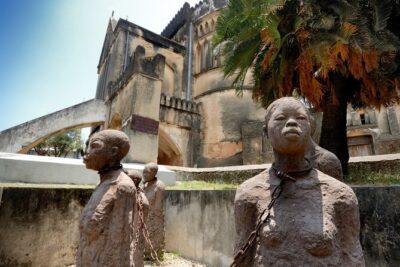
Full-Day Private Stone Town +Spice Farm and Prison Island Tour
Read our review →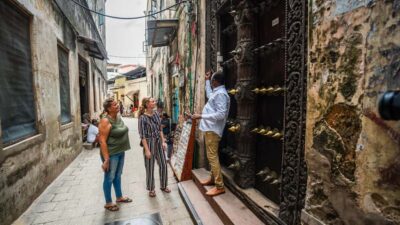
Stone Town Historical Cultural Walking Guided Tour
Read our review →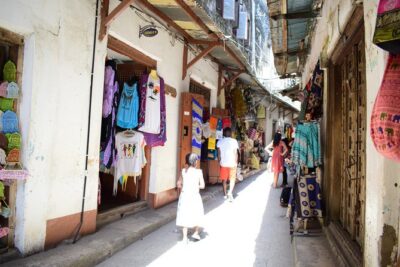
Browse the lists this tour appears in