
Reviewed · STONE TOWN TOURS
Zanzibar: Stone Town Walking Tour With Heritage Tour Guide
Stone Town tells its story through doors and alleyways. This three to five-hour walking tour gives you a guided look at Zanzibar’s old center, moving from the former slave market and Darajani Market to the Sultan Palace, Old Fort, churches, carved doors, and the seafront. You get history, local street life, and plenty of time on foot for $18 per person.
I like the focus on small details, especially the carved wooden doors and the way their designs served different purposes. I also like that the route includes Darajani Market, where you can see food, spices, and daily commerce rather than only polished monuments. The main consideration is that entrance fees and pickup outside Stone Town cost extra, and the walking may not suit anyone with back problems or a recent surgery.
In This Review
- Key things to know before you book
- Why Stone Town works best on foot
- Meeting the guide outside Freddie Mercury Museum
- The Anglican Cathedral and the former slave market
- Darajani Market: spices, food, and daily life
- Stone Town’s doors and mixed architectural style
- Sultan Palace, Old Fort, and Saint Joseph Cathedral
- The seafront and Stone Town’s connected center
- Freddie Mercury House and optional museum entry
- What the $18 price really includes
- Guide quality and group size
- Clothing, walking, and practical comfort
- Who should book this Stone Town walk?
- FAQ
- How long does the Stone Town walking tour last?
- How much does the tour cost?
- Where does the tour begin?
- Is pickup included?
- Which language does the guide speak?
- Is the tour private or shared?
- Are museum entrance fees included?
- What should I bring?
- What clothing should I wear?
- Should you book it?
Key things to know before you book
- Darajani Market is a central stop: You can look at local food, interact with people, and buy spices during the guided visit.
- The tour connects major Stone Town landmarks: The route includes the Anglican Cathedral, former slave market, Sultan Palace, Old Fort, Saint Joseph Cathedral, and the seafront.
- Carved doors get proper attention: Your guide explains differences in design and how the doors worked in Zanzibar.
- The meeting point is easy to identify: You meet the guide outside the Freddie Mercury Museum in Stone Town unless you choose pickup.
- The tour is available privately or in a small group: That can make a difference in the narrow lanes and at the market.
- Extra costs are clear: The Slave Market Museum and Freddie Mercury Museum each cost $10 when you choose to enter, and pickup outside Stone Town is an added option.
Why Stone Town works best on foot
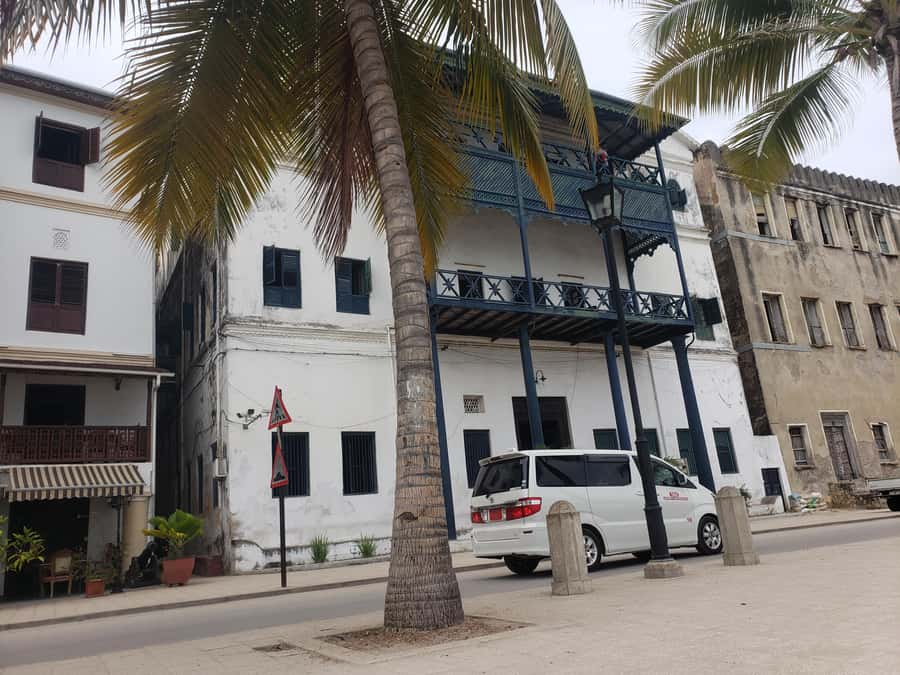
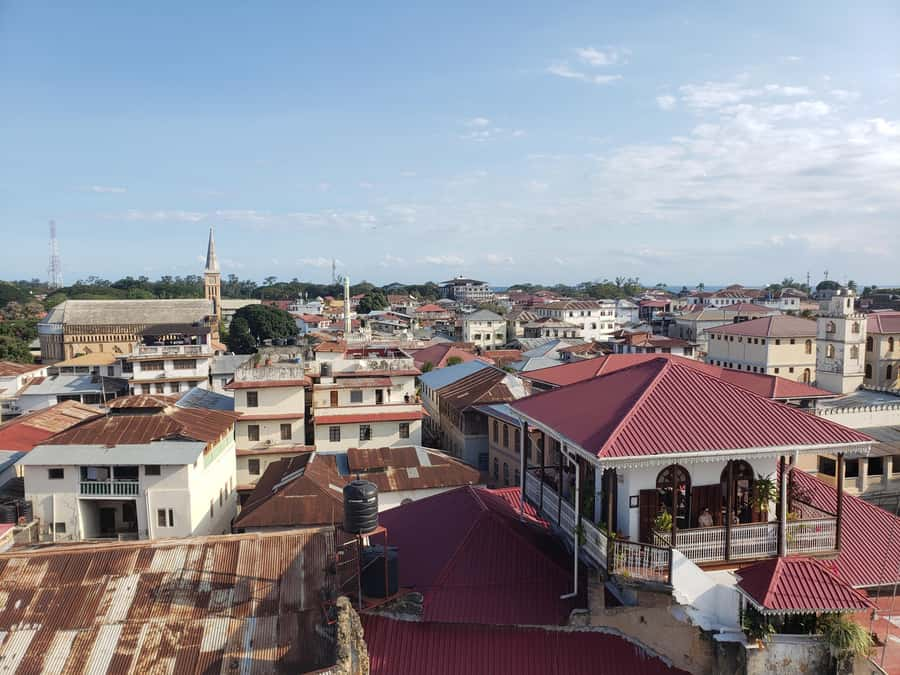
Stone Town is a place where the small scale matters. Narrow alleyways lead you past buildings with Arab, African, Indian, and European influences, and a walking tour lets you stop when a doorway, wall, or detail needs explaining. A vehicle would get you between sights, but it would miss much of what makes the old city interesting.
The tour presents Stone Town as an important trading center in East Africa during the 19th century. That context helps connect the buildings to Zanzibar’s past. You are not simply ticking off the Old Fort or Sultan Palace. You are seeing how trade and different cultures shaped the town’s appearance and public spaces.
I would allow at least three hours, and possibly closer to five if you take your time, stop for photographs, shop at the market, and add the optional museums. The listed walking portions include visits of about 35 minutes at the Anglican Cathedral and Darajani Market, followed by longer 45-minute sections through Stone Town and along the route.
More History Tours in Zanzibar
- Zanzibar: Stone Town Historical Cultural Walking Guided Tour
★ 4.5 · 179 reviews - Stone Town Historical Walking Tour
★ 5.0 · 143 reviews - Stone Town’s Hidden History: Private Guided Walking Tour
★ 4.6 · 94 reviews
Meeting the guide outside Freddie Mercury Museum
The standard meeting point is outside the Freddie Mercury Museum in Stone Town. This is also one of the tour’s named sights, although entering the museum costs an additional $10 if you select that option.
If you arrange pickup, you should wait at your hotel or other accommodation reception for the guide. Pickup is optional, and pickup outside Stone Town is not included in the basic $18 price. The available drop-off areas cover many parts of Unguja, including Paje, Nungwi, Kiwengwa, Jambiani, Kendwa, Matemwe, Fumba, Uroa, and other locations.
That range is useful if Stone Town is only one part of your Zanzibar stay. Still, check the pickup option carefully before paying. The basic experience is a guided walk, not a full island transfer included in the headline price.
The Anglican Cathedral and the former slave market
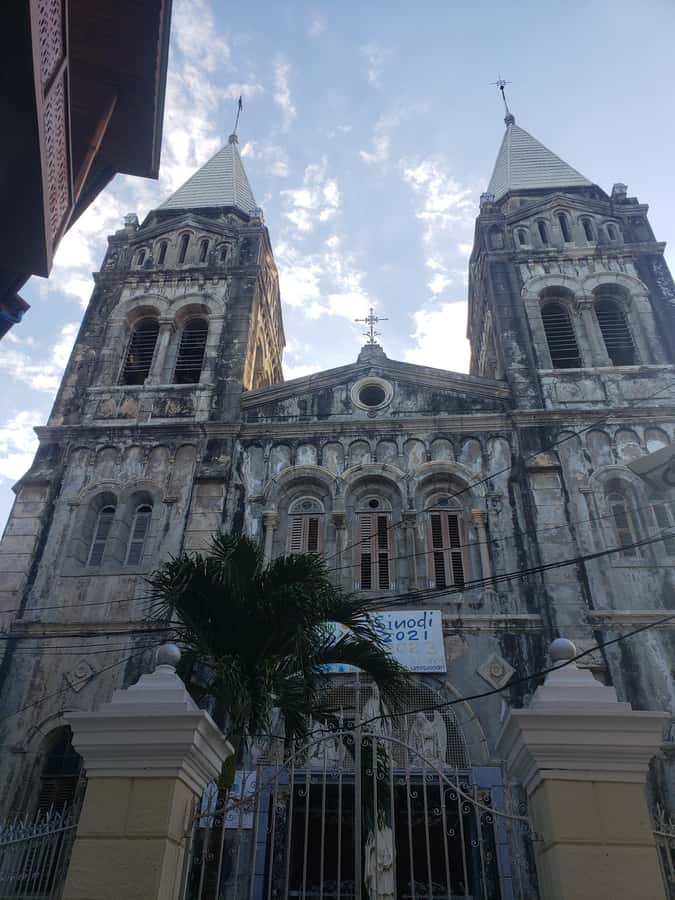
The first major stop is the Anglican Cathedral Stone Town, with about 35 minutes for a guided visit and walking. The cathedral occupies the site of the former slave market, so this is one of the most serious parts of the route.
The tour helps you understand how Stone Town developed through trade, including the human cost tied to that period. You can visit the Slave Market Museum for an extra $10. If you want more historical detail, this optional entrance is worth considering rather than treating the cathedral as a quick photograph stop.
This part of the walk may feel heavier than the market or seafront. That is appropriate. A good city tour should give you room to think about difficult history, not only admire architecture.
Wear decent clothing here and throughout the tour. The instructions specifically ask for respectful dress, which is important in a place with religious and cultural sites.
Darajani Market: spices, food, and daily life
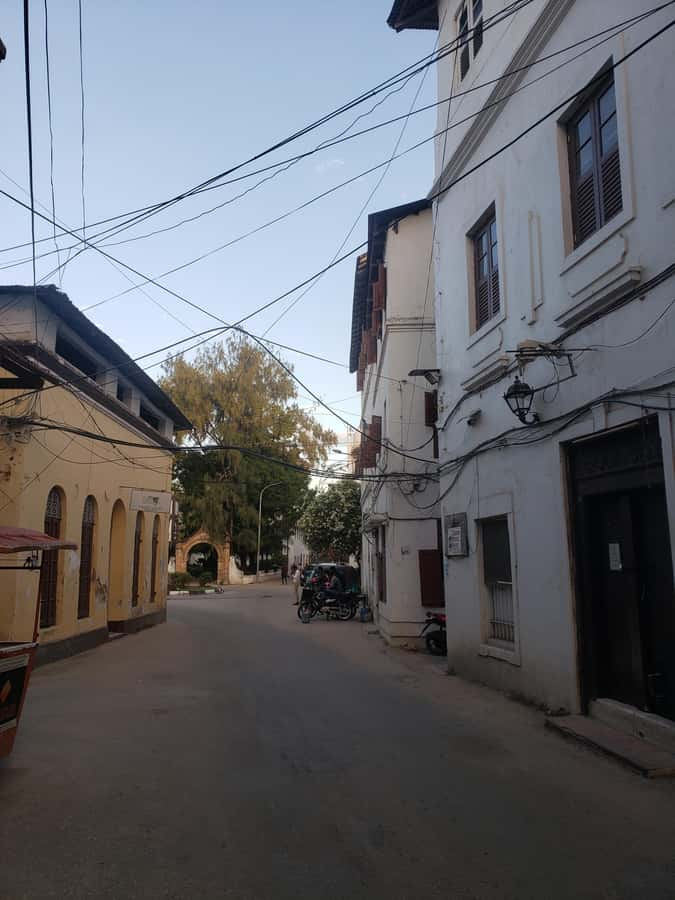
Darajani Market gives the tour a more local feel. You spend about 35 minutes here with the guide, looking at food, shopping, and watching people go about their business. A highlight is the chance to buy a selection of spices, a practical souvenir that fits Zanzibar’s trading past.
The market is also where you get the best chance to interact with locals, but you need to do that politely. Do not photograph people without permission. That rule matters more here than getting the perfect street picture.
Bring cash. It is listed as something to carry, and it is useful if you decide to shop. I would keep purchases modest so you can continue walking comfortably. The guide can help explain what you are seeing, which makes the market more than a simple shopping stop.
If you prefer a quiet, controlled sightseeing experience, the market may be the least predictable part of the tour. For me, that is also its value. Stone Town makes more sense when you see commerce taking place in real time, not just old buildings preserved for visitors.
More Walking Tours in Zanzibar
- Stone Town Private Walking Tour
★ 5.0 · 371 reviews - Zanzibar: 3 Hours Private Stone Town walking Tour with Guide
★ 4.6 · 301 reviews - Stonetown: Food Markets and Street Food Walking Tour
★ 4.7 · 151 reviews - Zanzibar Stone Town Walking Tour
★ 5.0 · 145 reviews
Stone Town’s doors and mixed architectural style
The walk through Stone Town lasts about 45 minutes in one section, with sightseeing and scenic views along the way. This is where the tour’s attention to architecture becomes most useful.
Zanzibar’s carved wooden doors are a major feature. Your guide explains that the designs differ and that the details relate to both appearance and function. Look closely at the carvings, frames, and metal fittings rather than rushing past them. These doors offer a compact lesson in the cultures that influenced Stone Town.
The town’s architecture draws from different parts of the world. You might notice that buildings do not all follow one visual style, and that is part of the story. The tour connects these details to Zanzibar’s role as a trading center and to the communities that lived and worked here.
A private or small-group format should be especially helpful in this section. Narrow lanes are easier to manage when you are not moving with a large crowd, and you can ask the guide to pause at a feature you want to understand.
Sultan Palace, Old Fort, and Saint Joseph Cathedral
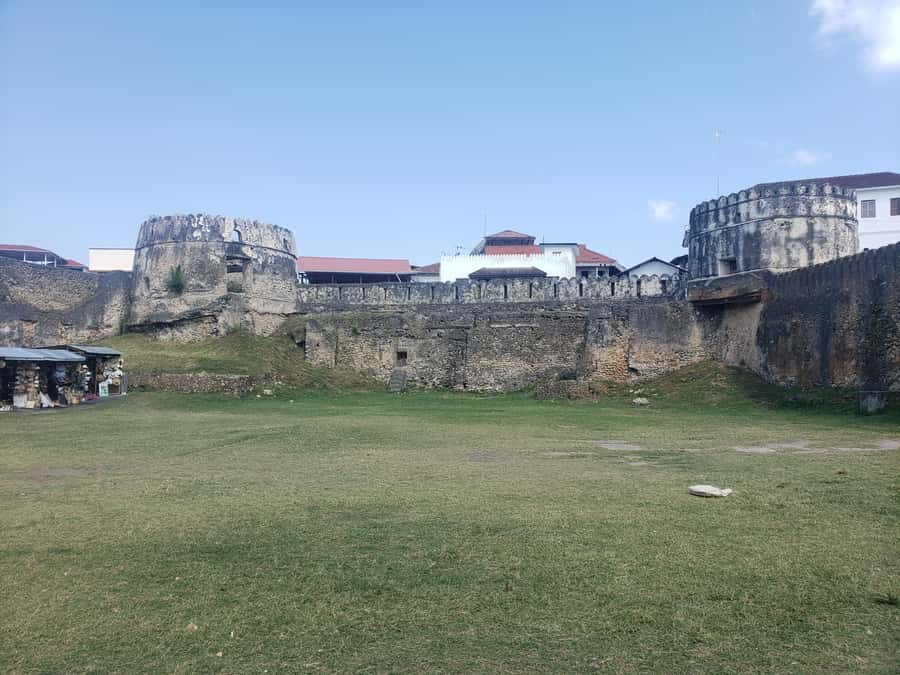
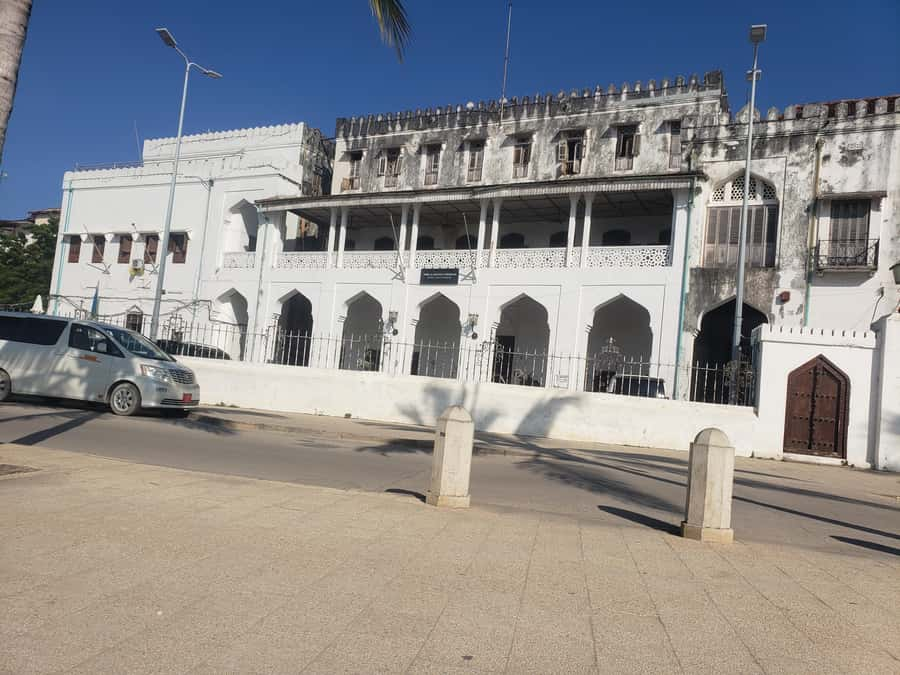
The route includes several of Stone Town’s best-known buildings, including the Sultan Palace, Arab Fort, also called the Old Fort, and Saint Joseph Cathedral. The material provided does not give separate visit times for each one, so expect them to be covered as part of the broader walking sections rather than as long, individual museum visits.
The Sultan Palace helps place Zanzibar’s ruling history within the city center. The Old Fort gives you another view of Stone Town’s defensive and political past. Saint Joseph Cathedral adds a religious landmark to a route that already includes the Anglican Cathedral.
The appeal is in seeing these buildings together. Instead of treating each one as an isolated attraction, you can compare how different religious, royal, and defensive structures share the same compact city.
Do not assume every stop includes an interior visit. The clearly listed paid entrances are the Slave Market Museum and Freddie Mercury Museum. Much of the experience is guided sightseeing from the streets and public areas.
The seafront and Stone Town’s connected center
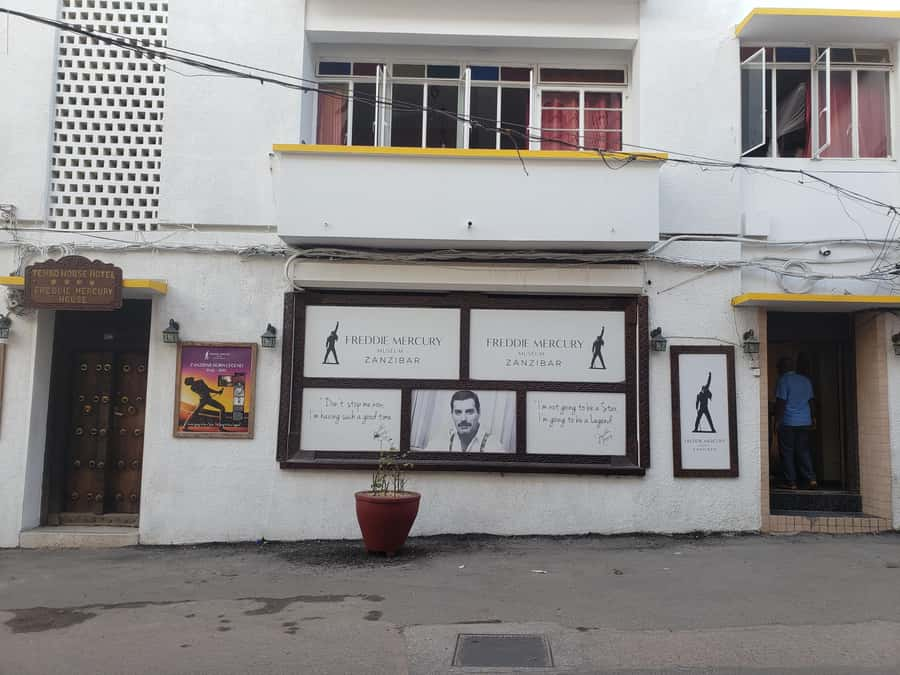
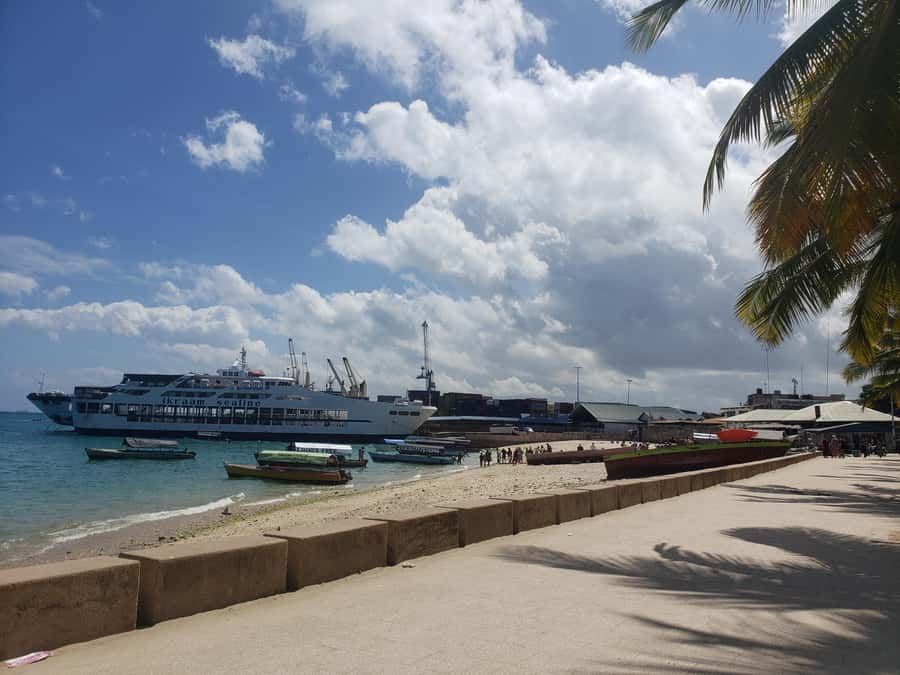
One section includes a 45-minute break, photo stop, free time, sightseeing, and scenic views. The walk leads toward the seafront, where landmark buildings face the water and the city opens up after the tight alleyways.
This change of pace is welcome. You have spent much of the tour looking up at doors and buildings or moving through narrow streets. At the seafront, you can pause, take photographs, and get a clearer sense of Stone Town’s position beside the water.
The route also visits the heart of Stone Town, described as the point where the city connected. That stop is useful because it ties together the old lanes, market, palace area, forts, religious buildings, and waterfront. You can see how the city’s main parts relate to one another rather than viewing them as scattered points.
The experience may also include the seafront night food market, depending on the timing of your tour. Since starting times vary, confirm what time your walk begins if this is important to you. A daytime tour will offer a different feel from one that reaches the waterfront later in the day.
Freddie Mercury House and optional museum entry
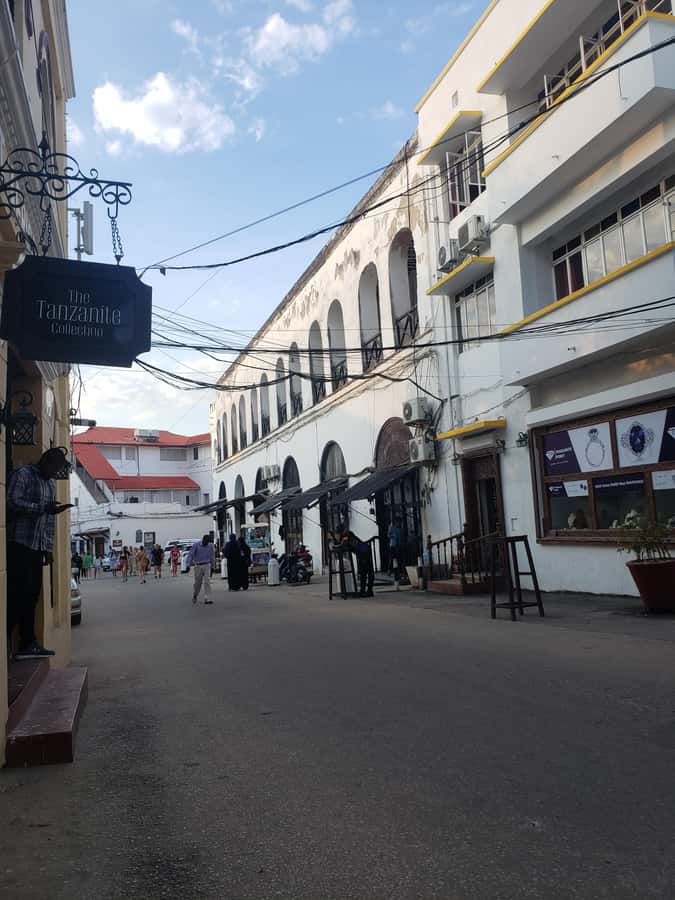
Freddie Mercury House is connected to the meeting point and is listed as one of the sights. If you choose to enter the Freddie Mercury Museum, the fee is $10, separate from the walking tour price.
That gives you a choice. You can keep the tour focused on Stone Town’s streets and buildings, or add a museum visit if Freddie Mercury’s connection to Zanzibar is a priority. The basic $18 price does not include this entrance.
Because the tour can last three to five hours, adding paid entries may lengthen the day. Plan your energy and budget accordingly, especially if you also intend to visit the Slave Market Museum.
What the $18 price really includes
At $18 per person, the tour offers good value if you want a guide to explain Stone Town rather than simply wander alone. The price includes the guide and guided walking tour. For a private or small-group experience, that is a reasonable starting price.
The value comes from interpretation. You can walk through Stone Town without paying for a guide, but you may miss the meaning of the doors, the connection between the market and trading history, and the significance of the former slave market site.
The low base price needs a little care when you plan your budget. The Slave Market Museum is $10, the Freddie Mercury Museum is $10, and pickup outside Stone Town is not included unless selected. Bring cash for market purchases and possible additional costs.
The tour has free cancellation up to 24 hours before the start, and you can reserve now and pay later. Those terms are useful if your Zanzibar plans are still changing.
Guide quality and group size
The tour is offered in English with a live guide. You can choose a private experience or a small group, depending on availability. I would choose the smallest practical group if your main interests are history, doors, and questions about local culture.
One guide named in the available feedback is Nassor. A Spanish-speaking customer described him as charming and detailed in his explanation of the city’s history, and especially appreciated his guidance through the market and help with spice shopping. That points to the kind of personal attention you want from this tour.
The rating information is limited to one verified five-star review, so I would not treat it as proof of a uniform experience. Still, the specific praise is useful: Nassor appears to have made the walk calm, informative, and comfortable for someone who wanted to understand Stone Town’s culture.
Clothing, walking, and practical comfort
Wear comfortable clothes and decent clothing. Stone Town includes religious and historic sites, and respectful dress is specifically required. Good walking shoes are sensible because the route uses narrow lanes and includes several hours on foot.
This tour is not suitable for pregnant women, people with back problems, or people who have had recent surgeries. The duration is three to five hours, and even with a break and free time, you should be comfortable walking for much of that period.
Carry cash for shopping and any optional entrance fees. Ask before photographing local people. Smoking, alcohol, drugs, weapons, sharp objects, and nudity are not allowed.
The walking format also means you should plan around the weather and your own pace. The tour includes a break, but it is still wise to avoid treating this as a quick one-hour introduction.
Who should book this Stone Town walk?
I would recommend it to you if you want a first look at Stone Town with historical explanation and local contact. It suits visitors who enjoy architecture, markets, religious buildings, old trading centers, and photography of details rather than only major viewpoints.
It is also a good fit if you have limited time in Zanzibar and want several important sights linked in one route. The guide handles the structure, while you get room for shopping, photographs, and questions.
I would hesitate if you want a fully inclusive package with museum tickets and transport already covered. I would also choose something shorter if long walks are uncomfortable. The experience is most rewarding when you can take the lanes at a steady pace and give the market and historic sites proper attention.
FAQ
How long does the Stone Town walking tour last?
The tour lasts between three and five hours. The exact duration can depend on the selected option, starting time, walking pace, and any optional visits.
How much does the tour cost?
The listed price is $18 per person. This includes the tour guide and guided walking tour.
Where does the tour begin?
The standard meeting point is outside the Freddie Mercury Museum in Stone Town. If you select pickup, you should wait at your accommodation reception for the guide.
Is pickup included?
Pickup outside Stone Town is not included in the basic tour price. Pickup is available as an optional selection, and drop-off is offered to several locations around Unguja.
Which language does the guide speak?
The live guided tour is offered in English.
Is the tour private or shared?
Private and small-group options are available. The exact group type depends on the option you select.
Are museum entrance fees included?
No. The Slave Market Museum costs $10 as an optional entrance, and the Freddie Mercury Museum also costs $10 as an optional entrance.
What should I bring?
Bring comfortable clothes and cash. Cash is useful for market shopping and possible extra entrance fees.
What clothing should I wear?
Wear decent, respectful clothing during the tour, particularly because the route includes religious and historic sites.
Should you book it?
Book this Stone Town walking tour if you want a low-cost, guide-led introduction to Zanzibar’s old center, with real time at Darajani Market and close attention to carved doors, local architecture, and difficult history. The $18 price is attractive, especially in a private or small-group format.
Before booking, add the museum fees and any pickup cost to your budget. If you can walk comfortably for three to five hours, carry cash, dress respectfully, and ask permission before taking photographs, this tour gives you a useful and personal first look at Stone Town.
More Stone Town Walking Tours
- Zanzibar: Stone Town, Spice Tour, Prison Island with Lunch
★ 4.4 · 1,219 reviews - Zanzibar: Prison Island, Stone Town, & Spice Farm Tour
★ 4.5 · 579 reviews - Zanzibar: Stone Town, Spice tour & Prison Island with Lunch
★ 4.6 · 453 reviews - Full-Day Private Stone Town +Spice Farm and Prison Island Tour
★ 4.5 · 216 reviews
Just added in Zanzibar
- Zanzibar:Ngoma local culture workshop,The Knowledge of Ngoma★ 5.0 · 1 review
- ZANZIBAR:Mnemba island, Spice farm and Jozani Forest★ 5.0 · 1 review
- Zanzibar: Zipline Adventure At Masingini Forest★ 4.6 · 2 reviews
- Zanzibar Walking Tour: Unveiling the Secrets of Stonetown★ 4.8 · 11 reviews
- Zanzibar: Walking Tour★ 4.0 · 1 review
- Zanzibar: Walking Spice Farm with Local Cooking Class★ 4.4 · 9 reviews
- Zanzibar: Uzi Island Mangrove Kayak Tour with Guide★ 5.0 · 1 review
- Zanzibar: Unique Guided Mangrove Tour by SUP or Kayak★ 5.0 · 1 review
Stone Town Tours, compared.

Stone Town, Spice Tour, Prison Island with Lunch
Read our review →

Stone Town, Spice tour & Prison Island with Lunch
Read our review →
3 Hours Private Stone Town walking Tour with Guide
Read our review →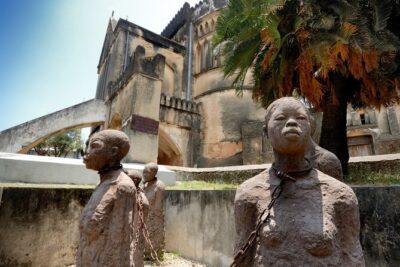
Full-Day Private Stone Town +Spice Farm and Prison Island Tour
Read our review →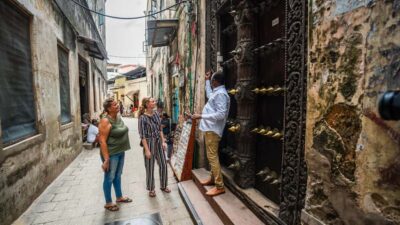
Stone Town Historical Cultural Walking Guided Tour
Read our review →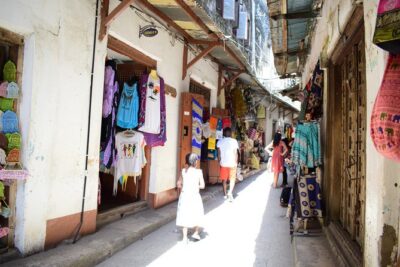
Browse the lists this tour appears in