
Reviewed · WILDEBEEST MIGRATION SAFARIS
10-Day Serengeti Wildebeest Migration Safari from Arusha
The herds are the main event. This 10-day safari gives you three days in northern Serengeti, three more in central Seronera, then adds Ngorongoro Crater and Tarangire for a broad look at northern Tanzania. I especially like the small maximum of seven people and the mix of luxury tented camps and lodges. I also like that airport transfers, meals, bottled water, a private vehicle, and a driver-guide are covered.
The main catch is the price: $5,512.83 per person, with the flight from Kilimanjaro to northern Serengeti extra. Migration sightings depend on animal movement and weather, too. River crossings may be likely in the right months, but nature does not take bookings.
In This Review
- Key points before you book
- What this 10-day safari is really offering
- Day 1: A soft landing in Arusha
- Days 2 to 4: Northern Serengeti and the migration
- Why the tented camps matter
- Days 5 to 7: Central Serengeti and Seronera
- Day 8: Ngorongoro Crater from above the plains
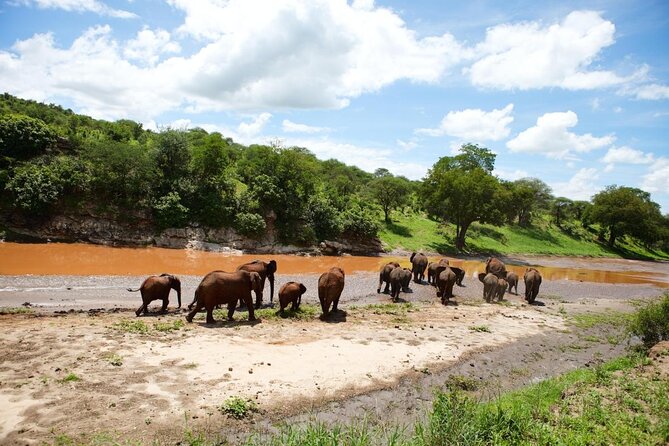
- Day 9: Tarangire’s elephants and quieter rhythm
- Day 10: Return to Arusha and the airport
- Is $5,512.83 good value?
- What the guide can make or break
- Who should book this safari?
- Practical details worth confirming
- Should you book it?
- FAQ
- How long is the safari?
- Where does the safari begin?
- Is the flight from Kilimanjaro to Serengeti included?
- How many people can join the safari?
- Are meals included?
- What accommodation is provided?
- Can I cancel for a full refund?
Key points before you book
- Three days in northern Serengeti: Your best chance to see the migration near Kogatende and the Mara River comes between August and October.
- Three days in central Serengeti: Seronera adds classic open-country game viewing and gives you time beyond the river crossing zone.
- Two major wildlife parks after Serengeti: Ngorongoro Crater and Tarangire bring different scenery and animal encounters.
- Luxury camping without giving up a bed: The itinerary uses upscale tented camps in Serengeti, followed by luxury lodges.
- The northern flight costs extra: You must budget separately for the flight from Kilimanjaro International Airport to Serengeti North.
- Guides are central to the experience: Names praised in connection with this safari include George, Arnold, Calvin, William, Cleopa, Laban, Rahim, Inno, Wilson, and Shedrack.
What this 10-day safari is really offering
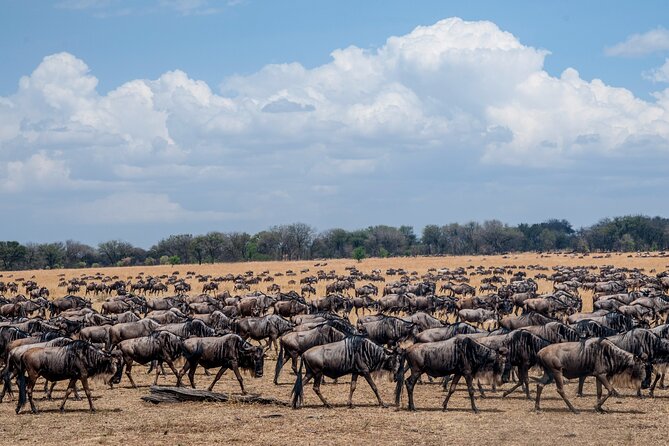
This is not a quick park-hopping holiday. You spend six days in Serengeti, split between the north and the central Seronera area. That matters because the migration is not one neat parade moving past your vehicle. Herds spread out, turn back, follow rain, and gather where fresh grass appears.
The northern section is designed around the famous river-crossing season. From July through October, the wildebeest migration reaches the northern Serengeti area, with the large herds moving around Kogatende and the Mara River. Crossings can be frantic, dusty, and brief. They can also fail to happen while you are watching. You need patience here, not a checklist mentality.
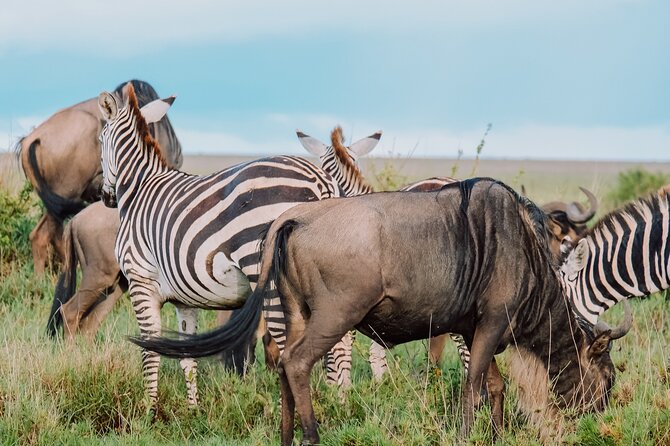
The central section gives you a useful change of pace. Seronera is one of Tanzania’s best-known wildlife areas, with open plains and strong year-round game viewing. The migration is the headline, but the central Serengeti also gives you more time to look for lions, leopards, cheetahs, zebras, gazelles, and other animals without placing every hour on a river crossing.
More Serengeti and Ngorongoro safaris:
- Balloon Safari & Bush Breakfast in Serengeti – Miracle Experience
★ 5.0 · 1,646 reviews - 3 Days Serengeti & Ngorongoro Group Camping Safari
★ 5.0 · 574 reviews - 5-Day Highlights mid-Range Crater, Serengeti, Tarangire
★ 5.0 · 296 reviews
Day 1: A soft landing in Arusha
Your trip begins with pickup at Kilimanjaro International Airport. A guide transfers you to a mid-range hotel in Arusha and briefs you on the safari ahead.
That first night is practical rather than flashy. It gives you a place to sleep after your international flight and a chance to ask questions before the long days in the parks. The listed start time is 8:00 a.m., so you should arrive with enough time to manage your airport transfer and rest.
Arusha is the gateway for many northern Tanzania safaris. Here, the important thing is organization. You want your guide to explain the next day’s air transfer, luggage arrangements, meals, and general rhythm before you leave town.
Days 2 to 4: Northern Serengeti and the migration
After breakfast, you transfer to the Arusha airstrip for a flight to Serengeti North. That flight is not included, so confirm the schedule and cost before paying for the safari. It is an important detail because the published price can look more complete than it really is.
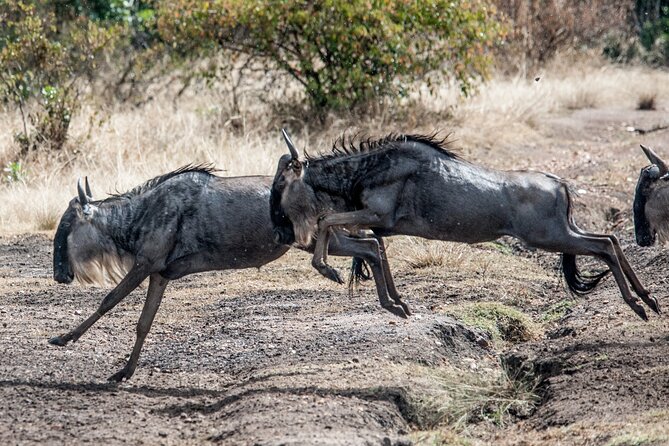
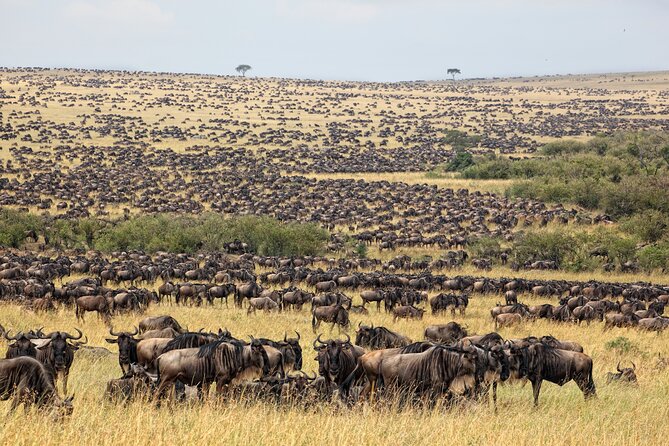
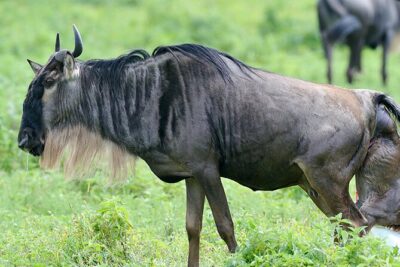
Once you reach northern Serengeti, you have three days of game viewing from a luxury tented camp. The setting is designed to put you near the migration zone, especially around Kogatende. The great herd is often described as roughly 1.5 million wildebeest, joined by hundreds of thousands of zebras and antelope.
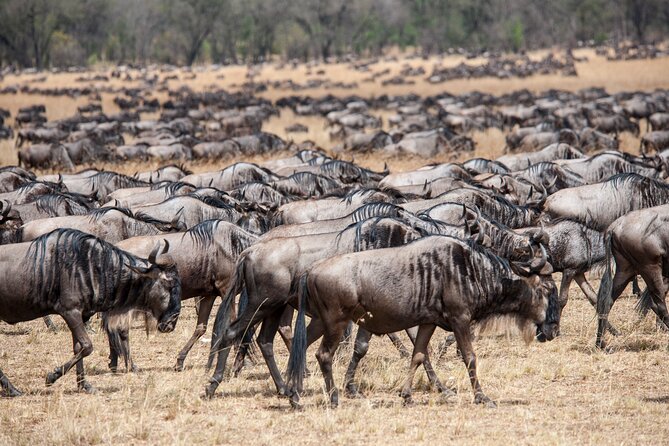
The river-crossing season is usually strongest from August through October. At this time, the herds may gather near the Mara River, sometimes crossing in large groups and sometimes changing direction at the last moment. The animals follow rain and new grass, so a crossing is never a mechanical daily event, even in the best season.
I would plan these three days with flexible expectations. You may see a dramatic crossing, but you may also spend long periods watching herds feed, move, bunch together, and spread apart. That is still the migration. The spectacle is not only the jump into the water. It is the scale, sound, dust, and constant movement of the herd.
Three nights in the north is a sensible amount of time. A single night would leave you at the mercy of bad timing. Three days give your guide more chances to position the vehicle and read the movement of the animals.
Why the tented camps matter
The safari uses luxury tented camps in both Serengeti sections. Tented camping can mean many things in Tanzania, but here it is presented as an upscale stay rather than basic camping. You get the romance of sleeping close to the savanna while keeping the comfort expected from a higher-priced trip.
The exact camp names are not provided, so ask for them before booking. Camp location can affect how much time you spend driving to wildlife areas, and camp style can vary even within the same price range.
Meals are included while you travel, with breakfast, lunch, and dinner listed for the safari days. Bottled water is also included. Alcoholic drinks cost extra, so budget for those separately if you want a drink with dinner.
More migration safaris:
- 8 Days Great Wildebeest Calving Migration Safari from Arusha
★ 5.0 · 254 reviews - 8 Day Spectacular Migration Serengeti mid -Range Tanzania Safari
★ 5.0 · 161 reviews - 9-Day Serengeti Migration Footsteps Tanzania Safari
★ 5.0 · 96 reviews - 7 days great migration safari
★ 5.0 · 77 reviews
Days 5 to 7: Central Serengeti and Seronera
After breakfast, you drive from northern Serengeti to central Seronera. This transfer is one of the trade-offs built into the route. You gain a second Serengeti region, but you also spend time moving between camps.
Central Serengeti is Tanzania’s oldest and most popular national park area. Seronera is known for broad open plains and regular wildlife viewing. The itinerary gives you three days here, which helps balance the uncertainty of the northern migration season.
This is where I would slow down and let the guide shape the day. The supplied experience details describe guides making special efforts to find lions, leopards, cheetahs, and good photo positions. George is praised for his wildlife and plant knowledge, while Calvin is repeatedly singled out for finding strong places to take pictures. Guides such as Arnold, Cleopa, Laban, Rahim, and Inno are also praised for their care, driving, and ability to explain what you are seeing.
That matters more than a glossy camp description. A good safari guide helps you understand animal behavior, identifies smaller species, explains plants, and drives with care. Several comments also praise guides for looking after families and children, which is useful if you are not traveling as a group of experienced safari regulars.
The central days may bring some of the trip’s best all-around animal viewing. The Serengeti supports the famous wildebeest and zebra movement, along with large numbers of gazelles and predators. You should not treat a Big Five sighting as a promise, but the area gives you strong chances for classic safari encounters.
The vehicle is another point worth clarifying. One account praises Gosheni’s private, air-conditioned jeeps, but vehicle arrangements can matter greatly on long game drives. Ask whether your booking includes a private vehicle for your party or simply a vehicle with a maximum group size of seven.
Day 8: Ngorongoro Crater from above the plains
You leave Serengeti after breakfast and take an early morning game drive into Ngorongoro Crater. The Ngorongoro Conservation Area protects wildlife and natural resources while also recognizing the interests of Indigenous communities and tourism.
The crater is special because its enclosed setting concentrates wildlife in a relatively compact area. After several days of wide Serengeti plains, the crater gives you a different visual experience. You move from vast open country to a dramatic volcanic basin with a strong sense of enclosure.
The early start is worthwhile. Morning light is good for photographs, and animals are often more active before the heat builds. Still, this is another long day in a vehicle. You need a moderate fitness level for the overall trip, but the itinerary is mainly vehicle-based rather than a walking program.
You spend the night at a luxury lodge. Again, the exact property is not named, so ask where it is located and what room category is included. Lodge location can make a real difference after a full day in the crater.
Day 9: Tarangire’s elephants and quieter rhythm
The final full wildlife day takes you to Tarangire National Park. The park sits slightly away from the main northern safari route, and the itinerary presents it as a quieter place with a strong elephant focus and good birding.
Tarangire is a useful contrast after the busy migration zones. You are not simply seeing another version of Serengeti. The park is known here for elephant migration, birdlife, and a calmer atmosphere. If you enjoy watching birds or want time to appreciate a park without making every moment about the largest herd, this day earns its place.
You have a full-day game drive, followed by another luxury lodge night. The added drive makes the day longer, but it also gives the route more variety. A shorter itinerary might drop Tarangire to concentrate only on Serengeti and Ngorongoro. This one gives you a wider sample of northern Tanzania.
Day 10: Return to Arusha and the airport
After breakfast, you drive back to Arusha. The route includes a stop at a shopping market before your transfer to Kilimanjaro International Airport.
The schedule ends back at the original meeting point, with airport drop-off arranged. Be careful when pairing this safari with an onward flight. The itinerary does not provide a detailed return time, and road conditions or wildlife activities can shift the day. Leave a generous margin before an international departure.
The last-day market stop may appeal if you want souvenirs, but it can feel less important after nine days of wildlife viewing. If you are pressed for airport time, confirm how long the stop will be.
Is $5,512.83 good value?
At $5,512.83 per person, this is a major purchase. The value depends on what you want from a migration safari.
You are paying for 10 days, airport transfers, accommodation except for the final night, meals, bottled water, a private vehicle, and a driver-guide. You also receive three days in northern Serengeti, three days in central Serengeti, Ngorongoro Crater, and Tarangire. That is a substantial route, not a short park visit.
The price looks stronger if you value time in the parks and higher-end tented camps. Six Serengeti days give you a better chance of seeing the migration than a rushed two-night visit. The cost is less attractive if you mainly want one river crossing and do not care about Tarangire or central Serengeti.
Remember the exclusions. The flight from Kilimanjaro to Serengeti North is extra, and drinks containing alcohol are not covered. Ask for a full cost sheet that also confirms park fees, camp names, vehicle type, and any domestic baggage rules before you commit.
What the guide can make or break
A safari vehicle is your moving classroom, lookout post, and dining-room-on-wheels at times. The guide shapes how much you learn and how comfortable you feel during long drives.
The strongest praise around this experience centers on guides who combine animal knowledge with patient driving and personal attention. George is described as strong on wildlife and plant information. Arnold is praised for caring for the whole group, including children. Calvin is noted for finding good camera positions. William is praised for careful attention from airport arrival onward, while Inno receives high marks for service and driving.
You cannot necessarily request a particular guide unless the company confirms it. Still, you can ask whether a preferred guide is available. If photography is important, say so before departure. If you are traveling with children, mention that too.
Who should book this safari?
I would recommend this trip to you if the migration is a top priority but you also want Ngorongoro and Tarangire. It suits people who prefer a structured, well-supported journey with upscale camps, included meals, airport transfers, and a small group.
It is also a good fit if you want time in more than one part of Serengeti. Three days in the north and three in Seronera make more sense than trying to force every sight into a short schedule.
I would be more cautious if you have a tight budget, dislike long drives, or expect a guaranteed river crossing. The route covers a lot of ground, and the extra flight adds cost. You should also be comfortable with early starts and extended time in a safari vehicle.
Practical details worth confirming
Pickup is offered, the mobile ticket is convenient, and confirmation is normally provided within 48 hours, subject to availability. Children must be accompanied by an adult, and you should provide dietary requirements when booking.
The group size is capped at seven people, but ask whether that means seven in one vehicle or seven total on the departure. Also confirm the exact start point in Arusha, since the listed start time is 8:00 a.m.
Cancellation is free up to 24 hours before the local start time. Changes made inside that window are not accepted, and late cancellations are not refunded. Poor weather or failure to reach the minimum number of people can lead to a different date or a full refund.
Should you book it?
Book this safari if you want a serious 10-day migration trip with comfortable camps, a small group, and enough Serengeti time to let the animals set the pace. The combination of northern river country, central Seronera, Ngorongoro Crater, and Tarangire gives you a broad and rewarding route.
Before paying, get three things in writing: the cost and timing of the northern flight, the exact camps and lodges, and the vehicle and guide arrangement. If those details suit your budget, this is a strong choice for seeing Tanzania beyond a single famous crossing.
FAQ
How long is the safari?
The safari lasts approximately 10 days, beginning in Arusha and ending back at the meeting point after transfer to Kilimanjaro International Airport.
Where does the safari begin?
Pickup begins in Arusha, in Tanzania’s Arusha Region. Airport pickup is provided from Kilimanjaro International Airport on the first day.
Is the flight from Kilimanjaro to Serengeti included?
No. The flight from Kilimanjaro to Serengeti North is at your own expense.
How many people can join the safari?
The activity has a maximum of seven travelers.
Are meals included?
Yes. Breakfast, lunch, and dinner are included according to the itinerary. Alcoholic drinks are not included but are available to purchase.
What accommodation is provided?
The first night is at a mid-range hotel in Arusha. Serengeti nights are at luxury tented camps, while the Ngorongoro and Tarangire nights are at luxury lodges. Accommodation is included except on the final day.
Can I cancel for a full refund?
Yes, if you cancel at least 24 hours before the experience start time. Cancellations made less than 24 hours before the start time are not refunded.
Just added in Arusha
- Safari “Kifaru” – 5 days in the most famous Parks in the world★ 5.0 · 4 reviews
- 5 Day Tanzania Safari Camping Adventure Private Tour★ 5.0 · 2 reviews
- Saadani Day Trip★ 5.0 · 13 reviews
- 3 Days Tanzania Short and Spicy★ 5.0 · 6 reviews
- Day Trip to Ngorongoro Crater from Arusha★ 5.0 · 1 review
- SERENGETI NATIONAL PARK Tour★ 4.5 · 5 reviews
- 3 Days Serengeti Park & Ngorongoro Crater Adventure Safari★ 5.0 · 8 reviews
- 6 Days Tanzania Bush Experience Safari★ 5.0 · 6 reviews
Wildebeest Migration Safaris, compared.
8 Days Great Wildebeest Calving Migration Safari from Arusha
Read our review →
8 Day Spectacular Migration Serengeti mid -Range Tanzania Safari
Read our review →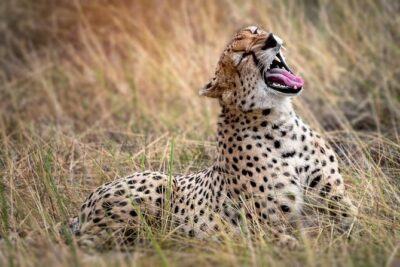
9-Day Serengeti Migration Footsteps Tanzania Safari
Read our review →
Private 6-Day Great Migration Ndutu Serengeti Safari Tour
Read our review →
4 Day Great Migration Safari Serengeti & Ngorongoro Crater
Read our review →
6 Days Tanzania Budget Camping Safari with Migration
Read our review →Browse the lists this tour appears in