
Reviewed · WILDEBEEST MIGRATION SAFARIS
6 Days Tanzania Budget Camping Safari with Migration
The Serengeti rewards early risers. This six-day Tanzania camping safari packs Tarangire, Serengeti, Ngorongoro Crater, and Lake Manyara into one busy northern circuit, with a guide following the wildebeest migration where conditions allow. I like the strong wildlife mix and the chance to sleep at campsites inside or near the parks. I also like that meals, water, hotel pickup, a professional guide, and emergency rescue are included. The main consideration is the pace: long drives, early starts, and basic camping may feel tiring if you want a relaxed holiday.
The $1,650 price offers solid value for six days of game drives and park access, especially with six lunches, five dinners, four breakfasts, lodging, and transport covered. You should, however, confirm the exact pickup time and route before paying, since the information gives both 7:30 and 8:00 a.m. starts and contains one clearly confusing driving-time entry.
In This Review
- Key points to know before booking
- What $1,650 buys you in northern Tanzania
- Tarangire begins with elephants and baobabs
- The road to Serengeti brings the first big views
- Full-day Serengeti gives migration viewing its best chance
- Leaving Serengeti at sunrise keeps the wildlife time useful
- Ngorongoro Crater is the wildlife centerpiece
- Lake Manyara closes the safari with a different setting
- Guides, cooks, and the practical safari experience
- Who will get the most from this safari?
- FAQ
- How much does the six-day Tanzania safari cost?
- Which parks and areas are included?
- When is the best time to see the wildebeest migration?
- Are meals included?
- Is hotel pickup available?
- How large can the group be?
- Are tips and visas included?
- Should you book it?
Key points to know before booking
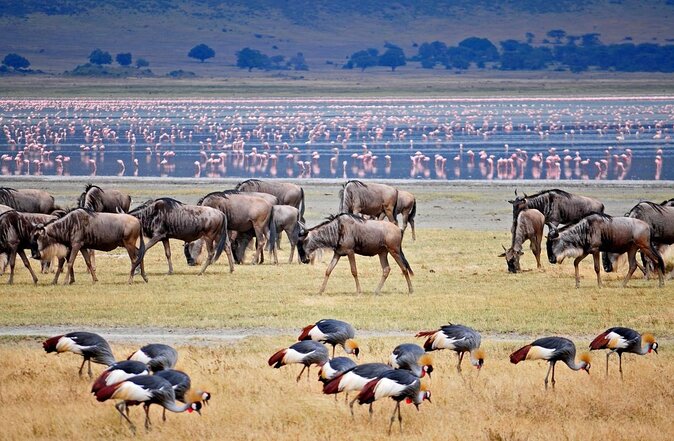
- Migration timing is seasonal: June through September gives you the best stated chance of seeing the main migration, while January through March is the calving period.
- Four major wildlife areas are included: Tarangire, Serengeti, Ngorongoro Crater, and Lake Manyara each offer a different setting and animal experience.
- The safari is a true budget camping trip: You sleep at Seronera and Simba campsites, with lodge accommodation also included in the program.
- Guides and cooks matter here: Names praised in the feedback include Robert, Florian, Douglas, Mohammed, Daniel, Gadi, Gideon, Johannes, and Yohane.
- The group can reach 15 people: That keeps the price down, but it may mean less flexibility inside the safari vehicle.
- Mto wa Mbu adds local contact: The walking tour includes banana plantations, local food, community projects, and a chance to learn about daily life.
What $1,650 buys you in northern Tanzania
At $1,650 per person, this is priced as a budget safari rather than a private luxury trip. You get six days of transport and game viewing, a professional driver-guide, hotel pickup and drop-off, unlimited mineral water, Wi-Fi in the safari jeep, emergency rescue cover, and meals listed as four breakfasts, five dinners, and six lunches.
That package matters because safari costs can rise quickly once park entry, food, fuel, and long-distance driving are added. Here, you are not paying separately for every meal or transfer. Tips and a visa are not included, so add those to your budget.
The program combines lodge nights with public campsite stays. Jambo Lodge is used for dinner and overnight accommodation on some nights, while Seronera Campsite sits inside Serengeti National Park and Simba Campsite serves as the overnight stop near Ngorongoro. You should ask exactly what camping equipment is supplied and what room or tent arrangement applies to your departure, since those details are not specified.
The maximum group size is 15 people. That is worth taking seriously. A larger shared group can be sociable and affordable, but you may have less say over stop lengths, wake-up times, or the pace of the vehicle. The strongest feedback points to good group experiences, with guides and cooks helping create a friendly atmosphere, but the experience will still depend on the people sharing your jeep.
More Camping Safaris in Moshi
- 4 Days Group Joining Camping Safari to Tarangire Serengeti Ngorongoro Crater
★ 5.0 · 50 reviews - 4 days adventure camping safari
★ 5.0 · 44 reviews - 5 days Tanzania Camping Safari
★ 5.0 · 29 reviews
Tarangire begins with elephants and baobabs
Day one starts with hotel pickup in the morning and a drive toward Tarangire National Park. The supplied timing says pickup at 8:00 a.m., while the general meeting time says 7:30 a.m., so confirm this in advance. The itinerary also contains a drive-time typo that reads 43 hours. That cannot be treated as a reliable duration, and you should ask the operator for the expected road time.
Tarangire covers about 2,800 square kilometers and takes its name from the Tarangire River, an important water source for wildlife. The park is especially associated with large elephant groups, baobab trees, and pythons that climb trees. Lions, leopards, and other animals may also appear during the full-day game drive.
I like Tarangire as a first stop because it gives you a clear change from town to open bush very quickly. The baobabs add a memorable shape to the scenery, while the river helps explain why animals gather here. It is not simply a warm-up stop. For many people, the elephants alone make the day worthwhile.
After the drive, you go to Jambo Lodge for dinner and the night. Since this is a long first day, keep your expectations practical. The point is to reach the park and begin the safari, not to ease into the trip with a lazy afternoon.
The road to Serengeti brings the first big views
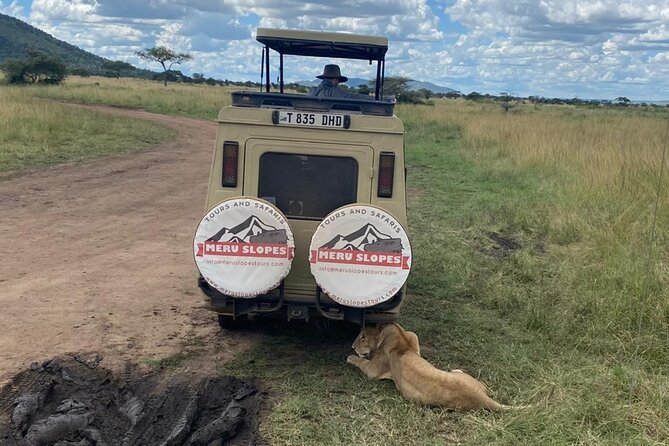
Day two begins after breakfast, with luggage loaded into the safari vehicle and lunch carried for the road. You make an en-route game drive toward Serengeti, passing views of the Rift Valley and Ngorongoro Crater before reaching the park at about 3:00 p.m.
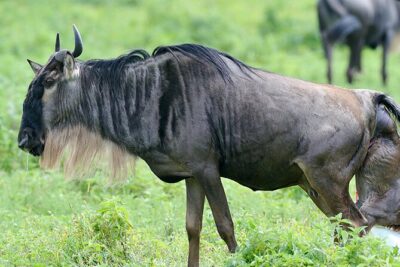
The Serengeti is famous for its endless open plains and the great wildebeest migration. The migration involves roughly 1.5 million wildebeest and other grazing animals, along with predators that follow their movements. The exact location changes every year, so no operator can promise a particular crossing or herd sighting.
This is where a good guide makes a real difference. The stated plan is for the driver to follow the herds based on where they are during your visit. That is a sensible approach, but you should understand the limits. Animal movement is not a stage show, and the route can change because of rain, grazing, and river conditions.
You reach central Serengeti for an evening game drive and sunset, then spend the night at Seronera Campsite inside the park. Sleeping inside the park saves you from returning to a distant town after the drive, giving you more useful time in the wildlife area.
Full-day Serengeti gives migration viewing its best chance
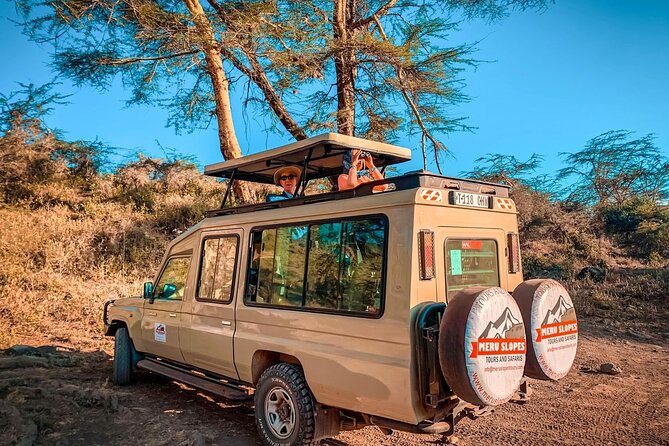
Day three is the heart of the safari. You have breakfast early, then spend the full day on game drives through central Serengeti and other key areas selected by your guide. The plan is to search for the wildebeest in the area where they are moving during your visit.
The timing advice is important. June through September is presented as the best period for seeing the main migration, including the possibility of viewing crossings in northern Serengeti from July through September. January through March is associated with calving. Outside those periods, you can still see abundant wildlife, but the specific migration spectacle is less predictable.
You should choose this trip for the wider Serengeti experience, not only for a river crossing. A crossing is dramatic but never guaranteed. The value of a full day is the chance to search patiently, watch predator activity, and enjoy the open plains without packing up for another major transfer.
The early schedule can pay off. One solo visitor described being up early each morning and reaching the day’s activity before many other groups. That approach makes sense in a park where the cooler morning hours can be productive for wildlife viewing. It also means you need to be comfortable with limited sleep and dusty roads.
The safari vehicle includes free Wi-Fi and unlimited mineral water, useful touches during long days. Wi-Fi should not become the reason you book, though. The real benefit is staying in the field with a guide who can respond to current animal movements.
More migration safaris:
- Great Migration Safari In Tanzania
★ 5.0 · 71 reviews - 8 Days Great Wildebeest Migration – Mara River Crossing
★ 5.0 · 28 reviews - Tanzania Safari – The Great Migration in the North of the Serengeti and Lake Natron
★ 5.0 · 25 reviews - 6- Day Adventure Lodge safari to see Migration
★ 4.5 · 5 reviews
Leaving Serengeti at sunrise keeps the wildlife time useful
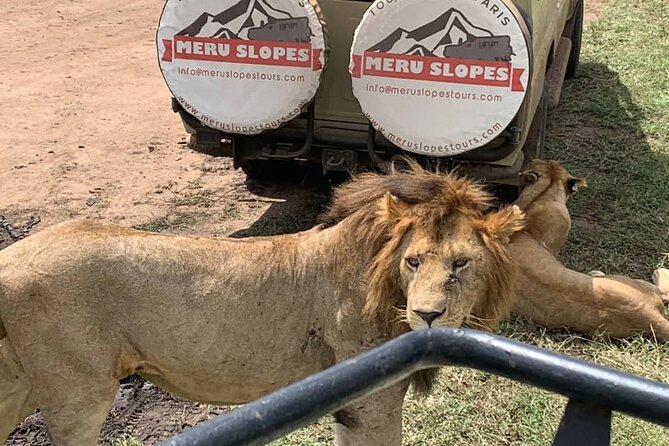
Day four starts at about 5:45 a.m. with an early breakfast and sunrise inside Serengeti. You then continue with a morning game drive until around 11:30 a.m., return to camp for hot lunch, pack the vehicle, and continue toward Ngorongoro.
This split day is practical. You get prime morning viewing instead of spending the whole morning on the road, then use the afternoon transfer to reach the next area. The drawback is the amount of packing and driving. By this point, you may be dusty and tired, especially after two full days in Serengeti.
The night is at Simba Campsite, used as the overnight stop for the Ngorongoro portion. This position allows an early start for the crater the next morning. It is a functional arrangement, not a luxury one, and the value comes from being close to the next major game drive.
Food is one of the most praised parts of the overall experience. Cooks named Gadi, Gideon, Johannes, and Yohane received especially warm attention for preparing generous meals and handling dietary needs. That matters on a camping safari, where a good hot meal can restore your energy after hours on rough roads.
Ngorongoro Crater is the wildlife centerpiece
Day five begins around 5:30 a.m. After breakfast, you descend into Ngorongoro Crater for six to seven hours of game viewing. The crater is the world’s largest inactive, unbroken, unfilled volcanic caldera, and its enclosed setting supports a high concentration of wildlife.
The program highlights the possibility of seeing all of Africa’s Big Five: black rhino, elephant, lion, buffalo, and leopard. You may also see many bird species, flamingos, and other animals around the crater floor. Again, these sightings are possibilities rather than promises, but the crater is one of the strongest parts of this route because so much wildlife can be found in a contained area.
Lunch is taken inside the crater while you continue watching the natural surroundings. That saves time and keeps the day focused on the crater rather than adding another restaurant stop. Bring patience and a good camera, but do not expect every animal to appear on cue.
After ascending, the trip continues with a walking tour in Mto wa Mbu before returning to Jambo Lodge for dinner and the night. This is a useful change of rhythm after several days in a vehicle. You may see banana plantations, taste local food, and learn about community projects and everyday life in the village.
I especially like this inclusion because it adds human context to a trip that could otherwise be only about animals and scenery. The cultural portion is listed as a walking tour of about an hour, so treat it as a short introduction rather than a full cultural program.
Lake Manyara closes the safari with a different setting
The final day takes you to Lake Manyara National Park after breakfast for a full-day game drive. The park is associated with tree-climbing lions, flamingos drawn by algae in the lake, and a hot spring.
Lake Manyara gives the route a useful contrast with the broad Serengeti plains and the enclosed Ngorongoro Crater. The lake and birdlife create a different visual experience, while the search for lions in trees adds another specific wildlife goal.
The program also includes a Maasai boma visit, where you can learn about local culture, traditions, and ways of living. This is another chance to meet people and see a side of Tanzania that a vehicle-only safari can miss. The day ends with a drive back to town for dinner and overnight accommodation.
The schedule says a full day in the park, with about seven hours allocated to the stop. Since this is the last day, ask how late you will return and whether the final overnight stay is included for your departure date. The supplied package refers to hotel accommodation in Arusha, but the exact final-night arrangement should be confirmed.
Guides, cooks, and the practical safari experience
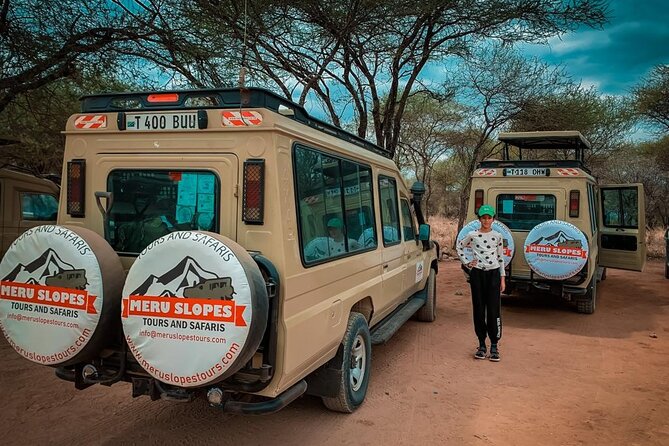
The company assigns both a driver-guide and a cook on many departures. Strong praise is attached to guides including Robert, Florian, Douglas, Mohammed, Daniel, Andrew, and others. The most useful qualities described are good animal spotting, safe driving, clear explanations, flexibility, and respect for wildlife.
Robert is repeatedly associated with finding good viewing positions and explaining animal behavior. Florian is praised for professionalism and for making the trip feel special. Mohammed is noted for friendly service and respectful wildlife viewing, while Douglas is described as a strong guide on a well-organized six-day trip.
Names vary by departure, so do not assume you will receive a particular guide. You can ask the operator who is assigned before the safari, but availability may change.
The camping format also makes the cook important. Reports of delicious meals and attention to dietary requirements are encouraging, especially since lunch is taken on the road or inside the parks. Still, tell the company about dietary needs before departure rather than waiting until the first meal.
The vehicle provides free Wi-Fi and mineral water, and hotel pickup and drop-off are included. The mobile ticket and pickup option make the start simple, but you should confirm the exact pickup address, time, and town before the morning of departure.
Who will get the most from this safari?
I would recommend this trip to you if you want a broad northern Tanzania route at a controlled price. It suits people who care more about wildlife time than polished accommodation, and who are happy to accept early breakfasts, long drives, campsite nights, and a shared vehicle.
It is also a good fit if migration viewing is your main goal but you want more than the Serengeti. Tarangire adds elephants and baobabs, Ngorongoro brings concentrated wildlife and possible rhinos, Mto wa Mbu adds a local walking experience, and Lake Manyara finishes with lake scenery, birds, and tree-climbing lion searches.
You may want a different trip if you need private space, slow mornings, or guaranteed migration crossings. The schedule is full, and the maximum group size of 15 can limit personal flexibility. The route is rewarding, but it asks you to trade comfort and control for coverage and value.
FAQ
How much does the six-day Tanzania safari cost?
The stated price is $1,650 per person.
Which parks and areas are included?
The route includes Tarangire National Park, Serengeti National Park, Ngorongoro Conservation Area and Crater, Mto wa Mbu, and Lake Manyara National Park.
When is the best time to see the wildebeest migration?
The strongest stated chance is from June through September. The main river crossing possibility in northern Serengeti is associated with July through September. Wildebeest calving is associated with January through March.
Are meals included?
Yes. The package includes four breakfasts, five dinners, and six lunches.
Is hotel pickup available?
Yes. Hotel pickup and drop-off are included, with pickup offered from the tour location. Confirm the exact time because the information gives both 7:30 and 8:00 a.m.
How large can the group be?
The maximum group size is 15 people.
Are tips and visas included?
No. Tips and the visa are specifically excluded from the price.
Should you book it?
Book this safari if you want a full wildlife circuit, a real chance at migration viewing, and strong value from an organized group trip. The combination of Serengeti, Ngorongoro, Tarangire, and Lake Manyara gives you more variety than a short park visit, while included meals, water, transport, and lodging keep extra costs under control.
Before booking, confirm the pickup time, camping arrangements, final-night accommodation, and the intended route for your travel dates. If you accept the early mornings and basic conditions, this is a practical way to see northern Tanzania without paying for a luxury safari. If you need quiet, privacy, or a guaranteed river crossing, choose a smaller private itinerary instead.
Free cancellation is available when you cancel at least 24 hours before the local start time. Changes or cancellations inside that window are not accepted for a refund.
Just added in Moshi
- THE BEST 2 DAYS ON TREK – MARANGU ROUTE TOUR ADVENTURES★ 5.0 · 1 review
- Mount Kilimanjaro National Park Day Trip★ 5.0 · 7 reviews
- Mount Kilimanjaro Climbing in Tanzania Full-Day Trip★ 5.0 · 1 review
- Mount Kilimanjaro Day Hike – All-Inclusive, No Hidden Fees★ 4.0 · 7 reviews
- Mount Kilimanjaro Trekking Tour – Climb with Local Guides★ 5.0 · 1 review
- Mount Kilimanjaro: 7 Days Hike Lemosho Route★ 5.0 · 1 review
- Moshi:Chemka Hot Springs, Materuni Waterfalls & Coffee Tour★ 5.0 · 1 review
- Moshi Town: Walking Tour: Theme Urban lifestyle★ 3.1 · 4 reviews
Wildebeest Migration Safaris, compared.
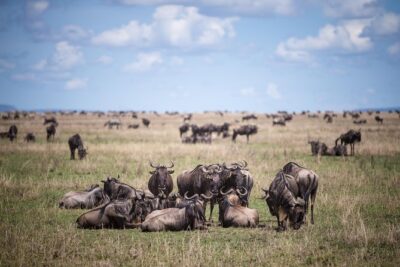
8 Days Great Wildebeest Calving Migration Safari from Arusha
Read our review →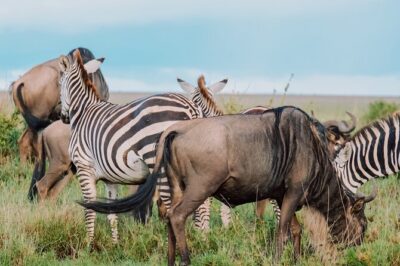
10-Day Serengeti Wildebeest Migration Safari from Arusha
Read our review →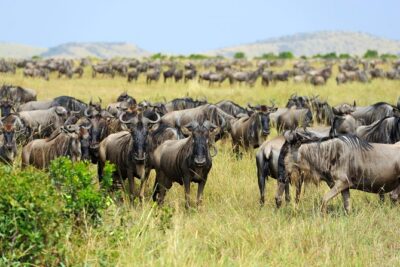
8 Day Spectacular Migration Serengeti mid -Range Tanzania Safari
Read our review →
9-Day Serengeti Migration Footsteps Tanzania Safari
Read our review →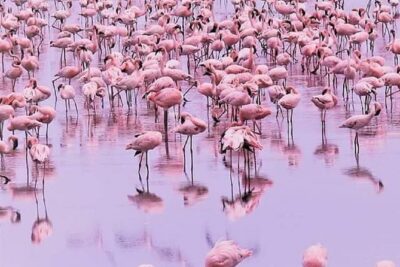
Private 6-Day Great Migration Ndutu Serengeti Safari Tour
Read our review →
4 Day Great Migration Safari Serengeti & Ngorongoro Crater
Read our review →Browse the lists this tour appears in