
Reviewed · 4-DAY EXPERIENCES
4-Day Group Joining Safari in Tanzania | Shared Safari
Four parks, one short trip. This four-day shared safari links Tarangire National Park, Serengeti National Park, and Ngorongoro Crater, giving you elephants, open plains, the Seronera area, and a crater floor filled with wildlife. I like the small maximum group of seven and the chance to see three of northern Tanzania’s best-known wildlife areas for $998 per person. The main drawback is the pace: long drives and early starts leave little room for rest.
I also like the strong praise for the guides and food. Beni is singled out for knowing where animals appear, while the safari cook earns credit for tasty meals. Still, the exact lodging, meal plan, vehicle details, and what the price includes should be confirmed before booking, since those points are not fully spelled out.
In This Review
- Key points to know before booking
- What this four-day safari is really offering
- Starting in Arusha at a very early hour
- Tarangire National Park and its elephant country
- The road to Serengeti through Karatu and Ngorongoro
- Seronera and a full day on the Serengeti
- Ngorongoro Crater and the final wildlife search
- Food, lodging, and the small-group experience
- Guide quality and the value of planning
- Who should book this safari?
- Should you book it?
- FAQ
- How long is the safari?
- Where does the safari start?
- Where does the safari end?
- What time does the safari start?
- Which national parks and areas are included?
- How many people can join the group?
- Is pickup available?
- What does Tarangire National Park offer?
- Can I cancel for a full refund?
Key points to know before booking
- Three major safari areas in four days: Tarangire, Serengeti, and Ngorongoro Crater are all included.
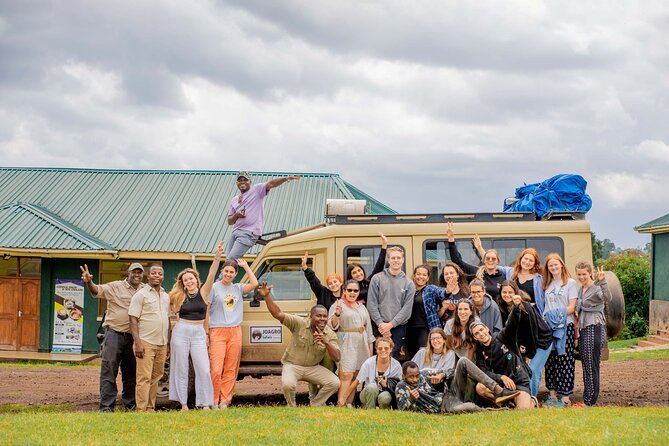
- A maximum of seven people: The shared format is small enough to feel more personal than a large coach tour.
- Tarangire is the elephant day: Baobab trees, acacias, and a large seasonal elephant population shape the first park visit.
- Serengeti gets the most time: Day two reaches the Seronera area, followed by an early start and a full wildlife day on day three.
- Ngorongoro finishes the trip: The crater is more than 600 meters deep and is known for a high concentration of animals and predators.
- Long road sections matter: The listed drives include 130 kilometers to Tarangire, 200 kilometers to Serengeti, and 210 kilometers back toward Ngorongoro.
What this four-day safari is really offering
This is a fast, ambitious introduction to Tanzania’s northern safari circuit. You begin in Arusha and move through three famous wildlife areas rather than spending several days in one park. That makes the trip useful if you have limited time, but it also means you will spend a fair part of each day on the road.
At $998 per person, the price needs to be judged against the scale of the route, not just the number of days. You are covering large distances and entering several major conservation areas in a shared group capped at seven people. That is a reasonable setup for someone who wants a compact safari without paying for a private departure.
The shared format also changes the feel of the trip. You will need to agree on game-drive priorities, departure times, and how long to stay at sightings with the rest of the group. A maximum of seven people is a useful limit, since it should be easier to communicate than on a large vehicle filled with passengers.
The strongest practical point is the guide. Good wildlife guiding can change an ordinary drive into a memorable one, and Beni receives particular praise for finding animals. Communication also appears to be a strength, with Jonas noted for speaking good English and helping plan the trip.
A few more options to weigh up in Arusha
- Balloon Safari & Bush Breakfast in Serengeti – Miracle Experience
★ 5.0 · 1,646 reviews - Tanzania Classic – 7 Days
★ 5.0 · 1,151 reviews - 4 Days Group Camping Safari
★ 5.0 · 1,101 reviews
Starting in Arusha at a very early hour
The listed meeting point is TFA Shopping Center on Sokoine Road in Arusha. Pickup is offered, and the activity ends back at the meeting point, but the stated start time is 12:00 am. That is midnight, not midday, so confirm the actual pickup time and location before the safari begins.
The itinerary also mentions a stop in Arusha for last-minute purchases before leaving. This is useful, but do not treat it as a leisurely shopping stop. You will want to have your personal items ready before departure, since the first day is already long.
The road distance to Tarangire is listed as 130 kilometers, with three to four hours of non-game-viewing travel. Once you add park driving, lunch, and stops, day one lasts about eight hours. That is a full opening day, especially if you have arrived in Arusha shortly before the safari.
Tarangire National Park and its elephant country
Tarangire is a strong choice for the first park. It is known for its high elephant population and for scenery marked by baobab and acacia trees. Those trees give the park a look that differs from the broad grasslands you will see later in the Serengeti.
The park sits within a larger seasonal movement of animals. The information supplied for this safari describes a cycle that can include up to 3,000 elephants, 25,000 wildebeest, and 30,000 zebras. The exact animals you see will depend on the season and location, but the figures explain why Tarangire is more than a quick substitute for the Serengeti.
I like the contrast here. You get a first taste of big mammals among distinctive trees, rather than beginning with endless open plains. That makes Tarangire especially appealing if elephants are high on your list.
The tradeoff is time. With three to four hours of road travel before game viewing and a total day of about eight hours, you should expect a busy schedule. Tarangire is not being treated as a relaxed, multi-day park stay. It is an important first chapter in a larger route.
The road to Serengeti through Karatu and Ngorongoro
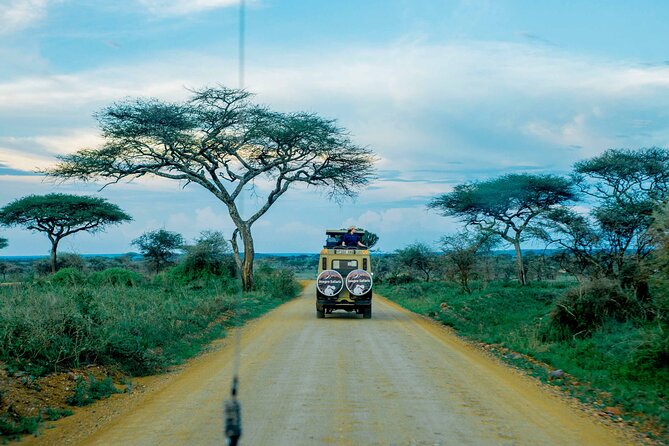
Day two covers roughly 200 kilometers and takes about 10 hours. The route passes through the high farmland around Karatu and the Ngorongoro Conservation Area before descending toward Serengeti.
This transfer is a major part of the experience. You are not simply moving between two attractions. The route changes from cultivated highland country to the open plains of the Serengeti, and the sense of entering a much wilder area builds as you go.
The practical issue is clear: this is a long day in the vehicle. The stated non-game-viewing time is two to three hours, followed by the road into the park and afternoon animal viewing. You should be comfortable with extended drives and keep expectations realistic. The journey is part of the safari, but it is still road time.
The reward is reaching the Seronera area, described as one of the Serengeti’s richest wildlife zones. The Seronera River supplies water to the area, which helps explain its importance for animals. You arrive in time for lunch and an afternoon game drive, giving you a first look at the park before the next full day.
A different kind of day out entirely:
- 5 Days Group Camping Safari
★ 5.0 · 730 reviews - Materuni Waterfalls, coffee tour & Kikuletwa Hot Springs
★ 5.0 · 643 reviews - 3 Days Serengeti & Ngorongoro Group Camping Safari
★ 5.0 · 574 reviews - 7-Day Premium Luxury Tanzania Safari All-Inclusive
★ 5.0 · 426 reviews
Seronera and a full day on the Serengeti
Serengeti is the centerpiece of this route. Day three begins very early so you can catch the sunrise and start looking for animals before continuing into the evening. The planned day lasts about nine hours.
That early start is not just a scheduling choice. Dawn gives you a chance to see the plains in softer light, and it allows more time to search for wildlife. The schedule is also built around the idea of following animal activity rather than returning quickly to the lodge.
The itinerary refers to migration in the title for this day, but migration sightings are seasonal and cannot be guaranteed from the information provided. You may see moving herds, but the timing and location of the wildebeest and zebra change during the year. Ask the operator what conditions are expected during your dates.
You will likely appreciate having a full day in one park after the long transfer from Arusha and Karatu. It gives the guide more time to work the Seronera area and respond to recent sightings. It also means you should expect a tiring day, with an early wake-up and late return.
The best advice is to judge this day by its flexibility. A guide who knows where animals have recently appeared can make a large difference. Beni’s ability to locate wildlife is one of the most encouraging details attached to this safari, so ask in advance who will guide your departure.
Ngorongoro Crater and the final wildlife search
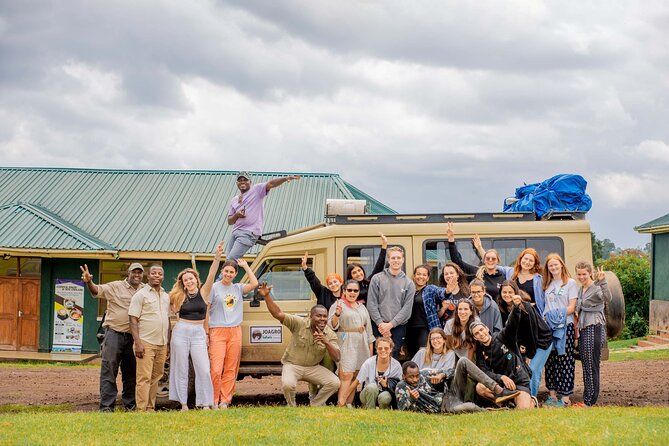
Day four takes you to Ngorongoro Crater after an early breakfast. The listed journey is about 210 kilometers, with three to four hours of non-game-viewing travel, and the day lasts around 10 hours.
The crater is more than 600 meters deep and holds a wide range of animals. The route description includes wildebeest, zebra, buffalo, eland, warthog, hippopotamus, and large African elephants. It also points to lions, hyenas, jackals, cheetahs, and the more difficult-to-spot leopard.
This is a fitting final stop because the crater offers a concentrated wildlife setting after the wide-open Serengeti. You may find that animal sightings feel easier to organize here, although no safari can promise a particular species. The mention of Lake Magadi adds another point of interest, since it is a large, shallow alkaline lake within the crater area.
The drawback is the return-day pressure. You are leaving the Serengeti, traveling toward Ngorongoro, spending time in the crater, and then returning to Arusha’s meeting point. It is a substantial day, not a slow farewell. If you want long hours at every sighting, four days may feel tight.
Food, lodging, and the small-group experience
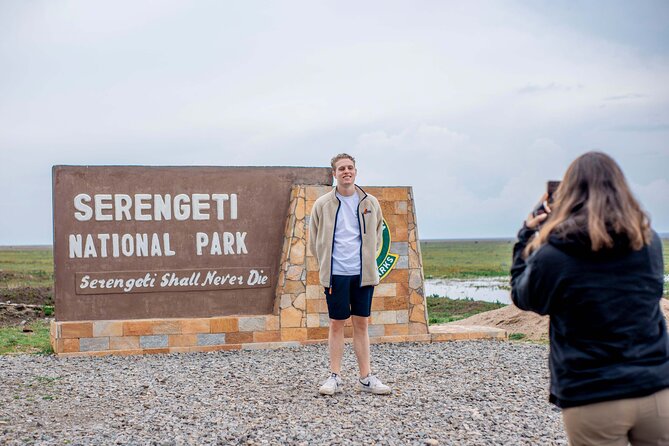
The supplied information does not give a full lodging list or a detailed breakdown of meals. It does indicate that a lodge was very well received for its food variety and taste, and another account praises the cook who joined the safari.
That is useful because meals matter on a packed route. After a long road section or a nine-hour game drive, dependable food adds comfort. Still, you should ask exactly which nights are in lodges, what room arrangements apply, and which meals are included in the $998 price.
The group limit of seven is one of the clearest advantages. You will still share the vehicle and daily decisions, but the group should be small enough for easier conversation with the guide. It also gives you a better chance of getting a clear view at a sighting than you might have in a much larger group.
At the same time, shared safaris require patience. You may want to stay with an elephant herd while someone else prefers to move on in search of a cat. The operator should explain how these decisions are handled before you pay.
Guide quality and the value of planning
The most positive comments focus on organization, communication, and the people running the safari. Jonas is praised for planning help and English communication, while Beni is praised for locating animals. Those are practical strengths, not vague compliments.
A good pre-trip conversation can help you make the most of the route. Ask who your guide will be, confirm the exact start time, and request a written list of inclusions. Since the advertised meeting time is midnight and the itinerary includes several long transfers, small mistakes in timing could create real stress.
The safari is also described as well organized and memorable, with food receiving repeated approval. Those details support the price, but they do not replace a clear booking conversation. You should know the lodging standard, meal arrangements, transport setup, and pickup plan before departure.
Who should book this safari?
I would recommend this trip to someone who wants to see the major northern Tanzania parks in a short window. It suits first-time safari visitors, couples or friends who want a small shared group, and anyone who values reaching the Serengeti without arranging several separate transfers.
It is also a good fit if elephants, big cats, the Serengeti plains, and Ngorongoro Crater are all on your wish list. The route gives each major area a role: Tarangire for elephants and baobabs, Serengeti for open-country wildlife, and Ngorongoro for a dense final wildlife search.
I would be more cautious if you dislike long drives or need a relaxed schedule. This is not a four-day retreat with leisurely mornings. Day two and day four are especially demanding, and day three begins early and runs late.
Before booking, confirm:
- The exact pickup time, since the listed start is 12:00 am.
- Which guide will lead your group.
- The lodge names and room arrangements.
- Which meals are included.
- The vehicle and seating setup.
- Whether migration conditions match your travel dates.
Should you book it?
Book this safari if you want a compact, small-group route through Tarangire, Serengeti, and Ngorongoro and you are comfortable with long driving days. The $998 price looks attractive for the number of major areas covered, especially with a maximum group of seven and strong praise for guiding and food.
Choose a longer safari instead if you want more time in each park or dislike changing locations quickly. For a first look at northern Tanzania, though, this plan gives you a lot in four days and puts its best assets in the right order.
Free cancellation is available if you cancel at least 24 hours before the local start time. Changes or cancellations inside that window are not accepted for a refund.
FAQ
How long is the safari?
The experience lasts approximately four days.
Where does the safari start?
It starts at TFA Shopping Center on Sokoine Road in Arusha, Tanzania.
Where does the safari end?
The activity ends back at the meeting point in Arusha.
What time does the safari start?
The listed start time is 12:00 am. Confirm the exact pickup arrangements with Joagro Safaris Tanzania before departure.
Which national parks and areas are included?
The route includes Tarangire National Park, Serengeti National Park, Ngorongoro Crater, and the Ngorongoro Conservation Area during the journey.
How many people can join the group?
The activity has a maximum of seven travelers.
Is pickup available?
Yes, pickup is offered.
What does Tarangire National Park offer?
Tarangire is known for its large elephant population, baobab trees, acacia trees, and seasonal animal movement that can include elephants, wildebeest, and zebras.
Can I cancel for a full refund?
Yes. You can receive a full refund if you cancel at least 24 hours before the experience start time. Cancellations made less than 24 hours before the start time are not refunded.
Just added in Arusha
- Safari “Kifaru” – 5 days in the most famous Parks in the world★ 5.0 · 4 reviews
- Saadani Day Trip★ 5.0 · 13 reviews
- 3 Days Tanzania Short and Spicy★ 5.0 · 6 reviews
- 5 Day Tanzania Safari Camping Adventure Private Tour★ 5.0 · 2 reviews
- Day Trip to Ngorongoro Crater from Arusha★ 5.0 · 1 review
- SERENGETI NATIONAL PARK Tour★ 4.5 · 5 reviews
- 3 Days Serengeti Park & Ngorongoro Crater Adventure Safari★ 5.0 · 8 reviews
- 6 Days Tanzania Bush Experience Safari★ 5.0 · 6 reviews
4-Day Experiences, compared.
4 Days Join Group tour Tarangire Serengeti and Ngorongoro crater
Read our review →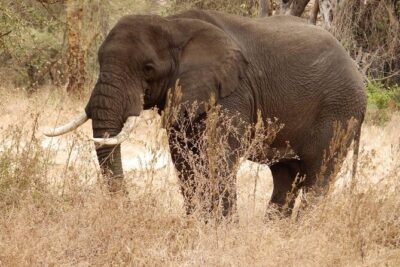
4-Day Safari from Arusha: Tarangire, Serengeti and Ngorongoro
Read our review →

4 Days Tarangire, Serengeti and Ngorongoro Mid-Range Group Safari
Read our review →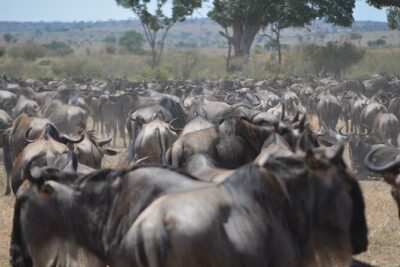
4 Days Tanzania Lodge Safari With Two Nights at Serengeti
Read our review →
Browse the lists this tour appears in