
Reviewed · 4-DAY EXPERIENCES
4-Day Simba Safari – Mid Range Tour
Big cats, crater walls, and a hot lunch await. I like the smart route from Arusha through Lake Manyara, Serengeti, and Ngorongoro Crater, which gives you three very different wildlife settings in only four days. I also like the private format and the promise of freshly prepared hot lunches rather than a routine packed sandwich.
The main caution is the pace. You cover long distances and spend much of each day in a safari vehicle, especially on the transfer into the Serengeti. The final overnight arrangement also needs confirming, since the day-four plan mentions dinner and a lodge stay while the tour details say the activity ends back at the meeting point.
In This Review
- Key points to know before booking
- Why this four-day route works
- Day one: Lake Manyara’s birds and tree-climbing lions
- Day two: The long road into Serengeti
- Day three: More Serengeti, then toward Ngorongoro
- Day four: Ngorongoro Crater and Lake Magadi
- What $2,179 per person really covers
- The guide can make or break the safari
- Who should choose this safari
- Should you book the Simba Safari?
- FAQ
- Where does the safari start?
- Where does the safari end?
- How long is the tour?
- Which parks and protected areas are included?
- Is this a private tour?
- Are meals included?
- Are park fees included?
- What is not included in the price?
Key points to know before booking
- Three major wildlife areas: See bird-filled Lake Manyara, the open plains of Serengeti, and the enclosed wildlife basin of Ngorongoro Crater.
- Private touring: Only your own group participates, giving you more say over questions, stops, and the rhythm of game drives.
- Strong guiding is central: Guides including Hassni, Juma, Mwinyi, Inno, George, Zadock, Calvin Kileo, and Hassan are praised for safe driving, animal spotting, and clear explanations.
- Hot safari lunches: Each day includes soup, bread rolls, a main dish, fruit salad, tea, coffee, and a glass of wine.
- Mid-range price point: At $2,179 per person, the cost includes park fees, guide service, lodging meals, and four lunches, but not flights, visa fees, insurance, or tips.
- Plan for full days: The listed activities run about eight hours per day, with early starts and evening arrivals.
Why this four-day route works
Tanzania’s northern circuit is not one single type of safari. Lake Manyara is compact and varied, Serengeti is vast and famous for moving herds, and Ngorongoro offers a concentrated wildlife experience inside an ancient volcanic caldera.
That variety is the strongest reason to choose this trip. You are not spending four days in one park hoping the scenery changes. Instead, the route gives you forests, floodplain, open grassland, crater floor, alkaline water, birds, large mammals, and the chance to search for predators.
I also like the private setup. Safari vehicles can feel intimate when the group is small, but they can feel crowded when several unrelated people are sharing every decision. Here, only your group participates, so you can ask your guide to explain animal behavior, spend longer with an interesting sighting, or adjust the pace when possible.
There is a tradeoff. Four days is enough for a first look, but it is not a leisurely safari. Driving between parks takes time, and the Serengeti section is especially ambitious. If your main goal is the Great Migration, the exact season and location matter greatly. The route description says the guide will try to find the migration, but no sighting can be guaranteed.
A few more options to weigh up in Arusha
- Balloon Safari & Bush Breakfast in Serengeti – Miracle Experience
★ 5.0 · 1,646 reviews - Tanzania Classic – 7 Days
★ 5.0 · 1,151 reviews - 4 Days Group Camping Safari
★ 5.0 · 1,101 reviews
Day one: Lake Manyara’s birds and tree-climbing lions
Your first day begins after breakfast in Arusha with a drive to Lake Manyara National Park. The plan allows a full-day game drive, followed by an evening lodge check-in, dinner, and overnight stay.
Manyara is a fine opening act because it offers more than the usual big-animal checklist. More than 400 bird species have been recorded in the park, and the tour description suggests that seeing around 100 species in one day is possible for a first-time visitor with attentive guiding. That makes this a good place to slow down and notice smaller details.
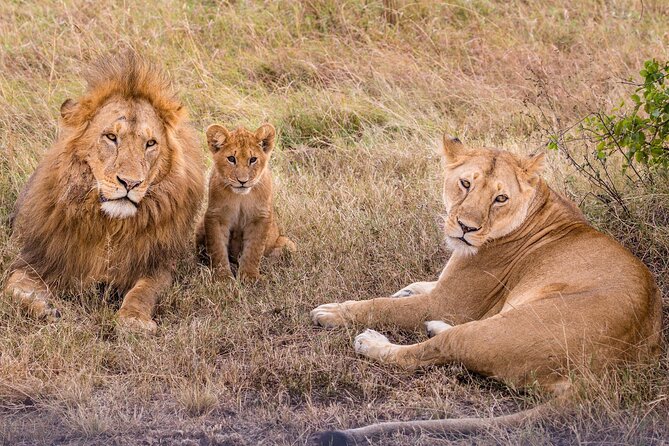
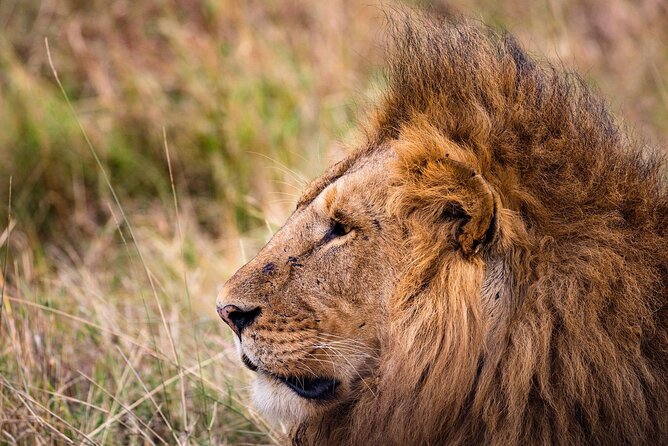
The park includes floodplain and acacia woodland. The woodland is associated with Manyara’s famous tree-climbing lions, as well as elephants with notably large tusks. You may see neither on a particular drive, but the habitat gives you a genuine chance to look for both.
This day is not only about lions and elephants. Birds and reptiles are part of the experience, and the change from open plains to woodland gives your guide more opportunities to explain how animals use different habitats. If you enjoy photography, Manyara’s mix of trees, water, and wildlife should provide more varied scenes than a wide grass plain.
Lunch is a notable feature. Your driver prepares a table and serves a hot meal with soup, bread rolls, a main dish, fruit salad, tea, coffee, and a glass of wine. That sounds far more comfortable than eating a hurried sandwich beside the vehicle, though a table service lunch can also take time from the game drive. If wildlife activity is especially good, ask your guide how the lunch timing will work.
The eight-hour estimate is useful, but do not read it as eight nonstop hours of animal viewing. It includes driving, stops, lunch, and the transition to your lodge. Wear comfortable clothes, bring sun protection, and expect a day built around patience.
Day two: The long road into Serengeti
After breakfast, you drive toward Serengeti National Park. The aim is to reach the park and search for the Great Migration, with an afternoon game drive before dinner and overnight lodging at a camp or lodge.
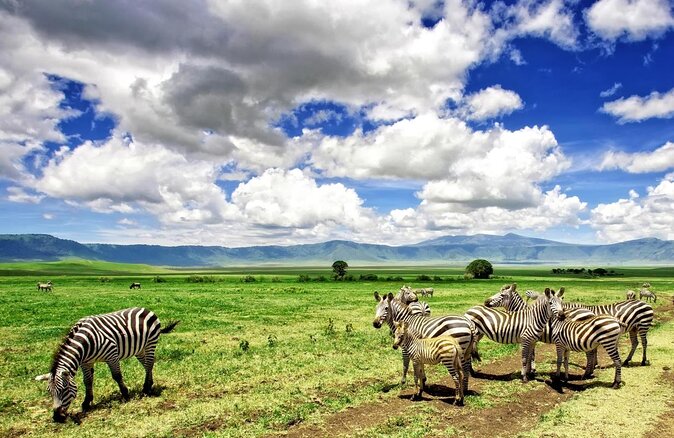
Serengeti is the emotional centerpiece of this route. Its name is closely tied to endless grass plains, migrating wildebeest, and large resident wildlife. The attraction is not just one famous event. The park also supports animals that remain in the area year-round, including predators and many other species.
The wording of the plan is important: your guide will try to catch and view the migration. That means you should think of the migration as a possibility, not a promise. Herds move according to rainfall and grazing conditions, and their position changes through the year. A strong guide can search intelligently, but nature keeps the final say.
The drive into Serengeti can be tiring. You gain access to one of Africa’s best-known wildlife areas, but you pay for it with road time. This is where a private tour helps. You can ask about the day’s timing and keep the trip comfortable for your group rather than following the preferences of strangers.
A hot lunch is again prepared in the park. The full meal includes soup, rolls, a main course, fruit salad, tea, coffee, and wine. The operator presents this as a higher level of service than a cold sandwich, and it does add a small touch of comfort to a physically demanding day.
The guide is especially important here. Strong safari guides do more than drive toward a line of vehicles. They read tracks, watch animal behavior, know the park roads, and explain what you are seeing. Specific guides connected with this safari company receive especially strong praise for these skills. Mwinyi Hamza is described as excellent with animals, birds, plants, and trees, while Juma is praised for his safe driving, warm hosting, and ability to spot wildlife. Inno is repeatedly associated with big cats, including lions, cheetahs, and leopards.
You should also expect some time spent watching rather than moving. A leopard in a tree or a pride with cubs may require patience. That is not wasted time. It is the difference between ticking off an animal and actually observing it.
Day three: More Serengeti, then toward Ngorongoro
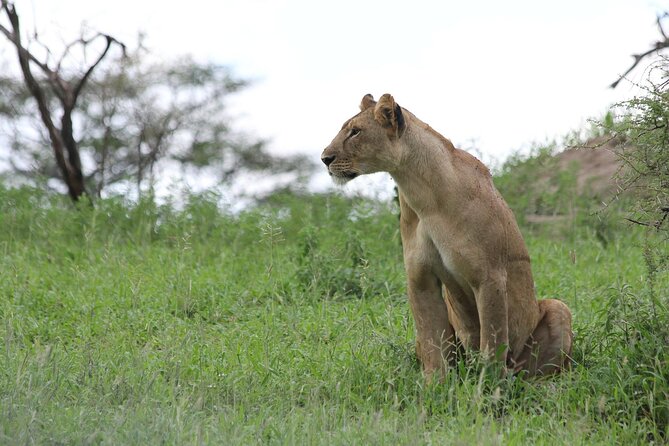
Day three starts with breakfast at camp, followed by another full-day Serengeti game drive. The stated aim is to search for big cats and the Big Five before driving late in the afternoon toward Ngorongoro for dinner and an overnight stay.
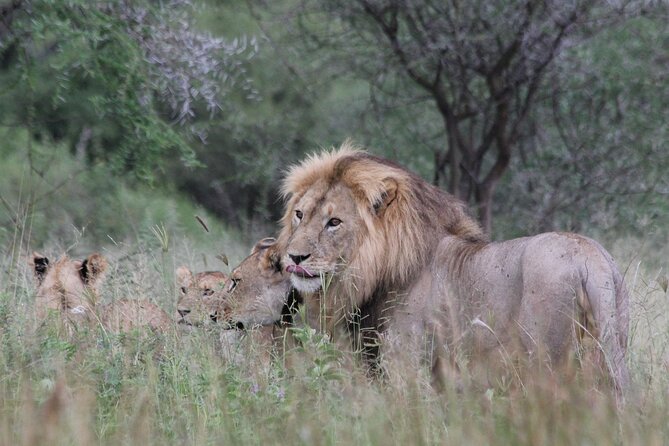
This is a better wildlife day than the schedule may first suggest. You are not simply passing through Serengeti on the way to the crater. You have another extended chance to search for lions, leopards, cheetahs, elephants, buffalo, and other animals.
The Big Five label can sometimes narrow a safari too much. You should certainly enjoy seeing those animals, but Serengeti’s value also lies in its broader animal life, birdlife, and behavior. A guide who explains mating, feeding, herd protection, and predator strategy can turn a sighting into a proper lesson in the natural world.
The guide names praised for this kind of interpretation include Mwinyi, Calvin Kileo, George, and Zadock. Calvin is noted for patience and sharp route skills. George is praised for combining enthusiasm with clear explanations. Zadock receives particular credit for tracking animals, including repeated cheetah sightings. These details matter because the quality of a safari often depends less on the vehicle than on the person reading the terrain.
You may also see the practical side of park driving on this day. The journey from Serengeti to Ngorongoro is not just a scenic transfer. It can be long, and you will likely arrive tired. Keep some water within reach and use the drive as a chance to rest your eyes between sightings.
The overnight move is sensible because it positions you for the crater visit. Still, confirm the exact camp or lodge and the meal plan before departure. The supplied details promise dinner and overnight accommodation, but they do not name the property.
A different kind of day out entirely:
- 5 Days Group Camping Safari
★ 5.0 · 730 reviews - Materuni Waterfalls, coffee tour & Kikuletwa Hot Springs
★ 5.0 · 643 reviews - 3 Days Serengeti & Ngorongoro Group Camping Safari
★ 5.0 · 574 reviews - 7-Day Premium Luxury Tanzania Safari All-Inclusive
★ 5.0 · 426 reviews
Day four: Ngorongoro Crater and Lake Magadi
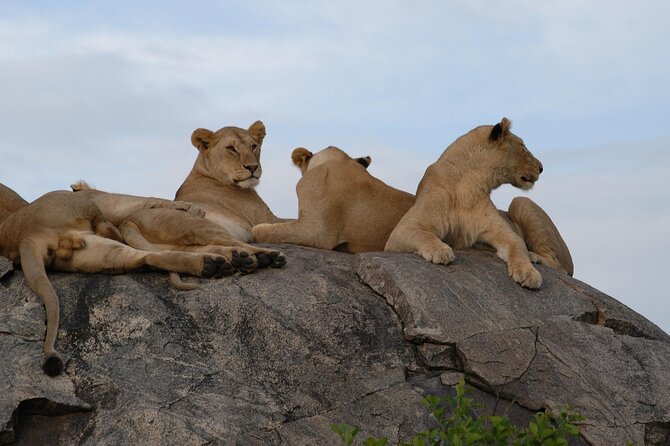
The final day begins with an early breakfast, followed by a drive into Ngorongoro Crater for a full-day crater tour. After lunch, the game drive continues until evening.
Ngorongoro is physically different from Serengeti. The crater is about 20 kilometers across, roughly 600 meters deep, and around 300 square kilometers in area. It is an un-flooded, unbroken volcanic caldera, and its steep walls create a powerful sense of enclosure.
That shape also helps concentrate wildlife. You are not searching across an endless plain in the same way you do in Serengeti. The crater floor contains grassland, woodland, wetlands, and Lake Magadi, a large but shallow alkaline lake in the southwestern part of the crater.
Lake Magadi can attract flamingos, hippos, and other water birds. It gives the day a different focus from predator searching, and it is one reason to bring binoculars even if your main wish is to see lions.
The crater is often the easiest place on this route to see a broad mix of animals in a relatively compact area. That does not mean every animal will appear, and the crater can be busy with other safari vehicles. Still, the combination of volcanic walls, wildlife, and water makes this a memorable closing day.
The day-four lunch follows the same hot meal pattern. Afterward, you continue the game drive and then head toward the lodge or meeting point. Here you should ask for a precise end time and overnight plan. The stated meeting details say the activity ends back at the starting point in Arusha, while the itinerary wording refers to dinner and another lodge night. That is a small but important planning issue, especially if you have a flight or hotel reservation.
What $2,179 per person really covers
At $2,179 per person, this is not a budget safari. It is also not priced like a private luxury expedition with high-end tented camps and elaborate extras. The value depends on what is included and on how much comfort you place on guiding and meals.
The price includes non-resident park fees, a professional driver-guide, three dinners, four lunches, and three breakfasts. The meal count fits the four-day schedule, although the accommodation details are not specific enough to judge the rooms, camp style, location, or amenities.
The hot lunches are a real service advantage. Meals with soup, bread, a main dish, fruit salad, tea, coffee, and wine take more planning than a cold box lunch. If you value a proper midday break, this helps explain the mid-range positioning.
Park fees are another major cost built into a safari. You are paying to enter three important protected areas, and those charges can otherwise make a quoted tour price look cheaper than it really is.
You still need to budget for international flights, airport transfers, tips, personal purchases, travel insurance, and visa fees. The suggested tipping guideline is $10 per person per day. At four days, that works out to a suggested $40 per person, unless you choose to give more for exceptional service.
The guide can make or break the safari
I would pay close attention to guide assignment before booking. The strongest praise centers on safe driving, patience, animal tracking, language ability, and a willingness to explain more than the obvious.
Hassni is described as professional, trustworthy, safe, and helpful. Hassan is presented as a veteran guide with 22 years of experience. Mwinyi Hamza receives especially broad praise for identifying animals, birds, plants, and trees, while Inno is linked with excellent sightings of lions, cheetahs, and leopards.
Juma is a strong choice for families or anyone who values a calm vehicle and practical care. Calvin Kileo is praised for patience and route awareness. George is noted for energy, humor, and engaging explanations. Zadock is associated with careful tracking and strong Serengeti results.
You cannot assume you will receive a particular guide unless the company confirms it. Ask before paying if a named guide matters to you. The private format means your guide has a large effect on the tone of the entire trip.
Who should choose this safari
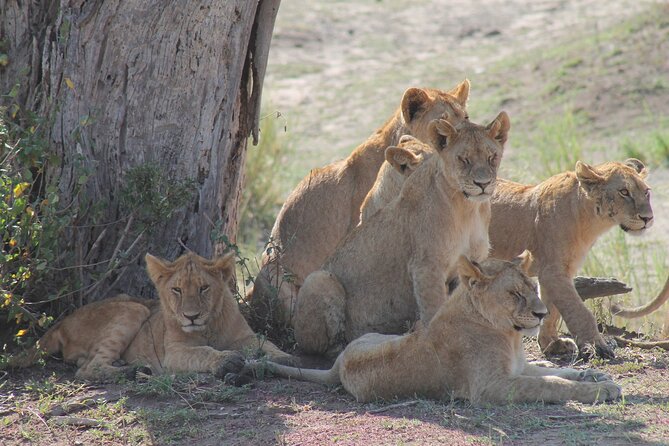
I would recommend this route if you want Tanzania’s major northern parks in a short window and prefer a private trip over a shared vehicle. It suits first-time safari visitors who want a broad introduction to birds, elephants, lions, big cats, the Great Migration, and the Ngorongoro setting.
It also suits families, couples, and small groups who value prepared meals and a guide who can adjust explanations to the people in the vehicle. The private arrangement offers more control than a larger shared tour.
I would hesitate if you dislike long drives, need a relaxed schedule, or have only one specific wildlife goal. Four days gives you range, but it also compresses the experience. If seeing the migration is your only reason for going, confirm the season and likely location before booking.
Most travelers can participate, and confirmation is provided at booking. Pickup is offered, but round-trip airport transfer is not included, so arrange that separately if needed. Free cancellation is available up to 24 hours before the start time. Poor weather may lead to a new date or a full refund.
Should you book the Simba Safari?
Book it if you want a private, food-conscious introduction to Tanzania’s northern circuit and you accept that the schedule will be full. The route gives you three distinct parks, four lunches, professional guiding, and the chance to see everything from flamingos and tree-climbing lions to Serengeti predators.
Before you commit, confirm three things: the exact lodges, the guide assigned to your group, and where the tour ends after the crater day. If those details are clear, $2,179 can be a fair mid-range price for the park access, meals, private service, and concentrated wildlife time.
FAQ
Where does the safari start?
The safari starts in Arusha, Tanzania.
Where does the safari end?
The activity details state that it ends back at the meeting point. The day-four plan also refers to dinner and an overnight lodge stay, so confirm the exact final arrangement before booking.
How long is the tour?
The tour lasts approximately four days.
Which parks and protected areas are included?
The route includes Lake Manyara National Park, Serengeti National Park, and the Ngorongoro Conservation Area, including a visit to Ngorongoro Crater.
Is this a private tour?
Yes. Only your group participates in the activity.
Are meals included?
Yes. The package includes three dinners, four lunches, and three breakfasts. Lunches are described as hot meals with soup, bread rolls, a main dish, fruit salad, tea, coffee, and a glass of wine.
Are park fees included?
Yes. Non-resident park fees are included.
What is not included in the price?
International flights, round-trip airport transfers, tips, souvenirs, travel insurance, visa fees, and other personal items are not included.
Just added in Arusha
- Safari “Kifaru” – 5 days in the most famous Parks in the world★ 5.0 · 4 reviews
- Saadani Day Trip★ 5.0 · 13 reviews
- 3 Days Tanzania Short and Spicy★ 5.0 · 6 reviews
- 5 Day Tanzania Safari Camping Adventure Private Tour★ 5.0 · 2 reviews
- Day Trip to Ngorongoro Crater from Arusha★ 5.0 · 1 review
- SERENGETI NATIONAL PARK Tour★ 4.5 · 5 reviews
- 3 Days Serengeti Park & Ngorongoro Crater Adventure Safari★ 5.0 · 8 reviews
- 6 Days Tanzania Bush Experience Safari★ 5.0 · 6 reviews
4-Day Experiences, compared.
4 Days Join Group tour Tarangire Serengeti and Ngorongoro crater
Read our review →
4-Day Safari from Arusha: Tarangire, Serengeti and Ngorongoro
Read our review →
4 Days Tarangire, Serengeti and Ngorongoro Mid-Range Group Safari
Read our review →
4 Days Tanzania Lodge Safari With Two Nights at Serengeti
Read our review →
Browse the lists this tour appears in