
Reviewed · 4-DAY EXPERIENCES
4 Days Group Joining Camping Tanzania safari
Wild animals are the real alarm clock here. This four-day group safari links Tarangire, Serengeti, and Ngorongoro Crater in a compact northern Tanzania trip, with a 4×4 vehicle, camping gear, meals, and an English-speaking guide included. I like the excellent park combination and the strong value at $1,333.34 per person. I also like that the group can include solo visitors, with space for up to 15 people.
The tradeoff is time. You cover long distances, including a roughly nine-hour day to Serengeti, so this is not a slow safari with hours of lounging at camp. Camping also calls for a bit of patience, and you should confirm the exact pickup time because the details mention both 6:30 am and 7:30 am.
In This Review
- What makes this safari worth considering
- A four-day route with a lot packed in
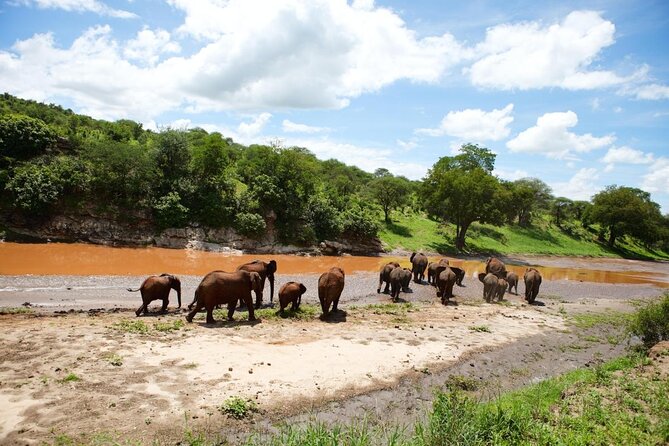
- Day one: Tarangire’s elephants and bird country
- Day two: the long road into Serengeti
- Day three: predators at sunrise and Ngorongoro at sunset
- Day four: down into the Ngorongoro Crater
- What the price includes, and what it does not
- Guides, cooks, and the human side of the safari
- The main drawbacks to weigh before booking
- Who will get the most from this safari
- Should you book the four-day Tanzania safari?
- FAQ
- Where does the safari start and finish?
- How long is the safari?
- Which parks are included?
- What meals are included?
- Is transportation included?
- How large can the group be?
- Can I cancel for a full refund?
What makes this safari worth considering
- Three major parks in four days: You see Tarangire’s elephants and birds, Serengeti’s predators and open plains, and Ngorongoro’s crater wildlife.
- A strong budget format: Park fees, transport, camping equipment, meals, and a professional English-speaking guide are included.
- Small enough to feel social: The maximum group size is 15, making this a practical option for solo visitors who want company without booking a private safari.
- Guides shape the experience: Guides named in guest feedback include Frankie, Bryson, Joel, Jordan, Juma, Mo, Elias, and Salim.
- Food gets repeated praise: Cooks John and Prosper are singled out for generous, tasty meals after long days in the vehicle.
- Good wildlife potential: Lions, elephants, zebras, giraffes, rhinos, buffalo, leopards, cheetahs, and many other species may appear, though nature never signs a contract.
A four-day route with a lot packed in
I see this trip as a greatest-hits safari for someone with limited time. You do not get many quiet hours, but you do get three of Tanzania’s best-known wildlife areas and a clear sense of how different each park can feel.
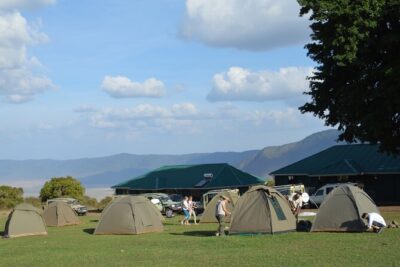
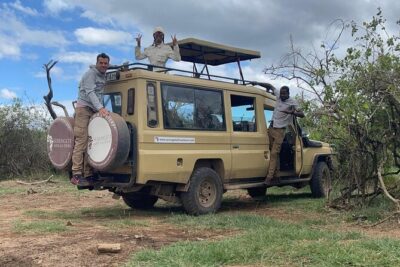
The route begins in Arusha and returns there on the fourth afternoon. Transport is by 4×4 safari vehicle, and the package includes camping equipment such as tents, sleeping mats, chairs, and tables. Dinner is provided on three nights, lunch on all four days, and breakfast on three mornings.
The word camping deserves attention. The tour information also refers to lodges and tented camps, so the exact overnight setup may vary. Ask the operator what kind of tent, bedding, and camp arrangement applies to your departure. That small question can make a big difference to your comfort.
A few more options to weigh up in Arusha
- Balloon Safari & Bush Breakfast in Serengeti – Miracle Experience
★ 5.0 · 1,646 reviews - Tanzania Classic – 7 Days
★ 5.0 · 1,151 reviews - 4 Days Group Camping Safari
★ 5.0 · 1,101 reviews
Day one: Tarangire’s elephants and bird country
Pickup is listed from your Arusha hotel at about 6:30 am, with a drive of roughly 120 kilometers on paved road to Tarangire National Park. The meeting information gives a 7:30 am start, so I would confirm the time before the morning arrives. Safari days begin early, and you do not want to be negotiating that detail beside a suitcase.
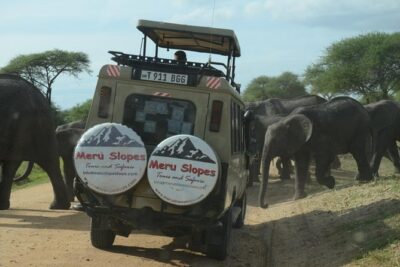
Tarangire covers about 2,850 square kilometers and is known for a high concentration of animals outside the Serengeti system. Its permanent swamps help draw wildlife through the year. That makes the first day more than a gentle warm-up: you may see elephant, lion, leopard, buffalo, python, zebra, oryx, impala, and other species before lunch.
I especially like the birdlife angle. The park has about 550 bird varieties, and the swamps support a remarkable number of breeding species. On drier ground, you might spot the kori bustard, the heaviest flying bird, along with ostrich and ground hornbills.
The afternoon continues with game viewing after lunch. Seven hours in the park is enough to give you a useful first look, but the long drive from Arusha and the early start can make this a tiring opening day. Keep your expectations sensible: you may see a great deal, but sightings are never guaranteed or arranged for convenience.
Tarangire also gives the trip a welcome change of tone. The Serengeti is famous for its huge open plains and predators. Tarangire offers swamps, dry areas, bird activity, and elephant sightings in a different setting. That contrast is one reason the three-park plan works.
Day two: the long road into Serengeti
After breakfast, you leave the Mto wa Mbu area and head through cooler highland country toward Serengeti National Park. The drive takes about nine hours, so this is the day to accept that safari travel includes road time, not just animals beside the vehicle.
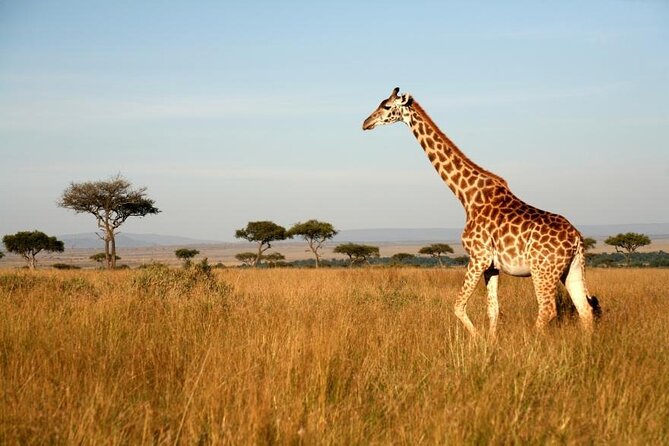
Serengeti means wide open country, and the park is famous for its grass plains, dry savannah, and marshy woodland. These different habitats support both prey and predators. Depending on the season, you may also be near part of the annual wildebeest and zebra movement.
The timing of that movement matters. Herds travel toward the southern plains during the short rains in November and December, then move north again later. Your trip may not match the most dramatic portion of the migration, and it would be unfair to promise that it will. Serengeti is still worthwhile outside the main movement, especially because resident lions and other predators remain a major attraction.
A nine-hour day can feel long in a shared vehicle. The upside is that you reach the park after passing through several types of country, and the changing views help explain why northern Tanzania works as a connected safari region rather than a collection of isolated parks.
I would bring water, sun protection, and something useful for quiet stretches on the road. The tour includes lunch, but personal snacks and drinks may still help. Personal expenses are not included, so keep some money available for anything outside the package.
Day three: predators at sunrise and Ngorongoro at sunset
The third day begins with an early game drive across the Serengeti. This is a smart use of the morning, when the light is soft and predators may still be active. The park has large numbers of prey animals such as gazelles and impalas, which helps explain its strong lion population.
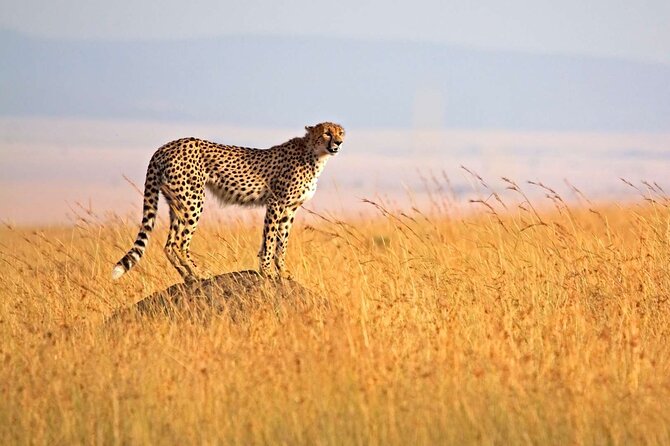
You may see lions, leopards, or cheetahs, along with the many grazing animals that sustain them. The guide’s skill matters greatly here. Salim is praised for more than 15 years of guiding experience, while Frankie is remembered for explaining animal behavior and facts about Tanzania. Other guides named in the feedback include Bryson, Joel, Jordan, Juma, Mo, and Elias.
After the morning drive and breakfast, you leave Serengeti for Ngorongoro. Reaching the crater rim is a dramatic change. The caldera is about 600 meters deep, and the view opens toward the springs and wildlife areas below. You spend the night at a campsite near the rim, where sunset becomes part of the trip rather than a bonus squeezed between activities.
This day is about contrast: open plains in the morning, a high crater rim by evening. It is also another long day, listed at about eight hours. You should expect a full schedule, not a relaxed transfer between resorts.
The overnight location near the crater rim can be cool, and camping conditions may feel basic. The information supplied does not specify the exact camp or bedding beyond the general equipment list, so ask what is supplied if you are sensitive to cold or unfamiliar with safari camping.
A different kind of day out entirely:
- 5 Days Group Camping Safari
★ 5.0 · 730 reviews - Materuni Waterfalls, coffee tour & Kikuletwa Hot Springs
★ 5.0 · 643 reviews - 3 Days Serengeti & Ngorongoro Group Camping Safari
★ 5.0 · 574 reviews - 7-Day Premium Luxury Tanzania Safari All-Inclusive
★ 5.0 · 426 reviews
Day four: down into the Ngorongoro Crater
After an early breakfast, the vehicle takes a narrow, steep road down to the crater floor. This is one of the most concentrated wildlife settings on the route, with zebra, hippo, hyena, wildebeest, warthog, and the famous Big Five: buffalo, rhino, lion, elephant, and leopard.
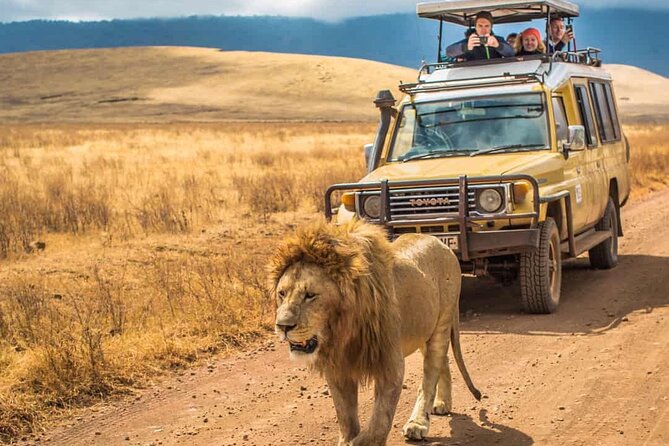
No guide can guarantee all five. Still, the crater gives you a strong chance to see several large mammals in a relatively contained area. One account describes a lion only about a meter from the vehicle, which captures both the excitement and the importance of following the guide’s safety rules.
You spend much of the day on game drives, stop for a picnic lunch, then leave the crater for the return journey to Arusha. The listed duration is about six hours, with arrival in the late afternoon. If you have a flight that evening, I would be cautious about scheduling it too soon. The exact return time can shift with road conditions, park procedures, and wildlife sightings.
Ngorongoro makes a fitting final day because it brings together many of the animals introduced earlier. You may already have seen elephant in Tarangire and predators in Serengeti. In the crater, those species share one remarkable setting, along with rhino, hippo, and hyena.
What the price includes, and what it does not
At $1,333.34 per person, this is not the cheapest possible safari, but the price covers several costly elements. You receive park fees and taxes, transportation in a 4×4 vehicle, a professional English-speaking guide, camping equipment, three dinners, four lunches, and three breakfasts.
That package makes the trip good value if you want a full northern circuit without arranging each piece yourself. A private vehicle, separate park permits, meals, tents, and guide would usually require more planning and could cost more, though the supplied information does not provide private-safari prices for a direct comparison.
The shared format is important. With up to 15 people, you may have less control over stops, seating, and daily pace than on a private trip. In return, you share the cost and may meet people from different places. The feedback includes a group of six solo visitors who fit well together, which suggests the social side can work nicely when the mix is right.
Tips, personal expenses, laundry, communication, international flights, travel insurance, and the Tanzanian visa are not included. Build those costs into your budget. I would also ask exactly what the camping setup includes, since chairs, tables, tents, and sleeping mats are listed, but the finer details are not.
Guides, cooks, and the human side of the safari
The strongest praise goes to the staff. Guides are described as friendly, safe drivers, good company, and strong sources of information about animals and birds. Bryson is remembered for making the group feel more like friends than customers, while Joel is praised for showing scenic places and explaining the wildlife.
Salim receives particularly warm praise for spotting animals and knowing good locations. Amani, who appears to handle arrangements, is described as professional and helpful with pickup, accommodation, coffee, and money matters in Arusha. Those personal touches matter when you are arriving in a new country and trying to work out practical details.
Food is another clear strength. Chef John is praised for delicious meals after long days in the sun, and Prosper is credited with wonderful, plentiful food. That is not a minor detail. After several hours on rough roads and in open air, a dependable meal can change the mood of an entire camp.
Staff assignments can change, so you cannot count on a particular guide or cook unless the company confirms it. You can, however, ask whether a preferred guide is available when you book.
The main drawbacks to weigh before booking
The route is ambitious. You cover three famous parks in four days, with driving days of about seven to nine hours and early starts. If you want long stays at one camp, leisurely breakfasts, or time to read beside a pool, this is probably too busy.
Shared transport is another compromise. A group of up to 15 can be enjoyable, but the vehicle may feel crowded, and you may need to accept the group’s preferred pace. A private safari would offer more control, but the price would likely be different.
The camping level is not fully clear. You receive basic equipment, but the supplied details do not name the camps or describe bathroom arrangements, tent sizes, or bedding beyond sleeping mats. Ask those questions before paying if comfort is a major part of your decision.
The timing details also need clarification. Pickup is stated as 6:30 am, while the meeting information lists 7:30 am. Free cancellation is available until 24 hours before the local start time, but changes or cancellations inside that window are not accepted and are not refunded.
Who will get the most from this safari
I would choose this trip if you want a compact introduction to Tanzania’s northern parks and are comfortable trading comfort for access and value. It suits solo visitors, couples, and small groups who like shared travel and want a guide to handle the complicated parts.
It is also a good fit if your priority is wildlife rather than luxury. You have a realistic chance of seeing lions, elephants, zebras, giraffes, buffalo, and many other animals. Rhinos, leopards, and cheetahs are possible, but sightings depend on season, location, and luck.
I would look elsewhere if you dislike early mornings, long drives, basic camping, or fixed group schedules. I would also avoid connecting it too tightly to an important flight, since the final return is only estimated for late afternoon.
Should you book the four-day Tanzania safari?
I would book it if you want the classic northern Tanzania route at a controlled price and can accept a busy schedule. Tarangire, Serengeti, and Ngorongoro give you three distinct wildlife settings, while meals, park fees, equipment, transport, and a guide remove much of the planning burden.
Before booking, confirm the pickup time, exact overnight camps, sleeping arrangements, group size for your departure, and whether the vehicle has enough room for everyone. If those answers suit you, this is a sensible first safari, especially for solo visitors who want company and for anyone who values a capable guide and well-prepared meals over polished lodge comforts.
FAQ
Where does the safari start and finish?
It starts in Arusha, Tanzania, with pickup offered. The activity ends back at the meeting point in Arusha.
How long is the safari?
The safari lasts approximately four days.
Which parks are included?
The route includes Tarangire National Park, Serengeti National Park, and Ngorongoro Crater.
What meals are included?
The package includes three breakfasts, four lunches, and three dinners.
Is transportation included?
Yes. Transportation is provided in a 4×4 safari vehicle.
How large can the group be?
The activity has a maximum of 15 participants.
Can I cancel for a full refund?
Yes, if you cancel at least 24 hours before the local start time. Cancellations made less than 24 hours before the start time are not refunded.
Just added in Arusha
- Safari “Kifaru” – 5 days in the most famous Parks in the world★ 5.0 · 4 reviews
- Saadani Day Trip★ 5.0 · 13 reviews
- 3 Days Tanzania Short and Spicy★ 5.0 · 6 reviews
- 5 Day Tanzania Safari Camping Adventure Private Tour★ 5.0 · 2 reviews
- Day Trip to Ngorongoro Crater from Arusha★ 5.0 · 1 review
- SERENGETI NATIONAL PARK Tour★ 4.5 · 5 reviews
- 3 Days Serengeti Park & Ngorongoro Crater Adventure Safari★ 5.0 · 8 reviews
- 6 Days Tanzania Bush Experience Safari★ 5.0 · 6 reviews
4-Day Experiences, compared.
4 Days Join Group tour Tarangire Serengeti and Ngorongoro crater
Read our review →
4-Day Safari from Arusha: Tarangire, Serengeti and Ngorongoro
Read our review →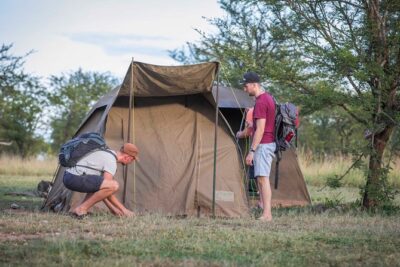

4 Days Tarangire, Serengeti and Ngorongoro Mid-Range Group Safari
Read our review →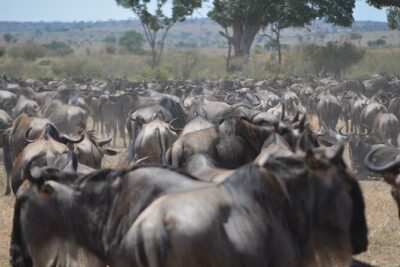
4 Days Tanzania Lodge Safari With Two Nights at Serengeti
Read our review →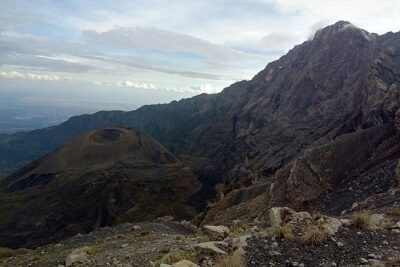
Browse the lists this tour appears in