
Reviewed · 4-DAY EXPERIENCES
4 Days Join-In Safari: Big Five & Great Plains
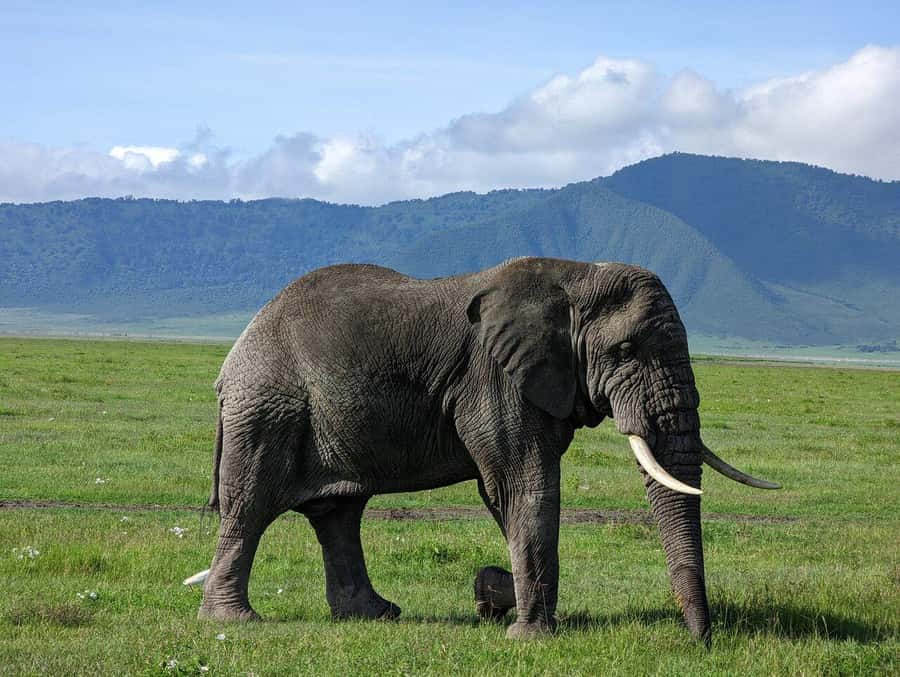
Elephants are only the beginning. This four-day safari links Tarangire, Serengeti, and Ngorongoro, giving you three very different views of northern Tanzania in one compact trip. You ride in a pop-up safari jeep, watch wildlife from the road, and spend nights at lodges and public campsites under a guide-led camping setup.
I like the strong mix of wildlife and scenery, especially Tarangire’s baobabs, Serengeti’s open plains, and Ngorongoro’s enclosed crater. I also like the flexible approach praised in the verified five-star feedback, with the team listening to requests rather than treating every game drive like a fixed script. The main drawback is the pace: four days means long drives, basic camping, and limited time in each park.
In This Review
- Key points to know before booking
- Why this route works in only four days
- Day 1: Tarangire and its elephant country
- Day 2: The long road into the Serengeti
- Day 3: Serengeti to Ngorongoro Crater
- Day 4: A final crater drive and return to Arusha
- What $1,075 includes, and what it does not
- Food, equipment, and what to pack
- Who will enjoy this safari most
- The flexibility factor
- Should you book the 4-day Big Five safari?
- FAQ
- How long is the safari?
- Which national parks are included?
- Can I see the Big Five?
- How large is the group?
- What languages are available?
- Are meals included?
- Is camping equipment provided?
- What is not included in the price?
Key points to know before booking
- Tarangire begins with huge elephant herds, baobab trees, zebras, giraffes, wildebeest, and more than 500 recorded bird species.
- The Serengeti day includes a long transfer, about six hours through the Ngorongoro Conservation Area, with wildlife viewing along the way.
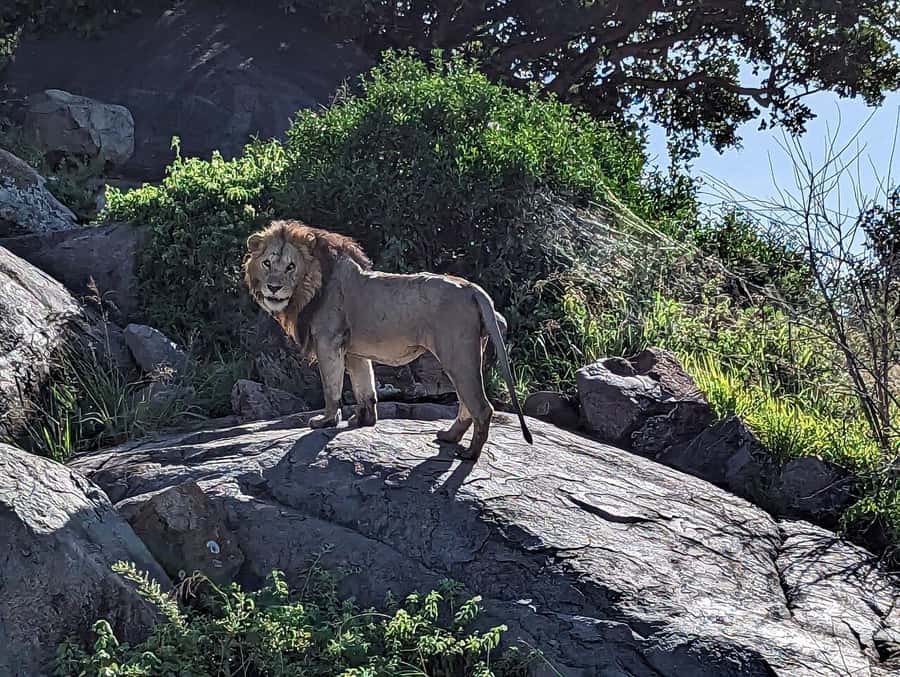
- Ngorongoro Crater gives you the best Big Five odds, including the rare black rhino, though sightings are never guaranteed.
- The group is limited to 14 people, a useful middle ground between a large bus and a costly private safari.
- Camping is part of the bargain, with nights at Seronera Public Campsite and Simba Public Campsite, plus one lodge night.
- The $1,075 price includes major safari costs, such as park activities, meals, water, camping equipment, guide services, and airport or hotel transfers.
Why this route works in only four days
Northern Tanzania has enough wildlife for several weeks, but many people have only a few days before or after a larger trip. This route makes a sensible attempt to cover three major parks without adding a fourth, rushed stop.
Each park offers something different. Tarangire is especially good for elephants and birdlife. Serengeti supplies the broad savannah views and the chance of seeing large predators. Ngorongoro concentrates many animals in a smaller area, giving you one of the best opportunities for a Big Five-focused game drive.
The tradeoff is time on the road. Day two takes around six hours from Tarangire toward Serengeti, and day three includes about three and a half hours from Serengeti to Ngorongoro. You should see this as a moving safari, not a relaxed stay in one camp.
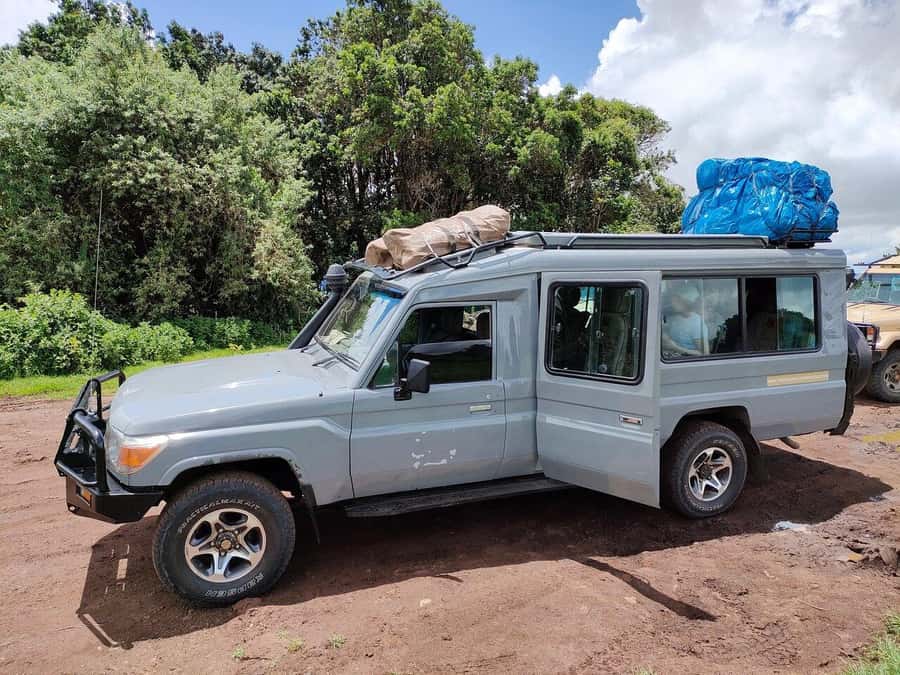
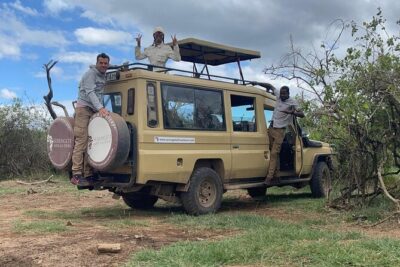
The pop-up jeep matters here. You get a raised view over grasses and shrubs, and the open roof helps with photographs and animal spotting. Bring binoculars anyway. A lion or leopard can be surprisingly hard to pick out when it is resting beneath a tree.
A few more options to weigh up in Arusha
- Balloon Safari & Bush Breakfast in Serengeti – Miracle Experience
★ 5.0 · 1,646 reviews - Tanzania Classic – 7 Days
★ 5.0 · 1,151 reviews - 4 Days Group Camping Safari
★ 5.0 · 1,101 reviews
Day 1: Tarangire and its elephant country
The first park is Tarangire, roughly two and a half hours from Arusha by a mix of paved and dirt roads. That transfer is manageable, and you reach a park known for a very clear signature: elephants.
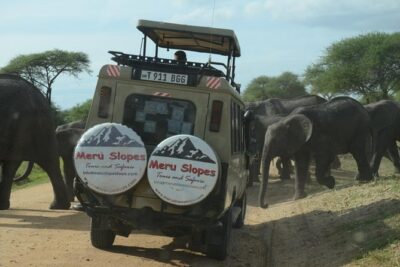
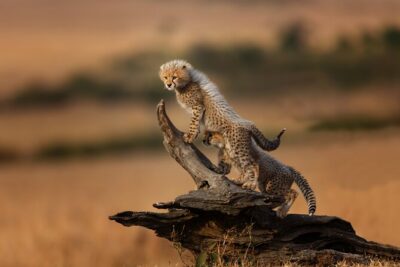
Large elephant herds are the main attraction. You might also see zebras, wildebeest, impalas, ostriches, giraffes, and a wide range of smaller animals during the full-day game drive. Lions are possible, as are leopards and cheetahs, though predator sightings depend on timing, luck, and the guide’s ability to read the area.
Tarangire’s baobab trees give the park a look you will not get in the same way elsewhere on this route. These huge, thick-trunked trees rise above the dry country and provide a strong backdrop for photographs. The scenery is not just filler between animal sightings. It helps you understand why this park feels different from the Serengeti.
Bird watchers get plenty to look for. The park records more than 500 species, including hornbills, lilac-breasted rollers, and eagles. A camera with a decent zoom is useful, but binoculars may give you the better view for birds perched high in the trees.
Lunch and dinner are included, and the first night is at Ngedere Lodge or Fig Big Tree Lodge. Because the accommodation is not specified as one fixed property, confirm the exact lodge before you pay if room style matters to you.
This first day is also a good test of your comfort with safari roads. Dirt stretches can be dusty and uneven. The tour is not suitable for people with back problems, and pregnant people are advised not to join. Even if you have no mobility concerns, wear comfortable clothes and expect the road to be part of the experience.
Day 2: The long road into the Serengeti
Day two shifts from elephant country to the wide-open Serengeti. The drive takes about six hours through the Ngorongoro Conservation Area, with a game drive along the way, and you are expected to enter Serengeti National Park around midday.
That is a long transfer, so keep your expectations realistic. You will not spend the entire day stopping for animals. Still, the route gives you a gradual change in scenery, and the en route game viewing breaks up the drive.
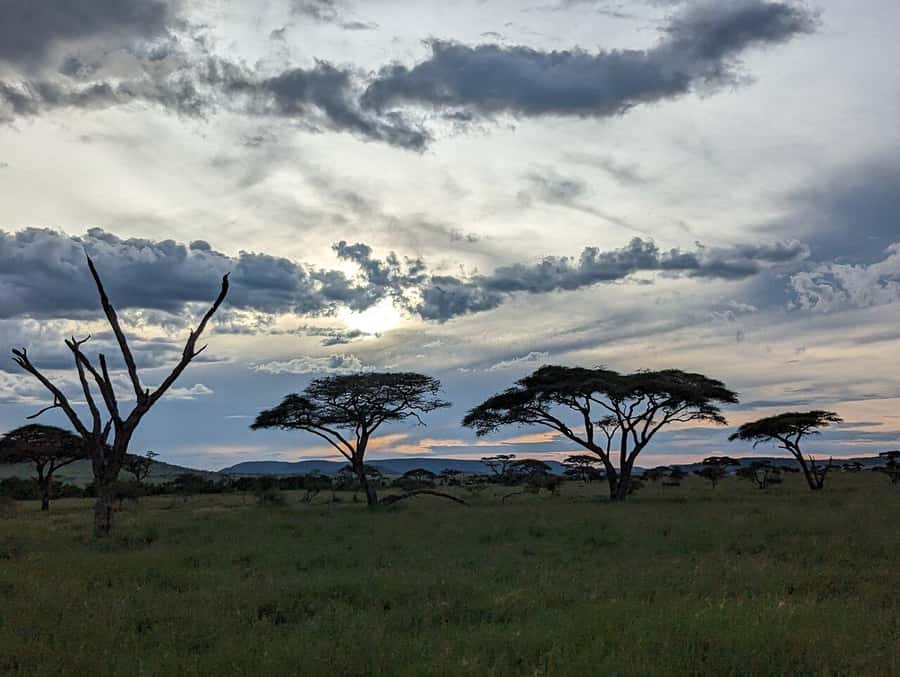
The Serengeti is the place for big skies and open grassland. Acacia trees punctuate the plains, while zebras, giraffes, elephants, buffaloes, topis, and hartebeests may appear during the drive. Lions are a real possibility. Leopards and cheetahs are possible too, but you should treat them as lucky finds rather than promised highlights.
A pop-up roof is particularly useful here because the open plains make it easier to scan for distant movement. Your guide can help identify shapes that look like small rocks or dark shrubs until you see them move.
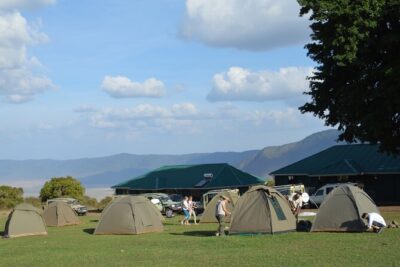
You spend the night at Seronera Public Campsite, with breakfast, lunch, and dinner included. Public camping usually means a more basic setup than a private tented camp, but it also keeps the price within reach. All camping equipment is supplied, so you do not need to pack a tent. You should still bring personal toiletries, warm layers, sunscreen, and insect repellent.
Beer is included as part of the stated drinks arrangement, or you can choose water only. Since the exact drink service can matter to you, confirm what is supplied before departure, especially if you prefer soft drinks or have dietary requirements.
Day 3: Serengeti to Ngorongoro Crater
The third day starts early with a drive of about three and a half hours toward Ngorongoro. The early departure is not glamorous, but it gives you more useful time inside the crater later.
Ngorongoro Crater is a UNESCO World Heritage Site and one of the most concentrated wildlife areas on this route. The crater floor supports lions, elephants, buffaloes, leopards, and the critically endangered black rhino. You may also see zebras, hippos, flamingos, hyenas, and elands.
This is your strongest day for a Big Five checklist, but I would keep the word possible firmly in mind. Leopards are elusive, and black rhino sightings are never guaranteed. The appeal of Ngorongoro is not only the list of animals. It is the chance to see many types of wildlife in a contained natural setting, with the crater walls providing a dramatic sense of place.
Lunch is served at a picnic site near a hippo pool. Follow the guide’s instructions closely around the water. Hippos may look still and sleepy, but they are wild animals and should never be approached or fed. Feeding animals is not allowed anywhere on the safari.
The night is at Simba Public Campsite, with dinner included. As on the previous night, this is basic camping rather than a luxury lodge stay. That can be a good fit if you would rather put money toward park time than polished accommodation. It is a poor fit if you need private, high-comfort rooms every night.
A different kind of day out entirely:
- 5 Days Group Camping Safari
★ 5.0 · 730 reviews - Materuni Waterfalls, coffee tour & Kikuletwa Hot Springs
★ 5.0 · 643 reviews - 3 Days Serengeti & Ngorongoro Group Camping Safari
★ 5.0 · 574 reviews - 7-Day Premium Luxury Tanzania Safari All-Inclusive
★ 5.0 · 426 reviews
Day 4: A final crater drive and return to Arusha
The final day begins with an early breakfast at camp before more crater wildlife viewing. The schedule repeats some of day three’s animal possibilities, but that is not necessarily a weakness. Wildlife changes constantly, and a second look can produce animals missed on the first drive.
You may again search for lions, elephants, buffaloes, leopards, black rhinos, zebras, hippos, flamingos, hyenas, and elands. The crater is compact enough to make a second game drive worthwhile, though the exact sightings will depend on animal movement and the time available.
Lunch is included, followed by the evening drive back to Arusha. This creates a long final day, so avoid scheduling an important flight immediately afterward. International flights are not included, and you should allow extra time between the safari return and any airport connection.
Airport or hotel pickup and drop-off are included, which makes the start and finish easier. Give the operator clear arrival and accommodation details in advance, particularly if you are staying outside the main Arusha area.
What $1,075 includes, and what it does not
At $1,075 per person, this is not a bargain-basement day trip. It covers four days across major national parks, a professional guide, game drives, camping equipment, accommodation, meals, drinks, and airport or hotel transfers.
That package has real value. Park access and vehicle costs can add up quickly, and three major parks require a serious amount of transport and coordination. Having meals included also saves you from arranging food in remote areas.
The price is easier to justify if you are comfortable sharing the vehicle with a small group of up to 14 participants. You get a guide-led experience without paying the full cost of a private safari. The information also describes a private guide, so clarify how vehicle sharing and guide access work before booking.
Not included are international flights, visas, travel insurance, and personal expenses. You should budget separately for those items. Travel insurance is especially sensible on a safari that includes long road transfers and remote campsites.
The tour advertises free cancellation up to 24 hours before departure and a reserve-now, pay-later option. Those terms help if your plans are still moving, but check the exact booking conditions at payment.
Food, equipment, and what to pack
All meals are included, including dietary requirements, but tell the operator about your needs before the trip. Water is included, and beer may be available under the stated drinks option.
Pack light, practical clothing. Comfortable clothes are more important than fashionable ones, and a hat protects you from strong sun during long drives. Sunscreen and insect repellent belong in your day bag, not buried in your main luggage.
A camera and binoculars will improve the experience. Your eyes may spot a giraffe, but binoculars can reveal a bird, distant predator, or animal partly hidden in grass.
Useful items include:
- A hat and high-SPF sunscreen
- Insect repellent
- Comfortable clothing for dusty and uneven roads
- Binoculars
- Camera and spare batteries or charging equipment
- A light layer for early starts and evening camping
Do not feed animals. This is both a rule and a basic matter of safety.
Who will enjoy this safari most
This trip suits you if you want a short, wildlife-heavy introduction to northern Tanzania and are willing to accept long drives and simple camps. It is also a good choice if the Big Five matter more to you than luxury accommodation.
The four-day length works well for people combining safari with other Tanzania plans. The route includes several of the country’s best-known parks without requiring a week away from the coast, a city visit, or another major activity.
It is less suitable if you dislike early starts, dirt roads, shared vehicles, or public campsites. People with back problems and pregnant people should not book it according to the stated restrictions.
The multilingual guide service is another useful advantage. Guides are listed as available in English, French, Spanish, and Russian. Confirm your preferred language when booking, rather than assuming it will be available on every departure.
The flexibility factor
One of the most encouraging details is the five-star feedback praising the team for listening to requests and adjusting plans. That matters on safari, where one person may want birds, another may want predators, and everyone hopes for a good view of elephants.
A flexible guide cannot control wildlife, weather, or road conditions. But a guide who listens can help shape the time you do have. If you care most about photography, birds, rhinos, or predators, explain that early.
The group size of up to 14 is small enough to feel more manageable than a large coach, but it may still affect how quickly the vehicle moves or where everyone can sit. Ask about seating arrangements if photography is a top priority.
Should you book the 4-day Big Five safari?
Book it if you want three famous parks, included meals and camping gear, a small group, and a strong chance of varied wildlife at a fixed price. The best parts are Tarangire’s elephants, Serengeti’s open plains, and Ngorongoro’s concentrated animal viewing.
Think twice if you need luxury, dislike long road transfers, or want a slow safari with several nights in one park. For $1,075, you are paying for access, variety, and logistics, not a polished lodge holiday.
For an active first safari, this is a practical route with genuine value. Go in ready for dust, early breakfasts, public campsites, and a few hours of driving. In return, you get a clear shot at Tanzania’s biggest wildlife highlights in four busy but memorable days.
FAQ
How long is the safari?
The safari lasts four days.
Which national parks are included?
The route includes Tarangire National Park, Serengeti National Park, and Ngorongoro Crater within the Ngorongoro Conservation Area.
Can I see the Big Five?
The safari is designed around Big Five viewing. Lions, elephants, buffaloes, leopards, and black rhinos are found in the parks, especially Ngorongoro Crater, but sightings are not guaranteed.
How large is the group?
The safari is described as a small-group experience limited to 14 participants.
What languages are available?
Live guide services are listed in English, French, Spanish, and Russian. The driver or guide information also specifies English, Spanish, and French.
Are meals included?
Yes. Breakfast, lunch, and dinner are included according to the daily schedule, and dietary requirements are supported.
Is camping equipment provided?
Yes. All camping equipment is included. Overnight stays include Ngedere Lodge or Fig Big Tree Lodge, Seronera Public Campsite, and Simba Public Campsite.
What is not included in the price?
International flights, visas, travel insurance, and personal expenses are not included.
Just added in Arusha
- Safari “Kifaru” – 5 days in the most famous Parks in the world★ 5.0 · 4 reviews
- Saadani Day Trip★ 5.0 · 13 reviews
- 3 Days Tanzania Short and Spicy★ 5.0 · 6 reviews
- 5 Day Tanzania Safari Camping Adventure Private Tour★ 5.0 · 2 reviews
- Day Trip to Ngorongoro Crater from Arusha★ 5.0 · 1 review
- SERENGETI NATIONAL PARK Tour★ 4.5 · 5 reviews
- 6 Days Tanzania Bush Experience Safari★ 5.0 · 6 reviews
- 3 Days Serengeti Park & Ngorongoro Crater Adventure Safari★ 5.0 · 8 reviews
4-Day Experiences, compared.
4 Days Join Group tour Tarangire Serengeti and Ngorongoro crater
Read our review →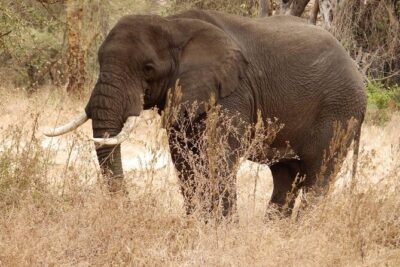
4-Day Safari from Arusha: Tarangire, Serengeti and Ngorongoro
Read our review →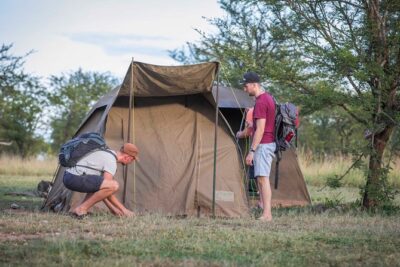
4 Days Tarangire, Serengeti and Ngorongoro Mid-Range Group Safari
Read our review →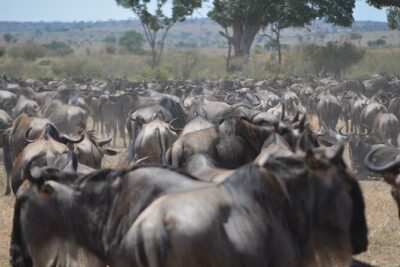
4 Days Tanzania Lodge Safari With Two Nights at Serengeti
Read our review →
Browse the lists this tour appears in