
Reviewed · 4-DAY EXPERIENCES
4 Days Tanzania Safari
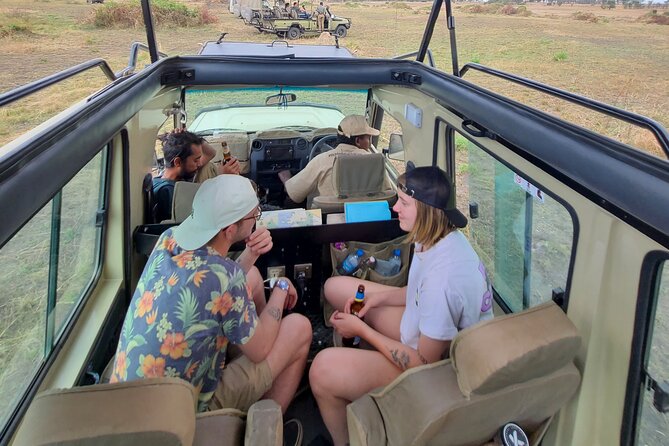
Wild animals are only half the adventure. This four-day Tanzania safari links Tarangire, Serengeti, and Ngorongoro Crater, giving you three very different wildlife settings in one compact trip. I like the private jeep, with an open roof, charging cables, binoculars, drinks, first-aid supplies, and comfortable seats. I also like the personal service: guides such as Ronald, Octavian, Elias, and Edwin have helped make trips flexible and well organized. The tradeoff is a demanding schedule, with long drives and early starts packed into four days.
At $1,300 per person, the price includes transportation, park and facility fees, a professional guide-driver, camping equipment and accommodation, drinks, and all listed meals. You can be picked up in Arusha or Moshi, and the tour is private, so your group controls the pace to some degree. Still, do not expect a slow safari. This is a fast, ambitious route designed to cover Tanzania’s headline parks.
In This Review
- Key points to know before booking
- Three major parks in four days
- Day 1: Tarangire’s elephants and baobab trees
- Day 2: Crossing into the Serengeti
- Day 3: Serengeti predator country
- Day 4: Ngorongoro Crater’s concentrated wildlife
- What the private jeep adds
- What $1,300 per person covers
- Who will enjoy this safari most
- Booking details worth checking
- Should you book the Nafika four-day safari?
- FAQ
- Where does the safari begin?
- How long is the safari?
- Which parks are included?
- Is the tour private?
- Is transportation included?
- Are park and facility fees included?
- Are meals included?
- Are drinks provided?
- Is a flight included?
- Is insurance included?
- Can I cancel for a full refund?
- What animals might I see?
- What should I pack for the highlands?
- Are service animals allowed?
- Can most people participate?
Key points to know before booking
- Tarangire begins with elephants and baobabs: Your first park is especially known for large elephant numbers and giant scattered baobab trees.
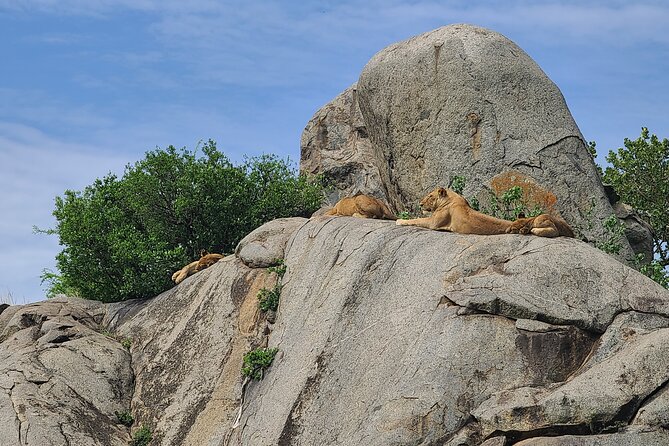
- Serengeti gets the longest wildlife time: You spend part of Day 2 and most of Day 3 in the park, with the Seronera area noted for lions, leopards, cheetahs, and other species.
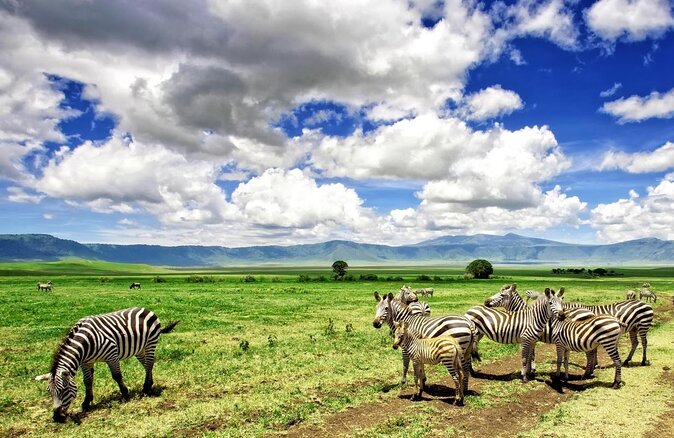
- Ngorongoro is an early-morning finale: The crater visit can last six to eight hours, with possible sightings of rhino, elephants, lions, flamingos, and hyenas.
- The vehicle is set up for photography: An open roof, charging cables, binoculars, a freezer with drinks, and comfortable seats make long game drives easier.
- The route involves serious driving: The first day includes roughly four to five hours on the road, and the trip keeps moving between parks and overnight stops.
- The safari is private: Only your group takes part, and the company says most people can participate. Service animals are allowed.
Three major parks in four days
I like this itinerary because each park brings a different kind of safari experience. Tarangire gives you striking trees and elephant sightings, Serengeti supplies broad open plains and predator country, and Ngorongoro closes the trip with concentrated wildlife in a dramatic crater setting.
The route also gives you a useful introduction to northern Tanzania without asking you to spend a full week on safari. You will not see every corner of these parks, of course. The Serengeti alone is enormous, and this trip reaches only selected areas. But if your time is limited, the combination makes good sense.
The schedule is best for you if you want variety and a strong chance of seeing many familiar African animals. It is less suitable if you prefer late mornings, long stays at one camp, or plenty of time for cultural visits. This is a wildlife-first trip.
A few more options to weigh up in Arusha
- Balloon Safari & Bush Breakfast in Serengeti – Miracle Experience
★ 5.0 · 1,646 reviews - Tanzania Classic – 7 Days
★ 5.0 · 1,151 reviews - 4 Days Group Camping Safari
★ 5.0 · 1,101 reviews
Day 1: Tarangire’s elephants and baobab trees
Your pickup begins in Arusha or Moshi, followed by a drive toward Tarangire National Park via Arusha. The stated driving time is about four to five hours, so the first morning is mostly a transfer. That makes a private vehicle useful. You can settle in, speak with your guide, and use the time to learn how the days will run.
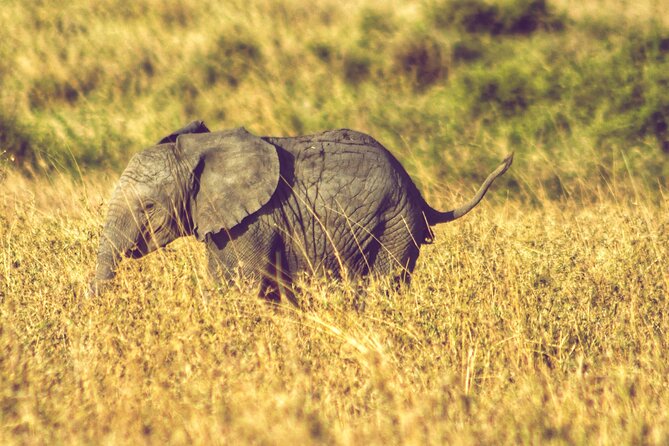
Once inside Tarangire, you spend about three to four hours on a game drive. The park is best known here for elephants and its huge baobab trees. Those trees give the first day a strong visual identity, and they make Tarangire feel different from the open grasslands you see later in the Serengeti.
You might also see giraffes, antelopes, lions, and cheetahs, but sightings of the latter predators are not guaranteed. That is worth keeping in mind. The tour promises a high chance of experiencing the Big Five across the full safari, not a guaranteed checklist at every park.
Lunch is provided during the day. Keep your food close, since the local vervet monkeys are described as charming but mischievous. It is a small detail, but a useful one. Wildlife watching is more pleasant when your lunch stays in your hands.
At about 4 p.m., you leave the park and continue to Haven Nature Safari Camp for dinner and your first night. The day is listed as roughly six hours, but the actual feel may be longer once you add the park drive, stops, and transfers. You should arrive ready for an early night rather than an evening of sightseeing.
Day 2: Crossing into the Serengeti
After breakfast, you head toward Serengeti National Park through the farmland around Karatu and the Ngorongoro Conservation Area. The route takes you through high country before descending toward the Serengeti plains. The stated driving time is about five hours, though the full day includes the approach, park entry, and wildlife viewing.
The change in scenery is part of the appeal. You move from Tarangire’s baobabs to cultivated highlands and then into the broad, open Serengeti. The plain stretches far into the distance, giving you the kind of wide view that makes this park famous.
The itinerary directs you toward the central park area, particularly Seronera. The Seronera River provides a valuable water source, so this area attracts a wide range of animals. For you, that means a sensible chance to see several species in one region rather than spending the entire day searching across a huge park.
The main caution is time. You are covering distance between parks, so not every hour can be spent with animals. The private jeep helps, but it does not shorten Tanzania’s roads. Bring patience, water, sun protection, and a camera with a charged battery.
The vehicle’s charging cables are especially handy here. You may take many photographs during a long day, and the open roof gives you a better angle for viewing and taking pictures than a closed vehicle. The onboard drinks and freezer also matter more as the hours pass.
Day 3: Serengeti predator country
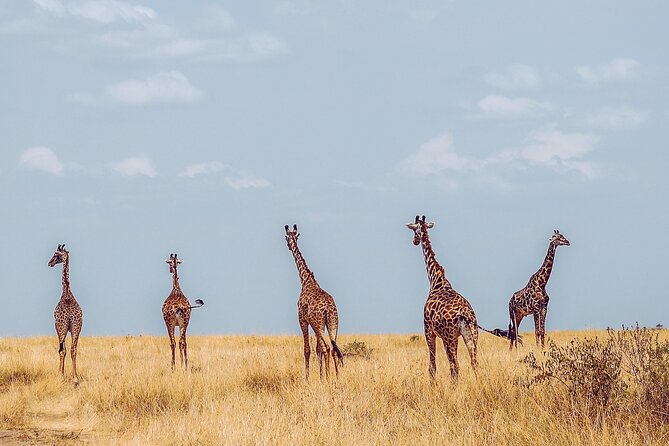
Day 3 is the safari’s main wildlife day. After breakfast, you begin game viewing in the Serengeti, with up to seven hours listed for the day’s park activities. The plan refers to the northern Serengeti as the heart of the park and highlights its variety of cats, including lions, leopards, and cheetahs.
The itinerary also places you in the Seronera area on Day 2, so the exact route within the Serengeti may depend on the guide, park conditions, and your agreed plan. That is not necessarily a problem. The important point is that you receive substantial Serengeti time rather than simply driving through it.
This is the day when patience pays. A lion may be easy to spot, while a leopard or cheetah may take more careful searching. The supplied trip details correctly avoid promising a guaranteed sighting. Even with an experienced guide, wild animals set the schedule.
After the game drive, you enter the Ngorongoro Conservation Area for dinner and the night. The highlands can feel cold and windy, so pack warm clothing and light gloves. This is one of the most useful practical tips in the entire plan. Tanzania may sound hot, but a highland evening after a long day in an open vehicle can be surprisingly chilly.
The transition from Serengeti to the Ngorongoro area also gives the trip a change of mood. You leave the broad plains and prepare for the crater, where wildlife viewing is more concentrated. You should expect another early start rather than a relaxed morning.
A different kind of day out entirely:
- 5 Days Group Camping Safari
★ 5.0 · 730 reviews - Materuni Waterfalls, coffee tour & Kikuletwa Hot Springs
★ 5.0 · 643 reviews - 3 Days Serengeti & Ngorongoro Group Camping Safari
★ 5.0 · 574 reviews - 7-Day Premium Luxury Tanzania Safari All-Inclusive
★ 5.0 · 426 reviews
Day 4: Ngorongoro Crater’s concentrated wildlife
The final day begins with an early breakfast and an early pickup from your hotel or campsite. The goal is to spend about seven hours in the park before continuing to the airport, Moshi, or Arusha. The full crater game drive is described as lasting six to eight hours.
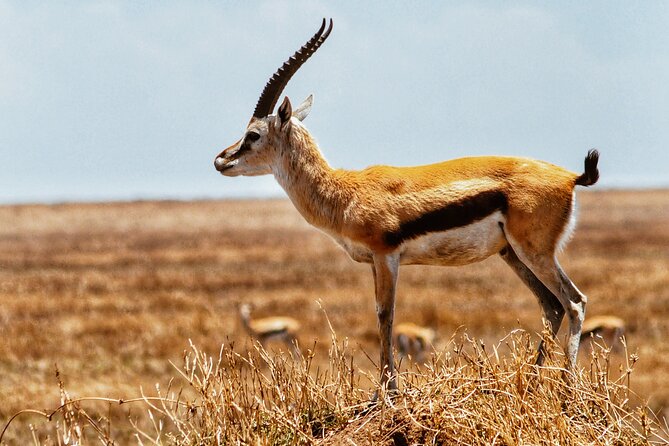
Ngorongoro Crater is a powerful final stop because it combines scenery, wildlife, and cultural and historical interest in one place. The crater setting creates a contained wildlife area, and the itinerary lists possible sightings of rhino, elephants, lions, giraffes, pink flamingos, and hyenas.
Again, these are expected possibilities, not guarantees. Rhinos in particular should be treated as a lucky sighting, not an automatic part of the day. Your guide’s ability to read the area and communicate with other drivers can affect how much you see, but wild conditions always matter.
The long crater visit is a major strength of the itinerary. You are not rushing through for a quick photograph and leaving. You have time for extended game viewing before the transfer back to the airport, Moshi, or Arusha.
It is also the most tiring day. An early breakfast, several hours of wildlife viewing, and a final transfer can make for a very full finish. If you are connecting to a flight, check the timing carefully with Nafika Tours before you book. The supplied details give several possible drop-off points but do not state a fixed departure schedule.
What the private jeep adds
A private jeep is more than a comfort detail. It means you share the vehicle only with your own group, and the tour is not built around strangers. That gives you more room to ask questions, pause at a sighting, or discuss changes with your guide.
The open roof is useful for viewing animals and taking photographs. The vehicle also includes electricity cables for charging a phone or camera, binoculars, a freezer with drinks, first-aid equipment, and comfortable seats.
Those features do not remove the roughness of safari roads, but they make long drives easier. I would still bring a personal power bank, since the number and placement of charging points are not specified. You should also carry warm layers for the Ngorongoro highlands and keep snacks secure around vervet monkeys.
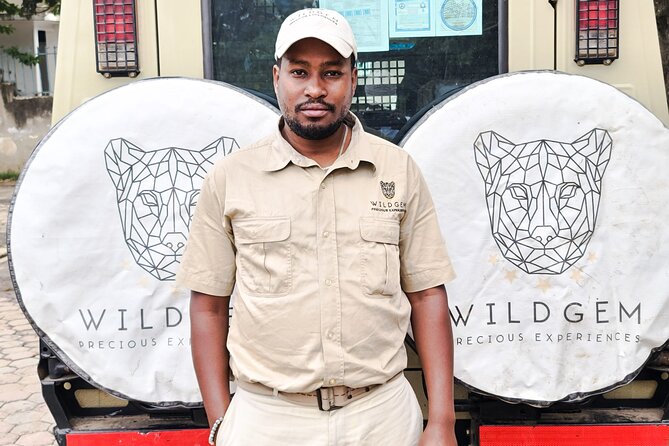
The driver-guide is central to the experience. Ronald is described as attentive, patient, friendly, and good at explaining animals and the local environment. Edwin is credited with bringing a group close to a wide range of wildlife, including the Big Five, while Octavian helped deliver a memorable four-day trip. Elias handled planning with patience and flexibility, including an anniversary cake and changes related to flight delays.
These examples suggest that service is one of Nafika Tours’ stronger points. Still, guide assignments can vary, so you should confirm your guide and vehicle details when arranging the trip.
What $1,300 per person covers
At $1,300 per person, this is not a budget bus outing, but the price includes several costly parts of a safari. You receive private transportation, landing and facility fees, a professional guide-driver, 24-hour support, camping equipment and accommodation, drinks in the vehicle, and breakfast, lunch, and dinner.
The three-park route is the main value. You are paying for access to Tarangire, Serengeti, and Ngorongoro in one organized package, with meals and transport included. A private vehicle also usually offers more control than a shared departure, though the price is still a significant expense.
Flights and insurance are not included. You need to budget for both, and you should read the accommodation details closely before paying if comfort level matters to you. The trip mentions Haven Nature Safari Camp for the first night and also refers generally to hotels, campsites, and camping equipment, but it does not provide a full accommodation list for every night.
That lack of detail is the main point I would clarify. Ask exactly where each night is spent, what type of room or tent is provided, and whether any accommodation upgrade costs extra. The included meals are clearly listed, but the precise lodging standard is not.
Who will enjoy this safari most
I would recommend this trip to a first-time safari visitor who wants Tanzania’s major parks in a short period. It suits couples, families, and private groups who value their own vehicle and want a guide-led experience rather than arranging each transfer independently.
It is also a good fit for photographers who want an open roof, charging access, binoculars, and long game drives. The itinerary gives you a reasonable chance of seeing elephants, giraffes, big cats, hyenas, flamingos, and possibly rhino, while the Big Five remain a central goal.
I would hesitate to recommend it to anyone who dislikes long road transfers or early mornings. The route is ambitious, and the Serengeti portion covers only a small part of a very large park. If you have more time, adding extra days would make the trip less rushed, but that option is not part of this four-day package.
The tour states that most people can participate, and service animals are allowed. Since individual mobility needs can vary on safari, you should discuss any specific requirements with the company before booking.
Booking details worth checking
Confirmation is provided at booking, and pickup is offered in Arusha or Moshi. Mobile tickets are available, and the activity is private for your group.
The cancellation policy allows a full refund if you cancel at least 24 hours before the local start time. Cancellations or changes made within 24 hours are not accepted for a refund.
I would ask Nafika Tours these questions before payment:
- Which guide will lead my safari?
- Where will I sleep on each night?
- Does the $1,300 price change with group size?
- What time will I reach the airport or return to Arusha?
- Are special dietary needs covered in the included meals?
The first three are especially important because the public details give only a partial picture of accommodation and group pricing.
Should you book the Nafika four-day safari?
Book it if you want a private, tightly scheduled introduction to northern Tanzania with all three major stops included. The combination of Tarangire’s elephants, Serengeti’s cat country, and Ngorongoro’s concentrated wildlife is the strongest reason to choose it.
I also like the practical setup: open-roof jeep, drinks, binoculars, charging cables, first-aid supplies, included meals, and 24-hour support. The company’s service record is also encouraging, with repeated praise for patient planning, guide care, flexibility, and thoughtful touches such as an anniversary cake.
Skip it if you want a slow safari or need a detailed accommodation plan before committing. The drives are long, the final day is strenuous, and flights and insurance cost extra. For a short trip with a private vehicle and three famous parks, though, $1,300 per person can be fair value, provided you confirm the lodging and transfer schedule first.
FAQ
Where does the safari begin?
Pickup is offered from hotels in Arusha or Moshi.
How long is the safari?
The experience lasts approximately four days.
Which parks are included?
The route includes Tarangire National Park, Serengeti National Park, and Ngorongoro Crater.
Is the tour private?
Yes. Only your group participates in the private tour or activity.
Is transportation included?
Yes. Private transportation is included.
Are park and facility fees included?
Yes. Landing and facility fees are included in the package.
Are meals included?
Yes. Breakfast, lunch, and dinner are included as listed for the trip.
Are drinks provided?
Bottled water and some drinks are provided in the safari vehicle.
Is a flight included?
No. Flights are not included.
Is insurance included?
No. Travel insurance is not included.
Can I cancel for a full refund?
Yes. You can receive a full refund if you cancel at least 24 hours before the experience start time. Cancellations within 24 hours are not refunded.
What animals might I see?
Possible sightings include elephants, giraffes, antelopes, lions, cheetahs, leopards, rhinos, flamingos, and hyenas. A Big Five sighting is possible, but no individual animal sighting is guaranteed.
What should I pack for the highlands?
Warm clothes and light gloves are recommended because the Ngorongoro highlands can be chilly and windy.
Are service animals allowed?
Yes. Service animals are allowed.
Can most people participate?
The tour states that most people can participate. You should contact Nafika Tours in advance about any specific mobility or access needs.
Just added in Arusha
- Safari “Kifaru” – 5 days in the most famous Parks in the world★ 5.0 · 4 reviews
- Saadani Day Trip★ 5.0 · 13 reviews
- 3 Days Tanzania Short and Spicy★ 5.0 · 6 reviews
- 5 Day Tanzania Safari Camping Adventure Private Tour★ 5.0 · 2 reviews
- Day Trip to Ngorongoro Crater from Arusha★ 5.0 · 1 review
- SERENGETI NATIONAL PARK Tour★ 4.5 · 5 reviews
- 3 Days Serengeti Park & Ngorongoro Crater Adventure Safari★ 5.0 · 8 reviews
- 6 Days Tanzania Bush Experience Safari★ 5.0 · 6 reviews
4-Day Experiences, compared.
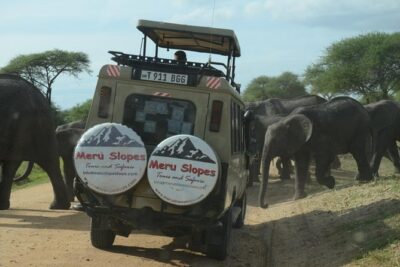
4 Days Join Group tour Tarangire Serengeti and Ngorongoro crater
Read our review →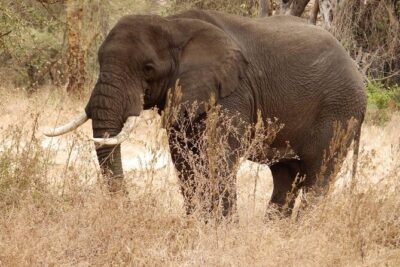
4-Day Safari from Arusha: Tarangire, Serengeti and Ngorongoro
Read our review →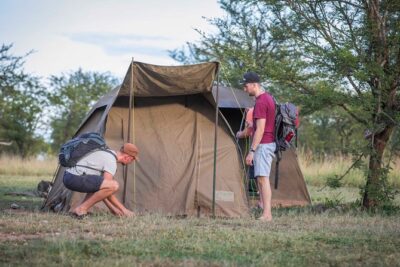
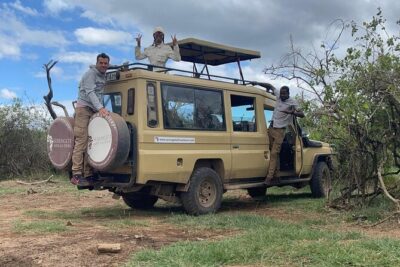
4 Days Tarangire, Serengeti and Ngorongoro Mid-Range Group Safari
Read our review →
4 Days Tanzania Lodge Safari With Two Nights at Serengeti
Read our review →
Browse the lists this tour appears in