
Reviewed · SERENGETI & NGORONGORO SAFARIS
4 Days Tarangire, Serengeti, Ngorongoro Group Camping Safari
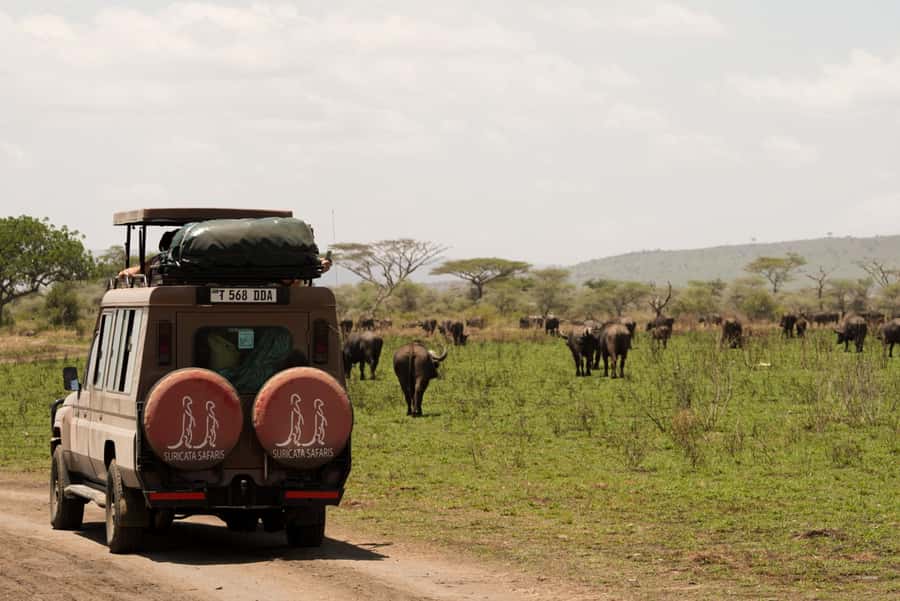
The wild starts early. This four-day route links Tarangire, Serengeti, and Ngorongoro Crater in one compact safari from Arusha, giving you elephants, big cats, open plains, and crater wildlife without the cost of a private luxury trip. I like the small group limit of six and the chance to sleep at camps in or near the parks rather than returning to town each night. The main caution is the pace: long drives and rough roads are part of the deal, and one low rating specifically raised concerns about vehicle condition.
I also like that meals, park fees, mineral water, a 4×4 vehicle, and an English-speaking guide are included in the $1,150 price. Guides such as Steve and Anthony have been praised for safe driving and strong wildlife spotting, while chef-prepared meals have earned especially warm praise. You should still ask for clear details about the vehicle and camping setup before paying, since comfort can shape the whole trip.
In This Review
- Key points to know before booking
- What $1,150 buys you on this Tanzania safari
- Day 1: Tarangire elephants and baobabs from Arusha
- Day 2: The long road to Serengeti National Park
- Day 3: Sunrise wildlife, then the road to Ngorongoro
- Day 4: A crater game drive before returning to Arusha
- Camping, meals, and the small-group setup
- Guides, vehicle comfort, and what to confirm
- Who will enjoy this safari most?
- Should you book the four-day route?
- FAQ
- Where does the safari start and finish?
- How long does the safari last?
- Which parks are included?
- How many people are in the group?
- What language does the guide speak?
- Is pickup included?
- What is included in the price?
- What is not included?
- How much luggage can I bring?
- What clothing should I pack?
Key points to know before booking
- Three famous parks in four days: You visit Tarangire, Serengeti, and Ngorongoro Crater, starting and ending in Arusha.
- Small groups of up to six: A limited group gives you a better chance of seeing from both sides of the 4×4 and asking your guide questions.
- Camping is part of the experience: Nights are spent at camps in remote settings, with wildlife sounds replacing hotel traffic.
- Food is a real strength: A personal chef prepares three meals a day during the safari, according to the strongest praise in the feedback.
- Pack for cold nights: Temperatures can fall to about 5°C, so a sweater, jacket, and warm socks matter.
- Expect some hard miles: The route includes long transfers and rough tracks, so it is not a good fit if you have serious back problems.
What $1,150 buys you on this Tanzania safari
At $1,150 per person, this safari sits in the middle of the Tanzania safari market rather than the budget-basement end. You are paying for four days of park access, a 4×4 safari vehicle, a guide, camping accommodation, meals, and mineral water. Park fees alone are a major part of any northern Tanzania itinerary, so an all-inclusive structure makes the price easier to understand.
The value is strongest if you want the famous parks but do not need a private vehicle or lodge-based comfort. A six-person group keeps the price lower than a private safari, while still giving you a more personal setup than a large coach tour. You also avoid arranging separate park entries, meals, campsite stays, and transfers yourself.
The price does not include visas, international or domestic flights, or travel insurance. You will need to budget for those separately, along with any personal spending not covered by the package. The trip starts and ends in Arusha, so arranging your own way to Arusha is also part of your planning.
I would pay close attention to what camping means here. The information confirms camping accommodation and meals, but it does not specify whether tents are already set up, what bedding is supplied, or whether bathrooms are private. Ask those questions before booking. One low score also complained that the vehicle was poor, so it is sensible to request the vehicle age, seating layout, and maintenance arrangements.
More Serengeti and Ngorongoro safaris:
- Serengeti Balloon Safari and authentic bush breakfast
★ 5.0 · 2,480 reviews - Balloon Safari & Bush Breakfast in Serengeti – Miracle Experience
★ 5.0 · 1,646 reviews - 3 Days Serengeti & Ngorongoro Group Camping Safari
★ 5.0 · 574 reviews
Day 1: Tarangire elephants and baobabs from Arusha
The first morning begins with an early pickup in Arusha. A company representative meets you at your accommodation reception with a sign bearing your name, provides a short introduction, and gets the group moving toward Tarangire National Park.
Tarangire is an excellent first park because it offers a strong visual change from the city. Its signature sights are large elephant herds and giant baobab trees. Those baobabs give the park a look you will not confuse with the Serengeti’s open grasslands, and they make even a quiet game-drive stretch memorable.
You have a morning game drive after entering the park, followed by lunch. The afternoon brings another game drive before you head to camp for the night. That split gives you two chances to see animals during cooler parts of the day, though the early start and full schedule may feel tiring after your arrival in Tanzania.
Elephants are the headline attraction, but the value of Tarangire is also in its setting. You get a first look at how animals, trees, and dry country fit together before the trip moves toward the wide Serengeti plains. Keep your camera ready, but also make time to watch animal behavior rather than chasing a checklist.
The camping night is where the trip becomes more than a series of vehicle rides. You sleep under the stars in a remote setting, surrounded by the sounds of the park. That is appealing if you want a close-to-nature trip, but it requires a more flexible attitude than a lodge stay. Cold evenings, basic facilities, and a busy day can test anyone who packed only light city clothes.
Day 2: The long road to Serengeti National Park
After breakfast, you leave Tarangire and travel toward Serengeti National Park. This is one of the longer transfer days, so you should think of the drive as part of the safari rather than dead time. You will see changing Tanzanian scenery from the vehicle, but the road can be tiring.
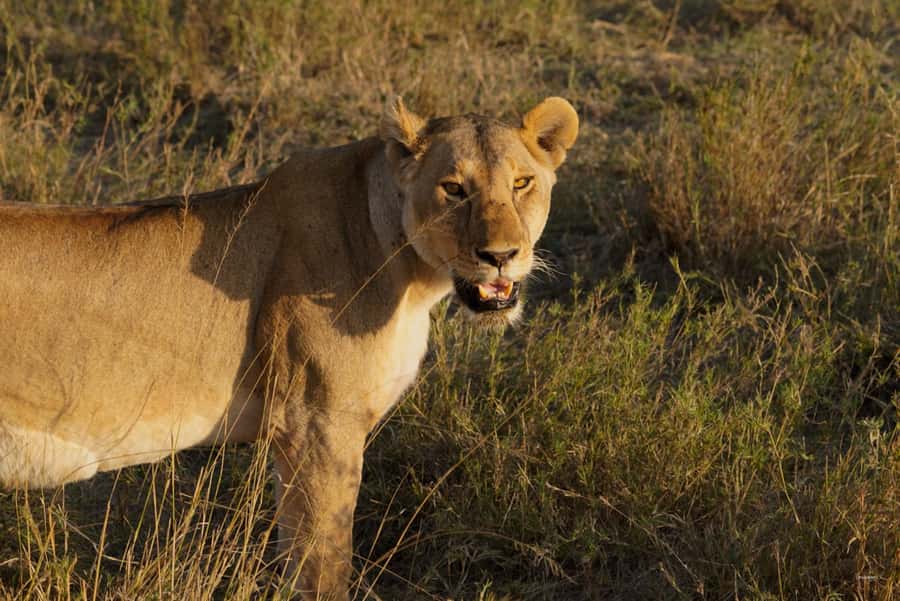
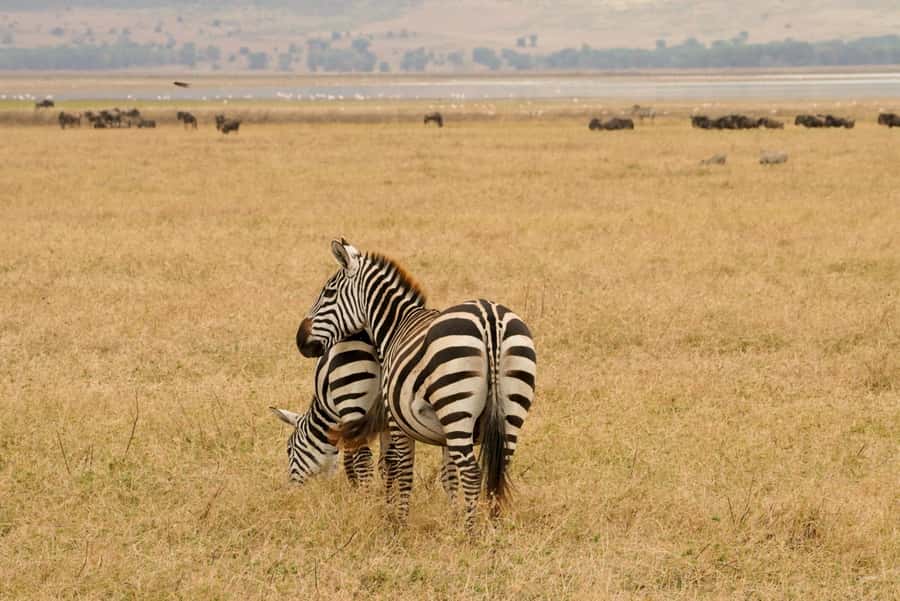
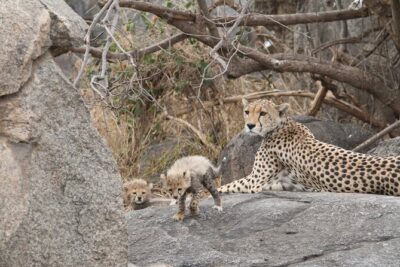
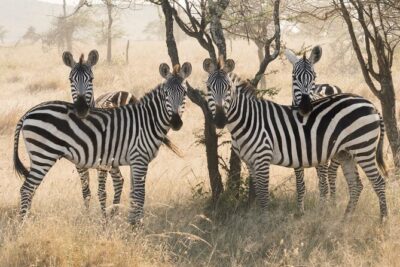
Serengeti is the emotional center of the route. Its broad plains are linked with lions, cheetahs, zebras, and the Great Migration. The exact wildlife you see depends on timing and location, so no ethical operator can promise every animal. Still, the park’s size and reputation give your guide a large stage on which to look for predators and grazing herds.
An afternoon game drive begins after you reach the park. This is a useful first introduction because you can start learning how your guide reads the area, scans the grass, and decides where to pause. A small group helps here. With no more than six people, it should be easier to share sightings and adjust your position in the vehicle.
You then camp in the Serengeti. The appeal is clear: you are close to the park environment instead of commuting from a distant base. At night, the wilderness feels present even when you cannot see it. You should follow the camp rules carefully, listen to your guide, and avoid wandering away from the designated area.
The Serengeti day also shows the tradeoff built into this itinerary. You cover a famous park in a short time, but you do not get several full days to wait patiently in one area. If your priority is the Great Migration or a particular predator sighting, ask about seasonal timing and the planned route before booking.
Day 3: Sunrise wildlife, then the road to Ngorongoro
Day three starts early with a sunrise game drive in the Serengeti. Early hours are valuable because predators may still be active, and the plains change as the light comes up. The schedule is demanding, but this is the kind of morning that makes an early wake-up worthwhile.
After the drive, you return to camp for lunch and then travel toward Ngorongoro Crater. The route brings another change in scenery, from the open Serengeti to the high country around the crater. You arrive at a camp near the crater and have the evening to rest.
This day has a lot of driving packed into it. You get another chance at Serengeti wildlife in the morning, but much of the afternoon is a transfer. That is the price of fitting three major areas into four days. I would choose this route for variety and first-time access, not for a slow safari with long, unplanned pauses.
The timing also makes your packing important. Night temperatures may drop to around 5°C, especially near the crater, so bring a warm sweater, jacket, and socks. Neutral clothing such as beige, green, or white is recommended. Avoid bright colors, which can be distracting in a wildlife setting, and bring mosquito repellent with a high mint concentration as advised for the trip.
Your luggage limit is 10 kilograms per person. A soft duffel bag is recommended, and extra luggage can be left in your hotel’s storage room. This is practical for a camping safari, where hard suitcases take up awkward space in a vehicle. Pack light, but do not leave out warm clothing.
More Tarangire safaris:
- 5-Day Highlights mid-Range Crater, Serengeti, Tarangire
★ 5.0 · 296 reviews - Private 6-Day Tarangire Manyara Crater and Serengeti with Mid-Range Lodges
★ 5.0 · 238 reviews - 5 Days Camping Tarangire, Serengeti & Ngorongoro crater & Visiting Maasai
★ 5.0 · 229 reviews - 4 Days Join Group tour Tarangire Serengeti and Ngorongoro crater
★ 5.0 · 219 reviews
Day 4: A crater game drive before returning to Arusha
The final morning takes you down into Ngorongoro Crater for a game drive. The crater is a UNESCO World Heritage site, and its enclosed volcanic setting gives the day a different feel from the open Serengeti. Wildlife is concentrated in a smaller area, which can make the viewing feel especially rewarding.
The crater is known for abundant wildlife, including the Big Five. You may see lions, elephants, buffalo, leopards, and rhinoceroses, but sightings are never guaranteed. Your guide’s experience matters here, particularly when deciding where to pause and how long to watch an animal without crowding it.
After the morning drive, you climb back to the crater rim and begin the return trip to Arusha. The stated arrival is in the afternoon, although road conditions, park traffic, and wildlife stops can affect the exact timing. Do not schedule a tight onward flight on the same day without confirming the expected return time.
Ngorongoro makes a strong final stop because it packs a great deal into one morning. The drawback is that the visit is brief. If the crater is your main reason for coming to Tanzania, you may prefer an itinerary that gives you more time there. If you want a broad sample of northern Tanzania, this final game drive rounds out the trip well.
Camping, meals, and the small-group setup
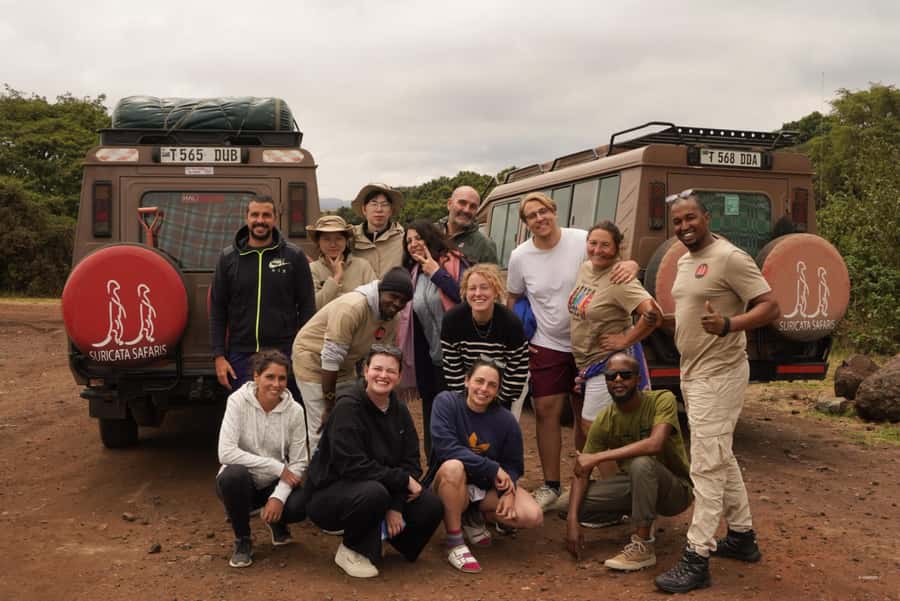
Camping is not just a cheaper substitute for a lodge here. It changes how you experience the safari. You wake in a remote setting, spend evenings close to the parks, and avoid turning every day into a long drive back to Arusha.
The tradeoff is comfort. The supplied information does not describe tent size, beds, showers, toilets, or electricity, so you should ask before booking. If you sleep lightly, bring practical items that fit within the luggage limit, such as a warm layer and a small headlamp if recommended by the operator.
Food appears to be one of the strongest parts of the experience. A personal chef prepares meals three times a day, and the cooking received repeated praise. That matters more than it may sound. On a long safari day, dependable meals and hot food can make the difference between feeling refreshed and simply getting through the schedule.
Mineral water is included during the safari. You should still confirm whether there is enough water for your personal needs, especially in warm weather, and follow the operator’s advice about safe drinking water.
The group is limited to six participants. That is a good compromise between price and personal space. You will share the vehicle and the game-drive decisions, but a small group usually makes it easier to hear the guide and use viewing time well.
Guides, vehicle comfort, and what to confirm
The guide can make or break a safari. Steve has been praised for a friendly manner and for helping deliver sightings of all five Big Five animals. Anthony has been praised for cheerful guiding and safe handling on rough tracks. Melita John also provided a predeparture hotel briefing and loaned binoculars to one participant.
Those details suggest a service that can be personal and helpful, but you should not assume every departure will have the same guide. The listed tour language is English, so this trip is best for you if you are comfortable receiving wildlife explanations and practical instructions in English.
Binoculars are worth bringing. The guide has one available to share in the vehicle, but a personal pair saves you from waiting and helps with distant animals. You should also respect the rules: do not feed animals, touch them, or behave in ways that encourage close contact.
Vehicle quality deserves a direct question before you commit. Most of the feedback is strongly positive, but one complaint described the car as terrible. That does not prove every vehicle is uncomfortable, yet four days on rough tracks makes the issue important. Ask for recent photos, confirm the number of passengers, and clarify how mechanical problems are handled.
Who will enjoy this safari most?
I would recommend this trip to a first-time Tanzania visitor who wants the classic northern circuit in a short window. You get three major wildlife areas, meals, park fees, transport, and a guide without arranging each element separately.
It also suits you if you enjoy simple outdoor travel and want nights under the stars rather than a polished lodge routine. The cooking, small group, and remote camps add real appeal for people who value the setting as much as the room.
I would hesitate if you have serious back problems, need wheelchair access, or want a relaxed schedule. The tour is not suitable for wheelchair users, babies under one year, people over 95, or those with back problems. Even if you fall outside those categories, think honestly about early mornings, long vehicle rides, and uneven roads.
This is also not the best match if you want guaranteed luxury or extensive time in one park. The route favors variety over lingering. You see Tarangire, Serengeti, and Ngorongoro, but each stop comes with a tight timetable.
Should you book the four-day route?
Book it if you want a practical, wildlife-first introduction to Tanzania and accept that comfort will be basic. The strongest reasons are the compact route, the six-person group, the included park fees and meals, and the excellent reports about guides such as Steve and Anthony and the on-trip cooking.
Before paying, confirm the vehicle, tent facilities, luggage arrangements, and seasonal Serengeti route. Also compare the final price with booking directly through Suricata Safaris Ltd, since one complaint alleged a large markup through an intermediary. The booking terms allow cancellation up to 24 hours before departure for a full refund, and you can reserve now and pay later, which gives you some flexibility.
For the right person, $1,150 is a fair price for a full four-day northern Tanzania safari. Just remember what you are buying: remarkable parks, long drives, basic camping, and a real chance to see unforgettable wildlife, not a resort holiday with animals added on.
FAQ
Where does the safari start and finish?
The safari starts and ends in Arusha, Tanzania.
How long does the safari last?
The trip lasts four days and includes three nights of camping.
Which parks are included?
The route includes Tarangire National Park, Serengeti National Park, and Ngorongoro Crater.
How many people are in the group?
The group is limited to six participants.
What language does the guide speak?
The live guide speaks English.
Is pickup included?
Yes. A company representative meets you at your accommodation reception with a sign or board showing your name.
What is included in the price?
The package includes 4×4 safari transportation, a professional English-speaking guide, park entrance fees, mineral water, accommodation, and meals during the safari.
What is not included?
Visas, international and domestic flights, and travel insurance are not included.
How much luggage can I bring?
The luggage limit is 10 kilograms per person. Duffel bags are recommended, and extra luggage can be stored at your hotel.
What clothing should I pack?
Neutral colors such as white, beige, and green are recommended. Bring a warm sweater, socks, and a jacket because nighttime temperatures can fall to around 5°C.
More Camping Safaris in Tanzania
- 4 Days Group Camping Safari
★ 5.0 · 1,101 reviews - 5 Days Group Camping Safari
★ 5.0 · 730 reviews - 2 Days Tarangire and Ngorongoro Group Camping Safari
★ 5.0 · 146 reviews - 6 Days Tanzania Budget Camping Safari
★ 5.0 · 145 reviews
Just added in Tanzania
- Safari “Kifaru” – 5 days in the most famous Parks in the world★ 5.0 · 4 reviews
- Saadani Day Trip★ 5.0 · 13 reviews
- 3 Days Tanzania Short and Spicy★ 5.0 · 6 reviews
- 5 Day Tanzania Safari Camping Adventure Private Tour★ 5.0 · 2 reviews
- Day Trip to Ngorongoro Crater from Arusha★ 5.0 · 1 review
- SERENGETI NATIONAL PARK Tour★ 4.5 · 5 reviews
- 6 Days Tanzania Bush Experience Safari★ 5.0 · 6 reviews
- 3 Days Serengeti Park & Ngorongoro Crater Adventure Safari★ 5.0 · 8 reviews
Serengeti & Ngorongoro Safaris, compared.
Serengeti Balloon Safari and authentic bush breakfast
Read our review →
Balloon Safari & Bush Breakfast in Serengeti – Miracle Experience
Read our review →
3 Days Serengeti & Ngorongoro Group Camping Safari
Read our review →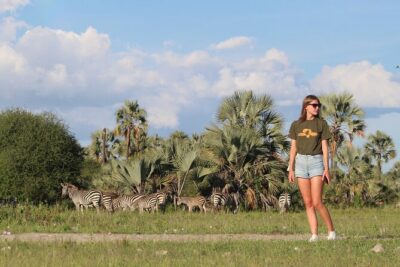
5-Day Highlights mid-Range Crater, Serengeti, Tarangire
Read our review →
Private 6-Day Tarangire Manyara Crater and Serengeti with Mid-Range Lodges
Read our review →
5 Days Camping Tarangire, Serengeti & Ngorongoro crater & Visiting Maasai
Read our review →Browse the lists this tour appears in