
Reviewed · SERENGETI & NGORONGORO SAFARIS
5 Days Camping Tarangire, Serengeti & Ngorongoro crater & Visiting Maasai
Wild Africa rewards early mornings. This five-day safari packs Tarangire, two full days in the Serengeti, the Ngorongoro Crater, and Mto wa Mbu into one busy route. I like the excellent wildlife variety and the chance to see Serengeti sunrise and sunset from inside the park. I also like the small maximum group size of six, which gives you a better chance of working closely with your guide.
The main drawback is the pace. You will spend long hours on rough park roads, and the route includes several substantial drives. Camping keeps the price reasonable, but you should be ready for basic facilities, early starts, and limited time to rest.
At $1,280 per person, the package offers strong value if you want Tanzania’s classic northern circuit in a short window. Meals, private transport, drinking water, Wi-Fi in the safari vehicle, park-related fees, and AMREF Flying Doctors emergency rescue are included. Just confirm the pickup plan before you pay, since the details give both an 8:00 a.m. Arusha hotel pickup and a 7:30 a.m. Kilimanjaro Airport start.
In This Review
- Six details that shape this safari
- Why this five-day route works
- Day 1: Tarangire’s elephants and giant baobabs
- Day 2: Entering the Serengeti through the highlands
- Day 3: Your main Serengeti game-drive day
- Day 4: Serengeti sunrise, then toward Ngorongoro
- Day 5: Down into the Ngorongoro Crater
- Mto wa Mbu and the local side of the trip
- Camping, food, and comfort
- Is $1,280 a good value?
- Who should book this safari?
- Should you book the five-day route?
- FAQ
- How long is the safari?
- Where does the safari start?
- How many people can join the tour?
- Which national parks are included?
- Is the great wildebeest migration guaranteed?
- Are meals included?
- Is drinking water included?
- Are flights, visas, and tips included?
- Can I cancel for a full refund?
Six details that shape this safari
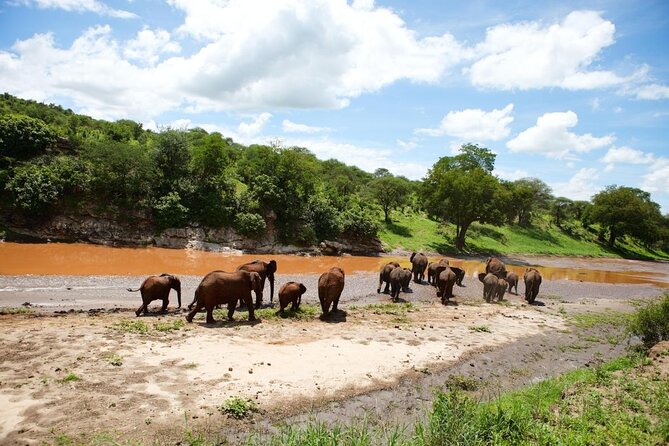
- Tarangire begins with elephants and baobabs: The park is known for large elephant groups, huge baobab trees, lions, leopards, and tree-climbing pythons.
- Two nights in the Serengeti matter: You get an afternoon game drive on arrival, then a full game-drive day, giving you more than a quick taste of the park.
- Migration timing changes the payoff: June through September offers the best chance for the great wildebeest migration, while January through March is the main calving period.
- The Ngorongoro Crater is a concentrated wildlife day: The crater is about 610 metres deep, covers roughly 260 square kilometres, and is known for dense animal sightings.
- Mto wa Mbu adds a local stop: You can visit banana plantations, see more than 30 banana varieties, and learn about village life with a local guide.
- Camping is part of the bargain: Jambo Lodge is listed for the first night, while campsites are used in the Serengeti and near Ngorongoro. Pack toilet paper and expect practical rather than polished facilities.
Why this five-day route works
Northern Tanzania is full of famous names, but they do different jobs. Tarangire gives you striking trees and elephants. The Serengeti gives you wide-open plains and the chance of major predator sightings. Ngorongoro gives you a compact wildlife area where you can see many species in a single day.
I like this route because it does not spend all five days in one park. You get changing scenery, different habitats, and a useful introduction to Tanzania’s main safari areas. The tradeoff is that you cannot explore every corner of each park. You are choosing breadth over a slow, leisurely schedule.
The tour is designed for a maximum of six people. That is a useful limit in a safari vehicle. A smaller group can make it easier to hear the guide, share viewing space, and agree on how long to stay at an animal sighting. The exact vehicle arrangement is not described, so I would confirm whether your booking is private or shared.
The package also includes unlimited drinking water and free Wi-Fi inside the safari jeep. Those are small comforts, but they matter during long drives. Food is included throughout the safari, with five lunches, five dinners, and four breakfasts listed, although the exact camping setup and menu should be confirmed before departure.
More Maasai Village Visits in Moshi
- Maasai village visit and Chemka hot-springs with hot lunch.
★ 5.0 · 33 reviews - 4-Day Tarangire Serengeti, Ngorongoro & Maasai Guided group tour
★ 5.0 · 16 reviews - Maasai village visit and chemka hot-springs with hot lunch
★ 4.7 · 13 reviews
Day 1: Tarangire’s elephants and giant baobabs
The planned route begins with pickup in Arusha at 8:00 a.m., followed by a drive of about three hours to Tarangire National Park. The park lies about 115 kilometres from Arusha and covers around 2,800 square kilometres, so the first day is not a quick roadside stop. You are scheduled for a full-day game drive.
Tarangire takes its name from the Tarangire River, an important water source for wildlife. That helps explain why the park can be rewarding for animal sightings, especially around the river and other water areas. The park is particularly known for elephants, and the baobabs give it a look unlike the Serengeti’s open grasslands.
Baobabs are often called the Tree of Life. Their thick trunks can store between 300 and 1,000 litres of water, and some can live for hundreds of years. You will not simply be checking animals off a list here. The trees themselves are part of the attraction, and they give your photographs a strong sense of place.
The animal list includes lions, leopards, and pythons that may climb trees, along with other wildlife. That wording matters. Safari sightings are never guaranteed, and a full day improves your chances without promising a particular animal.
After the game drive, you continue to Jambo Lodge for dinner and overnight accommodation. The day is long, so I would keep your first evening simple. You may be excited by the wildlife, but the next day includes another major drive into the Serengeti.
Day 2: Entering the Serengeti through the highlands
After breakfast, the route passes through the high farmland around Karatu and the Ngorongoro Conservation Area before reaching the Serengeti. This transfer is part of the safari experience, but it is also one of the more demanding stretches of the trip.
The Serengeti is famous for its endless plains, and the change from highland country to open grassland is one of the route’s memorable moments. The itinerary points toward the central Seronera area, one of the park’s key wildlife zones. The Seronera River provides water and helps draw a wide range of species.
You are scheduled to arrive in time for lunch, followed by an afternoon game drive lasting until sunset. This gives you a first look at the central Serengeti without using the entire day on the road.
I particularly like the timing here. You are not simply driving through the park and sleeping outside it. You get afternoon wildlife time on arrival, and the sunset drive can bring softer light for photographs. You may also see animals becoming more active as the day cools.
The downside is the amount of time spent driving to reach the Serengeti. If you prefer a slower trip with more time at one camp, this itinerary may feel rushed. If your priority is seeing the region’s major parks within five days, the long transfer is a reasonable price to pay.
Day 3: Your main Serengeti game-drive day
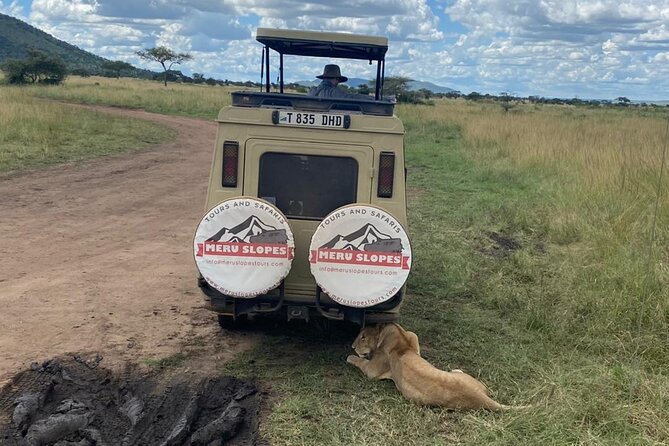
Day three is the safari’s main wildlife day. You wake early, eat breakfast, and spend the full day driving through the Serengeti. The guide aims to take you toward key areas and to follow the wildebeest migration when conditions allow.
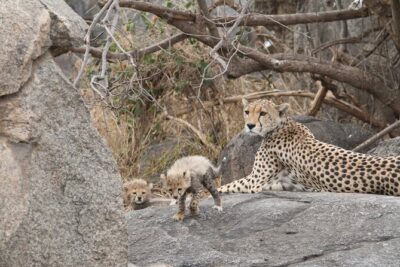
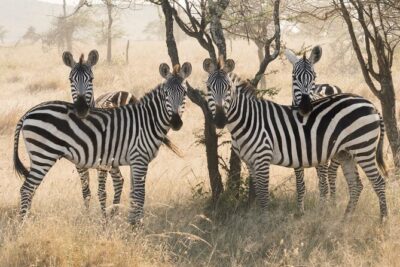
The Serengeti ecosystem supports wildebeest, zebra, Grant’s gazelle, Thomson’s gazelle, eland, impala, lions, cheetahs, leopards, and many other animals. Several accounts connected with this tour describe sightings of the Big Five, as well as cheetahs and leopards. Those results show what is possible, not what you should treat as guaranteed.
The migration follows an annual pattern, but the exact location changes. June through September is presented as the strongest period for seeing the main migration, including the possibility of reaching northern Serengeti areas for Mara River crossings. January through March is associated with wildebeest calving.
You should be realistic about river crossings. They depend on rainfall, herd movement, road access, and timing. A guide can make informed decisions and follow the herds, but no operator can control nature’s schedule.
A full day in the Serengeti gives you flexibility. You can spend time looking for predators, watch herds move across the plains, or stop for a meal away from the vehicle. The exact rhythm depends on animal sightings and the guide’s decisions.
The guide is central to the quality of this day. Names praised for their work include Asanteali, Jacob, Mohammed, Nuru, Patrick, Saleh, Lobulu, Douglas, and others. Their strengths are described as patience, humor, wildlife awareness, strong communication, and a determined effort to find animals. If your assigned guide is different, ask about the day’s plan and the likely wildlife areas.
More Serengeti and Ngorongoro safaris:
- Safari Serengeti And Ngorongoro
★ 5.0 · 288 reviews - 4 Days Group Joining Camping Safari to Tarangire Serengeti Ngorongoro Crater
★ 5.0 · 50 reviews - 3-Day Ngorongoro Crater Manyara and Tarangire Safari from Arusha
★ 5.0 · 49 reviews - 4 Day Private Tour Throughout Tarangire, Serengeti and Ngorongoro
★ 5.0 · 42 reviews
Day 4: Serengeti sunrise, then toward Ngorongoro
Day four starts at 5:45 a.m. with an early breakfast. You then have the chance to see sunrise inside the Serengeti, followed by an early game drive until about 11:30 a.m.
This is one of the best parts of the schedule for people who do not mind getting up before dawn. Morning light can change the feel of the plains, and early hours are set aside for wildlife viewing rather than spent sleeping late at camp.
After the morning drive, you return to camp for a hot lunch and pack your belongings into the safari vehicle. You then continue with more game viewing while heading toward Ngorongoro, with dinner and overnight accommodation planned at Simba Campsite.
This day is both scenic and tiring. You are combining a sunrise drive, breakfast, several hours of wildlife viewing, packing, lunch, and a long transfer. Bring a warm layer for the early start and keep essential items close in the vehicle, since you may not have much time to reorganize bags during the move.
Day 5: Down into the Ngorongoro Crater
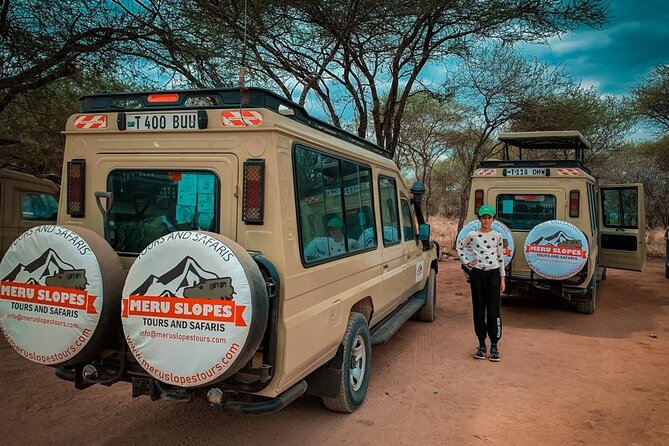
The final safari morning begins with views of the rising sun over the crater edge. After breakfast, you take the steep, adventurous track down into the Ngorongoro Crater for a full game drive.
The crater formed after a massive volcanic explosion millions of years ago. It is about 610 metres deep and covers roughly 260 square kilometres. Its enclosed setting supports a dense animal population, estimated in the tour details at around 25,000 animals.
That concentration is the reason Ngorongoro can be such an efficient wildlife stop. Within minutes, you might see wildebeest, zebra, gazelles, elephants, and a wide selection of more than 500 bird species. The crater is not the same as the Serengeti. Instead of endless plains stretching toward the horizon, you get a contained ecosystem with a strong sense of scale.
The road down and the full day on the crater floor may be demanding. The itinerary allows about eight hours, including the crater visit and the later village stop. You should expect another early start, dusty roads, and little spare time before the drive back toward Arusha.
Mto wa Mbu and the local side of the trip
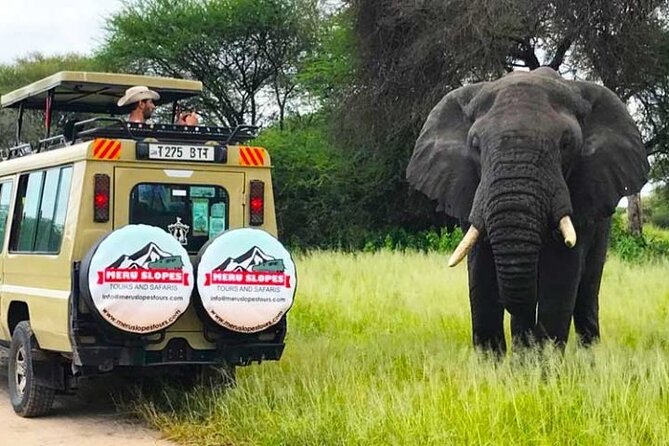
After the crater, the route includes Mto wa Mbu village. A local guide leads the visit and explains social and economic life in the community.
The visit includes banana plantations, where you can see more than 30 types of bananas grown by local residents. You are encouraged to ask questions and take photographs, so this stop can add useful human context after several days focused on animals and open country.
The supplied title mentions visiting Maasai, but the detailed day-by-day plan specifically describes Mto wa Mbu and banana plantations rather than a separate Maasai village visit. I would ask the operator to confirm exactly what Maasai contact is included before booking if that is important to you.
After the village visit, you drive to Arusha for overnight accommodation. The listed visit itself is about one hour, but the return drive is separate, so confirm your arrival time before arranging a flight or another fixed connection.
Camping, food, and comfort
This is a camping safari, not a luxury lodge circuit. The first night is listed at Jambo Lodge, and the Serengeti and Ngorongoro portions include campsite stays. You should expect a closer connection to the park setting, but also simpler bathrooms and less privacy than a lodge provides.
One practical tip is worth taking seriously: bring toilet paper. It is easy to forget, and campsite facilities may not always have a reliable supply. A small headlamp, warm layer, reusable water bottle, and dust-proof bag would also be sensible, although only the toilet paper advice is specifically linked to this trip.
Food is included at all main meal times. The trip details praise the cooking, with cooks such as Dula and Gideon receiving particular appreciation. That matters on a schedule with early breakfasts, long drives, and full days outside.
The safari jeep includes free Wi-Fi and unlimited drinking water. Wi-Fi in a remote park may not always feel like a city connection, but having it available can help with basic messages and planning.
Is $1,280 a good value?
The price is $1,280 per person. That is a substantial amount, but the package covers five days across three major wildlife areas, private transportation, meals, drinking water, Wi-Fi, fees and taxes, and emergency rescue coverage through AMREF Flying Doctors.
The strongest value comes from the time in the parks. You receive a whole day in Tarangire, an afternoon and full day in the Serengeti, a sunrise and morning drive in the Serengeti on the fourth day, and a full crater visit. A shorter safari might cost less, but it would also remove one of the major areas or reduce your chance of seeing a broad range of wildlife.
Tips, flights, and visas are not included. You also need to account for the comfort level of camping and the time spent on transfers. I see this as a good-value choice for someone who wants a classic northern Tanzania route without paying lodge-level prices.
Who should book this safari?
I would recommend it to you if you want wildlife first, can handle early mornings, and have five days for Tanzania’s main northern parks. It also suits first-time safari clients who want a guide and cook handling the practical details.
The route is a good match for photographers who want sunrise and sunset in the Serengeti, dramatic baobabs in Tarangire, and the crater rim above Ngorongoro. It also works for small groups, couples, and solo clients who are comfortable sharing a vehicle with up to five other people.
I would hesitate if you want a restful holiday, luxury accommodation, or long stays at one camp. I would also ask more questions if your main goal is the Maasai visit, since that part is not clearly described in the day-by-day schedule.
The operator has received strong marks for communication and organization. Jerome is praised for prompt email replies and meeting clients on the first day, while Kelvin is noted for practical help. Lodge upgrades have also been arranged for people who preferred not to sleep in camps, though you should confirm the extra cost in advance.
Should you book the five-day route?
Book it if you want a compact, wildlife-heavy introduction to northern Tanzania and accept that the days will be long. Tarangire, the Serengeti, and Ngorongoro offer genuinely different settings, while Mto wa Mbu adds a useful community visit at the end.
Before booking, confirm three points: the exact pickup location, the campsite facilities, and whether a Maasai visit is included. If those details match your expectations, $1,280 is a fair price for the coverage, meals, transport, and park time. The free cancellation window allows cancellation up to 24 hours before the start time for a full refund, which gives you some flexibility while finalizing plans.
FAQ
How long is the safari?
The safari lasts approximately five days.
Where does the safari start?
The tour information gives two start details: pickup from an Arusha hotel at 8:00 a.m. and a 7:30 a.m. start at Kilimanjaro Airport. Confirm the correct arrangement with the operator.
How many people can join the tour?
The maximum group size is six people.
Which national parks are included?
The route includes Tarangire National Park, Serengeti National Park, and the Ngorongoro Conservation Area, including the Ngorongoro Crater.
Is the great wildebeest migration guaranteed?
No. The migration changes location each year. June through September offers the best chance of seeing it, while January through March is the calving period.
Are meals included?
Yes. The package lists five lunches, five dinners, and four breakfasts.
Is drinking water included?
Yes. Unlimited drinking water is included during the safari.
Are flights, visas, and tips included?
No. Flights, visas, and tips are excluded from the price.
Can I cancel for a full refund?
Yes, if you cancel at least 24 hours before the experience start time. Cancellations made less than 24 hours ahead are not refunded, and changes within that period are not accepted.
More Tarangire Safaris
- 7 Days Safari. Serengeti, Tarangire, Lake Manyara & Ngorongoro Crater.
★ 5.0 · 34 reviews - 5-Day Lake Manyara, Serengeti, Ngorongoro Crater and Tarangire
★ 5.0 · 28 reviews - 6 Days: Classic Camping( Tarangire, Manyara, Serengeti And Ngorongoro).
★ 5.0 · 26 reviews - 6 Days 5 Nights lodge safari Tarangire, Manyara, Serengeti & Ngorongoro Crater
★ 4.5 · 10 reviews
Just added in Moshi
- THE BEST 2 DAYS ON TREK – MARANGU ROUTE TOUR ADVENTURES★ 5.0 · 1 review
- Mount Kilimanjaro National Park Day Trip★ 5.0 · 7 reviews
- Mount Kilimanjaro Climbing in Tanzania Full-Day Trip★ 5.0 · 1 review
- Mount Kilimanjaro Day Hike – All-Inclusive, No Hidden Fees★ 4.0 · 7 reviews
- Mount Kilimanjaro Trekking Tour – Climb with Local Guides★ 5.0 · 1 review
- Moshi:Chemka Hot Springs, Materuni Waterfalls & Coffee Tour★ 5.0 · 1 review
- Mount Kilimanjaro: 7 Days Hike Lemosho Route★ 5.0 · 1 review
- Moshi Town: Walking Tour: Theme Urban lifestyle★ 3.1 · 4 reviews
Serengeti & Ngorongoro Safaris, compared.
Serengeti Balloon Safari and authentic bush breakfast
Read our review →
Balloon Safari & Bush Breakfast in Serengeti – Miracle Experience
Read our review →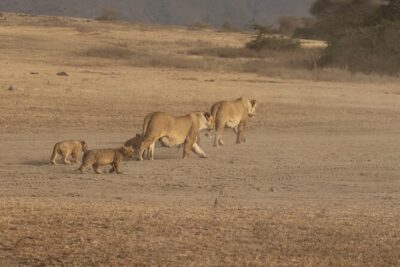
3 Days Serengeti & Ngorongoro Group Camping Safari
Read our review →
5-Day Highlights mid-Range Crater, Serengeti, Tarangire
Read our review →
Private 6-Day Tarangire Manyara Crater and Serengeti with Mid-Range Lodges
Read our review →
5 Days Camping Tarangire, Serengeti & Ngorongoro crater & Visiting Maasai
Read our review →Browse the lists this tour appears in