
Reviewed · CYCLING TOURS
3 Days Private E-Bike Tour in West Kilimanjaro
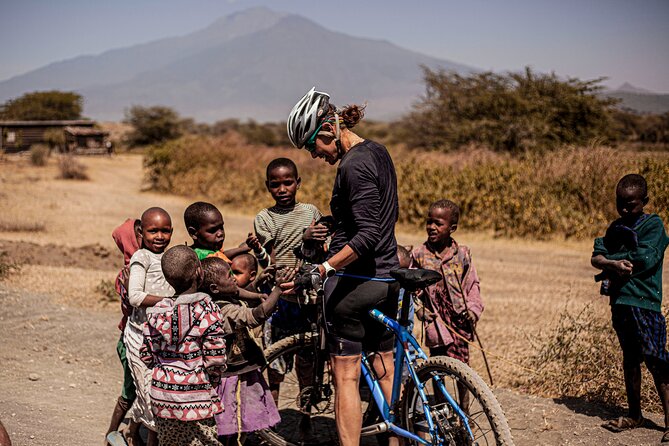
Kilimanjaro looks different from a bicycle. This three-day private ride leaves Moshi for the Maasai lands west of Kilimanjaro, where rough roads cross acacia woodland, open grassland, villages, and wildlife areas. You finish near Arusha National Park after riding through changing scenery, spending nights in Maasai-style accommodation, and meeting people who live alongside wild animals.
I like the excellent mix of cycling, wildlife, and culture. You are not simply pedaling from one lodge to another. The route includes a Maasai cultural visit, traditional dancing, bonfires, and a night at Olpopongi Maasai Village. I also like the private format and support vehicle, which give your group more flexibility and make a long, sometimes rough ride less daunting.
The main caution is physical: this is not a casual bike outing. You need moderate fitness, comfort on gravel, and patience with heat, uneven roads, and gradual climbs. Wildlife sightings are possible rather than guaranteed, and elephants are seasonal.
In This Review
- Key points to know before you book
- Why West Kilimanjaro works so well by bike
- Day 1: From Simba Farm to Olpopongi Maasai Village
- Day 2: Early wildlife riding toward Ngabobo
- Day 3: From dry plains toward Mount Meru
- The Maasai stays are part of the experience
- How the private format changes the ride
- Meals, transfers, and what the $850 price means
- Who should book this West Kilimanjaro ride?
- Should you book it?
- FAQ
- Where does the tour begin?
- How long does the experience last?
- What fitness level is required?
- Is this a private tour?
- What is included in the price?
- What happens if the weather is poor?
Key points to know before you book
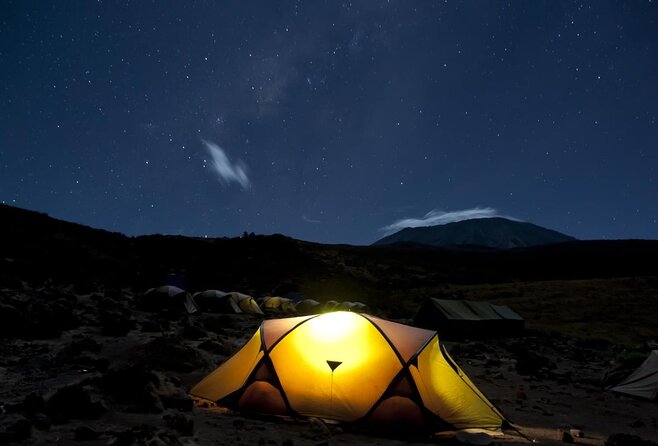
- Ride from Kilimanjaro toward Mount Meru: The route changes from the greener slopes of Kilimanjaro to dry plains, then back toward the greener foothills of Mount Meru.
- Sleep in two distinctive Maasai settings: Olpopongi Maasai Village offers Maasai-hut style rooms, while Osiligilai Maasai Lodge gives you a second cultural overnight stop.
- Wildlife appears along the route: You might see wildebeest, zebra, giraffes, gazelles, impalas, baboons, and, in the right season, elephants.
- The early start on Day 2 matters: Morning offers cooler riding and a better chance of seeing animals before the sun grows strong.
- A support vehicle adds practical value: It carries backup equipment and gives your private group help if the heat, road, or distance becomes too much.
- The price includes the main trip essentials: At $850 per person, you get the bike, helmet, guide, meals, accommodation arrangements, and vehicle support, but not insurance or tips.
Why West Kilimanjaro works so well by bike
West Kilimanjaro is a broad area of Maasai community lands and Wildlife Management Areas. Acacia trees dot the open plains, and the view toward Mount Kilimanjaro gives the ride a memorable backdrop without turning the experience into a mountain climb.
This setting feels different from a standard safari. You are moving at bicycle speed, so the road, villages, animal tracks, and small changes in vegetation become part of the experience. You can stop for photographs, take a walking break, and pay attention to the way Maasai communities and livestock share space with wildlife.
The route also follows an appealing geographic arc. You begin near Kilimanjaro, cross dry open country, and finish near the greener slopes of Mount Meru. That change keeps the three days from feeling repetitive. Each day has its own character, even though the surface is often gravel or rough dirt road.
Wildlife is one of the tour’s strongest draws, but you should set sensible expectations. Giraffes, zebra, wildebeest, gazelles, impalas, and baboons are common in the area. Elephants can appear along the corridor linking Amboseli National Park in Kenya with Kilimanjaro, though the timing of your visit matters. This is a cycling adventure in a wildlife area, not a guaranteed game drive.
A few more options to weigh up in Moshi
- 1-Day Moshi Villages bike tour
★ 5.0 · 59 reviews - Chagga Villages in Mount Kilimanjaro Cycling Day Trip
★ 5.0 · 42 reviews - Moshi city bike day trip
★ 5.0 · 17 reviews
Day 1: From Simba Farm to Olpopongi Maasai Village
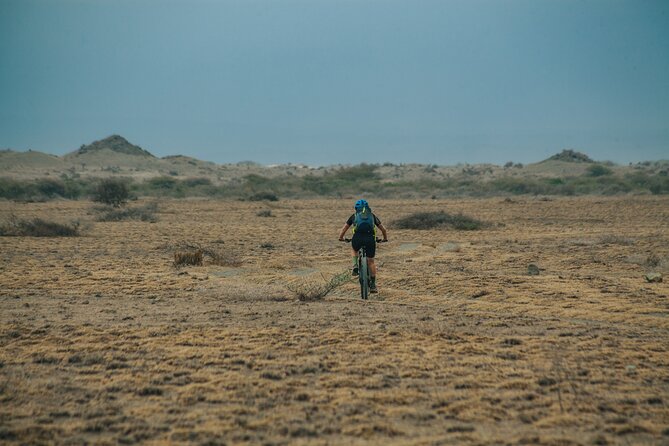
Your morning begins with a transfer from your Moshi hotel to Simba Farm, where the cycling starts. The first stretch runs downhill through the farm toward the main rough road, a pleasant way to get your legs moving before the route opens up.
From there, you ride through Ngare Nairobi village and along the border of Ndarakwai Conservancy toward the West Kilimanjaro airstrip. The road then continues toward TingaTinga village. These names may sound like simple waypoints, but they help you see how the route connects farms, community areas, conservancies, and small settlements rather than cutting through an isolated wilderness.
The ride ends at Olpopongi Maasai Village. Arrival is marked by a traditional Maasai dance, followed by lunch and time to settle into Maasai-hut style rooms. This is the first day’s major reward: your overnight stop is part of the cultural program, not just a place to sleep.
In the evening, you take part in a Maasai cultural tour. The exact rhythm of that visit can vary, but the plan includes a chance to learn about local life before dinner around a bonfire. That setting gives the day a strong sense of place and makes the first overnight more memorable than a standard hotel stay.
Day 1 is also a useful measure of your comfort level. The downhill opening may feel easy, but rough roads require steady handling and attention. You should arrive ready for dust, sun, and a basic cultural accommodation experience rather than polished hotel service.
Day 2: Early wildlife riding toward Ngabobo
Day 2 starts early, and you should treat that as a benefit rather than a burden. The morning is cooler, and wildlife such as wildebeest, giraffes, zebra, and elephants may be easier to spot before the heat builds.
The route heads south toward Ngabobo Village through dry, open grassland. This is the sharpest change in scenery so far. You have left the lush green slopes of Kilimanjaro and entered a more arid setting, with wide views, sparse vegetation, and exposed roads.
Although the day is shorter than Day 1, it can feel harder. The terrain and weather add work, and a shorter distance does not always mean an easier ride. Gravel can slow you down, while heat can make even a gentle stretch tiring. The support vehicle is especially useful here, since it provides practical backup for a private group.
The final section is a gradual gravel-road ascent through Ngabobo Village to Osiligilai Maasai Lodge. That climb is not described as steep, but it comes after a morning of riding in dry conditions. Pace yourself early, drink regularly, and save energy for the final approach.
Osiligilai provides the second overnight setting and gives the trip a different cultural stop from Olpopongi. The move between the two accommodations helps the tour feel like a journey through Maasai country rather than a single base with day rides.
For photographers, Day 2 may be the strongest day. Open grassland gives animals more room to appear in the distance, and the early light can be favorable for pictures. Still, keep your camera ready without expecting every ride to turn into a wildlife sighting.
Day 3: From dry plains toward Mount Meru
The last riding day takes you into a new vegetation zone as you leave the arid plains and head toward the greener slopes of Mount Meru. The route makes a gentle ascent on gravel roads toward Momella near Arusha National Park.
This is a satisfying final section because the scenery changes again. Water streams flowing down Mount Meru’s slopes accompany parts of the ride, replacing the dry open grassland with a greener setting. The gradual climb may test your legs, but it also gives the day a clear sense of progress.
You pass through Ngare Nanyuki, described as a lively small village. Cycling through a place like this is different from viewing local life through a vehicle window. You move at a slower pace, notice the road activity, and remain connected to the surrounding community.
As you approach Arusha National Park, you might see giraffes along the way. The route ends at the edge of the park, where you have time to rest at the lodge before transferring back to your hotel in Moshi.
Day 3 is not a full tour inside Arusha National Park. That distinction matters. The cycling route finishes near the park, but a park safari is not listed as part of this experience. You should book this tour for the ride, the scenery, cultural encounters, and possible wildlife sightings along the route, not as a replacement for a conventional national park safari.
A different kind of day out entirely:
- Kilimanjaro climb by Lemosho Route (7-day)
★ 5.0 · 651 reviews - Safari Serengeti And Ngorongoro
★ 5.0 · 288 reviews - Kilimanjaro climb, Machame Route (7-day)
★ 5.0 · 262 reviews - Kilimanjaro Climbing Lemosho Route 8 Days.
★ 5.0 · 186 reviews
The Maasai stays are part of the experience
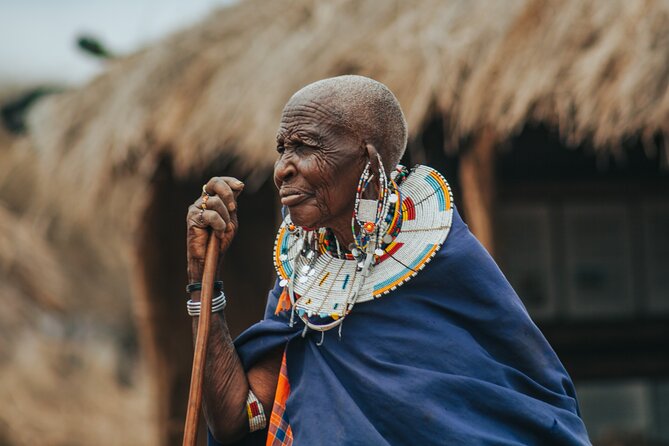
The overnight stops are a major reason to choose this tour. At Olpopongi, you stay in Maasai-hut style rooms and take part in an evening cultural program. The welcome dance, cultural tour, dinner, and bonfire create a direct connection between the cycling route and the people who live in the area.
Osiligilai Maasai Lodge provides another night in the same broad cultural region, but the change of location keeps the trip moving. You are not just sleeping near Maasai land. The accommodation is built into the story of the journey.
You should also be realistic about the style of stay. Maasai-hut accommodation may not suit someone seeking a conventional hotel, extensive facilities, or a completely private luxury setting. The appeal is the atmosphere and location. If you value local contact and a distinctive overnight setting, this is a strong part of the package.
How the private format changes the ride
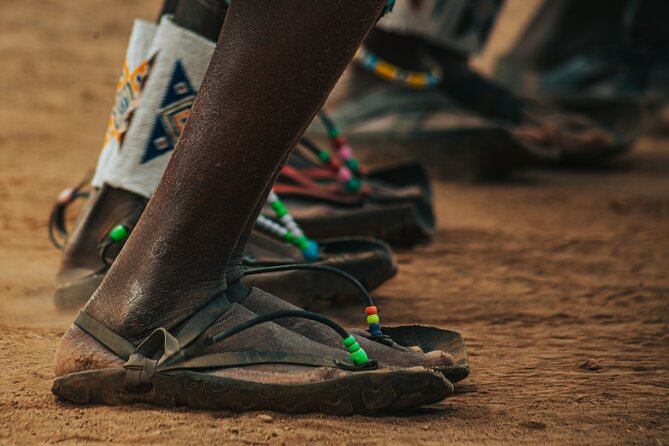
This is a private tour, so only your group participates. That matters on a multi-day bike route. You can discuss pace, rest stops, and comfort with the guide instead of adapting to a large mixed group.
The English-speaking certified guide is included, along with a mountain bike and helmet. The experience is described as an e-bike tour, while the included equipment is listed as a mountain bike and helmet. I would confirm the exact e-bike model and battery arrangements before paying, especially if electric assistance is important to your decision.
A supporting vehicle is included. That is one of the package’s best practical features. It offers reassurance on rough roads, during hot sections, and on the gradual climbs. It also makes the tour more approachable for someone who is active but does not regularly cycle long distances on gravel.
The private setup does not remove the need for fitness. The stated requirement is moderate physical fitness, and that sounds right. You should be prepared for three days of riding, uneven surfaces, heat, and some climbing. If you rarely cycle, ask the operator how much distance and riding time to expect on your dates.
Several people connected with the operator are named in the available trip feedback: Hillary, Goodluck, Roger, and Gasto. Roger receives particular thanks for making one bike safari memorable, while the wider team is praised for professionalism and expertise. Those details suggest a service-oriented operation, but the guide assigned to your group may differ, so ask in advance if a specific guide matters to you.
Meals, transfers, and what the $850 price means
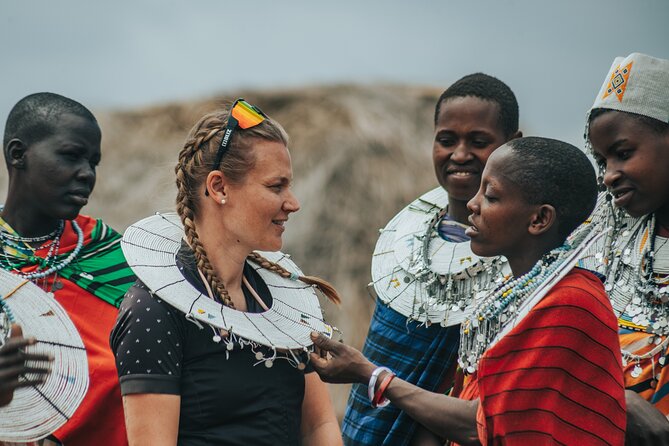
The cost is $850 per person. Included are the supporting vehicle, mountain bike, helmet, certified English-speaking guide, two breakfasts, three lunches, and two dinners.
The meal count matches the three-day schedule. You receive lunch on each cycling day, breakfast on the two mornings after the first night, and dinner at both overnight stops. This reduces the need to arrange food on the route and is especially useful in a remote area.
The price also covers the two-night structure and transport connections described in the schedule. Pickup is offered, with the activity beginning from One Bike Shop on Moshi Mailimoja Road. The itinerary describes a transfer from your Moshi hotel at the start and a return transfer after Day 3, while the meeting information says the activity ends back at the meeting point. Confirm the exact pickup and final drop-off details when booking.
For value, the package makes most sense if you want several experiences combined: active riding, a private guide, vehicle support, cultural accommodation, meals, and possible wildlife encounters. It is less attractive if you only want a short bicycle outing or a guaranteed safari program.
Tips and travel insurance are not included. Add both to your budget. The cancellation terms are generous if plans change: you can receive a full refund when canceling at least 24 hours before the start time. Cancellations inside 24 hours are not refunded, and poor weather may lead to a new date or a full refund.
Who should book this West Kilimanjaro ride?
I would recommend it to an active visitor who wants a close look at northern Tanzania beyond the usual vehicle safari. It suits someone who enjoys changing scenery, local contact, photography, and a little uncertainty about what may appear along the road.
It is also a good choice for a private couple, family, or small group that wants to set its own rhythm. The support vehicle makes the trip more forgiving, while the moderate fitness requirement keeps it from being an extreme cycling challenge.
You may want another option if your priority is luxury accommodation, smooth paved roads, or guaranteed close-up wildlife. The route is rough and weather-dependent, and the animal sightings are opportunities rather than promises. The experience also requires you to be comfortable with basic Maasai-style rooms and outdoor cultural settings.
Pack for sun, dust, and changing conditions. Bring practical cycling clothing, sun protection, and a camera. The operator supplies a bike and helmet, but confirm the e-bike details, saddle fit, luggage arrangements, daily distances, and transfer plan before departure.
Should you book it?
Book this three-day West Kilimanjaro tour if you want an active, private introduction to Maasai country with a real sense of movement. The best parts are the changing route from Kilimanjaro toward Mount Meru, the two cultural overnight stays, the chance to see wildlife from a bicycle, and the backup of a support vehicle.
Skip it if you want a soft adventure with fixed wildlife sightings and hotel-style comfort. For the right cyclist, though, $850 buys more than transport and scenery. It buys time on the road, contact with local communities, and a rare chance to experience northern Tanzania at bicycle speed.
FAQ
Where does the tour begin?
The listed meeting point is One Bike Shop on Moshi Mailimoja Road, Tanzania. Pickup is offered, and the first cycling section begins at Simba Farm after a transfer from Moshi.
How long does the experience last?
The tour lasts approximately three days. Cycling begins on Day 1 and ends near Arusha National Park on Day 3, followed by a transfer back toward Moshi.
What fitness level is required?
You should have a moderate level of physical fitness. The route includes rough roads, gravel, dry conditions, and gradual ascents.
Is this a private tour?
Yes. Only your group participates in the activity.
What is included in the price?
The $850 price includes a supporting vehicle, mountain bike and helmet, an English-speaking certified guide, two breakfasts, three lunches, and two dinners.
What happens if the weather is poor?
The experience requires good weather. If poor weather causes cancellation, you will be offered another date or a full refund. You can also cancel for a full refund if you do so at least 24 hours before the start time.
Just added in Moshi
- Zanzibar: Stone Town tour and Nakupenda beach with Lunch★ 5.0 · 1 review
- day trip lake manyara★ 5.0 · 2 reviews
- Mt Kilimanjaro 6 days Marangu route hike★ 5.0 · 3 reviews
- machame route★ 5.0 · 16 reviews
- Private Cycle to Kilimanjaro Bike Park Safari★ 5.0 · 6 reviews
- West Kilimanjaro cycling Adventures★ 4.5 · 8 reviews
- Wildlife Extravaganza: Manyara, Tarangire & Ngorongoro in 3 Days★ 5.0 · 3 reviews
- Kilimanjaro Climb & Safari – Lemosho Route – 13 Day★ 5.0 · 10 reviews
Cycling Tours, compared.
Chagga Villages in Mount Kilimanjaro Cycling Day Trip
Read our review →
Canoeing/Kayaking &/or Cycling Adventure (with Lunch)
Read our review →
Top 6 Days Mt. Kilimanjaro Bike trek Tour by Marangu-Kilema Route
Read our review →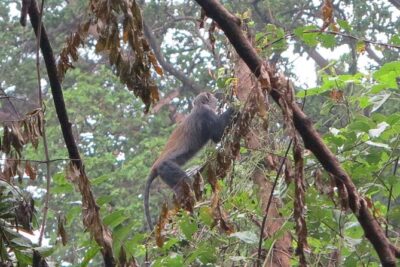
Cycling from Kilimanjaro to Ngorongoro Crater
Read our review →Browse the lists this tour appears in