
Reviewed · CYCLING TOURS
West Kilimanjaro cycling Adventures
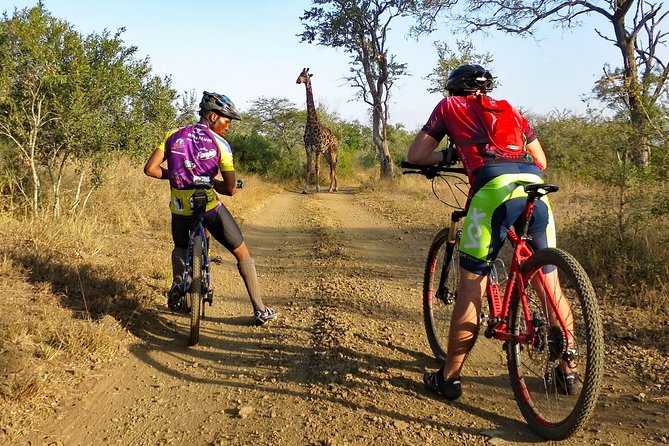
Kilimanjaro looks different from a bicycle. This private two-day trip takes you across West Kilimanjaro by mountain bike, through acacia woodland, open plains, Maasai country, and wildlife corridors beneath views of Africa’s highest mountain. I like the chance to see zebra, giraffe, gazelles, baboons, and possibly elephants without sitting inside a safari vehicle. I also like that the price includes bikes, helmets, meals, camping equipment, a support vehicle, park and ranger fees, and transport from the airport, Moshi, or Arusha.
The main caution is physical effort. You need a moderate fitness level, and the route can include deep sand and demanding cycling. The experience is also weather-dependent, and one serious complaint about the operator’s business dealings means I would confirm every detail before paying a deposit.
In This Review
- Key points to know before booking
- Riding beneath Kilimanjaro in Maasai country
- What the two-day route is likely to feel like
- Day one: Transfer, bikes, and the first stretch
- Evening: Campfire and sunset
- Day two: More riding and a return transfer
- The wildlife experience is about possibility, not certainty
- Why the private format matters
- Bikes, support, and what is included
- Is $666.67 a fair price?
- Who will enjoy this ride most?
- Should you book West Kilimanjaro Cycling Adventures?
- FAQ
- How long is West Kilimanjaro Cycling Adventures?
- Where does the tour start?
- Are mountain bikes and helmets provided?
- Is camping equipment included?
- Are meals included?
- Is this a private tour?
- What level of fitness do I need?
- Can I cancel for a full refund?
Key points to know before booking
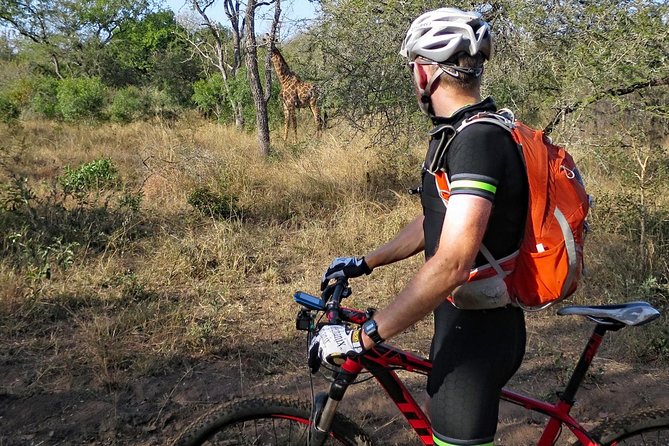
- Wildlife on two wheels: You may see zebra, wildebeest, giraffe, gazelles, impalas, baboons, and elephants along the corridor between Amboseli and Kilimanjaro.
- Private and flexible: Only your group participates, so your guide can adjust the pace, photo stops, and riding time more easily than on a large group departure.
- Camping is included: Tents, sleeping bags, tables, chairs, meals, bottled water, and a support vehicle are provided.
- The riding is not purely gentle: Early sections may be slightly downhill, but deep sand and tough cycling can make parts of the route strenuous.
- Maasai country: The area is home to nomadic Maasai herders who live alongside wildlife, adding a cultural dimension to the scenery.
- Strong package value: At $666.67 per person, the cost is substantial, but it covers transport, equipment, camping, food, fees, and personal guiding.
Riding beneath Kilimanjaro in Maasai country
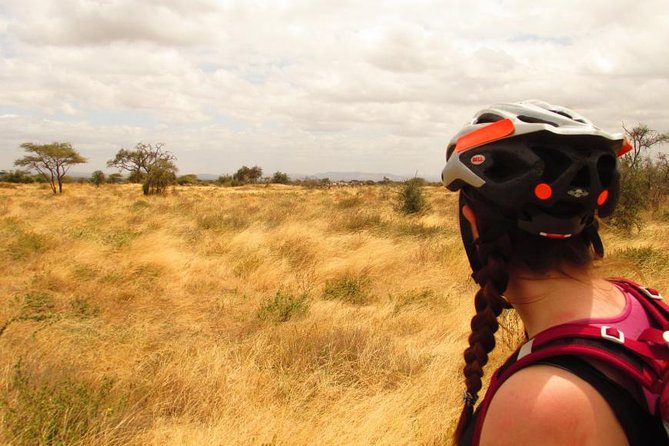
West Kilimanjaro gives you a very different kind of safari. You are not simply driven from one animal sighting to another. You are pedaling through the setting itself, with the sound of your bike and the changing surface beneath your tires helping you notice the details.
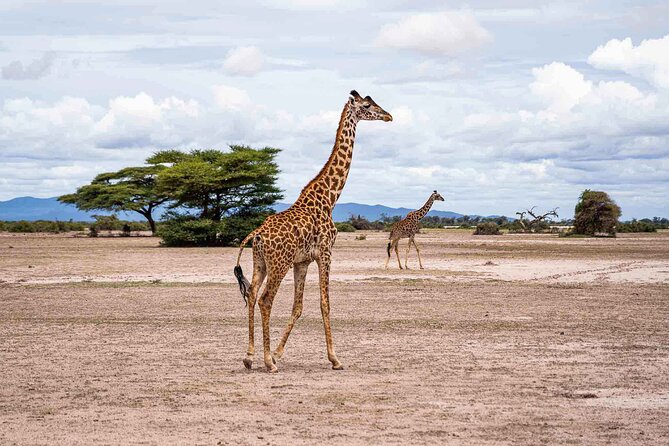
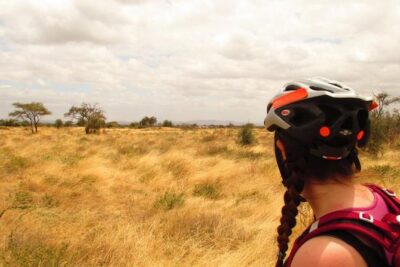
The area is made up of acacia woodland and open plains. That mix supports common East African species such as wildebeest, zebra, gazelles, impalas, giraffes, and baboons. Elephants can also appear because the region forms part of an elephant corridor linking Kenya’s Amboseli National Park with the Kilimanjaro area.
That possibility is exciting, but it needs a realistic explanation. Wildlife sightings are never guaranteed, especially on a short two-day outing. The appeal here is the combination of animals, mountain views, open country, and cycling, not a promise of a certain animal at a certain time.
You will also pass through Maasai country. Nomadic Maasai herders share this region with wildlife, and that coexistence gives the ride a stronger sense of place. This is one reason I prefer the trip to a standard vehicle excursion. You are seeing an inhabited part of Tanzania, not an empty postcard reserved only for wildlife.
A few more options to weigh up in Moshi
- 1-Day Moshi Villages bike tour
★ 5.0 · 59 reviews - Chagga Villages in Mount Kilimanjaro Cycling Day Trip
★ 5.0 · 42 reviews - Moshi city bike day trip
★ 5.0 · 17 reviews
What the two-day route is likely to feel like
The published plan describes an overnight cycling tour lasting about two days, but it does not provide a detailed hour-by-hour schedule. You should therefore treat the following as a practical guide to the experience rather than a fixed timetable.
Day one: Transfer, bikes, and the first stretch
Your trip can begin with pickup at Kilimanjaro International Airport, or with transport from Moshi or Arusha. Accommodation in Moshi or Arusha is included, although you should confirm exactly when that accommodation applies and how it fits with the camping night.
Once you reach the riding area, you receive a mountain bike and helmet. A support vehicle travels with the group, an important feature in a remote area. It can carry supplies and provide practical backup if the route becomes too difficult or your bike needs attention.
The first riding section may feel encouraging. One detailed account described the early route as slightly downhill, making progress fairly easy at first. That kind of start lets you settle into the bike, take in the views, and get used to riding on an unfamiliar surface.
Do not mistake an easy opening for a gentle full-day ride. Deep sand appeared later on that same route, and sandy ground can turn a simple-looking track into hard work. You may need to slow down, walk for short sections, or accept that keeping your tires moving matters more than maintaining speed.
The best approach is to ride at a steady pace and leave room for stops. This is not a road race. Your guide can help with the private group format, and the support vehicle means you are not completely on your own if fatigue sets in.
As the day continues, the scenery shifts between woodland and open plains. Look for movement at the edges of the track, particularly around acacia trees and open grazing areas. The ride is also a good setting for photography because the broad views give you more than close animal portraits. You are photographing the mountain, sky, riders, herders, bicycles, and animals as part of one scene.
Evening: Campfire and sunset
The overnight camp is one of the trip’s most appealing parts. Tents, sleeping bags, chairs, and tables are supplied, and all three daily meals are included. That makes the trip easier for anyone who wants a real outdoor night but does not want to bring camping equipment across the world.
Sunset and the campfire are listed as major features. These moments matter because they slow the trip down. After a day on a bike, sitting around a fire beneath Kilimanjaro country offers a simple reward that a hotel room in town cannot provide.
Still, camping is not the same as a lodge. You should expect a basic outdoor setup rather than private facilities and hotel-style comfort. The supplied equipment removes much of the packing burden, but you are still choosing an adventure with a tent and sleeping bag.
Meals are included, and bottled water is provided. Alcoholic drinks are not included, so budget separately if you want them. Health and travel insurance are also your responsibility.
A different kind of day out entirely:
- Kilimanjaro climb by Lemosho Route (7-day)
★ 5.0 · 651 reviews - Safari Serengeti And Ngorongoro
★ 5.0 · 288 reviews - Kilimanjaro climb, Machame Route (7-day)
★ 5.0 · 262 reviews - Kilimanjaro Climbing Lemosho Route 8 Days.
★ 5.0 · 186 reviews
Day two: More riding and a return transfer
The second day continues the cycling through West Kilimanjaro before the return transfer. Since the exact route and mileage are not specified, ask for the expected distance, elevation, surface conditions, and planned riding hours before booking.
That question is especially important for novice riders. The tour is presented as suitable for people with moderate fitness, and one account described it as accessible to beginners while still offering plenty for stronger cyclists. That sounds reasonable, provided you understand that beginner-friendly does not mean effortless.
A fit cyclist may enjoy the varied surfaces and remote feel. A casual rider may prefer a shorter day, more walking, or regular vehicle support. In a private group, you have a better chance of discussing those needs directly with the guide.
One cyclist found the scenery interesting and varied, but advised checking the timing of animal migration. That is useful advice. The time of year can affect what you see, and migration patterns may change the wildlife experience more than your cycling ability does.
The wildlife experience is about possibility, not certainty
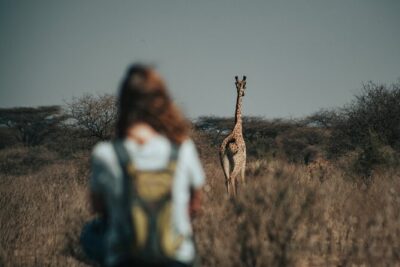
The animal list is appealing: zebra, wildebeest, giraffe, gazelles, impalas, baboons, and elephants. Because you are moving slowly on a bicycle, you may notice tracks, birds, distant herds, and changes in the ground that are easy to miss from a vehicle.
Elephants are a particularly important possibility here. The region lies along a corridor connecting Amboseli and Kilimanjaro, so elephants are common at certain times. That does not make a close encounter predictable or automatically safe. Your ranger and guide will determine how you approach any animals, and you should follow their instructions immediately.
The presence of a ranger is included in the fees. That is not a minor extra. Cycling through wildlife country requires judgment about distance, direction, and when to stop riding. Your guide and ranger provide the local control that makes this kind of trip possible.
The right mindset is to enjoy the whole setting. If you book only for an elephant sighting, you could be disappointed. If you value open plains, mountain views, wildlife chances, Maasai culture, and the physical act of crossing the country under your own power, the trip offers much more.
Why the private format matters
This is a private activity, with only your group participating. That gives you more control than a fixed group tour, particularly if your party contains riders with different abilities.
You can discuss your pace with the guide, ask for photography stops, and spend more time observing wildlife when conditions allow. Solo cyclists also have a reason to consider this format. One person completed the ride alone and praised the pickup, organization, and overall experience.
The guide can make or break a cycling trip. George received especially warm praise for being informative and helpful, while the support crew was described as exceptional. Roy, associated with Kili Bike Adventures, personally responded to several comments and signed them as the manager or part of the team.
That said, do not assume a named guide will lead your particular departure. Ask who is assigned to your group, how many riders the guide has handled, and what happens if the group’s abilities differ.
Bikes, support, and what is included
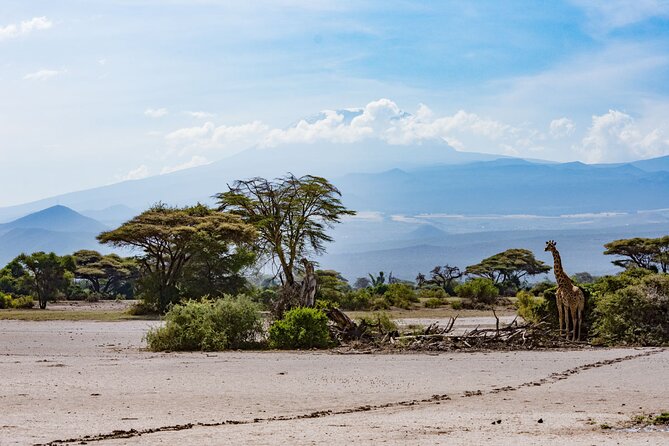
Loaner mountain bikes and helmets are provided. That is convenient if you are combining this trip with a safari, Kilimanjaro climb, or wider Tanzania journey and do not want to transport your own bike.
You should still ask about bike sizes, adjustment, maintenance, and spare parts. Those details are not supplied, and they matter more on sandy or rough surfaces than they would on paved roads. If you normally ride with padded shorts, gloves, sunglasses, or a preferred saddle, bring them if you have room.
The support vehicle is another major part of the package. It gives the guide a way to carry camping supplies and provides backup during a tiring section. It also makes the tour more realistic for mixed-ability groups, although you should confirm whether you can ride in the vehicle for part of the route if needed.
Included items are:
- Mountain bikes and helmets
- Airport pickup
- Transport from Arusha or Moshi
- Accommodation in Moshi or Arusha
- Tents and sleeping bags
- Chairs and tables
- Entry, cycling, camping, and ranger fees
- Three meals per day
- Bottled water
- Support vehicle
- Kili Bike Adventures T-shirt
Insurance, tips, and alcoholic drinks are not included. The T-shirt is a pleasant extra, but the real value comes from the transport, equipment, meals, camping setup, and required fees.
Is $666.67 a fair price?
At $666.67 per person, this is not a bargain-basement cycling day. It is a full overnight package with private guiding, transport, camping gear, meals, water, a support vehicle, and access-related fees.
The value improves if you are arriving through Kilimanjaro International Airport or staying in Moshi or Arusha, since the transfer is included. It also improves if you do not own suitable mountain-bike equipment. Renting the bike and helmet, arranging a vehicle, buying food, hiring camping gear, and paying local fees separately would quickly add up.
The price is harder to justify if you want only a short, easy ride or if you already have a bike, transport, and camping equipment. In that case, ask for the exact riding time and route before committing.
I would also verify the payment arrangements and supplier confirmations. The overall published score is 4.5 out of 5 from eight ratings, with strong praise for the scenery, staff, wildlife opportunities, and organization. But one serious complaint alleges that the manager owed money to local service providers and hotels. That allegation is not proof of a problem on your trip, yet it is enough reason to request written confirmation of your booking, accommodation, transport, and payment terms.
Who will enjoy this ride most?
I would recommend West Kilimanjaro Cycling Adventures to you if you want an active way to see Tanzania and are comfortable with uncertainty. The trip suits people who enjoy remote scenery, wildlife watching, photography, cultural contact, and a campfire more than polished hotel facilities.
It also suits experienced mountain bikers looking for rougher surfaces and a less conventional safari. Novice riders can take part if they have moderate fitness and are willing to manage sand, uneven ground, early starts, and a full day outdoors.
I would hesitate to recommend it to anyone seeking guaranteed animal sightings, smooth cycling, luxury accommodation, or a tightly timed itinerary. It is also not the right choice if you dislike camping or need a fully accessible, low-effort outing.
Before booking, ask for five practical details: the expected mileage, the route surface, the daily riding hours, the exact camping location, and the name of your guide. Also confirm pickup arrangements if you are not starting at Kilimanjaro International Airport.
Should you book West Kilimanjaro Cycling Adventures?
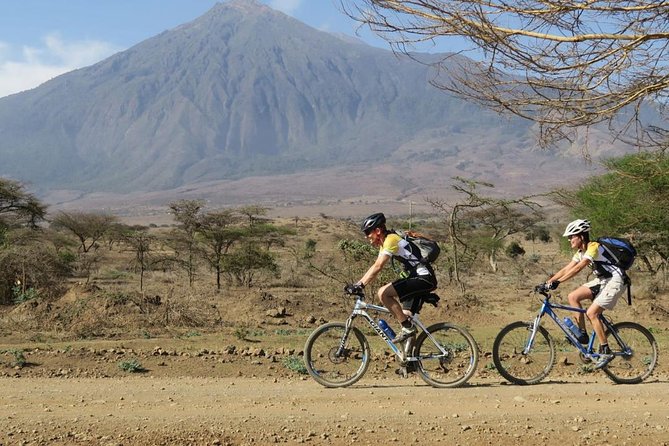
Book it if the idea of pedaling through Maasai country beneath Kilimanjaro sounds better than sitting in a safari vehicle. The strongest parts are the private format, broad wildlife possibilities, support vehicle, included equipment, and the chance to experience sunset and a campfire far from town.
Approach it as an active expedition, not a comfortable sightseeing tour. Confirm the route and operator arrangements in writing, check the season for wildlife movement, and be honest about your fitness. If you do that, this can be a memorable two-day introduction to the wild side of West Kilimanjaro.
FAQ
How long is West Kilimanjaro Cycling Adventures?
The experience lasts approximately two days and includes an overnight camping stay.
Where does the tour start?
The stated meeting point is Kilimanjaro International Airport in Tanzania. Pickup is also offered from Moshi, Arusha, or the airport.
Are mountain bikes and helmets provided?
Yes. Mountain bikes and helmets are included.
Is camping equipment included?
Yes. Tents, sleeping bags, chairs, and tables are provided.
Are meals included?
Yes. Three meals per day are included, along with bottled water.
Is this a private tour?
Yes. Only your group participates, which allows more flexibility and personal attention from the guide.
What level of fitness do I need?
A moderate level of physical fitness is recommended. The route can include demanding cycling and deep sand.
Can I cancel for a full refund?
Yes, if you cancel at least 24 hours before the experience start time. Cancellations made less than 24 hours in advance are not refunded. If poor weather forces the operator to cancel, you can choose a different date or receive a full refund.
Just added in Moshi
- Zanzibar: Stone Town tour and Nakupenda beach with Lunch★ 5.0 · 1 review
- day trip lake manyara★ 5.0 · 2 reviews
- Mt Kilimanjaro 6 days Marangu route hike★ 5.0 · 3 reviews
- machame route★ 5.0 · 16 reviews
- Wildlife Extravaganza: Manyara, Tarangire & Ngorongoro in 3 Days★ 5.0 · 3 reviews
- Private Cycle to Kilimanjaro Bike Park Safari★ 5.0 · 6 reviews
- 3 Days Private E-Bike Tour in West Kilimanjaro★ 5.0 · 3 reviews
- Kilimanjaro Climb & Safari – Lemosho Route – 13 Day★ 5.0 · 10 reviews
Cycling Tours, compared.
Chagga Villages in Mount Kilimanjaro Cycling Day Trip
Read our review →
Canoeing/Kayaking &/or Cycling Adventure (with Lunch)
Read our review →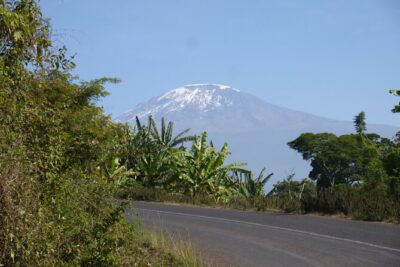
Top 6 Days Mt. Kilimanjaro Bike trek Tour by Marangu-Kilema Route
Read our review →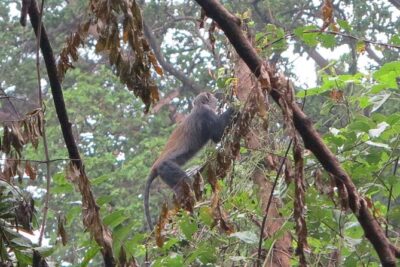
Cycling from Kilimanjaro to Ngorongoro Crater
Read our review →Browse the lists this tour appears in