
Reviewed · SERENGETI & NGORONGORO SAFARIS
6 Days: Classic Camping( Tarangire, Manyara, Serengeti And Ngorongoro).
Wildlife begins with baobabs. This six-day safari links Tarangire, Lake Manyara, Serengeti, and Ngorongoro Crater, giving you a strong first look at northern Tanzania’s best-known parks. I like the compact group size of up to six people, and I like that meals, transport, park fees, and game drives are included. The main consideration is comfort: dusty roads, long driving days, tent camping, and occasional cold showers are part of the deal.
I also like the range of scenery, from Tarangire’s elephant country to the crater floor’s permanent wildlife. Guides such as Hozza, Julius, Dickson, Festo, and Reuben have been praised for sharp animal spotting, patience, and clear explanations. Still, the itinerary is demanding, and the published timing and route details should be confirmed before you go.
In This Review
- Key points to know before booking
- Four parks in six days: what this route gets right
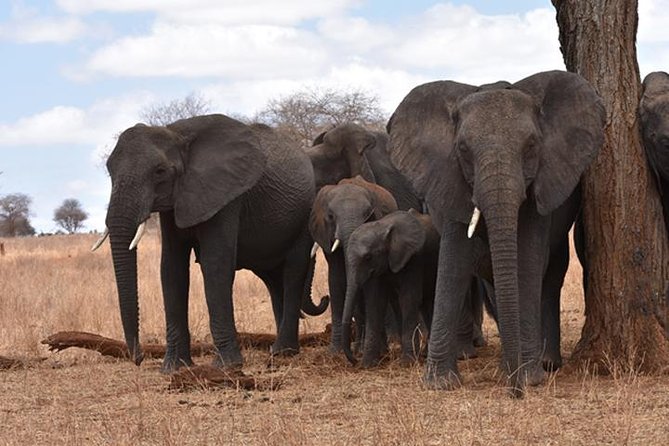
- Day 1: Tarangire’s elephants beneath the baobabs
- Day 2: Lake Manyara’s forest, birds, and lions
- Days 3 and 4: Giving the Serengeti enough time
- Day 5: Leaving the plains for the Ngorongoro area
- Day 6: Ngorongoro Crater from the floor up
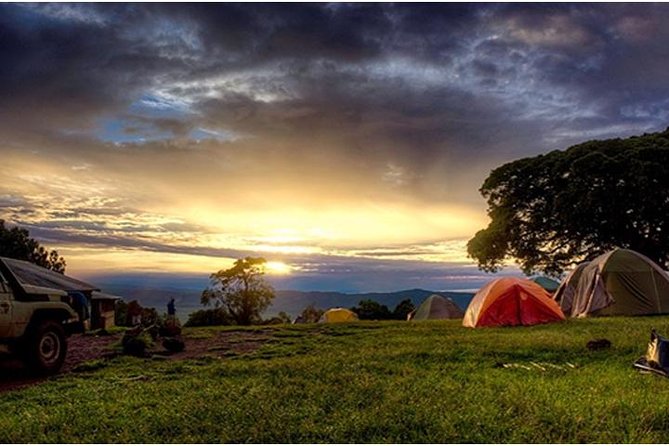
- Camping, meals, and the real level of comfort
- Is $1,538.47 a good value?
- What the strongest guide service can add
- Who should book this six-day safari?
- Should you book it?
- FAQ
- How long is the safari?
- Which national parks are included?
- How much does the safari cost?
- What is included in the price?
- Is hotel or airport pickup available?
- How large is the group?
- What level of fitness is required?
- Are tips included?
- Can I cancel for a full refund?
Key points to know before booking
- Tarangire opens the trip with elephants and baobabs: It is a rewarding first park, especially for large elephant herds and broad views.
- Lake Manyara adds birds and varied scenery: The park is small but includes forest, grassland, hot springs, lake shore, and Rift Valley slopes.
- Serengeti receives the most time: Two major game-drive days give you the best chance to see lions, cheetahs, leopards, elephants, giraffes, buffalo, and plains animals.
- Ngorongoro offers dependable wildlife viewing: Water and grazing support animals throughout the year on the crater floor.
- Camping keeps the price reasonable: At $1,538.47 per person, the package covers transport, park charges, and all listed meals, but it is not a soft-bed safari.
- Prepare for dust and cold water: A face covering, binoculars, warm layers, and something to protect your hair are useful additions.
Four parks in six days: what this route gets right
This is a classic northern Tanzania circuit, and the order makes practical sense. You begin with Tarangire, move to Lake Manyara, spend two nights or more around the Serengeti, then finish at Ngorongoro Crater before returning toward town.
I like this route because each park offers something different. Tarangire is known for elephants and baobab trees. Lake Manyara brings birds, forest, hot springs, and the chance of seeing tree-climbing lions. Serengeti is the main event for big-cat viewing and open plains. Ngorongoro gives you a concentrated final game drive in a remarkable volcanic setting.
The tradeoff is time on the road. This is not a relaxed lodge holiday with long afternoons beside a pool. Several days run for eight to ten hours, and safari roads can be bumpy and dusty. You gain variety and a good chance of seeing wildlife, but you give up some comfort and spare time.
The maximum group size is six. That matters more than it may sound. A smaller vehicle group makes it easier to share window space, agree on stops, and hear the guide. It also feels less crowded than a large bus tour, though the exact vehicle arrangement should be confirmed when booking.
More Serengeti and Ngorongoro safaris:
- Safari Serengeti And Ngorongoro
★ 5.0 · 288 reviews - 5 Days Camping Tarangire, Serengeti & Ngorongoro crater & Visiting Maasai
★ 5.0 · 58 reviews - 4 Days Group Joining Camping Safari to Tarangire Serengeti Ngorongoro Crater
★ 5.0 · 50 reviews
Day 1: Tarangire’s elephants beneath the baobabs
The first day begins with hotel pickup, a safari briefing, and the drive to Tarangire National Park. The planned day lasts about ten hours, with lunch followed by an afternoon game drive.
Tarangire is an excellent opening act because it gives you a clear sense of Tanzania’s scale almost at once. The park is especially associated with large elephant groups and its distinctive baobab trees. These thick-trunked trees give the park a memorable outline and make even a simple stop feel visually special.
Your first game drive is also when you learn how safari works. You watch the guide read the road, scan the trees, listen to radio reports, and decide when to pause. Animal sightings are never fully guaranteed, but an experienced driver can make a large difference. Festo, Hozza, Julius, and other guides connected with this company have received praise for patient driving and strong animal-spotting skills.
Tarangire can feel like a long first day, particularly after an international flight. If you are arriving that same day, ask how the airport or hotel pickup fits with your arrival time. The stated meeting point is Kilimanjaro Airport, and the listed start time is 12:00 am, which is not clear enough to plan around without confirmation.
Day 2: Lake Manyara’s forest, birds, and lions
Day two heads to Lake Manyara National Park for about nine hours of game viewing. The park is smaller than Serengeti and Tarangire, but its setting changes quickly as you move through different habitats.
Lake Manyara covers about two thirds of the park. Around it are open grassy areas, a soda lake, hot springs, dense woodland, and steep slopes along the Great Rift Valley. That variety is the reason this stop earns its place on the route. You are not simply looking across endless grassland. You get forest shade, lake views, mountain walls, and open ground in one day.
Birdwatchers should pay close attention here. The park is described as having more than 450 bird species, so bring binoculars if you have them. Even if birds are not your main goal, the number of habitats improves the chance of seeing different kinds of wildlife.
Lake Manyara is also linked with tree-climbing lions. The sighting is not guaranteed, and the phrase can create unrealistic expectations. You may find lions resting in trees, or you may spend more time watching other animals and birds. That uncertainty is part of a real safari, not a flaw in the park.
A picnic lunch is planned in the park. That saves time and keeps you close to the action, but it also means you should be ready for a straightforward outdoor meal rather than a restaurant stop. The schedule is full, so keep your camera and binoculars easy to reach.
Days 3 and 4: Giving the Serengeti enough time
Day three is a long transfer and game-viewing day, lasting about ten hours. After breakfast, you travel toward Serengeti through the Ngorongoro area, with game viewing along the way. The Serengeti then receives a full day on day four, with a packed lunch and an evening return to camp.
This is where the itinerary earns its price. A single Serengeti day can be exciting, but two substantial days give your guide more room to search. The park covers about 5,600 square miles, so you cannot see it all. You are looking for the right combination of habitat, recent sightings, and luck.
The Serengeti is famous for the annual movement of wildebeest, zebra, and gazelle between Tanzania and Kenya. The timing and location change, so you should not book this trip with the promise of seeing a particular river crossing or herd. Even outside the main migration period, the park supports large numbers of plains animals and predators.
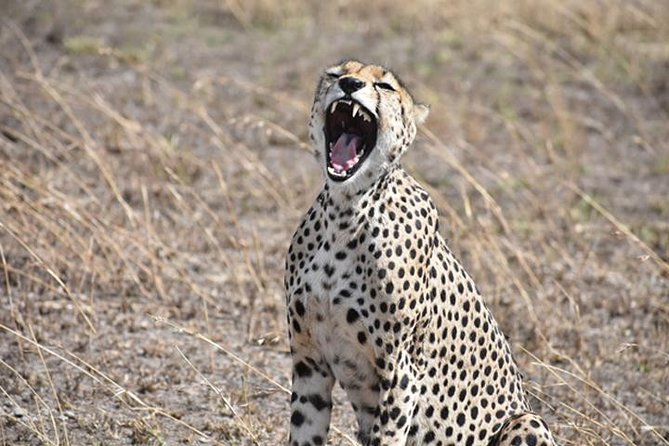
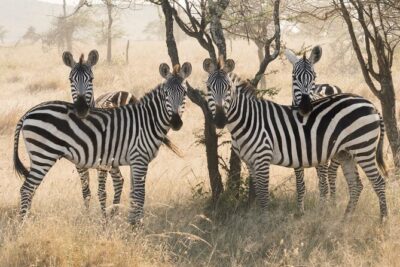
Big cats are the main draw for many people. Lions, cheetahs, leopards, hyenas, jackals, elephants, giraffes, and buffalo are all listed as possible sightings. The guides associated with this safari have been praised for finding close animal encounters and explaining what you are seeing. That skill matters most when an animal is partly hidden, far away, or visible for only a few moments.
Day four includes a full game drive with packed lunch until late afternoon or evening. A walking safari is listed as an option in the heart of the Serengeti, but you should ask about its availability, added cost, duration, and safety arrangements before assuming it is part of the standard program.
The hard part is the road. You should expect dust and bumpy sections. One practical tip from past departures is to carry a mask or scarf for dusty stretches, protect your hair, and keep camera equipment covered when possible. A good pair of binoculars is more useful than a large collection of lenses.
More Tarangire safaris:
- 3-Day Ngorongoro Crater Manyara and Tarangire Safari from Arusha
★ 5.0 · 49 reviews - 4 Day Private Tour Throughout Tarangire, Serengeti and Ngorongoro
★ 5.0 · 42 reviews - 7 Days Safari. Serengeti, Tarangire, Lake Manyara & Ngorongoro Crater.
★ 5.0 · 34 reviews - 5-Day Lake Manyara, Serengeti, Ngorongoro Crater and Tarangire
★ 5.0 · 28 reviews
Day 5: Leaving the plains for the Ngorongoro area
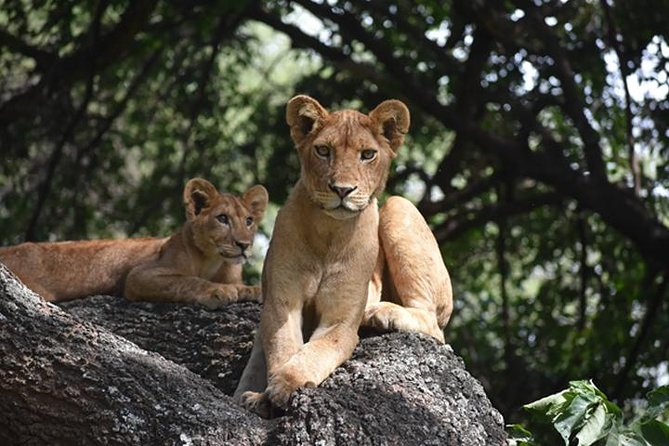
The fifth day continues with morning game viewing in the Serengeti, a picnic lunch, and an afternoon drive toward the Ngorongoro Conservation Area. Dinner and overnight camping are planned in the area.
The published schedule describes this as another eight-hour day, but the exact balance between Serengeti game viewing and the transfer may vary. The itinerary text also uses Ngorongoro Crater as the heading while describing the crater visit on day six. Confirm the overnight location and departure plan before you leave. This is especially useful if you care about reaching the crater early.
A Maasai village visit is listed as a value-added option. Ask whether it is included in your price or arranged separately, and what the visit involves. Cultural stops are best when they are clearly explained and handled respectfully, with no pressure to buy anything.
This is also a good night to organize your bags. You will want warm clothes, a camera battery, water, and personal items ready for an early start. The safari does not list accommodation details beyond camping, so ask about tent setup, bedding, showers, and toilet arrangements before departure.
Day 6: Ngorongoro Crater from the floor up
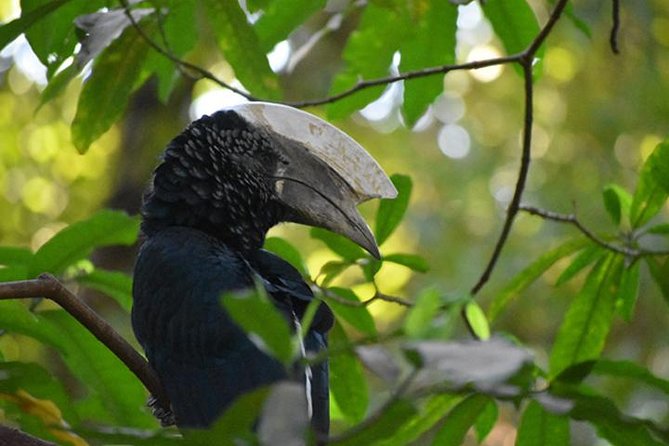
The final day starts early, with breakfast around 5:50 am and a planned crater descent at about 6:00 am. You spend six to seven hours on the crater floor, including a picnic lunch, before driving back toward town. The day is listed at roughly nine hours.
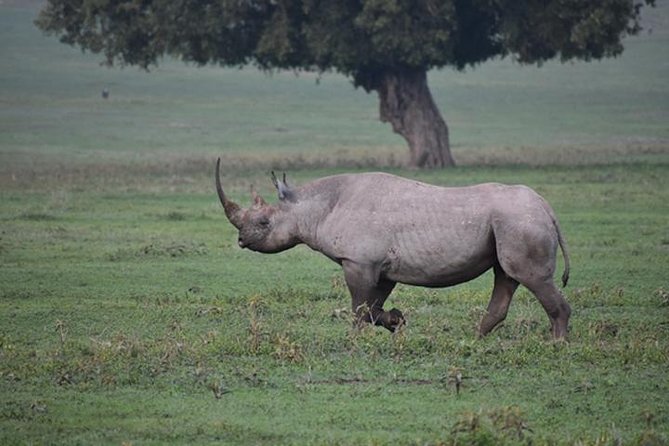
Ngorongoro is a fitting finish because its wildlife is concentrated within a dramatic volcanic basin. Water and grazing are available through the seasons, supporting a permanent animal population. That gives you a strong chance of seeing a broad mix of wildlife even when you are not visiting during the migration.
The crater floor can be one of the best places on this route for a final sweep of game viewing. You may see plains animals and predators in a relatively compact area, though no safari can promise a particular animal. The early start is worthwhile because it gives you more time before the day grows long and tiring.
You should be comfortable with a long stretch in a safari vehicle. The descent and crater drive are not a short photo stop. If you have back, knee, or motion concerns, ask about the vehicle and seating before booking. The stated fitness requirement is moderate, but the physical challenge comes mainly from early mornings, rough roads, and long hours seated.
Camping, meals, and the real level of comfort
The package includes six lunches, five breakfasts, and six dinners, along with private transportation, game drives, park fees, taxes, and all listed admission charges. For a six-day safari, that removes many of the expenses that can quietly add up.
The food receives strong praise, particularly meals prepared by cooks such as Isaac, Nathan, Dickson, and Kevin. Several past visitors singled out the cooking as tasty and healthy, which is important on a demanding route. A good cook can make camp feel much more welcoming after a dusty day.
Still, camping requires a practical mindset. Reports from past departures mention cold water showers, so you should not expect hotel-style bathing. The supplied information does not specify tent size, bedding, electricity, bathroom type, or hot water. Ask those questions directly before paying.
Pack light but useful:
- Warm layers for early mornings
- A hat and sun protection
- Closed shoes
- A scarf or mask for dust
- Binoculars
- Camera protection against dust
- A small personal bag for each day
Tipping is not included. Plan for that separately, especially if your guide and cook provide the kind of personal service described in the strongest experiences.
Is $1,538.47 a good value?
At $1,538.47 per person, this safari sits in the range where the inclusions matter more than the headline price. You are paying for four major parks, private transportation, game drives, park fees, and all listed meals over six days.
I see the strongest value in the route itself. Tarangire, Lake Manyara, Serengeti, and Ngorongoro are not interchangeable stops. You get elephants, birds, possible tree-climbing lions, big-cat country, and a crater with year-round wildlife in one trip.
The value is less clear if you want high comfort. Camping, dust, cold showers, long drives, and early starts are part of the bargain. A lodge-based safari would likely cost more, but it would suit you better if comfort and rest matter more than keeping the price down.
The small group limit helps. With up to six people, the price buys a more personal setup than a large coach trip. Ask if the vehicle is private to your booking or shared with other people, since the phrase private transportation can mean different things in practice.
What the strongest guide service can add
Safari guides do more than drive. They choose routes, watch animal behavior, explain habitats, and help you understand why an ordinary-looking patch of grass matters.
Hozza is repeatedly associated with friendly service, wildlife knowledge, and sharp spotting. Julius and Dickson have been praised for patience, organization, and cooking. Festo has been singled out for promptness, communication, and finding close photo opportunities. Reuben has been praised for sharing information about Tanzania with care and enthusiasm.
You cannot necessarily request a specific guide unless the company confirms it. But you can ask about the guide, cook, vehicle, and group arrangement before departure. That simple conversation can prevent confusion and set the right expectations.
Who should book this six-day safari?
I would recommend it to you if you want a broad northern Tanzania route and you are happy to trade hotel comfort for more park time. It suits first-time safari visitors who want the major names in one trip, as well as photographers who value two days in the Serengeti.
It may also suit older people with moderate fitness, provided they are comfortable with early mornings and bumpy roads. The group size is manageable, but the physical demands should not be brushed aside.
I would think twice if you need a slow pace, guaranteed hot showers, or a tightly fixed schedule. The itinerary includes long days and some unclear timing around the airport pickup, Ngorongoro transfer, optional walking safari, and Maasai village visit.
The cancellation terms are forgiving if your plans change: you can receive a full refund when you cancel at least 24 hours before the start time. Poor weather may lead to a different date or a full refund. Confirm the local start time, since the listed midnight meeting time is unusually vague.
Should you book it?
Book this safari if wildlife variety and value matter more to you than polished comfort. The route gives you four major parks, two substantial Serengeti days, a strong chance of elephant and big-cat sightings, and a crater finale that works in every season.
Before booking, confirm the exact airport pickup time, camp facilities, shower arrangements, group setup, and whether the Maasai village visit or walking safari costs extra. If you are prepared for dust, cold water, and long drives, this is a practical way to see northern Tanzania without paying lodge-level prices. If you want a gentler holiday, choose a slower itinerary with more comfortable accommodation.
FAQ
How long is the safari?
The experience lasts approximately six days.
Which national parks are included?
The route includes Tarangire National Park, Lake Manyara National Park, Serengeti National Park, and Ngorongoro Crater within the Ngorongoro Conservation Area.
How much does the safari cost?
The listed price is $1,538.47 per person.
What is included in the price?
The price includes all fees and taxes, private transportation, game drives, six lunches, five breakfasts, and six dinners.
Is hotel or airport pickup available?
Pickup is offered, and the listed starting point is Kilimanjaro Airport. Confirm the exact pickup time because the stated start time is 12:00 am.
How large is the group?
The activity has a maximum of six participants.
What level of fitness is required?
A moderate level of physical fitness is recommended. The main demands are early starts, long game drives, and dusty or bumpy roads.
Are tips included?
No. Tips are not included in the listed price.
Can I cancel for a full refund?
Yes. You can cancel at least 24 hours before the experience start time for a full refund. Changes or cancellations made less than 24 hours before the start time are not accepted for a refund, and poor weather may result in a new date or full refund.
More Lake Manyara Safaris
- Safari in Tanzania 5 days: Manyara, Ngorongoro, Serengeti
★ 5.0 · 29 reviews - 6 Days 5 Nights lodge safari Tarangire, Manyara, Serengeti & Ngorongoro Crater
★ 4.5 · 10 reviews - Private 6-Day Tarangire Manyara Crater and Serengeti with Mid-Range Lodges
★ 5.0 · 238 reviews - 3 Days Tarangire, Ngorongoro & Lake Manyara Group Camping Safari
★ 5.0 · 102 reviews
Just added in Moshi
- THE BEST 2 DAYS ON TREK – MARANGU ROUTE TOUR ADVENTURES★ 5.0 · 1 review
- Mount Kilimanjaro National Park Day Trip★ 5.0 · 7 reviews
- Mount Kilimanjaro Climbing in Tanzania Full-Day Trip★ 5.0 · 1 review
- Mount Kilimanjaro Day Hike – All-Inclusive, No Hidden Fees★ 4.0 · 7 reviews
- Mount Kilimanjaro Trekking Tour – Climb with Local Guides★ 5.0 · 1 review
- Mount Kilimanjaro: 7 Days Hike Lemosho Route★ 5.0 · 1 review
- Moshi:Chemka Hot Springs, Materuni Waterfalls & Coffee Tour★ 5.0 · 1 review
- Moshi Town: Walking Tour: Theme Urban lifestyle★ 3.1 · 4 reviews
Serengeti & Ngorongoro Safaris, compared.
Serengeti Balloon Safari and authentic bush breakfast
Read our review →
Balloon Safari & Bush Breakfast in Serengeti – Miracle Experience
Read our review →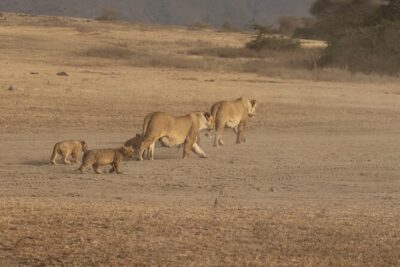
3 Days Serengeti & Ngorongoro Group Camping Safari
Read our review →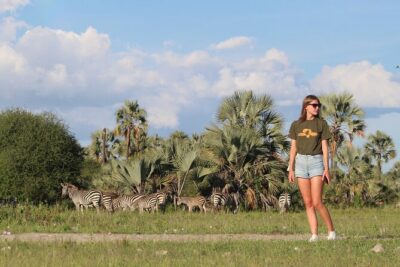
5-Day Highlights mid-Range Crater, Serengeti, Tarangire
Read our review →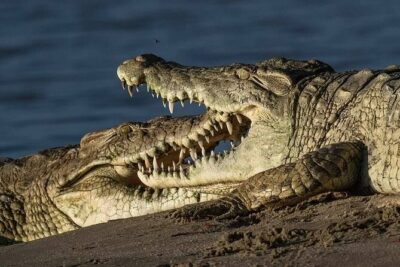
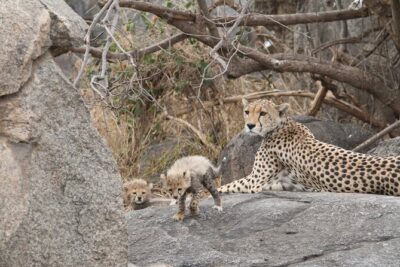
Private 6-Day Tarangire Manyara Crater and Serengeti with Mid-Range Lodges
Read our review →
5 Days Camping Tarangire, Serengeti & Ngorongoro crater & Visiting Maasai
Read our review →Browse the lists this tour appears in