
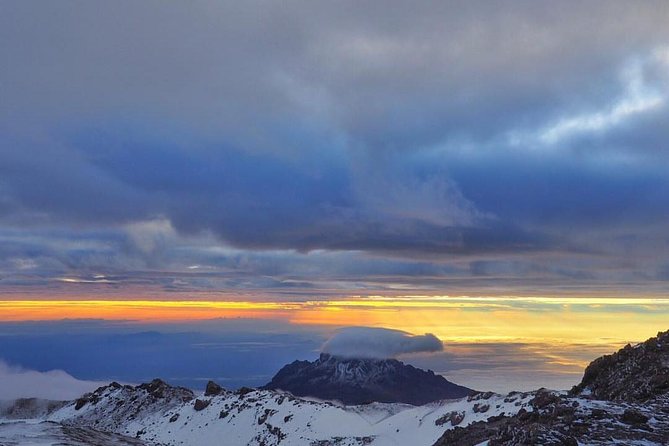
Reviewed · MARANGU ROUTE CLIMBS
Mt Kilimanjaro 6 days Marangu route hike
Reach Africa’s highest point on foot. This six-day Marangu Route hike uses Kilimanjaro’s most gradual and direct trail, with hut accommodation, a built-in acclimatization day, and pickup from Moshi. I like the extra night at Horombo and the private group format, which can make pacing more personal. I also like the careful planning praised for head guide Gasto and his team.
The main caution is the summit schedule. You begin around midnight or 2:00 AM in darkness, cold, and steep scree, then descend a long way the same day. The route is described as the easiest option, but the altitude and summit day are still serious tests.
In This Review
- Key points to know before you book
- Why the Marangu Route appeals to first-time climbers
- Day 1: Moshi to Mandara through the rainforest
- Day 2: Open heathland and the first altitude test
- Day 3: A full acclimatization day at Horombo
- Day 4: Crossing the moonscape to Kibo
- Day 5: Uhuru Peak, Gilman’s Point, and the hardest hours
- Day 6: The long descent through forest
- What the $2,269 price means
- Pace, guides, and the private-group advantage
- What to pack for the changing conditions
- Who should choose this six-day hike?
- Should you book the Marangu Route with Safari Soles Tours?
- FAQ
- How long is the Kilimanjaro Marangu Route hike?
- What time does the experience start?
- Is pickup available?
- Is this a private tour?
- How much does the hike cost?
- Where does the hike begin?
- What happens on the acclimatization day?
- Can I cancel for a full refund?
Key points to know before you book
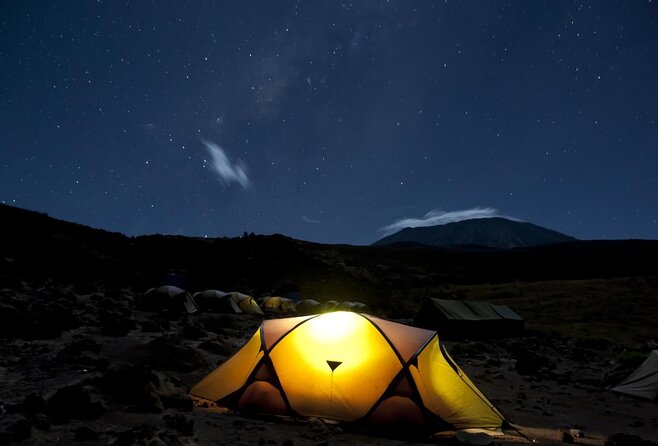
- A six-day route with one acclimatization day: You spend an extra day at Horombo Hut, with an optional hike toward Mawenzi Hut at 4,600 meters.
- The direct Marangu trail: The path rises through rainforest, heathland, and alpine desert before reaching Uhuru Peak.
- A private experience: Only your group participates, which gives you a better chance to discuss pace and how you are feeling.
- A very long summit day: The climb starts between midnight and 2:00 AM and continues from Kibo to Uhuru Peak before descending to Horombo.
- Strong guide feedback: Gasto is identified as the head guide, while Lucas is praised for organizing a separate Marangu day hike.
- Pickup and free cancellation: Pickup is offered, and you can cancel for a full refund up to 24 hours before the start time, subject to the weather policy.
Why the Marangu Route appeals to first-time climbers
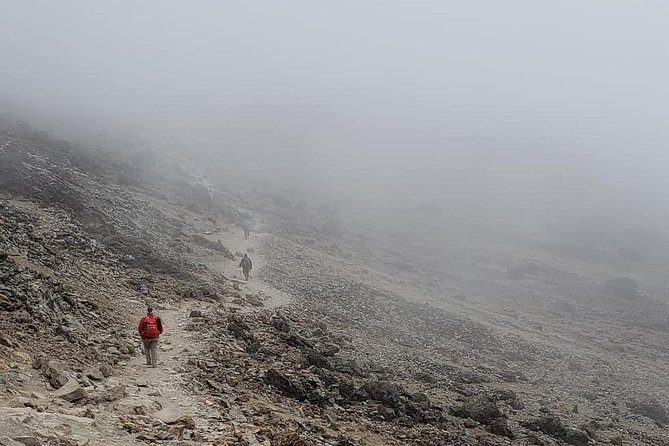
The Marangu Route is often called the Coca-Cola Route, but do not let the friendly nickname fool you. Kilimanjaro remains a high-altitude mountain, and reaching 5,895 meters at Uhuru Peak demands stamina, patience, and a sensible response to altitude symptoms.
What makes this route attractive is its straightforward shape. You walk up the same general corridor toward Kibo, rather than following a more winding trail. The slope is gradual for much of the approach, and you sleep in huts instead of tents. That can make the trip feel simpler, especially if you prefer a fixed shelter and a clear route.
The six-day plan is more appealing than a rushed schedule because Day 3 is set aside at Horombo for acclimatization. You can rest there or take an optional hike toward Mawenzi Hut. This follows the useful high-sleep, higher-walk idea: your body gets time at altitude, while a daytime climb can help you adjust before the summit push.
Still, the word easiest needs context. It refers to the trail profile, not the mountain’s altitude. The final climb is steep, cold, dark, and physically demanding. The descent on Day 5 is also long, followed by another four to five hours of walking on Day 6.
More Marangu Route climbs:
- Kilimanjaro climb, Marangu route (6-day)
★ 5.0 · 72 reviews - Climbing Kilimanjaro – Marangu Route
★ 5.0 · 65 reviews - Kilimanjaro Climbing 5 days Marangu route
★ 5.0 · 22 reviews
Day 1: Moshi to Mandara through the rainforest
The morning begins with breakfast and a briefing, followed by a drive of about two hours to the Kilimanjaro National Park Gate. The stated start time is 8:00 AM. At the gate, you register and begin walking from roughly 1,860 meters.
The first stage leads through rainforest to Mandara Encampment at about 2,700 meters. The distance is around 8 kilometers, and hiking time is listed at three to four hours. On paper, this is the gentlest walking day, but the damp forest path can still feel tiring after the drive and registration process.
This part of the route gives you the most noticeable change in vegetation. Look for tall eucalyptus trees, bird life, and colobus monkeys among the branches. The forest is not just a warm-up. It gives you a gradual physical transition from Moshi’s lower elevation to the mountain environment.
A side trip to Maundi Crater is offered as a good way to see northern Tanzania and Kenya. If your energy and timing allow, I would take it. It adds a viewpoint and helps you understand the broad setting before the trail climbs into more open country.
You spend the night at Mandara and receive breakfast, lunch, and dinner as part of the daily meal plan. The first evening is a good time to check your water, clothing, and headlamp before the higher sections begin.
Day 2: Open heathland and the first altitude test
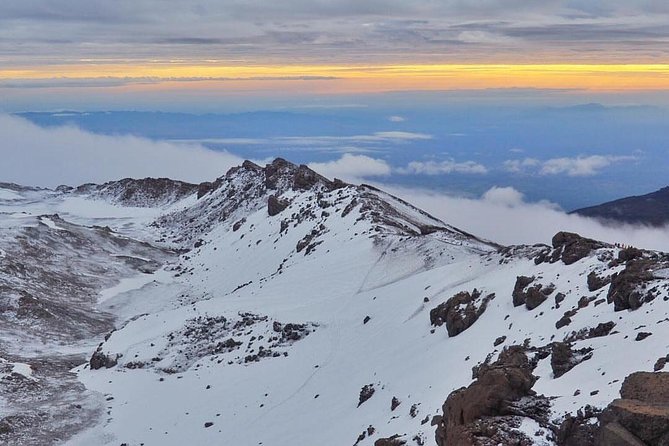
From Mandara, the route leaves the rainforest and climbs through open heathland to Horombo Encampment. The day covers approximately 12 kilometers and takes five to six hours, rising from 2,700 to 3,700 meters.
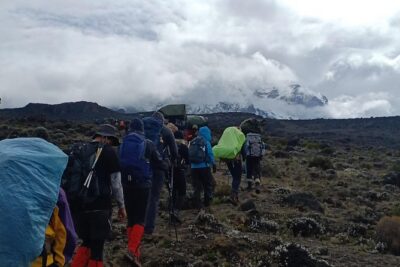
The change is clear. The enclosed forest gives way to wider views, including Mawenzi and the summit cone of Kibo. Giant lobelias and groundsels add an unusual shape to the vegetation. These plants make the moorland feel distinctly Kilimanjaro, rather than like an ordinary high-country walk.
Day 2 is also when you may begin to notice altitude. You might feel a headache, unusual tiredness, or shortness of breath. The right response is not to prove anything. Walk slowly, drink as directed by your guide, and tell the guide clearly if you feel unwell.
The private format matters here. Since only your group takes part, you have a better chance to discuss pace and symptoms without being tied to a large party’s rhythm. One useful point from the company’s feedback to a past customer was the importance of a slow pace, since speed can affect your chance of reaching the summit.
Horombo is an important stop because you return there after the summit attempt. That familiarity can be comforting. You will know where you are sleeping and where you can rest before the final long descent.
Day 3: A full acclimatization day at Horombo
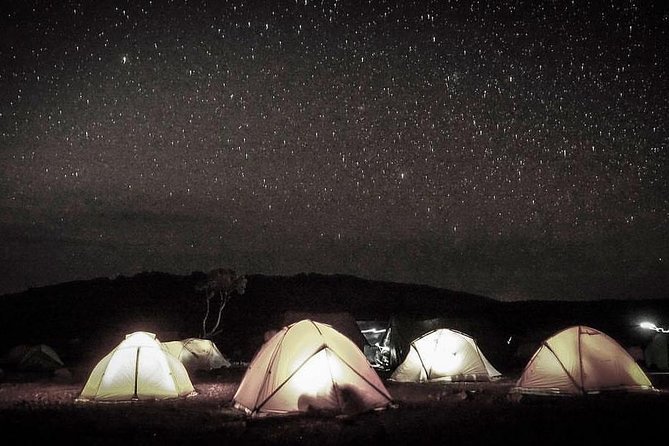
Day 3 is the quiet center of the itinerary. You remain at Horombo Hut, rather than moving to a new camp. Breakfast and dinner are served at the hut, while lunch can be packed or taken at the hut depending on your plan.
You can use the day to rest, but the optional walk toward Mawenzi Hut is the more useful choice if your guide considers it suitable. The route reaches about 4,600 meters, giving you time at a higher elevation without requiring the full summit effort.
This day also lets you judge how your body is responding. The mountain does not care how fit you are at sea level. Fitness helps, but altitude affects people differently, and an extra day can give your body a better chance to adjust.
Do not treat the acclimatization day as a sightseeing spare day. Keep your pace calm, eat what you can, and save energy. A common mistake on mountain trips is spending too much effort early because the summit still feels far away.
More treks in Moshi:
- Private Kilimanjaro Hike 7 Day Lemosho Route
★ 5.0 · 60 reviews - Best Kilimanjaro hiking day trip tour with Kilinge Adventures
★ 4.5 · 54 reviews - #1. Best Kilimanjaro Day hike Tour-Machame Route-ISMANI
★ 4.2 · 47 reviews - Best Kilimanjaro Adventure 7 days Machame route Trekking
★ 5.0 · 42 reviews
Day 4: Crossing the moonscape to Kibo
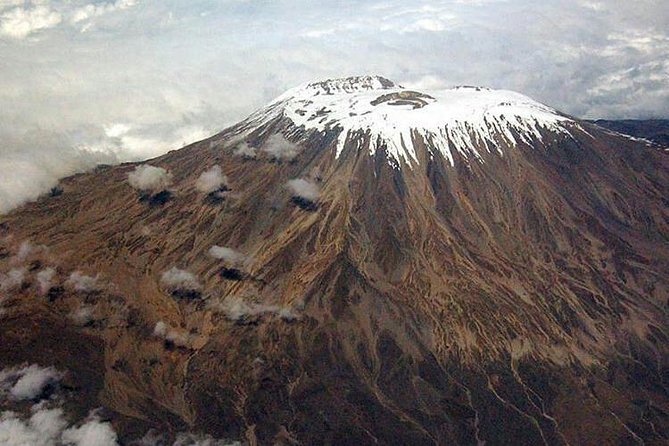
The trail leaves Horombo and climbs toward Kibo Hut, rising from 3,700 to approximately 4,700 meters. You walk about 9 kilometers in five to six hours.
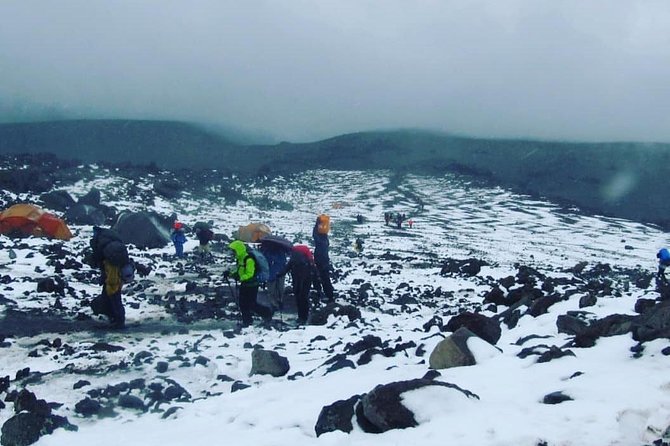
The route passes the last watering point, then crosses the broad saddle between Mawenzi and Kibo. Heathland gradually gives way to an alpine desert, with vegetation fading into what is described as a moonscape. The scene becomes barer and more exposed, and the air feels thinner.
This is a short day by distance, but altitude makes it feel harder. You are not simply walking uphill. You are carrying your body into a place where every task takes more effort. Keep your layers accessible, even if the lower trail felt warm.
At Kibo, you have dinner, rest, and prepare for the summit climb. The early bedtime may feel awkward after arriving in the afternoon, but rest is the main job. Organize your headlamp, warm clothing, gloves, water, and any small personal items before lying down.
The final summit attempt begins in the dark. Put the gear you need beside you instead of searching for it when you are tired.
Day 5: Uhuru Peak, Gilman’s Point, and the hardest hours
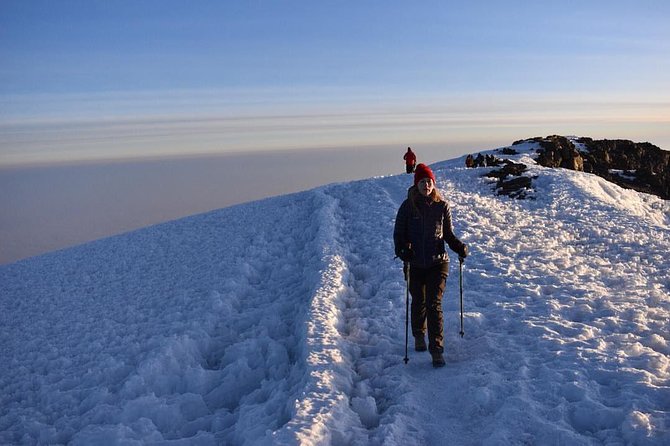
This is the decisive day. The climb begins very early, between midnight and 2:00 AM, so that you can reach the crater rim at Gilman’s Point and continue toward Uhuru Peak.
The first section is steep and covered in heavy scree or snow, depending on conditions. You need a headlamp or flashlight, and the cold can be severe before sunrise. Warm layers are not optional here. The supplied advice is sensible: keep all your warm clothing ready until you start descending.
From Gilman’s Point, you continue around the crater rim toward Uhuru Peak, the highest point in Africa. The views can be exceptional, but this is not a moment to rush for a photograph. Move at the guide’s pace, take careful steps, and let the guide know if your condition changes.
After the summit, you descend to Kibo for lunch and a rest, then continue to Horombo. This is a very long day, and the descent may punish tired legs in a different way from the climb. The return to Horombo is not a minor add-on. It is a major part of the day’s effort.
The summit success described in the company feedback was linked to good planning, the guide team, and a slow pace. Gasto is named as the head guide. That detail may be useful when you contact Safari Soles Tours, since you can ask who will lead your particular group and how summit pacing is handled.
Day 6: The long descent through forest
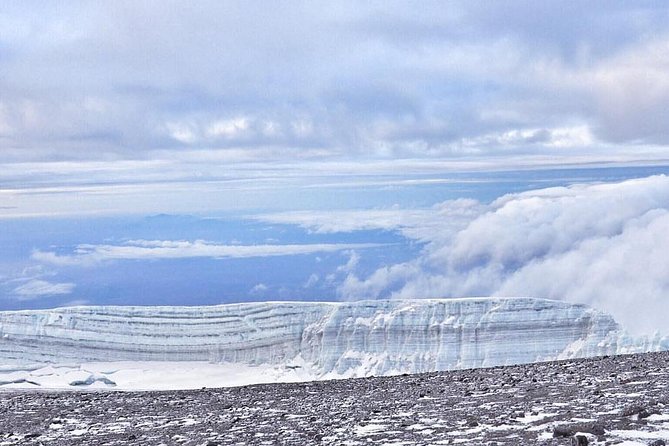
After breakfast at Horombo, you descend through moorland to Mandara Hut, then continue through the rainforest to the Marangu Gate. The walking time is listed at four to five hours, covering about 20 kilometers from roughly 3,700 to 1,700 meters.
This is a steady downhill day, but do not underestimate it. After the summit climb, your knees and feet may be tired, and 20 kilometers is a substantial distance. The lower forest can be wet and muddy, so gaiters and trekking poles are practical choices.
The clothing advice changes quickly with altitude. Shorts and a T-shirt may be enough at lower levels, but keep rain gear and warmer clothing handy because conditions can shift during the descent.
At the Marangu Gate, a vehicle meets you for the drive back to your hotel or the airport. The trip ends with a celebration and the usual reminder to tip guides and porters. Bring cash in suitable form if you intend to tip, though the exact recommended amount is not given here.
What the $2,269 price means
At $2,269.24 per person, this is not a budget walk. The value comes from the six-day structure, national park access, mountain logistics, meals, hut-based accommodation, a private group, and transport back from the gate. The available information does not provide an itemized list of inclusions, so I would ask for a precise cost breakdown before paying.
The extra acclimatization day is one of the strongest value points. A cheaper five-day plan may look attractive, but saving one day is less useful if it reduces your chance of reaching the summit comfortably.
The company has received praise for professional organization, smooth communication, food, accommodation, and successful summit planning. One customer described the food and accommodation as being to a high standard. That is encouraging, though the exact hut conditions and meal menus are not specified.
Group discounts are offered, which could matter if you are booking with family or friends. Pickup is also available, reducing the need to arrange your own transfer from Moshi. Ask if pickup covers your exact hotel or airport timing.
Pace, guides, and the private-group advantage
A private activity means only your group participates. That does not guarantee a small group unless the operator confirms the number, but it does mean you are not mixed into a public departure with unrelated people.
On a high mountain, this can be useful. You can ask for a slower pace, discuss rest stops, and report symptoms directly. The feedback connected to Safari Soles Tours praises the professional handling of both Kilimanjaro hikes and safari arrangements.
Gasto is identified as a head guide, and Lucas is praised for handling a Marangu day hike booked at short notice. The day-hike experience is not the same as this six-day climb, so do not assume Lucas will lead your trip. Instead, ask for the name and experience of your assigned guide.
I would also ask these practical questions before departure:
- Who is the lead guide for my dates?
- How many people will be in my private group?
- What exactly is included in the price?
- How are altitude symptoms handled?
- What is the recommended tipping practice for guides and porters?
Those questions are not fussing over small details. They help you understand the mountain support behind the advertised route.
What to pack for the changing conditions
The supplied details point to a wide range of conditions. You begin in warm, damp rainforest, move through cool heathland, cross a dry alpine desert, and climb in freezing darkness.
At minimum, plan around the specific advice given:
- A headlamp or flashlight for the summit start
- Several warm layers for the night climb
- Rain gear for the forest
- Gaiters for wet, muddy lower trails
- Trekking poles for the long descent
- Comfortable clothing for warmer lower elevations
Keep warm clothing and rain gear in an accessible part of your pack. You may not need them at the gate, but reaching them quickly matters when weather changes or the temperature drops.
Who should choose this six-day hike?
This route suits you if you want the most direct Kilimanjaro path, prefer hut accommodation, and value a private trip with an extra acclimatization day. It also suits people who want pickup, meals, and mountain logistics arranged through one operator.
You should be comfortable walking for several hours on consecutive days. The summit day is the key test, with a midnight or 2:00 AM start, steep scree, extreme cold, a summit at 5,895 meters, and a long return to Horombo.
The description says most people can participate, but that is not a substitute for personal medical advice. If you have concerns about high altitude or strenuous exercise, speak with a qualified medical professional before booking.
Booking has a useful safety net: cancellation at least 24 hours before the local start time qualifies for a full refund. Changes or cancellations inside that period are not accepted for a refund. The trip also requires good weather, and a weather cancellation brings the choice of another date or a full refund.
Should you book the Marangu Route with Safari Soles Tours?
I would consider booking it if you want a clear six-day plan and do not mind paying for a private, organized climb. The extra day at Horombo is a real advantage, and the route’s gradual approach makes Marangu a sensible choice for someone who prefers a direct trail and hut accommodation.
I would not choose it simply because it is called the easiest route. The summit night is still cold, steep, dark, and exhausting. Before booking, confirm the exact inclusions, your guide’s name, the group size, pickup details, hut arrangements, and tipping expectations.
If those answers are clear and you are prepared for the summit day, this itinerary offers a practical path to Uhuru Peak, with enough time to adjust and a support team that has received strong praise for planning and professionalism.
FAQ
How long is the Kilimanjaro Marangu Route hike?
The experience lasts approximately six days.
What time does the experience start?
The stated start time is 8:00 AM.
Is pickup available?
Yes. Pickup is offered, and a vehicle meets you at the Marangu Gate on the final day to drive you to your hotel or the airport.
Is this a private tour?
Yes. Only your group participates in the activity.
How much does the hike cost?
The listed price is $2,269.24 per person. Group discounts are also offered.
Where does the hike begin?
You drive to the Kilimanjaro National Park Gate, register there, and begin the climb through the rainforest.
What happens on the acclimatization day?
You stay at Horombo Hut. You can rest or take an optional day hike toward Mawenzi Hut at about 4,600 meters. Lunch can be packed or taken at the hut.
Can I cancel for a full refund?
Yes, if you cancel at least 24 hours before the local start time. Cancellations or changes made less than 24 hours before the start are not refunded. If poor weather cancels the experience, you are offered another date or a full refund.
Just added in Moshi
- Zanzibar: Stone Town tour and Nakupenda beach with Lunch★ 5.0 · 1 review
- day trip lake manyara★ 5.0 · 2 reviews
- machame route★ 5.0 · 16 reviews
- West Kilimanjaro cycling Adventures★ 4.5 · 8 reviews
- Wildlife Extravaganza: Manyara, Tarangire & Ngorongoro in 3 Days★ 5.0 · 3 reviews
- Private Cycle to Kilimanjaro Bike Park Safari★ 5.0 · 6 reviews
- 3 Days Private E-Bike Tour in West Kilimanjaro★ 5.0 · 3 reviews
- Kilimanjaro Climb & Safari – Lemosho Route – 13 Day★ 5.0 · 10 reviews
Marangu Route Climbs, compared.


Private Full Day Hiking Experience to Marangu Route
Read our review →
From Arusha/Moshi: Kilimanjaro Hike Marangu Route Day Trip
Read our review →
Mount Kilimanjaro Day Hike Through Marangu Route to Mandara Hut
Read our review →
Best Kilimanjaro Adventures 6 Days Marangu Route Experience
Read our review →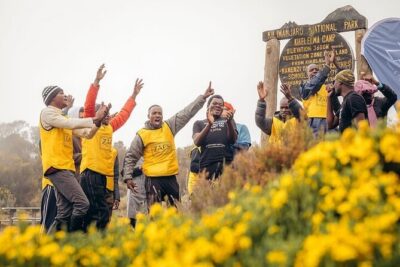
Kilimanjaro Private Climbing in 6 Days Marangu Route
Read our review →Browse the lists this tour appears in